Financial leakage in travel does not happen all at once. It happens in whispers, in hidden checkboxes, in poorly timed conversions, and in assumptions that cost you dearly. You work hard for your wealth, and you expect your leisure time to reflect that success. Yet every single year, even seasoned, high-net-worth travelers flush thousands of dollars down the drain due to invisible financial traps woven into the modern travel ecosystem.
You think you are securing the best deal. You believe your routine booking habits are efficient. You trust the polished interfaces of discount aggregators and airport kiosks. But in 2026, the global travel economy is engineered to extract maximum capital from uninformed passengers.
Let us examine the hidden bleeding points. Let us dissect the sophisticated financial traps that drain four and five figures from travel budgets. And more importantly, let us equip you with the exact strategies to plug those leaks permanently.
Mistake 1: The Third-Party Booking Illusion
You see a sleek discount portal offering a five-star overwater bungalow or a business-class long-haul flight at a headline-grabbing discount. You click, you enter your credit card information, and you pat yourself on the counter-intuitive back for beating the system.
You just walked straight into the third-party booking trap.
Discount aggregators and unknown online travel agencies (OTAs) survive on opacity. When you book luxury hotels or premium airfares through a third-party discounter, you are relinquishing control over your itinerary. If a flight is delayed, canceled, or rescheduled, the airline’s gate agents cannot touch your reservation. They will politely direct you back to your booking agency’s customer service line: a labyrinthine call center where you will sit on hold while upgrade priority, seat selections, and premium room assignments evaporate into thin air.
Furthermore, luxury hotel loyalty programs: such as Marriott Bonvoy, Hilton Honors, or World of Hyatt: do not recognize third-party bookings for elite night credits, points accrual, or guaranteed perks like complimentary breakfast and suite upgrades. By saving $200 on a nightly room rate through a discounter, you forfeit $500 in tangible on-property benefits, loyalty points, and priority treatment.
Never sacrifice control for an illusory discount. Book directly with carriers and properties, or leverage accredited professionals who secure VIP amenities and direct contractual protections without the third-party risk.
You step off a long-haul flight into a bustling international terminal. You need local currency for a taxi or a tip, so you drift toward the flashing neon sign of an airport exchange booth. Or worse, you pay for your boutique hotel bill at checkout, and the credit card terminal prompts you: “Would you like to be billed in your home currency or local currency?”
You press your home currency because it feels familiar. You just handed the merchant an unregulated, predatory 8% to 12% exchange rate tax.
Dynamic Currency Conversion (DCC) is one of the most insidious legal shakedowns in international commerce. When a foreign terminal offers to convert the currency for you at the point of sale, they apply an inflated exchange rate dictated entirely by the merchant’s bank, pocketing the massive spread. Airport currency exchange booths operate on a similar predatory model, charging exorbitant commissions and offering atrocious buy-back rates.
Protecting your capital abroad requires absolute discipline. Always choose to be billed in the local currency when prompted by a credit card terminal or ATM. Your home bank’s foreign exchange rate: provided you are using a card with zero foreign transaction fees: will invariably beat DCC rates by a wide margin. Avoid airport exchange booths entirely. If physical cash is required, withdraw local currency directly from a reputable bank’s ATM in the city center using a debit card that reimburses international ATM fees.
Mistake 3: The Separate Ticket Trap
You want to fly from New York to a remote island in Southeast Asia. Airline A offers a fantastic price on the transpacific leg, while Airline B offers a cheap regional hop to the final destination. You stitch the two itineraries together yourself, leaving a neat two-hour layover in an intermediary hub.
Then, Airline A experiences a minor mechanical delay. You touch down just as Airline B’s doors close.
You have fallen victim to the separate ticket trap. Because you booked two independent point-to-point tickets rather than a single interlined itinerary, Airline B has zero legal obligation to accommodate you when you miss your connection. You are treated as a no-show. Your non-refundable regional connection is instantly forfeited, forcing you to purchase a last-minute walk-up fare at triple the price: if seats are even available.
Airlines and alliances operate on rigid legal boundaries. If your entire journey is not printed on a single ticket (or booked under a guaranteed codeshare agreement), you bear 100% of the financial liability for missed connections, baggage transfers, and schedule changes. When crafting complex international itineraries, never piece together separate tickets to save a nominal amount upfront. The first delayed flight will instantly wipe out any perceived savings and cost you thousands in emergency rerouting.
You pull out a standard debit card or a basic cash-back credit card to pay for your $15,000 African safari or your luxury European cruise. You collect your meager 1.5% cash back and feel satisfied.
Meanwhile, you left thousands of dollars in complimentary insurance coverage, emergency evacuation protection, trip interruption insurance, and elite travel perks sitting on the table.
Top-tier travel rewards cards: such as the Chase Sapphire Reserve, Amex Platinum, or Capital One Venture X: function as multi-layered financial shields. They include primary rental car collision damage waiver (CDW) insurance, trip cancellation and interruption reimbursement up to $10,000 or more per trip, lost luggage compensation, and emergency medical expense coverage. When you pay for travel using a basic card or cash, you are effectively self-insuring against catastrophic disruptions.
Furthermore, card-holder benefits extend to airport lounge access, saving you hundreds of dollars in food, beverage, and day-pass fees during extended layovers. Global Entry and TSA PreCheck application fee credits, elite hotel status matches, and annual travel statement credits further compound your return on investment.
Do not pay out of pocket for protections your premium financial instruments already provide. Audit your wallet, understand your cardholder benefits, and route every travel expense through the card designed to protect it.
Mistake 5: The Resort Fee and Mandatory Service Charge Blindspot
You find a stunning urban lifestyle hotel in downtown London or a beachfront sanctuary in Maui advertised at $450 per night. You book five nights, mentally budgeting $2,250 for accommodation.
Upon checkout, your bill reads $3,150. Confusion sets in. Where did the extra $900 come from?
Welcome to the resort fee, destination fee, and mandatory service charge blindspot. Properties increasingly utilize headline-rate masking to lure price-sensitive travelers. They quote an attractive base rate online, only to tack on mandatory daily resort fees (often $40 to $100 per night) that supposedly cover “amenities” like high-speed Wi-Fi, fitness center access, and bottled water: amenities that should be standard baseline offerings in any reputable establishment.
When traveling internationally, mandatory tourist taxes, city occupancy fees, and compulsory property service charges can add another 15% to 25% to your final folio. In high-end establishments, service charges are often automatically added to dining, spa, and valet bills.
Always calculate the total out-the-door folio cost before confirming any reservation. Demand a comprehensive tax-and-fee breakdown from luxury properties prior to booking. If a hotel hides mandatory fees in the fine print of the terms and conditions, take your business to transparent properties that respect your intelligence and your budget.
Mistake 6: DIY Itinerary Over-Scheduling
You have ten days in Europe, and you decide you want to “see it all.” You book high-speed trains between four different countries, secure five different hotels, and schedule back-to-back walking tours, museum entries, and private transfers every single morning.
By day four, you are exhausted. By day six, you miss an early morning train because of exhaustion, forcing you to forfeit a non-refundable high-speed rail ticket and book a last-minute car service.
DIY itinerary over-scheduling is the hidden tax of ambition. When you attempt to manage complex, multi-city logistics on your own without professional pacing, fatigue sets in. Missed connections, rushed check-ins, forgotten reservation windows, and impulsive convenience spending (such as grabbing expensive airport food or hiring emergency black cars when you oversleep) quietly bleed your wallet.
Furthermore, non-refundable tickets and prepaid excursion bookings become financial anchors when your schedule collapses under its own weight. True luxury travel is defined by space, calm, and seamless pacing. Build buffer days into your schedule. Limit hotel hops. Give yourself the luxury of time so that logistical burnout does not turn your dream vacation into an expensive endurance test.
Mistake 7: Skipping Comprehensive Medical Evacuation Insurance
You are planning an adventurous getaway: perhaps hiking in Patagonia, exploring remote islands in the South Pacific, or embarking on a luxury wildlife safari in East Africa. You check the price of comprehensive travel insurance, look at the premium, and think: “Nothing is going to happen to me. I am healthy, cautious, and insured back home.”
Then, a sudden appendicitis attack or a severe fracture occurs three hours away from the nearest advanced medical facility.
Your domestic health insurance policy stops at the border. Medicare provides zero coverage outside the United States. Standard credit card travel insurance covers trip cancellation and lost bags, but rarely includes emergency medical evacuation.
Evacuating a patient via private air ambulance from a remote international location to a top-tier hospital costs anywhere from $50,000 to over $250,050 out of pocket. Without dedicated medical evacuation coverage (such as a specialized Medjet or comprehensive policy), a single medical emergency will liquidate your savings account or force you into catastrophic debt.
Never gamble with your health or your net worth. For any international or remote travel, securing high-limit medical evacuation insurance is non-negotiable. It is the ultimate insurance policy that transforms a potential six-year financial disaster into a managed, fully covered logistical event.
Mistake 8: The Roaming Charge and Mobile Data Blunder
You land in Tokyo, London, or Sydney. You turn off airplane mode, open your maps app, and begin streaming music and checking email, blissfully unaware that your domestic mobile carrier is quietly billing you $10 to $15 per day in international roaming fees.
At the end of a two-week trip, your mobile carrier bill arrives with an extra $200 to $300 in roaming charges for data you barely used. Worse still, if you fail to check your plan specifications, legacy carriers can throttle your speeds or bill exorbitant per-megabyte rates for background app updates.
The mobile data blunder is completely avoidable. In 2026, physical roaming fees are an archaic tax levied on the uninformed.
Before departing your home country, install an eSIM (such as Airalo, Holafly, or your carrier’s regional data package) directly onto your smartphone. For a fraction of traditional roaming costs, you secure high-speed local data networks the moment your aircraft touches down. You retain your primary phone number for emergency calls and two-factor authentication texts while routing all data through a low-cost, high-performance local digital profile.
Never pay legacy carriers extortionate daily roaming fees again. Modern connectivity should be seamless, instant, and inexpensive.
Mistake 9: Peak-Season Blindness
You want to visit the Amalfi Coast, the Greek Islands, or Aspen during the absolute peak weeks of July or December. You pay peak-season pricing for airfare, double the standard rate for your five-star hotel, and endure overcrowded beaches, booked-out restaurants, and lackluster service.
You have fallen into peak-season blindness: the financial trap of assuming that the best time to visit a destination is precisely when everyone else is there.
High-season travel is a masterclass in paying double for half the experience. Demand surges, supply plummets, and properties scale back personalized attention because their operational capacity is overwhelmed by sheer volume.
The financial antidote is shoulder-season arbitrage. By shifting your travel window by just three to four weeks: visiting the Mediterranean in May or October, the Caribbean in late November, or alpine regions in late spring: you unlock dramatic cost reductions while experiencing superior weather, uncrowded attractions, and attentive, unhurried service from top-tier hospitality staff.
Luxury travel is not about following the herd into overcrowded tourist traps during peak calendar weeks. It is about accessing the world’s most desirable locations on your own terms, with optimal pricing, pristine privacy, and flawless execution.
Mistake 10: Going It Alone Without a Travel Professional
You pride yourself on being an independent researcher. You spend dozens of hours scouring travel blogs, reading forums, comparing flight schedules, and cross-referencing hotel reviews to build your dream itinerary from scratch.
You saved a few hundred dollars in planning fees. But you spent forty hours of your valuable personal time, missed out on unlisted VIP hotel amenities, booked a room category plagued by construction noise, and missed a major flight schedule change that ruined your first day on-site.
Going it alone without a professional advisor is the ultimate false economy.
When you orchestrate complex, high-value travel entirely on your own, you bear the entire weight of research, execution, contingency planning, and crisis management. If something goes wrong at midnight in a foreign time zone, you are on your own with a chatbot or an overseas call center.
Partnering with an experienced travel professional changes the equation entirely. Professional advisors have direct channels to general managers, unlisted inventory, exclusive partner amenities (such as complimentary daily breakfast, spa credits, and guaranteed room upgrades), and 24/7 crisis support. They handle the invisible logistics so that your vacation remains a true vacation from the moment you conceive it until you return home.
Navigating Your Next Journey with Absolute Confidence
Avoiding these ten financial traps requires vigilance, discipline, and a commitment to treating your leisure time with the same strategic rigor you apply to your professional investments.
When you eliminate third-party booking risks, bypass predatory currency conversion, optimize your credit card protections, and partner with seasoned professionals, travel transforms from an expensive gamble into a seamless, high-yield investment in your well-being.
As for me, I have spent decades analyzing the hidden mechanics of the global travel industry, watching how minor oversights drain thousands of dollars from well-intentioned travelers. My mission is to ensure you never fall into those traps again. When you approach every journey with a clear financial strategy and insider awareness, the world opens up without friction, without stress, and without financial regret.
Luxury travel is broken. For decades, glossy brochures, curated social media feeds, and sparkling marketing campaigns have sold you a very specific fantasy of high-end vacationing. You have been told that true luxury looks like oversized marble bathrooms, endless rows of pristine thread-count linens, golden faucets, and champagne poured upon arrival by smiling attendants in immaculate uniforms. You have been conditioned to believe that paying top dollar guarantees an effortless, magical escape where perfection is simply the default setting. But here is the hidden truth about luxury travel in 2026: thread counts and marble bathrooms are just the baseline. They are the decorative wallpaper of the hospitality industry, designed to distract you from the complex, often chaotic reality of how high-end travel actually operates.
When you peel back the gilded veneer of the luxury sector, you discover an entirely different world. You discover that what looks effortless to you on the surface is actually the result of intense, invisible machinery operating behind the scenes twenty-four hours a day. You discover that luxury is not about accumulating more lavish amenities, but rather about the complete absence of friction. Whether you are navigating peak-season congestion in the Mediterranean or seeking absolute solitude across remote archipelagos, true luxury means you never have to think about the logistics, the wait times, the security protocols, or the microscopic details that keep the entire machine running.
Let us pull back the curtain and examine the raw, unfiltered reality of high-end travel today. You deserve to know how the industry actually works, what you are truly paying for when you book a three-thousand-dollar-a-night suite, and how you can stop traveling like an amateur tourist and start moving through the world like a seasoned insider.
The Myth of “More”: Why Thread Counts and Marble Bathrooms Are Just the Baseline
Luxury, luxury, luxury. Everywhere you look, travel marketing bombards you with superlative adjectives and visual excess. You see infinity pools stretching infinitely into turquoise horizons. You see private butlers standing at attention. You see champagne flutes glistening under desert suns. But when you examine these offerings with a discerning eye, you realize that many properties are selling an illusion of abundance rather than an experience of genuine quality.
You walk into a newly opened five-star resort, and you are immediately greeted by gleaming fixtures and palatial square footage. Yet, within twenty minutes, you notice the cracks in the facade. The front desk struggles to locate your reservation because their software systems are outdated. The restaurant cannot accommodate your dietary preference without a forty-minute consultation with the chef. The concierge hands you a generic printed map that every other guest receives.
That is the myth of “more.” More square footage, more gilded hardware, and more marketing hype do not equate to a superior vacation. In fact, excessive opulence is often used to mask operational deficiencies and mediocre service cultures.
True luxury is quiet. True luxury is intentional. True luxury means your preferences are remembered before you articulate them, your schedule bends effortlessly to your mood, and your physical and mental space is fiercely protected. Whether you are seeking a restorative wellness retreat in the mountains or a high-end cultural expedition across ancient cities, your primary metric for success should never be how many amenities are listed on a property brochure. Your metric should be how completely your stress evaporates the moment you arrive.
When you understand this fundamental shift, your entire travel philosophy changes. You stop chasing hotel brands that rely on massive advertising budgets, and you start seeking out properties and experiences engineered for flawless execution. You realize that a simple, impeccably run boutique hideaway with intuitive staff outperforms a monolithic mega-resort every single time.
The Invisible Machinery: Fixers, Head Concierges, and Private Aviation Brokers
Have you ever wondered how high-profile travelers secure a last-minute table at a fully booked Michelin-starred restaurant in Paris during Fashion Week? Have you ever questioned how private jets are repositioned across continents within forty-eight hours to accommodate a sudden change in plans?
The magic you experience on your trip is never an accident. It is engineered by an invisible machinery of fixers, head concierges, private aviation brokers, and elite logistics coordinators who operate entirely out of sight.
When you book through elite channels, you are tapping into a global network of human intelligence and insider influence. This is the hidden architecture of high-end travel:
Global Fixers and Local Insiders: These are individuals embedded in major cultural hubs who possess direct relationships with museum directors, private estate owners, rare wine collectors, and exclusive yacht captains. When standard channels say “sold down to the studs,” a fixer makes a single encrypted phone call and secures private access.
Head Concierges and Living Profiles: Elite hotels employ head concierges who maintain obsessive, encrypted databases on their frequent guests. They know your preferred room temperature, your favorite vintage of champagne, whether your children need hypoallergenic bedding, and how much privacy you demand around your pool villa. This data is updated in real time and shared across trusted partner networks so that you never have to repeat yourself.
Private Aviation Brokers: Commercial aviation is plagued by delays, lost luggage, and rigid schedules. Private aviation brokers bypass this entirely by managing fractional fleets, empty-leg repositioning, and discreet FBO (Fixed-Base Operator) terminals where you clear customs in three minutes flat without ever stepping foot inside a crowded terminal building.
This machinery operates silently beneath your feet. You do not see the frantic emails, the negotiated contracts, the backup aircraft standing on tarmac alert, or the security assessments conducted weeks before your arrival. You simply arrive, smile, and enjoy an environment that functions like clockwork. That is what you are paying for: absolute operational invisibility.
The Value Illusion: Dissecting the $3,000-a-Night Suite
Let us address the elephant in the room: the cost of ultra-luxury travel. When people see room rates soaring past three, five, or ten thousand dollars per night, sticker shock is completely natural. You might ask yourself how any single room or villa could possibly justify such staggering sums. Is it really just about Egyptian cotton sheets and designer toiletries?
Of course not. To understand the economics of ultra-luxury, you have to look past the physical room and examine the underlying cost structure that supports it. When you pay premium rates, your money is funding several critical operational pillars:
Staggered Staff-to-Guest Ratios: At the highest tier of hospitality, staff-to-guest ratios often exceed 3-to-1 or even 5-to-1. This means there are multiple dedicated professionals: butlers, private chefs, housekeepers, wellness practitioners, and security personnel: focused entirely on your party. Maintaining a payroll of highly trained, discreet, and multi-lingual professionals twenty-four hours a day requires enormous capital.
Private Infrastructure and Asset Maintenance: Operating a private island resort, a remote wilderness lodge in Patagonia, or a luxury expedition yacht in Antarctica involves astronomical logistics. Transporting fresh food, medical supplies, fuel, and high-end amenities to isolated locations requires dedicated boats, bush planes, and rigorous supply chains. Furthermore, high-end assets degrade rapidly in harsh marine or tropical environments; continuous renovation is mandatory to maintain perfection.
Absolute Privacy and Security Buffers: True luxury properties limit their guest capacity intentionally. A resort that could easily house five hundred rooms might cap its footprint at thirty standalone villas. By reducing inventory, the property sacrifices mass-market revenue to guarantee spaciousness and privacy for every visitor. You are paying for the empty space around you just as much as you are paying for the roof over your head.
Vetted Vendor Networks: When you request a private helicopter tour over active volcanoes or a private historian for an after-hours tour of the Louvre, the resort or agency is staking its reputation on that provider. They hire only fully vetted, insured, and elite operators, absorbing the liability and ensuring zero margin for error.
When viewed through this lens, the price tag transforms from an arbitrary luxury markup into a rational investment in safety, privacy, flawless service, and peace of mind.
The Privacy Paradox: Managing High-Profile Guests and Digital Discretion
In our hyper-connected digital age, privacy has become the ultimate luxury currency. Celebrities, tech founders, royal families, and high-net-worth individuals face an unprecedented challenge: how to enjoy the world without becoming content for millions of strangers on social media.
Ultra-luxury properties navigate this delicate tightrope through sophisticated protocols known collectively as discretion management.
When high-profile guests check into elite sanctuaries, the staff undergoes rigorous non-disclosure training. Photos of guests are strictly forbidden. Staff members are prohibited from approaching guests for autographs or selfies. In many properties, private villas are engineered with separate service corridors, underground parking access, and private elevators that allow guests to move from their suite to a waiting yacht without ever crossing paths with another human being.
Furthermore, properties employ proactive digital surveillance monitoring. Cybersecurity teams sweep local social media geo-tags and public forums to detect any accidental leaks regarding high-profile visitors in real time. If a paparazzi drone appears near a private cliffside villa, security protocols are triggered immediately to neutralize the device and escort guests to secure interior spaces.
You might not require James Bond-level security for your family vacation, but you certainly appreciate peace, quiet, and the freedom to unwind without being disturbed. When you choose properties that master the privacy paradox, you insulate yourself from the noise, the crowds, and the constant digital clamor of modern life. You reclaim your time, your space, and your anonymity.
The Smart Luxury Takeaway: How to Travel Like an Insider
Armed with these insights, how should you approach your future travels? How do you break free from the amateur tourist cycle and begin exploring the world with absolute confidence and insider access?
Here is your blueprint for smart luxury travel in 2026:
Prioritize Logistics Over Aesthetics: Stop choosing destinations solely based on pretty Instagram pictures. Instead, evaluate how smoothly you will move from your front door to your final destination. Look for seamless airport transfers, private aviation options, and expert end-to-end management.
Work With Dedicated Professionals: Stop spending hours scrolling through review sites and booking engines. Tap into experienced advisors who hold direct relationships with property general managers and international fixers. Their insider knowledge unlocks upgrades, unlisted villas, and personalized perks that algorithms can never provide.
Embrace “Quiet Luxury” and Spontaneity: Remember that last-minute flexibility is the ultimate privilege. When you have robust behind-the-scenes infrastructure supporting you, you can decide on Tuesday to fly to the Mediterranean on Thursday, knowing that every detail is already handled.
Define Your Personal Value Drivers: Decide what matters most to you. Whether you value absolute privacy, gastronomic excellence, family bonding time, or adventure expeditions, communicate your priorities clearly so your itinerary can be customized around your exact desires.
Let Us Craft Your Next Journey
When you are ready to experience the world without friction, compromise, or stress, we are here to handle every single detail for you. Whether you are dreaming of a secluded private island escape in the Caribbean, an awe-inspiring Antarctica expedition cruise, an immersive African safari, or a customized luxury getaway tailored precisely to your family’s preferences, we manage the entire experience from start to finish.
I personally oversee our client portfolios to ensure that every flight, transfer, villa booking, and exclusive excursion meets the highest standard of excellence. You deserve a vacation where everything is effortlessly taken care of, leaving you free to simply relax and enjoy the moments that matter most.
Reach out to us today to start planning your next unforgettable adventure. Whether you prefer a relaxing beach escape or an adventurous holiday, we ensure your journey is flawless, private, and entirely extraordinary.
Overwater, overwater, overwater. That is where the pinnacle of modern hospitality lives. You want luxury, you want seclusion, and you want an escape that redefines what it means to be away from the world. For decades, the standard overwater bungalow meant a thatched-roof hut perched on wooden stilts over a turquoise lagoon. Today, that definition has undergone a radical, breathtaking transformation. In 2026, overwater living is no longer just about sleeping above the tide. It is about architectural mastery, retractable stargazing roofs, private multi-story waterslides, underwater master bedrooms, and glass-floor pavilions that turn the open ocean into your personal living room aquarium.
When you book your next grand escape, you deserve accommodations that transcend the ordinary. Whether you are seeking a romantic honeymoon sanctuary or an unforgettable multi-generational family retreat, the world’s most elite resorts have elevated overwater living into high art. You are about to discover the absolute finest overwater villas and bungalows on Earth for 2026. Let us guide you through the sanctuaries where engineering genius meets untamed natural beauty.
Beyond the Basic Thatched Roof
Evolution, evolution, evolution. The luxury travel landscape moves fast, and overwater architecture has sprinted ahead of all expectations. You are no longer confined to a single room with a sliding glass door and a small deck. Today’s premier overwater estates span multiple levels, boasting footprints that rival sprawling mainland mansions.
When you step into a modern 2026 overwater villa, you enter a meticulously engineered masterpiece. We are seeing private freshwater infinity pools cantilevered directly over breaking waves. We are seeing glass-bottomed living rooms where reef sharks and manta rays glide peacefully beneath your feet while you sip vintage champagne. We are seeing retractable roofs that open at the touch of a button so you can sleep directly beneath a canopy of tropical stars.
You want stress-free perfection. You want every detail handled with absolute precision. That is why understanding the nuanced differences between the globe’s premier overwater properties matters immensely. You deserve insider expertise, and we are here to provide it.
Soneva Jani, Maldives: The Ultimate Playground of Stargazers and Thrill-Seekers
Maldives, Maldives, Maldives. The Maldives remains the undisputed epicenter of overwater indulgence, and Soneva Jani sets the benchmark against which all other resorts are measured. Located in the Noonu Atoll, this legendary sanctuary redefines barefoot luxury with an adventurous twist.
The Retractable Roof Revolution
When you retire to your master bedroom at Soneva Jani, you hold the power to dissolve the barrier between your bed and the cosmos. At the touch of a button, the roof above your king-sized bed slides open silently. You lie back on Egyptian cotton linens, breathing in the soft sea breeze while constellations stretch across the Indian Ocean sky. Should a midnight tropical shower pass by, sophisticated rain sensors automatically close the roof before a single drop touches your pillow. You rest completely undisturbed, wrapped in absolute comfort.
Private Waterslides and Multi-Level Grandeur
Why simply walk down to the lagoon when you can fly? Many of Soneva Jani’s iconic Water Retreats feature curved, private waterslides plunging eight meters from the upper deck directly into the crystal-clear lagoon below. These aren’t mere novelties; they become your primary mode of coastal entry.
Spanning up to five bedrooms and exceeding 1,000 square meters, these overwater sanctuaries offer:
Expansive multi-level sun decks equipped with sunken daybeds and catamaran nets suspended over the water.
Private freshwater swimming pools framed by unobstructed sunrise or sunset horizons.
Open-air bathrooms featuring sunken bathtubs, rain showers, and direct ladder access to the marine sanctuary.
Dedicated Mr./Ms. Friday butler service anticipating your every whim before you even voice it.
You arrive seeking relaxation, and Soneva Jani delivers an environment where every worry evaporates into the sea spray.
Velaa Private Island, Maldives: Uncompromising Exclusivity and Ultra-Luxury
Exclusivity, exclusivity, exclusivity. If ultimate privacy is your highest priority, Velaa Private Island represents the pinnacle of secluded island living. With just 47 total accommodations: 18 of which are perched over the turquoise waters of the Noonu Atoll: Velaa caters to discerning travelers who demand absolute discretion and peerless refinement.
The Overwater Residences
The overwater villas at Velaa range from the 223-square-meter Sunrise Water Pool Villas to the monumental 493-square-meter Ocean Pool Houses. Every single overwater unit features:
A private infinity pool and expansive wooden sun deck.
Integrated wine cellars stocked with rare vintages curated by master sommeliers.
State-of-the-art Bang & Olufsen entertainment systems and bespoke designer furnishings.
The Unreachable Romantic Pool Residence
For the ultimate romantic escape, look no further than the Romantic Pool Residence at Velaa. Suspended entirely above its own private patch of lagoon and accessible only by boat, this ultra-exclusive one-bedroom sanctuary features its own private gym, spa treatment room, and a personal chef upon request. You exist in your own sovereign realm, completely isolated from the rest of the world.
You deserve an escape tailored precisely to your personal preferences. Whether you desire a serene sunrise yoga session on your private deck or a private candlelit dinner prepared on a secluded sandbank, Velaa transforms your vacation fantasies into concrete reality.
Four Seasons Resort Bora Bora: The Gold Standard of South Pacific Elegance
Bora Bora, Bora Bora, Bora Bora. When most travelers close their eyes and picture an overwater bungalow, they are envisioning the iconic silhouette of Bora Bora with the jagged, majestic peak of Mount Otemanu piercing the sky. The Four Seasons Resort Bora Bora captures this legendary aesthetic and elevates it to uncompromising luxury.
Architectural Harmony and Polynesian Tradition
The overwater bungalows here blend traditional thatched Polynesian craftsmanship with modern five-star sophistication. Teak wood accents, high vaulted ceilings, and authentic local artwork create an immediate sense of place. Yet, the modern amenities are thoroughly contemporary.
In 2026, the resort highlights its specialty overwater bungalow suites equipped with private freshwater plunge pools. Imagine soaking in an infinity-edge pool on your private terrace while gazing directly at Mount Otemanu as the sun dips below the horizon, painting the sky in shades of violet and gold.
Choosing Your Perfect View
Every overwater bungalow at the Four Seasons features direct lagoon access from your private deck, but orientation dictates your experience:
Beach-View Overwater Bungalow Suites: Positioned to offer serene views of the resort’s powdery white-sand shores.
Lagoon-View Overwater Bungalow Suites: Providing classic, endless vistas of shimmering turquoise water in every direction.
Mountain-View and Premier Otemanu Suites: Oriented for jaw-dropping, front-row seats to Bora Bora’s most famous volcanic peak.
Two-Bedroom Herenui and Poerava Suites: Designed for families or small groups seeking expansive living areas, massive sun decks, and private plunge pools.
You travel to feel alive, to disconnect from the mundane, and to immerse yourself in breathtaking natural splendor. The Four Seasons Bora Bora delivers that transformation effortlessly.
Likuliku Lagoon Resort, Fiji: Authentic South Pacific Sanctuary
Fiji, Fiji, Fiji. If you prefer your luxury infused with deep cultural authenticity and pristine marine life, Likuliku Lagoon Resort in the Mamanuca Islands offers something truly rare. Likuliku is home to Fiji’s first and only authentic overwater bures, nestled within a protected marine sanctuary.
The Adult-Only Overwater Experience
Exclusivity takes a peaceful, adult-only form here. With just 10 overwater bures perched above a living coral reef, Likuliku ensures absolute tranquility. Each 91-square-meter bure is constructed using traditional Fijian architecture, locally sourced hardwoods, and intricate magi-magi weaves, combined with modern luxury appointments.
Key features of the Likuliku overwater experience include:
Glass Floor Panels: Integrated into the living space to provide a window into the vibrant marine sanctuary directly beneath your feet.
Separate Luxury Bathing Pavilions: Featuring deep-set stone bathtubs with panoramic windows overlooking the tranquil reef lagoon.
Daily Culinary Surprises: Including freshly baked cookies and a complimentary daily chef’s canapé plate delivered directly to your bure.
Direct Reef Access: Private ladders leading straight from your sun-drenched deck into crystal-clear waters teeming with colorful tropical fish.
Following extensive resort-wide enhancements, the overwater bures at Likuliku combine timeless South Pacific charm with state-of-the-art comfort. You step outside your door, slip into the warm water, and instantly remember why travel is the ultimate investment in your own well-being.
Emerging Horizons: Eco-Luxury Overwater Villas in the Caribbean and Central America
Maldives and Bora Bora are legendary, but the 2026 travel landscape brings an exciting new contender to the overwater arena: eco-luxury overwater villas closer to home in the Caribbean and Central America.
Innovation, innovation, innovation. Discerning travelers are increasingly demanding sustainable luxury that respects local marine ecosystems while delivering world-class hospitality. Emerging properties across Belize, Panama, and select Caribbean islands are constructing low-impact overwater villas powered entirely by solar energy, featuring rainwater harvesting systems, and built with reclaimed sustainable timber.
What to Expect from New-Wave Eco-Overwater Living
These new-generation properties prove that luxury and environmental stewardship are not mutually exclusive. When you book an eco-luxury overwater villa in the Caribbean or Central America, you experience:
Zero-Footprint Engineering: Foundations designed to encourage coral regeneration rather than disrupt seabed life.
Farm-to-Table Culinary Programs: Sourcing hyper-local seafood and organic produce from nearby mainland farms.
Immersive Conservation Activities: Guided snorkeling and reef-restoration dives led by resident marine biologists.
Unspoiled Seclusion: Locations far removed from mass tourism, offering raw, authentic natural beauty.
You want your travels to matter. You want to indulge in absolute comfort while knowing your footprint supports conservation and local communities. These emerging destinations offer precisely that balance.
How to Choose the Right Overwater Bungalow for Your 2026 Journey
Selection, selection, selection. With so many breathtaking options across the globe, choosing the right overwater villa requires careful consideration of your personal travel style. Do not leave your dream vacation to chance.
Consider these critical factors before you book:
Atmosphere and Demographics: Are you looking for a romantic, adults-only sanctuary like Likuliku Lagoon, or a multi-generational family playground with waterslides like Soneva Jani?
Geographical Preference: Do you prefer the iconic coral atolls of the Maldives, the dramatic volcanic peaks of Bora Bora, the warm cultural hospitality of Fiji, or the convenient proximity of the Caribbean?
Amenities and Architecture: Do you prioritize a retractable stargazing roof, a private multi-level infinity pool, or an underwater master bedroom?
Activity vs. Seclusion: Do you want active water sports and vibrant nightlife, or total isolation where you can read undisturbed for a week?
You deserve a vacation crafted to your exact specifications. Every detail matters, from flight connections and boat transfers to private dining reservations and spa appointments. You want complete peace of mind from the moment you begin dreaming about your trip until you return home relaxed and rejuvenated.
Your Next Adventure Awaits
Adventure, adventure, adventure. Life moves too quickly to spend your precious time off in ordinary surroundings. You have worked hard, and your downtime is sacred. Whether you choose the stargazing roofs of the Maldives, the majestic mountain views of Bora Bora, the reef sanctuary of Fiji, or an emerging eco-lux escape in the Caribbean, an unforgettable overwater experience is waiting for you.
You do not need to worry about logistics, reservations, or fine print. Let us handle every single detail so you can focus entirely on packing your bags and anticipating the journey of a lifetime. Reach out today, and let us start designing your ultimate overwater escape.
Quiet. Exclusive. Uncompromised. This is the new definition of luxury beach travel in 2026.
You want serenity. You want pristine sands where your footprint is the only one in sight. You want to escape the suffocating crowds of St. Tropez, the overcrowded beach clubs of Tulum, and the bumper-to-bumper traffic winding down the Road to Hana in Maui. You deserve a sanctuary where luxury is measured in square miles of untouched nature rather than the density of yacht masts in a crowded harbor.
The era of performative travel is over. You are no longer looking to be seen in the deafening beach bars of mainstream hotspots. Instead, your sights are set on quiet, exclusive, and unhyped coastal paradises that offer true “Smart Luxury.” You crave authentic architecture, profound silence, world-class gastronomy rooted in local terroir, and accommodation that respects both the environment and your privacy.
Whether you are seeking the wild Atlantic swells of the Alentejo coast or the emerald-green volcanic calderas of the South Pacific, your next great escape demands an entirely different playbook. Let us examine the most underrated luxury beach destinations for 2026, places where exclusivity meets authenticity and where your peace of mind is the ultimate amenity.
The 2026 Travel Paradigm: Why Over-Touristed Hotspots Are Losing Their Lustre
You know the feeling. You arrive at a legendary coastal resort after months of anticipation, only to find yourself queuing for a sunbed at dawn, navigating selfie sticks at sunset, and paying exorbitant rates for mediocre service delivered by overwhelmed staff. Mass tourism has finally stripped the magic from dozens of once-iconic beach destinations.
You are traveling differently now. You understand that true luxury cannot exist in a crowded room. In 2026, affluent travelers are executing a decisive pivot toward “hushpitality” and low-density destinations. You want destinations that protect their ecosystems through strict visitor caps, architectural zoning laws, and a deep reverence for local heritage.
You want to breathe. You want to walk along a shore where the loudest sound is the crash of the tide. You want service that anticipates your every desire without feeling intrusive. You demand absolute discretion, seamless logistics, and immersion in landscapes that have not been industrialized by commercial tourism.
Let us explore the five extraordinary destinations redefining high-end coastal travel this year.
Comporta, Portugal: Wild Atlantic Chic and Undiscovered Rice Paddies
You step off the plane in Lisbon, drive just an hour and a half south across the Tagus River, and enter a completely different world. You have arrived in Comporta, a low-slung landscape of emerald-green rice paddies, fragrant umbrella pine forests, and sixty unbroken kilometers of wild Atlantic sand dunes.
Comporta is the anti-St. Tropez. There are no mega-yachts blotting out the horizon, no velvet-rope nightclubs, and no paparazzi hiding in the brush. What you find instead is effortless, bohemian elegance. It is where European fashion designers, architects, and discerning travelers retreat to disconnect.
You stay at properties like Sublime Comporta or the newly expanded Sublime Sand, where low-rise wooden cabins blend seamlessly into the pine canopy. You spend your afternoons biking along sandy tracks between vineyards and the ocean. You dine at rustic beach shacks like Sal on Praia do Pego, feasting on freshly caught grilled sea bass and local Alentejan wine with your bare feet in the sand.
You appreciate the discretion. You enjoy the unhurried rhythm of life here. Whether you spend your days horseback riding across the dunes or lounging on the nearly deserted sands of Praia dos Brejos, Comporta delivers a masterclass in understated European coastal chic.
Grenada: The Spice Island’s Refined Coastal Renaissance
You crave the warm, crystalline waters of the Caribbean, but you recoil at the cruise ship terminals and mega-resorts that dominate islands like Nassau or Grand Cayman. You want soul. You want culture. You want genuine island hospitality paired with uncompromising five-star luxury.
You find it all in Grenada. Known as the “Spice Island” due to its lush plantations of nutmeg, cinnamon, and cloves, Grenada remains wonderfully under-trafficked compared to its northern neighbors. You experience an island where the rainforest cascades directly down to hidden, crescent-shaped bays of blinding white sand.
You check into Silversands Grenada on the legendary Grand Anse Beach, where minimalist modern architecture contrasts magnificently with the wild tropical greenery. You swim in the longest infinity pool in the Caribbean before retreating to your private villa.
You venture beyond the resort gates with absolute confidence. You explore vibrant spice markets in St. George’s, hike through the emerald interior of Grand Etang National Park to discover secret waterfalls, and tour historic rum distilleries operating with nineteenth-century waterwheels. You enjoy a Caribbean that feels authentic, sophisticated, and entirely your own.
Guana Island, British Virgin Islands: Ultimate Private Sanctuary Seclusion
You define true luxury as absolute privacy. You do not want a boutique hotel room; you want an entire island. You want to wake up knowing that the only other people on your horizon are the handpicked staff dedicated to your comfort and the rare bird species inhabiting the surrounding hills.
You charter your path to Guana Island in the British Virgin Islands. This 850-acre private island is a rare triumph of conservation and exclusivity. With a strict guest capacity that rarely exceeds thirty-five people at any given time, Guana offers seven pristine white-sand beaches where you will never encounter another tourist.
You settle into an oceanfront stone cottage perched high above the turquoise Caribbean Sea. You spend your days snorkeling through vibrant coral reefs at White Bay, hiking ridge trails that offer panoramic views of the entire archipelago, and playing tennis on courts overlooking the ocean.
You savor meals crafted from organic produce harvested right on the island’s orchard terraces. You experience a level of tranquility that feels almost mythical in the twenty-first century. Guana Island gives you the rarest luxury of all: complete, uninterrupted solitude with the person you love.
You love the dynamism of Southeast Asia, but you are exhausted by the neon lights and relentless crowds of Nha Trang, Da Nang, and Phu Quoc. You are searching for the Vietnam of decades past: where dramatic granite headlands shelter quiet fishing villages, ancient Cham towers crown emerald hills, and the seafood is caught hours before it hits your plate.
You discover Quy Nhon on Vietnam’s south-central coast. This hidden gem has largely bypassed the mass tourism boom, making it the premier destination for discerning travelers seeking authentic Asian coastal luxury.
You book a clifftop pool villa at Anantara Quy Nhon Villas, where tropical architecture meets world-class butler service. You watch the sunrise over Queen’s Beach from your private infinity plunge pool, listening to the rhythmic chants of local fishermen returning in their traditional round bamboo basket boats.
You explore the nearby ruins of the Champa Kingdom, wander through bustling morning food markets untouched by western commercialism, and sail to untouched offshore islets for private snorkeling excursions. Quy Nhon offers you staggering natural beauty and profound cultural depth at a standard of luxury that leaves conventional hotspots far behind.
Lord Howe Island, Australia: The Pristine Eco-Luxury Paradise with a Strict Visitor Cap
You believe that true luxury is found in the protection of nature. You want an escape where ecological integrity and high-end hospitality exist in perfect harmony. You want a destination so protected that visitor numbers are strictly capped by law to preserve its delicate biosphere.
You journey to Lord Howe Island, a crescent-shaped volcanic remnant rising dramatically from the Tasman Sea, roughly six hundred kilometers off the coast of New South Wales. Designated a UNESCO World Heritage site, this tiny island is home to the southernmost coral reef in the world and towering twin peaks covered in subtropical rainforest.
You check into Capella Lodge, where contemporary luxury blends effortlessly with breathtaking views of Mounts Lidgbird and Gower. You spend your days exploring marine sanctuaries teeming with rare endemic fish, hiking through pristine kentia palm forests, hand-feeding massive kingfish at Ned’s Beach, and cycling along quiet lanes where bicycles are the primary mode of transport.
You appreciate the absolute stillness of an island with no mobile phone signal across large areas: a true digital detox disguised as a luxury holiday. Lord Howe Island reminds you what the earth looked like before human interference, wrapped in comforting, world-class hospitality.
How to Curate Your Uncrowded 2026 Beach Escape
Planning a journey to these secluded corners requires precision, foresight, and insider access. You cannot simply book a generic package holiday and hope for the best. These delicate ecosystems and boutique properties operate on limited inventories, and securing your preferred dates demands strategic timing.
When I assist travelers in designing these bespoke coastal itineraries, I always emphasize three foundational rules:
Book Well in Advance: Because destinations like Guana Island and Lord Howe Island maintain strict capacity caps, you must secure your reservations six to twelve months ahead of your departure.
Embrace the Shoulder Season: If you want absolute silence, travel during the shoulder months: such as May in Comporta or November in Grenada: when the weather remains glorious and the crowds thin to near zero.
Prioritize Seamless Logistics: Remote luxury requires flawless coordination. From private air charters to regional transfers and private yacht moorings, every single detail must be orchestrated so that your vacation begins the moment you lock your front door.
You do not need to stress over flight connections, resort transfers, or itinerary coordination. You simply need to decide which horizon calls to your soul, pack your lightest linen, and leave the intricate details to professionals who know these hidden coasts intimately.
Milestone anniversaries demand more than a quiet dinner at a local bistro. Milestone anniversaries require reflection, celebration, and absolute immersion in the extraordinary. Milestone anniversaries deserve journeys that match the weight of your shared history.
You want a celebration that feels effortless yet deeply profound. You want memories that anchor your love story in breathtaking landscapes across the globe. You want luxury that goes beyond marble lobbies and thread-count metrics, tapping instead into the quiet, powerful rhythm of connection.
Welcome to the 2026 landscape of luxury anniversary travel. Whether you are marking five years of newlywed bliss or five decades of enduring partnership, your celebration deserves meticulous curation. Whether you crave the seclusion of an Indian Ocean private island or the spiritual stillness of a Himalayan sanctuary, this guide reveals how to elevate your next anniversary into a masterclass in romance.
The 2026 Anniversary Shift: Moving Beyond Traditional Packages
Traditional anniversary travel is broken. Traditional anniversary travel relies on cookie-cutter resort packages, generic champagne bottles left on beds, and crowded dining rooms that feel more commercial than intimate. You deserve better than a standard-issue couples massage in a basement spa.
In 2026, the elite travel paradigm shifts entirely. Couples are moving away from superficial indulgence and toward soulful journeys. Soulful journeys prioritize deep emotional restoration, genuine cultural engagement, and unhurried pacing. You are no longer measuring a luxury trip by how many Michelin stars you can check off a list. You are measuring your trip by how deeply you connect with your partner and your destination.
This is the era of hushpitality. Hushpitality delivers absolute discretion, profound privacy, and acoustically and visually serene environments. You experience destinations where the loudest sound is the whisper of the wind through olive groves or the gentle lap of turquoise waves against your private overwater deck.
Multi-center itineraries are also defining 2026. Instead of anchoring yourself to a single hotel for ten days, you blend contrasting environments. You pair high-altitude mountain stillness with coastal seclusion. You combine historic architecture with modern architectural masterpieces. You curate an unfolding narrative that mirrors the evolution of your relationship.
You want a trip that breathes. You want itineraries that leave space for spontaneity, long lazy breakfasts, and midnight stargazing without a rigid tour guide rushing your schedule. Your anniversary is personal. Your itinerary must reflect that profound individuality.
Anchor Experiences: Building a Journey Around One Unforgettable Moment
Every legendary anniversary trip needs an anchor. An anchor experience is that single, breathtaking, unforgettable focal point around which the entire journey revolves. You do not just travel; you build a memory of a lifetime.
Think of an anchor experience as the crown jewel of your itinerary. You might commission a private helicopter flight over calving glaciers at sunrise, landing on an isolated ice shelf for a champagne toast that no other human being will ever replicate. You might arrange exclusive, after-hours museum access in a European cultural capital, wandering empty galleries hand-in-hand with a world-renowned art historian as your private guide.
You might charter a classic wooden Riva boat for a private twilight cruise along an Amalfi cliffside, docking at a secluded cove where a private chef grills freshly caught seafood under a canopy of lanterns. You might secure a private stargazing dinner deep within a protected desert reserve, complete with an astrophysicist pointing out constellations that have guided navigators for millennia.
These moments require insider access, flawless execution, and uncompromising precision. You cannot book these experiences on public booking platforms. These are bespoke creations, engineered to take your breath away and remind you both of the sheer wonder of being alive together.
When you anchor your anniversary around one defining, extraordinary moment, the rest of the trip falls into a graceful rhythm. Every day builds toward that pinnacle, and every subsequent memory glows in its radiant light.
Top 2026 Milestone Destinations
Choosing the right destination sets the stage for everything that follows. In 2026, four distinct regions stand out as the absolute pinnacle for luxury anniversary travel. Each offers a unique flavor of romance, absolute privacy, and world-class hospitality.
1. The Seychelles: Overwater Seclusion and Indian Ocean Romance
The Seychelles represents the gold standard of tropical seclusion. The Seychelles offers dramatic granitic boulders sculpted by wind and waves, powdery white sands, and emerald forests dropping precipitously into sapphire waters.
You step away from the saturated, tourist-heavy corridors of the Maldives and enter a sanctuary of untamed natural beauty. Properties like Cheval Blanc Seychelles and North Island set breathtaking benchmarks in design, conservation-driven luxury, and uncompromising privacy.
For your anniversary, consider a full villa buyout or an entire private island retreat. You spend your days swimming alongside hawksbill turtles in crystal-clear marine parks. You spend your evenings enjoying private beach barbecues prepared by a personal chef while barefoot on warm sand.
You embrace the emerging trend of dusking experiences. You board a private catamaran at golden hour, watching the sky ignite in shades of violet and amber while sipping vintage champagne. Conservation is woven into the fabric of your stay; you plant coral fragments in a reef restoration nursery, creating a living monument to your milestone that will grow for decades.
2. Bhutan: Spiritual and Quiet Luxury in the Himalayas
Bhutan offers an entirely different kind of romance. Bhutan rejects mass tourism through its legendary high-value, low-volume model, ensuring that every visitor experiences an authentic, uncrowded kingdom wrapped in profound spiritual energy.
You immerse yourselves in the timeless majesty of the Himalayas. You stay in ultra-luxury lodges where traditional Bhutanese architecture meets sleek, modern comfort. You wake up to crisp mountain air, prayer flags fluttering in the valley wind, and misty peaks piercing the blue sky.
This is the ultimate destination for an introspective, transformative anniversary. You participate in private blessing ceremonies led by revered monks in cliffside monasteries. You indulge in traditional hot-stone herb baths overlooking terraced rice paddies. You hike through pristine pine forests hand-in-hand, finding utter peace in a world that moves at a gentler, more mindful pace.
Bhutan strips away the superficial noise of modern life, allowing you and your partner to reconnect on a deeply emotional and spiritual level. It is luxury defined by stillness, heritage, and sacred silence.
3. Puglia and Umbria: Slow Food, Historic Estates, and Italian Elegance
Italy remains the eternal darling of romantic travel, but 2026 belongs firmly to its more soulful, slower-paced regions. While the Amalfi Coast and Lake Como groan under the weight of summer crowds, Puglia and Umbria offer authentic Italian romance without the friction.
In Puglia, you check into a meticulously restored masseria: a fortified historic farmhouse transformed into an ultra-luxury rural estate surrounded by ancient, gnarled olive groves and dry-stone walls. You bask in the rustic-chic elegance of southern Italy.
Your days unfold with delicious deliberation. You take private cooking classes with master local chefs, learning how to hand-roll orecchiette pasta. You bicycle through sun-drenched vineyards, stopping for private tastings of robust Primitivo wines. You explore whitewashed coastal towns like Otranto and Polignano a Mare, chartering a private wooden sailboat to explore hidden sea caves.
In Umbria, you find the lush, green heart of Italy. You stay in medieval hilltop castles or stone farmhouses perched above misty valleys. You hunt for white truffles with expert handlers and trained dogs, pairing your harvest with a fireside meal prepared exclusively for the two of you.
This is slow travel at its finest. There are no rushed tour buses, no stressful itineraries, and no manufactured experiences. There is only good food, great wine, breathtaking landscapes, and each other.
4. The Red Sea, Saudi Arabia: Emerging Ultra-Luxury Coastal Horizons
If you want to be a pioneer of modern luxury, the pristine Red Sea coast of Saudi Arabia is your ultimate 2026 destination. This emerging ultra-luxury frontier redefines coastal travel through cutting-edge eco-architecture, regenerative tourism, and untouched marine wilderness.
You stay in architectural masterpieces floating above crystal-clear waters or nestled against dramatic desert dunes. You experience absolute privacy in resorts designed to blend seamlessly into their natural surroundings, powered entirely by renewable energy.
Your anniversary here is an exercise in futuristic indulgence. You dive into untouched coral reefs teeming with vibrant marine life, accompanied by world-class marine biologists. You take private helicopter flights over desert islands and volcanic craters. You relax in overwater spa sanctuaries offering bespoke wellness therapies tailored to your circadian rhythms.
The Red Sea combines the untouched exclusivity of a private island with the awe-inspiring grandeur of untouched desert landscapes. You witness the birth of a new era in luxury travel, celebrating your milestone at the absolute cutting edge of the industry.
The Logistics of Celebration: Avoiding the Anniversary Stress Trap
A truly flawless anniversary trip does not happen by accident. A truly flawless anniversary trip requires meticulous planning, expert logistical foresight, and a zero-tolerance policy for stress.
Many couples fall into the anniversary stress trap. They try to coordinate flights, private transfers, exclusive reservations, spa bookings, and special surprises on their own while managing demanding careers and daily life. The result is exhaustion before the trip even begins.
Milestone trips require a 6-to-12-month planning horizon. Exceptional properties, private charter captains, Michelin-starred chefs, and bespoke cultural access points book out far in advance. If you wait until three months before your anniversary, you settle for compromises. You settle for the second-best room, the inconvenient flight routing, and the generic tourist experience.
You must treat the logistics of your celebration with the same seriousness as a major corporate project or a wedding. Every detail must be anticipated and handled seamlessly.
Secure the Dates Early: Lock in your preferred dates a year in advance to guarantee access to the world’s finest suites and private buyouts.
Audit Your Pacing: Do not over-schedule. Leave at least half of your days completely open for spontaneous romance and deep relaxation.
Vet Your Operators: Ensure every local guide, driver, and captain is vetted for discretion, professionalism, and deep local expertise.
Plan for Surprises: Coordinate secret touches: a hidden gift delivered to the room, a surprise musician waiting at sunset, or a private letter read aloud at a mountaintop picnic.
When you remove every logistical friction point, something magical happens. You arrive at your destination with an empty mind and an open heart. You focus entirely on celebrating each other.
Crafting Your Ultimate Milestone Journey
When I look at the couples who approach me for milestone anniversary planning, I see a common thread. They do not want a vacation that simply fills time. They want a journey that honors their shared history and looks forward to their future with excitement.
You deserve a celebration that reflects the depth of your bond. Whether you choose the overwater isolation of the Seychelles, the spiritual majesty of Bhutan, the rustic charm of a Puglian masseria, or the futuristic coastal elegance of the Red Sea, your anniversary should be nothing short of legendary.
Do not settle for the ordinary. Do not let logistics dilute your joy. Step into 2026 with an anniversary trip that tells your unique story in the most breathtaking way possible.
Milestone anniversaries demand more than a quiet dinner at a local bistro. Milestone anniversaries require reflection, celebration, and absolute immersion in the extraordinary. Milestone anniversaries deserve journeys that match the weight of your shared history.
You want a celebration that feels effortless yet deeply profound. You want memories that anchor your love story in breathtaking landscapes across the globe. You want luxury that goes beyond marble lobbies and thread-count metrics, tapping instead into the quiet, powerful rhythm of connection.
Welcome to the 2026 landscape of luxury anniversary travel. Whether you are marking five years of newlywed bliss or five decades of enduring partnership, your celebration deserves meticulous curation. Whether you crave the seclusion of an Indian Ocean private island or the spiritual stillness of a Himalayan sanctuary, this guide reveals how to elevate your next anniversary into a masterclass in romance.
The 2026 Anniversary Shift: Moving Beyond Traditional Packages
Traditional anniversary travel is broken. Traditional anniversary travel relies on cookie-cutter resort packages, generic champagne bottles left on beds, and crowded dining rooms that feel more commercial than intimate. You deserve better than a standard-issue couples massage in a basement spa.
In 2026, the elite travel paradigm shifts entirely. Couples are moving away from superficial indulgence and toward soulful journeys. Soulful journeys prioritize deep emotional restoration, genuine cultural engagement, and unhurried pacing. You are no longer measuring a luxury trip by how many Michelin stars you can check off a list. You are measuring your trip by how deeply you connect with your partner and your destination.
This is the era of hushpitality. Hushpitality delivers absolute discretion, profound privacy, and acoustically and visually serene environments. You experience destinations where the loudest sound is the whisper of the wind through olive groves or the gentle lap of turquoise waves against your private overwater deck.
Multi-center itineraries are also defining 2026. Instead of anchoring yourself to a single hotel for ten days, you blend contrasting environments. You pair high-altitude mountain stillness with coastal seclusion. You combine historic architecture with modern architectural masterpieces. You curate an unfolding narrative that mirrors the evolution of your relationship.
You want a trip that breathes. You want itineraries that leave space for spontaneity, long lazy breakfasts, and midnight stargazing without a rigid tour guide rushing your schedule. Your anniversary is personal. Your itinerary must reflect that profound individuality.
Anchor Experiences: Building a Journey Around One Unforgettable Moment
Every legendary anniversary trip needs an anchor. An anchor experience is that single, breathtaking, unforgettable focal point around which the entire journey revolves. You do not just travel; you build a memory of a lifetime.
Think of an anchor experience as the crown jewel of your itinerary. You might commission a private helicopter flight over calving glaciers at sunrise, landing on an isolated ice shelf for a champagne toast that no other human being will ever replicate. You might arrange exclusive, after-hours museum access in a European cultural capital, wandering empty galleries hand-in-hand with a world-renowned art historian as your private guide.
You might charter a classic wooden Riva boat for a private twilight cruise along an Amalfi cliffside, docking at a secluded cove where a private chef grills freshly caught seafood under a canopy of lanterns. You might secure a private stargazing dinner deep within a protected desert reserve, complete with an astrophysicist pointing out constellations that have guided navigators for millennia.
These moments require insider access, flawless execution, and uncompromising precision. You cannot book these experiences on public booking platforms. These are bespoke creations, engineered to take your breath away and remind you both of the sheer wonder of being alive together.
When you anchor your anniversary around one defining, extraordinary moment, the rest of the trip falls into a graceful rhythm. Every day builds toward that pinnacle, and every subsequent memory glows in its radiant light.
Top 2026 Milestone Destinations
Choosing the right destination sets the stage for everything that follows. In 2026, four distinct regions stand out as the absolute pinnacle for luxury anniversary travel. Each offers a unique flavor of romance, absolute privacy, and world-class hospitality.
1. The Seychelles: Overwater Seclusion and Indian Ocean Romance
The Seychelles represents the gold standard of tropical seclusion. The Seychelles offers dramatic granitic boulders sculpted by wind and waves, powdery white sands, and emerald forests dropping precipitously into sapphire waters.
You step away from the saturated, tourist-heavy corridors of the Maldives and enter a sanctuary of untamed natural beauty. Properties like Cheval Blanc Seychelles and North Island set breathtaking benchmarks in design, conservation-driven luxury, and uncompromising privacy.
For your anniversary, consider a full villa buyout or an entire private island retreat. You spend your days swimming alongside hawksbill turtles in crystal-clear marine parks. You spend your evenings enjoying private beach barbecues prepared by a personal chef while barefoot on warm sand.
You embrace the emerging trend of dusking experiences. You board a private catamaran at golden hour, watching the sky ignite in shades of violet and amber while sipping vintage champagne. Conservation is woven into the fabric of your stay; you plant coral fragments in a reef restoration nursery, creating a living monument to your milestone that will grow for decades.
2. Bhutan: Spiritual and Quiet Luxury in the Himalayas
Bhutan offers an entirely different kind of romance. Bhutan rejects mass tourism through its legendary high-value, low-volume model, ensuring that every visitor experiences an authentic, uncrowded kingdom wrapped in profound spiritual energy.
You immerse yourselves in the timeless majesty of the Himalayas. You stay in ultra-luxury lodges where traditional Bhutanese architecture meets sleek, modern comfort. You wake up to crisp mountain air, prayer flags fluttering in the valley wind, and misty peaks piercing the blue sky.
This is the ultimate destination for an introspective, transformative anniversary. You participate in private blessing ceremonies led by revered monks in cliffside monasteries. You indulge in traditional hot-stone herb baths overlooking terraced rice paddies. You hike through pristine pine forests hand-in-hand, finding utter peace in a world that moves at a gentler, more mindful pace.
Bhutan strips away the superficial noise of modern life, allowing you and your partner to reconnect on a deeply emotional and spiritual level. It is luxury defined by stillness, heritage, and sacred silence.
3. Puglia and Umbria: Slow Food, Historic Estates, and Italian Elegance
Italy remains the eternal darling of romantic travel, but 2026 belongs firmly to its more soulful, slower-paced regions. While the Amalfi Coast and Lake Como groan under the weight of summer crowds, Puglia and Umbria offer authentic Italian romance without the friction.
In Puglia, you check into a meticulously restored masseria: a fortified historic farmhouse transformed into an ultra-luxury rural estate surrounded by ancient, gnarled olive groves and dry-stone walls. You bask in the rustic-chic elegance of southern Italy.
Your days unfold with delicious deliberation. You take private cooking classes with master local chefs, learning how to hand-roll orecchiette pasta. You bicycle through sun-drenched vineyards, stopping for private tastings of robust Primitivo wines. You explore whitewashed coastal towns like Otranto and Polignano a Mare, chartering a private wooden sailboat to explore hidden sea caves.
In Umbria, you find the lush, green heart of Italy. You stay in medieval hilltop castles or stone farmhouses perched above misty valleys. You hunt for white truffles with expert handlers and trained dogs, pairing your harvest with a fireside meal prepared exclusively for the two of you.
This is slow travel at its finest. There are no rushed tour buses, no stressful itineraries, and no manufactured experiences. There is only good food, great wine, breathtaking landscapes, and each other.
4. The Red Sea, Saudi Arabia: Emerging Ultra-Luxury Coastal Horizons
If you want to be a pioneer of modern luxury, the pristine Red Sea coast of Saudi Arabia is your ultimate 2026 destination. This emerging ultra-luxury frontier redefines coastal travel through cutting-edge eco-architecture, regenerative tourism, and untouched marine wilderness.
You stay in architectural masterpieces floating above crystal-clear waters or nestled against dramatic desert dunes. You experience absolute privacy in resorts designed to blend seamlessly into their natural surroundings, powered entirely by renewable energy.
Your anniversary here is an exercise in futuristic indulgence. You dive into untouched coral reefs teeming with vibrant marine life, accompanied by world-class marine biologists. You take private helicopter flights over desert islands and volcanic craters. You relax in overwater spa sanctuaries offering bespoke wellness therapies tailored to your circadian rhythms.
The Red Sea combines the untouched exclusivity of a private island with the awe-inspiring grandeur of untouched desert landscapes. You witness the birth of a new era in luxury travel, celebrating your milestone at the absolute cutting edge of the industry.
The Logistics of Celebration: Avoiding the Anniversary Stress Trap
A truly flawless anniversary trip does not happen by accident. A truly flawless anniversary trip requires meticulous planning, expert logistical foresight, and a zero-tolerance policy for stress.
Many couples fall into the anniversary stress trap. They try to coordinate flights, private transfers, exclusive reservations, spa bookings, and special surprises on their own while managing demanding careers and daily life. The result is exhaustion before the trip even begins.
Milestone trips require a 6-to-12-month planning horizon. Exceptional properties, private charter captains, Michelin-starred chefs, and bespoke cultural access points book out far in advance. If you wait until three months before your anniversary, you settle for compromises. You settle for the second-best room, the inconvenient flight routing, and the generic tourist experience.
You must treat the logistics of your celebration with the same seriousness as a major corporate project or a wedding. Every detail must be anticipated and handled seamlessly.
Secure the Dates Early: Lock in your preferred dates a year in advance to guarantee access to the world’s finest suites and private buyouts.
Audit Your Pacing: Do not over-schedule. Leave at least half of your days completely open for spontaneous romance and deep relaxation.
Vet Your Operators: Ensure every local guide, driver, and captain is vetted for discretion, professionalism, and deep local expertise.
Plan for Surprises: Coordinate secret touches: a hidden gift delivered to the room, a surprise musician waiting at sunset, or a private letter read aloud at a mountaintop picnic.
When you remove every logistical friction point, something magical happens. You arrive at your destination with an empty mind and an open heart. You focus entirely on celebrating each other.
Crafting Your Ultimate Milestone Journey
When I look at the couples who approach me for milestone anniversary planning, I see a common thread. They do not want a vacation that simply fills time. They want a journey that honors their shared history and looks forward to their future with excitement.
You deserve a celebration that reflects the depth of your bond. Whether you choose the overwater isolation of the Seychelles, the spiritual majesty of Bhutan, the rustic charm of a Puglian masseria, or the futuristic coastal elegance of the Red Sea, your anniversary should be nothing short of legendary.
Do not settle for the ordinary. Do not let logistics dilute your joy. Step into 2026 with an anniversary trip that tells your unique story in the most breathtaking way possible.
Romance is changing. Romance is evolving. Romance is demanding absolute privacy in a world that never stops talking.
When you plan your romantic escape today, you are no longer looking for the overcrowded beaches, the generic sunset cruises, or the cookie-cutter resort packages that dominated past decades. You are seeking depth. You are seeking sanctuary. You are seeking “hushpitality”: the ultimate modern luxury where silence, space, and profound emotional connection take center stage.
In 2026, true luxury for couples is defined by what is absent: noise, crowds, superficial gloss, and forced itineraries. Whether you want to disconnect completely in an ancient mountain sanctuary or indulge in quiet coastal elegance during the peaceful shoulder season, your romantic journey requires a canvas as unique as your relationship.
The Evolution of Intimacy: Why “Hushpitality” Defines 2026 Romance
You know the feeling of burnout that comes from modern life. Constant connectivity, endless notifications, and the relentless hum of urban existence drain the very energy you need for your partner. When you escape together, you need more than a change of scenery. You need an environment engineered for deep restoration and undivided attention.
This is the era of hushpitality. Properties across the globe are stripping away the superficial fluff of mass tourism and replacing it with radical seclusion. Private cliffside villas with zero shared walls. Forest sanctuaries where the only sound is the rustle of bamboo. Desert resorts where silence stretches across endless horizons.
When you invest in romance today, you pay for time. You pay for unhurried mornings, private chefs who understand your exact culinary preferences without a menu in sight, and seamless logistics that ensure your transition from stress to serenity happens the moment you depart.
Let us explore the premier destinations redefining romance for 2026.
1. Kyoto, Japan: The Art of Stillness and Sacred Silence
You arrive in Kyoto not to rush through temples, but to surrender to a rhythm that has endured for centuries. Kyoto in 2026 remains the global capital of aesthetic minimalism and profound mindfulness.
The Ryokan Experience Redefined
Forget standard five-star hotels with marble lobbies and bustling elevators. Your romantic sanctuary here is an ultra-exclusive ryokan nestled in the hills of Arashiyama or the quiet corners of Higashiyama. Here, tatami mats smell of fresh reed, sliding shoji screens filter the morning light, and your private open-air onsen (hot spring) bath steams gently under the canopy of ancient maples.
You wake up to the delicate chiming of a temple bell miles away. Your private host: your nakai-san: serves a multi-course kaiseki breakfast directly to your room, each dish a work of edible art celebrating seasonal harvest.
Unforgettable Moments in Kyoto
Private Temple Access: Walk through the bamboo groves of Sagano at dawn, before a single tourist stirs, arranged through exclusive curation.
Private Tea Ceremony: Sit down with a 15th-generation tea master in a secluded garden pavilion for a private, meditative ceremony dedicated entirely to your union.
Artisan Craft Workshops: Spend an afternoon learning the delicate art of Kintsugi or hand-painting silk kimonos side-by-side with master artisans.
When you immerse yourselves in Kyoto, you discover that true romance does not shout. It whispers.
2. Oman: The Untamed Oasis of the Arabian Peninsula
You crave adventure, but you refuse to sacrifice elegance. You want drama, but you demand absolute comfort. Oman delivers this rare duality with breathtaking sophistication.
The Contrast of Canyons and Dunes
Perched dramatically on the rim of the Green Mountain (Jabal Akhdar) or nestled deep within the sweeping dunes of the Wahiba Sands, Oman’s ultra-luxury desert and mountain retreats offer a playground for discerning couples.
Imagine waking up in a cliffside stone villa perched two thousand meters above sea level. You step onto your private terrace to watch the morning sun paint the rugged limestone canyons in shades of rose gold and amber. Later, you descend into lush terraced gardens where pomegranates and roses grow in the desert air.
Unforgettable Moments in Oman
Stargazing Dinner in the Desert: Dine under a billion stars in the absolute silence of the Wahiba Sands, served by a private butler next to a crackling firepit.
Private Wadi Canyoning: Explore hidden emerald pools and dramatic river gorges with an expert private guide, swimming in crystal-clear waters completely undisturbed.
Helicopter Transfers: Soar above the jagged Hajar Mountains and the azure coastline of Muscat for a bird’s-eye view of your private domain.
Oman represents the pinnacle of Arabian hospitality: discreet, generous, and utterly enchanting.
3. Cape Town & The Cape Winelands, South Africa: Dramatic Landscapes and Epicurean Romance
You want a destination where world-class gastronomy meets staggering natural beauty. You want jagged mountains plunging into churning oceans, rolling vineyards bathed in golden light, and wild safaris within arm’s reach of urban sophistication. Cape Town and its neighboring Winelands provide an intoxicating sensory feast.
The Winelands Sanctuary
Base yourselves in Franschhoek or Stellenbosch, where historic Cape Dutch homesteads have been transformed into ultra-exclusive boutique hotels and wine estates. Your days unfold at an effortless pace: private cellar tastings with boutique winemakers who open rare vintages exclusively for you, helicopter flights over dramatic coastlines, and multi-course lunches paired with world-renowned wines under the shade of ancient oaks.
Unforgettable Moments in Cape Town
Private Coastal Excursions: Drive the breathtaking Chapman’s Peak in a classic vintage convertible, stopping at secluded coves where African penguins waddle along granite boulders.
Exclusive Safari Pairing: Combine your coastal romance with a malaria-free private game reserve in the malaria-free Eastern Cape or a quick hop to Botswana’s Okavango Delta.
Culinary Masterclasses: Cook alongside South Africa’s top Michelin-starred chefs in private kitchen laboratories designed for food-loving couples.
Cape Town offers the ultimate balance of urban luxury and wild romance, ensuring your days are as thrilling as they are relaxing.
You step through an unassuming wooden door in the ancient medina of Marrakech, and the chaotic hum of the souks vanishes instantly. You enter a cool, sun-drenched courtyard filled with whispering fountains, blooming orange trees, and mosaic tilework that defies imagination.
The Riad Buyout Experience
The secret to romantic luxury in Marrakech is simple: never stay in a standard hotel. Rent an entire historic riad exclusively for the two of you. With a dedicated staff of private chefs, attendants, and concierges catering exclusively to your desires, the palace is yours.
Float in your private plunge pool under the Moroccan stars, enjoy a traditional hammam ritual designed for couples using argan oil and black soap, and dine by candlelight on mint tea, slow-roasted lamb tagine, and delicate pastries.
Unforgettable Moments in Marrakech
Private Medina Access: Navigate the vibrant souks with an expert local insider who guides you directly to master carpet weavers and antique dealers without the hassle.
Hot Air Balloon over the Palmeraie: Drift silently above the desert palms at sunrise, followed by a champagne breakfast served in a private Bedouin tent.
An Evening in the Atlas Mountains: Escape the city for a private dinner at a luxury kasbah nestled in the foothills of the snow-capped Atlas peaks.
Marrakech wraps you in a sensory embrace that is sensual, vibrant, and deeply romantic.
5. The Amalfi Coast in Shoulder Season: Redefine Italian Grandeur Without the Crowds
You have seen the photos of Positano in July: packed ferries, crowded cliffside paths, and bustling piazzas. That is not luxury. That is endurance.
True luxury on the Amalfi Coast happens in the shoulder seasons of May or October, when the summer throngs have vanished, the sea remains warm enough for swimming, and the cliffs belong exclusively to you.
Ravello’s Quiet Elevation
While Positano and Amalfi buzz with day-trippers, savvy couples retreat to Ravello, perched high above the coast. Here, cliffside gardens like Villa Cimbrone and Villa Rufolo offer views of the Gulf of Salerno that will take your breath away.
Your accommodation is a historic palazzo converted into a boutique sanctuary, where infinity pools seem to spill directly into the clouds and Michelin-starred dining is served on intimate terraces overlooking the sea.
Unforgettable Moments on the Amalfi Coast
Private Wooden Boat Charter: Rent a classic Riva boat for the day to explore hidden sea caves, private grottos, and secluded coves near Capri without fighting the ferry traffic.
Private Lemon Grove Tour: Walk hand-in-hand through historic terraced lemon groves in Minori, tasting artisanal limoncello with the multi-generational farmers who produce it.
Cliffside Sunset Aperitivo: Sip local sparkling wine on a private cliffside terrace as the sun dips below the Tyrrhenian Sea, painting the sky in violet and gold.
By visiting during the shoulder season, you reclaim the timeless magic of Italy’s most famous coastline.
Crafting Your Unforgettable Journey
When you look at the landscape of modern travel, one truth stands clear: luxury is personal. It is not about how much you spend; it is about how deeply you feel.
You deserve a vacation that requires zero mental bandwidth on your part. You deserve itineraries that anticipate your desires before you even voice them, accommodations that guarantee absolute privacy, and experiences that forge memories you will cherish for a lifetime.
Whether you choose the quiet bamboo forests of Kyoto, the dramatic mountain peaks of Oman, the opulent courtyards of Marrakech, the rolling vineyards of the Cape, or the serene shoulder-season cliffs of the Amalfi Coast, your romantic escape should be flawless from the moment you begin dreaming until long after you return home.
A Personal Note on Curating Romance
When I sit down to help couples design their dream getaways, my primary goal is always the same: removing every ounce of friction. I know how precious your time is. I know that planning a high-end, multi-destination romantic trip can quickly become a second job filled with anxiety and endless logistics.
That is why I take pride in handling every intricate detail behind the scenes. From securing hard-to-get reservations at world-class restaurants to arranging private helicopter charters and secluded villa buyouts, my mission is to let you simply show up and focus entirely on each other. Romance thrives when stress is eliminated. Let us take care of the details so you can experience the ultimate luxury of simply being together.
Total isolation is the ultimate luxury in 2026. Total isolation is the one thing you cannot buy in a standard five-star resort. Total isolation is the definitive status symbol for the modern, affluent traveler who has seen everything, done everything, and now simply wants to be nowhere at all.
You know the feeling of a crowded beach in St. Tropez or the hum of a busy lobby in the Maldives. You know the subtle intrusion of a neighboring villa’s music or the shared path to the spa. In 2026, the world’s most discerning travelers are moving beyond “exclusive” and straight into “solitary.” We are seeing a massive shift toward the private island buyout, where the only footsteps in the sand belong to your family and the only schedule is the one you dictate to your private chef.
Your time is your most valuable asset, and your privacy is your most guarded right. This year, the landscape of private island rentals has evolved. It’s no longer just about a nice house on a beach; it’s about a fully curated ecosystem that functions solely for you. Whether you are looking for the legendary status of the British Virgin Islands or the untapped, off-grid allure of Panama, the options for 2026 are more sophisticated than ever.
We understand that planning these trips involves more than just a booking; it involves a complex dance of logistics, private aviation, and bespoke staffing. You want a stress-free experience from the moment you leave your front door to the moment you step onto your private pier. This guide explores the most elite island sanctuaries currently available, categorized by their unique “luxury DNA,” to help you find the perfect match for your next great escape.
The Trophy Tier: The Legends of Private Island Luxury
The Trophy Tier represents the pinnacle of private island living. These are the islands that have defined the industry for decades, owned by visionaries and billionaires who have spent years perfecting the art of the “buyout.” When you rent an island in this category, you are not just renting a property; you are entering a legacy of high-end hospitality.
Necker Island, British Virgin Islands
Necker Island is arguably the most famous private island in the world. Owned by Sir Richard Branson, this 74-acre paradise in the North Sound of the British Virgin Islands has been rebuilt and refined into a masterpiece of barefoot luxury. In 2026, Necker remains the gold standard for those who want the best of the best.
Necker Island comfortably sleeps up to 48 guests, making it the premier choice for large-scale family reunions or milestone celebrations. The heart of the island is the Great House, a Balinese-style mansion perched on the island’s highest point. You get panoramic 360-degree views of the Caribbean, including the neighboring islands and the sparkling reef. The Great House features multiple guest rooms, a massive bunkroom for children, and a master suite that defines the word “unforgettable.”
Beyond the Great House, you have the individual Bali Houses, Bali Lo, Bali Hi, and the Temple House complex. These are scattered around the island to provide maximum privacy. Each house is a sanctuary of dark wood, white linens, and open-air bathrooms that make you feel truly connected to the tropical environment. If your guest list grows even larger, you can even extend your stay to the nearby Moskito Island, which offers the Branson Beach Estate, adding another 11 bedrooms and three private villas to your footprint.
What sets Necker apart in 2026 is the service. You are supported by a team of over 100 dedicated staff who anticipate your needs before you even voice them. From the legendary “floating sushi bar” in the pool to the personalized watersports program (kitesurfing, windsurfing, and scuba diving), everything is handled with a level of precision that removes all worry. This is the ultimate “yes” island: if you can dream it, the team on Necker can make it happen.
The dining scene at Necker deserves far more attention than it usually gets. Too many travelers talk about the villas, the views, and the celebrity pedigree, then reduce the food to a footnote. That is a mistake. The culinary program is one of the island’s true competitive advantages. Dining here is theatrical without becoming stiff. It is indulgent without feeling repetitive. It is highly personalized, and that matters when you are spending several nights in full buyout mode with a mixed group of adults, teenagers, children, and guests who all have different expectations.
Breakfast on Necker is often the first sign that the island understands rhythm. You are not pushed into a formal dining room at a rigid hour. You can take a proper breakfast at the Great House with tropical fruit platters, flaky pastries, made-to-order egg dishes, fresh juices, and strong coffee, or you can ask for something lighter to be delivered to your terrace if you want to start your day slowly. Some guests want green juices, poached eggs, and house-made granola. Others want smoked salmon, pancakes for the kids, and Champagne because the occasion demands it. The point is simple. The island bends to your routine, not the other way around.
Lunch is where Necker leans into its relaxed Caribbean confidence. You might have grilled lobster and crisp salads served steps from the sand. You might have sushi, sashimi, and ceviche near the pool while children move between the water and the table without anyone acting like that is a problem. You might have a wood-fired pizza spread one day and a refined Southeast Asian lunch the next. The kitchen is built for variety, and that variety matters on a private island because monotony is the enemy of luxury. If you are staying several days, the best teams know how to pace flavor, pacing, and presentation so every meal feels distinct.
Dinner is where Necker becomes memorable. The setting changes constantly. One night you may dine at the Great House under glowing lanterns with a menu built around just-caught seafood, slow-cooked meats, and polished plated desserts. Another night may pivot into a toes-in-the-sand barbecue with grilled prawns, Caribbean spicing, local fish, and a rum-forward dessert course. Then there is the kind of dinner Necker does exceptionally well: an elegant but unfussy communal meal where conversation stretches late into the night and the service team moves with near invisibility, refilling glasses, adjusting pacing, and reading the table with real skill. That is world-class hospitality. Not just appearing. Reading the room.
If you care about wine, the island can go deep. If you care about wellness, the island can keep things clean and disciplined. If your group includes demanding eaters, vegan diners, allergy concerns, children with familiar tastes, or one person who wants caviar at midnight, the island is structured to handle that without drama. This is exactly what affluent travelers should expect at this level. You are not paying for food alone. You are paying for culinary fluency, logistical ease, and the confidence that every meal can match the emotional tone of the trip, whether that tone is celebratory, intimate, high-energy, or completely restorative.
North Island, Seychelles
If Necker is about the vibrant energy of the Caribbean, North Island is about the soulful tranquility of the Indian Ocean. Located in the heart of the Seychelles, North Island has long been the favorite of royalty and Hollywood’s elite seeking complete anonymity.
North Island features only 11 massive villas, each over 4,800 square feet of indoor-outdoor living space. This is a conservation-led island where luxury and ecology go hand in hand. You are surrounded by a thriving ecosystem that has been painstakingly restored to its original state. Giant tortoises roam the grounds, and the beaches are pristine, untouched sanctuaries for nesting sea turtles.
The “North Island Experience” is defined by its “Anything, Anywhere, Anytime” culinary philosophy. You don’t have menus here; you have conversations with the executive chef. Whether you want a sunrise breakfast on the summit of Spa Hill or a candlelit dinner on the beach at West Beach Bar, the staff makes it appear as if by magic. In 2026, North Island continues to lead the “quiet luxury” movement, offering a level of sophisticated isolation that is hard to find anywhere else on the planet.
And the dining is not just flexible. It is deeply considered. North Island operates with the confidence of a property that understands luxury guests are tired of performative excess. You do not need a 14-page menu and a brigade of servers reciting ingredients like a script. You need intelligence, quality, and a team that knows how to create a meal that fits the moment. North Island gets that right.
Breakfast here can feel almost cinematic. Freshly baked breads, tropical fruit at peak ripeness, eggs cooked exactly the way you like them, fresh-pressed juices, and strong coffee arrive in settings that make you slow down whether you intended to or not. One morning that may mean a quiet spread in your villa with the doors open to the breeze. Another morning it may mean a hilltop breakfast with wide Indian Ocean views and the kind of silence that affluent travelers spend serious money trying to find. The luxury is not just the food. It is the absence of friction.
Lunch often leans bright, fresh, and local. North Island’s kitchen has long understood that island dining should not feel heavy simply because it is expensive. Grilled reef fish, vibrant salads, delicate curries, just-picked herbs, tropical chutneys, and refined interpretations of Creole flavors tend to define the midday experience. The ingredients do the work. That matters in the Seychelles, where the best meals feel anchored to place rather than imported from a generic global luxury template.
Dinner is where the island’s culinary identity sharpens. The kitchen can pivot from intimate and minimalist to richly romantic depending on your mood. You may have a seafood-led tasting built around line-caught fish and shellfish with elegant sauces that never overpower the product. You may have a private beach dinner lit by lanterns with subtle Creole influence, polished wine pairings, and service that understands when to engage and when to disappear. You may ask for a family-style feast one night and a precise, plated fine-dining progression the next. That elasticity is rare. True luxury always includes options, but the very best properties deliver options without making you do the work of managing them.
North Island also excels at dietary personalization. If you are traveling with wellness priorities, allergies, children, specific macro goals, or highly particular preferences, the kitchen adjusts with calm authority. No eye-rolling. No rigid substitutions that feel like punishment. Just thoughtful execution. The result is a dining program that mirrors the island itself: private, polished, natural, and entirely unhurried. If you want the culinary version of quiet confidence, North Island remains one of the strongest addresses in the world.
Musha Cay, Bahamas
Musha Cay is the crown jewel of the Exuma Cays, owned by the master of illusion himself, David Copperfield. This is not just an island; it’s a collection of 11 islands totaling over 700 acres, all reserved for your exclusive use.
Musha Cay accommodates up to 24 guests across five distinct homes. You might choose to stay in Highview, the 10,000-square-foot hilltop manor, or perhaps Pier House, which is built directly over the water. The aesthetic is “world traveler chic,” filled with artifacts and curiosities collected by Copperfield from his travels around the globe.
The “magic” of Musha Cay lies in the curated experiences. Copperfield has designed “The Treasure Hunt,” a high-tech, immersive adventure across the islands that is a favorite for families. You also have access to “The Village,” a central hub for dining and entertainment, and the “Beach Cinema,” where a giant screen is set up on the sand for a private movie night under the stars. Musha Cay is for the traveler who wants their isolation served with a side of wonder and whimsy.
The Eco-Luxury Frontier: Sustainable Solitude
As we move through 2026, the definition of luxury has expanded to include environmental responsibility. Affluent travelers are increasingly seeking destinations that offer a low carbon footprint without sacrificing a single comfort. The Eco-Luxury Frontier is where technology and nature meet.
Over Yonder Cay, Bahamas
Located in the Exuma chain, Over Yonder Cay is a pioneer in renewable energy for private islands. The entire island is powered by a state-of-the-art wind and solar system, making it one of the most environmentally friendly luxury destinations in the world.
But don’t let the “eco” label fool you: this is pure, unadulterated luxury. The island features four distinct villas, each with its own infinity pool and private beach access. Over Yonder Cay is a playground for the active traveler. You have access to a 9-hole golf course, a professional-grade tennis court, and a fleet of boats, including a 114-foot superyacht available for charter.
The technology on Over Yonder is seamless. Everything from the lighting to the entertainment systems is controlled by iPads, and the high-speed satellite internet ensures you stay connected to the world: if you choose to. It’s the perfect example of “Smart Luxury”: using technology to enhance the natural environment rather than distract from it.
Kudadoo Maldives Private Island
Kudadoo is the first fully solar-powered private island in the Maldives. Designed by renowned architect Yuji Yamazaki, the island is a masterpiece of Japanese-inspired minimalism. The centerpiece of the island is “The Retreat,” a massive solar-roofed structure that houses the spa, restaurant, and bar.
Kudadoo offers 15 overwater residences, each with a 44-square-meter infinity pool and a private butler. The concept here is “AAA”: Anything, Anytime, Anywhere. All spa treatments, fine dining, and private excursions are included in your stay. You don’t sign for anything; you don’t check prices. You simply exist in a state of total freedom. For those seeking a 2026 Maldives experience that feels modern and conscious, Kudadoo is the undisputed choice.
Glamp Island, Panama (Opening November 2026)
One of the most anticipated openings of the year is Glamp Island in the Bocas del Toro archipelago of Panama. This is a new breed of private island that trades traditional “hard” luxury for “experiential” luxury. Opening in November 2026, Glamp Island is designed for a maximum of 10 guests, offering a truly intimate buyout experience.
The accommodation consists of a limited collection of overwater glass domes. These structures are designed to provide 360-degree views of the Caribbean and the jungle canopy while keeping you completely immersed in the elements. There are no day visitors allowed on the island; when you rent it, the island is yours.
The vibe here is “barefoot and boutique.” Mornings start with fresh Panamanian coffee at the community hub, and days are spent snorkeling in the surrounding marine park or hiking through the jungle trails. This is the “off-grid” dream perfected for 2026. It’s for the traveler who wants to disconnect from the digital world and reconnect with the rhythm of the ocean.
The Multi-Gen Powerhouse: Large-Scale Private Living
Planning a trip for three or four generations of a family is a logistical challenge. You need space for the kids to run wild, quiet corners for the grandparents to relax, and sophisticated amenities for the adults to enjoy. The Multi-Gen Powerhouse islands are designed specifically to handle large groups without feeling crowded.
Nukutepipi, French Polynesia
Owned by Guy Laliberté, the founder of Cirque du Soleil, Nukutepipi is a 5.6-square-mile atoll in the middle of the Pacific Ocean. This is perhaps the most remote private island in the world, and it was built as a private sanctuary for Laliberté’s own family and friends.
Nukutepipi can accommodate up to 52 guests across a series of beachfront bungalows, junior villas, and a spectacular master villa. The master villa is a world unto itself, featuring a private cinema, a professional-grade recording studio, and a massive art collection curated from across the globe.
The island is a wonderland for families. There is a high-tech observatory for stargazing (the lack of light pollution here is staggering), a full-size tennis court, a gym, and a spa. Because the island is an atoll, the interior lagoon is a calm, crystal-clear swimming pool teeming with marine life. You are provided with a fleet of electric golf carts and bicycles to navigate the sandy paths. Nukutepipi is not just an island; it’s a private kingdom where every detail has been thought of.
Calivigny Island, Grenada
Calivigny Island is a 80-acre private retreat just off the coast of Grenada. It combines the elegance of French design with the warmth of Caribbean hospitality. The island can host up to 40 guests in several grand residences, including the Beach House and the Overhang House.
The Beach House is an architectural marvel, blending Balinese and French Colonial styles. It features 10 suites, a grand salon, and a massive kitchen where world-class chefs prepare bespoke menus. The Overhang House offers a more contemporary feel, with chic modern furniture and views that seem to stretch on forever.
Calivigny is ideal for large groups because of its expansive grounds and versatile activity list. Whether you want to spend the day on the fleet of luxury boats, enjoy a private concert on the lawn, or have a themed gala dinner on the beach, the island provides a stunning backdrop for every event. It’s a “powerhouse” of a property that makes managing a large group look effortless.
The Boutique Gems: Intimate Isolation
Not every island experience needs to be grand in scale. Sometimes, the ultimate luxury is a small, perfectly formed sanctuary for just you and your closest companion. The Boutique Gems focus on the “micro-buyout”: a private island experience that feels like a personal home rather than a resort.
Thanda Island, Tanzania
Located within the Shungimbili Island Marine Reserve off the coast of Tanzania, Thanda Island is one of the most unique properties in the Indian Ocean. It was designed to be the ultimate “home away from home” for a single family or small group of up to 10 adults.
The main villa is styled in an elegant beach house aesthetic: lots of white, pale blue, and natural textures. What makes Thanda special is its commitment to marine conservation. You are situated in a private marine park where you can swim with whale sharks and snorkel among pristine coral reefs. The island also features two traditional Tanzanian “bandas” for extra guests or a more rustic, local feel. Thanda is a rare gem that offers total privacy in one of the world’s most beautiful marine environments.
Gladden Private Island, Belize
Gladden Private Island offers the world’s most private island experience. Located on the edge of the Belize Barrier Reef, this tiny island is designed for just one couple (though it can accommodate up to four people in two bedrooms).
You might wonder where the staff is. The genius of Gladden is the “invisible service.” The staff lives on a separate island just a few hundred yards away. They use a signal system to know when you want privacy and when you need service. When you are ready for dinner, they arrive by boat, prepare a gourmet meal, and then vanish back to their island. You get the full service of a luxury resort with the absolute privacy of being the only people on the island. It’s the ultimate romantic retreat for 2026.
Cayo Espanto, Belize
Cayo Espanto is one of Belize’s most polished boutique private-island experiences, and it works because it stays disciplined. It does not try to overwhelm you with scale. It wins on intimacy, consistency, and access to one of the most biologically rich marine environments in the Caribbean. Just off Ambergris Caye, this small island is built for travelers who want seclusion but do not want to feel cut off from great fishing, reef adventures, and a highly personalized culinary program.
The accommodations are deliberately limited, which preserves the feeling that you are part of a private world rather than a busy luxury complex. Villas are positioned for privacy and designed around indoor-outdoor living, plunge pools, generous decks, and direct sea views. Service is highly responsive but never overbearing. This is the kind of place where your meals are shaped around your tastes, your excursion schedule is adjusted to weather and mood, and your day can move from a reef excursion to a sunset cocktail without a single awkward transition.
What makes Cayo Espanto especially attractive in 2026 is that it delivers boutique luxury with real ease. Belize is not just beautiful. It is practical for North American travelers who want a sophisticated island escape without losing two days to punishing transit. That matters. Time is luxury. Cayo Espanto understands that your vacation starts when stress ends.
Tagomago Island, Spain
Tagomago Island, just off Ibiza, offers a very different version of private-island exclusivity. This is Mediterranean isolation with European style, dramatic coastline, and a social energy that can be dialed up or down depending on your intentions. Unlike some tropical islands that are built entirely around soft, sleepy escapism, Tagomago gives you privacy with attitude. It is ideal for groups who want a true private base near one of the most famous summer playgrounds in the world, while still keeping control over access, noise, and atmosphere.
The island is centered around a contemporary villa with clean lines, sea-facing terraces, and the kind of entertaining spaces that work beautifully for milestone birthdays, stylish group getaways, or discreet corporate retreats. You are not renting a cliché. You are renting a strategic position in the Balearics with a private dock, water access, and the freedom to decide whether your stay is all about total stillness or a carefully curated connection to Ibiza’s dining and nightlife scene.
Tagomago is a strong addition to the boutique category because it proves private-island luxury does not have to look the same everywhere. Some travelers want jungle, reefs, and total disconnect. Others want the Mediterranean, a sleek villa, strong rosé, yacht arrivals, and the ability to move between solitude and scene. Tagomago gives you that flexibility. It is sharp, modern, and built for guests who value privacy but still want Europe’s summer glamour within reach.
Voavah, Maldives
Voavah is the world’s first Four Seasons Private Island. Located in the Baa Atoll UNESCO World Biosphere Reserve, this five-acre island is a masterpiece of Maldivian luxury. It features a seven-bedroom beach house, a dive center, and a 62-foot private yacht, the Voavah Summer.
Renting Voavah gives you the legendary service of Four Seasons with the total isolation of a private buyout. You have a team of 28 staff members at your disposal, including a private chef, a spa therapist, and a marine biologist. Whether you want to swim with manta rays at nearby Hanifaru Bay or have a private spa treatment on the deck of your villa, everything is managed with the precision and grace that Four Seasons is known for.
Logistics and Bespoke Service: The “Smart Luxury” Angle
Renting a private island is the dream, but the reality involves significant logistical planning. In 2026, “Smart Luxury” means knowing how to navigate the complexities of these bookings to ensure your experience is truly stress-free.
Buyout vs. Villa Community
When you are looking at islands, it is important to distinguish between a “true buyout” and a “villa community.”
A true buyout (like Necker, Musha Cay, or Nukutepipi) means you are the only guests on the island. The entire staff, all the facilities, and every square inch of the land are yours and yours alone. This is the gold standard of isolation.
A villa community (like some islands in the Maldives or the Seychelles) may offer private islands within a larger resort structure. While you have a private island, you may still share the island’s main restaurants, spa, or docks with other guests. If your goal is total isolation, you must specify that you are looking for an “exclusive-use private island.”
The Logistics of Arrival
Getting to a private island is half the adventure. Most of these destinations require a combination of private jet travel and local transfers.
For Necker Island, you typically fly into Tortola or Virgin Gorda, followed by a private boat launch.
For Nukutepipi, a private charter flight from Tahiti is required.
For Glamp Island, you will fly into Panama City, take a domestic flight to Bocas del Toro, and then a private boat transfer.
We recommend working with a dedicated concierge to handle these transitions. You want your luggage to move seamlessly from your jet to your villa without you ever having to think about it.
Staffing and Personalization
The beauty of a private island is that the staff-to-guest ratio is often 2:1 or even higher. In 2026, the best islands offer “pre-arrival curation.” This means that weeks before you arrive, we are working with the island’s team to map out your dietary preferences, your activity schedule, and even your preferred room scents.
Do you want a specific vintage of Bordeaux waiting in your cellar? Do you want a professional yoga instructor flown in for the week? Do you need a dedicated nanny who speaks a specific language? These are the details that turn a great vacation into an unforgettable life event.
Fractional Island Ownership
Fractional island ownership is one of the most interesting luxury travel trends of 2026, and it deserves a serious look. For years, the choice was simple. You either rented elite space for a week, or you bought a private island outright and accepted the immense financial and operational burden that came with it. Now there is a more nuanced lane opening up between those two extremes.
In a fractional ownership model, a small number of ultra-high-net-worth buyers or members secure recurring access to a private island or a portfolio of island residences without taking on full sole ownership. Think of it as private-island access with structured governance. You are not simply buying timeshare-style dates. At the top end of the market, you are buying priority, influence, and predictability. You may receive guaranteed annual usage windows, concierge-level trip planning, preferred staffing continuity, curated provisioning, and shared maintenance responsibility across a tightly controlled ownership group.
Why is this gaining traction now. Because even affluent travelers are reassessing waste. Full ownership sounds glamorous, but the math can become irrational very quickly. Staffing, security, energy infrastructure, transport links, insurance, weather resilience, marine maintenance, food supply chains, and ongoing capital improvements do not pause when you are absent. Many owners discovered that an island is not just a trophy. It is an operating company in paradise. Fractional ownership softens that burden while preserving access to the asset class.
The best versions of this model are not budget plays. They are efficiency plays. They appeal to travelers who want the emotional and social capital of private-island life without accepting underused inventory and nonstop operational drag. You get the ability to return to the same environment year after year, build familiarity with the residence and staff, keep preferred wines and wellness equipment on file, and host in a place that starts to feel like your own. But you do it with cleaner economics and far less friction.
There is also a strategic lifestyle angle. Some fractional programs are beginning to package island access with yacht support, wellness residencies, aviation coordination, and reciprocal use of other high-end properties. That means your island is not just a destination. It becomes part of a broader luxury mobility network. For travelers who split time between Europe, the Caribbean, the Middle East, and the American West, that kind of integrated access is far more valuable than a single isolated deed.
Of course, not all fractional concepts are equal. The details matter. You need to examine booking priority, blackout dates, resale flexibility, governance rights, capex exposure, storm contingency planning, and operational standards. You need to know whether you are buying genuine control and premium access or just expensive marketing language. Sharp travelers will ask who manages the asset, how service standards are enforced, how owners are protected during peak demand windows, and what happens when major infrastructure investment is required.
Still, the direction is clear. In 2026, smart luxury is not just about spending more. It is about spending with precision. Fractional island ownership reflects that shift perfectly. It gives you repeated access to rare space, protects your time, and reduces administrative noise. For many affluent travelers, that is the future of island luxury before full ownership ever enters the conversation.
The Private Island Etiquette: How to Be a World-Class Guest
Private island travel gives you uncommon freedom. It also requires uncommon awareness. The best guests understand that true luxury is not just about what you can afford. It is about how you carry yourself when an entire environment has been shaped around your comfort. If you want your experience to feel smooth, elevated, and genuinely world-class, etiquette matters.
Tipping with Intention
Tipping on a private island is rarely as simple as leaving a few bills after dinner. Some properties include gratuities in the buyout price. Others apply a service charge. Others still leave room for discretionary recognition at the end of the stay. You need clarity before arrival. Ask direct questions early so there is no awkwardness later.
When gratuity is not fully inclusive, the smartest approach is to prepare a structured tipping plan based on the length of stay, size of your group, and complexity of service. A weeklong buyout with butlers, chefs, spa therapists, boat crew, housekeepers, childcare support, and watersports teams is not the same as a long weekend villa stay. The broader and more personalized the service, the more thoughtful your tipping should be.
And do not treat tipping like a transaction. Treat it like acknowledgment. On a great island, the team remembers your coffee order, your child’s food sensitivities, your preferred snorkeling window, your mother’s mobility concerns, and the exact way you like your martini before sunset. That level of detail is labor. Respect it. Reward it.
How to Interact with Staff
The strongest guests are warm, clear, and consistent. They do not confuse luxury service with social hierarchy. Learn names. Say thank you. Make requests directly and kindly. If you are traveling with children or extended family, set the tone early so everyone in your group treats staff with the same level of respect.
This matters even more on private islands because the service environment is highly concentrated. On a city hotel stay, a rude guest can disappear into the crowd. On a private island, your energy shapes the entire house dynamic. If you are gracious, decisive, and calm, service usually becomes even more intuitive. If you are chaotic, dismissive, or needlessly demanding, you create friction that everyone feels.
The best way to request something is simple. Be specific. Be polite. Be realistic about timing. A good team can deliver extraordinary things, but they still need operational clarity. If you want a beach dinner moved, a last-minute dive arranged, or a children’s movie setup on the lawn, ask early when possible. Great service is often invisible because smart logistics are happening behind the scenes.
Privacy Works Both Ways
You booked the island for privacy. So did other people in a different sense. Staff deserve professional boundaries. Do not pry into their personal lives. Do not assume they are always on call socially because they are physically nearby. And do not post identifiable staff images or behind-the-scenes operations on social media without thought. High-end travel increasingly intersects with digital discretion. Respecting privacy is now part of modern etiquette.
The same applies if your stay involves neighboring estates, yacht tenders, pilots, security personnel, or high-profile guests. Private-island culture runs on trust. What happens there should stay appropriately contained unless everyone is clearly comfortable with visibility.
Conservation Rules Are Not Decorative
Many of the best private islands are ecologically fragile. Coral systems, turtle nesting grounds, dune vegetation, mangroves, seabird habitats, and reef zones can all be damaged by careless behavior that seems minor in the moment. World-class guests understand this immediately. If the island asks you not to use certain sunscreens, obey. If a beach section is closed for nesting activity, stay off it. If the marine team gives rules for anchoring, diving, fishing, or shell collection, follow them exactly.
This is not about being restrictive. It is about protecting the very thing you traveled so far to enjoy. Conservation-led luxury is one of the defining forces of 2026, and the best islands are serious about it. You should be serious too. That means respecting freshwater usage on remote islands, avoiding waste, limiting noise in sensitive wildlife zones, and listening when the resident naturalist or marine biologist explains a boundary. Rules on these properties are often there because someone spent years restoring the ecosystem.
Hosting Well on a Private Island
If you are the lead guest hosting friends, family, or clients, your role expands. Now etiquette includes curation. Share the house rhythm. Let guests know meal times, boat departure windows, dress expectations, and conservation boundaries. Brief them on tipping if appropriate. Make sure they understand which spaces are communal and which suites or villas are private. This avoids confusion and preserves harmony.
Good hosts also protect the staff from unnecessary churn. Instead of having eight people making competing requests across multiple messaging threads, designate one or two decision-makers. That keeps service smooth and reduces mistakes. It also makes your entire stay feel more refined. Chaos is not luxury. Coordination is.
Dress, Timing, and Atmosphere
Every island has its own social code. Some are elegantly barefoot. Some lean yacht-chic. Some are polished at dinner but relaxed all day. Pay attention to the cues. You do not need to overdress, but you should not ignore the tone of the property either. Looking appropriate is part of respecting the setting.
Timing matters too. If the team has set a dinner on a remote beach, do not arrive 50 minutes late because your group lost track of time in the pool. If a dive boat is prepared for a sunrise departure, be ready. Precision is expensive in remote environments. Respecting timing is one of the easiest ways to be an excellent guest.
The bottom line is simple. Private island etiquette is not fussy. It is intelligent. Tip with care. Speak with respect. Protect the environment. Honor privacy. Set a graceful tone for your group. Do that, and you will not just enjoy a better trip. You will earn the kind of elevated service that makes a rare vacation feel truly exceptional.
The Future of Private Islands: Trends for 2027 and Beyond
The private-island sector is already elite. But the next phase will be even more ambitious. If 2026 is defined by buyouts, sustainability, and precision service, then 2027 and beyond will be defined by hybrid luxury ecosystems that blur the line between island, yacht base, wellness campus, research outpost, and frontier technology platform.
Two ideas stand out immediately. Orbital space tourism. Submersible island hubs. Both sound futuristic. Both are moving closer to the luxury conversation faster than many travelers realize.
Orbital Space Tourism and the Island Launch Connection
At first glance, orbital space tourism seems completely separate from private-island travel. It is not. The clientele overlaps. The infrastructure logic overlaps. The appetite for controlled, high-security, high-privacy departure environments absolutely overlaps. In the years ahead, expect more private islands and ultra-remote coastal estates to position themselves as pre-launch and post-mission sanctuaries for space tourism clients.
That makes perfect sense. Orbital travel at the luxury level will require more than a launch seat. It will demand privacy, medical screening, biometric monitoring, curated nutrition, decompression protocols, family accommodation, security, and a psychologically calm environment before and after flight. Private islands are exceptionally well suited for that role. They already excel at seclusion, staffing, controlled access, and bespoke logistics. Add aerospace partnerships and specialized wellness facilities, and suddenly the island is no longer just the vacation. It becomes the ground experience for the next category of extreme travel.
You can easily imagine the model. A guest spends several nights on an ultra-private island compound near a secure launch corridor. They undergo low-stress preparation in a setting that feels restorative rather than clinical. Their companions enjoy luxury accommodation, marine activities, and complete privacy while the traveler completes final briefings and physical checks. After the orbital experience, that same island becomes the place for recovery, celebration, and storytelling. This is not science fiction marketing language. It is a natural extension of where affluent experiential travel is heading.
Submersible Island Hubs
Submersible island hubs may become the most fascinating design concept in next-generation island hospitality. Think of them as private-island ecosystems with integrated underwater capability. Not just a submarine excursion as a novelty, but permanent or semi-permanent underwater components tied to the island’s identity and operations.
That could mean submerged lounges with panoramic marine viewing. It could mean pressurized underwater dining salons built for short immersive experiences. It could mean luxury submersibles stationed on property for reef observation, deepwater exploration, or private marine-science programming. It could also mean resilient marine access systems that allow guests to experience surrounding ecosystems without damaging shallow reef structures through repeated boat traffic.
For the right clientele, this is a powerful evolution. Traditional overwater and beachfront luxury has become familiar. Exceptional, yes. But familiar. Submersible infrastructure creates a new frontier of rarity. It offers privacy below the surface, direct access to ecosystems most travelers never see, and an entirely new way to interpret marine luxury. The strongest concepts will pair this with education and conservation rather than just spectacle. That is the key. Raw novelty fades. Intelligent immersion endures.
The Rise of Dual-Purpose Luxury
The future private island will likely do more than one thing very well. It will not just be a beautiful place to stay. It will serve as a wellness retreat, remote executive compound, sustainability lab, family legacy asset, or mobility node connected to yacht and aviation networks. This is where the market is getting sharper.
Affluent travelers increasingly want assets and experiences that justify themselves on multiple levels. They want privacy, yes. They also want utility. They want a place where a family office can meet discreetly, where children can have environmental education that does not feel staged, where medical-grade wellness can coexist with a beach holiday, and where security and freedom are both strong. That is why future-forward islands will keep moving toward integrated design rather than simple accommodation.
Climate Adaptation Will Separate the Serious Players
There is another truth the market cannot avoid. The islands that win in 2027 and beyond will be the ones that treat climate resilience as core infrastructure, not public-relations language. Elevated building design, reef restoration, advanced desalination, storm hardening, distributed energy systems, food-growing capability, and intelligent water management will become markers of premium value.
This matters for guests because resilience directly affects comfort. It affects continuity of service. It affects whether an island can maintain quality after severe weather, whether food systems remain strong, and whether the natural environment surrounding the property remains healthy enough to justify the price tag. In the future, climate readiness will become part of the luxury brief. Serious travelers should welcome that.
Hyper-Personalization Will Get Even More Precise
The personalization coming next will go well beyond preferred pillows and favorite vintages. Expect more islands to use pre-arrival data, health metrics, sleep preferences, activity profiles, and family behavioral patterns to build more fluid itineraries. Not in a creepy way. In a useful way. The goal will be to reduce decision fatigue while improving relevance.
That means menus that match your nutrition goals before you ask. Excursion timing that aligns with your children’s energy windows. In-villa spa programming that adapts to your travel recovery needs. Environmental settings that change based on circadian rhythm and weather. The best future islands will feel less like luxury hotels and more like responsive private environments that already know how you want to live.
Why This Matters Now
You do not have to wait for orbital flights or underwater hospitality labs to become mainstream to understand where the market is heading. The signals are already visible. Luxury travelers are paying for isolation, operational control, advanced sustainability, and highly customized access to rare experiences. Space-linked travel and submersible island hubs are simply the next logical extension of that appetite.
The private island of the future will still offer what matters most today. Silence. Beauty. Control. Escape. But it will also become something larger: a platform for the next era of luxury mobility and immersive travel. If you are the kind of traveler who likes to see the future before the rest of the market catches up, this is where to watch.
Planning Your Escape
Choosing the right private island is a personal decision. It depends on the size of your group, your appetite for adventure, and your preferred aesthetic. Whether you crave the high-energy luxury of Necker Island or the quiet, off-grid serenity of Glamp Island, the 2026 landscape offers a sanctuary for every type of traveler.
Total isolation is no longer a luxury: it’s a necessity for those who need to recharge and reconnect away from the noise of the world. We are here to help you navigate these exclusive waters and find the one island that feels like it was built just for you.
If you are ready to stop dreaming and start planning, I am here to help. I’ve spent years building relationships with the managers and owners of these elite properties. I know which islands have the best chefs this season, which ones have just completed a renovation, and which ones offer the most seamless private jet access. Reach out to me directly, and let’s start crafting your ultimate island escape.
You want to escape. You want to connect. You want to remember exactly why you started this family in the first place. You scroll through high-saturation photos of white-sand beaches and pristine villas, imagining a version of yourself that is rested, radiant, and present. But there is a truth that luxury marketing rarely whispers: most family vacations are not actually vacations. They are simply your domestic life relocated to a more expensive zip code.
You deserve the truth about travel in 2026. You deserve to know why the “Day-Three Crash” is real and why your multi-generational trip feels like a boardroom negotiation. At its core, the modern family journey is caught between the aspiration of “Smart Luxury” and the reality of logistical fatigue. To truly navigate this, we must look beyond the filter and understand the architecture of a real recovery.
The “Trip” vs. “Vacation” Reframe
You are not taking a vacation; you are taking a trip. There is a profound, often painful difference between these two concepts that every parent must eventually acknowledge. A vacation is an act of restoration. It is the absence of labor. It is the quiet morning where the only decision is whether to have your espresso on the balcony or in the garden. A trip, conversely, is an organized movement of people and gear. It is an exercise in management, a marathon of “What’s next?” and “Who is hungry?” and “Where is the sunscreen?”
Whether you are booking a private villa in St. Barts or a sprawling suite in the Swiss Alps, the labor of parenting does not pause. In fact, it often intensifies. You are managing new environments, unfamiliar bedtimes, and the heightened expectations of “having fun.” This is the unspoken burden. You return home needing a vacation from your vacation because the cognitive load never dropped. The secret to 2026 travel isn’t just about the destination; it’s about shifting from a “Trip” mindset to a “Vacation” infrastructure.
This philosophy is the cornerstone of our “Smart Luxury” approach, which we explored previously in our guide to High-Value Travel Planning. True luxury isn’t just the thread count of the sheets; it is the removal of the decision-making process. When you outsource the mental gymnastics of travel, you finally allow the “trip” to transform into the “vacation” you actually paid for.
The Neuroscience of the “Day-Three Crash”
You know the feeling. You arrive on Day One with high energy, fueled by the adrenaline of departure. Day Two is spent in the “orienting response,” where your brain rapidly maps the new environment for safety and novelty. But on Day Three, the wheels fall off. The kids are suddenly inconsolable over a dropped gelato. You find yourself snapping at your partner over a minor navigation error. The exhaustion hits like a physical weight.
This isn’t a failure of your family; it is a biological certainty. In 2026, neuroscientists have identified this as the “Day-Three Crash.” It is the moment when your cortisol: the stress hormone that kept you alert through airport security and villa check-ins: finally begins to drop. Simultaneously, the dopamine spike from the novelty of the new location begins to wane. Your prefrontal cortex, which has been in “overdrive” managing the logistics of an unfamiliar place, experiences a measurable decline in function.
For children, this crash is even more pronounced. Their nervous systems are sensitive to the “arousal stress” of new routines. By the third day, the sleep deficit from a different bed and the sensory overload of a new climate converge. You see a meltdown; the brain sees a system overload. To avoid this, we recommend “Front-Loading Rest.” Instead of hitting the ground running with excursions, Day One and Day Two should be dedicated to radical stillness. Let the orienting response happen in a controlled, low-stimulus environment. Only then can you bypass the cortisol cliff.
The Grand-cation Paradox
You invite the grandparents because you want the memories. You want the three-generation photo on the beach. You want the “built-in” babysitting. This is the “Grand-cation,” a rising trend in 2026 travel, but it carries a hidden emotional and financial friction that can undermine the entire experience. We call this the Grand-cation Paradox: the more people you bring to share the joy, the more complicated the joy becomes.
The first friction point is the “Hybrid Budget Model.” Who pays for what? When grandparents fund the entire luxury villa, a subtle shift in power dynamics often occurs. The “Bank of Grandma” may expect a certain level of control over the daily itinerary, leading to resentment from the middle generation who just wants a slow morning. Conversely, when costs are split by household, the pressure to “maximize value” can lead to over-scheduled days that leave everyone drained.
The second friction is mobility and energy mismatch. The “scent of sunscreen and salt on a warm child’s neck” is a universal joy, but the physical reality of a toddler’s energy versus a grandparent’s pace requires expert architectural planning. A villa with too many stairs or a resort that requires long walks to the dining room can turn a dream trip into a source of physical anxiety. 2026 travel requires a “Mobility First” audit: ensuring that every member of the family can navigate the space with dignity and ease.
The “Family-Friendly” Marketing Lie
You see the “Family-Friendly” badge on a resort website and assume it means they understand your life. Often, this is a lie. In the luxury sector, “family-friendly” frequently translates to “we have a colorful kids’ club in the basement and a chicken nugget menu.” This is “watered-down” luxury. It treats children as a liability to be managed rather than guests to be inspired.
True “Experience-First” ecosystems are rare but transformative. Take destinations like JOALI BEING in the Maldives or Zulal Wellness Resort in Qatar. These aren’t just places that tolerate children; they are environments designed for “Co-Regulation.” At JOALI BEING, the B’Kidult zone focuses on the Four Pillars of Wellbeing: Mind, Skin, Microbiome, and Energy: teaching children about sound healing and herbology rather than just plopping them in front of a screen.
At Zulal, the “Zulal Discovery” wing pairs every family with a dedicated mentor. They don’t just watch your kids; they facilitate shared family wellness, from intergenerational spa treatments to mindful movement. This is the future of travel. You aren’t looking for a place that takes your kids away for a few hours; you are looking for a place that helps you reconnect with them in a way that is impossible at home.
“Kidfluence” and the Walkable City
You might think a remote island is the ultimate family escape, but 2026 is seeing a massive shift toward “Kidfluence” in urban planning. Families are trading the gated resort for the “Walkable City.” Why? Because a walkable city like Valencia or Edinburgh removes the most stressful part of a family trip: the car seat.
Imagine the freedom of a city like Valencia. You step out of your apartment and you are in the Turia Gardens: a nine-kilometer-long park in a reclaimed riverbed. No cars. No traffic. Just playgrounds, bike paths, and the “City of Arts and Sciences.” You can walk from a world-class aquarium to a local market to taste fruit you’ve never seen before, all while pushing a stroller on flat, sun-drenched paths.
Edinburgh offers a different kind of magic. It is a city built for the imagination. The “metallic click of a villa gate” is replaced by the echoing footsteps on the Royal Mile. It is the most walkable city in Europe for 2026, offering a compact footprint where “Smart Luxury” seekers can find boutique hotels that are steps away from interactive museums. In these cities, the “walk” is the activity. You aren’t “going” somewhere; you are simply being there. This lowers the transition stress for children and allows for a more organic, slow-paced discovery.
The Invisible Burden: Outsourcing the Chores of Travel
You are the one who knows where the passports are. You are the one who knows which child is allergic to walnuts. You are the one who spent six months researching the best flight times to minimize jet lag. This is the “Invisible Burden”: the mental labor of travel that almost always falls on one parent. It is exhausting. It is the reason you feel like you’ve worked a forty-hour week before the plane even takes off.
The key to a 2026 luxury vacation is the radical outsourcing of these “chores of travel.” You should not be lugging car seats through Heathrow. You should not be vetting local nannies on a sketchy website at 11:00 PM. True luxury travel means these details are handled before you even think of them.
We believe in a comprehensive “Service Layer” that includes:
Gear Rental: High-end strollers, cribs, and toys waiting in your villa upon arrival.
Vetted Nannies: Professionals who have undergone rigorous background checks and are trained in pediatric first aid.
Private Logistics: Airport-to-villa transfers in vehicles equipped with the correct age-appropriate seating, so you never have to wrestle with a latch system in the heat.
Allergy-Safe Kitchens: Private chefs who are briefed on every dietary restriction before the first meal is served.
When you remove the “chores,” you create space for the “scent of the sea.” You allow yourself to actually hear the “hush of a private jet cabin” where the noise of the terminal: and the noise of your own planning brain: finally disappears.
Regenerative Family Travel: Nature as Co-Regulator
You have heard of sustainable travel, but 2026 is the year of “Regenerative Family Travel.” This isn’t just about reducing your carbon footprint; it’s about using travel to regenerate your family’s internal ecosystem. We are seeing a move away from “checklist” tourism: where you rush to see ten landmarks in three days: and toward “Co-Regulation” nature immersion.
This involves two key concepts: Blue Space and Dark Sky Meditation. Blue Space travel prioritizes the neurological benefits of being near water. It isn’t just about swimming; it’s about the meditative quality of the horizon and the rhythmic sound of waves, which has been shown to lower heart rates in both adults and children.
Dark Sky travel is perhaps even more vital in our hyper-connected world. Taking your children to a designated Dark Sky Reserve: where light pollution is non-existent: allows their bodies to reset their circadian rhythms. Watching the Milky Way from a luxury glamping deck isn’t just a “cool experience”; it’s a biological reset. It teaches children awe. It teaches them stillness. It is the ultimate antidote to the “digital hum” of modern life.
The Architect of Your Peace
You deserve a partner in this process. You deserve someone who understands that the “unspoken details” are actually the most important ones. Whether it is a “Black Key Elite” level of vetting for staff background checks or finding the one villa in Tuscany that is truly accessible for a grandparent with limited mobility, the difference is in the expertise.
We don’t just book trips. We architect experiences that respect the delicate balance of a family’s needs. We understand that a luxury vacation is an investment in your family’s “Memory Capital.” And in 2026, the greatest luxury of all is a mind that is finally, truly, at rest.
You have the list. You have the highlighted maps, the saved Instagram folders, and the mental tally of flags you still need to plant. You have the ambition to see it all. But in 2026, the traditional “Bucket List” has become a gilded cage, a transactional way of viewing the world that prioritizes the checkmark over the soul.
Your time is your most precious asset. Your memories are your only true currency. Yet, the way we are taught to travel often devalues both. We treat the world like a supermarket, rushing down the aisles to grab the “must-see” items before the store closes. We call it a bucket list, a term that is inherently morbid and surprisingly hollow. It suggests that travel is merely a series of tasks to complete before we kick the bucket, rather than a continuous expansion of who we are.
You deserve more than a checklist. You deserve a life story.
In 2026, the “Smart Luxury” traveler is pivoting. We are moving away from the geography of nouns and toward the geography of intent. We are trading the “Bucket List” for “Memory Capital.” We are realizing that the most famous spots on Earth are often the ones where it is hardest to actually feel anything. This is the hidden truth about bucket list travel: the more “must-see” a destination becomes, the less you actually see of its heart.
The Instagram Echo Chamber and the Copy-Paste Culture
You see the same photo every morning. The blue domes of Oia. The orange gates of Fushimi Inari. The turquoise waters of Banff. The algorithm has created a global travel monoculture where everyone is chasing the same twenty photos. It is a “Copy-Paste” reality where the traveler is no longer an explorer, but a performer.
When you arrive at a famous landmark today, you aren’t greeted by the silence of history. You are greeted by the metallic click of a camera shutter as a hundred people perform the same pose. You see the world through a screen, even when it is right in front of you. This is the Instagram Echo Chamber, and it has hollowed out the magic of discovery.
We have become obsessed with the proof of the experience rather than the experience itself. We travel to validate our digital identities, rather than to challenge our physical ones. This creates a feedback loop: the more people post a location, the more people want to go there, and the more the location loses the very essence that made it special in the first place. The “Smart Luxury” alternative is to step out of the frame. It is to find the places that cannot be captured in a fifteen-second reel: the places where the value lies in the silence, the complexity, and the parts of the journey that are for your eyes only.
The Neuroscience of the Letdown: Why “Arriving” Feels Flat
You spent eighteen months planning. You looked at thousands of photos. You booked the finest suite. And then, you arrived. And within twenty minutes, you felt a strange, creeping sense of… nothing.
This is the Arrival Fallacy. It is a well-documented psychological phenomenon, and it is the secret enemy of the bucket list. Our brains are biologically wired for the pursuit, not the prize. Dopamine, the chemical we associate with pleasure, is actually the chemistry of anticipation. It spikes when you are researching the flights, when you are packing the trunk, and when you are imagining the sunset.
The moment you “arrive,” the dopamine spike drops. Your brain has already moved on to “what’s next?” This is why checking a box on a list rarely provides the lasting satisfaction we expect. We are chasing a phantom high that disappears the moment we touch it.
To combat this, we must shift our focus from the destination to the “Memory Dividend.” We need to structure our travels so that the satisfaction comes from the depth of engagement, not just the achievement of arrival. As we explored in our previous discussion on the Memory Dividend and avoiding checklist fatigue, the goal is to create experiences that continue to pay out joy long after you’ve returned home.
The Infrastructure of Disappointment: The Managed Gauntlet
You expect a romantic stroll through Venice. You get a QR code and an entry fee. In 2026, the world’s most iconic destinations have become “managed gauntlets.” They are no longer living cities; they are theme parks with residency requirements.
Venice now charges day-trippers for the privilege of walking its streets. Santorini has implemented cruise passenger caps and disembarkation fees to manage the sheer volume of humanity. Kyoto has introduced tiered hotel taxes that scale with luxury, essentially asking the affluent to subsidize the preservation of a culture they can barely see through the crowds.
These measures are necessary for preservation, but they fundamentally change the nature of the visit. When a destination requires a pre-booked time slot and a digital checkpoint, the spontaneity is dead. You aren’t visiting a place; you are being processed through a system. This is the infrastructure of disappointment. You pay a premium for “luxury” access, but you are still surrounded by the friction of mass tourism.
The “Smart Luxury” traveler realizes that the most expensive ticket isn’t always the best one. Sometimes, the real luxury is being somewhere that doesn’t need a QR code to manage you.
Checklist Fatigue and the Erosion of Experience
You try to see five cities in ten days. You want to “make the most” of your time in Europe or Asia. But by day four, the cathedrals start to look the same. The pasta all tastes like the last town’s pasta. The museums become a blur of marble and oil paint.
This is Checklist Fatigue. It is the result of trying to maximize the number of experiences at the expense of the quality of experience. When you move too fast, you erode the “Memory Dividend.” You don’t have time to form a relationship with a place. You are just a ghost passing through, ticking boxes as you go.
In 2026, the ultimate luxury is slow. It is staying in one valley for a week. It is knowing the name of the person who makes your coffee. It is the ability to sit still and watch the light change on a canyon wall without feeling the urge to move to the next “point of interest.” We are learning that three deep memories are worth more than thirty superficial ones.
The Anthropology of the Checklist
You make lists because your brain hates ambiguity. You make lists because your brain craves order. You make lists because uncertainty feels expensive.
That instinct is older than modern tourism. Long before boarding passes and hotel apps, humans used lists to create structure inside unstable environments. We counted food stores. We tracked seasons. We named safe paths, dangerous rivers, useful plants, and trusted allies. A checklist is not just a productivity trick. It is a survival technology. It takes the chaos of a giant world and turns it into something the mind believes it can control.
That is why bucket lists feel so powerful. They do not just promise adventure. They promise psychological relief. They whisper that if you can name the right places, rank them, save them, and conquer them, then life becomes manageable. The problem is that modern travel marketing exploits this ancient wiring. It hands you prebuilt lists. Top 10 beaches. Top 20 cities before you die. Seven European icons in twelve days. Your brain sees order. Your nervous system sees safety. Your deeper self often gets very little.
The checklist itself is not the enemy. The structure is useful. The mistake is what you build the structure around.
If your list is based only on location-consumption, you become a collector of proof. You consume Paris. You consume Florence. You consume Santorini. You consume them fast, visibly, and often without enough frictionless time to absorb them. The experience becomes extractive. You are not changed by the place. You are just marked by proximity to it.
Smart Luxury asks a better question. Not “Where should you go?” but “What should you become?” That is the real hack.
Instead of building lists around nouns, build them around skill-acquisition and sensory growth. Learn to sail in Greece. Learn to identify Barolo and Brunello by taste in Piedmont and Tuscany. Learn to photograph dawn light without posting it. Learn to read the weather in a mountain valley. Learn to order lunch in Italian beyond the safe phrases. Learn the patience of a long train ride where no one is selling you urgency.
This shift matters because skill-acquisition creates memory density. When you learn, your attention sharpens. Your brain stores more detail. Your body participates. You remember the rope in your hands on a sailboat in the Aegean. You remember the resistance of the tiller. You remember the way the salt dries on your forearms. You remember the instructor correcting your grip. You remember the embarrassment, then the breakthrough, then the pride. That memory lasts longer than another panoramic viewpoint.
Skill changes the emotional equation. Consumption asks, “Did you get there?” Growth asks, “What can you do now that you could not do before?” One is about completion. The other is about identity. That is why a trip built around learning often feels richer, calmer, and more alive than a trip built around conquering famous coordinates.
Try this simple reframing. Instead of writing:
Amalfi Coast.
Florence.
Swiss Alps.
Write:
Learn to skipper a day sail in the Greek islands.
Spend three mornings sketching medieval architecture in a walled Tuscan town.
Hike to a glacial stream and learn the names of alpine flowers.
Now your list still creates order. Your brain still gets the satisfaction of structure. But the structure serves transformation instead of status.
This is the anthropology of the checklist in practice. You do not need to reject your list-making instinct. You need to civilize it. You need to redirect it. You need to use it in service of a life that feels fully inhabited, not merely documented.
The best lists are not about how many places you touched. The best lists are about how many capacities you awakened.
The Smart Luxury Alternative: Sensory Intent
You need to stop planning by nouns and start planning by adjectives.
Instead of saying “I want to go to Paris,” ask yourself what you want to feel. Do you want the scent of salt air in a quiet terminal? Do you want the smell of woodsmoke in a remote valley? Do you want the hush of a private transfer after a long-haul flight? Do you want the heft of a heavy, blank travel journal in your hands as you sit in a centuries-old library?
This is sensory intent. It is building a trip around the physical and emotional sensations you crave, rather than the geographical markers the world tells you to visit. When you plan by intent, you often find that the feeling you are looking for: peace, awe, connection: is found in the places that aren’t on anyone else’s list.
The White Map: Finding the Un-Hollowed Places
You are looking for the “White Map”: the parts of the world that haven’t been flattened by the Instagram Echo Chamber. These are the destinations where the culture is still intact, the hospitality is still genuine, and the experience is still yours to discover.
As we detailed in our guide to the countries Americans rarely visit, places like Bhutan and Uzbekistan represent the new frontier of meaningful travel.
In Bhutan, the “High-Value, Low-Volume” model ensures that you are never part of a crowd. You feel the spirituality in the air; you smell the pine and the incense. It is a place that demands you be present. In Uzbekistan, you can stand amidst the turquoise tiles of Samarkand and feel the weight of the Silk Road without a single tour group blocking your view. These are the “Smart Luxury” alternatives to the managed gauntlets of Western Europe. They offer the same architectural grandeur and historical depth, but with a fraction of the friction.
The ‘Second Tier’ Luxury Hubs
You want beauty. You want history. You want bragging rights without the burden. You want the emotional return of Europe’s famous icons without paying for crowd density as if it were a premium amenity.
This is where Smart Luxury gets practical. The smartest travelers in 2026 are not abandoning Europe’s classic dream. They are editing it. They are choosing second-tier luxury hubs that deliver texture, elegance, and sensory payoff with less friction. Less waiting. Less noise. Less performance. More presence.
The phrase “second tier” is deceptive. These places are not second-rate. They are simply less overexposed. That is exactly the point. They still offer coastlines, medieval streets, mountain drama, vineyard culture, estate hotels, and deeply rooted cuisine. What they do not offer is the same industrial scale of overtourism. That difference changes everything.
Here is the side-by-side comparison that matters.
Famous: Amalfi Coast
Smart: Albanian Riviera or the Peloponnese
The Amalfi Coast is still beautiful. It is also stressed. Roads clog early. Transfers become tactical operations. Restaurants can feel like reservation chess. The view is stunning, but the infrastructure around the view often overwhelms the feeling you thought you were paying for.
The Albanian Riviera offers a sharper edge and a fresher atmosphere. You get luminous water, dramatic coastal drives, and a sense that the destination still belongs to itself. Beach clubs and boutique stays are improving fast, but the emotional texture remains less processed. You feel discovery, not just demand.
The Peloponnese gives you another kind of answer. It is for the traveler who wants sea, ruins, olive groves, and serious privacy. You can move between stone tower houses, discreet luxury estates, archaeological depth, and quiet coves without feeling pushed through a conveyor belt. The pace is slower. The roads open up. The meals taste grounded. A tomato pulled into a village salad there can have the taste of a sun-warmed tomato that actually has flavor, sweet, mineral, alive. That is simple luxury. That is the point.
If Amalfi offers spectacle, the Albanian Riviera and the Peloponnese often offer ownership of the moment.
Famous: Florence
Smart: Lucca or Umbria
Florence remains one of the great cultural capitals on earth. It is also one of the clearest examples of concentration risk in travel. Too many people. Too many timed entries. Too much visual greatness compressed into an atmosphere of crowd management. You can absolutely admire it. It is harder to breathe inside it.
Lucca is a smarter move for many travelers. The medieval walls are not theoretical. You can walk or cycle them and actually feel the city’s shape. The scale is humane. The streets invite drifting. The architecture rewards slowness instead of punishing it. Cafés feel used by locals, not staged for throughput. You still get Tuscan elegance, but with room for your own thoughts.
Umbria is quieter still. It is for the traveler who wants Italy without the performance pressure. Hill towns. monasteries. vineyards. long lunches. old stone. silence. In Umbria, your memory does not get interrupted every thirty seconds by another stranger trying to capture the same corner. You hear your own footsteps. You notice chapel light. You settle. The reward is not less culture. The reward is access to culture in a state your nervous system can actually process.
Florence impresses. Lucca and Umbria often stay with you.
Famous: Swiss Alps
Smart: Julian Alps in Slovenia
The Swiss Alps are iconic for a reason. They are polished, cinematic, and deeply desirable. They are also priced accordingly and increasingly crowded in peak periods. In many famous alpine corridors, the beauty is real, but so is the choreography around it.
The Julian Alps in Slovenia deliver a different kind of mountain luxury. The scale is intimate enough to feel personal and grand enough to stun you. Lake and valley landscapes retain a certain softness. Trails can still feel contemplative. Mountain inns and design-forward lodges offer comfort without disconnecting you from the terrain.
This is where sensory intent becomes decisive. In Slovenia, you can stand near a cold mountain stream and catch the sharp, ozonic scent rising from the water and rock. That smell cuts through mental clutter. It feels medicinal. It feels clean in a way that no spa marketing copy can fake. You can hear cowbells in the distance, boots on gravel, wind moving through conifers, and for once the soundtrack of your trip is not traffic, luggage wheels, and guided-tour loudspeakers.
The Julian Alps do not ask you to downgrade your expectations. They ask you to upgrade your discernment.
The Digital Detox Blueprint
You do not need to throw your phone into the sea. You do need to stop letting it narrate every minute of your trip.
The modern luxury traveler faces a strange trap. You spend heavily to access beauty, then dilute that beauty by documenting it in real time for people who are not there. You turn your own experience into content production. You begin to perform relaxation instead of feeling it. You compose the moment while the moment is still happening. That split attention is costly.
The goal of a digital detox is not deprivation. It is reclamation. It is getting your senses back.
Start with the 24-hour photo delay rule. Take the photo if you want it. Keep it. Enjoy the craft of framing it. But do not post it for twenty-four hours. This one rule changes the chemistry of the trip. It removes the immediate reward loop. You stop checking reactions. You stop refreshing. You stop turning lunch into a live broadcast. When the feedback cycle is delayed, the experience returns to you. The photo becomes a keepsake first and social currency second.
The 24-hour delay also improves taste. You look at your images later with calmer eyes. You post fewer. You choose better. More importantly, you stop leaving a place emotionally every time you publish from it.
Next, try the Paper Map Challenge.
For one afternoon in each destination, put your phone away and navigate with a physical map. Not for efficiency. For awareness. Feel the warm, waxy feel of a folded paper map in your hands. Notice how it resists you a little. Notice how it forces scale into your thinking. A screen gives you a blinking dot. A map gives you relationships. River to bridge. square to alley. hill to station. neighborhood to neighborhood. Your body starts to understand place again.
A paper map slows your decisions just enough to make them memorable. You look up more. You ask more questions. You misread one turn and stumble into something unscripted. You remember the bakery because you found it, not because an algorithm inserted it.
Set micro-rules that protect the trip from performance:
No phone at breakfast until after coffee.
One museum room with no photos at all.
One evening walk with no audio, no scrolling, no messaging.
One meal where the phone stays zipped away from first course to last.
These are small acts. They produce large returns.
If you travel with family or friends, make the detox social rather than moralistic. Invite a challenge. Whoever reaches for the phone first at dinner covers dessert. Whoever finds the next turn on the paper map chooses the aperitivo stop. Keep it light. Keep it human. The point is not purity. The point is presence.
You will notice the difference quickly. Food tastes louder. Fatigue drops. Time stretches. You hear more ambient detail. The clink of glasses from a courtyard. The scrape of chairs on old stone. The low, steady hum of a private estate’s library while you sit with a book you did not plan to open. That hum is not empty silence. It is the sound of a space that does not need to perform for you in order to hold you.
This is the blueprint. Delay the post. Carry the map. Protect a few offline rituals. Let your vacation belong to your nervous system before it belongs to your audience.
The Generational Divide in List-Making
Bucket List Burnout is not limited to one age group. It is crossing generations in 2026. The motives differ. The fatigue feels remarkably similar.
Boomers often build lists around legacy. They want to see the places they read about, dreamed about, or postponed while building careers and families. There is dignity in that. There is also pressure. The list can start to feel like a final exam in living well. Egypt. The Galápagos. The grand European capitals. The dream becomes heavy because each trip is asked to prove a life was fully used.
Gen X often approaches travel through authenticity. This generation is deeply suspicious of superficiality. They want the independent hotel, the local wine bar, the unbranded experience, the version of a place that still feels real. But even authenticity can harden into a checklist. Once every traveler is chasing the “undiscovered” café, the anti-tourist pose becomes its own performance. The burnout comes from trying so hard not to be cliché that the trip becomes another form of pressure.
Millennials often carry the heaviest shareability burden. Their lists are shaped by visibility. The trip is memory, yes, but it is also narrative, proof, mood board, and identity asset. They know how to find beauty fast. They also know how exhausting it is to constantly frame, caption, archive, and compare. Shareability turns the vacation into a second job. The result is a polished feed and an undernourished self.
Different motive. Same trap.
Boomers can feel that if they miss a famous site, they have failed history. Gen X can feel that if a destination feels too obvious, they have failed taste. Millennials can feel that if a trip is not legible online, they have failed relevance. Each generation carries its own burden of proof.
Smart Luxury cuts across all three.
For Boomers, it says you do not need to finish the whole world to validate a life. Depth beats accumulation. One well-designed stay in a private coastal estate, one week in a mountain region with room to think, one journey that lets you return home restored can matter more than racing through five icons.
For Gen X, it says authenticity is not a trophy. It is a condition of attention. You do not need to perform discernment. You need to choose places and pacing that leave room for contact, surprise, and real conversation.
For Millennials, it says the trip does not disappear if it is not posted instantly. In fact, some of the best parts only become visible after they are lived privately first.
This generational divide matters because it explains why so many smart, affluent, well-intentioned travelers still end up dissatisfied. They are not bad at travel. They are overburdened by what travel is supposed to signify.
In 2026, the reset is simple. Travel for emotional return. Travel for sensation. Travel for calm authority over your own time. Whether your instinct is legacy, authenticity, or shareability, the cure is the same: fewer boxes, deeper imprint.
The Expert’s Hand: Navigating the Side-Door
I have seen the shift happen in real-time. I have watched travelers return from “dream” trips feeling exhausted and disappointed because they followed the crowd. And I have seen the light in someone’s eyes when they come back from a place they didn’t even know existed six months ago.
My job is to find the “side-door” to the icons or to suggest the smarter alternative that delivers the same feeling without the struggle. If you want the romance of a canal, I might not send you to Venice in July. I might send you to a private villa in a lesser-known corner of the world where the water is just as still and the silence is absolute.
True luxury in 2026 is about expertise. It is about having someone who knows the difference between a “must-see” and a “must-experience.” It is about having the logistics handled so perfectly: the private charters, the exclusive entries, the hidden gems: that you can actually relax. You don’t have to worry about the QR codes or the tiered taxes. You just have to be there.
I believe in building lists of memories, not lists of locations. I believe that your next trip should be a chapter in your life that you actually want to re-read.
Concierge Case Study: The Pivot
I remember one client conversation because it captures the entire problem.
The brief looked familiar. Italy. Switzerland. Paris. Ten nights. A “best of” route. The usual top-tier names. The request sounded polished, successful, and efficient. It also sounded exhausted before it even began. Every stop was famous. Every transfer was tight. Every day had a proof point. The itinerary was full of nouns and completely empty of emotional strategy.
So I asked a different question.
Not “What cities are on your list?” but “What do you want this trip to give you that your regular life does not?”
That changed the room.
The answer was not the Duomo. It was not the Matterhorn. It was not a reservation at a restaurant everyone on the internet already knows. The answer came out slower. Quiet mornings. Beauty without competition. Food that tasted real again. Space to think. A sense of being taken care of without being managed. The feeling of being impressive to no one and deeply satisfied anyway.
That is the pivot. The pivot is from status language to sensory language.
The original itinerary would have delivered landmarks. It would not have delivered the emotional return the client was actually paying for. So the route changed. Florence dropped out in favor of Lucca and Umbria. The Swiss Alps shifted toward Slovenia’s Julian Alps. The coastal fantasy moved away from the most saturated parts of Italy and toward a more spacious Mediterranean rhythm. The trip stopped trying to prove Europe. It started trying to restore a human being.
The result was what I call a Sensory Intent itinerary.
Instead of rushing into a crowded square at noon, the client spent a slow morning walking Lucca’s walls before the city fully woke up. Instead of another high-speed museum day, there was an afternoon in the countryside where lunch mattered more than momentum. Bread with crackling crust. olive oil with structure. that unforgettable taste of a sun-warmed tomato that actually has flavor. Not because it was expensive. Because it was alive. That simple luxury landed harder than any tasting menu designed for applause.
Later, in Slovenia, the client hiked near a mountain stream and stopped talking mid-sentence. That happens when a place finally reaches the nervous system. The air smelled of wet stone and pine, and the stream carried that sharp, ozonic scent that only truly cold water seems to produce. It was the opposite of crowd fatigue. It was alertness without stress.
One evening, in a private estate, there was an hour with no agenda at all. Just a chair, a lamp, a book-lined room, and the low, steady hum of a private estate’s library. No one needed anything. Nothing needed to be optimized. The client later said that hour was one of the most luxurious parts of the entire trip. Not because it was extravagant. Because it was unbroken.
That is what many top-10 itineraries miss. They confuse prestige with payoff. They assume that if the names are impressive enough, the feelings will take care of themselves. They often do not.
The client came home with fewer famous stamps than originally planned. They also came home calmer, clearer, and more grateful for what the trip had actually given them. They remembered flavors, textures, silence, and conversations. They remembered how their body felt when it was no longer being hurried through a fantasy designed by consensus.
This is the Smart Luxury angle in its clearest form. You are not buying a list. You are buying emotional precision. You are shaping a journey around what your life is missing and what your senses are starving for.
The Memory Capital of Tomorrow
You have a choice. You can follow the gilded cage of the bucket list, or you can start building your Memory Capital. You can chase the photos everyone else has, or you can find the views that belong only to you.
You have the power to redesign the list. You have the power to choose skill over consumption, presence over performance, and second-tier wisdom over first-tier congestion. You can delay the post. You can unfold the paper map. You can choose the coast that still has room to breathe, the walled city that still lets you hear your own footsteps, the mountain valley where the water smells sharp and clean and unforgettable.
The world is still vast. There are still canyons where the only sound is the wind. There are still libraries where the air smells of old paper and possibilities. There are still valleys where the woodsmoke rises from ancient hearths. There are still lunches where one perfect tomato can tell you more about luxury than a dozen branded experiences ever will.
Stop checking the boxes. Start building capacities. Stop performing the trip. Start inhabiting it. Stop chasing the most famous version of the dream. Start choosing the version that gives you your life back.
That is the real upgrade in 2026. That is Smart Luxury. That is how your travels stop being a checklist and start becoming part of who you are.


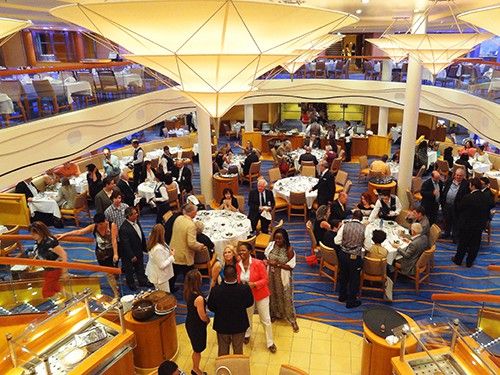


 Time For Your Vacation