• [HERO] Travel Hacks That Actually Work vs Total BS

    You have seen the videos. You have read the listicles. You have probably tried a few of these tricks yourself, only to end up disappointed, frustrated, or standing in the middle of a crowded airport wondering why your “secret hack” didn’t work.

    The travel world is currently flooded with “insider secrets” that are little more than urban legends passed down through the generations of the internet. From the supposed magic of booking flights on a Tuesday at midnight to the myth that wearing a three-piece suit will magically land you a seat in First Class, there is a lot of noise to filter through. Most of it is total BS.

    But then, there are the gems. There are the strategies that actually save you thousands of dollars, eliminate stress, and turn a standard trip into a luxury experience. You deserve the truth. You deserve to know which moves are worth your time and which ones belong in the trash bin of travel history.

    The Great Booking Myths: Tuesday Isn’t Magic

    You have been told to wake up at 2 AM on a Tuesday. You have been told that airlines reset their systems and drop all their cheapest fares the moment the clock strikes twelve. This is one of the most persistent lies in the travel industry.

    Airlines use sophisticated algorithms that adjust prices based on demand, historical data, and competitor pricing in real-time. They do not have a “discount button” that they press every Tuesday night. The truth is that the best time to book a flight is whenever you find a price you are comfortable paying. Prices fluctuate constantly. While there are trends: like booking mid-week generally being cheaper than booking on a Sunday: the “Tuesday at midnight” rule is a total myth.

    Smartphone and passport on a coastal cafe table during luxury flight booking and travel planning.

    You have also likely heard the advice to search for flights in “Incognito Mode” or use a VPN to hide your location. The theory is that airlines track your cookies and raise prices every time you search for the same route. In reality, there is very little evidence that this happens on a large scale. Prices change because the seats in a specific “fare bucket” sell out, not because the airline is trying to spite you for looking at a flight to Paris twice.

    What actually works: Set up price alerts. Use tools like Google Flights to track a specific route and let the technology do the work for you. Being flexible with your dates is the ultimate hack. If you can fly on a Wednesday instead of a Friday, you will save more money than any “Incognito” window ever could.

    The Airport Hustle: Suits and Wheelchairs

    You have probably heard the tip that dressing “the part” will get you an upgrade. The logic goes that if you look like a high-powered executive in a bespoke suit, the gate agent will naturally want to move you into the premium cabin.

    Let’s be clear: Gate agents are governed by strict loyalty manifests. Upgrades are handed out based on status, fare class, and credit card perks. They are not looking at your loafers. In fact, if you show up in a suit and try to charm your way into Business Class, you are likely just making yourself uncomfortable for a ten-hour flight in Economy.

    Another “hack” that has gained traction on social media is the idea of pretending to need a wheelchair to skip security lines or board first. Not only is this ethically questionable, but it is also a total waste of resources for people who actually need assistance. Airlines are wise to this, and it rarely results in a faster experience overall, especially when you have to wait for the assistance to actually arrive at your destination gate.

    What actually works: Invest in Global Entry or TSA PreCheck. These are the only real ways to skip the lines. If you want a better seat, check the seat map 24 hours before departure. Sometimes, the premium seats that were reserved for elite members open up to the general public for a small fee or even for free during check-in.

    Luxury Pix

    Packing: The Great Roll vs. Fold Debate

    You have been told that rolling your clothes is the only way to save space. You have been told that folding leads to wasted air pockets. The “Rolling Method” is the darling of every travel blogger from here to Bali.

    Here is the truth: Rolling clothes doesn’t actually create more space; it just changes the shape of your items. If you roll everything, you often end up with a bag full of “sausages” that leave awkward gaps in the corners of your suitcase. Furthermore, unless you are rolling with surgical precision, you are going to arrive with clothes that look like they have been through a blender.

    What actually works: Packing cubes. They are the single greatest invention for the modern traveler. Packing cubes allow you to compress your clothing and organize your bag into modular sections. You can fold your items flat: which is better for preventing wrinkles: and then use the cubes to squeeze out the excess air.

    Another hack that is actually total BS? The “stuff a pillowcase with clothes” trick to avoid carry-on fees. While a few people might get away with it once or twice, gate agents are becoming increasingly strict. If your “pillow” looks like it weighs fifteen pounds and is stuffed with denim, they are going to make you gate-check it. It is not worth the stress.

    The Hotel Game: The “$20 Trick” and Direct Booking

    You have heard about the “$20 trick” in Las Vegas. You slide a twenty-dollar bill between your ID and credit card at check-in, ask if there are any “complimentary upgrades,” and suddenly you are in a penthouse.

    Does it work? Sometimes. In high-volume cities like Vegas, front desk agents have a lot of discretion. But in the world of luxury travel, this move can often come off as tacky. If you are staying at a high-end resort, a twenty-dollar bill isn’t going to move the needle.

    Modern luxury hotel lobby with a tropical pool view representing elite direct booking travel hacks.

    What actually works: Call the hotel directly. In an era of third-party booking sites, hotels are desperate for direct business. When you book through a giant aggregator, the hotel pays a massive commission. If you call the front desk or the reservation manager directly, you can often negotiate a better rate, a free breakfast, or a guaranteed late checkout. Mention a special occasion: an anniversary or a birthday: and you are much more likely to get a genuine upgrade than you are by trying to bribe someone with a twenty.

    The Tech Hacks That Are Actually Game-Changers

    You have probably ignored the advice to use AirTags. You have probably thought, “My luggage won’t get lost.”

    Stop that thought right now. AirTags are the ultimate peace of mind. For less than thirty dollars, you can know exactly where your bag is at all times. When the airline tells you your bag is “still in London” but your phone shows it is actually sitting on the tarmac in New York, you have the leverage to get it back faster. This is a hack that actually works every single time.

    Another tech hack that is a total lifesaver: Download Google Maps for offline use. You never know when your data plan will fail or when you will find yourself in a dead zone in a foreign city. Having the map saved locally on your phone ensures you can always find your way back to your hotel without needing a signal.

    Cruise Family Reunion

    Loyalty is Not a Lie

    You have probably been tempted to always book the absolute cheapest flight, regardless of the airline. While this saves you a few dollars in the short term, it is the opposite of a “hack.”

    The real secret to luxury travel is loyalty. When you stick to one airline or one hotel brand, you build status. Status gets you the upgrades, the lounge access, and the priority boarding that everyone else is trying to “hack” their way into. Being an “Executive Platinum” or a “Globalist” means you don’t have to worry about the Tuesday midnight myth because the airline is already looking for ways to make your trip better.

    What actually works: Use a high-end travel credit card. The points you earn on everyday purchases can be transferred to airline and hotel partners, allowing you to book First Class seats and five-star suites for almost nothing. This isn’t a “trick”: it is just smart financial management.

    Relaxed traveler in a premium airport lounge watching a plane depart during a luxury vacation.

    The Verdict on Travel Hacks

    You have to be discerning. You have to realize that if a hack sounds too good to be true, it probably is. There are no shortcuts to a perfect vacation, but there are definitely ways to make it smoother.

    Skip the “frozen water bottle” trick to get through security (it usually just results in a wet bag and a lecture from the TSA). Forget about trying to “skip-lag” by booking a flight with a layover and walking away at the connecting city (airlines hate this and will often cancel your return flight or ban you from their loyalty program).

    Instead, focus on the fundamentals. Be flexible. Be loyal. Use the right tools. And most importantly, remember that the goal of a vacation is to relax. If your “hacks” are causing you more stress than they are saving you money, they are total BS.

    Luxury travel isn’t about outsmarting the system; it is about knowing how the system works and making it work for you. You are now armed with the truth. Go forth and travel like a pro.

    Traveler on a pristine white sand beach enjoying a stress-free luxury tropical vacation.

    Visit www.TimeForYourVacation.com to start planning your next adventure. Check out www.DaveTheTourGuide.com for personalized travel guidance and insider tips. And keep reading www.TimeForYourVacation.blog for more honest takes on the travel industry and how to navigate it like a pro. Try our Luxury concierge with www.BlackKeyElite.com . And listen to my podcast! https://www.podomatic.com/podcasts/contact24682

  • [HERO] What I Learned After Planning Hundreds of Vacations

    Planning a vacation is an art form. Planning hundreds of them is an education that no classroom can provide. After years of navigating the complex world of luxury travel, I have learned that the difference between a good trip and an unforgettable one lies in the details that most people never even consider. You want more than just a flight and a hotel. You want a seamless experience that resonates with your soul.

    Experience has taught me that travel is not a commodity. It is a collection of moments. It is the breath-taking realization that you are exactly where you are supposed to be. Whether you are a seasoned globetrotter or planning your first major getaway in years, the lessons I have gathered from hundreds of itineraries will change the way you look at the world.

    The Power of the First Impression

    You wake up at 7:00 AM. You pull back the heavy curtains of your suite. Outside, the morning light hits the water of a narrow bay, reflecting off limestone cliffs that seem to touch the sky. This is what happened to me recently aboard the Enchantment of the Seas. We had a suite with a balcony that faced directly forward on the ship. Seeing the ship enter the Bay of Kotor in Montenegro was a spiritual experience.

    I learned that the “where” of your room matters just as much as the “what.” A forward-facing balcony provides a perspective that most travelers miss. It places you at the helm of your own adventure. You aren’t just a passenger; you are a witness to the approach. This is the level of specificity that separates a generic booking from a luxury experience. You deserve to wake up to a view that takes your breath away every single time.

    Luxury Pix Person in a boat in a tropical location

    Expertise Always Trumps Algorithms

    We live in an age of DIY travel, but an algorithm cannot tell you that a specific guide will change your entire perspective on a country. I recently took an excursion through Princess Cruises in Montenegro, and our guide, Jelena, was a revelation. She wasn’t just reciting facts; she was telling the story of her home. She was one of the best guides I have ever encountered in all my years of planning. In fact, I am ready to poach her for my own team!

    What I learned after planning hundreds of vacations is that people are the heartbeat of travel. A great guide like Jelena turns a pile of rocks into a history lesson and a boat ride into a bucket-list achievement. Our trip to Our Lady of the Rocks was a dream realized, not because the location was famous, but because the expertise behind the tour was top-tier. When you rely on proven expertise, you remove the “hope” factor and replace it with a guarantee of quality.

    Personalization is the Ultimate Luxury

    Every traveler is unique. Every itinerary should be, too. I have learned that personalization isn’t about adding your name to a welcome folder. It is about knowing that you prefer a quiet corner for breakfast or that you need a credit-card-friendly destination because you hate carrying cash.

    Take Montenegro, for example. It is a fascinating study in modern travel. The currency is the Euro, yet the country is not officially part of the EU. Because tourism accounts for a staggering 80% of their GDP, almost everywhere accepts credit cards. These are the small, practical details that an expert planner brings to the table. You don’t have to worry about currency exchanges or hidden fees when the logistics are handled beforehand. You can simply focus on the magic of the moment.

    Luxury travel journal and coffee on a private balcony overlooking the sunrise at Bay of Kotor, Montenegro.

    Managing Energy, Not Just Time

    One of the biggest mistakes I see travelers make, and one I have learned to fix over hundreds of plans, is over-scheduling. You want to see everything. You want to hit every museum, every cafe, and every ruin. But if you are exhausted, you aren’t experiencing anything; you are just surviving it.

    I now advocate for the “Rule of Three.” Focus on one major “must-do” activity, one chance to linger at a local spot, and one exceptional meal. This allows the day to breathe. It allows you to stumble upon a “storybook” Old Town, like the one in Montenegro, and actually have the time to explore its winding alleys without checking your watch. When you manage your energy, you arrive home feeling refreshed, not like you need another vacation just to recover from the first one.

    The Reality of the Modern Destination

    Travel changes places. As an expert, I have to stay ahead of these shifts. Montenegro’s Old Town looks like it was plucked from the pages of a fairy tale, but the reality on the ground is changing. Many of those charming storybook dwellings have become incredibly expensive because they have transitioned into investment properties and AirBnBs.

    Understanding the local economy helps you set expectations. It helps you understand why a certain hotel is priced the way it is, or why a local restaurant feels more authentic than the one in the main square. I have learned to look past the “tourist trap” surface to find the genuine heart of a destination. Whether you are looking for a high-end resort or a hidden gem in a historic district, knowing the market is essential to getting the value you deserve.

    Stress-Free Planning is a Choice

    The most common thing I hear from travelers is how much they dread the planning process. The endless tabs open on the browser, the conflicting reviews, the fear of making a “wrong” choice. What I have learned after planning hundreds of vacations is that stress is optional.

    Luxury travel should be a journey of “yes.”
    Yes, your dietary needs are handled.
    Yes, your private transfer is waiting at the pier.
    Yes, that specific bottle of wine will be in your room.
    When you work with someone who has seen it all, you aren’t just buying a trip; you are buying peace of mind. You are buying the ability to show up and be the guest of honor in your own life.

    Why Some Places Call You Back

    There are thousands of destinations in the world, but only a few will “call you back.” For me, Montenegro is one of those places. It isn’t just because of the forward-facing balcony or the exceptional guides. It is because the planning allowed the destination to shine.

    I’ve learned that a successful vacation creates a longing to return. It leaves a mark on you. You don’t just “check it off” a list; you integrate it into your identity. This only happens when the logistics are so smooth they become invisible. When the background noise of travel: the bookings, the currencies, the transport: is silenced, you can finally hear what the destination is trying to tell you.

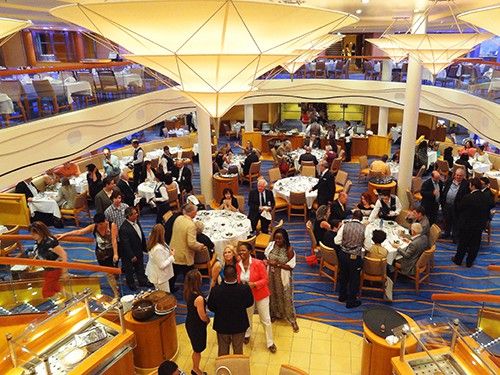
    Elegant dining area on a cruise ship

    The Ultimate Secret of World-Class Travel

    If there is one final lesson I can share after hundreds of successful trips, it is this: Luxury is not defined by price, but by the absence of friction.

    A $20,000 trip can be a disaster if the guide is rude and the room faces a brick wall. A simple excursion can be the highlight of your life if the timing is perfect and the company is right. I have learned to prioritize the things that truly matter: the view from the window at 7:00 AM, the knowledge of a local expert like Jelena, and the freedom to explore a storybook town without a care in the world.

    You have worked hard for your time off. You have earned the right to see the world at its best. Don’t leave your memories to chance. Apply the lessons of the experts, focus on the details that create “breath-taking” moments, and always, always look forward.

    Visit www.TimeForYourVacation.com to start planning your next adventure. Check out www.DaveTheTourGuide.com for personalized travel guidance and insider tips. And keep reading www.TimeForYourVacation.blog for more honest takes on the travel industry and how to navigate it like a pro. Try our Luxury concierge with www.BlackKeyElite.com . And listen to my podcast! https://www.podomatic.com/podcasts/contact24682

  • [HERO] The Magic of Montenegro: A Storybook Escape That Will Call You Back

    Montenegro is a whisper. Montenegro is a shout. Montenegro is the kind of destination that settles into your soul and refuses to leave, long after the stamps in your passport have faded. It is a place of jagged limestone peaks, sapphire waters, and ancient stone cities that look like they were plucked straight from the pages of a Brothers Grimm tale.

    You find yourself standing on the deck of a ship, or perhaps on a cobblestone corner, and you realize you aren’t just visiting a country. You are participating in a living history. You are witnessing a landscape so dramatic it feels staged. But it isn’t. It’s raw, it’s real, and it’s calling you.

    The 7 AM Revelation: Entering the Bay

    Imagine this. You are tucked into your suite aboard the Enchanted Princess. It is 7:00 AM. The world is quiet, save for the rhythmic hum of the ship’s engines and the soft lapping of the Adriatic against the hull. You have a forward-facing balcony: the ultimate vantage point for what is about to happen.

    You pull back the curtains, and your breath hitches.

    The Bay of Kotor, or Boka Bay, is often called Europe’s southernmost fjord. Technically, it’s a submerged river canyon, but when you are gliding through those narrow passages flanked by mountains that rise nearly 6,000 feet straight out of the water, the semantics don’t matter. What matters is the scale. The mountains are so close you feel like you could reach out and touch the craggy rock faces. The water is a mirror, reflecting the early morning mist and the terracotta roofs of tiny villages clinging to the shoreline.

    Dawn view of the Bay of Kotor mountains from a luxury cruise ship balcony in Montenegro.

    Entering the bay at dawn is a bucket-list experience you didn’t even know you needed. It is a slow-motion reveal of one of the world’s most beautiful harbors. As the ship maneuvers through the Verige Strait: the narrowest part of the bay: you see the twin islands of St. George and Our Lady of the Rocks appearing like apparitions in the center of the water. This isn’t just travel; this is cinema.

    The Guide Who Stole the Show

    Luxury travel is often defined by the “where,” but it is truly created by the “who.” When you step off the ship, the quality of your experience rests entirely on the shoulders of the person leading the way. On this journey, that person was Jelena.

    Let’s talk about Jelena. She wasn’t just a tour guide; she was a master storyteller, a historian, and a local ambassador rolled into one. Her passion for Montenegro was infectious. She didn’t just rattle off dates and names; she painted a picture of a resilient people and a land with a complicated, beautiful heart.

    Professional tour guide sharing stories in a sun-drenched historic plaza in Montenegro.

    In fact, she was so impressive, so professional, and so deeply knowledgeable that I was genuinely ready to pouch her for DaveTheTourGuide.com on the spot. When you find a guide who can make 2,000 years of history feel like a conversation over coffee, you’ve found gold. Princess Cruises hit the jackpot with this excursion. If you ever find yourself booking a tour in this region, pray that you get someone with even half of Jelena’s spark. She transformed a great day into an unforgettable one.

    A Sanctuary on the Sea: Our Lady of the Rocks

    The highlight of the excursion was the boat ride to Gospa od Škrpjela, better known as Our Lady of the Rocks. This is a bucket-list location that lives up to every bit of the hype.

    Unlike the natural island of St. George nearby, Our Lady of the Rocks is man-made. Legend has it that in 1452, two brothers found an icon of the Virgin Mary on a rock in the sea. They swore an oath to build a church on that spot. For centuries, local sailors kept that oath, dropping a rock in the bay every time they returned safely from a voyage. They even scuttled old ships filled with stones to create the foundation.

    Walking onto the island, you feel the weight of those centuries of devotion. The church itself is small but stunning, filled with 68 paintings by the 17th-century Baroque artist Tripo Kokolja. But the most moving piece is a tapestry embroidered by a local woman, Jacinta Kunić, while she waited 25 years for her husband to return from the sea. She used gold and silver threads, and even her own hair, which you can see turn from brown to grey as the years on the tapestry progress.

    Standing on that tiny island, surrounded by the towering mountains and the deep blue bay, you realize that Montenegro is a place built on faith, patience, and a deep connection to the sea.

    The Storybook Streets of Old Town Kotor

    If Our Lady of the Rocks is the soul of the bay, the Old Town of Kotor is its heart. As you walk through the Sea Gate, you step into a world that feels completely detached from the 21st century.

    Kotor is a labyrinth. It was designed that way on purpose to confuse invaders, and it still works on tourists today. But getting lost here is the point. You turn a corner and find a hidden piazza with laundry flapping between green-shuttered windows. You turn another and find the Cathedral of Saint Tryphon, its twin towers standing guard since 1166.

    Luxury Pix Person in a boat in a tropical location

    The town looks like something out of a storybook. The limestone paving stones are worn smooth by millions of footsteps over a thousand years, reflecting the sunlight with a soft, silvery glow. There are cats everywhere: Kotor’s unofficial mascots: lounging on ancient stone walls and greeting visitors with royal indifference. It is charming, it is picturesque, and it is perfectly preserved.

    The Modern Reality: Economics and Airbnbs

    While the Old Town feels like a museum, it is a living, breathing place facing modern challenges. You will notice that many of the dwellings in the Old Town have become incredibly expensive. Montenegro’s beauty has not gone unnoticed by the world’s elite and savvy investors.

    The traditional way of life in the city center is shifting. Many of these historic stone houses have been converted into high-end Airbnb properties and investment rentals. For the visitor, this means luxury accommodations in the heart of history, but for the locals, it means the cost of living in their own “storybook” has skyrocketed.

    Interestingly, despite the feel of the place, the economy is quite modern in its functionality. Montenegro uses the Euro as its currency, even though it is not yet officially a member of the European Union. This makes things incredibly easy for the luxury traveler. Because tourism accounts for a staggering 80% of the country’s GDP, the infrastructure is built to accommodate you.

    Whether you are buying a handmade lace tablecloth or a high-end dinner at a waterfront restaurant, credit cards are accepted almost everywhere. You get the charm of the old world with the convenience of the new.

    Modern credit card payment in a historic stone alleyway of Kotor Old Town, Montenegro.

    Why Montenegro Calls You Back

    There is a specific feeling you get when you leave Montenegro. As the ship pulls away and the mountains begin to close the door on the Bay of Kotor, you don’t feel like you’ve checked a destination off a list. You feel like you’ve started a relationship.

    Montenegro is a country that is calling you back. It calls to the part of you that craves silence at 7 AM on a balcony. It calls to the part of you that loves a good story told by a guide like Jelena. It calls to the part of you that wants to wander through a stone labyrinth and imagine a different life.

    The air is cleaner here. The water is clearer. The history is heavier. It is a small country with a massive personality. You might come for the cruise, or the “storybook” views, or the bucket-list islands, but you will stay for the way it makes you feel: small, inspired, and deeply at peace.

    Montenegro isn’t just a stop on an itinerary. It is a destination that stays with you, whispering for your return. And trust me, you will want to answer that call.

    Visit www.TimeForYourVacation.com to start planning your next adventure. Check out www.DaveTheTourGuide.com for personalized travel guidance and insider tips. And keep reading www.TimeForYourVacation.blog for more honest takes on the travel industry and how to navigate it like a pro. Try our Luxury concierge with www.BlackKeyElite.com . And listen to my podcast! https://www.podomatic.com/podcasts/contact24682

  • [HERO] The $5,000 Vegas Mistake Most Travelers Make

    The lights are brighter here. The music is louder here. The stakes are higher here. Las Vegas is a city built on the promise of the ultimate experience, a desert neon playground where luxury knows no bounds. You fly in expecting the trip of a lifetime. You book the high-floor suite, you snag the dinner reservations, and you pack your finest clothes. You are ready to live like a high roller.

    But then, the bills start to stack up. By the time you land back home, you realize you spent $5,000 more than you intended: and you didn’t even spend it on the gaming tables.

    The $5,000 Vegas mistake is real. The $5,000 Vegas mistake is common. The $5,000 Vegas mistake is entirely avoidable. Most travelers think they are doing luxury right, but they are actually falling into the “tourist-plus” trap. They pay premium prices for standard experiences, missing out on the true inner circle of Vegas hospitality.

    You deserve better than a standard “luxury” experience. You deserve the real deal.

    Luxury Las Vegas balcony with champagne flutes overlooking the Strip for an elite travel experience.

    The Myth of the “Standard Luxury” Suite

    The biggest chunk of that $5,000 mistake happens before you even leave your house. It happens at the “Confirm Booking” screen.

    You see a penthouse suite at a famous Strip resort. It looks incredible in the photos. It’s $1,200 a night. You think, “This is it. This is the luxury experience.” You book it. You arrive, wait in a thirty-minute line at the front desk, pay a $50-a-night resort fee for Wi-Fi you expected to be free, and realize your “luxury” suite is just a larger version of the standard room three floors below.

    This is where the money disappears. True luxury in Vegas isn’t just about the square footage of your room; it’s about the tier of service that comes with it.

    Many high-end travelers fail to realize that the most iconic hotels have “hotels within the hotel.” Think of the Skylofts at MGM Grand, the Villas at Caesars Palace, or the Tower Suites at Wynn and Encore. When you book a standard suite in the main tower, you are just another guest. When you book into the boutique “inner” hotels, that extra money you spend actually saves you thousands in the long run.

    These tier-one bookings often include private check-in (saving you hours of your life), complimentary airport limousine transfers (saving you $200 round trip), and access to exclusive lounges with free breakfast, cocktails, and appetizers (saving you $300 a day). When you book the “wrong” luxury room, you pay for all of these things individually. That is how you lose the first $1,500 of your $5,000 mistake.

    The “Convenience Tax” That Bleeds You Dry

    You are in Vegas to have fun, not to run errands. The resorts know this. They count on this. They bank on the fact that you won’t leave the property for the small things.

    Have you ever looked at the price of a bottle of water in a Strip gift shop? It can be $12. A bag of pain relievers? $15. A single cocktail by the pool? $32 after tip and “wellness fees.”

    The “Convenience Tax” is a slow bleed. It’s the $200 mini-bar bill because you wanted a midnight snack. It’s the $150 you spent on basic sunblock and a hat because you forgot yours at home. It’s the $10 to $15 fee every time you hit an ATM on the casino floor.

    Luxury travelers often ignore these small costs, thinking they don’t matter in the grand scheme of a high-end trip. But over a four-day stay for a couple, these “small” convenience markups can easily total $1,000. You aren’t paying for quality; you are paying for the fact that you didn’t have a plan.

    Las Vegas resort pool at night with Ferris wheel in background

    Timing: The Secret Budget Killer

    Vegas pricing is a heartless algorithm. You might check a room rate on a Tuesday and see it’s $300. You check again for the following week, and it’s $1,800.

    The $5,000 mistake often comes down to the calendar. Most travelers know to avoid New Year’s Eve or the Super Bowl, but they get blindsided by the “Hidden Conventions.”

    Las Vegas hosts massive trade shows like CES, MAGIC, or NAB. During these weeks, every “regular” luxury experience triples in price. The steakhouse that usually has a table available now requires a $500 minimum spend. The Uber that costs $20 now has a 4x surge.

    If you don’t track the city’s convention calendar, you are walking into a financial buzzsaw. You end up paying “Peak Peak” prices for an experience that would have cost half as much just seven days later. A lack of strategic timing is a guaranteed way to overspend by thousands without receiving a single extra ounce of luxury.

    Elegant Las Vegas fine dining restaurant interior with white tablecloth and marble floors.

    The Tipping Trap and the Service Gap

    In Las Vegas, money talks, but the right kind of money screams.

    Many travelers make the mistake of over-tipping for the wrong things and under-tipping for the right ones. They throw $100 at a nightclub doorman who was going to let them in anyway, but they forget to take care of the concierge who holds the keys to the most exclusive “off-menu” experiences in the city.

    The mistake isn’t just about the cash: it’s about the missed opportunity. In Vegas, the best experiences aren’t listed on a website. They aren’t on the standard concierge desk menu. They are reserved for those who know how to navigate the social economy of the Strip.

    When you don’t have an expert advocate in your corner, you pay “retail” for everything. You pay the full “Buy It Now” price for show tickets, dinner reservations, and daybed rentals. You miss the complimentary upgrades, the “owner’s table” at the restaurant, and the behind-the-scenes tours that make a trip truly unforgettable. This “Service Gap” represents at least $1,000 in lost value.

    Professional concierge welcoming guests at a luxury resort VIP entrance with a black car.

    The “Free Drink” Illusion

    It’s the oldest trick in the book. “Sit down at a machine, play a little, and the drinks are free!”

    For the luxury traveler, this is a dangerous siren song. You are playing a $5 or $25 machine. You wait twenty minutes for a waitress. You tip her $5 for a lukewarm gin and tonic made with well liquor. In the time you waited, you’ve cycled hundreds of dollars through the machine.

    The mistake here is thinking you are getting a deal. The ultra-wealthy and the truly savvy Vegas visitors don’t play for drinks. They book mixology experiences at hidden speakeasies like The Laundry Room or Ghost Donkey. They spend their money on high-quality spirits and expert craftsmanship rather than “losing” it to the casino in exchange for a plastic cup of soda and cheap vodka.

    How to Reclaim Your $5,000

    The good news? You can have a significantly more expensive-feeling vacation while spending significantly less of your hard-earned money. It all comes down to expertise.

    Stop booking through massive travel portals that treat you like a confirmation number. Stop relying on “top 10” lists from influencers who were paid to be there. Real luxury is about precision. It’s about knowing which specific rooms in which specific towers have been recently renovated. It’s about knowing which host at which club actually has the power to move your table closer to the action.

    You want the private limo? It should be part of your room package, not an extra charge on your credit card. You want the best seat at the show? It should be secured weeks in advance through a professional network, not bought at a kiosk in the mall.

    Vegas is a game. You can either be the player or the one being played. When you avoid the $5,000 mistake, you aren’t “budgeting”: you are optimizing. You are ensuring that every dollar you spend results in a memory that actually feels like it was worth the price tag.

    Sun-drenched Las Vegas penthouse suite with a panoramic mountain view and luxury furniture.

    The Freedom of a Perfect Plan

    Imagine landing at Harry Reid International Airport. Your driver is waiting at the bottom of the escalator. You bypass the crowded baggage claim and the humid taxi line. You whisk away to a private entrance at your resort where a glass of chilled champagne is waiting. Your luggage is already in your suite. Your dinner reservations are confirmed at the city’s hardest-to-get-into Japanese fusion spot, and the chef already knows about your preference for bluefin tuna.

    There are no “surprise” resort fees. There are no $12 bottles of water. There is no stress.

    This isn’t a dream. This is simply what happens when you stop making the mistakes that most travelers make. You don’t have to be a billionaire to be treated like one in Las Vegas; you just have to be smarter than the crowd.

    The lights of the Strip are calling. The desert air is cooling down. The city is ready for you. The question is: are you going to give the house an extra $5,000, or are you going to keep it for your next adventure?

    The choice is yours. Make it a luxurious one.

    Visit www.TimeForYourVacation.com to start planning your next adventure. Check out www.DaveTheTourGuide.com for personalized travel guidance and insider tips. And keep reading www.TimeForYourVacation.blog for more honest takes on the travel industry and how to navigate it like a pro. Try our Luxury concierge with www.BlackKeyElite.com . And listen to my podcast! https://www.podomatic.com/podcasts/contact24682

  • [HERO] The Most Overrated Places in Europe (And Where to Go Instead)

    You want the dream. You want the history. You want the luxury.

    When you book a flight to Europe, you are chasing a vision. You see yourself sipping Aperol Spritz on a quiet terrace, overlooking a sunset that feels like it was painted just for you. You imagine walking through cobblestone streets where the only sound is the echo of your own footsteps. You expect the “Grand Tour” experience: the one promised by glossy magazines and high-end travel brochures.

    But then you arrive.

    You arrive at the Leaning Tower of Pisa and realize you are standing in a sea of thousands, all holding their hands up to “push” the tower for a photo. You arrive at the Louvre only to see the Mona Lisa from thirty feet away behind a wall of smartphones. The dream starts to feel like a theme park. The history feels like a gift shop. The luxury feels like a crowded waiting room.

    It happens to the best of us. Europe is a victim of its own success. Some of the most famous landmarks on the continent have become “overrated” not because they aren’t beautiful, but because the experience of visiting them has been stripped of its soul.

    You deserve better. You deserve the authentic, the exclusive, and the truly magnificent. Here is the truth about Europe’s most overrated spots and the high-end alternatives where you can actually find the magic you are looking for.

    The Tower of Regret: Pisa, Italy

    Let’s be honest about Pisa. You go for one thing: a white marble tower that leans. Once you have seen it, taken the obligatory photo, and warded off the aggressive street vendors selling plastic trinkets, there isn’t much left to do. The city surrounding the Campo dei Miracoli has largely transformed into a tourist conveyor belt. The restaurants are overpriced, the menus are in five languages, and the quality is rarely five-star.

    The Luxury Alternative: Lucca

    Just twenty minutes away lies Lucca, and it is a world apart. Imagine a city still fully enclosed by massive Renaissance walls that have been turned into a sprawling, elevated park.

    In Lucca, you don’t just see history; you live it. You can rent a high-end bicycle and ride the entire perimeter of the city under the shade of ancient plane trees. Inside the walls, the streets are narrow, elegant, and filled with local artisans. Instead of a crowded tower, you can climb the Guinigi Tower, which has a literal garden of oak trees growing on its roof. The view of the Tuscan hills from the top is breathtaking, and you won’t be fighting for elbow room.

    Stay at a converted palazzo. Dine at a Michelin-starred restaurant hidden in a quiet courtyard. This is the Tuscany you actually came to find.

    A traveler cycles along the historic Renaissance walls of Lucca, Italy, a luxury alternative to Pisa.

    The Mona Lisa Mob: The Louvre, Paris

    The Louvre is the world’s greatest museum, but trying to see the Mona Lisa is the world’s most frustrating travel experience. You will wait in line for hours. You will be ushered through a maze of corridors. Finally, you will reach a room so crowded that you can barely see the painting, which is surprisingly small and protected by thick glass.

    It is a “check-the-box” activity that rarely leaves travelers feeling inspired. Paris has so much more to offer the sophisticated art lover.

    The Luxury Alternative: Musée d’Orsay or Musée Rodin

    If you want a high-end art experience that feels personal and profound, head across the Seine to the Musée d’Orsay. Housed in a stunning former railway station, it holds the world’s largest collection of Impressionist and Post-Impressionist masterpieces. The natural light flooding through the giant glass clocks creates an atmosphere that the Louvre simply cannot match.

    For something even more exclusive, visit the Musée Rodin. It is set in the sculptor’s former home and surrounded by a magnificent rose garden. You can walk among works like The Thinker and The Gates of Hell in a setting that feels like a private estate. It is quiet, it is elegant, and it is quintessentially Parisian.

    The Blue Dome Trap: Oia, Santorini

    Santorini is stunning. There is no denying the beauty of those white buildings against the deep blue of the Aegean Sea. However, if you visit the village of Oia during sunset, you will be sharing that “romantic” moment with about five thousand other people. The narrow paths become impassable. The prices for a sunset-view dinner are astronomical, and often the food doesn’t live up to the bill.

    The Luxury Alternative: Milos

    If you want the volcanic beauty and the crystal-clear water without the influencer crowds, you need to go to Milos. This island is the rising star of the Cyclades. It features over 70 incredible beaches, including Sarakiniko, which looks like a moonscape of bone-white volcanic rock.

    In Milos, luxury is about space and privacy. You can charter a private yacht to take you to Kleftiko, a series of sea caves and towering rock formations accessible only by water. You can enjoy fresh seafood in a tiny fishing village where the tables are literally inches from the lapping waves. It is raw, it is chic, and it is still a secret to most of the world.

    Private luxury yacht at Sarakiniko Beach in Milos, Greece, featuring white volcanic rocks and blue water.

    The Instagram Hike: Cinque Terre, Italy

    The five villages of Cinque Terre are a UNESCO World Heritage site for a reason. They are colorful, dramatic, and historic. But the “Blue Path” that connects them is now so crowded that authorities sometimes have to implement one-way walking traffic. The trains between the towns feel like subway cars during rush hour. The “luxury” of the Italian Riviera is hard to find when you are dodging selfie sticks.

    The Luxury Alternative: Portovenere or the French Riviera

    Just a short boat ride from the five villages is Portovenere. It has the same colorful houses and dramatic cliffs, but it feels significantly more refined. It is often referred to as the “Sixth Town,” but it remains much quieter. The Byron Grotto offers a spectacular place to swim, and the local hotels offer a level of personalized service that the overwhelmed B&Bs in Cinque Terre can’t provide.

    Alternatively, head across the border to the French Riviera, specifically Saint-Jean-Cap-Ferrat. This is where old-world European glamour still lives. You can tour the Villa Ephrussi de Rothschild and its nine themed gardens, then head to a private beach club where the service is impeccable. This is high-end travel at its finest.

    Elegant garden terrace with bougainvillea overlooking the Mediterranean Sea in Saint-Jean-Cap-Ferrat.

    The Beer Garden Fatigue: Munich, Germany

    Many travelers flock to Munich for the beer halls and the history. While the city is beautiful and the Marienplatz is iconic, it can feel very “touristy,” especially during the summer months and Oktoberfest. The experience can become repetitive: another large beer, another pretzel, another crowded square.

    The Luxury Alternative: Dresden or Salzburg

    For a more sophisticated Germanic experience, consider Dresden. Known as the “Florence on the Elbe,” Dresden was painstakingly rebuilt after WWII and is now one of the most stunning architectural gems in Europe. The Zwinger palace and the Semperoper opera house offer a level of cultural depth that is staggering. The luxury hotels here are world-class, often housed in historic baroque buildings.

    If you prefer the mountains, Salzburg, Austria, is the ultimate choice. It is the birthplace of Mozart and feels like a fairytale come to life. You can attend a world-class classical music performance in a fortress overlooking the city or stay in a luxury castle-hotel in the surrounding Alps. It is clean, safe, and incredibly high-end.

    How to Spot a Overrated Destination Before You Book

    You don’t have to be a travel expert to see the warning signs. When you are planning your next luxury getaway, keep an eye out for these red flags:

    1. The “One-Photo” Wonder: If a destination is famous for exactly one specific photo spot (like the Leaning Tower), it’s likely a trap.
    2. Cruise Ship Ports: If a small town is a major stop for massive cruise ships, avoid it during the day. The infrastructure usually can’t handle the influx of thousands of people at once.
    3. English-Only Menus with Pictures: If the restaurants in the main square have giant photos of food and “We Speak English” signs, you aren’t getting an authentic meal.
    4. Aggressive Street Vendors: Authentic, high-end neighborhoods don’t have people trying to sell you glowing plastic toys or fake designer handbags.

    Luxury travel is about more than just a high price tag. It is about access. It is about finding those places that haven’t been commoditized and sold to the masses. It is about the feeling of discovery.

    You want a vacation that recharges your soul, not one that exhausts your patience. By choosing the path less traveled: or at least the path more refined: you ensure that your European journey is exactly what you dreamed it would be.

    Stop following the crowds. Start following the quality. Europe has so much beauty to offer those who know where to look. Whether you are seeking the ultimate beach retreat or a deep dive into art history, the right destination is waiting for you. You just have to look beyond the postcards.

    The world is a big place, and your time is your most valuable asset. Don’t waste it in a line. Invest it in an experience that you will remember for the rest of your life.

    Visit www.TimeForYourVacation.com to start planning your next adventure. Check out www.DaveTheTourGuide.com for personalized travel guidance and insider tips. And keep reading www.TimeForYourVacation.blog for more honest takes on the travel industry and how to navigate it like a pro. Try our Luxury concierge with www.BlackKeyElite.com . And listen to my podcast! https://www.podomatic.com/podcasts/contact24682

  • [HERO] Looking For a Stress-Free Luxury Escape? Here Are 10 Things You Should Know

    You deserve a vacation that actually feels like a vacation. You know the feeling: the one where you return home feeling lighter, brighter, and genuinely recharged rather than needing a “vacation from your vacation.” True luxury isn’t just about high thread counts and gold-plated fixtures. True luxury is the absence of stress. It is the ability to move through the world without checking your watch or worrying about the logistics of your next meal.

    Planning a high-end escape should be as relaxing as the trip itself, but often, the sheer number of choices can lead to “decision fatigue” before you even pack a suitcase. If you are looking for a stress-free luxury escape, there are a few secrets the pros use to ensure every moment is seamless.

    Here are 10 things you need to know to ensure your next getaway is nothing short of perfection.

    1. Start With Your “Why” Before Your “Where”

    You need to determine your vacation goals before you ever look at a map. Too many travelers pick a destination because it looked good on Instagram, only to realize the vibe doesn’t match their current needs. Are you looking to reconnect with a partner? Are you trying to physically reset after a grueling quarter at work? Or are you looking for an adventure that pushes your boundaries?

    Luxury is personal. For some, it is a silent retreat in the mountains of Montenegro where the only sound is the wind. For others, it is a bustling suite in the heart of London with a 24-hour butler. When you identify the emotional goal of your trip, the planning becomes significantly easier. Clarity at the beginning prevents disappointment at the end.

    2. Master the Art of the Balanced Itinerary

    You must avoid the “Busy Trap.” It is tempting to fill every hour of your luxury escape with tours, tastings, and events. You want to see it all, and you want to see the best of it. However, a packed schedule is the fastest way to invite stress back into your life.

    The most successful luxury itineraries strike a delicate balance between curated exploration and intentional downtime. Think of your schedule as a series of “anchor events”: one major activity per day, perhaps a private guided tour of an ancient ruin or a sunset sail. Leave the rest of the day open. This allows you to follow your whims. Maybe you want to spend three hours over a long lunch, or maybe you want to take an afternoon nap in a hammock. Flexibility is the ultimate luxury.

    Luxury hotel balcony in Florence at sunrise, featuring coffee and a travel journal for a balanced itinerary.

    3. Choose Accommodation That Fits Your Lifestyle

    You should select a property that caters specifically to how you live. Not all five-star hotels are created equal. Some are designed for families with high-energy kids’ clubs and sprawling pool complexes. Others are adult-centric sanctuaries where voices rarely rise above a whisper.

    Consider the layout of your room or suite as well. If you are on a cruise, for example, a forward-facing mini-suite might offer those breath-taking views of a bay as you pull into port, providing a private theater for the world’s best scenery. If you are on land, look for “flow.” Does the suite have a separate living area where you can enjoy coffee without waking your spouse? Does the balcony offer enough privacy for a morning yoga session? Your environment dictates your mood, so choose a space that feels like an upgrade to your soul, not just your surroundings.

    4. Leverage the Power of a Travel Concierge

    You don’t have to do this alone. In fact, trying to manage every reservation, transport link, and special request yourself is the antithesis of a stress-free escape. A professional travel concierge is your secret weapon. They are the ones who know which villas have the best sunlight and which restaurants have the “hidden” tables with the best views.

    A concierge doesn’t just book things; they manage the flow of your life while you are away. They handle the “what ifs.” If a flight is delayed or a restaurant closes unexpectedly, a concierge has already fixed the problem before you even know it exists. They turn a series of bookings into a seamless narrative. When someone else is holding the map, you are free to enjoy the view.

    5. Prioritize Private Transfers

    You should never have to stand in a taxi line or navigate a foreign subway system with luggage. One of the most overlooked aspects of a stress-free luxury escape is the transition between locations. Pre-booking private transfers is a non-negotiable for a high-end trip.

    Imagine landing after a long-haul flight. Instead of the chaos of the arrivals hall, you see a professional driver holding a sign with your name. They take your bags, lead you to a climate-controlled vehicle stocked with cold water and towels, and whisk you directly to your hotel. This “door-to-door” service removes the most stressful touchpoints of travel, ensuring your vacation mood starts the moment you leave your house and lasts until you walk back through your front door.

    Professional chauffeur opening a luxury SUV door in a Mediterranean town for a stress-free private transfer.

    6. Invest in Peace of Mind with Comprehensive Insurance

    You need to protect your investment. Luxury travel involves significant financial and emotional commitments. Things happen: weather patterns shift, family emergencies arise, or global events change plans. Comprehensive travel insurance is your safety net.

    Look for policies that offer VIP benefits, such as “cancel for any reason” coverage and high-limit medical evacuation. Knowing that you are protected regardless of what happens allows you to commit to your plans with total confidence. It removes the “what if” anxiety from the back of your mind, allowing you to focus entirely on the “right now.”

    7. Make Wellness a Non-Negotiable Anchor

    You should treat wellness as a central pillar of your escape, not just an afterthought. World-class luxury resorts now offer much more than just a basic massage. They provide integrated wellness programs that can include everything from nutritional consulting to sleep therapy.

    Reserve your spa treatments and wellness sessions as soon as your trip is confirmed. Don’t wait until you arrive, or you may find the best time slots are already taken. Whether it is a deep-tissue massage to work out the knots of a long flight or a rejuvenating facial using local ingredients, these treatments are essential for grounding your body and signaling to your brain that it is time to relax.

    8. Incorporate Mindfulness and Movement

    You benefit immensely from staying active in a mindful way. A luxury escape isn’t just about sitting still; it’s about moving in a way that feels good. Many top-tier destinations offer yoga or meditation sessions in stunning natural settings: think cliffside decks at dawn or forest pavilions surrounded by birdsong.

    Practicing mindfulness in a new environment helps you “arrive” mentally. It forces you to put down the phone, stop thinking about your inbox, and actually experience the destination through your senses. Even a simple twenty-minute walk through a local village or a swim in a quiet cove can do more for your stress levels than a week of sleeping in.

    Peaceful yoga session on a wooden deck over turquoise ocean waters during a luxury wellness retreat.

    9. Don’t Forget the Wellness Fundamentals

    You must remember that your body still needs the basics, even in a five-star setting. It is easy to get caught up in the excitement of fine dining and late-night cocktails, but dehydration and sleep deprivation will quickly sour a luxury experience.

    Stay hydrated, especially if you are traveling through different climates or spending time at sea. Prioritize your sleep hygiene by choosing hotels that offer “pillow menus” or blackout curtains. If you are on a cruise and the buffet feels overwhelming or the food is too rich, don’t be afraid to stick to the basics: sometimes a perfectly grilled cheeseburger or a fresh salad is exactly what your body needs to stay on track. Listen to your body; it knows how to relax better than your brain does.

    10. Embrace the Digital Detox

    You should consider disconnecting to truly reconnect. The ultimate stressor in the modern world is the constant ping of notifications. A true luxury escape often happens in the “dead zones”: those beautiful, remote corners of the world where the Wi-Fi is spotty and the views are endless.

    If your destination has great connectivity, you have to be the one to set the boundaries. Designate specific times to check your devices, or better yet, leave them in the room safe while you explore. When you stop looking at the world through a screen, you start noticing the details that make luxury travel so special: the scent of the sea air, the texture of the local stone, and the genuine smiles of the people you meet.

    Planning a luxury escape is about more than just spending money; it is about spending your time wisely. By focusing on these ten elements, you ensure that your next trip isn’t just a change of scenery, but a genuine transformation. You deserve a journey that is as smooth as it is spectacular.

    A luxury glamping tent in a misty forest, designed for a digital detox and a stress-free nature escape.

    Visit www.TimeForYourVacation.com to start planning your next adventure. Check out www.DaveTheTourGuide.com for personalized travel guidance and insider tips. And keep reading www.TimeForYourVacation.blog for more honest takes on the travel industry and how to navigate it like a pro. Try our Luxury concierge with www.BlackKeyElite.com . And listen to my podcast! https://www.podomatic.com/podcasts/contact24682

  • [HERO] Enchanted Princess Review: Million-Dollar Views and the Case of the Vanishing Calories

    You want the luxury. You expect the glamour. You look forward to the “enchanted” part of the Enchanted Princess. When you book a cruise on a ship with a name like that, your mind immediately goes to white-glove service, five-star culinary delights, and views that make your Instagram followers weep with envy.

    The Enchanted Princess delivers on exactly one and a half of those things.

    It is a ship of contradictions. It is a vessel where you can stand on a private balcony overlooking the most breathtaking bay in Europe while simultaneously wondering if the chef accidentally replaced the salt with air. It is a place where the room is a sanctuary of comfort, but the dining room feels like a very expensive weight-loss clinic.

    If you are looking for an honest take on what it is actually like to sail on this Royal-class giant, you are in the right place. We are diving deep into the highs, the lows, and the literally “bland” middles of the Enchanted Princess experience.

    The Crown Jewel: Cabin L105

    You need a good room. You want a space that feels like a home away from home, especially when you are crossing oceans. On the Enchanted Princess, stateroom L105 is that space.

    L105 is a mini-suite located right at the front of the ship. Now, usually, “front of the ship” can be a gamble. You might worry about the wind or the movement, but forget all of that. The comfort level in this room is through the roof. It is spacious, it is impeccably designed, and the bed feels like sleeping on a cloud that has been endorsed by a team of orthopedists.

    But the real seller is not the thread count or the sofa. It is the balcony.

    Forward-facing balcony view of Montenegro from an Enchanted Princess mini-suite L105.

    Because L105 is situated at the very front, you are essentially the figurehead of the ship. While everyone else is looking out the side at the endless blue, you are looking forward at the horizon. You see the world before anyone else does. This becomes a life-changing feature when you are sailing into a destination like Montenegro.

    Imagine waking up, grabbing a robe, and stepping out onto your private deck as the ship glides into the Bay of Kotor. The mountains rise up on either side of you, reflected in the still, glass-like water. You are so close to the scenery that you feel like you could reach out and touch the medieval stone walls. It is a million-dollar view that makes every penny of the cruise fare feel justified. You sit there with your morning coffee, watching the sunrise hit the peaks of the Balkan Mountains, and you think, “This is it. This is the dream.”

    The staff, to their credit, does exactly what you want cruise staff to do. They are friendly. They are pleasant. They greet you, they help you, and they keep things moving without drama. Nobody is auditioning for sainthood, but nobody is making your vacation harder either. It is solid, professional cruise service that meets the standard you expect when you step onto a ship in this class. That matters. Sometimes “friendly and efficient” is not a headline, but it absolutely shapes your trip.

    Then there is the technology, and this is where the ship really starts showing off.

    The Technology Is the Real Magic

    The Medallion system is not a gimmick. It is the kind of cruise technology that makes you immediately judge every older ship a little bit harder. You carry a small electronic Medallion, and the ship seems to know you are coming before you do. Your cabin door unlocks when you are still about 20 feet away. Not two feet. Not awkwardly standing there patting your pockets. Twenty feet away. You walk toward your room and the door basically says, “Relax, I got this.”

    That sounds small until you live with it for a week. Then it feels luxurious in a way that actually changes your day. Hands full. No problem. Coming back from the pool. No problem. Carrying coffee, a sandwich, and the vague emotional damage of another bland dinner. Still no problem.

    The same system follows you around the ship in ways that are both impressive and just a little creepy, but in a useful way. You walk up to a bar and the bartender can know your name almost instantly. Not because they have the memory of a Vegas magician. Because the system tells them. Even better, it can pull up your drink history. So if you ordered the same cocktail yesterday, the bartender often already has the roadmap. It creates that high-touch feeling people usually associate with ultra-luxury service, except here a chunk of the credit goes to very smart hardware and software.

    And honestly, it works. It works well. It smooths out the little frictions that usually pile up on a cruise. Less fumbling. Less waiting. Less repeating yourself. More feeling like the ship is paying attention to you. In a review with a lot of mixed notes, this is one area where praise comes easily. The technology is a major highlight.

    The Case of the Vanishing Calories

    Then, you get hungry. This is where the enchantment starts to flicker like a dying lightbulb.

    You expect cruise food to be an indulgence. You expect to come home five pounds heavier because you couldn’t say no to the midnight pasta bar or the lobster thermidor. On the Enchanted Princess, however, you might actually find yourself losing weight.

    The food is bland. There is no other way to put it. It is as if the spice rack was confiscated by customs before the ship left port. Every dish in the main dining room looks beautiful on the plate, but the moment it hits your tongue, the flavor profile is… silence. It is the culinary equivalent of a “Keep Quiet” sign in a library.

    I witnessed a scene in the dining room that I will never forget. A man, who had clearly reached his breaking point, was on his third back-to-back cruise. He had been eating this food for nearly a month. He finally snapped. He stood up and started yelling at the chef in the middle of the dining room.

    “I’m losing weight!” he shouted, his voice echoing off the sophisticated decor. “I’m on a cruise, and I’m losing weight because the food is so bad!”

    Small gourmet meal served in the Enchanted Princess main dining room.

    It was objectively hilarious. Here is a man who paid thousands of dollars for a luxury vacation, and his biggest complaint is that he is becoming too fit because he can’t bring himself to finish a meal. It was a “Small World” moment of shared frustration for everyone within earshot. We all just kind of nodded in silent agreement.

    To be fair, this is also where the ship’s demographic becomes part of the story. If you are comparing Princess to Royal Caribbean, the difference is noticeable. Princess attracts an older crowd. The pace is calmer. The energy is quieter. The ship feels more geared toward adults who want to relax, stroll, read, sip, and watch the ocean than toward families trying to keep three children entertained for seven straight days.

    That is not automatically bad. For some people, that is the whole appeal. If you want fewer screaming kids and less sensory overload, this line has a clear lane. But if you are traveling with younger children, you should know what you are signing up for. There are fewer activities aimed at kids beyond the pool, and the overall onboard vibe is much less action-packed than what you get on Royal Caribbean. There are not endless adrenaline attractions, giant family-focused diversions, or that constant “what’s next, what’s next, what’s next” machine humming in the background. It is more subdued. More mature. More nap-compatible.

    The “Safe” Haven: Burgers and Sandwiches

    When the “fine dining” fails you, you look for the staples. You look for the things that are hard to mess up. On the Enchanted Princess, you will likely find yourself becoming a regular at the casual spots.

    The cheeseburgers are your best friend. They are consistent. They are hot. They actually taste like beef. When the main dining room offers you a “deconstructed gourmet chicken” that tastes like wet cardboard, you head to the grill. You grab a burger, you grab some fries, and you regain your will to live.

    The sandwiches are the other saving grace. Whether it’s a quick bite from the International Café or a deli-style creation, these are the real heroes of the ship. They aren’t trying to be fancy; they are just trying to be food. In a world of bland risottos and flavorless sauces, a well-made sandwich feels like a Michelin-starred meal.

    Casual cheeseburger and fries meal at the Enchanted Princess outdoor grill.

    Entertainment, Auctions, and the Onboard Time-Fillers

    When you are not eating under-seasoned entrées or admiring Montenegro from your balcony like the ruler of a tiny maritime kingdom, you start looking at what the ship gives you to do.

    One pleasant surprise was the art auction. Yes, the art auction. That thing many people walk past as if it is a timeshare presentation with better lighting. On this sailing, it was actually enjoyable. It broke up the day, gave people something different to do, and added a little live-event energy to the ship. Even if you were not planning to bid on anything, it was entertaining in the people-watching sense alone. Cruise ships are great laboratories for human behavior, and nowhere is that clearer than when someone starts convincing themselves that they absolutely need a framed piece they had no interest in 14 minutes earlier.

    Entertainment overall, though, lands in mixed-review territory.

    Some people enjoyed it. Some people clearly did not. That probably tells you everything you need to know. Nothing was catastrophically bad, but not everything was memorable either. The most accurate summary may be that the entertainment was inconsistent. One act might click with you. The next might feel like a polite excuse to go find a drink.

    A perfect example came from my sister-in-law, who described the comedy magician as so-so, which is honestly one of the funniest and most devastating review categories a performer can receive. Not terrible. Not amazing. Just… so-so. That phrase hung in the air for the rest of the cruise because it fit more than one performance. The entertainment was not a disaster, but it was not exactly the kind of lineup that leaves you rearranging your dinner schedule so you can race to the theater either.

    Again, this loops back to expectations. If you are used to massive-production, high-energy entertainment on lines that chase families and big thrills, Princess may feel more restrained. If you like a lower-key evening, you may find it perfectly fine. But this is not the ship I would choose purely for nonstop onboard excitement.

    A Small World at Customs

    Cruising has a funny way of shrinking the planet. You spend a week on a floating city with thousands of people, yet you keep bumping into the same souls. But sometimes, the coincidence is so specific it feels scripted.

    While standing in the long, agonizing line at customs upon returning home, I started chatting with the couple behind me. We did the usual “How was your trip?” small talk. They mentioned they had been on the sailing right before ours.

    “Which room were you in?” I asked.

    “L105,” the husband said.

    I froze. “Wait, at the front? The mini-suite?”

    “Yeah,” the wife chimed in. “Incredible view, right?”

    We stood there in the middle of a crowded terminal, bonding over the exact same square footage of carpet and the exact same balcony view of Montenegro. They had vacated the room just hours before I walked into it. It was a bizarre, full-circle moment that reminded me that no matter how big these ships get, the experience of travel is surprisingly intimate. We shared notes on the bland food (they also survived on burgers) and laughed about the “I’m losing weight” guy, who apparently had been making his grievances known during their leg of the trip too.

    Couples chatting with luggage in a terminal after their Enchanted Princess cruise.

    The Final Verdict

    Is the Enchanted Princess a bad ship? Not at all. The room comfort is world-class. The views from the forward-facing suites are some of the best you will find on any ocean-going vessel. The ship itself is stunning, clean, and filled with areas to relax and unwind. The staff is friendly in that reassuring, dependable way you want on a cruise, and the Medallion technology is genuinely one of the smartest features on board.

    But you have to go in with your eyes open. You are going for the destination. You are going for the balcony. You are going for the sheer relaxation of being at sea. You are not going for a culinary revolution. You are probably not going for a kid-centric action factory either. Princess and Royal Caribbean serve different moods, different demographics, and different vacation priorities. This ship leans older, calmer, and more understated.

    Pack some extra hot sauce and spices in your suitcase. Plan to spend a lot of time on your balcony in Montenegro. Enjoy the art auction if you stumble into it. Keep your entertainment expectations flexible. And if you see a man yelling about his shrinking waistline, just give him a sympathetic wave. He’s just telling the truth.

    Whether you are looking for the ultimate relaxation or an unforgettable view of the Adriatic, the Enchanted Princess provides the stage. You just might have to bring your own seasoning.

    Visit www.TimeForYourVacation.com to start planning your next adventure. Check out www.DaveTheTourGuide.com for personalized travel guidance and insider tips. And keep reading www.TimeForYourVacation.blog for more honest takes on the travel industry. Try our Luxury concierge with www.BlackKeyElite.com . And listen to my podcast! https://www.podomatic.com/podcasts/contact24682

  • [HERO] 10 Unmissable Italian Experiences for the Discerning Traveler

    Italy is a feeling. Italy is an indulgence. Italy is the art of doing absolutely nothing, and doing it with style. You know the postcard version: the leaning towers, the crowded squares, the lukewarm gelato. But you aren’t looking for the postcard. You are looking for the soul of the Mediterranean. You want the Italy that whispers luxury, the one that requires a certain “know-how” to unlock.

    Forget the tour buses. Forget the “skip-the-line” tickets that still land you in a sea of selfie sticks. You deserve an itinerary that breathes. You deserve the scent of lemon groves from the deck of a private yacht and the silence of the Sistine Chapel when the doors are locked to the public. Whether you are a seasoned Italophile or planning your first grand tour, these ten experiences represent the pinnacle of Italian travel.

    Here are ten unmissable Italian experiences designed specifically for the traveler who knows that the best things in life aren’t just seen: they are felt.

    1. Venice: The Secrets of the Serenissima from a Private Water Taxi

    Venice is a dream. Venice is a maze. Venice is quite literally sinking under the weight of its own beauty. Most people see Venice from the crowded decks of a vaporetto, the floating equivalent of a city bus. You are going to do it differently.

    You start with a private, vintage mahogany water taxi. There is nothing quite like the feeling of slicing through the Grand Canal in a polished wooden boat, a bottle of chilled Prosecco in hand, as the sun dips behind the Santa Maria della Salute. But the real magic happens when you turn off the main thoroughfares. Your driver knows the back canals where the water is still and the laundry hangs from Renaissance balconies.

    To truly experience the “Secret Venice,” you need access to the hidden gardens of the Giudecca or a private tour of a Venetian palazzo that still belongs to a founding family. Imagine walking through a door that looks like any other into a courtyard filled with blooming jasmine and marble statues, where the only sound is the water lapping against the stone. This is the Venice the crowds never see.

    Private vintage mahogany water taxi cruising through a quiet, secluded canal in Venice, Italy.

    2. Florence: Art Beyond the Velvet Ropes

    Florence is the cradle of the Renaissance. Florence is a treasure chest. Florence is, unfortunately, often very crowded. While everyone else is standing in a three-hour line to see the David, you are entering the Uffizi Gallery through a side door for a private, after-hours tour.

    Imagine standing in front of Botticelli’s The Birth of Venus with no one else in the room. No crowds, no noise, just you and the mastery of the 15th century. To take it a step further, the discerning traveler seeks out the Vasari Corridor: the elevated passageway that connects the Palazzo Vecchio with the Pitti Palace. Traditionally closed to the public, a private opening offers a perspective of the city that was once reserved solely for the Medici family.

    After the art, cross the Arno to the Oltrarno district. This is where the real Florentine artisans live. We aren’t talking about souvenir shops; we are talking about workshops where bookbinders use 17th-century techniques and silk weavers operate looms that haven’t changed in generations. A private visit to an atelier like Antico Setificio Fiorentino is a masterclass in luxury that you can’t find in a department store.

    3. Rome: The Vatican by Moonlight

    Rome is eternal. Rome is chaotic. Rome is a symphony of ancient stone and modern energy. The Vatican Museums house one of the most significant art collections in the history of humanity, but seeing it with 20,000 other people can feel more like a marathon than a pilgrimage.

    The ultimate Roman experience is the “Key Master” tour. You join the clavigero, the Vatican’s official key keeper, at 6:00 AM as he opens the doors to the museums. You are the one turning the keys. You are the one walking through the darkened galleries, turning on the lights, and watching the frescoes wake up. Standing in the Sistine Chapel in total silence, before the first tourist has even finished their espresso, is an experience that stays with you forever.

    When you’re done with the ancients, retreat to a private rooftop terrace overlooking the Pantheon. Rome is best viewed from above, preferably with a Negroni in hand and a personal chef preparing carbonara exactly the way it was intended: no cream, just Roman soul.

    4. Matera: Living History in a Luxury Cave

    Matera is ancient. Matera is haunting. Matera is perhaps the most unique city in the world. Carved directly into the limestone cliffs of the Basilicata region, the Sassi (ancient cave dwellings) date back over 9,000 years. For decades, it was the “shame of Italy,” but today, it is a UNESCO World Heritage site and a beacon of sophisticated travel.

    Staying in Matera isn’t about finding a hotel; it’s about finding a sanctuary. Hotels like Sextantio della Civita Grotte have transformed these ancient caves into minimalist, high-end suites that honor the original stone while providing every modern luxury. There is something profoundly grounding about sleeping inside walls that have sheltered humans since the Paleolithic era.

    For the ultimate experience, enjoy a private dinner in a candlelit grotto. The cuisine of Matera is “cucina povera” elevated to an art form: simple, earthy, and incredibly flavorful. As the sun sets and the city lights flicker on across the ravine, Matera looks less like a city and more like a nativity scene carved from gold.

    5. Umbria: The Thrill of the Truffle Hunt

    Umbria is green. Umbria is mist-covered. Umbria is the rugged, wilder sister of Tuscany. While Tuscany is famous for its rolling hills, Umbria is defined by its deep forests and ancient hilltop towns like Norcia and Spello. And beneath the soil of these forests lies “black gold”: the truffle.

    Forget the touristy truffle “demonstrations.” You are going into the woods with a local tartufaio (truffle hunter) and his highly trained dogs. Watching a Lagotto Romagnolo dog catch a scent and frantically dig at the base of an oak tree is a thrill like no other. It’s a connection to the land that goes back centuries.

    The hunt ends, as all good things should, with a feast. You head back to a private villa or a rustic farmhouse to shave your fresh finds over handmade tagliatelle. Pair this with a glass of Sagrantino di Montefalco: a bold, tannic red wine that only Umbria can produce: and you’ll understand why those in the know call this region the true heart of Italy.

    6. Tuscany: Vineyard Vistas and Hot Air Balloons

    Tuscany is classic. Tuscany is iconic. Tuscany is exactly what you imagine when you close your eyes and think of a vacation. But the discerning traveler looks beyond the Chianti signs. You want the Val d’Orcia, where the landscapes are so perfect they look like they were painted by a Renaissance master.

    The best way to see the rolling hills and cypress-lined driveways of Tuscany isn’t from a car; it’s from a hot air balloon at sunrise. Floating silently over the vineyards as the morning mist clears is the ultimate way to gain perspective on this legendary landscape.

    After you land, spend your days at a private wine estate. We are talking about the “Super Tuscans”: wines that broke the rules to achieve greatness. A private tasting at an estate like Tenuta dell’Ornellaia or Antinori nel Chianti Classico isn’t just about drinking wine; it’s an education in terroir and tradition. Stay in a restored 12th-century castle, swim in an infinity pool overlooking the vines, and let the slow pace of Tuscan life settle into your bones.

    7. Cinque Terre: Viewing the Cliffs from the Sea

    Cinque Terre is vibrant. Cinque Terre is vertical. Cinque Terre is a collection of five fishing villages that seem to defy gravity as they cling to the Ligurian cliffs. Because these towns are so small, the narrow streets can become overwhelming during the day.

    The secret to Cinque Terre is to stay off the land. Rent a private gozzo: a traditional Italian fishing boat: and spend your day on the water. From the sea, the colors of Riomaggiore and Vernazza pop against the turquoise water in a way you simply can’t appreciate from the hiking trails. You can find hidden coves for swimming where the water is crystal clear and the only other guests are the fish.

    When the day-trippers leave on the last train, the villages return to their quiet, romantic selves. This is when you head to a cliffside restaurant in Manarola for a plate of trofie al pesto and a bottle of Sciacchetrà, the local sweet wine. With the sound of the waves below and the stars above, you’ll see why this coast has inspired poets for centuries.

    View of colorful houses in Vernazza, Cinque Terre from a traditional wooden boat on the turquoise Ligurian Sea.

    8. Lake Como: The Riva Life

    Lake Como is glamorous. Lake Como is serene. Lake Como is the playground of the global elite, and for good reason. Nestled at the foot of the Alps, the lake is lined with neoclassical villas and lush botanical gardens.

    To do Lake Como right, you need a Riva. These iconic wooden speedboats are the Ferraris of the water. Zipping across the lake in a Riva Aquarama is the peak of Italian “Dolce Vita.” Have your captain pull up to the private dock of Villa del Balbianello for a tour of the terraced gardens, or Villa Carlotta to see the rhododendrons in bloom.

    The beauty of Como is its understated elegance. It’s about lunch on the terrace of the Grand Hotel Tremezzo, watching the seaplanes take off and land. It’s about the quiet luxury of Bellagio’s backstreets after the ferries have stopped running. It’s a place where time seems to slow down, allowing you to savor every moment.

    9. The Amalfi Coast: Ravello and the Private Yacht

    The Amalfi Coast is dramatic. The Amalfi Coast is dazzling. The Amalfi Coast is a vertical landscape of lemon trees and luxury. While Positano is the most famous town on the coast, the discerning traveler knows that the true gem is Ravello, perched high above the sea.

    Ravello is a town of music and gardens. A private tour of Villa Cimbrone, culminating at the “Terrace of Infinity,” offers what is arguably the best view in the world. But the coast is meant to be explored. Charter a private yacht for a day trip to Capri. You can skip the crowded Blue Grotto and instead have your captain take you to the White Grotto or the Faraglioni rocks, where you can dive into the deep blue water in total privacy.

    The Amalfi Coast is also a culinary powerhouse. Imagine a private cooking class in a lemon grove, where you learn to make limoncello and fresh pasta using ingredients grown just steps away. It’s the ultimate farm-to-table experience, served with a side of Mediterranean sunshine.

    Luxury white yacht anchored in clear blue water near the iconic Faraglioni rock formations in Capri, Italy.

    10. Sardinia: The Wild Beauty of the Costa Smeralda

    Sardinia is rugged. Sardinia is turquoise. Sardinia is an island that feels like its own continent. The Costa Smeralda (Emerald Coast) was developed in the 1960s by Prince Shah Karim Al Hussaini, Aga Khan IV, as a high-end retreat, and it remains one of the most exclusive destinations in Europe.

    But beyond the billionaire’s yachts in Porto Cervo lies a landscape of incredible history. Sardinia is home to thousands of nuraghe: megalithic stone structures that date back to the Bronze Age. Exploring these ruins with a private archeologist allows you to tap into a history that is older than Rome.

    For relaxation, nothing beats the beaches of the La Maddalena archipelago. These islands are a protected national park with sand so white and water so clear you’d swear you were in the Caribbean, if not for the granite boulders and the scent of wild myrtle in the air. Sardinia is for the traveler who wants luxury but also craves the raw, untamed beauty of nature.

    Italy is waiting for you. It’s a country that rewards the curious and pampers the bold. You don’t just want a vacation; you want an experience that changes the way you see the world. From the silent canals of Venice to the rugged coast of Sardinia, the ultimate Italian journey is one of discovery, indulgence, and timeless beauty.

    Visit www.TimeForYourVacation.com to start planning your next adventure. Check out www.DaveTheTourGuide.com for personalized travel guidance and insider tips. And keep reading www.TimeForYourVacation.blog for more honest takes on the travel industry and how to navigate it like a pro. Try our Luxury concierge with www.BlackKeyElite.com . And listen to my podcast! https://www.podomatic.com/podcasts/contact24682

  • [HERO] The Travel Industry Secret Nobody Wants You to Know

    You deserve the truth. You deserve the real story. You deserve to know why that “unbelievable deal” you found online isn’t actually a deal at all. For years, the travel industry has thrived on a carefully constructed illusion. It is an illusion of choice. It is an illusion of transparency. It is an illusion that you, the traveler, are in the driver’s seat when you click “book now” on a flashy aggregator site.

    The truth is much more complex and, frankly, a little bit darker. The travel industry has a secret that nobody wants you to know, and it involves the very platforms you trust to find the best value for your hard-earned money.

    The Great Monopoly: The Illusion of Choice

    You think you are comparison shopping. You open five different tabs. You check Expedia, Orbitz, Hotels.com, and maybe Travelocity for good measure. You feel like a savvy consumer because you are “doing the work.”

    Here is the secret: You are looking at the same company.

    The vast majority of the world’s booking sites are owned by two massive giants. This duopoly controls the pricing, the visibility, and the narrative of what constitutes a “good price.” When you see the same price across four different websites, it isn’t because the market has reached a perfect equilibrium. It is because the software behind the scenes is programmed to ensure you never see a meaningful difference. This isn’t competition; it is a hall of mirrors designed to make you feel like you’ve won a game that was rigged from the start.

    The Commission Trap: Why “Best” Usually Means “Most Profitable”

    When a booking site recommends a hotel as a “top pick” or a “best seller,” your brain naturally assumes this is based on quality or guest satisfaction. In reality, that top spot is often bought and paid for through higher commission rates.

    The industry secret is that many search results are sorted by “commission density.” A hotel that pays the booking site a 25% commission will almost always appear higher than a superior hotel that only pays 15%. You aren’t being shown the best hotel for your needs; you are being shown the hotel that makes the website the most money. This hidden bias shapes every vacation you plan online. It turns your search for luxury into a race for the site’s bottom line.

    Why “Sold Out” is Often a Lie

    You have seen the red text. “Only 1 room left!” or “Sold out for your dates!” This creates a sense of urgency. It makes your heart rate spike. It forces you to make a snap decision before someone else “steals” your room.

    But here is the secret: A hotel is rarely actually sold out just because a website says it is.

    Hotels only allocate a certain percentage of their inventory to third-party booking sites. They keep the “good stuff” for themselves. They keep the corner suites, the renovated rooms, and the high-floor views for direct bookings or high-end travel partners. When a site tells you a hotel is sold out, it usually just means the allocation for that specific site is gone. The hotel itself might be half-empty. The industry relies on this manufactured scarcity to prevent you from shopping around or calling the property directly.

    The Myth of the “Best Price Guarantee”

    We have all seen the bold claims. “Find a lower price and we’ll match it!” It sounds like a safety net. It sounds like a promise of value. In reality, it is a legal minefield designed to be almost impossible to claim.

    These guarantees often require the competing rate to be “identical in every way.” This means the same room type, the same cancellation policy, the same currency, and the same taxes. Hotels and booking sites frequently create “unique” room codes for different platforms. A “Standard King” on one site might be a “Deluxe King” on another, even if the rooms are physically identical. Because the names don’t match, the guarantee is void. The secret is that these guarantees aren’t there to save you money; they are there to give you the psychological permission to stop searching.

    The Secret World of Opaque Pricing and Net Rates

    The most significant secret the industry hides is the existence of “net rates.” These are prices that never see the light of day on public websites. These rates are reserved for industry insiders, specialized consultants, and high-volume partners.

    When you book on a public site, you are paying the “retail” rate, which includes a massive markup to cover the site’s multi-million dollar advertising budgets. Net rates, however, strip away those costs. These are the prices used for “opaque” bookings or packaged vacations where the individual price of the hotel is hidden within a total bundle. The gap between what you pay and what the hotel actually receives can be staggering. Accessing these rates is the ultimate “black box” of travel, and the big booking engines don’t want you to know they even exist.

    Secluded Bali luxury eco-resort suite, representing hidden net rates and industry pricing.

    Dynamic Pricing: The Cookie Monster

    Have you ever searched for a flight, walked away to grab a coffee, and returned to find the price has jumped by $50? You weren’t imagining it.

    The travel industry uses some of the most sophisticated dynamic pricing algorithms on the planet. They track your IP address, your search history, and your cookies. If the algorithm sees that you have searched for the same destination three times in two hours, it knows you are ready to buy. It will often “nudge” the price up to create a “buy now before it goes higher” panic.

    They also know what device you are using. Statistically, users on expensive smartphones or high-end laptops are often shown slightly higher prices because the algorithm assumes they have a higher “willingness to pay.” Your tech is being used against your wallet, and very few people realize how personalized these “market” prices actually are.

    Why “Free” Upgrades are Actually Math

    We all love the idea of a free upgrade. It feels like a win. It feels like you’ve been “chosen.” But in the high-end travel world, upgrades are rarely accidental.

    There is a secret hierarchy at the front desk. When the hotel sees a list of arriving guests, they prioritize upgrades based on who booked the room and how much “clout” that booking carries. If you booked through a discount aggregator, you are at the bottom of the list. You paid the lowest rate, so you get the lowest priority.

    Conversely, if you booked through an industry-recognized partner, you are often flagged for an automatic upgrade before you even set foot in the lobby. The secret is that “free” upgrades are actually a currency used to reward loyalty and high-value partnerships. If you want the ultimate luxury experience, the way you book matters more than how much you smile at the receptionist.

    The Vanishing Human Touch

    As the industry moves toward total automation, the secret they are trying to hide is how much value is being lost in the process. An algorithm cannot tell you that the “ocean view” room at a particular resort is actually blocked by a giant palm tree. A chatbot cannot call a general manager to ensure a bottle of your favorite vintage is waiting in your room for an anniversary.

    The industry wants you to believe that technology has replaced expertise. They want you to believe that a star rating is a substitute for firsthand knowledge. They do this because human expertise is expensive and harder to scale. But the most unforgettable travel experiences: the ones that are truly seamless and stress-free: always happen when a human who knows the “inner workings” of a property is pulling the strings behind the scenes.

    Personalized luxury travel experience in Paris, illustrating the value of human expertise.

    Taking Back Control of Your Travel

    Now that you know the secrets, the power shifts back to you. You no longer have to fall for the “1 room left” warnings. You no longer have to trust that the first result is the best result. You can start looking past the flashy interfaces and start asking the right questions.

    Travel should be about wonder, not about wondering if you got ripped off. It should be about the ultimate relaxation, not the stress of navigating hidden fees and algorithmic traps. By understanding that the system is designed to favor the middleman, you can navigate your next journey with your eyes wide open.

    The best way to travel is to realize that the internet is a tool, but it isn’t an oracle. The real secrets of the industry are held by those who have spent decades navigating its complexities. When you move beyond the “Buy” button, a world of genuine value and luxury awaits.

    Visit www.TimeForYourVacation.com to start planning your next adventure. Check out www.DaveTheTourGuide.com for personalized travel guidance and insider tips. And keep reading www.TimeForYourVacation.blog for more honest takes on the travel industry and how to navigate it like a pro. Try our Luxury concierge with www.BlackKeyElite.com . And listen to my podcast! https://www.podomatic.com/podcasts/contact24682

  • [HERO] How I Turn a Normal Trip Into a Luxury Experience

    Luxury is not a price tag. Luxury is not a gold-plated faucet or a marble floor in a lobby. Luxury is a feeling. It is the specific, undeniable feeling of being completely seen, understood, and cared for. When you walk into a room and your favorite sparkling water is already on ice, that is luxury. When your driver knows exactly which gate you need before you even check your phone, that is luxury.

    Turning a normal trip into a luxury experience requires a shift in perspective. You are moving away from “logistics” and moving toward “curation.” You are moving away from “booking” and moving toward “designing.” Most people spend their vacations managing their travel. A luxury experience is one where the travel manages itself, leaving you with nothing to do but exist in the moment.

    The Psychology of Being Seen

    The foundation of any high-end journey is psychology. You want to feel like the protagonist of your own story. A standard trip often feels like you are just another confirmation number in a database. A luxury trip feels like the entire destination was prepared specifically for your arrival.

    This feeling of being “seen” starts long before you leave your house. It begins with the realization that your time is your most valuable asset. You are paying for the removal of friction. You are paying for the elimination of “what now?” moments. Whether you are traveling for a milestone anniversary or a needed escape, the goal is total immersion. When you don’t have to worry about the “how,” you can finally focus on the “why.”

    The Deep Dive: Why Your Pillow Matters

    Transforming a trip starts with a conversation that goes much deeper than dates and destinations. Most people book a flight and a hotel. We design an ecosystem. This starts with a consultation process that might feel more like a personality profile than a travel interview.

    You need to know the specifics. Do you prefer a firm foam pillow or down feathers? Do you need a cold brew coffee waiting for you at 7:00 AM, or are you a loose-leaf tea person? Does the sound of a city street energize you, or do you need absolute silence to sleep?

    We look at your preferences across every touchpoint. We coordinate with hotel staff to ensure your room temperature is set to your exact liking before you check in. We ensure the mini-bar is stocked with your preferred snacks, not just the standard corporate offering. This level of detail sets the stage. It tells the world: and more importantly, it tells you: that this trip is different.

    Leveraging the Power of The Network

    You cannot Google your way into a luxury experience. The real upgrades happen behind the scenes through “The Network.” This is a web of exclusive, long-standing partnerships with the world’s most prestigious travel brands. When you work with elite names like Windstar, Oceania, and Silverseas, you aren’t just a guest; you are a VIP.

    These partnerships provide leverage that the average traveler simply doesn’t have. Whether it is an automatic room upgrade, a $500 shipboard credit, or a private “behind the scenes” tour of a galley or an engine room, these perks are the currency of luxury.

    Imagine booking a Mediterranean cruise. A normal traveler gets a standard cabin. Through our network, you are moved to a penthouse suite with a private butler. You receive an invitation to a private cocktail party with the captain. You get priority boarding and private shore excursions that aren’t even listed on the public website. These aren’t “extras.” They are the defining features of a luxury experience. They are the things you can’t find online, no matter how many tabs you have open.

    Private balcony with champagne on a luxury Mediterranean cruise ship at sunset.

    Logistics: The Luxury of Seamlessness

    The “boring stuff” is usually what kills a vacation. Flights, transfers, visas, and bag handling are the friction points where stress lives. To turn a normal trip into a luxury experience, you must outsource the logistics entirely.

    Luxury is landing at an airport and seeing a professional holding a sign with your name, ready to whisk you past the taxi lines into a climate-controlled black car. It is having your luggage “magically” appear in your suite without you ever having to touch a handle.

    We handle the complex flight routing to ensure you have the shortest layovers in the best lounges. We manage the visa requirements and entry forms so you don’t have to scramble at a border. When the logistics are invisible, the experience becomes seamless. You move through the world with a sense of ease that most travelers never get to feel.

    This is the ultimate level of service. It is having a local expert who knows the “keys” to the city, ensuring you never have to wait in a line or settle for a second-best view.

    Exclusive city rooftop lounge view with a cocktail, highlighting elite concierge access.

    Real-Life Transformations: From Basic to Bespoke

    We see these transformations every day. One client came to us looking for a “basic beach holiday” in Mexico. By the time we were done, it was a curated sanctuary. We replaced a standard all-inclusive resort with a private villa that included a dedicated chef and a private beach entrance. We swapped a crowded snorkeling tour for a private yacht charter where the crew prepared fresh ceviche from the morning’s catch.

    Another client wanted a “standard cruise” through the Norwegian fjords. We turned it into an expedition of a lifetime. We booked them on a Silversea expedition ship, arranged for a private helicopter tour over the glaciers, and secured a private dinner in a remote village that isn’t accessible by large ships.

    These aren’t just trips; they are stories. They are the moments that you will talk about for the rest of your life. They represent the difference between “going somewhere” and “experiencing something.”

    The Invisible Hand: Proactive Problem Solving

    The true mark of luxury is the “Invisible Hand.” This is the team working in the background to fix problems before you even know they exist.

    If a flight is delayed, we have already rebooked your connection and updated your driver before you even land. If a weather front is moving in, we have already shifted your outdoor tour to a different day and secured an indoor alternative.

    You should never have to call a customer service line. You should never have to wait on hold. The Invisible Hand ensures that your bubble of luxury remains unpopped, regardless of what the world throws at you. You are protected. You are prioritized. You are free to enjoy your vacation.

    A traveler enjoying a seamless, worry-free luxury vacation on a tropical pier.

    Your Journey Awaits

    The world is a big place, and you can see it in many ways. You can struggle through the planning, manage the stress of the logistics, and hope for the best. Or, you can choose to elevate the experience. You can choose to be seen.

    Turning a normal trip into a luxury experience isn’t about being flashy. It is about being intentional. It is about recognizing that your comfort, your time, and your memories are worth the investment. Whether you are dreaming of a quiet retreat or a grand adventure, the path to a luxury experience is paved with detail, expertise, and a commitment to excellence.

    Stop settling for “normal.” Start expecting more. The world looks much better from the penthouse.

    Visit www.TimeForYourVacation.com to start planning your next adventure. Check out www.DaveTheTourGuide.com for personalized travel guidance and insider tips. And keep reading www.TimeForYourVacation.blog for more honest takes on the travel industry and how to navigate it like a pro. Try our Luxury concierge with www.BlackKeyElite.com . And listen to my podcast! https://www.podomatic.com/podcasts/contact24682