
You step onto the gangway. You breathe in the salt air. You feel the vibration of a massive vessel beneath your feet. It feels like magic, but behind the scenes, it is a masterclass in global economics. Ever wonder how a company can offer you a week in a floating palace for a price that barely covers a weekend at a mid-tier hotel in New York? The answer is a fascinating blend of psychology, logistics, and high-margin upsells.
You see the price tag. You see the “all-inclusive” marketing. You see the dream. But the reality is that your cruise fare is often just the beginning of a very profitable journey for the cruise line. Most major lines operate on a “break-even” model for the actual ticket price. The goal is simple: get you on the ship at almost any cost, because once you are through those security scanners, you are in a controlled ecosystem designed to maximize every dollar in your pocket.
The Loss Leader Strategy: The Ticket Trap
The ticket price is the hook. The ticket price is the bait. The ticket price is the reason you click “book.”
Cruise lines are experts at dynamic pricing. They use complex algorithms that adjust the cost of a cabin based on real-time demand, school holidays, and even the weather in your home city. If a ship is sailing in two weeks and has 100 empty cabins, the line will slash prices to levels that seem impossible. Why? Because an empty cabin earns zero dollars. A cabin sold for $400 for a week still brings in a human being who will buy drinks, play blackjack, and book a massage.
Your base fare mostly goes toward the “invisible” costs of the trip. We are talking about fuel, port taxes, and the thousands of crew members who keep the ship running. In fact, many industry insiders admit that on the cheapest sailings, the cruise line might actually lose money on the ticket itself after paying travel agent commissions and marketing costs. They aren’t worried, though. They know that once you are on board, the real money starts flowing.
Liquid Gold: The Beverage Boom
The bar is where the profit lives. The bar is where the party starts. The bar is the ultimate cash cow.

Alcohol is arguably the most profitable item on any cruise ship. Think about it: a cruise line buys spirits and wine in massive, tax-free quantities. They don’t pay the same import duties or local taxes that your neighborhood pub does. When you pay $14 for a mojito, the actual cost of the ingredients to the cruise line is likely less than a dollar. Multiply that by 4,000 thirsty passengers, and you have a revenue stream that would make a Wall Street banker blush.
Then there are the drink packages. These are a psychological masterpiece. You pay a flat daily fee: often $60 to $100 per person: to have “unlimited” drinks. It feels like a deal because you don’t have to worry about the bill at the end of the week. However, the cruise line has crunched the numbers. They know that the average person won’t actually consume enough alcohol to outpace the cost of the package over seven days. You might win on day one, but by day five, the “unlimited” package is pure profit for the house.
The House Always Wins: The Casino
The casino is the heartbeat of the ship. The casino is the only place where the lights never dim. The casino is a high-margin heaven.
Unlike land-based casinos in places like Las Vegas or Atlantic City, cruise ship casinos operate in international waters. This means they aren’t always subject to the same strict payout regulations and oversight as their shore-side counterparts. Have you ever noticed that the slot machines on a ship seem a little… tighter? You aren’t imagining it. While major lines still want you to have fun and win occasionally, the odds are heavily stacked in their favor.
The casino is also one of the few places on the ship where “cash” (or its digital equivalent on your room key) flows freely. It requires very little overhead compared to a dining room or a theater. Once the machines are installed and the dealers are hired, almost every dollar lost by a passenger is straight profit. It is a brilliant way to capture the “fun budget” of thousands of people in a windowless, high-energy environment.
Specialty Dining: Beyond the Buffet
The dining room is grand. The dining room is included. The dining room is just the starting point.
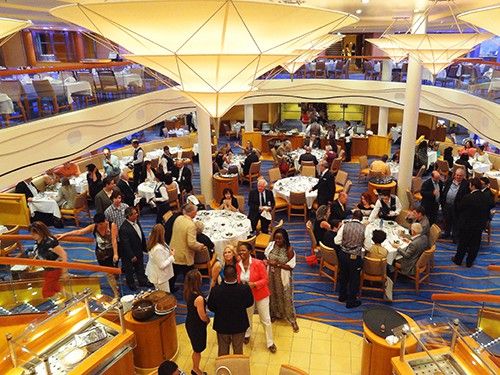
Cruise lines have perfected the art of the “up-sell” in the culinary world. While the main dining room and the buffet offer incredible variety, the cruise line will spend the entire week tempting you with specialty restaurants. They offer the ultimate steakhouse experience, the freshest sushi, or an exclusive “Chef’s Table” with wine pairings.
You might pay an extra $40 to $100 per person for these meals. While the food is undoubtedly higher quality, the real win for the cruise line is that every person eating in a specialty restaurant is one less person they have to serve in the “free” dining room. It reduces the strain on the main kitchen and brings in fresh revenue simultaneously. It is a win-win for their bottom line.
The Private Island Revolution
The island is exclusive. The island is pristine. The island is a closed-loop economy.

Perhaps the most brilliant move in the history of the cruise industry was the acquisition and development of private islands. When a ship docks in a public port like Cozumel or Nassau, the cruise line has to share your wallet with local shop owners, bars, and tour operators. On a private island like CocoCay, Labadee, or Great Stirrup Cay, the cruise line owns everything.
You want a drink on the beach? It’s a cruise line bar. You want to go down a water slide? It’s a cruise line park. You want to rent a jet ski? It’s a cruise line excursion. Even the souvenirs are sold in cruise-line-operated shops. By cutting out the middleman (the local port city), the cruise line captures 100% of the revenue generated on that day. Plus, they save a fortune on fuel because these islands are often located very close to the Florida homeports.
Shore Excursions: The Middleman’s Cut
The tour is easy. The tour is safe. The tour is marked up.

When you book a shore excursion through the ship, you are paying for peace of mind. The ship guarantees they won’t leave without you if the tour is late. That “insurance” comes at a steep price. Cruise lines typically take a 20% to 50% cut of the price you pay for an excursion. The local tour operator provides the bus, the guide, and the gear, but the cruise line takes the lion’s share of the profit just for being the booking platform.
For many travelers, this is worth it. For the cruise line, it is passive income. They use their massive platform to funnel thousands of people into pre-arranged tours, collecting a massive “referral fee” on every single ticket sold.
The Gratuity Mystery and Labor Costs
The service is impeccable. The service is friendly. The service is partially funded by you.
You will see a “daily gratuity” or “service charge” added to your bill, usually between $16 and $20 per person, per day. This is a crucial part of the cruise line’s financial model. While they pay their crew members a base salary, these mandatory service charges help offset the massive payroll required to run a ship with 1,500+ staff members. It allows the cruise line to keep the advertised ticket price lower by moving part of the labor cost to a separate line item.
Additionally, the crew members often come from countries with a lower cost of living. This isn’t a secret, but it is a fundamental part of the economics. By hiring globally, cruise lines can maintain a massive staff-to-guest ratio that provides that “luxury” feeling without the astronomical labor costs of a land-based resort in the United States or Europe.
Retail, Photo, and the Spa: The High-End Extras
The spa is relaxing. The spa is luxurious. The spa is a high-margin retail center.

If you have ever visited the onboard spa, you know the routine. You enjoy a wonderful massage, and then the therapist spends five minutes explaining why your skin needs $300 worth of “Elemis” products. This is not a coincidence. The spa and the onboard shops (selling duty-free watches, jewelry, and designer bags) are designed to capture the high-end spender.
The profit margins on skincare and jewelry are enormous. Furthermore, the photo gallery: though becoming more digital: is another pure-profit center. A professional photographer takes your photo at dinner or on the pier, and then the ship tries to sell you a digital file or a print for $20. The cost of taking the photo is negligible; the profit is nearly absolute.
The Cost Side: Fuel, Food, and Commissions
The expenses are massive. The expenses are constant. The expenses are managed with surgical precision.
To understand how they make money, you have to understand where they spend it. Fuel is the biggest variable. A large cruise ship can burn through hundreds of thousands of dollars in fuel every single day. This is why lines are moving toward LNG (Liquefied Natural Gas) and more aerodynamic hull designs. Every percentage point they save on fuel is millions of dollars in added profit.
Food is another interesting one. You might feel like you’re eating like royalty, but the cruise lines are the ultimate bulk buyers. They spend roughly $10 to $15 per passenger, per day on raw food ingredients. Because they buy on such a massive scale and have perfected the logistics of “zero-waste” kitchens, they can provide high-quality meals at a fraction of the cost a land-based restaurant would pay.
Finally, they pay travel agents. A significant portion of your fare goes toward the commission of the person who booked it for you. This is a cost of doing business, but it’s why the lines are pushing so hard for “direct” bookings on their own websites and apps. Every booking made directly is another 10% to 15% they get to keep.
The Every Bed Filled Mantra
The cabin is empty. The cabin is a loss. The cabin must be filled.
A cruise ship is a fixed-cost machine. Whether there are 2,000 or 4,000 people on board, the ship still needs fuel, the engines still need maintenance, and the captain still needs to be paid. This is why you will see “last-minute” deals that seem too good to be true. The cruise line would rather sell you a cabin for $100 than leave it empty. Why? Because a person in a $100 cabin still pays port fees, still pays gratuities, and might still drop $1,000 in the casino.
This “heads in beds” philosophy is what drives the entire industry. They are not selling transportation; they are selling access to a marketplace. The ship is the marketplace, and you are the customer.
Conclusion: Navigating the Value
You are now an insider. You know the secrets. You understand the game.
Cruising remains one of the best values in the travel world precisely because of this business model. If you are a “low-spend” passenger who sticks to the included food, drinks water, and explores ports on your own, you are essentially being subsidized by the high-rollers at the poker table and the fans of the $100 steakhouse.
Understanding how cruise lines make money doesn’t ruin the magic; it helps you navigate the experience more effectively. You can enjoy the luxury, take advantage of the deals, and decide exactly where you want your hard-earned money to go. Whether you’re sipping a “free” coffee on your balcony or going all-in at the craps table, you’re part of one of the most efficient and fascinating economic engines on the planet.
Visit www.TimeForYourVacation.com to start planning your next adventure. Check out www.DaveTheTourGuide.com for personalized travel guidance and insider tips. And keep reading www.TimeForYourVacation.blog for more honest takes on the travel industry and how to navigate it like a pro. Try our Luxury concierge with www.BlackKeyElite.com . And listen to my podcast! https://www.podomatic.com/podcasts/contact24682


Leave a Reply