• heroImage

    You’re planning your dream vacation. You’ve saved up, cleared your schedule, and you’re ready to experience the luxury travel you deserve. But here’s the thing: even with the best intentions and unlimited budget, luxury travel planning can go sideways fast.

    Most luxury travelers make the same costly mistakes over and over again. These aren’t small oversights either. We’re talking about mistakes that can turn your $20,000 getaway into a stress-filled disappointment that leaves you wondering where all that money went.

    The good news? Every single one of these mistakes is completely preventable when you know what to look for. Even better news? A professional concierge service can fix these problems before they happen, ensuring your luxury travel experience lives up to your expectations.

    Let’s dive into the seven biggest mistakes luxury travelers make: and how our concierge service fixes them.

    Mistake #1: Not Using Black Key Elite or Professional Concierge Services

    This is the big one. You’re trying to plan a luxury vacation by yourself, spending hours researching hotels, calling restaurants, and piecing together an itinerary from random blog posts and outdated reviews.

    Here’s what happens when you go it alone: You miss exclusive perks, pay standard rates instead of getting VIP treatment, and spend your valuable time on logistics instead of enjoying your vacation. You end up with a “luxury” trip that feels more like expensive regular travel.

    How our concierge service fixes it: Professional luxury concierge services like Black Key Elite have established relationships with the world’s finest hotels, restaurants, and experience providers. We don’t just book your trip: we unlock access to exclusive amenities, room upgrades, chef’s table experiences, and VIP treatment that isn’t available to the general public.

    When you work with Black Key Elite, you’re not just another guest checking in. You’re our client, which means hotel managers know your name before you arrive, restaurant owners save their best table for you, and exclusive experiences that are normally booked months in advance suddenly have availability.

    image_1

    Mistake #2: Booking Without Understanding Your True Travel Priorities

    You focus on the wrong details. Maybe you spend hours researching the perfect flight, upgrading to first class, but then book a mediocre hotel because you’ve blown your budget. Or you choose a beautiful resort that’s perfect for relaxation when what you really wanted was adventure and cultural immersion.

    How our concierge service fixes it: Before we book anything, we have detailed conversations about what luxury means to you. Are you looking for complete relaxation, cultural immersion, adventure, romantic connection, or family bonding? Do you prefer intimate boutique properties or grand resort experiences?

    Our concierge team asks the right questions to understand your travel personality, then designs every element of your trip around your true priorities. We allocate your budget strategically, investing more in the experiences that matter most to you and finding smart savings in areas that don’t impact your enjoyment.

    Mistake #3: Missing Out on Exclusive Perks and Amenities

    You book directly with hotels or through discount websites, thinking you’re getting the best deal. But luxury travel isn’t about getting the lowest price: it’s about getting the highest value. When you book without industry connections, you miss exclusive amenities that can make or break your experience.

    How our concierge service fixes it: Our relationships with luxury properties mean you automatically receive perks that aren’t available to regular bookings. We’re talking about daily breakfast for two, resort credits, room upgrades, late checkout, early check-in, and exclusive access to hotel amenities.

    For example, at a luxury resort in Bali, our clients receive complimentary spa treatments, private beach cabanas, and access to the executive lounge: amenities worth over $500 per day that aren’t available through standard bookings. These perks aren’t just nice-to-haves; they transform your entire experience.

    Mistake #4: Poor Timing and Logistics Planning

    You book your dream destination without considering weather patterns, local events, or seasonal crowds. You arrive during monsoon season, miss the best cultural festivals, or find yourself competing with thousands of other tourists for the same experiences.

    Your logistics don’t flow smoothly either. You have long layovers in uncomfortable airports, arrive exhausted, and waste precious vacation time dealing with transportation confusion.

    How our concierge service fixes it: We monitor seasonal patterns, local events, and crowd levels for every destination we recommend. We’ll tell you when to visit the Maldives for perfect weather, when cherry blossoms peak in Japan, and when to avoid the crowds at popular European destinations.

    Our logistics planning is strategic and seamless. We coordinate your flights to minimize travel fatigue, arrange private transfers so you never wait for transportation, and schedule your activities to flow naturally from one experience to the next. You arrive refreshed and ready to enjoy every moment of your vacation.

    image_2

    Mistake #5: Overlooking Cultural Context and Local Expertise

    You research your destination online but miss the cultural nuances that make the difference between a good trip and an unforgettable one. You don’t know about the hidden gems, the local customs that enhance your experience, or the insider knowledge that opens doors to authentic experiences.

    How our concierge service fixes it: Our team includes destination specialists who live in or regularly visit the places we recommend. They understand local culture, customs, and hidden opportunities that guidebooks miss.

    In Italy, we connect you with local families for authentic cooking experiences. In Japan, we arrange private tea ceremonies with master practitioners. In Morocco, we provide cultural context that helps you navigate souks and connect meaningfully with local artisans. This insider knowledge transforms tourist experiences into cultural immersion.

    Mistake #6: Inflexible Planning That Leaves No Room for Spontaneity

    You over-plan your itinerary, booking every moment with activities and reservations. When something magical presents itself: a perfect sunset, an invitation from locals, an unexpected festival: you can’t take advantage because your schedule is locked in.

    How our concierge service fixes it: We create structured flexibility in your itinerary. We secure reservations for must-do experiences and restaurants, but we also build in unscheduled time for spontaneous adventures and rest.

    More importantly, we provide 24/7 support during your trip. When opportunities arise or plans need to change, we can make real-time adjustments. Want to extend your stay at that perfect beach? We’ll handle the logistics. Discovered an amazing local festival? We’ll rearrange your schedule to accommodate it.

    Mistake #7: Underestimating the Importance of Seamless Communication

    Your trip involves multiple moving parts: hotels, restaurants, activities, transportation: but no one is coordinating the communication between them. Information gets lost, special requests are forgotten, and you end up managing logistics during your vacation instead of relaxing.

    How our concierge service fixes it: We serve as the central communication hub for your entire trip. Every hotel, restaurant, and service provider knows we’re managing your experience, and they communicate directly with us about any changes or special arrangements.

    When you arrive at your hotel, they already know about your dietary restrictions, anniversary celebration, and preferred room location. Your restaurant reservations include notes about your wine preferences. Your private guide knows your interests and energy level. This seamless communication ensures every element of your trip works together to create an exceptional experience.

    image_3

    The Real Value of Professional Luxury Travel Planning

    Luxury travel planning isn’t just about spending more money: it’s about spending it wisely to create experiences that exceed your expectations. When you avoid these seven mistakes, your vacation transforms from an expensive trip into an investment in memories that will last a lifetime.

    The difference between DIY luxury travel and professionally planned luxury travel is like the difference between buying expensive ingredients and having a world-class chef prepare your meal. The ingredients might cost the same, but the result is incomparable.

    At Time For Your Vacation, we’ve spent years building the relationships, expertise, and systems that eliminate these mistakes from your travel experience. We don’t just book your trip: we craft experiences that align with your vision of luxury and create memories worth every investment.

    Your time is valuable. Your vacation is precious. Don’t leave either to chance when professional expertise can guarantee exceptional results.


    Dave Galvan, author of this amazing tome, is a travel author, luxury travel concierge, travel blogger, travel vlogger, travel tour guide, travel podcaster and traveler. Connect with Dave at DaveTheTourGuide.comor experience luxury travel planning at TimeForYourVacation.com and Black Key Elite.

  • heroImage

    Planning luxury travel in 2026 should be exciting, not stressful. Yet so many travelers make the same costly mistakes that turn dream vacations into disappointing experiences. After years of watching clients struggle with these pitfalls, I’ve identified the seven most common errors that sabotage luxury travel plans: and exactly how to fix them.

    These mistakes aren’t just inconvenient. They’re expensive, time-consuming, and they steal the magic from experiences you’ve worked hard to afford. The good news? Every single one is completely preventable when you know what to watch for.

    Mistake #1: Not Using Black Key Elite for Luxury Travel Planning

    Here’s the biggest mistake luxury travelers make: trying to plan everything themselves or relying on generic travel agents who don’t specialize in high-end experiences. You wouldn’t trust your luxury car to any mechanic, so why trust your luxury vacation to someone without elite-level expertise?

    Black Key Elite exists specifically to eliminate the guesswork from luxury travel planning. When you’re investing thousands in a vacation, you need someone who understands the nuances of luxury properties, has relationships with premium suppliers, and can secure amenities that aren’t available to the general public.

    The Fix: Connect with Black Key Elite before you start planning your next luxury getaway. Their concierge services handle everything from securing impossible dinner reservations to arranging private airport transfers. When you work with luxury travel specialists, you’re not just booking a trip: you’re crafting an experience that reflects your standards and preferences.

    image_1

    Mistake #2: Researching Destinations Based on Trends Instead of Reality

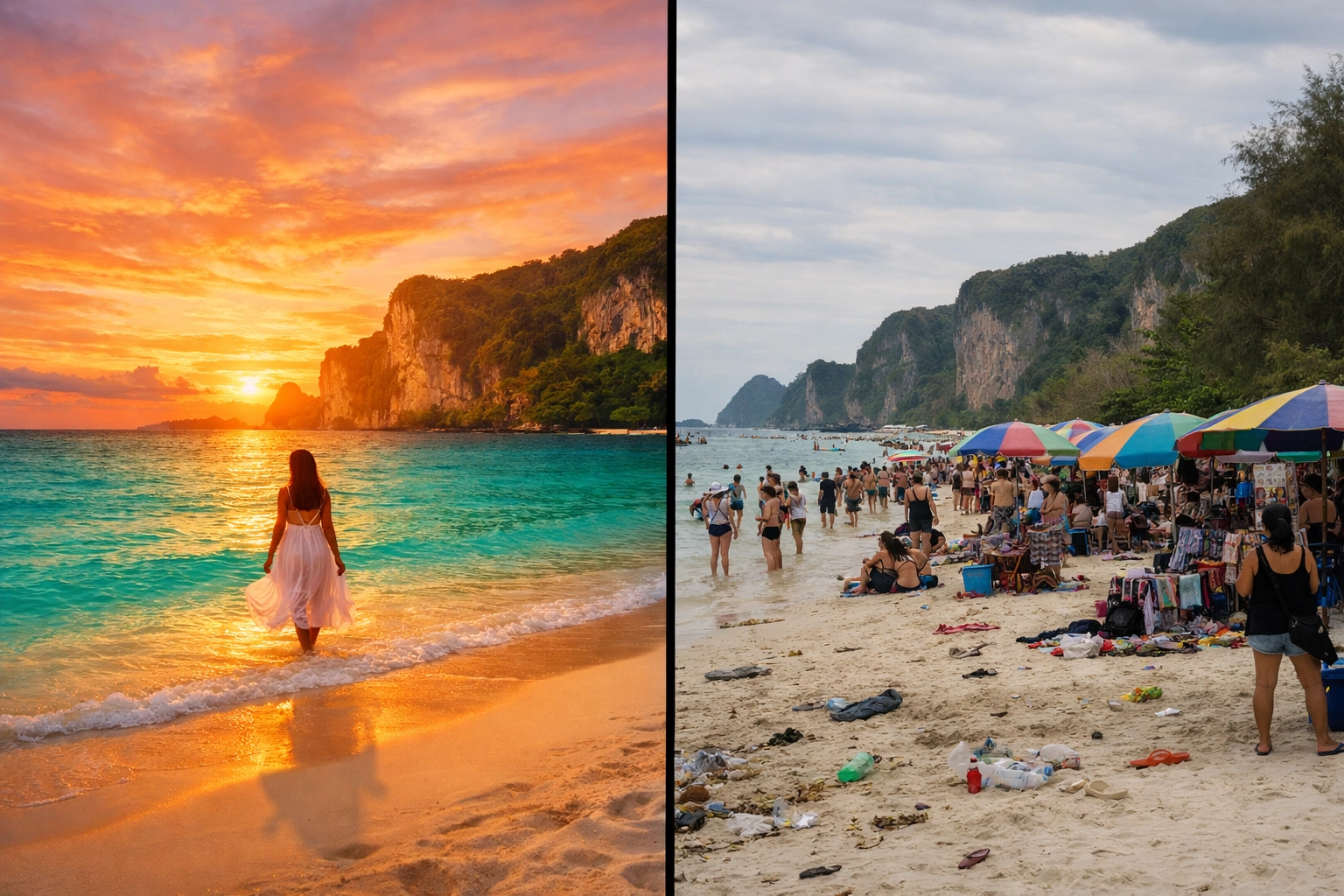
    Social media makes every destination look perfect. Those Instagram photos of Santorini sunsets don’t show you the summer crowds, the sweltering heat, or the fact that most restaurants close during shoulder season. Too many travelers book trendy destinations without understanding seasonal patterns, local customs, or what actually makes a place special.

    Your luxury vacation deserves better than surface-level research. Trending destinations often come with inflated prices, overcrowded attractions, and experiences that don’t match the hype.

    The Fix: Dig deeper than social media when choosing your destination. Research shoulder seasons when you’ll find better weather, fewer crowds, and more authentic experiences. Check local event calendars: you might discover a wine festival in Tuscany or a cultural celebration in Japan that transforms your entire trip. Always verify current conditions through recent traveler reviews rather than relying on outdated guidebooks or curated social media content.

    Mistake #3: Making Poor Accommodation Choices That Compromise Your Experience

    Location matters more than amenities when it comes to luxury accommodations. Yet travelers constantly choose beautiful properties in inconvenient locations, then spend their vacation dealing with expensive transfers and wasted time getting anywhere worth visiting.

    The second accommodation trap? Falling for fake reviews and manipulated ratings on booking platforms. That “luxury resort” with five-star reviews might actually be a mediocre property with purchased ratings and stock photos.

    The Fix: Prioritize location accessibility when selecting accommodations. Sometimes spending more on a centrally located property saves money overall by eliminating daily transportation costs. Research neighborhoods thoroughly: consider safety, walkability, and proximity to attractions that matter to you.

    Cross-reference reviews across multiple platforms and look for specific details rather than generic praise. Recent photos from verified guests provide more accurate representations than professional marketing images. When in doubt, contact properties directly to verify amenities and services you’re specifically paying for.

    Mistake #4: Not Comparing Prices Across Multiple Luxury Travel Sources

    Assuming the first price you find is the best price costs luxury travelers thousands of dollars annually. Comparison sites earn commissions and don’t always display the most competitive rates. All-inclusive luxury packages often cost more than booking components separately, despite appearing convenient.

    Premium travel requires premium research. The extra time you spend comparing options pays for itself in savings and better experiences.

    The Fix: Always check multiple booking platforms, contact properties directly, and consider working with luxury travel specialists who have access to unpublished rates. Compare whether all-inclusive packages genuinely offer value versus booking flights, accommodations, and activities independently.

    Remember that luxury travel specialists like those at Time For Your Vacation often secure rates and amenities that aren’t available through public booking channels. Their industry relationships translate to real savings and exclusive perks.

    image_2

    Mistake #5: Creating Overly Ambitious Itineraries That Exhaust Rather Than Refresh

    Luxury travel should rejuvenate you, not leave you needing another vacation to recover. Yet travelers constantly pack too many activities into too few days, treating their luxury vacation like a productivity challenge instead of a restorative experience.

    Every hotel check-in, flight transfer, and activity booking consumes time and energy. Moving locations every night wastes precious vacation hours on logistics rather than enjoyment.

    The Fix: Build flexibility into your luxury itinerary and prioritize quality over quantity. Avoid staying just one night anywhere: you’ll spend more time packing and unpacking than actually experiencing your destination.

    Plan for spontaneous discoveries and genuine relaxation. The most memorable luxury travel moments often happen when you’re not rushing between scheduled activities. Leave space in your itinerary for that unexpected wine tasting, the perfect sunset viewing spot, or simply sleeping in at your beautiful accommodation.

    Mistake #6: Ignoring Important Details and Failing to Ask the Right Questions

    Whether you’re working independently or with travel professionals, skipping over cancellation policies, transfer instructions, and activity requirements creates unnecessary stress and potential disasters. Many luxury travelers assume details will resolve themselves, then face problems that could have been prevented with simple advance planning.

    Luxury travel involves complex logistics. Your investment deserves attention to every detail that affects your experience.

    The Fix: Review all travel documents at least one week before departure. Verify names, dates, transfer arrangements, activity requirements, and dining reservations. Confirm baggage restrictions for any internal flights or unique transportation.

    Ask specific questions about weather expectations for proper packing, meeting points for transfers, and backup plans for weather-dependent activities. When working with travel professionals like Dave The Tour Guide, don’t hesitate to clarify anything that seems unclear: your questions help create better experiences.

    image_3

    Mistake #7: Prioritizing the Wrong Elements of Your Luxury Experience

    Many luxury travelers spend disproportionately on flights while compromising accommodations, or vice versa. While business class feels nice for eight hours, your hotel choice affects every moment of your vacation. Similarly, booking the most expensive property while skipping unique local experiences misses the point of traveling.

    Luxury travel is about balance and understanding where premium investments create the most impact on your overall experience.

    The Fix: Consider your priorities honestly before allocating your luxury travel budget. If you’re planning a relaxing beach vacation, invest more in oceanfront accommodations than business class flights. If you’re seeking adventure and cultural immersion, prioritize unique experiences and knowledgeable guides over hotel amenities you won’t use.

    Remember that true luxury often lies in exclusive access and personalized service rather than expensive amenities. A private cooking class with a local chef might provide more lasting value than an expensive hotel suite you’ll barely occupy.

    Your Path to Flawless Luxury Travel Planning

    These seven mistakes cost travelers time, money, and memorable experiences every single day. The solution isn’t complicated: it requires careful planning, expert guidance, and realistic expectations about what makes luxury travel truly extraordinary.

    Working with luxury travel specialists eliminates most of these pitfalls automatically. When you partner with Time For Your Vacation, you’re accessing years of expertise, industry relationships, and personalized service that transforms good trips into unforgettable experiences.

    Your luxury vacation represents significant investment in your happiness and well-being. Make sure that investment delivers the extraordinary experiences you deserve by avoiding these common mistakes and working with professionals who understand what luxury travel really means.


    Dave Galvan, author of this amazing tome, is a travel author, luxury travel concierge, travel blogger, travel vlogger, travel tour guide, travel podcaster and traveler. Connect with Dave through TimeForYourVacation.com, DaveTheTourGuide.com, and BlackKeyElite.com for personalized luxury travel planning that exceeds your expectations.

  • heroImage

    Luxury cruising in 2026 isn’t just about bigger ships or fancier dining rooms anymore. The entire industry has transformed into something completely different from what your parents experienced on their Princess cruise twenty years ago. Whether you’re a first-time luxury cruiser or someone who’s sailed with Celebrity and Royal Caribbean before, this year demands a fresh approach to how you think about premium ocean experiences.

    The most exciting development? Hotel brands like Ritz-Carlton, Four Seasons, and Aman are now operating their own ships. These aren’t cruise lines trying to feel like hotels: they’re actual luxury hotels that happen to float. The difference is profound, and it’s reshaping every other cruise line’s approach to service and amenities.

    Understanding What Luxury Actually Means in 2026

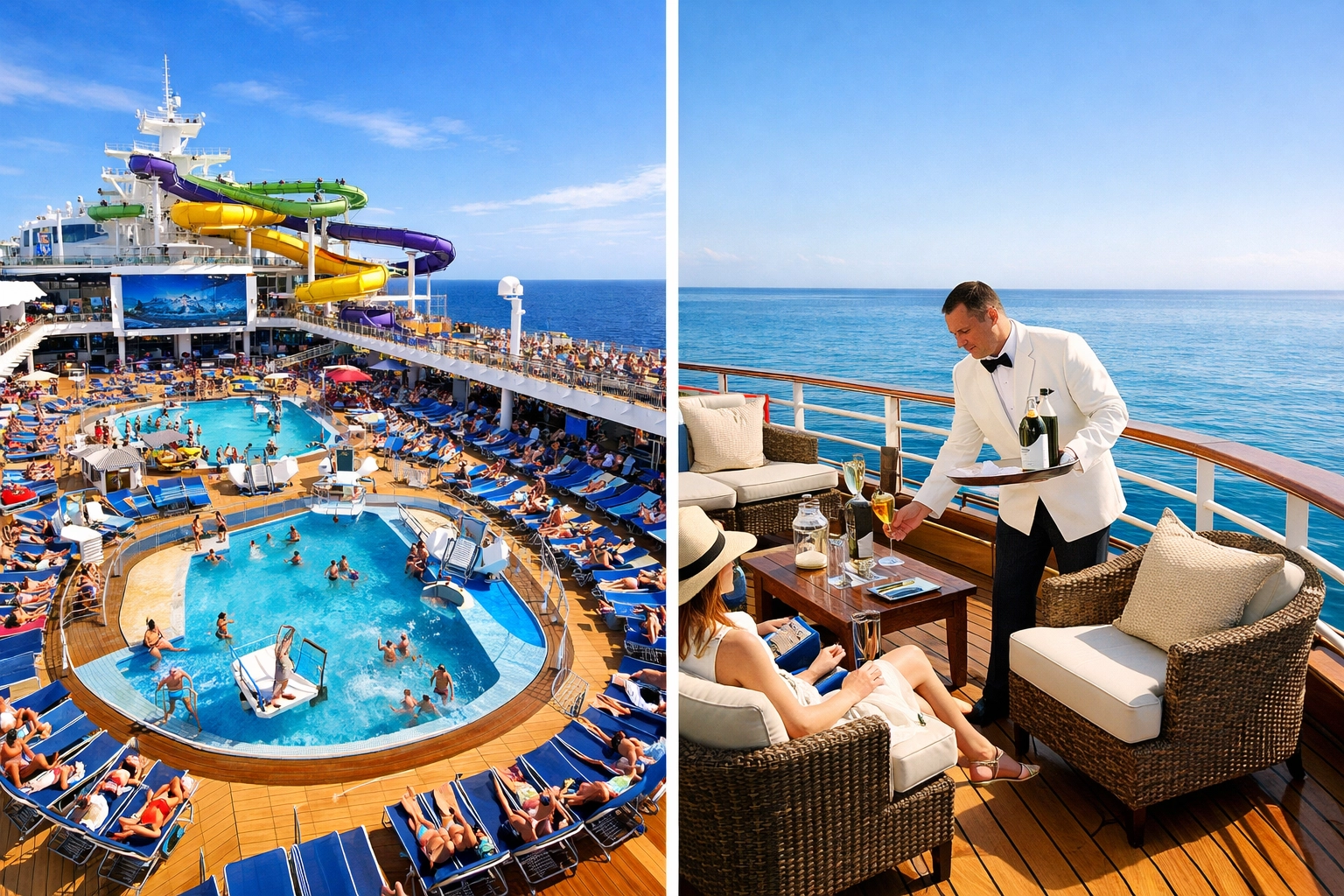
    Let’s be honest about something first. Not every cruise line calling itself “luxury” actually delivers luxury experiences. Real luxury cruising in 2026 means all-suite accommodations, guest-to-crew ratios of nearly 1:1, and truly all-inclusive pricing that covers everything from specialty dining to shore excursions.

    The new Seven Seas Prestige from Regent Seven Seas perfectly exemplifies this standard. Every stateroom is a suite starting at 440 square feet, with their flagship Skyview Regent Suite spanning an incredible 3,700 square feet. When you’re paying luxury prices, you deserve luxury space.

    image_1

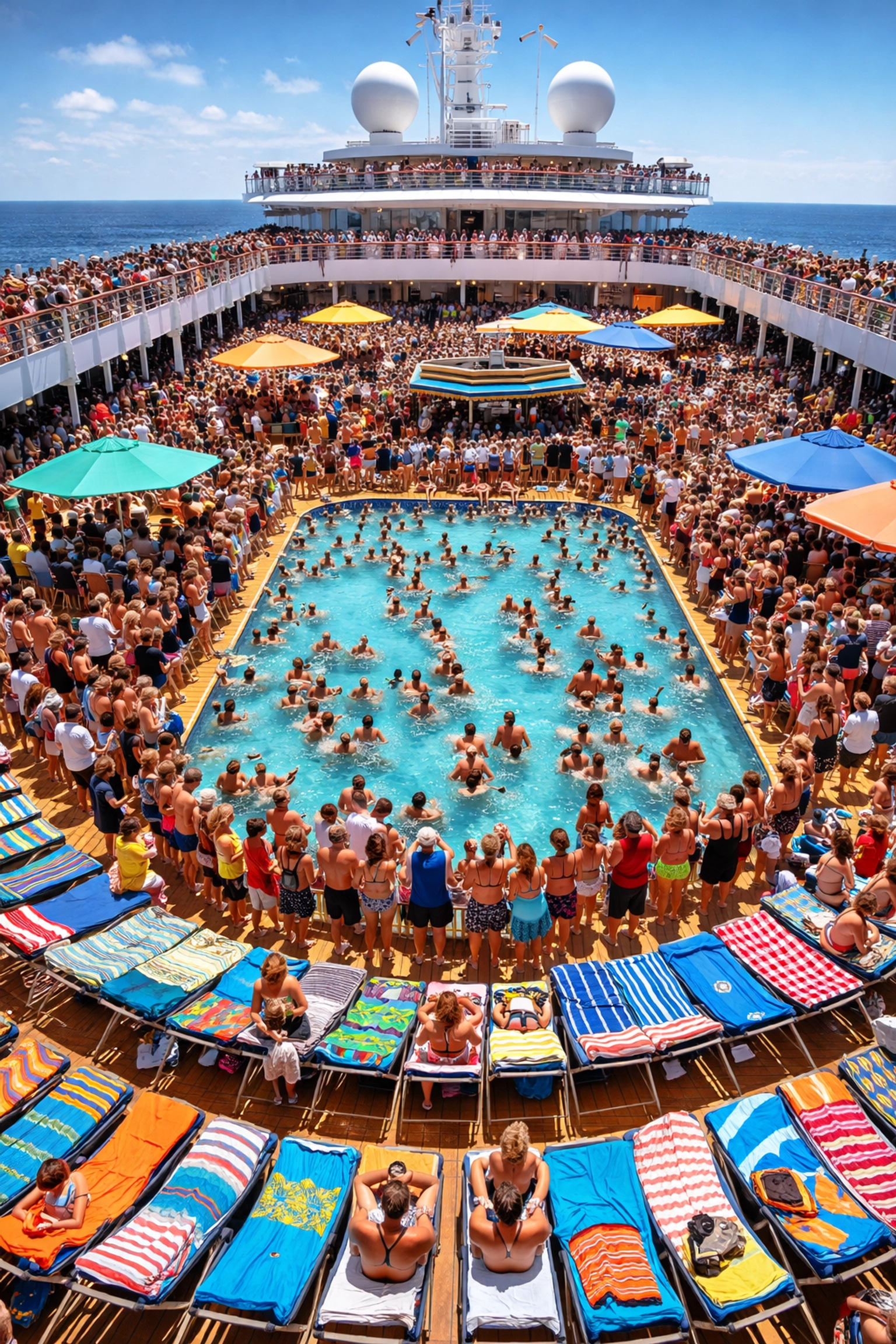
    Space matters more than ever because luxury travelers are prioritizing privacy and personalized service over ship entertainment. You want room to breathe, not crowds around the pool deck. The best luxury ships in 2026 carry fewer than 1,200 passengers maximum, with many expedition-style vessels hosting just 80-224 guests.

    How to Choose Your Perfect Luxury Cruise

    Start with your travel personality, not the destination. Are you someone who wants to unpack once and wake up in a new port each day? Or do you prefer deeper cultural immersion with overnight stays and expert-guided experiences?

    If you lean toward the hotel experience, book with the new luxury hotel cruise brands. The Ritz-Carlton Yacht Collection offers the same impeccable service standards you’d expect from their land-based properties. Four Seasons I brings their wellness-focused approach to sea. These ships feel like intimate luxury resorts rather than traditional cruise vessels.

    For those who’ve sailed with our partner lines like Oceania, Celebrity, or Silverseas before, you’ll notice how even these established luxury operators are evolving. Oceania’s Marina and Sirena ships are positioning themselves for the total solar eclipse in August 2026: imagine experiencing 100% totality from the deck of a luxury ship in Iceland waters.

    Consider expedition cruising if you want genuine adventure. Windstar’s newly refitted Star Explorer represents this trend perfectly. These smaller ships access remote destinations that mega-ships simply cannot reach. You’re not just visiting ports: you’re exploring places like Raja Ampat, the Kimberley region of Western Australia, or the Seychelles with expert naturalists and cultural guides.

    image_2

    Pay attention to culinary programs. Crystal Cruises now features Umi Uma, the only Nobu Matsuhisa restaurant at sea. This isn’t just about having good food: it’s about experiencing creativity and artistry that rivals the world’s best land-based restaurants. If your cruise doesn’t highlight exceptional culinary partnerships, it’s not keeping pace with what luxury cruising has become.

    What to Skip in 2026

    Avoid any “luxury” cruise that doesn’t include gratuities, alcoholic beverages, and shore excursions. These hidden costs can add thousands to your vacation budget. True luxury lines like Regent Seven Seas, Silverseas, and our other premium partners include everything in your fare. If you’re constantly reaching for your wallet onboard, you’re not experiencing real luxury.

    Skip ships carrying more than 1,200 passengers. Even if they call themselves luxury, you’ll lose the intimate, personalized service that defines premium cruising. Large ships simply cannot offer the same attention to detail or exclusive experiences as smaller vessels.

    Don’t book repetitive itineraries unless they’re special. The Mediterranean and Caribbean have been done to death. 2026 is the year to explore new regions with expedition cruising. Western Australia, the Amazon, African coasts, and Antarctica offer genuinely transformative experiences that standard cruise routes cannot match.

    image_3

    Avoid generic wellness offerings. Every cruise line now claims to offer wellness experiences, but most are just glorified spa services. Real wellness cruising in 2026 integrates fitness programming, nutrition consultations, meditation instruction, and private deck yoga designed for holistic well-being. If the wellness program isn’t comprehensive and expertly designed, skip it.

    Insider Secrets That Will Transform Your Experience

    Book eclipse cruises immediately. The total solar eclipse in August 2026 has created unprecedented demand for specific itineraries. Regent’s Marina in Iceland will experience 100% totality, while Oceania’s Sirena in Lisbon offers 94% visibility. These sailings are selling at premium rates and limited availability. Waiting means either paying significantly more or missing out entirely.

    Consider newly launched ships for the best value. The Seven Seas Prestige and Orient Express Corinthian both debut in 2026 with inaugural pricing that often beats established ships. You get brand-new design, latest technology, and fresh amenities at potentially lower rates than their second or third year of operation.

    Leverage hotel loyalty status. If you hold elite status with luxury hotel brands, inquire about cruise partnerships before booking independently. Ritz-Carlton, Four Seasons, and soon Aman may offer loyalty benefits, room upgrades, or exclusive onboard experiences for their frequent guests.

    image_4

    Explore private yacht charter options. Ponant Yachting’s Le Désirade offers full private charter opportunities. For groups of friends or family, this often delivers better value than booking individual suites while guaranteeing complete privacy and customized itineraries. Most travelers don’t even know this option exists.

    Think beyond traditional cruise lines. The most innovative luxury experiences in 2026 aren’t necessarily from the big names. Ponant, Aqua Expeditions, and Windstar are delivering fresher, more creative experiences precisely because they’re not constrained by traditional cruise industry conventions.

    Special Event Cruises Worth Considering

    Formula 1 Monaco Grand Prix itineraries through Explora Journeys offer unprecedented access to one of the world’s most exclusive sporting events. These aren’t just cruises that happen to be near Monaco: they’re specifically designed experiences with VIP race access and luxury accommodations during the event.

    Crystal Cruises now features the first-ever Casino de Monte-Carlo at sea, bringing authentic Monte Carlo gaming experiences to their ships. This partnership represents the kind of exclusive collaboration that defines luxury cruising in 2026.

    image_5

    Princess and Royal Caribbean, while not typically considered ultra-luxury, have both elevated their suite-class experiences significantly. Their new ship designs feature exclusive areas, dedicated suite-only dining, and personalized concierge services that rival traditional luxury lines.

    Planning Your 2026 Luxury Cruise Experience

    Book early for the best selection and pricing. The most desirable luxury cruises sell out months in advance, especially those tied to special events or featuring new ships. Celebrity’s upcoming river cruise launch in 2027 is already generating interest for early bookings.

    Work with experienced travel professionals who understand luxury cruising. The differences between various luxury options are subtle but significant. An experienced travel concierge can match your preferences with the right ship, itinerary, and stateroom category to maximize your investment.

    Consider shoulder seasons for better value and fewer crowds. Luxury cruise pricing varies significantly by season, and you’ll often find exceptional deals during less popular travel periods without sacrificing the quality of your experience.

    The luxury cruise landscape in 2026 rewards travelers who understand these distinctions and plan accordingly. Your choice should reflect whether you’re seeking relaxation on exceptional vessels, cultural adventure in remote locations, or participation in once-in-a-lifetime events. Each demands different selection criteria, but all can deliver truly transformative experiences when chosen wisely.


    Dave Galvan, author of this amazing tome, is a travel author, luxury travel concierge, travel blogger, travel vlogger, travel tour guide, travel podcaster and traveler. For personalized luxury cruise planning and exclusive access to the experiences mentioned above, visit TimeForYourVacation.com, DaveTheTourGuide.com, or BlackKeyElite.com.

  • heroImage

    The all-inclusive resort industry isn’t dead: it’s splitting in two. Traditional mass-market resorts are struggling while luxury properties boom. But the real story? Personalized luxury itineraries are revolutionizing how you experience travel in 2026.

    You’re witnessing a seismic shift in luxury travel. The one-size-fits-all vacation model that dominated the last decade is crumbling under its own weight. Rising prices, declining value, and your growing sophistication as a traveler are reshaping the entire industry.

    The Traditional All-Inclusive Crisis

    Traditional all-inclusive resorts are facing their biggest challenge yet. Properties that once offered incredible value are pricing themselves out of their core market. Room rates have skyrocketed from around $400 per night to $1,300 or more: and these increases aren’t temporary.

    You’re paying dramatically more while receiving less. Many resorts now charge extra for amenities that were traditionally included: WiFi access, premium spa services, certain activities, and even some dining options. This directly undermines the fundamental appeal of the all-inclusive concept.

    image_1

    The numbers tell the story. Resort expansion has slowed dramatically compared to the rapid growth of the late 2010s. Meanwhile, cruising has emerged as serious competition, with cruise pricing now matching many all-inclusive rates while offering entirely different experiences and itineraries.

    Your frustration with this model is completely justified. When you book an “all-inclusive” vacation and still face surprise charges, the value proposition disappears entirely.

    The Luxury All-Inclusive Renaissance

    Here’s where the story gets interesting. While traditional resorts struggle, luxury all-inclusives are experiencing unprecedented growth. The ultra-high-end segment has transformed from an afterthought into the industry’s crown jewel.

    Major brands recognize this shift. Marriott alone plans to open six new luxury all-inclusive properties between 2026 and 2029 across Mexico, Dominican Republic, Costa Rica, and Brazil. These aren’t your typical resort experiences.

    image_2

    Luxury all-inclusives like Quercus in Montana redefine what “included” means. You’ll find private wood-fired saunas, personalized horse-training lessons, and guided fishing expeditions: all part of your stay. San Ysidro Ranch, with rates starting at $2,800 per night, has pivoted to all-inclusive pricing in response to growing demand for this level of service.

    These properties understand what you truly want: seamless luxury without nickel-and-diming. They’re creating experiences so comprehensive and personalized that additional charges become unnecessary.

    The Real Game-Changer: Decision Detox Travel

    The most significant trend of 2026 isn’t about resorts at all. It’s about “Decision Detox”: your growing desire for completely curated travel experiences that remove every planning stress from your life.

    You’re exhausted from making countless decisions in your daily life. The last thing you want is to spend hours researching restaurants, booking spa appointments, or coordinating activities during your precious vacation time. This trend goes far beyond traditional all-inclusive resorts.

    image_3

    Decision Detox means your travel professional handles everything: pre-booked massages at optimal times, restaurant reservations that match your dietary preferences, minute-by-minute itineraries crafted around your interests. You simply show up and experience.

    This approach is fundamentally different from resort-based travel. It’s personalized to your specific desires rather than offering generic amenities. The focus shifts from maximizing included activities to creating meaningful experiences that reflect your values and interests.

    The Billionaire Backlash Effect

    Complementing Decision Detox is another powerful 2026 trend: the “Billionaire Backlash.” You’re rejecting hyper-luxury narratives centered on excess and status-driven experiences. Instead, you’re gravitating toward quiet luxury and intentional travel.

    This shift explains why personalized itineraries are gaining traction. You want experiences with depth and authenticity, not just expensive amenities for their own sake. You value seamless service and thoughtful curation over flashy displays of wealth.

    The most discerning travelers are choosing experiences that align with their personal values: sustainability, cultural immersion, wellness, or family connection. Cookie-cutter resort programs simply can’t deliver this level of personalization.

    What This Means for Your 2026 Travel Plans

    You have more options than ever, but the landscape requires navigation. Traditional all-inclusives still work if you find properties that maintain strong value propositions and transparent pricing. Research thoroughly and read recent reviews to avoid surprise charges.

    Luxury all-inclusives offer incredible experiences if they align with your budget and travel style. These properties excel when you want resort-based relaxation with premium service and no financial surprises during your stay.

    image_4

    Personalized luxury itineraries represent the ultimate in travel sophistication. They work best when you have specific interests, complex needs, or simply want to maximize your limited vacation time without any planning stress.

    The key is matching your choice to your actual priorities. Do you want relaxation at a beautiful resort? A luxury all-inclusive might be perfect. Do you want to explore multiple destinations with seamless logistics? A personalized itinerary delivers better results.

    How to Choose Your Perfect Approach

    Start by honestly assessing what you value most in travel. If you love resort amenities and want predictable pricing, focus on luxury all-inclusives with transparent policies and recent positive reviews.

    If you’re drawn to exploration, cultural experiences, or have specific interests like wellness or adventure, personalized itineraries offer unmatched flexibility. You’ll pay for the curation service, but you’ll save time and often money through professional connections and group purchasing power.

    For 2026 travel planning, timing matters. Luxury all-inclusives often require longer booking windows, especially for peak seasons. Personalized itineraries need even more advance planning to secure the best guides, restaurants, and experiences.

    Your Next Step

    The travel industry transformation of 2026 creates unprecedented opportunities for sophisticated travelers like you. Whether you choose a luxury all-inclusive or personalized itinerary, the key is working with professionals who understand these evolving trends.

    You deserve travel experiences that truly fit your lifestyle and preferences. The old model of settling for generic vacation packages no longer makes sense when you have access to completely customized alternatives.

    Ready to explore your options for 2026? Time For Your Vacation specializes in both luxury all-inclusive selections and fully personalized itinerary planning. Let’s discuss which approach will create your most memorable travel experiences yet.

    Your perfect vacation awaits: whether that’s at a stunning luxury resort or through a completely customized journey designed around your unique interests and style.

    Dave Galvan, author of this amazing tome, is a travel author, luxury travel concierge, travel blogger, travel vlogger, travel tour guide, travel podcaster and traveler. You can check more information on all this at;

    http://www.TimeForYourVacation.com
    http://www.DaveTheTourGuide.com
    http://www.BlackKeyElite.com

  • If you’re the kind of person who waits until February to think about spring break, I’m going to save you a world of pain: you’re already late.
    December isn’t just the season of holiday lights, peppermint everything, and pretending to enjoy your coworker’s fruitcake — it’s actually the best time of the entire year to book spring travel.

    Yes, I know what you’re thinking:
    “December?? I’m busy! I’m buying gifts, wrapping gifts, stressing about gifts… and now you want me to plan a vacation?”

    Yes. Yes, I do.
    And trust me — future you (the one who’s sipping a drink on a beach in April) is going to thank present you for making the move. Booking spring travel in December isn’t just smart; it’s financially brilliant, stress-reducing, and practically guarantees you the exact trip you want.

    Let’s break down exactly why December is the prime time to click “book now.”


    1. Early Birds Don’t Just Get the Worm — They Get the Best Prices

    December is a beautiful sweet spot in the travel calendar. Black Friday and Cyber Monday sales have passed, but travel suppliers still push strong year-end deals to lock in early bookings for the spring season. That means cruise lines, resorts, airlines, and even tour companies roll out aggressive promotions:

    • Lower airfare
    • Room upgrades
    • Added onboard credit
    • Reduced deposits
    • Free nights
    • Discounts on excursions

    And unlike last-minute deals — which are mostly a myth for popular destinations — December savings are real and plentiful. Airlines often release spring fares in December, and the first wave is almost always the cheapest.

    By January? Prices start creeping up.
    By February? They’re climbing like they’re training for Everest.
    By March? You’re paying “hope you weren’t planning to retire” prices.

    Booking in December means locking in the lowest price before the world wakes up and realizes they want a spring getaway too.


    2. You Still Get Your First Choice — Not the Leftovers

    Here’s the harsh truth:
    Waiting until later means you’ll still get a trip… but not necessarily the one you actually want.

    In December, you still have options:

    • The suite with the balcony
    • The adults-only section of the resort
    • The ocean-view cabin that doesn’t vibrate because it’s above the engine
    • The nonstop flight that doesn’t require sprinting through an airport in a panic

    But wait until February or March and suddenly:

    • That balcony? Gone.
    • That adults-only area? Filled with couples who planned ahead.
    • That cruise cabin? The only one left is next to a service closet where they store heavy equipment and questionable noises.
    • That flight? Now you’re connecting through a city you’ve never heard of, with a layover longer than a Taylor Swift album.

    Booking in December gives you your pick of the best — not the scraps.


    3. Spring Break Crowds Are a Thing… and They Are Ruthless

    If you thought holiday travel was chaos, spring break would like to introduce itself.

    Families, college students, retirees escaping winter, honeymooners, bachelor parties, people who simply hate cold weather — EVERYONE is booking spring travel. It’s one of the top three busiest travel seasons of the year.

    December is the calm before the storm.

    Not only do you get better pricing and better selection, but you also get ahead of the crowd surge. Once January hits, the masses wake up from their holiday coma and realize the snow isn’t going anywhere. By mid-January, spring travel demand skyrockets.

    Getting ahead of the panic wave is one of the smartest moves you can make.


    4. You Lock in Time Off Before Your Boss Goes into “Not Approving Anything” Mode

    Let’s talk about something rarely mentioned but incredibly important: work schedules.

    In December:

    • Everyone’s distracted
    • Holiday brain is real
    • Your boss is in a better mood
    • Vacation requests get approved faster

    But when January hits? Oh, it’s over.
    Suddenly your boss remembers budgets, staffing needs, and quarterly goals. They start saying things like:

    “I’ll have to get back to you on that.”
    or
    “Let’s wait and see how Q1 looks.”

    Translation: no.

    Booking your spring trip now means you:

    • Get your PTO approved early
    • Put your trip on the calendar before it fills with work emergencies
    • Have something meaningful to look forward to during the cold months

    Your mental health will thank you.


    5. You Avoid Sticker Shock — and Vacation Regret

    One of the worst parts of waiting too long to book a spring vacation is realizing everything is suddenly more expensive than you budgeted for.

    Spring is peak season in warm-weather destinations:

    • Mexico
    • The Caribbean
    • Hawaii
    • Florida
    • The Mediterranean (later spring)
    • California
    • National parks

    These places know they’re in demand, and prices follow the laws of supply and demand… not the laws of “I hope this is affordable.”

    When you book in December:

    • You get the best price
    • You can spread out payments over time
    • You avoid inflated peak-season pricing
    • You don’t have to settle for a cheaper destination you’re not actually excited about

    Booking early = better value + better memories.


    6. December Is the Perfect Time to Gift Travel

    Another perk?
    Booking spring travel in December means you can literally wrap it and put it under the tree.

    Imagine giving:

    • A romantic getaway
    • A cruise
    • A beach escape
    • A city adventure
    • A surprise long weekend

    Travel is a top-tier gift — way better than a sweater your partner pretends to love.

    If you’re planning a proposal or Valentine’s surprise, booking the trip now gives you:

    • Time to plan
    • Time to upgrade
    • Time to craft the perfect moment

    By the time Valentine’s Day hits, you’re not scrambling… you’re glowing.


    7. Payment Plans Are Your Secret December Superpower

    Most major travel suppliers allow:

    • Low deposits
    • Interest-free payment plans
    • Delayed final payments
    • Flexible cancellation policies

    When you book in December, you’re not paying the whole thing upfront. Instead, you’re using the system to your advantage — especially useful during the holiday spending season.

    By the time the trip arrives, it’s already paid off, which makes the vacation feel even better.


    8. The Psychological Boost of Having a Trip on the Calendar

    Here’s something most people don’t think about:
    Having a trip booked during winter does wonders for your sanity.

    December and January can feel:

    • Dark
    • Long
    • Cold
    • Stressful
    • Emotionally draining

    But when you’ve got a spring getaway locked in, suddenly winter doesn’t feel so punishing. You’ve got a date circled. You’ve got something warm and sunny waiting for you. You’ve got a mental “escape hatch.”

    Studies show people get more happiness from anticipation than even the trip itself.
    Booking early basically gives you months of free joy.


    9. Booking in December Gives You the Best Chance at Upgrades

    Want to know a secret?
    People who book early are the ones most likely to get:

    • Free upgrades
    • Priority cabin locations
    • Better hotel rooms
    • Bonus amenities
    • Early-access perks

    Why? Because suppliers reward early planners. It helps them fill their schedules, so they incentivize you.

    This is especially true for:

    • Cruise lines
    • Resorts
    • Tour operators
    • River cruises
    • Boutique hotels

    Book earlier = look fancier later.


    10. Travel Agents Have More Availability to Help You in December

    January, February, and March?
    Travel agents are drowning.

    December?
    We’re busy — but not “everybody’s screaming about spring break” busy.

    Booking in December means:

    • Faster responses
    • More personalized recommendations
    • Better itinerary planning
    • More time to secure the perfect upgrades
    • More attention on YOU instead of chaos-control

    You get the A-level service because it isn’t peak panic season yet.


    Final Thoughts: December Is the Best Time to Start Planning Spring Travel

    There’s a reason the savvy travelers book early:
    Because the early planners end up with the best trips, the smoothest experiences, and the happiest wallets.

    Booking spring travel in December gives you:

    • Lower prices
    • Better options
    • Less stress
    • More time to pay
    • PTO approved early
    • More excitement leading up to your trip

    And honestly?
    It just feels good to know your next escape is already taken care of.

    If you’re thinking about spring travel — beach vacations, cruises, romantic getaways, family trips, or that “treat yourself” adventure — December is the moment to make it happen.

    Dave Galvan, star of TV and the internet, is a Travel Blogger, Luxury Travel Planner, Travel Guide Author, Travel Guide, Travel Concierge, Travel Influencer and Traveler. His Travel Company Time For Your Vacation is a two time Luxury Travel Award winner, and his Tour Guide Company is popular in Las Vegas Las Vegas, and his new service based concierge is getting noticed as well.

  • Travel is supposed to be simple: book the flight, grab a hotel, toss some socks in a suitcase, and boom—you’re ready to go.
    Except… no.
    Modern travel has become a minefield of sneaky fees, surprise charges, and “gotcha” moments that show up faster than a resort photographer when you’re trying to eat in peace.

    Most travelers budget for flights, hotels, food, and maybe a souvenir or two. But the real travel costs? Those hide behind small print, airline apps, and resort desks with suspiciously friendly staff.

    Here’s a breakdown of the hidden travel costs people keep getting blindsided by—and how to dodge them like a pro.


    1. Airline Fees That Multiply Like Gremlins

    You’d think buying a plane ticket means you can… you know… get on the plane. But airlines today operate like subscription services with baggage.

    Checked bags? Extra.
    Carry-on? Sometimes extra.
    Seat assignment? Oh, you want to actually sit down next to someone you know? Extra.

    You can’t even count on the “free” stuff anymore. Some airlines have quietly turned off the complimentary snacks for the bottom-tier fares. Fly basic economy and you’ll be lucky if you get a seat that reclines more than half an inch.

    The fix?

    • Always check what’s included with the fare class.
    • Use credit cards that give you a free checked bag.
    • Pick airlines—like Southwest—where bags fly free and seat assignments don’t feel like a hostage negotiation.

    Miss this step and you’ll spend more money in airline fees than you will on airport coffee… which is saying something.


    2. Resort Fees: The Legalized Ambush

    Resort fees are the travel industry’s version of “surprise, sucker.”
    You book a room for $199 a night, but by the time you check out, suddenly it’s $280 because the resort included:

    • Wi-Fi you didn’t use
    • Pool towels you didn’t touch
    • A welcome drink you didn’t drink
    • A newspaper you didn’t read
    • Fitness center access (funny, because you only walked past it)

    Resort fees are so normalized that most travelers shrug and pay them. But if you multiply those fees over a week, you might as well have booked a nicer hotel.

    The fix?

    • Look for hotels with no resort fees (they exist, I promise).
    • Use booking engines that show the full price upfront.
    • If something is genuinely broken or unavailable—pool, spa, gym—you can often get the fee waived. (Ask. Kindly. But firmly.)

    3. The Rental Car Fine Print Circus

    Need a rental car? Prepare for a full Broadway performance of upcharges.

    Here’s what hits people hardest:

    • Insurance that costs more per day than your actual car payment.
    • One-way fees that feel like a ransom note.
    • Airport surcharges that magically disappear if you rent offsite.
    • Fuel charges that assume you’ll return the car on fumes.

    The sales pitch at the counter is legendary. They act like you’re about to drive through a war zone and absolutely must buy every protection package known to mankind.

    The fix?

    • Your credit card probably already includes rental insurance.
    • Take pictures of the car at pick-up and drop-off.
    • Rent off-airport when possible.
    • Decline pre-paid fuel unless you’re allergic to gas stations.

    4. Food Costs in Tourist Zones

    You know that feeling when you get hungry on vacation and grab the nearest place because you’re starving?
    Congratulations, you just paid $27 for a soggy hamburger.

    Tourist-area restaurants know their audience: hungry, tired, and not paying attention. So prices get… creative.

    Even bottled water magically inflates the closer you get to a monument. Half the time you’re paying for convenience, not quality.

    The fix?

    • Walk 2–3 blocks away from tourist zones.
    • Ask a local where they eat.
    • Pack snacks so you don’t make desperate decisions.
    • Avoid restaurants with picture menus unless you enjoy overpaying.

    5. Transportation Costs Nobody Budgets Correctly

    People always underestimate what it costs to get around once they arrive.
    Then they get hit with:

    • Airport transfers
    • Uber surge pricing
    • Taxis that charge per bag
    • Parking fees at hotels
    • Tolls
    • Metro passes that don’t include… anything useful

    Transportation can quietly become the biggest unexpected expense of your trip.

    The fix?

    • Research public transit ahead of time.
    • Look for hotels with free parking.
    • Use rideshare apps to compare costs before committing.
    • In Europe, always check if city passes include transit—it’s usually worth it.

    6. Cruise Costs That Sneak Up On You

    Cruises seem all-inclusive.
    But if you’ve ever cruised, you know that’s adorable.

    You’ll face hidden costs like:

    • Daily gratuities (often $16–$20 per person)
    • “Specialty” restaurants
    • Drinks
    • Wi-Fi (expensive enough to make you consider a carrier pigeon)
    • Port fees
    • Shore excursions
    • Photo packages
    • Bingo (the prices for this will make you gasp)

    People see the cruise fare and think it’s the whole price. It’s not even close.

    The fix?

    • Prepay gratuities.
    • Buy drink packages early (or skip them).
    • Budget for extras… and then double it.
    • Bring your own snacks and reusable water bottle so you’re not nickel-and-dimed on board.

    7. Exchange Rates and Foreign Transaction Fees

    Travel overseas and suddenly your bank wants in on the fun.
    Foreign transaction fees can be 2–3% per swipe. Doesn’t sound like much… until you add it up.

    Then you get the “dynamic currency conversion scam,” where a machine asks if you want to pay in USD.
    That “convenience”?
    It comes with an exchange rate that’s about as friendly as a used car salesman.

    The fix?

    • Use a credit card with no foreign transaction fees.
    • Always pay in the local currency.
    • If you need cash, withdraw from ATMs—not airport currency exchanges.

    8. Phone and Data Roaming Charges

    International roaming charges were designed by someone who hates joy.
    One accidental TikTok scroll abroad and suddenly your phone bill looks like a mortgage payment.

    Even “day passes” can add up if you’re gone for a week or two.

    The fix?

    • Use an eSIM (cheap, fast, everywhere now).
    • Download offline maps (Google Maps does this beautifully).
    • Turn off background app refresh.
    • Put your phone on airplane mode when you don’t need data.

    9. Activities and Attractions That Inflate Prices At the Door

    Online prices for attractions are usually way cheaper than buying tickets in person.
    But many travelers don’t think about it until they’re standing in a long line, sweating, and they just give in and pay.

    Also, museums, parks, cathedrals, and landmarks love to charge:

    • “Skip the line” fees
    • “Audio tour” fees
    • “Mandatory donation” fees
    • “Photography permit” fees
    • “Convenience fees” (for doing absolutely nothing)

    The fix?

    • Book major attractions online ahead of time.
    • Use bundled passes (CityPASS, GoCity, etc.).
    • Check free days — most cities have them.
    • If an attraction charges for a photography permit… skip it.

    10. Travel Insurance (Worth It, But Misunderstood)

    Travel insurance isn’t a scam. But lots of people buy way more than they need.

    The cost issues come from:

    • Buying it from airlines (overpriced)
    • Not knowing what your health insurance already covers
    • Paying for coverage that duplicates what your credit card includes
    • Buying the fanciest plan when a basic one would do

    The fix?

    • Compare policies, don’t just click the airline box.
    • Know what your medical plan covers.
    • Use credit cards with built-in trip protection.
    • Don’t over-insure cheap trips.

    11. Luggage Costs Beyond the Airline

    It’s not just airline baggage fees.
    You also pay for:

    • Storage lockers
    • Hotel “luggage hold” fees
    • Overweight bag charges
    • Taxis that charge extra for large bags

    One overweight suitcase can cost the price of an entire extra seat.

    The fix?

    • Weigh your luggage before the airport (apps + $10 scale fix everything).
    • Pack light… or lighter.
    • Put heavy items in your personal item if needed.

    12. Tipping Costs Add Up Fast

    People forget to budget for tipping, and it hits them hard at the end of a trip.

    You tip:

    • Drivers
    • Guides
    • Bellhops
    • Hotel staff
    • Tour operators
    • Cruise crew
    • Spa staff
    • Restaurant servers

    Individually, small.
    Together, a nice little stack of cash that vanishes quick.

    The fix?

    • Budget tipping from the start.
    • Keep small bills on hand.
    • Research tipping culture before you go—some countries don’t expect it at all.

    Final Thoughts: Expect the Unexpected (But Prepare Like a Pro)

    Travel is still absolutely worth every penny—even the sneaky ones.
    But the difference between a trip that stays on budget and a trip that sends your credit card into cardiac arrest is simple: awareness.

    The more you know about what’s coming, the easier it is to avoid it.

    Plan smart. Pay attention. And remember: the travel industry survives on people who don’t read the fine print.
    But you’re not one of those people anymore.

    Need help planning a trip with no surprises?
    Say the word—I’ve got you.

    Dave Galvan, Author of this fine article, is a travel writer, travel blogger, travel influencer, Luxury Travel Planner, travel guide, and traveler. in the next two months, Dave will be traveling to Florida, Mexico, and Las Vegas where he gives tours at Dave The Tour Guide. His Luxury Travel Planning company has won “Best Luxury Travel Planner” two years running, and his travel concierge company Black Key Elite is starting to make waves.

  • Thinking about taking your first cruise? Great — welcome to the only vacation where you can eat seven meals a day, wake up in a new country, and still somehow lose your sunscreen. Cruising is awesome, but there are a few things you should know before you step onto that floating city.

    1. Choose the Right Cruise Line (They’re Not All the Same)

    Every cruise line has a personality.
    Some are floating nightclubs. Some are retirement communities with better food. Some are family zoos with waterslides that could launch you into orbit.

    If you pick the wrong ship, you’ll spend your week saying, “Why are there so many kids?” or “Why am I the only person under 80?” Do a little research — or ask a travel pro — and match the vibe to your vibe.

    2. Cabin Location Matters More Than You Think

    You know what’s fun? Sleeping.
    You know what’s not fun? Sleeping under the gym while people drop dumbbells at 6 a.m.

    Avoid:

    • The bow (front) if you get seasick
    • Decks under the pool
    • Anything next to elevators unless you enjoy constant “ding!” noises

    Balcony rooms are always worth it, unless you hate fresh air and happiness.

    3. Internet at Sea Is… Let’s Call It “Optimistic”

    If you think you’re going to upload TikToks from the middle of the Caribbean, prepare for disappointment. Cruise Wi-Fi has improved, but it still cries under pressure. Download movies before you go, and warn your boss you’ll be “mysteriously unavailable.”

    4. You’re Not Actually All-Inclusive

    This is the number-one shock for first-timers.
    Your fare covers:

    • Room
    • Food (most of it)
    • Entertainment

    It does not cover:

    • Drinks
    • Specialty dining
    • Gratuities
    • Internet
    • Excursions
    • Whatever you buy in the gift shop at 1 a.m. when you decide you absolutely need a Captain’s Hat

    Budget accordingly so you don’t get final-bill whiplash.

    5. You Need a Passport Even If They Say You Don’t

    Technically, U.S. citizens can board some cruises with only a birth certificate and ID.
    But if something happens in port and you need to fly home… good luck explaining that to immigration.

    Bring your passport. It turns a potential disaster into “mildly inconvenient.”

    6. Seasickness Happens to the Best of Us

    Even if you never get motion sickness, the ocean loves humbling people. Pack:

    • Dramamine
    • Ginger chews
    • A good attitude

    Modern ships are stable, but you’ll still feel like the hallway is shifting after a few days. That’s normal. You’re not drunk — the ship is.

    7. Plan Your Excursions Before You Board

    The popular excursions sell out fast — think dolphin swims, ATV tours, and every activity where someone might yell “Wooo!” at some point.

    Research ports ahead of time. No one wants to wander around the dock area debating what to do while aggressive taxi drivers pitch “very nice tour, my friend.”

    8. Embarkation Day Is Controlled Chaos

    Everyone shows up at once. Everyone is excited. Everyone is confused.

    Expect:

    • Long lines
    • Crowded elevators
    • People rolling luggage like they’re herding cattle

    The good news? Once you’re onboard and have a plate of food in front of you, life gets instantly better.

    9. Don’t Overpack

    You do not need:

    • 10 pairs of shoes
    • Seven formal outfits
    • A Costco-sized bottle of shampoo

    You do need:

    • A light sweater (ships get cold inside)
    • Swimsuits
    • Sunscreen
    • A small bag for port days

    Closets are small. Pack like someone who respects gravity.

    10. Enjoy the Ship — It’s Part of the Vacation

    A lot of people treat cruises like a hotel that just happens to float.
    Wrong.
    The ship is the destination. Enjoy:

    • The shows
    • The hot tubs
    • The weird game shows
    • The late-night pizza
    • The sunrise on the balcony

    Cruising is about relaxing and letting the ship do all the work for you.


    Dave Galvan is a travel planner, a travel writer, a travel blogger, ad travel vlogger, a travel author and a traveler. His Luxury Travel Company TimeForYourVacation.com has been named best luxury travel planners for two consecutive years. His recently launched Black Key Elite has been proven popular with those who want a special level of travel luxury, and he still gives personal tours of Las Vegas and other places at DaveTheTourGuide.com.

  • In a world where your entire existence can fit into a 6-inch screen, where you can scroll through Paris in the morning and Bali by lunch, it’s easy to forget that real travel — the kind that smells, tastes, and sweats — still matters.

    Because travel isn’t about geography. It’s about transformation.

    Sure, you can see the Eiffel Tower in 4K on your couch. But standing beneath it — feeling the metallic chill of the iron against a cloudy sky, hearing a dozen languages swirl around you — that’s a moment no filter can fake. That’s what we chase when we board planes, pack bags, and trust Google Maps to lead us somewhere new.

    And that’s why, even in the age of AI, travel is still the most human thing you can do.


    Travel Isn’t an Escape — It’s a Mirror

    Let’s kill a myth: you don’t travel to “find yourself.” You travel to face yourself.

    The world doesn’t hand you epiphanies on a silver platter. It hands you missed trains, language barriers, strange foods, and moments where your comfort zone bursts into flames. And somewhere in the chaos, you discover who you are when nobody’s watching.

    In Morocco, you learn patience. In Tokyo, respect. In Iceland, humility.

    Every destination reflects a part of you you didn’t know existed — or one you forgot about.

    And that’s the art of travel: not running away from life, but running toward it.


    Luxury Has a New Definition

    For decades, luxury travel meant marble bathrooms and champagne on arrival. And sure, that’s still lovely — but today’s true luxury is time.

    Time to disconnect. Time to explore slowly. Time to savor instead of scroll.

    We’re entering an era where exclusivity doesn’t mean “five stars”; it means five moments you’ll never forget. It’s the private chef in Tuscany teaching you her grandmother’s recipe. It’s snorkeling off a private cay in Belize where the only witnesses are sea turtles. It’s sleeping under the desert sky in Jordan, where the silence hums like a heartbeat.

    Luxury travel today isn’t about being pampered — it’s about being present.

    And ironically, the most luxurious thing about travel might just be putting your phone away.


    The Soul of a Place Lives in Its People

    Every city has its postcard attractions. But the real story — the one that hooks you — lives in the locals.

    A place without its people is just scenery. It’s the street vendor in Bangkok who remembers you after one visit. The Lisbon taxi driver who insists on showing you his favorite lookout point. The grandmother in Havana who makes you dance before she’ll feed you.

    Travel humbles you because it reminds you that hospitality doesn’t require wealth. Kindness doesn’t need translation.

    The further you go, the more you realize: the best souvenirs are conversations.


    Cultural Curiosity: The Antidote to a Boring Life

    Let’s be honest: the world’s getting smaller, and sameness is spreading fast. Walk through any major city, and it’s a parade of Starbucks, Zara, and the same Instagram walls.

    That’s why curiosity is a traveler’s superpower. It’s what separates a tourist from a traveler.

    A tourist checks boxes. A traveler digs beneath them.

    So instead of chasing the most “Instagrammable” moment, chase the story no one else is telling. Skip the tour bus. Wander the back streets. Learn a few words of the language. Say yes to the random invitation. That’s how you earn the moments that never show up on TikTok — the kind that stay burned in your memory long after your boarding pass fades.

    Because travel isn’t about proving where you’ve been. It’s about becoming someone who’s been.


    The Hidden Power of Slow Travel

    There’s a certain type of traveler who tries to conquer Europe in ten days — seven countries, nine cities, one exhausted immune system.

    Don’t be that traveler.

    The magic happens when you stop counting destinations and start collecting experiences. Spend a week in one city and you’ll see what most people miss: how locals live, how the city breathes at dawn, where the real food hides.

    In Provence, it’s not about how many vineyards you hit — it’s about the one vintner who invites you to lunch. In Kyoto, it’s not about ticking off temples — it’s about the monk who tells you why cherry blossoms fall.

    Slow travel is rebellion against our culture of hurry. It’s choosing quality over quantity. Connection over collection.

    And the funny thing is — the slower you go, the more the world opens up.


    Sustainability: The Traveler’s New Compass

    Every traveler has a responsibility: to leave the world better than we found it.

    Sustainable travel isn’t a buzzword — it’s survival. Because the glaciers, coral reefs, and ancient cities we love? They won’t outlast our bucket lists unless we change how we move.

    That means traveling consciously — staying at eco-minded lodges, supporting local businesses, skipping over-touristed spots, and respecting cultural traditions that existed long before we showed up.

    It’s not about being perfect. It’s about being aware.

    Travel can heal — but only if we stop treating the planet like a disposable backdrop for our selfies.


    Why Travel Changes Everything

    You don’t notice it at first — the change creeps up on you.

    Maybe it’s when you come home and your favorite food doesn’t taste quite the same. Or when you start noticing accents, spices, and sunsets differently.

    Travel rewires your brain. It widens your empathy. It forces you to see that the world isn’t “us and them” — it’s just us.

    It’s harder to hate people when you’ve shared a meal with them.

    And that’s the real reason travel matters. Because it builds bridges where politics builds walls. It makes the world smaller, yes — but in the best possible way.


    The Post-Trip Blues (and Why They’re a Good Thing)

    You know that weird sadness that hits after a great trip? The one where you’re home, surrounded by familiar things, and somehow everything feels off?

    That’s not sadness. That’s expansion.

    When you travel, your world grows — and coming home reminds you how small it used to be.

    The key isn’t to fight the feeling — it’s to feed it. Keep learning, exploring, connecting. Plan your next trip, even if it’s just a weekend escape.

    Because travel isn’t something you do once a year — it’s a mindset. It’s curiosity in motion.


    Travel in the Age of AI and Algorithms

    We live in an age where technology can plan an entire vacation for you in five minutes — pick your flights, build your itinerary, even choose your restaurants based on your “data profile.”

    Convenient? Absolutely.
    But it also risks turning travel into a formula.

    The danger of algorithmic travel is that it gives you what it thinks you’ll like — which means you might never discover something that surprises you.

    Real travel thrives on serendipity. The wrong turn that leads to the perfect café. The canceled ferry that forces you to meet locals. The “mistakes” that make the memories.

    Let tech make your trip easier — but don’t let it make your choices smaller.


    How to Travel Like It Matters

    If there’s one thing I’ve learned from years of exploring, filming, and storytelling, it’s this: travel rewards the curious and punishes the impatient.

    So here are a few golden rules for traveling like it still means something:

    1. Arrive with respect, not expectations. The world doesn’t owe you comfort — it offers you perspective.
    2. Spend where it counts. Skip the designer handbag; splurge on the local guide.
    3. Ask questions. Curiosity is the world’s best passport.
    4. Disconnect to reconnect. You’ll see more when you stop trying to capture everything.
    5. Leave nothing but gratitude. If a place gives you a story, give something back.

    Do that, and every trip becomes more than a vacation — it becomes a transformation.


    The Future of Travel

    The next decade of travel will be defined by one word: intentional.

    Travelers are getting smarter. They want authenticity over luxury-for-show. They want experiences that enrich, not just impress. And they’re willing to invest in meaning — whether that’s a private art tour in Florence, a conservation safari in Kenya, or a wellness retreat in the Azores.

    The future of travel isn’t about how far we go — it’s about how deeply we connect when we get there.

    And maybe, just maybe, it’s about realizing that the real journey isn’t the miles you fly, but the perspective you gain.


    Final Boarding Call

    Travel isn’t about escaping reality — it’s about rediscovering it.

    Every journey, no matter how big or small, is a reminder that the world is wide, people are kind, and life is meant to be lived in color, not grayscale.

    So go. Get lost. Get found. Order something you can’t pronounce. Miss the train and laugh about it later. Let the world surprise you.

    Because one day, when the screens fade and the timelines blur, what you’ll remember won’t be the things you owned — it’ll be the stories you lived.

    Dave Galvan, author of this fine blog, is a travel blogger, travel podcaster, travel publisher, travel influencer and traveler. His websites, TimeForYourVacation.com, DaveTheTourGuide.com and BlackKeyElite.com treats people with Luxury travel around the world.

  • Let’s be honest — the holiday season is a little bit like air travel. We all start out excited, we pack too much, and by the end, someone’s crying and something’s broken.

    If your past few Christmases have felt more Home Alone than Hallmark, maybe it’s time to change the scenery. Christmas doesn’t have to mean traffic, tinsel, and tension. It can mean castles, cocktails, or coral reefs — depending on your mood.

    Here’s your no-nonsense guide to where to spend Christmas this year, from snow-dusted fairytales to sun-soaked escapes.


    🇦🇹 1. Vienna, Austria — The Christmas Classic

    If Christmas had a capital, it would be Vienna. The city glows like a thousand-piece orchestra of lights and music. From late November through December, Vienna’s famous Christkindlmarkts (Christmas markets) fill the squares with handmade ornaments, steaming mugs of mulled wine, and pastries that look too perfect to eat (spoiler: you’ll eat them anyway).

    Stroll through the grand avenues with hot chocolate in hand, stop to watch a choir under the gothic towers of St. Stephen’s Cathedral, then duck into a café for a slice of Sachertorte that’ll ruin you for dessert anywhere else.

    Stay at: Hotel Sacher or the Palais Hansen Kempinski — both dripping in elegance and holiday sparkle.
    Vibe: Classical music, candlelight, and pure Christmas nostalgia.


    🇨🇿 2. Prague, Czech Republic — The Fairytale in Frost

    Prague might just be the most photogenic city in Europe, and at Christmas, it looks like it’s auditioning for a snow-globe commercial. Cobblestone lanes, gothic spires, and baroque bridges all dusted in white — it’s pure romance.

    The Old Town Square Christmas Market feels authentic, not overdone. You’ll find local artisans selling woodcrafts, wool scarves, and Czech pastries like trdelník — a sugary rolled pastry best enjoyed hot while people-watching.

    At night, head to the Charles Bridge as church bells echo through the fog. It’s haunting, beautiful, and absolutely unforgettable.

    Stay at: The Augustine, a Luxury Collection Hotel — a former monastery turned boutique hideaway.
    Vibe: Storybook Europe with fewer crowds and better prices than Paris.


    🇨🇦 3. Quebec City, Canada — Europe Without the Jet Lag

    Want all the magic of Europe but not the long flight? Quebec City is your answer.

    Old Quebec transforms into a charming winter village every December. Narrow cobblestone streets wind through centuries-old buildings lit with garlands and lanterns. Street performers play carols, cafés pour thick hot chocolate, and snow falls in perfect cinematic timing.

    It’s like stepping into a Dickens novel — if Dickens had discovered maple syrup and French pastry.

    Stay at: The Fairmont Le Château Frontenac — that iconic castle overlooking the St. Lawrence River.
    Vibe: Cozy, romantic, and very “Christmas card come to life.”


    🏔️ 4. Aspen, Colorado — Snow, Style, and Champagne

    If your Christmas list includes “mountains, martinis, and maybe a celebrity sighting,” Aspen delivers.

    This ski-in, ski-out paradise is where designer boutiques meet roaring fireplaces. Spend the morning carving perfect runs, the afternoon at a spa, and the evening sipping something bubbly by a fire pit under twinkle lights.

    Even if you never ski a single slope, Aspen is worth it for the energy — upscale, festive, and just a little wild. The restaurants are world-class, the nightlife buzzes, and the scenery is nothing short of cinematic.

    Stay at: The Little Nell or St. Regis Aspen Resort.
    Vibe: Après-ski meets old-money Christmas chic.


    🇯🇵 5. Tokyo, Japan — Lights, Luxury, and the Unexpected

    Japan doesn’t technically “celebrate” Christmas in the Western sense, but Tokyo still does it bigger and brighter than just about anywhere.

    Entire districts — Shibuya, Roppongi Hills, Marunouchi — explode in millions of LED lights. The displays are jaw-dropping, from synchronized light shows to entire city blocks transformed into glowing tunnels of gold and silver.

    You’ll find fancy Christmas cakes everywhere, luxury department stores decked out like art exhibits, and yes — the country’s famous KFC Christmas tradition. (It’s a real thing. You have to book your bucket in advance.)

    For couples, Tokyo at Christmas is surprisingly romantic — rooftop dining, jazz bars, and those endless skyline views.

    Stay at: Aman Tokyo or The Peninsula — both redefine “urban sanctuary.”
    Vibe: High-tech Christmas fantasy with a dash of delicious chaos.


    🇦🇺 6. Sydney, Australia — Surfboards and Santa Hats

    If you’re allergic to cold weather, head Down Under for a summer Christmas.

    Sydney throws a Christmas party like nowhere else — warm weather, outdoor concerts, and barbecues on the beach. On Christmas morning, Bondi Beach fills with travelers wearing Santa hats and swim trunks. It’s fun, ridiculous, and unforgettable.

    Then, stick around for New Year’s Eve — Sydney’s fireworks over the Harbour Bridge are some of the most spectacular on Earth.

    Stay at: Park Hyatt Sydney for unbeatable views of the Opera House.
    Vibe: Sunny, social, and blissfully untraditional.


    🇲🇻 7. The Maldives — The Ultimate Island Christmas

    Trade snowflakes for sea turtles. The Maldives turns the holidays into a private-island dream.

    Think candlelit dinners on the sand, snorkeling with manta rays, and your own private villa floating over turquoise water. Resorts here go all-out for Christmas — beach buffets, fireworks, live music, and Santa sometimes arriving by jet ski.

    If your idea of the holidays involves peace, luxury, and the sound of waves instead of relatives arguing, this is paradise.

    Stay at: Soneva Fushi, The St. Regis Maldives, or Baros.
    Vibe: White-sand serenity and barefoot luxury.


    🇯🇲 8. Jamaica — Holiday Vibes, Island Style

    Jamaica proves that Christmas can be festive, tropical, and full of rhythm.

    The island lights up with concerts, church festivals, and all-night beach parties. Resorts host feasts that swap turkey for jerk chicken and add rum cake that could make Santa forget his route entirely.

    You’ll still find decorations and Christmas carols — just with a reggae beat and a Caribbean smile.

    Stay at: Half Moon Bay or Round Hill Hotel & Villas for old-school glam.
    Vibe: Palm trees, steel drums, and pure joy.


    🇮🇹 9. Rome, Italy — A Spiritual and Culinary Celebration

    Rome mixes grandeur and grace like no other city. The Vatican hosts Midnight Mass in St. Peter’s Basilica — even watching from the square outside feels moving.

    The streets shimmer with lights, nativity scenes appear in every piazza, and Italian bakeries overflow with panettone and espresso.
    Rome gives you the heart of Christmas — faith, food, and family — without losing that effortless Italian style.

    Stay at: Hotel de Russie or Palazzo Manfredi for killer views of the Colosseum.
    Vibe: Classic Christmas with Roman flair (and better wine).


    🇪🇸 10. Barcelona, Spain — Art, Architecture, and Endless Tapas

    Barcelona adds color to Christmas — literally. The city’s architecture, markets, and festivals turn December into a masterpiece.

    The Fira de Santa Llúcia Christmas Market near the cathedral has been running since 1786, and it’s still buzzing with life — handmade crafts, local sweets, and a few quirky Catalan holiday traditions (look up “Caga Tió” — trust me, it’s a conversation starter).

    By day, you can wander Gaudí’s Sagrada Família framed by winter sunshine; by night, sip cava and watch fireworks from the beach.

    Stay at: Hotel Arts Barcelona for skyline views and ocean breezes.
    Vibe: Creative, coastal, and effortlessly cool.


    ✈️ So Where Should You Go?

    That depends on your mood:

    • For timeless charm: Vienna or Prague.
    • For cozy and close: Quebec City or Aspen.
    • For exotic sparkle: Tokyo or Rome.
    • For barefoot luxury: Maldives or Jamaica.
    • For sunshine and champagne: Sydney or Barcelona.

    The truth is, there’s no wrong answer — unless you decide to stay home and complain about airline prices instead of joining the adventure.


    🎁 The Real Gift of Christmas Travel

    Here’s the thing: the best part of traveling at Christmas isn’t the destination — it’s the shift.

    When you step outside your routine, you remember that life can feel magical again. You trade gift-wrapping for memory-making. You replace traffic jams with train rides through snow, or snorkeling trips in the sun.

    You stop worrying about stuff and start collecting moments instead.

    That’s what the holidays should be about — wonder, gratitude, and connection. Whether it’s with family, your partner, or just yourself, the right trip gives you space to breathe and time to feel something again.

    And that, my friends, is a gift worth giving.


    ✈️ Final Thought: Go Big, Go Somewhere

    This Christmas, you could sit in traffic on the way to the mall. Or you could sip mulled wine in Vienna.
    You could shovel snow from your driveway — or watch fireworks from a beach in Sydney.
    You could spend the night scrolling for deals online — or clinking glasses under a starlit sky in the Maldives.

    The choice is yours.

    So, where will you spend Christmas this year?


    Author: Dave Galvan — Host of “Travel Secrets with TV’s Dave Galvan” and founder of Time For Your Vacation.com, Dave The Tour Guide.com and Black Key Elite, curating unforgettable journeys for travelers who refuse to settle for ordinary.

  • You’ve heard it a thousand times: “Luxury travel is expensive.”
    Sure — it can be. But that’s not what defines it.

    Real luxury travel isn’t about how much money you spend.
    It’s about how much time you get back — and how well that time is spent.

    Money is replaceable. Time isn’t. And the wealthiest, happiest travelers know that.

    In this post, I’m breaking down why true luxury has shifted from price tags to peace of mind — and how smart travelers are buying back their time, not just upgrading their flights.


    1. The Currency of Modern Travel: Time

    There was a time when “luxury” meant gold faucets, champagne at check-in, and a suite big enough to host a small wedding. That’s still nice, sure. But today’s traveler — especially the sophisticated kind — values time freedom more than marble bathrooms.

    Because let’s face it: most of us are running short on hours, not dollars.
    We’re drowning in schedules, screens, and responsibilities.

    So when you finally decide to travel — that’s sacred time. And every minute you spend in an airport line, waiting for a rental car, or figuring out where to eat? That’s time stolen from your experience.

    Luxury travel, at its core, is the art of removing friction.

    It’s not about adding more stuff — it’s about taking away the hassle.


    2. Why Convenience Is the New Luxury

    Ask a room full of seasoned travelers what they want most from a vacation, and they won’t say “butlers.” They’ll say “ease.”

    Ease of getting there. Ease of checking in. Ease of knowing everything’s taken care of.

    The best luxury travel planners — and I say this from experience — aren’t just booking hotels. They’re designing seamless experiences.
    Your airport pickup arrives exactly when your plane lands. Your villa’s stocked with your favorite snacks. Your driver knows which local café serves the perfect cappuccino without you asking.

    That’s not luck or coincidence. That’s planning — invisible, meticulous, and completely tailored to you.

    Luxury used to mean “exclusive.” Now it means effortless.

    When everything just works, when you’re never rushed, when you don’t have to lift a finger — that’s modern opulence. Because while everyone else is wasting time, you’re spending it.


    3. The Emotional ROI of Time

    We talk about “return on investment” like it’s just for stocks and real estate. But what about the ROI of your time?

    Here’s the truth: spending an extra $1,000 to save six hours of frustration isn’t splurging — it’s smart.

    Every hour you’re not sitting in traffic or waiting in line is an hour you can spend doing what you actually came for: exploring, relaxing, connecting, living.

    Luxury travel is the only investment where the return is measured in memories instead of minutes.

    Think about it — what’s more valuable?

    • A discounted flight with two layovers and a missed connection?
      Or
    • A direct flight that gets you there refreshed and ready to enjoy the destination?

    Time is the one thing you can’t earn back, no matter how successful you are.
    When you start seeing your time as your most precious resource, your travel habits evolve overnight.


    4. Why the Wealthy Travel Differently

    Ever wonder why some travelers seem to float through airports while the rest of us look like contestants on Survivor: TSA Edition?

    It’s not just money — it’s mindset.

    Affluent travelers understand that money buys options, not happiness. They use it strategically — to eliminate inconvenience, not to flaunt status.

    They book private transfers so they don’t waste hours waiting for shuttles.
    They hire travel concierges because they know their own time is worth more than the research.
    They stay in smaller boutique hotels because service is personal, not performative.

    These travelers aren’t paying for more — they’re paying for less.
    Less waiting. Less stress. Less compromise.

    And that, ironically, is the ultimate luxury.


    5. The Rise of the “Time-Rich” Traveler

    There’s a new kind of traveler emerging — one who values time above everything else.

    They’re not always billionaires or celebrities. They might be entrepreneurs, professionals, or couples who simply understand that their most limited resource isn’t money — it’s time off.

    They want private airport transfers because they hate wasting vacation hours in transit.
    They want pre-stocked villas because grocery shopping on day one kills the vibe.
    They want concierge service because “I’ll figure it out when I get there” never sounds romantic once you’re actually there.

    To them, “luxury” isn’t about gold-plated door handles — it’s about having the freedom to do nothing but enjoy.

    These are your new luxury travelers: time-rich, not necessarily cash-obsessed. And they’re redefining the entire industry.


    6. How the Travel Industry Is Catching Up

    The smartest hotels and tour companies have caught on to this shift.

    They’re focusing less on physical upgrades and more on experiential efficiency.

    • Check-ins done by app before you even land.
    • Luggage transferred automatically to your suite.
    • Pre-selected pillow types waiting for you based on past stays.

    It’s not about spoiling you — it’s about saving you time.

    Even airlines are catching up. Premium boarding lanes, dedicated customs assistance, faster security screening — these aren’t gimmicks; they’re time machines disguised as perks.

    Every minute you save is another you can spend where it matters: soaking in the view, clinking glasses, and being present in a moment that doesn’t last forever.


    7. How to Think Like a Luxury Traveler (Even on a Budget)

    You don’t need a black card to travel luxuriously — you just need to think differently.

    Start by asking:

    • “What wastes my time the most when I travel?”
    • “What stresses me out before or during a trip?”
    • “What small upgrades would make this easier?”

    Then build around that.

    Maybe it’s booking a nonstop flight instead of connecting.
    Maybe it’s paying for early boarding so you’re not fighting for overhead space.
    Maybe it’s hiring a local driver so you don’t spend half your vacation lost in translation.

    These are all small time investments that add up to big emotional returns.

    Remember, the goal isn’t to spend more — it’s to experience more in the same amount of time.


    8. Time as the Ultimate Status Symbol

    Think about it: the most luxurious people in the world aren’t necessarily the richest. They’re the ones who can say, “I’m not in a rush.”

    That’s real power.

    When you’re not frantically checking your watch or sprinting through airports, when you have space to breathe — that’s what luxury feels like.

    Because travel is supposed to slow you down, not speed you up. It’s supposed to stretch time, not compress it.

    If your itinerary feels like a military operation, you’re doing it wrong.

    Luxury is the long lunch overlooking the Amalfi Coast with no thought of the next meeting. It’s staying an extra day because you can. It’s being present enough to enjoy the view you paid to see.

    Time — unhurried, undiluted, uninterrupted — that’s the new five-star standard.


    9. How to Buy Back Time When You Travel

    Here’s how luxury travelers actually reclaim their time:

    1. Use a Concierge or Travel Planner

    Yes, that’s my lane — but it’s also the truth. Delegating the logistics to someone who does this professionally saves you dozens of hours and removes 99% of travel stress.

    2. Stay in One Place Longer

    Instead of rushing through four cities in a week, stay in one or two. Immerse, don’t sample. You’ll see more, feel more, and actually rest.

    3. Invest in the “In-Between”

    Business-class flights, private transfers, skip-the-line passes — those aren’t just luxuries; they’re tools to protect your time and sanity.

    4. Plan Downtime on Purpose

    Leave white space in your itinerary. Let serendipity in. Luxury isn’t over-scheduling; it’s letting the day unfold naturally — without panic or pressure.

    5. Say No to “Good Enough”

    “Good enough” hotels, restaurants, or tours often cost you more time fixing mistakes than you save with the cheaper price. If it’s worth doing, do it right the first time.


    10. The Irony: Simplicity Is the Pinnacle of Luxury

    In the end, luxury travel is the art of simplicity.

    It’s the experience that feels effortless, even if it took weeks to plan behind the scenes.
    It’s being able to just be — no logistics, no phone calls, no waiting, no stress.

    That simplicity is expensive not because it’s flashy, but because it’s rare.

    Anyone can throw money at a hotel upgrade. But creating a seamless, thoughtful, time-rich experience — that’s craftsmanship.

    That’s what separates a trip from a transformation.


    11. The Takeaway

    Luxury travel has evolved. It’s not about how much you spend — it’s about how much of your life you get back in return.

    You can always make more money. You’ll never make more time.

    So whether you’re planning a honeymoon, a sabbatical, or just a long-overdue escape — ask yourself one question:

    “Is this trip designed to give me more time to live — or less?”

    That’s the difference between traveling rich and traveling well.

    When you invest in experiences that honor your time, you’re not just buying a vacation — you’re buying freedom.

    And that, my friends, is the truest luxury of all.


    Dave Galvan
    Luxury Travel Expert & Host of “Travel Secrets with TV’s Dave Galvan”
    Because life’s too short for bad flights, long lines, and wasted time. He operates the award winning TimeForYourVacation.com