![[HERO] The Connoisseur's Guide: How to Plan the Ultimate North American Wine Tour](https://cdn.marblism.com/F4pJm8-GmRd.webp)
Why Wine Travel Is About More Than Just the Glass
You swirl. You sniff. You sip. And then something magical happens.
The winemaker leans against an oak barrel and tells you about the frost that nearly destroyed the 2019 harvest. About the grandfather who planted these vines in 1947. About the specific hillside where the morning fog rolls in just right to create the perfect balance of sugar and acidity. Suddenly, that Pinot Noir in your glass isn’t just a beverage, it’s a story, a place, a moment in time.
Wine travel is about more than collecting bottles. It’s about understanding terroir, the French concept that wine is inseparable from the land where it’s grown. It’s about slowing down enough to actually taste the minerality from volcanic soil, the subtle notes that come from aging in French oak versus American oak, the difference between a wine made by a fifth-generation family versus a passionate newcomer.
And let’s be honest, it’s about the luxury of having nothing to do except appreciate something beautiful while someone else handles every single detail.
North America has quietly become one of the world’s most exciting wine destinations. Yes, Napa Valley remains the crown jewel, but the continent’s wine story has expanded far beyond Northern California’s famous hillsides. From Oregon’s misty valleys to Mexico’s sun-drenched desert vineyards, from New York’s glacier-carved lakes to Washington’s bold red wine country, you have access to world-class wine experiences that rival anything in Burgundy or Tuscany.
The challenge? Planning a wine tour that’s actually worthy of the wine you’ll be drinking.
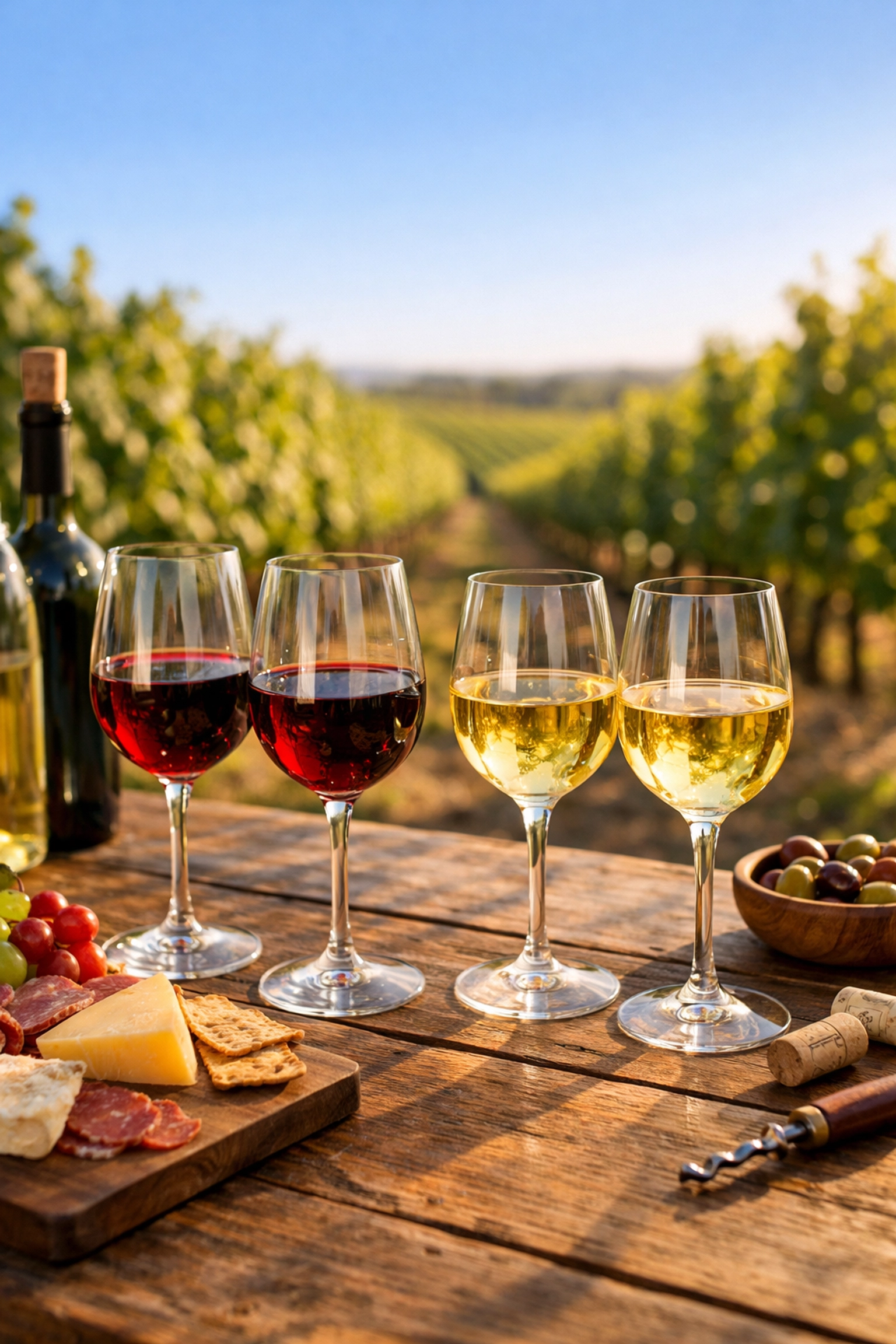
Beyond Napa: The Rising Stars of North American Wine
Napa Valley is king. Let’s just acknowledge that upfront. With over 400 wineries producing some of the world’s finest Cabernet Sauvignon, it’s the destination that put American wine on the global map. But here’s what sophisticated wine travelers know: Napa is just the beginning.
Willamette Valley, Oregon: Pinot Noir Heaven
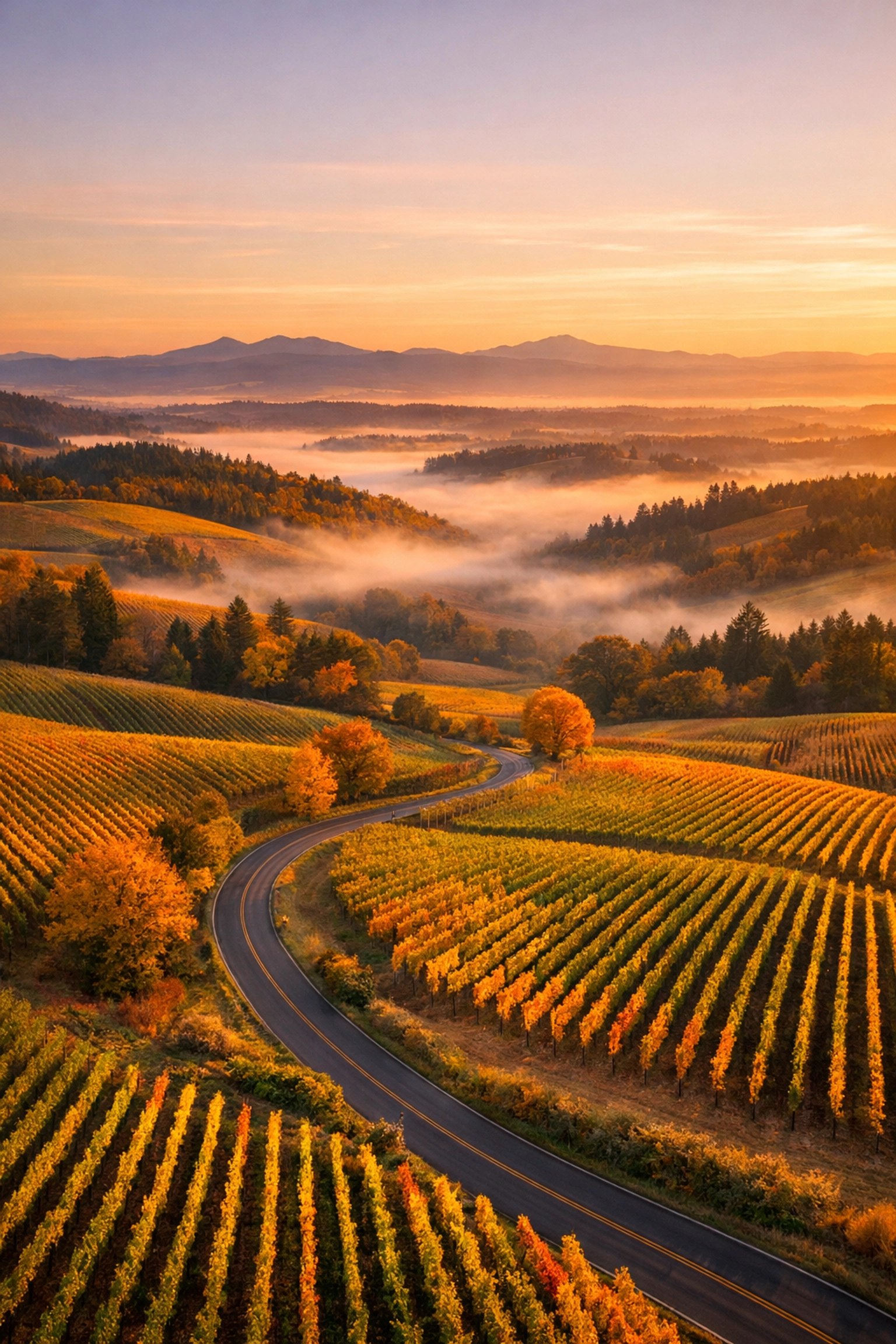
If Burgundy and the Pacific Northwest had a baby, it would be Willamette Valley. This region produces Pinot Noir that makes sommeliers weak in the knees. The climate here is nearly identical to Burgundy’s Côte d’Or: cool, misty, with just enough sunshine to develop complexity without overwhelming the delicate Pinot grape.
With over 700 wineries spread across rolling hills, Willamette Valley offers something Napa sometimes can’t: intimacy. Many of these are small, family-run operations where the person pouring your wine is also the person who picked the grapes. You’re not just visiting a winery: you’re being welcomed into someone’s passion project.
The best time to visit? Late September through October, when harvest season transforms the valley into a symphony of activity. Watch crush happen in real-time. Smell the fermenting must. Experience wine at its most alive.
Walla Walla, Washington: Bold Red Country
Walla Walla sounds charming, and it delivers on that promise with tree-lined streets and Western hospitality. But don’t let the small-town vibe fool you: this region produces bold, structured red wines that compete with the best of Napa and Bordeaux.
The region’s unique geography creates the perfect conditions for Cabernet Sauvignon, Merlot, and Syrah. Days are warm enough to ripen the fruit fully, while cool nights preserve the acidity that gives these wines their structure and aging potential.
What makes Walla Walla special is accessibility. You can walk between many tasting rooms in the downtown area, and winemakers are often pouring their own wines. It’s big wine without big attitude.
Finger Lakes, New York: Riesling and Stunning Scenery
The Finger Lakes region is what happens when glaciers carve out eleven long, narrow lakes, create microclimates around each one, and someone decides to plant wine grapes. The result? Some of the finest Riesling produced outside of Germany.
These deep glacial lakes moderate temperatures, protecting vines from early frosts and creating ideal conditions for aromatic white wines. But Finger Lakes isn’t a one-trick pony: you’ll also find excellent Gewürztraminer, Pinot Noir, and even sparkling wines.
The scenery alone is worth the trip. Imagine tasting a crisp, mineral-driven Riesling while overlooking Seneca Lake, with waterfalls cascading in the distance. It’s wine country meets outdoor paradise, and it’s criminally underrated.
Spring and fall are ideal here. Spring brings the vineyards back to life with wildflowers and budding vines. Fall offers harvest magic plus spectacular foliage that turns the hillsides into a painter’s palette.
Valle de Guadalupe, Mexico: The New Frontier
Here’s where things get really interesting. Just 90 minutes south of San Diego lies Valle de Guadalupe, Mexico’s answer to Napa Valley. This sun-soaked region produces Mediterranean-style wines with a distinctly Mexican twist.
Valle de Guadalupe combines Old World winemaking techniques with New World innovation. Many wineries are run by young, experimental winemakers who aren’t afraid to try unconventional blends or aging methods. You’ll find everything from classic Bordeaux blends to orange wines to pét-nat bubbles.
The food scene here rivals the wine. This is where Baja Mediterranean cuisine was born: think fresh seafood, local olive oil, and vegetables grown steps from the kitchen. Pair a chilled Sauvignon Blanc with grilled octopus at a farm-to-table restaurant overlooking the valley, and you’ll understand why this region is exploding.
The vibe is different here too. Less polished than Napa, more rustic and real. You’ll taste wine at concrete tasting rooms, at outdoor terraces, even at converted shipping containers. It’s unpretentious luxury at its finest.
The Logistics of a Perfect Wine Tour
Planning a wine tour sounds simple until you start considering the details. How many wineries can you realistically visit in a day? Which ones require reservations months in advance? How do you get between regions without risking a DUI? Where should you stay? When should you go?
These logistics separate a good wine trip from an unforgettable one.
Transportation: The Non-Negotiable
Let’s address the elephant in the vineyard: you cannot drive yourself on a wine tour. Full stop. Even if you’re spitting and dumping (which, let’s be honest, nobody really does), you’re still consuming alcohol. Beyond the obvious safety and legal issues, driving yourself means someone in your group stays sober while everyone else enjoys the experience. That’s not luxury. That’s a designated driver.
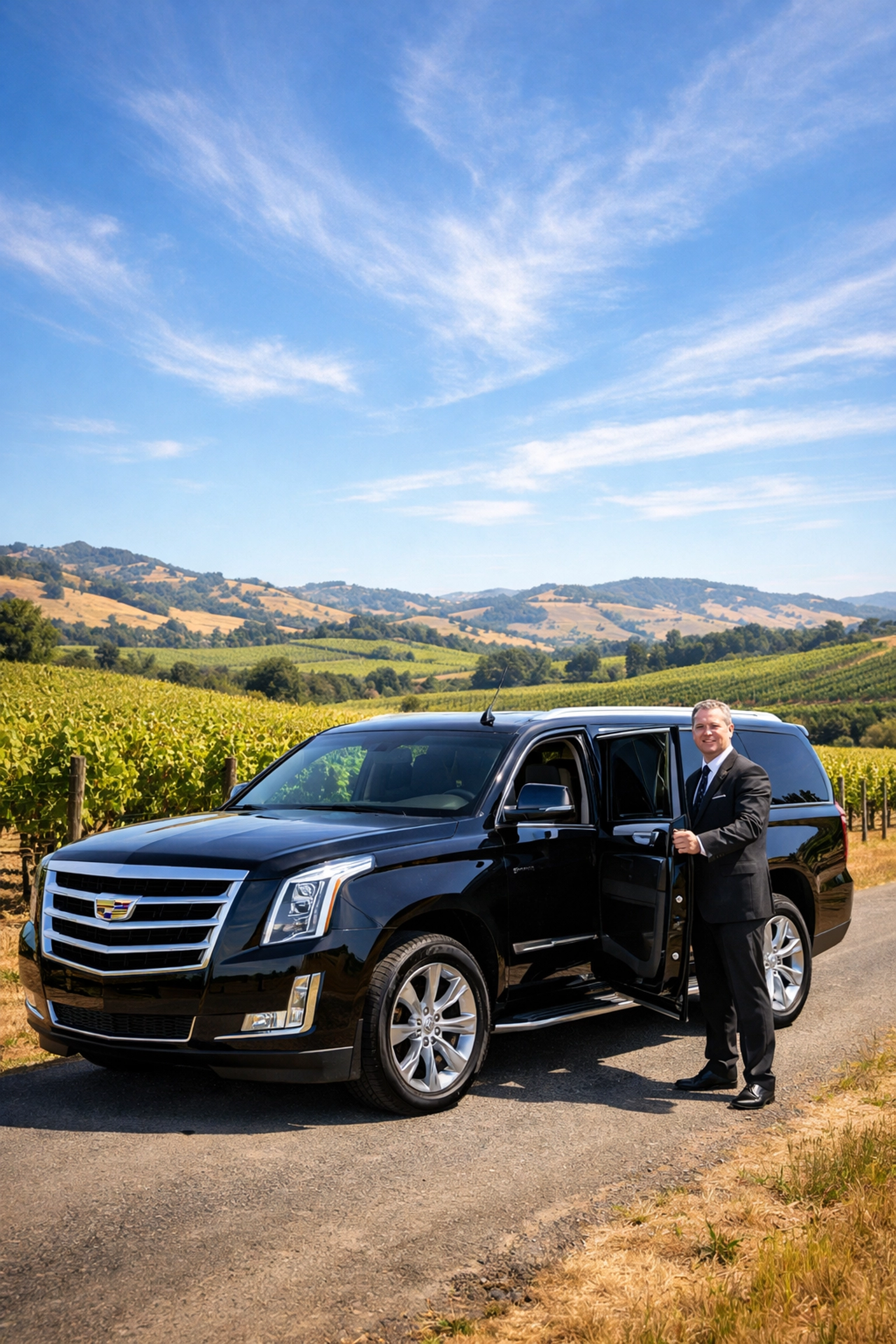
Professional transportation isn’t just about safety: it’s about the entire experience. A knowledgeable driver knows the back roads, the optimal routes between wineries, and where to stop for that perfect photo overlooking the vineyards. They know which tasting rooms have the best views for lunch and which ones close early on Tuesdays.
More importantly, professional transportation means you can be present. No navigating. No watching the clock. No worrying about parking. Just sinking into the leather seats, watching the vineyards roll by, and discussing that amazing Bordeaux blend you just discovered.
Timing: When to Visit
Wine regions are beautiful year-round, but timing matters more than you might think.
Harvest season (typically September through October in most North American regions) offers the most immersive experience. You’ll see harvest in action, smell fermentation happening in the cellar, and feel the energy that comes when an entire year’s work culminates in a few intense weeks. Many wineries offer special harvest experiences during this time.
The trade-off? Harvest season is busy. Tasting rooms are crowded, reservations are harder to secure, and winemakers have less time to chat because they’re actually, you know, making wine.
Spring and early summer offer a different magic. The vineyards are lush and green, wildflowers bloom between the rows, and you’ll have many tasting rooms almost to yourself. Winemakers have more time to talk, share library vintages, and take you on unhurried walks through the vineyards.
Winter can be spectacular too, especially in regions like Willamette Valley or Walla Walla. Fewer tourists mean more intimate experiences, and there’s something romantic about sipping bold red wines while rain patters against the tasting room windows.
Reservations: The Reality of Exclusive Access
Here’s what the guidebooks don’t tell you: the best wineries don’t accept walk-ins. They’re not even listed on most wine trail maps. They’re invite-only or require reservations made three to six months in advance.
These aren’t just wineries: they’re experiences. Private library tastings where you’ll sample vintages from the 1990s. Vertical tastings comparing the same wine across multiple years. Barrel tastings of wines that won’t be released for another two years. Vineyard walks with the winemaker, discussing soil composition and canopy management while overlooking their estate.
This is where insider access becomes everything. Knowing which sommelier to contact at Domaine Drouhin in Oregon. Having the relationship to secure a private tasting at Leonetti Cellar in Walla Walla, one of the most acclaimed wineries in Washington. Getting you into a sunset tasting at a boutique Valle de Guadalupe winery that only hosts four groups per week.
You can’t Google your way into these experiences. They require relationships, advance planning, and someone who knows the right people.
The White Glove Experience: Beyond Standard Tastings
Standard wine tastings are fine. You stand at a bar, someone pours four or five wines, you swirl and sip, you move on. But that’s not why you traveled across the country.
The white glove experience transforms wine tasting from a transaction into a memory.
Private Library Tastings
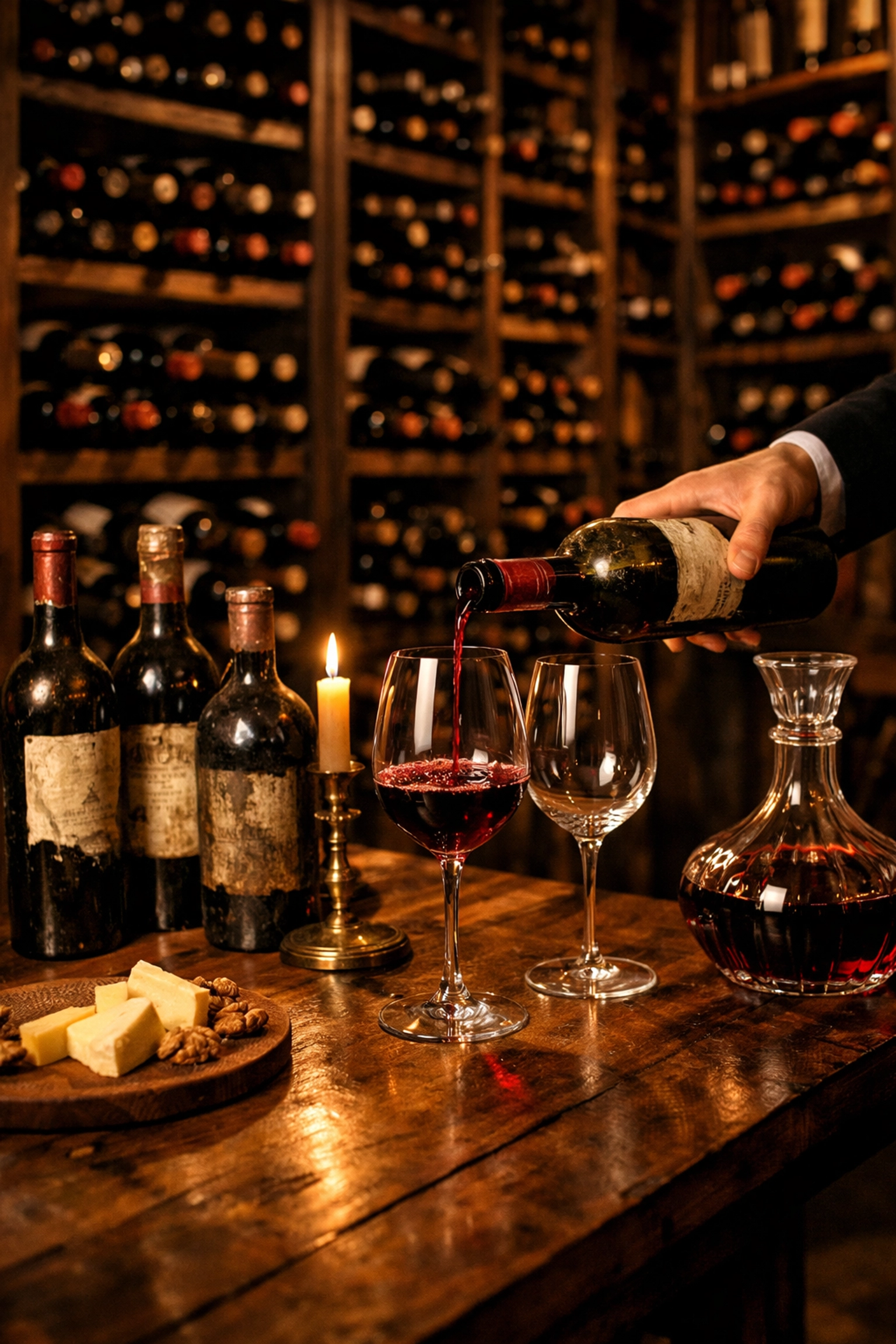
Most wineries don’t sell their entire inventory immediately. They hold back bottles to age, creating a library of older vintages. These library wines offer a window into how the winery’s style has evolved, how different vintages express the same terroir, and how properly cellared wine develops complexity over time.
During a private library tasting, you might compare the current vintage of a Cabernet Sauvignon against bottles from five, ten, even fifteen years ago. You’ll taste how the tannins have softened, how secondary flavors have developed, how the wine has become something entirely different from what it was at release.
These tastings are revelatory. They’re also exclusive. Most wineries reserve library access for wine club members or VIP appointments only.
Vertical Tastings
A vertical tasting takes a single wine and pours multiple vintages side by side. Same vineyard, same winemaking philosophy, different years. It’s a masterclass in how weather, timing, and winemaking decisions impact the final product.
You’ll taste how the drought year of 2015 produced concentrated, powerful wines. How the cooler 2017 vintage created more elegant, food-friendly bottles. How the perfect 2019 season delivered wines that hit every note.
Vertical tastings teach you to taste critically. To notice subtleties. To understand that vintage matters, and why serious collectors pay attention to weather reports years before they’ll ever open a bottle.
Vineyard Walks with the Winemaker
The tasting room offers a polished version of the wine story. The vineyard offers the truth.
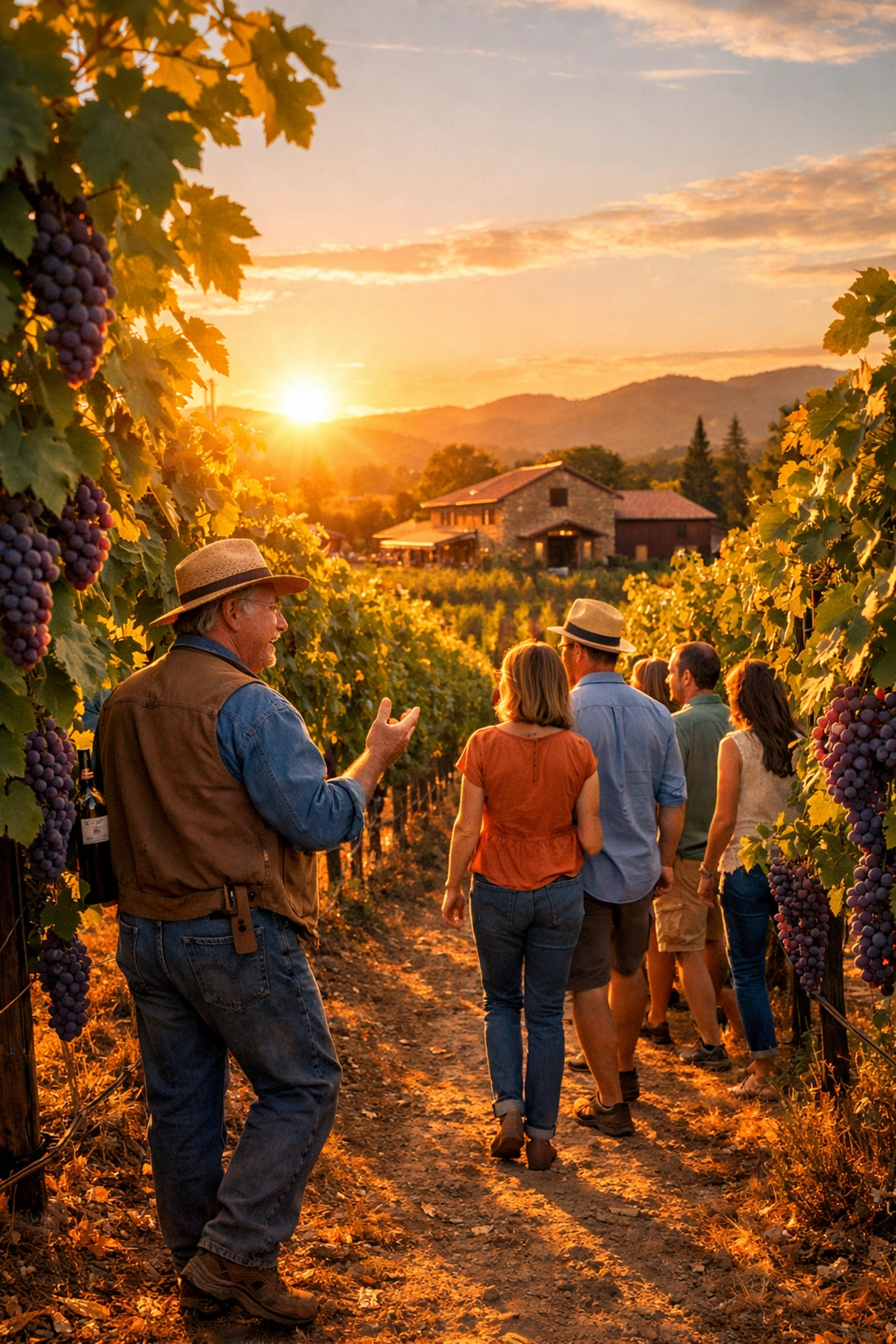
Walking through the vines with the person who planted them, pruned them, and worried over them changes everything. They’ll show you the specific block where the old vines grow, explaining how 40-year-old roots dig deeper and produce smaller, more concentrated grapes. They’ll point out the hillside slope that gets afternoon sun, creating riper fruit. They’ll dig into the soil and let you feel the difference between clay loam and volcanic rock.
This is where you understand that winemaking isn’t just chemistry and barrel selection: it’s agriculture, weather, gut instinct, and sometimes prayer.
These walks are intimate. They’re usually reserved for serious buyers, industry professionals, or guests who come with the right introduction. They’re also the most memorable part of any wine tour.
The Time For Your Vacation Advantage
You can plan a wine tour yourself. You can spend hours researching wineries, sending reservation emails, coordinating timing, arranging transportation, and hoping everything works out. You can deal with the inevitable complications when a tasting room cancels your appointment or the driver shows up late or you realize too late that three wineries in one day is actually five hours of driving.
Or you can let professionals handle the hard stuff while you focus on the part that matters: the wine.
The Logistics We Handle (So You Don’t Have To)
Shipping wine home is more complicated than you’d think. Different states have different laws about interstate wine shipments. Some wineries can ship to you directly, others require going through a licensed retailer, some states prohibit direct shipment entirely. Temperature-controlled shipping matters when you’re spending $100+ per bottle. Timing matters when you’re shipping during summer or winter.
We handle all of it. You taste, you buy, and your wines arrive at your door properly packaged and stored. No forms, no phone calls, no worrying about whether that $500 bottle of reserve Pinot will arrive broken or cooked.
Securing impossible reservations is what we do. We have relationships with tasting room managers, winemakers, and sommeliers across North America. When you want to visit that cult winery in Willamette Valley that’s booked solid for six months, we make it happen. When you want a private tour of a historic Finger Lakes estate, we open doors that don’t open for the public.
Coordinating logistics between different AVAs (American Viticultural Areas) requires local knowledge. How long does it actually take to drive from Dundee to Carlton in Willamette Valley? Which tasting rooms are five minutes apart versus forty-five? Where should you stop for lunch? Which hotels put you closest to tomorrow’s appointments?
We build itineraries that flow. That give you enough time at each winery without rushing. That build in breaks, scenic drives, and exceptional meals. That feel luxurious rather than exhausting.
Complete Trip Management
Wine tours work best as part of larger trips. Maybe you’re starting in Portland, spending three days in Willamette Valley, then heading to the coast for a few days before returning home. Or you’re combining Walla Walla with Seattle. Or pairing Valle de Guadalupe with a stay in San Diego.
We coordinate everything. The vineyard reservations, the transportation, the hotels, the restaurant bookings, the activities on your non-wine days. We make sure your hotel in Carlton has the right amenities, that your dinner reservation in McMinnville is at the restaurant where the chef used to cook at a Napa institution, that your driver knows you want to stop at that cheese shop everyone’s talking about.
You get one itinerary, one point of contact, one team making sure every detail is handled. The only thing you need to swirl is your glass.
Local Expertise Through Black Key Elite
Our partnership with Black Key Elite adds another layer of access and expertise. Based in Portland, they provide insider access to the best of Willamette Valley: the hidden gems, the invite-only tastings, the winemakers who don’t advertise. They know which new winery is worth visiting this year and which established name has declined in quality. They know the sommeliers at Portland’s best restaurants and can secure reservations at places that tell everyone else they’re fully booked.
In Las Vegas, Black Key Elite opens doors to the city’s world-class wine scene. Private sommelier experiences, wine cellars you won’t find in guidebooks, the kind of curated tasting menus that wine collectors fly across the country to experience.
This isn’t just concierge service. This is deep local knowledge combined with the relationships that make exceptional experiences possible.
Packing Your Palate
You research flights and hotels easily enough. But packing for a wine tour requires different thinking.
Dress codes vary by region and winery. Napa tends toward smart casual: nice jeans, button-downs, the occasional blazer. Willamette Valley is more relaxed, especially at smaller producers. Valle de Guadalupe embraces the full spectrum from bohemian chic to elegant casual. Walla Walla keeps it Western-friendly.
The universal rule: comfort matters more than fashion. You’ll be standing during tastings, walking through vineyards, spending time outdoors. Good walking shoes are non-negotiable. Layers work better than one perfect outfit because tasting rooms can be cool while vineyard walks get warm.
Bring a notebook or use your phone to take notes. After tasting fifteen wines across three wineries, they all start blending together unless you’re tracking what you liked and why. The winemaker’s story, the specific vineyard block, the aging regimen: these details matter when you’re deciding which wines to buy.
Pace yourself. Two to three wineries per day is ideal. More than that and palate fatigue sets in. You stop noticing subtleties. Everything tastes similar. The experience shifts from appreciation to endurance.
Drink water. Eat food. The goal is to enjoy wine, not to get drunk. Every experienced wine traveler knows this, but it bears repeating because the excitement of a wine tour sometimes overrides common sense.
The Investment in Excellence
Luxury wine travel isn’t inexpensive. Private transportation costs money. Exclusive tastings often come with fees ranging from $50 to $500 per person. Library vintages and special releases carry premium prices. High-end accommodations in wine country rival rates at urban luxury hotels.
But here’s what you’re actually paying for: time. Not your time spent planning and coordinating, but time with winemakers, time in vineyards, time understanding terroir, time creating memories that endure long after the bottles are empty.
You’re paying for access that money alone can’t always buy. For relationships that took years to build. For knowledge about which wineries deliver exceptional experiences versus which ones are coasting on reputation.
You’re paying for the luxury of showing up and being present. For the confidence that comes from knowing every detail has been handled by professionals who do this for a living.
Most importantly, you’re paying for experiences that transform how you think about wine. Once you’ve tasted a perfectly aged Willamette Valley Pinot Noir while overlooking the vineyard where it was grown, while hearing the winemaker explain the specific vintage conditions that made it possible, you’ll never think about wine the same way again.
Your Glass Awaits
North American wine country offers luxury, beauty, and world-class wines that rival anything produced globally. From Oregon’s misty valleys to Mexico’s sun-drenched terroir, from New York’s glacial lakes to Washington’s bold red wine country, you have access to experiences that will redefine how you think about wine.
The difference between a good wine tour and an unforgettable one comes down to planning, access, and expertise. Anyone can book tasting rooms and rent a car. Creating a seamless, luxurious experience where every detail is considered and every moment feels effortless requires insider knowledge and professional coordination.
We handle the logistics. You handle the enjoyment. We secure the impossible reservations. You create the memories. We coordinate the transportation, the accommodations, the restaurant bookings, and the wine shipments. You show up, taste exceptional wines, meet passionate winemakers, and experience wine country the way it’s meant to be experienced.
Because the best wine tours aren’t just about collecting bottles. They’re about understanding terroir, hearing stories, slowing down, and appreciating something beautiful. They’re about the luxury of being completely present while someone else ensures every single detail is perfect.
Ready to raise a glass to your next adventure? Let’s start planning your perfect North American wine tour.
Cheers to a trip where every detail is corked perfectly.
Learn more about creating your ultimate wine country experience:
- www.TimeForYourVacation.com – Your gateway to luxury travel planning
- www.DaveTheTourGuide.com – Personalized tour expertise
- www.BlackKeyElite.com – Exclusive access and local connections
- www.TimeForYourVacation.blog – Travel inspiration and destination guides
- Podcast: https://www.podomatic.com/podcasts/contact24682


Leave a Reply