![[HERO] Why Private Islands Exist](https://cdn.marblism.com/FmWom98IQeu.webp)
Let’s talk about private islands. Not the ones you daydream about during your Monday morning meeting. Not the ones you see on Instagram with a single palm tree and impossibly blue water. We’re talking about actual, honest-to-goodness private islands that people own.
You know what’s wild? In 2026, there are more private islands owned by individuals than ever before in human history. We’re living in the golden age of island ownership, and most of us didn’t even notice it happening.
Private islands exist for one very simple reason: because some people decided that owning a house wasn’t exclusive enough. But the real story? It’s way more interesting than that.
The Ultimate “Do Not Disturb” Sign
Privacy. Privacy. Privacy.
That’s the word you hear first when anyone talks about private islands. But here’s what they really mean: complete and total isolation from everything and everyone you don’t personally invite into your space.
You can’t get that in a Manhattan penthouse. You can’t get it in a Beverly Hills mansion, no matter how tall your hedges are. You definitely can’t get it in a five-star resort where the paparazzi might be having cocktails at the next cabana.
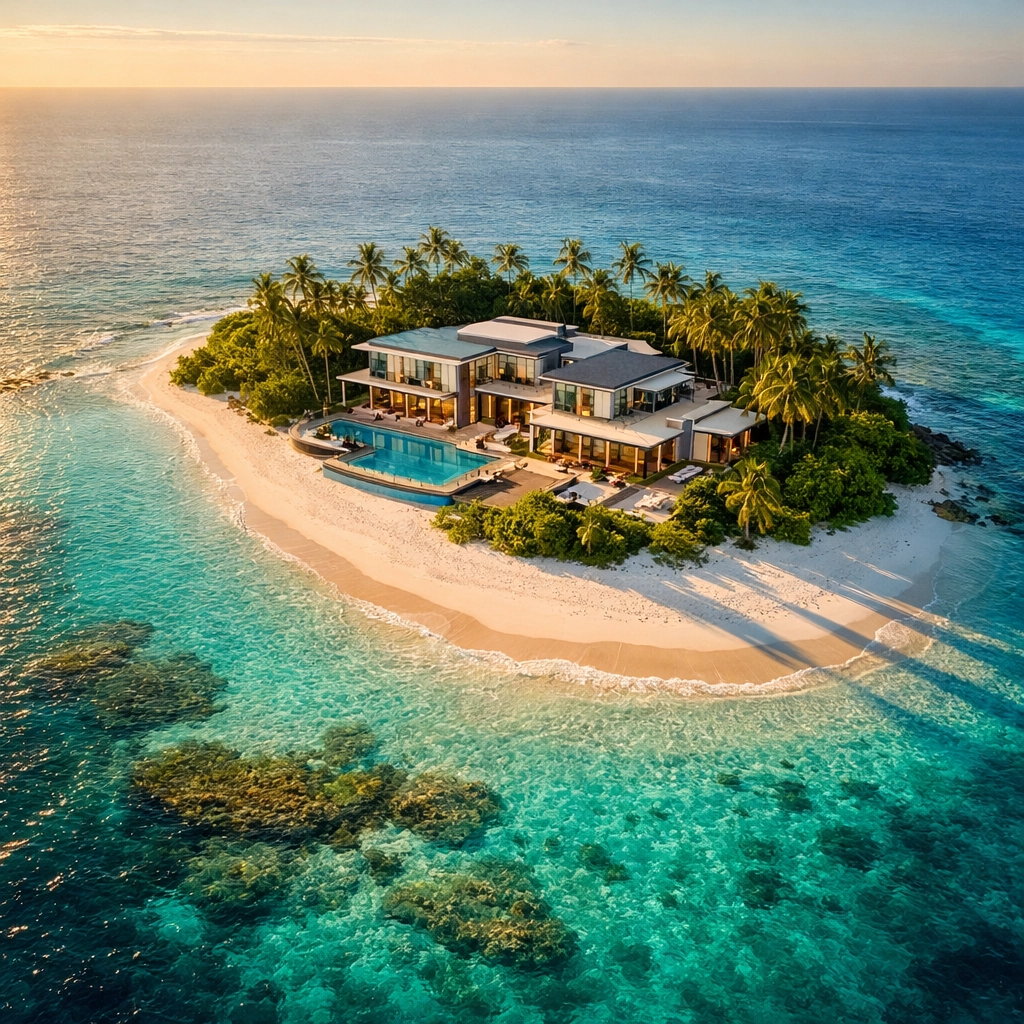
Private islands exist because wealthy people discovered something fascinating: true privacy is the rarest luxury of all. You can buy another Rolls-Royce. You can commission another yacht. But you can’t buy the guarantee that no one will photograph you, approach you, or even see you unless you explicitly want them to.
Think about it. When you own a private island, you control every single access point. There’s no neighbor complaining about your party. There’s no unexpected visitor. There’s no random tourist wandering onto your beach because they got lost hiking. Your island, your rules, your peace.
The ultra-high-net-worth crowd figured this out decades ago. They realized that privacy isn’t just about having space around you. It’s about controlling that space completely. And nothing gives you that control quite like owning an entire island surrounded by water.
A Very Brief History of “Mine, All Mine”
Private island ownership isn’t some newfangled trend from the internet age. This has been going on for centuries.
The concept really took off in the 1800s when wealthy industrialists started buying islands as summer retreats. But back then, it was more about having a second home that was hard for creditors to reach than about Instagram-worthy sunsets.
Fast forward to the 1960s and 70s, and something shifted. Private islands became status symbols. Malcolm Forbes bought Laucala Island in Fiji. Richard Branson snagged Necker Island in the British Virgin Islands for what would be considered pocket change today. These weren’t just real estate investments. They were statements.
The psychology changed too. Owning a private island went from being “I need a place to escape” to “I need people to know I own a place to escape.” It became the ultimate flex before we even had that word.
But here’s where it gets really interesting. The 1990s and 2000s brought technology that made private islands actually livable year-round. Solar power improved. Desalination systems became affordable. Satellite internet arrived. Suddenly, owning a private island didn’t mean roughing it. It meant creating your own personal paradise with every modern convenience.
Today? Private islands exist because they can. The infrastructure exists. The market exists. The demand absolutely exists.
The Numbers Don’t Lie
Let’s talk money because that’s what makes private islands exist in practical terms.
You can buy a private island for anywhere from a few hundred thousand dollars to several hundred million. That’s quite a range. A small island in Nova Scotia might run you $300,000. A developed island in the Caribbean with a mansion and helicopter pad? Try $50 million and up.
But here’s the thing about private island economics that most people don’t understand: these aren’t just vanity purchases anymore. They’re legitimate investments.
Private islands have appreciated faster than mainland luxury real estate in many markets over the past decade. Scarcity drives value, and they’re literally not making more islands. Well, Dubai is, but that’s a whole different conversation.
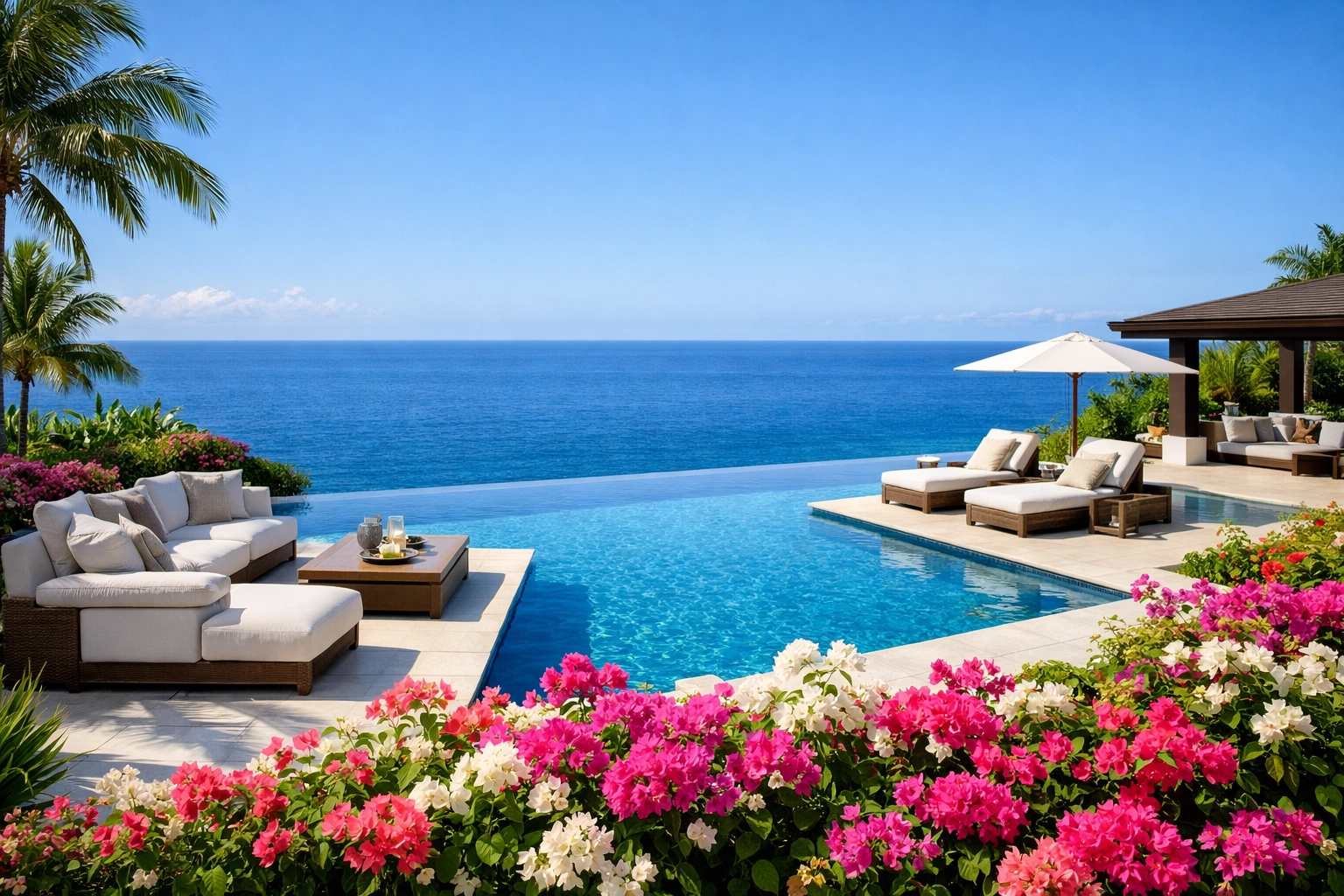
Wealthy owners discovered they could rent their islands out when they’re not using them. And we’re not talking about Airbnb pricing here. Private island rentals start at around $50,000 per night and go up from there. Way up. Some ultra-exclusive islands command $200,000 per week or more.
Do the math. If you rent your island out for just four weeks a year, you’re generating serious income. Enough to cover maintenance, staff salaries, and then some. Your private paradise pays for itself while you’re busy being wealthy somewhere else.
Favorable tax situations in places like The Bahamas, Seychelles, and parts of the Caribbean don’t hurt either. Private islands exist partly because the financial incentives align perfectly with the lifestyle aspirations.
What You Actually Get
So what makes a private island worth millions? Let’s get specific.
First, you get land. That sounds obvious, but we’re talking about land that you can develop however you want. Want a nine-hole golf course? Build it. Want a private airstrip? Pour the concrete. Want to create the world’s most elaborate tiki bar? Nobody’s stopping you.
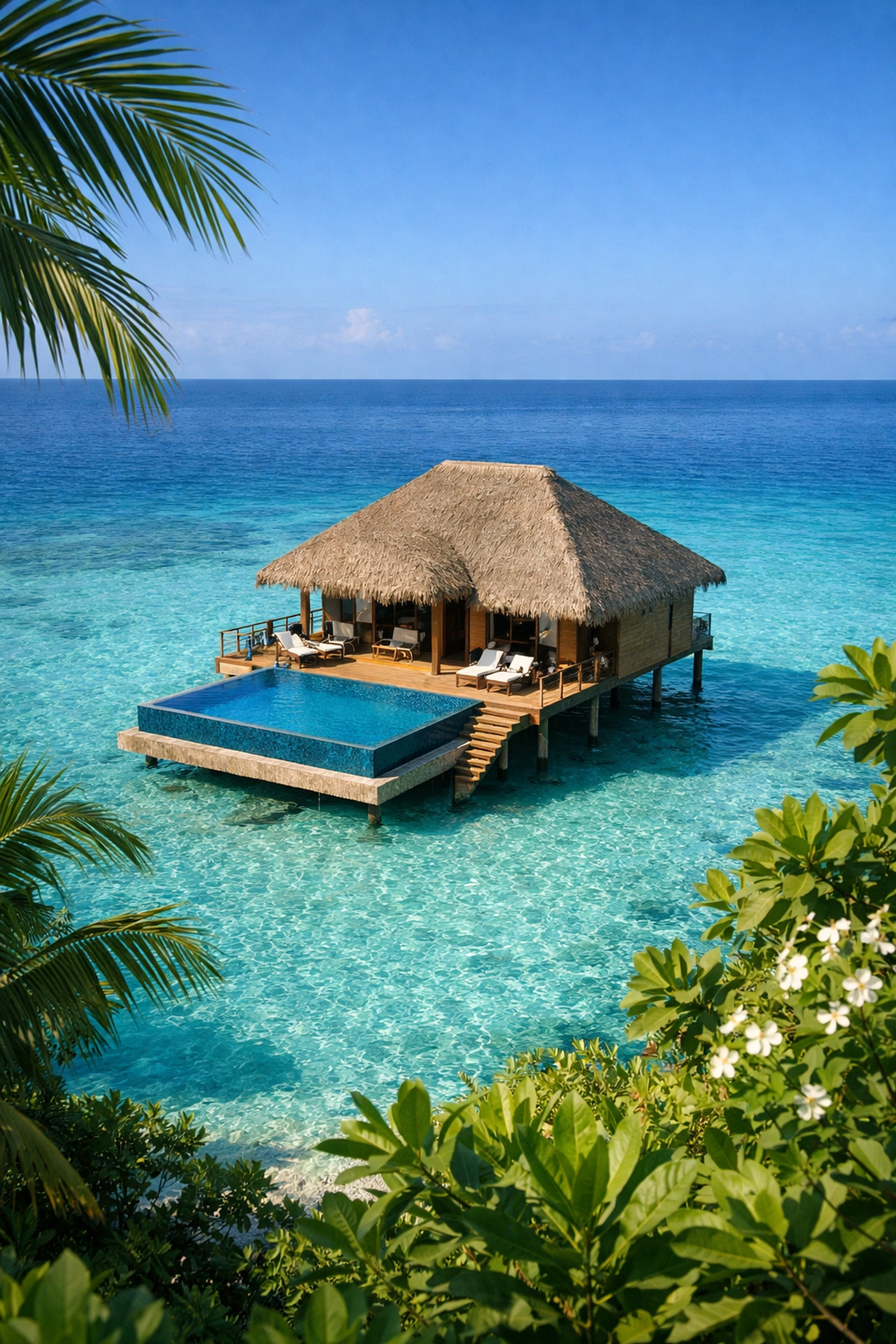
Most serious private islands include custom-designed homes that make architectural magazines drool. We’re talking about properties with floor-to-ceiling windows overlooking pristine beaches, infinity pools that blend into the ocean, and outdoor showers where your only company is tropical birds.
You get private docks for your yacht. Multiple beaches that might face different directions to catch sunrise and sunset. Helipads for quick arrivals and departures. Some islands have their own freshwater sources. Others have sophisticated rainwater collection and purification systems.
The lifestyle amenities are insane. Private islands feature world-class spas, fitness centers, wine cellars, home theaters, and sometimes entire guest houses for visitors. You’re not just buying land. You’re buying an entire self-contained luxury resort that happens to belong only to you.
Nature access is unparalleled. Many private islands sit in the middle of incredible ecosystems. You’re swimming with sea turtles, snorkeling over coral reefs, and watching dolphins from your breakfast table. This isn’t “visiting nature.” This is living in it, completely immersed, on your own terms.
The Cruise Ship Revolution
Here’s where private islands get really interesting for normal people like you and me. Well, relatively normal.
Cruise lines figured out something brilliant: they could buy or lease private islands and offer passengers an “exclusive” experience without the billion-dollar price tag of actually owning one yourself.
This trend exploded over the past two decades. Royal Caribbean has Perfect Day at CocoCay in The Bahamas. Disney has Castaway Cay. Norwegian has Great Stirrup Cay. MSC has Ocean Cay. The list goes on.
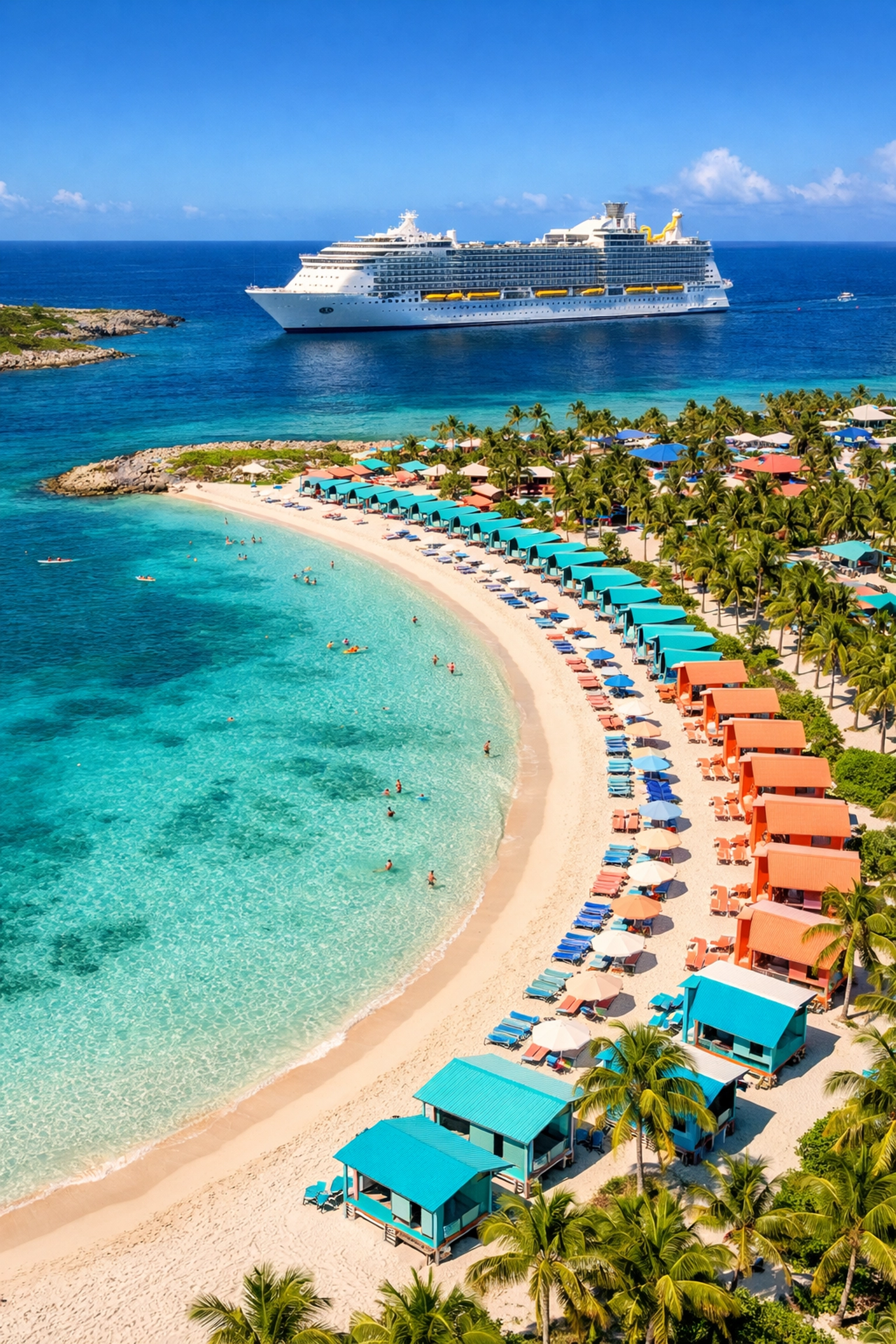
These aren’t really private islands in the traditional sense. They’re private to the cruise line, but you’re sharing them with a few thousand of your closest friends who happen to be on the same ship. Still, they exist for the same core reason that individual private islands exist: people crave exclusive experiences.
Cruise line private islands let you feel like you’re somewhere special without the hassle of customs, without worrying about safety in unfamiliar ports, and without the aggressive beach vendors trying to braid your hair. The cruise company controls everything, curating your “deserted island” experience down to the last detail.
It’s brilliant marketing when you think about it. They’re selling you a taste of private island life for the price of a cruise fare. And people love it. These destinations consistently rank as passengers’ favorite ports of call in surveys.
The psychology is fascinating. Even though you’re on an island with thousands of other people, it feels private because it’s not open to the general public. You’re part of an exclusive group. Your wristband gets you in. That sense of controlled access, of being “in” while others are “out,” taps into the same desires that make billionaires buy their own islands.
The Dark Side Nobody Mentions
Let’s be real for a second. Private islands exist, but they come with complications nobody talks about at cocktail parties.
Maintenance is a nightmare. Everything corrodes faster in salt air. Storms can devastate your paradise in hours. You need generators, backup generators, and probably a generator for your backup generator. Supplies have to be shipped in regularly. Staff need housing, and they need to be ferried back and forth.
Environmental concerns are huge. Private island development can damage delicate marine ecosystems. Coral reefs suffer. Sea turtle nesting sites get disrupted. Some island owners work hard to be good environmental stewards, but not all of them do.
Then there’s the isolation factor. Yes, that’s the point. But when medical emergencies happen, you’re potentially hours away from proper healthcare. When a hurricane is coming, evacuation gets complicated fast. When you need a part for your broken air conditioning system, you can’t just call a local technician.
Local relations matter too. Many private islands exist near communities of regular people who’ve lived in the area for generations. The dynamics can get weird when a billionaire buys the island next door and starts building a massive compound. Economic benefits flow in through employment, but resentment can build too.
Legal complexities are real. Different countries have different rules about foreign ownership of islands. Some places require you to get creative with corporate structures. Others limit what you can build or how much of the island you can develop. You need serious lawyers to navigate this stuff.
The Future of Private Islands
Private islands exist today, and they’ll exist tomorrow, but the game is changing.
Climate change is the elephant in the room. Rising sea levels threaten low-lying islands. Increasing hurricane intensity makes some locations riskier. Forward-thinking island owners are investing heavily in sustainable infrastructure, renewable energy, and climate adaptation strategies.
Technology is making private islands more accessible and livable. Starlink and similar satellite internet services mean you can run a business from your private island with the same connectivity you’d have in Manhattan. Solar technology improvements mean you can power an entire compound without noisy, smelly diesel generators.
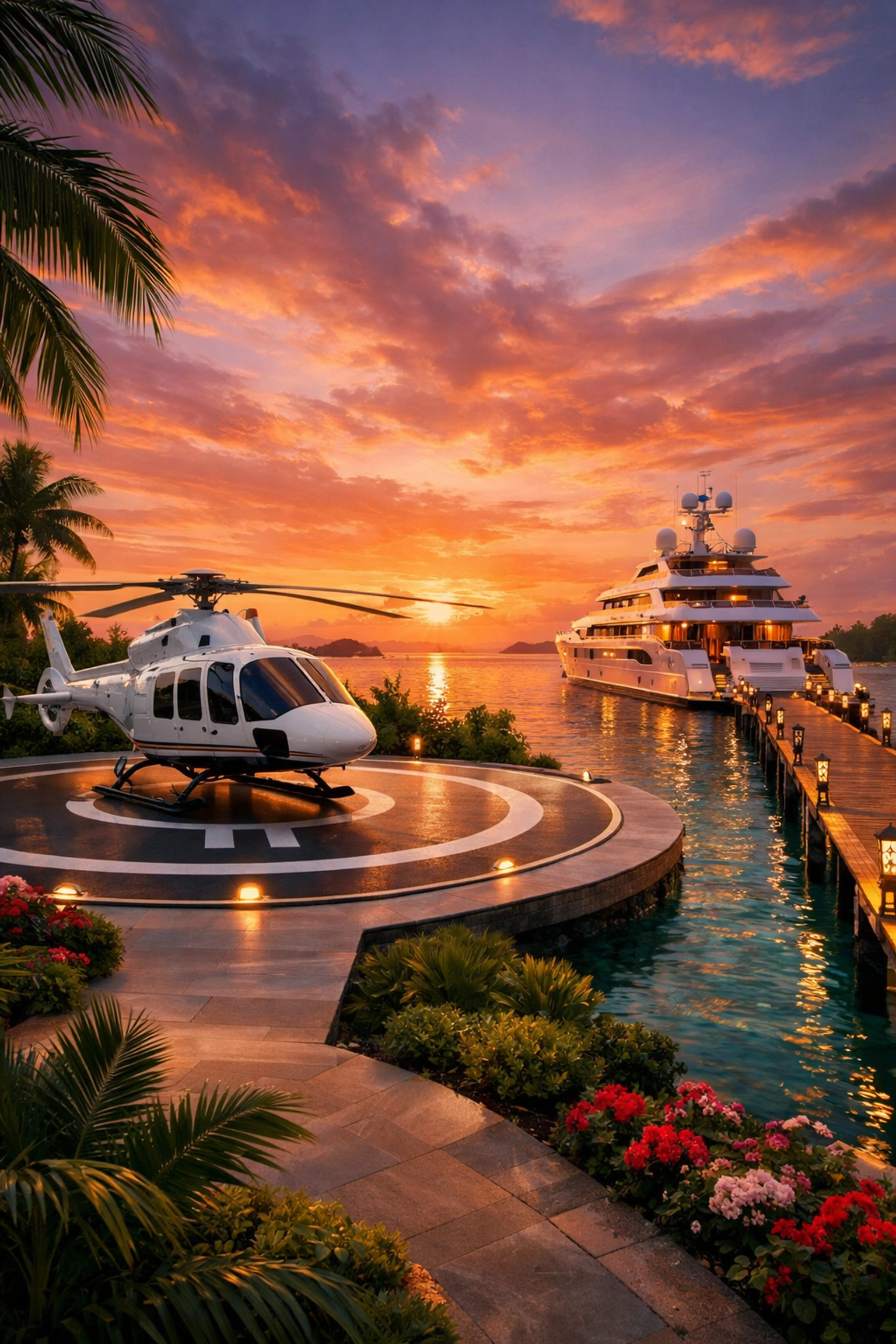
The ultra-wealthy are increasingly concerned about global instability, pandemics, and social unrest. Private islands appeal to the prepper mindset at the highest income level. They’re not building bunkers in New Zealand anymore. They’re creating self-sufficient island compounds that can function completely off-grid if necessary.
We’re seeing more shared ownership models too. Fractional ownership of private islands lets multiple wealthy families split the costs and the time. It’s like a timeshare, except the property is an entire island and your co-owners are hedge fund managers instead of strangers from Des Moines.
Virtual reality might eventually offer a weird twist. Why buy a physical private island when you can own a virtual one in the metaverse? Sounds crazy, but billionaires are already spending millions on digital real estate. The desire for exclusive, controlled spaces transcends physical reality.
Why This All Matters to You
You’re probably not buying a private island anytime soon. Neither am I. But understanding why they exist tells us something important about human nature and what we value.
We all want privacy. We all want control over our environment. We all want beautiful spaces we can call our own. Private islands are just the most extreme expression of these universal desires.
The good news? You can experience private island life without the private island price tag. Those cruise line destinations we talked about? They’re genuinely fun. Renting a private island for a week with your extended family or a group of friends is actually doable for special occasions if you split the costs.
Some islands operate as ultra-luxury resorts where you can book individual villas. You’re technically sharing the island with other guests, but the properties are designed to make you feel like you have the whole place to yourself. It’s the private island experience with housekeeping included.
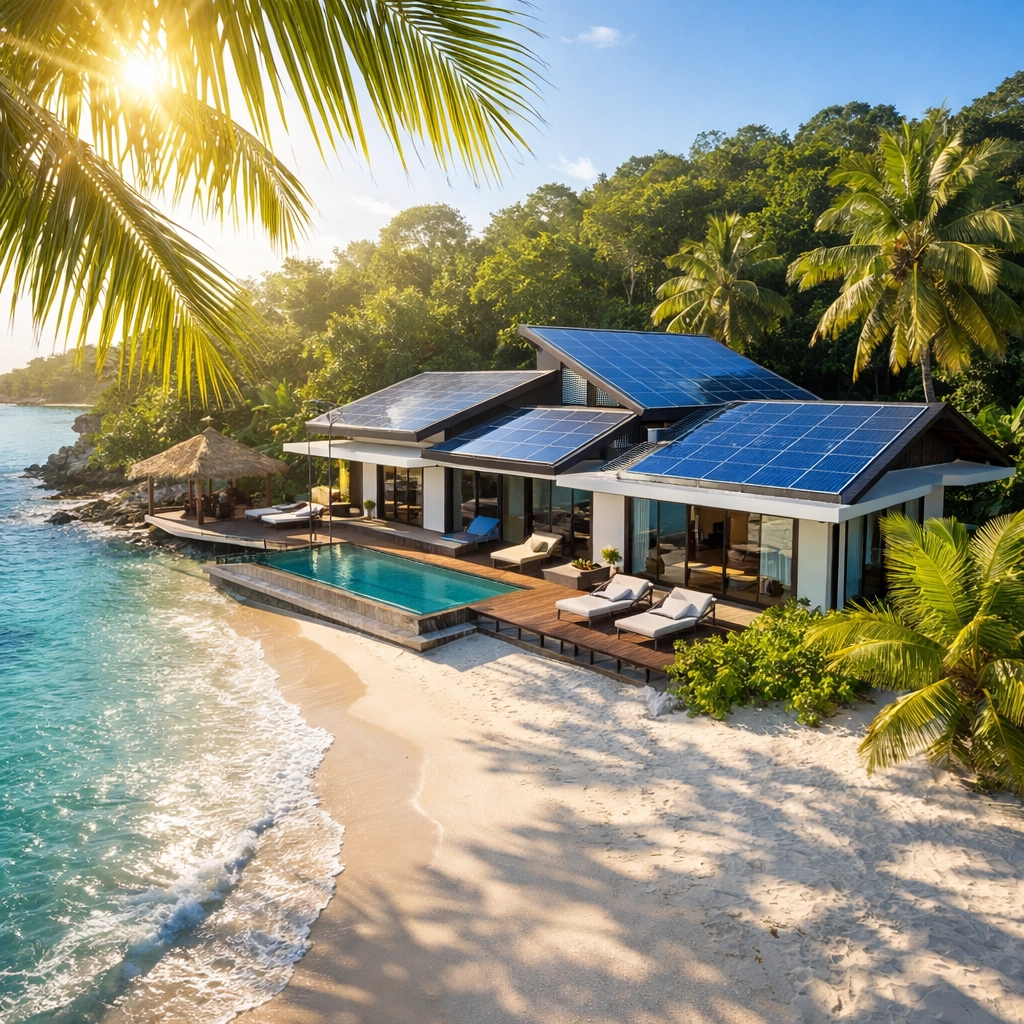
The psychology of private islands teaches us that sometimes the most valuable thing money can buy isn’t stuff. It’s space. It’s time. It’s the freedom to disconnect completely and exist on your own terms, even if just for a little while.
The Real Answer
So why do private islands exist?
They exist because humans figured out how to create the ultimate exclusive experience. They exist because wealth accumulation eventually runs out of normal things to buy. They exist because privacy has become more valuable than almost any material possession. They exist because technology made them practical. They exist because the ocean creates natural boundaries that land never can.
But mostly, private islands exist because somewhere deep in our brains, we all have this fantasy of a perfect place that’s entirely ours. A place where we make all the rules. A place where the outside world can’t reach us unless we want it to. A place that’s safe, beautiful, and completely under our control.
Private islands are the physical manifestation of that fantasy taken to its logical extreme. They’re the answer to the question: “What if I could just buy paradise and put a fence around it?”
Turns out, if you have enough money, you can. And people do. That’s why private islands exist.
Whether you’re dreaming about your own island someday, planning to experience a cruise line’s private destination, or just curious about how the ultra-wealthy live, there’s something compelling about these isolated paradises. They represent possibility. They represent escape. They represent the ultimate luxury of choosing exactly who and what gets to be part of your world.
And in 2026, as our lives become increasingly connected, surveilled, and crowded, that luxury is more appealing than ever.
Visit www.TimeForYourVacation.com to start planning your next adventure. Check out www.DaveTheTourGuide.com for personalized travel guidance and insider tips. And keep reading www.TimeForYourVacation.blog for more honest takes on the travel industry and how to navigate it like a pro. Try our Luxury concierge with www.BlackKeyElite.com . And listen to my podcast! https://www.podomatic.com/podcasts/contact24682
![[HERO] How Loyalty Programs Quietly Manipulate You](https://cdn.marblism.com/7hvrlGAzaJh.webp)

![[HERO] Best Cruise Line for Solo Travelers](https://cdn.marblism.com/Ek8_dE5uUTK.webp)
![[HERO] When Flying Was Luxury (and Who Ruined It)](https://cdn.marblism.com/U4MzbWSAz_I.webp)

![[HERO] Is February Too Late to Book Your Summer Vacation? Here's the Truth](https://cdn.marblism.com/u_pRwWsyhvc.webp)

![[HERO] Why All-Inclusive Resorts Exist: The Psychology and Economics of the Ultimate "Pre-Paid" Paradise](https://cdn.marblism.com/Fo2W8W8xAiV.webp)
![[HERO] The Truth About Solo Travel](https://cdn.marblism.com/yL0XYQFrAIC.webp)

![[HERO] How Cruise Ships Manufacture "Fun"](https://cdn.marblism.com/nk1bJiDKE9G.webp)
![[HERO] Cruise Extras You Should Avoid: How to Keep Your Luxury Vacation from Nickeling and Diming You to Death](https://cdn.marblism.com/kjU_dQhDCsp.webp)
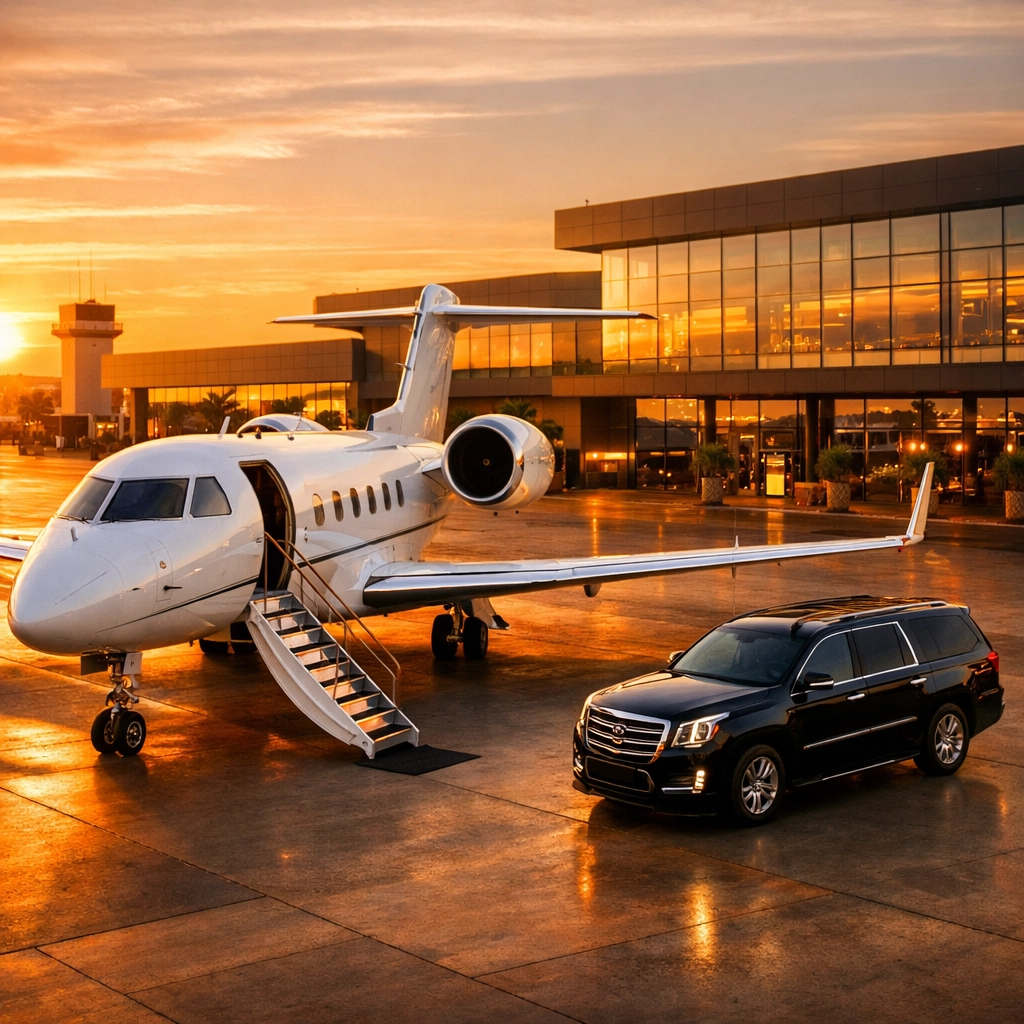
![[HERO] How the Ultra-Wealthy Really Travel](https://cdn.marblism.com/slDcqG2B30H.webp)


 Time For Your Vacation