You know that feeling when you finally upgrade your phone, and suddenly your old one looks like a glowing brick? Or the first time you fly business class and realize the “economy experience” is actually a test of human endurance? That is exactly what happens the moment you step into a luxury suite on a cruise ship or at a five-star resort. You don’t just stay in a suite. You transform into a “suite person.” And once that transformation happens, there is no going back to the “standard” life.
You want the best. You deserve the best. We deliver the best. At Time For Your Vacation, we see it happen every single day. A client decides to “splurge” just once for a milestone anniversary or a big birthday. They think it’s a one-time thing. They think they can go back to the regular cabins and the standard hotel rooms next year. But they can’t. The velvet rope has been lifted, the champagne has been poured, and the standard experience simply no longer exists for them.
Let’s talk about why the “suite life” is a one-way street and why you should probably just embrace the upgrade now.
The Priority Paradigm: Why Lines Are for Other People
You hate waiting. Everyone hates waiting. But when you book a suite, waiting becomes a choice rather than a requirement.
The moment you arrive at the pier or the resort lobby, the “suite effect” kicks in. You aren’t standing in a zig-zag line with 3,000 other people sweating through their linen shirts. You are whisked away. Whether it is priority boarding on a massive cruise ship or a private check-in lounge at a sprawling resort, the goal is the same: get you to your vacation faster.
On a cruise, priority boarding isn’t just a nice perk; it’s a total game-changer. While the masses are gathered in the terminal, you are sipping prosecco in a dedicated suite lounge. You are the first on the ship. You have a drink in your hand before the rest of the passengers have even cleared security. This is the ultimate way to start a trip. It removes the stress. It removes the friction. It makes you feel like the VIP you are.
The Butler Factor: Your New Best Friend
You didn’t know you needed a butler until you had one. Now, the idea of unpacking your own suitcase feels like a chore you shouldn’t have to endure.
Butler service is the hallmark of the suite experience. At luxury resorts and on premium cruise lines like Celebrity, NCL, and MSC, the butler is your secret weapon. They aren’t just there to bring you extra towels. They are there to anticipate every single thing you didn’t even know you wanted.
They unpack your bags so you can go straight to the pool.
They secure the “impossible” dinner reservation.
They bring you afternoon tea or pre-dinner canapés without you asking.
They ensure your mini-bar is stocked with your specific favorite gin.
It is personal. It is intimate. It is incredibly addictive. When you return to a standard room and realize you have to call “Guest Services” and wait 40 minutes for a bucket of ice, you will feel the loss of your butler like the loss of a limb. We specialize in these high-end bookings at Time For Your Vacation specifically because we know that the right service level makes the difference between a good trip and a legendary one.
The Ship Within a Ship: The Hidden World
Cruising has evolved. The secret that suite guests know is that you don’t actually have to interact with the “whole” ship if you don’t want to. Concepts like The Haven by Norwegian Cruise Line, The Retreat by Celebrity Cruises, and the MSC Yacht Club have created a “ship within a ship” experience.
You have access to entire decks that other passengers don’t even know exist. You have your own private pool. You have your own sun deck with padded loungers that are actually available, rather than being “reserved” by a stray flip-flop at 6:00 AM. You have your own private restaurant where the food is elevated, the service is whispered, and you never have to wait for a table.
You get the best of both worlds. You get the massive variety of a large cruise ship: the Broadway shows, the specialty dining, the water slides: but you have a quiet, luxurious sanctuary to retreat to when the noise gets too loud. Once you’ve experienced the tranquility of a private suite-only deck, the crowded main pool area looks like a scene from a disaster movie.
Space: The Final Frontier of Luxury
You cannot put a price on space, yet the travel industry tries to every day. In a standard hotel room or cruise cabin, you are often playing a game of Tetris with your luggage. In a suite, you have room to breathe.
We are talking about separate living areas. We are talking about dining tables where you can actually enjoy room service. We are talking about bathrooms that aren’t just functional, but are “spa-like retreats.” Think double vanities, soaking tubs with ocean views, and rainfall showers that make you want to stay in there until your skin prunes.
When you have a suite, “staying in” becomes a valid vacation activity. You don’t feel the need to flee your room the moment you wake up. You can enjoy a slow morning with coffee on your private balcony. You can host a small cocktail hour for your friends. It transforms your accommodation from a place to sleep into a destination in itself.
The Emotional ROI of High-End Travel
Why do suite guests never go back? Because it changes how you feel about yourself.
There is a psychological shift that happens when you are treated with extreme care. When the staff knows your name before you tell them. When your preferences are remembered from day one to day seven. It removes the “survival mode” of travel. You aren’t worrying about logistics, timing, or crowds. You are simply existing in a state of high-end relaxation.
This is why we focus so heavily on these luxury tiers at Time For Your Vacation. We want you to feel that shift. We want you to experience the ultimate version of your trip. Whether it’s an overwater bungalow in the Maldives or a Royal Suite on the newest mega-ship, the goal is the same: total immersion in excellence.
Navigating the Options: We Are Your Guide
You might be wondering which suite is right for you. Is the MSC Yacht Club better than Celebrity’s Retreat? Should you go for a Penthouse or a Villa? Does a “Club Level” room at a resort really offer enough value?
This is where we come in. You shouldn’t have to guess when spending your hard-earned money on a luxury experience. We know the floor plans. We know which suites have the best views. We know which butlers are the legends of the fleet. We handle the details so you can focus on the champagne.
You can explore our services and see how we curate these experiences at Time For Your Vacation. We don’t just book rooms; we design the lifestyle you’re about to become very, very accustomed to.
The “Suite Life” Reality Check
Is it more expensive? Yes. Is it worth it? Absolutely.
If you view your vacation as an investment in your mental health and your relationships, the suite is the highest-yielding asset you can buy. It guarantees a level of comfort that ensures you return home feeling truly refreshed, rather than needing another vacation to recover from the first one.
You only live once, but if you do it right, once is enough: especially if you’re doing it in a Royal Suite.
Stop settling for “fine.” Stop booking the “good enough” option. You are a suite person; you just haven’t admitted it to yourself yet. Let us help you make the leap. You won’t look back, and frankly, you won’t want to.
The world is a big place, and it looks a whole lot better from a private balcony with a butler at your service. Ready to start? We are here to make sure every detail is perfect.
You want to create memories. You want the photo of Grandpa holding the toddler’s hand on a cobblestone street in Florence. You want the three-generation dinner where stories are told, wine is poured, and everyone is laughing. But let’s be honest: you also want to avoid the logistical nightmare of a 12-person group trying to decide where to eat lunch while standing in the middle of a crowded plaza in 90-degree heat.
Planning a multigenerational trip is a beautiful challenge. It is the ultimate test of your diplomacy, your organization, and your patience. You are managing people with different bedtimes, different dietary needs, different physical abilities, and, most importantly, different ideas of what “vacation” actually means.
At Time For Your Vacation, we specialize in turning these complex puzzles into seamless adventures. We know that “multigen” travel isn’t just about booking a big house and hoping for the best. It’s about precision. It’s about balance. And it’s about making sure the person planning the trip (that’s you) actually gets to enjoy the trip too.
The Strategy: Planning Like a General
Planning starts with a conversation, not a credit card. You need a strategy. You need a vision. You need to involve everyone before the first deposit is paid.
The biggest mistake you can make is planning the entire trip in a vacuum and then presenting it as a finished product. This is how resentment starts. Instead, hold a family summit. Whether it’s a Zoom call or a Sunday dinner, get the stakeholders in the room. Ask the grandparents what their “must-sees” are. Ask the kids what they’re excited about.
You aren’t just looking for destinations; you are looking for common ground. If Grandma wants art museums and the kids want a pool, you don’t pick one, you find a villa in Tuscany that has a private chef and a swimming pool, located thirty minutes from the Uffizi. We call this the “inclusive compromise.”
The Money Talk: Don’t Make it Weird
Money is the most common source of friction in multigenerational travel. You have different generations at different stages of financial stability. Maybe the grandparents are treating the whole family. Maybe it’s an “everyone pays their own way” situation.
You must be transparent about costs from day one. If you are the lead planner, provide clear estimates for the big-ticket items: flights, accommodations, and group tours. We recommend creating a “Group Fund” for shared expenses like groceries for the villa or transport vans.
When you work with Time For Your Vacation, we help streamline this. We can provide itemized breakdowns that make it easy to see where the budget is going. We handle the luxury elements, like the private transfers and the high-end tours, so you don’t have to play accountant on your vacation.
Accommodations: The Great Villa vs. Hotel Debate
Where you sleep will dictate the mood of your entire trip. This is arguably the most important decision you will make.
The Case for the Private Villa
A villa offers togetherness. You have a kitchen for late-night snacks, a living room for morning coffee in your pajamas, and a private pool where the kids can splash without bothering other guests. It feels like home, but better.
However, villas require work. Someone has to buy the milk. Someone has to coordinate the trash pickup. For a truly stress-free experience, we suggest a staffed villa. Imagine a private chef preparing breakfast while you sleep in. That is how you eliminate chaos.
The Case for Connecting Hotel Rooms
Hotels offer autonomy. If the teenagers want to sleep until noon and the grandparents want to be at the breakfast buffet at 7:00 AM, a hotel makes that easy. You aren’t on top of each other. Room service is a godsend for tired toddlers.
The downside? You lose that “living room” vibe. You spend a lot of time calling each other’s rooms or waiting in the lobby.
Whether you choose a sprawling estate in the Caribbean or a cluster of suites in a Parisian boutique hotel, we ensure the layout works for your specific family dynamic. We know which hotels have the best connecting room configurations and which villas offer ground-floor bedrooms for those with limited mobility.
The Itinerary: The “One-Activity-A-Day” Rule
The fastest way to ruin a multigenerational trip is to overschedule it. You cannot run a 75-year-old and a 5-year-old on the same motor. It doesn’t work.
We live by the “One Big Thing” rule. Plan one major group activity per day. This could be a guided tour, a boat charter, or a cooking class. Do it in the morning when energy levels are highest. After lunch, the group splits.
The “Split-and-Reconvene” method is your best friend. The grandparents might head back for a nap or a quiet book by the pool. The parents might take the kids to a local park or a hands-on museum. Then, everyone meets back up for dinner to share stories of their afternoon.
Managing Different Energy Levels and Physical Abilities
You must be honest about mobility. A walking tour of Rome sounds romantic until you realize there are five miles of uneven cobblestones and zero benches.
When we plan your itinerary, we look at the logistics of every stop. Is there an elevator? Is the van “easy-entry”? Can we arrange a golf cart tour instead of a walking tour?
We also account for “The Nap Factor.” Children need them. Seniors often appreciate them. By building in a “recharge period” between 2:00 PM and 4:00 PM, you ensure that everyone is actually awake and pleasant for dinner.
The Food Logic: Feeding the Masses
Dining with a large group is a logistical puzzle. Many restaurants in Europe or Asia aren’t built for a table of twelve on a whim.
You need reservations. You need to know which places are “kid-friendly” without being “kid-only.” You want a place with a high chair but also a decent wine list.
This is where our expertise shines. We handle the reservations. We know the spots where the atmosphere is loud enough that a fussy toddler won’t be a scandal, but the food is sophisticated enough to impress the adults. Or, better yet, we arrange for a private dinner at your accommodation. No commute, no “shushing” the kids, and the wine is already chilled.
You could spend forty hours researching the best kid-friendly wineries in Napa or the most accessible ruins in Greece. Or, you could let us do it.
We specialize in the “complex.” A multigenerational trip is a series of moving parts. We align those parts. We find the guides who are great with kids but also knowledgeable enough for history-buff grandparents. We find the transport that fits the luggage, the strollers, and the walkers.
We take the weight off your shoulders. When you book with us, you aren’t just getting a flight and a hotel. You are getting a dedicated team that anticipates the “what-ifs.” What if the baby gets an ear infection? What if the museum is closed for a private event? We have the answers.
The Luxury Touch: Black Key Elite and Dave The Tour Guide
For those who want to take their multigenerational trip to the next level, our Black Key Elite concierge service is the ultimate upgrade. Think of it as having a personal fixer on call. From securing impossible dinner reservations to arranging private jet charters for the whole clan, we handle the “impossible.”
And for the ground-level expertise? Dave The Tour Guide is your insider. You don’t want a generic tour; you want the local secrets. You want to know the gelato shop that doesn’t have a line and the viewpoint that doesn’t require 300 stairs.
The Conclusion: It’s Worth the Effort
Yes, planning this trip is a lot of work. Yes, there will be a moment where the toddler is crying and the teenager is texting and the grandparents are lost. But those moments are outweighed by the magic.
Watching your children build a bond with their grandparents in a new environment is something you cannot put a price on. These trips are the stories that will be told at Thanksgiving for the next twenty years.
Don’t let the fear of chaos stop you. Let us handle the logistics, the spreadsheets, and the “boring stuff.” You just focus on being present. You focus on the memories. We’ll handle the rest.
You want a deal. You want a steal. You want a vacation that feels like a victory before you even pack your bags. We all know the feeling of staring at a flight search engine, eyes widening as you spot that one price that looks like a typo. It is lower than the rest. It is shockingly affordable. It is the “Cheapest Option,” and in that moment, it feels like the universe is finally doing you a favor.
You click “book” and feel a rush of adrenaline. You imagine yourself sipping a cocktail on a beach, smugly knowing you paid half of what the person in the next lounge chair spent. But then, the reality of the cheapest option begins to set in. The honeymoon phase of the bargain hunt ends the moment you realize that in the travel industry, you rarely get what you don’t pay for.
At Time For Your Vacation, we see the aftermath of these choices every single day. We see the stress, the hidden fees, and the logistical nightmares that turn a dream getaway into a grueling endurance test. We believe your time is your most precious asset. When you book the cheapest option, you aren’t just saving money; you are often gambling with your sanity.
The Budget Airline Trap: A Descent into Nickels and Dimes
You think you found a $65 flight. You think you’ve hacked the system. You think Spirit or Frontier is your new best friend. Then you start the checkout process.
First, there is the seat selection fee. Do you want to sit with your spouse? That will be $20. Do you want a window? That is $25. If you choose not to pay, the algorithm will almost certainly place you in a middle seat between two strangers who both brought tuna sandwiches for the flight.
Next comes the baggage. On a luxury carrier or a well-planned itinerary through Time For Your Vacation, your bags are often part of the package or handled with care. On a budget airline, your carry-on bag, the one you’ve used for a decade, is suddenly “oversized.” That will be $60 at the gate. By the time you add a checked bag and a snack, your $65 flight is now a $195 flight.
The hidden costs are only the beginning. Budget airlines optimize for one thing: volume. This means they use secondary airports that are often two hours away from the city you actually want to visit. You save $100 on the flight but spend $120 on an Uber just to get to your hotel. You land at 1:00 AM because that was the only “cheap” slot available. You are tired, you are grumpy, and you haven’t even seen the ocean yet.
The “Discount” Hotel: When “Charming” Means “Crumbling”
You see a hotel online that looks decent in the photos. The price is a fraction of the 5-star resort next door. The description says it’s “in the heart of the action.” You arrive and realize the “action” is a construction site and a 24-hour bus terminal.
The cheapest hotels often cut corners in ways that aren’t obvious until you’re trying to sleep. The walls are paper-thin. The “free breakfast” consists of a lukewarm gallon of orange juice and a single, lonely box of generic cereal. The Wi-Fi, if it works at all, requires a login process that feels like you’re trying to hack into the mainframe of a government agency.
Worst of all are the “resort fees.” Many low-end hotels have started mimicking luxury resorts by adding $40-per-night fees for amenities you don’t use, like a fitness center with one broken treadmill and a “business center” that is just a dusty printer from 2004. When we plan your trip at Time For Your Vacation, we vet every property. We know which “deals” are actually traps and which boutique gems offer true value. We ensure that when you close your eyes at night, you are in a sanctuary, not a transit hub.
The Cruise Cabin Roulette
You see an advertisement for a cruise that costs less than a weekend in Vegas. You book the “Interior Guarantee” cabin because, hey, you’re only going to be in the room to sleep, right?
Wrong. You realize very quickly that your cabin is located directly underneath the ship’s nightclub or, worse, right next to the anchor winch. Every morning at 6:00 AM, as the ship pulls into port, you are jolted awake by a sound that resembles a giant grinding a mountain into dust.
The cheapest cruise options also come with a “nickel-and-dime” culture that can ruin the vibe. You pay for water. You pay for soda. You pay for the “specialty” pizza that is actually the only edible food on the ship. Suddenly, that “cheap” cruise is costing you thousands in “extras.” We prefer to book our clients on lines where the luxury is inclusive. We want you to put your wallet in the safe on day one and forget it exists until you get home.
The Logistical Nightmare of Split Tickets
One of the biggest risks of booking the cheapest option is the dreaded “split ticket.” To save $80, a search engine might suggest you fly Airline A to London and Airline B to Rome on two separate bookings.
This sounds fine until Airline A is delayed by thirty minutes. Because these are separate tickets, Airline B does not care about your delay. They mark you as a “no-show.” Your ticket is cancelled. You are now standing in Heathrow, frantically trying to buy a last-minute fare that costs $900.
When we handle your travel, we build robust itineraries. We ensure there is enough “padding” for the unexpected. We use our industry connections to protect your segments. If something goes wrong, you don’t call a robotic helpline in a different time zone; you have us. We are your advocates in a world that increasingly treats travelers like line items on a spreadsheet.
The Psychological Cost: Stress is Not a Souvenir
The most overlooked cost of the cheapest option is the toll it takes on your mental health. Travel should be an escape. It should be a time to recharge and reconnect. If you spend your entire vacation worrying about bag dimensions, fighting for a spot in a crowded boarding line, or arguing with a front desk clerk about a “hidden” cleaning fee, you aren’t on vacation. You are just working a different, more stressful job in a prettier location.
I have seen travelers return from “budget” trips more exhausted than when they left. They spent their whole week navigating inconveniences. They missed the sunset because they were waiting for a shuttle that never came. They missed the gourmet dinner because they were too tired from their 9-hour layover in a terminal with no comfortable seating.
At Time For Your Vacation, we believe in the ultimate luxury: peace of mind. We take the “what ifs” off your plate. We handle the logistics so you can handle the memories. Whether you are looking for an unforgettable safari or a quiet beach retreat, we ensure that every dollar you spend is an investment in your happiness, not just a payment to a budget corporation.
The Better Way to Travel
You deserve a vacation that actually feels like one. You deserve a seat that fits your legs. You deserve a hotel room that smells like lavender, not lemon-scented floor cleaner. You deserve an itinerary that flows seamlessly from one experience to the next.
We understand the allure of the low price. We also understand the value of your time. Our team is dedicated to finding that sweet spot where luxury meets logic. We don’t just book trips; we curate experiences. We know the insiders. We know the shortcuts. We know which “upgrades” are worth it and which are just fluff.
Stop gambling with your precious time off. Stop scrolling through endless “basic economy” options that leave you feeling depleted before you even leave for the airport. Let us show you what happens when you book the right option, not just the cheapest one.
I personally invite you to reach out and see the difference a professional touch makes. I’ve spent my career navigating this industry, and I can tell you with absolute certainty: the cheapest option is almost always the most expensive mistake you can make. Let’s plan something spectacular together. We take care of the details. You take care of the fun. It is, after all, time for your vacation.
You think you know what quiet sounds like. You think you know what the color white looks like. You think you have experienced the pinnacle of luxury travel because you stayed at a five-star resort in the Maldives or took a private jet to a villa in Tuscany.
But you don’t know quiet until you are standing on the edge of the world. You don’t know white until you see a thousand shades of sapphire trapped inside a glacier. And you certainly don’t know “shock” until you realize that the most inhospitable place on Earth is actually the most life-changing destination you will ever visit.
I am talking about Antarctica.
Nothing prepares you for the scale. Nothing prepares you for the silence. Nothing prepares you for the realization that you are a guest in a kingdom that belongs to no one and everyone all at once. It is a destination that shocked me to my core, not just because of its beauty, but because of how it demands your absolute presence.
At Time For Your Vacation, we specialize in the “impossible.” We specialize in the “unforgettable.” We specialize in taking the logistics that would normally keep you awake at night and turning them into a seamless, champagne-soaked reality. Because when you travel to the Seventh Continent, you shouldn’t be worrying about parkas and permits; you should be worrying about whether you have enough memory on your camera for the three thousand penguin photos you’re about to take.
The Shock of the Silence
The first thing that hits you isn’t the cold. If you travel with us, you are wrapped in the finest technical gear known to man, so the cold is actually quite refreshing. No, the first thing that hits you is the silence. It is a heavy, physical thing. It is the kind of silence that makes you realize how loud your own heartbeat is.
In our world of constant notifications, buzzing phones, and city hum, we have forgotten what true stillness feels like. In Antarctica, the only thing breaking that silence is the occasional “white thunder”, the sound of a massive chunk of ice calving off a glacier and crashing into the sea. It sounds like a cannon fire, echoing across a bay that hasn’t seen a human footprint in months.
You deserve this level of peace. You deserve to stand on the deck of a luxury expedition vessel, coffee in hand, watching a humpback whale breach just yards away, without a single soul around to distract you. This is why we do what we do. We find the silence for you.
Crossing the Drake: The Rite of Passage
Now, let’s talk about the “shock” of getting there. Historically, the Drake Passage, the body of water between the tip of South America and the Antarctic Peninsula, has a reputation. They call it the “Drake Shake” or the “Drake Lake.” It’s a toss-up. You either get waves the size of apartment buildings or a surface as smooth as a mirror.
Most travelers fear the Drake. But as a pro, you view it as a rite of passage.
However, because we believe in ultimate comfort, we offer our clients the “Pro” move: The Fly-Cruise. Why spend two days crossing turbulent seas when you can hop on a private charter flight from Punta Arenas directly to King George Island? You bypass the waves, land on the ice, and walk straight onto your luxury ship.
Whether you choose the traditional sea crossing for the bragging rights or the flight for the convenience, we handle every single detail. From the private transfers in Chile to the specialized luggage handling, your only job is to decide which cocktail you want to toast with when you see your first iceberg.
Luxury at the End of the World
You might think that traveling to the most remote place on the planet means “roughing it.” You would be wrong.
The shock for many of our clients is finding out that “luxury” in Antarctica actually rivals the best hotels in Paris. We are talking about heated outdoor pools where you can swim while watching icebergs float by. We are talking about spas with floor-to-ceiling windows, world-class chefs preparing seven-course meals, and suites with private balconies where you can watch the midnight sun.
The real luxury, however, is the expertise. When you travel through Time For Your Vacation, you aren’t just getting a cabin; you are getting access to the world’s leading glaciologists, historians, and photographers. You are getting a front-row seat to the most exclusive show on Earth, directed by people who know every bay, every colony, and every hidden cove.
Pro Tips for the Elite Traveler
If you’re going to do Antarctica, do it right. Here are the “Pro” tips that elevate a trip from a vacation to a legacy experience:
Layers are Your Best Friend: Forget the heavy sweaters. Think silk, merino wool, and high-tech shells. You want to be able to peel layers off when you’re hiking up a snowy ridge and pile them back on when you’re sitting still in a Zodiac boat.
Respect the “Ooze”: Penguins are cute. Penguins are also… fragrant. When you visit a colony of 50,000 Adelie penguins, you will realize that “nature” has a very specific scent. Embrace it. It’s part of the shock.
The Polar Plunge: Just do it. Yes, the water is 29 degrees Fahrenheit. Yes, your skin will scream. But the adrenaline rush of jumping into the Antarctic Ocean is something you will talk about for the next thirty years. Plus, the hot tub is waiting for you with a glass of whiskey immediately after.
Put the Camera Down: You will be tempted to see the entire trip through a lens. Don’t. Take your photos, then put the camera away and just be. Watch the way the light changes. Listen to the penguins’ chatter. Feel the scale of the mountains.
Why the Logistics Shouldn’t Be Your Problem
Planning a trip to Antarctica is like planning a small military invasion. You need permits. You need medical clearances. You need specific gear. You need to coordinate international flights with weather-dependent ship departures.
This is where we come in. We remove the worry. We remove the stress. We remove the “what ifs.”
At Time For Your Vacation, we believe that the higher the stakes of the trip, the more you need an expert in your corner. We handle the paperwork, the gear rentals, the pre-trip briefings, and the “oh no, my flight is delayed” moments. We are your advocates in the wild.
The Unexpected Emotional Toll
The most shocking part of Antarctica isn’t the ice or the wildlife. It’s how it changes you.
You go down there thinking it’s a “check-the-box” destination: the final continent. You come back realizing that the world is much bigger, much more fragile, and much more beautiful than you ever imagined. It’s a humbling experience. It makes the problems of the “real world” seem small and manageable.
You will find yourself looking at your life differently when you return. You will find yourself more patient, more appreciative, and more eager to protect the beauty we have left. That is the ultimate luxury: a shift in perspective.
Your Next Chapter Starts Here
You have been everywhere else. You have seen the wonders of the ancient world. You have relaxed on the beaches of the Mediterranean. Now, it is time for the destination that will actually shock you.
Whether you want to trek across the ice, kayak through fields of “bergy bits,” or simply toast to the end of the world from a heated balcony, we are here to make it happen. We are the experts in the extraordinary. We are the architects of your most profound memories.
Stop dreaming about the Seventh Continent and start preparing for it. The ice is waiting, and so are we.
I personally oversee the fine details of our high-end expeditions to ensure your experience is nothing short of perfection. Let’s get you on the ice.
You want to see the world. You want to feel the world. You want to belong in the world.
There is a fundamental shift happening in the way we move across the globe. It is no longer enough to simply “go” somewhere. We want to be moved by where we go. We want to return home different than when we left. This is the core of the debate that has lived in the hearts of explorers for decades: the difference between a tourist and a traveler.
At Time For Your Vacation, we believe this distinction is more than just semantics. It is a philosophy. It is the difference between looking at a postcard and living inside of one. It is the difference between a vacation you take and a journey that takes you.
The Tourist: Observation from the Surface
You know the feeling of being a tourist. You arrive in a city, and your itinerary is a checklist of monuments and museums. You see the Eiffel Tower from the ground. You take the photo. You check the box. You eat at the restaurant with the menu translated into five languages. You feel safe. You feel comfortable.
Tourists seek the familiar in an unfamiliar place. They look for the comforts of home while standing on foreign soil. There is nothing inherently wrong with being a tourist. We all have moments where we just want to see the famous sights and enjoy a predictable meal. But for the affluent traveler who values quality and depth, being a “tourist” often feels like watching a movie through a window. You are there, but you aren’t there.
Tourists often move in bubbles. They stay in international hotel chains that look the same in London as they do in Tokyo. They travel in large groups, following a guide with a raised flag. They are passive observers of a culture, rarely interacting with the pulse of the local life. For many, this is a way to minimize risk. But for you, it might feel like you’re missing the point.
The Traveler: Immersion in the Soul
You want to be a traveler. A traveler doesn’t just visit a destination; they experience it. A traveler understands that the true magic of a place isn’t found on a souvenir keychain. It’s found in the scent of a spice market in Marrakech. It’s found in the silence of a glacier in Antarctica. It’s found in the conversation with a local artisan who has spent fifty years perfecting a craft.
Travelers prioritize connection over checklists. They move with intention. They stay longer, dig deeper, and embrace the unexpected. A traveler is willing to step outside their comfort zone because they know that is where growth happens. They seek out boutique accommodations that reflect the local architecture. They eat where the locals eat. They learn a few phrases of the local tongue, not because they have to, but because they want to show respect.
The traveler’s journey is about discovery. It is about the stories you tell when you get home: not just about what you saw, but how it made you feel. It is about the transition from “them” to “us.”
Why the Distinction Matters for Your Next Trip
You value your time. You value your peace of mind. You value the investment you make in your leisure. This is why the distinction matters.
If you approach your next trip as a tourist, you might come home with a few photos and a souvenir. If you approach it as a traveler, you come home with a new perspective. However, the transition from tourist to traveler can be stressful. Doing the research, finding the “authentic” spots, and managing the logistics of an off-the-beaten-path itinerary is a full-time job.
This is where Time For Your Vacation steps in. We bridge the gap. We take the stress of the “tourist” logistics and transform them into the “traveler” experience. We believe you should be able to enjoy the depth of a traveler with the seamless ease that luxury provides.
Complete Trip Management: Your Stress-Free Bridge
You shouldn’t have to worry about the “how.” You should only focus on the “where” and the “why.”
We provide complete trip management. This means we handle every flight, every private transfer, and every dinner reservation. We manage the boring details so you can focus on the breathtaking moments. When you work with us, you aren’t just booking a trip; you are hiring a dedicated team to curate an experience.
Our personalized itineraries are designed specifically for your tastes. If you love contemporary art, we find the hidden galleries. If you are a foodie, we get you the table at the restaurant that doesn’t take reservations from the public. We provide exclusive access that turns a standard vacation into a legendary journey.
Exclusive Access: The Traveler’s Secret Weapon
You want the doors that are usually closed to open for you. Exclusive access is what separates a curated traveler experience from a mass-market tour.
Whether it’s a private after-hours tour of the Vatican or a helicopter landing on a remote vineyard in New Zealand, we make it happen. We have spent years building relationships with the best in the business. We know the people who know the people. This allows us to offer you experiences that aren’t available on a standard booking website.
When you travel with us, you are an insider. You aren’t standing in line; you are being greeted by the manager. You aren’t sitting in the back of the theater; you are meeting the cast. This level of service removes the friction from travel, allowing the “traveler” mindset to take over completely.
Sailing with Sophistication: Our Luxury Partnerships
You might think that a cruise is the ultimate tourist trap. But that’s only if you’re on the wrong ship.
We partner with the world’s most prestigious cruise lines to ensure that even your time at sea is a traveler’s dream. We work closely with partners like Silverseas, Windstar, and Royal Caribbean to provide a spectrum of luxury.
If you seek intimacy and elegance, a Windstar sailing offers the feel of a private yacht. You can pull into small ports that the giant ships can’t reach. If you want the pinnacle of ultra-luxury and personalized service, Silverseas delivers a butler-serviced experience that is second to none. For those traveling with multi-generational families who still want high-energy adventure alongside luxury suites, Royal Caribbean provides the scale and variety to keep everyone happy.
These partnerships allow us to offer you more than just a cabin. We offer you a floating basecamp for exploration. We ensure that your shore excursions are private, curated, and meaningful. You won’t be on a bus with fifty other people. You’ll be in a private car with a guide who knows the history of the land like the back of their hand.
Destination Spotlight: The African Safari
You want to witness the raw power of nature. An African safari is perhaps the ultimate “traveler” experience. It is a journey that demands you be present.
We don’t just send you to a lodge; we send you to an ecosystem. Our partnerships with luxury safari outfits ensure that you are staying in conservancies that prioritize wildlife protection and community engagement. You will wake up to the sound of the savannah. You will track lions with experts who understand the language of the bush.
A tourist sees the Big Five from a crowded van. A traveler sits in silence in a private 4×4, watching a leopard move through the grass, guided by someone who can tell you the name of every bird in the sky. We manage the bush flights, the permits, and the packing lists, so all you have to do is breathe in the wild air.
The Final Frontier: Antarctica
You want to go where few have ever stood. Antarctica is the ultimate destination for those who have seen it all. It is a place that humbles even the most seasoned traveler.
Getting to the White Continent requires precision planning. It requires the right vessel: one that balances ice-strengthened safety with five-star luxury. We specialize in coordinating these expeditions, ensuring you have the right gear, the right experts, and the right itinerary.
In Antarctica, you aren’t just a visitor; you are a witness to one of the last truly wild places on Earth. Whether you are kayaking past icebergs or watching thousands of penguins on a remote beach, we ensure every detail is handled. This is not a trip you “wing.” This is a trip you curate.
The Power of Personalization
You are unique. Your travel should be too.
The biggest difference between a tourist and a traveler is the “why.” A tourist goes because they heard they should. A traveler goes because the destination speaks to a specific part of their soul.
We take the time to get to know you. We want to know what you love, what you hate, and what makes you feel alive. We use this information to build a trip that feels like it was made just for you: because it was. We don’t do “cookie-cutter.” We do “once-in-a-lifetime.”
Leave the Worry Behind
You work hard. When it’s time for your vacation, the last thing you want is more work.
We remove the worry. If a flight is canceled, we are already rebooking you before you even know there’s a problem. If you decide you want to stay an extra day in Tuscany, one text to us makes it happen. We are your advocate, your planner, and your safety net.
This freedom from logistics is what truly allows you to transition from tourist to traveler. When you don’t have to worry about the map, you can finally look at the view. When you don’t have to worry about the menu, you can finally taste the food.
Your Next Chapter Starts Here
You are ready for something deeper. You are ready to stop observing and start experiencing.
Whether you are dreaming of the rugged beauty of an African safari, the pristine silence of Antarctica, or a sophisticated sail through the Mediterranean with Windstar, we are here to make it a reality. We bring the expertise, the access, and the passion required to elevate your travel.
I would love to help you plan your next great adventure. Let’s move beyond the surface. Let’s create a journey that matters.
Contact us today to begin your transition from tourist to traveler. Your world is waiting, and we have the keys to open it.
Hawaii is calling you. Hawaii is waiting for you. Hawaii is the ultimate escape you’ve been dreaming of since your last Zoom meeting ran over by forty minutes.
But let’s be honest. There is a “tourist” way to do Hawaii, and then there is the pro way to do Hawaii. You aren’t interested in crowded shuttle buses, lukewarm buffets, or fighting for a plastic lounge chair at 7:00 AM. You want the salt air, the private lanais, the hidden waterfalls, and the kind of service that makes you forget your own zip code. You want luxury. You want ease. You want an experience that feels like it was built specifically for you: because it was.
At Time For Your Vacation, we don’t just book flights. We craft legacies. We handle the logistics that turn a standard trip into a legendary one. If you are looking for the definitive guide to navigating the islands with style, grace, and a healthy dose of wit, you’ve come to the right place.
The Luxury Mindset: Why Planning is the Ultimate Amenity
You work hard. You deserve a vacation that doesn’t feel like work. The biggest mistake affluent travelers make when heading to the Pacific is trying to “wing it.” Hawaii may feel laid back, but the best experiences: the private helicopter tours over the Na Pali coast, the chef’s table at Mama’s Fish House, the oceanfront villas: require a master’s touch in timing and connections.
We take the stress out of the equation. We manage the minutiae so you can manage your tan. When you partner with us at https://timeforyourvacation.com, you aren’t just getting a travel agent; you’re getting a lifestyle concierge.
Forget the Rental Car Nightmare
Let’s talk about the first “pro” tip that will save your sanity: skip the rental car.
In 2026, the rental car situation in Hawaii is still a logistical headache. Between the astronomical daily rates and the $65-per-night “valet fees” at high-end resorts, you’re paying a premium for a car that will mostly sit in a garage.
Instead, opt for a private black car service. Imagine landing in Honolulu or Kahului and being whisked away in a climate-controlled SUV by a driver who knows exactly where the traffic isn’t. No lines. No paperwork. No searching for parking at a crowded trailhead. For your island excursions, we arrange private drivers and guides who offer local insights you won’t find on a GPS.
Oahu: Sophistication Meets the Surf
Oahu is often dismissed by “island purists” as being too busy. They’re wrong. Oahu is where luxury meets culture in a way no other island can match. It’s the home of world-class shopping, five-star dining, and historical sites that demand your attention.
Where to Stay
If you want to be near the action but tucked away in a sanctuary, The Ritz-Carlton Residences, Waikiki Beach offers an elevated experience, literally. Every room has an ocean view, and the infinity pool is the highest in Waikiki.
However, if you want to escape the city entirely, head to the North Shore. The Ritz-Carlton Turtle Bay has been reimagined as a pinnacle of refined hospitality. It’s rugged, it’s beautiful, and it feels like the Hawaii of the movies.
Pro Tip: The Private Pearl Harbor Experience
Don’t stand in line with the masses. We arrange private, after-hours or expert-led tours of Pearl Harbor. Seeing the USS Arizona Memorial with a dedicated historian provides a depth of understanding that a standard tour simply can’t replicate.
Lanai: The Private Island Experience
Lanai is the island of “no.” No traffic lights. No crowds. No stress. It is effectively a private playground for those who value seclusion above all else.
The Dual Four Seasons Strategy
Lanai is home to two of the most distinct Four Seasons properties in the world.
Four Seasons Resort Lanai: This is your classic oceanfront luxury. Think world-class golf, a Nobu on-site, and a lagoon-style pool where the staff anticipates your need for a chilled towel before you even feel the heat.
Sensei Lanai, A Four Seasons Resort: This is an adult-only wellness sanctuary. If you need to reset your soul, this is where you go. It features private spa “halés” (houses) with their own hot tubs, saunas, and outdoor showers.
The Water is Yours
On Lanai, we recommend booking a private yacht for the day. Whether you want to go whale watching (during the winter months) or snorkel in the protected waters of Manele Bay, having your own vessel means you set the pace. The Kalama Kai yacht experience is a favorite among our clients: it combines luxury with authentic Hawaiian storytelling from a captain who knows these waters like the back of his hand.
Maui: The Valley Isle’s Hidden Gems
Maui is a perennial favorite for a reason. It offers the perfect balance of adventure and indulgence. But to do Maui like a pro, you have to look beyond the surface.
The Road to Hana: The Right Way
Most people spend ten hours cramped in a sedan, fighting for a view of a waterfall. You? You take a private helicopter. We can arrange a “doors-off” flight that drops you at a private estate in Hana for a catered lunch before whisking you back to your resort in time for sunset cocktails.
Dining in Style
Skip the generic hotel buffet. We secure reservations at the most exclusive tables on the island. Whether it’s a private chef-led dinner on a moonlit beach or a table at the elusive Mama’s Fish House (which often requires booking six months in advance: don’t worry, we handle that), your palate will be as pampered as your body.
Kauai: Nature, Untamed and Unmatched
Kauai is for the traveler who wants to feel the power of the earth. It is the oldest island, the greenest island, and perhaps the most spiritual.
1 Hotel Hanalei Bay
This is the new gold standard for sustainable luxury. Located on the North Shore, it offers views of the “Cathedrals” of the Na Pali coast that will take your breath away. The focus here is on wellness: think sunrise meditation, organic local fare, and a design aesthetic that blurs the line between the indoors and the lush outdoors.
The Na Pali Coast
You haven’t seen Hawaii until you’ve seen the Na Pali coast from the water. Skip the “catamaran for 50 people” and let us book you a private luxury powerboat. You’ll dart in and out of sea caves and snorkel in coves that larger boats can’t reach.
The “Pro” Protocol: Customs and Sustainability
Luxury isn’t just about what you receive; it’s about how you interact with the world. To travel like a pro in Hawaii, you must respect the Aina (the land) and the local culture.
Reef-Safe is Mandatory: Do not bring standard sunscreen. The chemicals kill the coral. We recommend high-end, mineral-based, reef-safe brands that feel like silk on your skin and keep the ocean vibrant.
Shoes Off: When entering a home or certain private villas, it is customary to leave your shoes at the door. It’s a sign of respect and keeps the sacred spaces clean.
Cultural Immersion: Seek out authentic experiences. Lei-making with a master practitioner or a private hula lesson isn’t just “tourist stuff”: it’s a gateway to understanding the heart of the islands.
You could spend forty hours researching the best sushi in Honolulu, or you could spend forty seconds emailing us. We know the general managers. We know the private pilots. We know the secret spots where the sea turtles bask without a selfie-stick in sight.
We believe that your time is your most valuable asset. When you trust us with your Hawaiian escape, you are reclaiming that time. We provide a seamless, end-to-end experience that starts the moment you leave your front door.
Whether you want a multi-island hop via private jet or a single-island deep dive into relaxation, we are the experts who make it happen. You aren’t just taking a trip. You are experiencing Hawaii the way it was meant to be seen: with awe, with comfort, and with zero logistical nightmares.
Ready to book?
I am personally ready to help you design your dream itinerary. We don’t do “cookie-cutter.” We do “once-in-a-lifetime,” every single time.
Hawaii is waiting. Let’s make sure you see it like a pro.
Hawaii is calling you. Hawaii is waiting for you. Hawaii is the ultimate escape you’ve been dreaming of since your last Zoom meeting ran over by forty minutes.
But let’s be honest. There is a “tourist” way to do Hawaii, and then there is the pro way to do Hawaii. You aren’t interested in crowded shuttle buses, lukewarm buffets, or fighting for a plastic lounge chair at 7:00 AM. You want the salt air, the private lanais, the hidden waterfalls, and the kind of service that makes you forget your own zip code. You want luxury. You want ease. You want an experience that feels like it was built specifically for you: because it was.
At Time For Your Vacation, we don’t just book flights. We craft legacies. We handle the logistics that turn a standard trip into a legendary one. If you are looking for the definitive guide to navigating the islands with style, grace, and a healthy dose of wit, you’ve come to the right place.
The Luxury Mindset: Why Planning is the Ultimate Amenity
You work hard. You deserve a vacation that doesn’t feel like work. The biggest mistake affluent travelers make when heading to the Pacific is trying to “wing it.” Hawaii may feel laid back, but the best experiences: the private helicopter tours over the Na Pali coast, the chef’s table at Mama’s Fish House, the oceanfront villas: require a master’s touch in timing and connections.
Forget the Rental Car Nightmare
Let’s talk about the first “pro” tip that will save your sanity: skip the rental car.
In 2026, the rental car situation in Hawaii is still a logistical headache. Between the astronomical daily rates and the $65-per-night “valet fees” at high-end resorts, you’re paying a premium for a car that will mostly sit in a garage.
Instead, opt for a private black car service. Imagine landing in Honolulu or Kahului and being whisked away in a climate-controlled SUV by a driver who knows exactly where the traffic isn’t. No lines. No paperwork. No searching for parking at a crowded trailhead. For your island excursions, we arrange private drivers and guides who offer local insights you won’t find on a GPS.
Oahu: Sophistication Meets the Surf
Oahu is often dismissed by “island purists” as being too busy. They’re wrong. Oahu is where luxury meets culture in a way no other island can match. It’s the home of world-class shopping, five-star dining, and historical sites that demand your attention.
Where to Stay
If you want to be near the action but tucked away in a sanctuary, The Ritz-Carlton Residences, Waikiki Beach offers an elevated experience, literally. Every room has an ocean view, and the infinity pool is the highest in Waikiki.
However, if you want to escape the city entirely, head to the North Shore. The Ritz-Carlton Turtle Bay has been reimagined as a pinnacle of refined hospitality. It’s rugged, it’s beautiful, and it feels like the Hawaii of the movies.
Pro Tip: The Private Pearl Harbor Experience
Don’t stand in line with the masses. We arrange private, after-hours or expert-led tours of Pearl Harbor. Seeing the USS Arizona Memorial with a dedicated historian provides a depth of understanding that a standard tour simply can’t replicate.
Lanai: The Private Island Experience
Lanai is the island of “no.” No traffic lights. No crowds. No stress. It is effectively a private playground for those who value seclusion above all else.
The Dual Four Seasons Strategy
Lanai is home to two of the most distinct Four Seasons properties in the world.
Four Seasons Resort Lanai: This is your classic oceanfront luxury. Think world-class golf, a Nobu on-site, and a lagoon-style pool where the staff anticipates your need for a chilled towel before you even feel the heat.
Sensei Lanai, A Four Seasons Resort: This is an adult-only wellness sanctuary. If you need to reset your soul, this is where you go. It features private spa “halés” (houses) with their own hot tubs, saunas, and outdoor showers.
The Water is Yours
On Lanai, we recommend booking a private yacht for the day. Whether you want to go whale watching (during the winter months) or snorkel in the protected waters of Manele Bay, having your own vessel means you set the pace. The Kalama Kai yacht experience is a favorite among our clients: it combines luxury with authentic Hawaiian storytelling from a captain who knows these waters like the back of his hand.
Maui: The Valley Isle’s Hidden Gems
Maui is a perennial favorite for a reason. It offers the perfect balance of adventure and indulgence. But to do Maui like a pro, you have to look beyond the surface.
The Road to Hana: The Right Way
Most people spend ten hours cramped in a sedan, fighting for a view of a waterfall. You? You take a private helicopter. We can arrange a “doors-off” flight that drops you at a private estate in Hana for a catered lunch before whisking you back to your resort in time for sunset cocktails.
Dining in Style
Skip the generic hotel buffet. We secure reservations at the most exclusive tables on the island. Whether it’s a private chef-led dinner on a moonlit beach or a table at the elusive Mama’s Fish House (which often requires booking six months in advance: don’t worry, we handle that), your palate will be as pampered as your body.
Kauai: Nature, Untamed and Unmatched
Kauai is for the traveler who wants to feel the power of the earth. It is the oldest island, the greenest island, and perhaps the most spiritual.
1 Hotel Hanalei Bay
This is the new gold standard for sustainable luxury. Located on the North Shore, it offers views of the “Cathedrals” of the Na Pali coast that will take your breath away. The focus here is on wellness: think sunrise meditation, organic local fare, and a design aesthetic that blurs the line between the indoors and the lush outdoors.
The Na Pali Coast
You haven’t seen Hawaii until you’ve seen the Na Pali coast from the water. Skip the “catamaran for 50 people” and let us book you a private luxury powerboat. You’ll dart in and out of sea caves and snorkel in coves that larger boats can’t reach.
The “Pro” Protocol: Customs and Sustainability
Luxury isn’t just about what you receive; it’s about how you interact with the world. To travel like a pro in Hawaii, you must respect the Aina (the land) and the local culture.
Reef-Safe is Mandatory: Do not bring standard sunscreen. The chemicals kill the coral. We recommend high-end, mineral-based, reef-safe brands that feel like silk on your skin and keep the ocean vibrant.
Shoes Off: When entering a home or certain private villas, it is customary to leave your shoes at the door. It’s a sign of respect and keeps the sacred spaces clean.
Cultural Immersion: Seek out authentic experiences. Lei-making with a master practitioner or a private hula lesson isn’t just “tourist stuff”: it’s a gateway to understanding the heart of the islands.
You could spend forty hours researching the best sushi in Honolulu, or you could spend forty seconds emailing us. We know the general managers. We know the private pilots. We know the secret spots where the sea turtles bask without a selfie-stick in sight.
We believe that your time is your most valuable asset. When you trust us with your Hawaiian escape, you are reclaiming that time. We provide a seamless, end-to-end experience that starts the moment you leave your front door.
Whether you want a multi-island hop via private jet or a single-island deep dive into relaxation, we are the experts who make it happen. You aren’t just taking a trip. You are experiencing Hawaii the way it was meant to be seen: with awe, with comfort, and with zero logistical nightmares.
Ready to book?
I am personally ready to help you design your dream itinerary. We don’t do “cookie-cutter.” We do “once-in-a-lifetime,” every single time.
Hawaii is waiting. Let’s make sure you see it like a pro.
You deserve a honeymoon that feels like a dream. You deserve a honeymoon that doesn’t involve arguing over a GPS in a language you don’t speak. You deserve a honeymoon that actually allows you to relax after the most intense year of your life.
Let’s be honest. Planning a wedding is a full-time job. It is a marathon of decision-making, family politics, and floral arrangements. By the time you say “I do” and dance your last dance, your brain is essentially fried. Yet, this is exactly when most couples embark on the most complex international journey of their lives.
The result? Most honeymoons turn into logistical nightmares. We see it all the time. Couples spend fifty thousand dollars on a trip and then spend half of it stressed out because the private transfer didn’t show up, the dinner reservation was lost, or they scheduled a three-hour hike the morning after a twelve-hour flight.
At Time For Your Vacation, we believe luxury is not just about the price tag. Luxury is about the absence of friction. It is about the seamless transition from one beautiful moment to the next without you ever having to look at a watch or a map.
Here is why most honeymoons fall apart and how you can ensure yours is the exception to the rule.
The Timing Trap: Why Sunday Departures Are a Mistake
You are exhausted. You are dehydrated. You are likely running on a cocktail of champagne and pure adrenaline. The absolute worst thing you can do is head to the airport at 6:00 AM on the Sunday morning after your wedding.
We see this mistake more than any other. The “Grand Departure” sounds romantic in theory, but the reality is a logistical nightmare. You are dealing with luggage that was packed in a hurry. You are dealing with wedding gifts that need to be stored. You are dealing with a massive physical and emotional comedown.
The Fix: The Buffer Day. Give yourself forty-eight hours. Sleep in on Sunday. Have a long, lazy brunch with your family. Go through your cards. Hydrate. Pack your bags properly. When you finally head to the airport on Monday or Tuesday, you will be a human being again. You will actually enjoy the lounge. You will actually appreciate the First Class cabin instead of immediately passing out before the wheels leave the tarmac.
The “Multi-Destination” Monster
You want to see the world. You want to see the Eiffel Tower, the Swiss Alps, and the Amalfi Coast all in ten days. You want to experience everything because this is your “trip of a lifetime.”
This is a recipe for disaster.
Every time you change hotels, you lose half a day. You lose time packing. You lose time checking out. You lose time in transit. You lose time checking back in. When you try to cram four destinations into a two-week honeymoon, you aren’t on vacation; you are on a high-stakes scavenger hunt.
The Fix: The Rule of Three. For a two-week honeymoon, three destinations is the absolute maximum. Two is better. Spend more time in fewer places. Luxury is found in the “slow.” It’s found in becoming a regular at the little cafe down the street from your villa in Positano. It’s found in having the time to spontaneously decide to spend the entire afternoon on a boat because the weather is perfect.
If you want to see multiple countries, consider a luxury cruise or a private jet tour where the logistics are handled for you. Otherwise, pick a region and go deep, not wide.
The DIY Disaster: Why You Shouldn’t Be Your Own Agent
You are successful. You are capable. You manage complex projects at work every day. You think, “How hard can it be to book a few hotels and flights?”
Here is the secret the internet won’t tell you: the “best” rooms aren’t on the booking sites. The “best” experiences aren’t on the first page of Google. When you DIY a luxury honeymoon, you are leaving your experience to chance. You are relying on algorithms that don’t care if it’s your honeymoon or a business trip.
The Fix: Professional Curation. When we plan a trip at Time For Your Vacation, we aren’t just clicking buttons. We are leveraging personal relationships with general managers. We are ensuring that the room you get isn’t just a “Junior Suite,” but the specific Junior Suite with the unobstructed sunset view.
If a flight is delayed, you shouldn’t be standing in a line at the service desk. You should be sitting in the lounge while we rebook you on the next available flight. True luxury is having a team in your corner so you never have to solve a problem yourself.
The “Middle” Logistics: The Silent Trip Killers
Most couples focus on the “Big Three”: the flight, the hotel, and the destination. They forget about the “Middle.”
The “Middle” is the forty-five minutes between the airport exit and the hotel lobby. It’s the ferry ticket you didn’t know you needed. It’s the private car that needs to be large enough to fit six suitcases because you packed for every possible weather scenario. It’s the visa requirements for a layover in a country you didn’t plan on visiting.
These small details are where the nightmares live. Nothing kills the romantic vibe faster than arguing with a taxi driver over a fare in the pouring rain.
The Fix: Door-to-Door Planning. Your itinerary should be a continuous line of service. From the moment you leave your front door to the moment you return, every transition should be accounted for. At Time For Your Vacation, we specialize in “Seamless Travel.” We arrange for greeters at the aircraft door to whisk you through customs. We ensure your driver knows exactly where you are going and that the car is stocked with your favorite sparkling water.
Over-Scheduling: The Anti-Romance Factor
You have a 9:00 AM museum tour. A 12:30 PM lunch reservation. A 3:00 PM wine tasting. An 8:00 PM dinner.
Does that sound like a honeymoon or a corporate retreat?
Affluent travelers often fall into the trap of over-scheduling because they want to “maximize value.” But the greatest value in a honeymoon is intimacy and relaxation. If you are constantly checking your watch to make sure you aren’t late for your next “scheduled fun,” you aren’t actually having fun.
The Fix: One “Big Thing” Per Day. Follow the “One Big Thing” rule. Schedule one major activity or reservation per day. Leave the rest of the time open. If you feel like exploring, explore. If you feel like staying in bed and ordering room service, do it. This flexibility is what makes a trip feel like a true escape.
The Instagram Illusion
You saw a photo of a specific swing in Bali. You saw a specific infinity pool in Santorini. You decided that is where you must go.
The problem? Everyone else saw those photos too.
Many of the most “Instagrammable” destinations have become logistical nightmares due to over-tourism. You arrive expecting a private paradise and find a two-hour queue of influencers waiting to take the same photo. The service suffers, the prices are inflated, and the “magic” is nowhere to be found.
The Fix: Emerging Luxury. Look for the “next” destination. Instead of the crowded spots in the South of France, look at the coast of Montenegro. Instead of the overbuilt parts of Tulum, look at the private islands of Panama. We keep our fingers on the pulse of the travel world to guide you toward destinations that offer the soul of luxury without the crowds.
Budgeting for the Trip, Not the Experience
We often see couples who spend their entire budget on the Business Class flights and the 5-star hotel, leaving nothing for the actual experience.
They get to the destination and realize that the private guide costs $800, the spa treatments are $400, and the bottle of wine they want is $300. Suddenly, they find themselves “budgeting” on their honeymoon, which is the ultimate mood killer.
The Fix: The 70/30 Rule. Spend 70% of your budget on the “hardware” (flights and hotels) and keep 30% for the “software” (dining, tours, tips, and spontaneity). It is better to stay in a slightly less expensive room and have the freedom to say “yes” to every incredible experience that comes your way than to be “room-poor” in a palace.
Actionable Tips for a Stress-Free Luxury Honeymoon
Now that we’ve covered the mistakes, let’s talk about the wins. Here are some rapid-fire tips to ensure your logistics stay in the “dream” category:
The Double Passport Check: Ensure your passport is valid for at least six months after your return date. Many countries will deny entry otherwise. Also, if you are changing your name, wait until after the honeymoon to update your travel documents. The name on your ticket must match the name on your passport.
Global Entry and TSA PreCheck: If you don’t have these, get them now. The time saved at the airport is worth every penny.
The “Honeymoon Registry” Trap: While registries are great, many of them take a cut of the money. If you want a luxury experience, ask for contributions to a specific “Travel Fund” or work with a planner who can manage gifts directly toward your itinerary.
Tech Preparation: Download offline maps of your destinations. Get an international eSim (we recommend Airalo) so you have data the second you land.
Ship Your Bags: For the ultimate luxury experience, use a service like Luggage Free. They pick up your bags at your house and they are waiting in your hotel room when you arrive. No airports, no carousels, no hassle.
Why We Do What We Do
I started Time For Your Vacation because I saw too many people working too hard for their vacations. You shouldn’t have to work for your time off. You should be the guest of honor in your own life.
When we design a honeymoon, we start with you. We want to know what makes you laugh, what you love to eat, and how you like to wake up in the morning. We take those personal details and weave them into a logistical masterpiece. We handle the 4:00 AM phone calls to overseas hotels. We handle the fine print of the travel insurance. We handle the “Nightmare” so you can have the “Dream.”
Your honeymoon is the start of your life together. It sets the tone for your marriage. It should be a time of connection, discovery, and absolute, unadulterated joy.
Don’t let logistics stand in the way of that.
The Ultimate Checklist for Your Luxury Itinerary
If you are currently in the planning stages, use this checklist to see if you are heading toward a nightmare or a dream:
Is there a buffer day between the wedding and the flight? (If not, move the flight).
Do you have private transfers booked for every single leg? (Uber is not a luxury strategy).
Have you checked the weather patterns? (Don’t book a “deal” in the Maldives during monsoon season).
Does your hotel know it’s your honeymoon? (We make sure they do, and that there’s a bottle of something cold waiting for you).
Is your itinerary stored in an easy-to-access app? (We provide a digital concierge app that works offline).
Have you scheduled “Doing Nothing” time? (This is the most important appointment on your calendar).
Let’s Build Something Unforgettable
You have enough on your plate. Let us take the travel planning off it. Whether you are dreaming of a private safari in Botswana, a yacht charter through the Greek Isles, or a quiet villa in the mountains of Japan, we have the expertise and the connections to make it happen flawlessly.
We aren’t just travel agents. We are your advocates. We are your researchers. We are your logistical ninjas.
Visit us at www.TimeForYourVacation.com to start the conversation. Let’s talk about your vision. Let’s talk about your “must-haves.” Let’s make sure the only thing you have to worry about on your honeymoon is which swimsuit to wear.
You deserve a vacation that feels like a vacation. You deserve an itinerary that breathes. You deserve the absolute best that the world has to offer without the stress of managing the minutiae.
We see it all the time. You have the vision, you have the budget, and you have the passion for discovery. Yet, even the most seasoned travelers fall into traps that turn a dream getaway into a logistical headache. Luxury travel isn’t just about how much you spend; it’s about how well you spend your time. If you’re spending your precious hours arguing with a rental car agent in Marseille or realizing the museum you flew across the Atlantic to see is closed on Tuesdays, something has gone wrong.
At Time For Your Vacation, we believe that luxury is the absence of worry. It is the presence of delight. It is the seamless transition from one incredible moment to the next. But to get there, we need to talk about the mistakes that might be sabotaging your trips.
Here are the seven most common mistakes you’re making with your luxury itinerary and, more importantly, exactly how we can fix them together.
1. Prioritizing Flight Comfort Over the Actual Experience
It is the classic luxury travel trap. You spend months hunting for that perfect Emirates First Class suite or the newly minted Qatar Qsuite. You drop a significant portion of your travel budget, or your hard-earned points, on the fifteen hours you’ll spend in the air.
Don’t get me wrong. I love a lie-flat bed and vintage Krug as much as anyone. But here is the hard truth: the flight is just the delivery mechanism.
The Mistake
Many travelers compromise on their destination experiences because they over-invested in the flight. They arrive in Tokyo or Paris, exhausted but pampered, only to realize they didn’t budget for a private guide or that exclusive tasting menu at a three-Michelin-star landmark. They spend twelve hours in luxury in the sky and then seven days in a “standard” luxury room with a view of a brick wall.
The Fix
Shift your focus to the “Ground ROI.” Ask yourself: will I remember the caviar service on the plane five years from now, or will I remember the private sunrise helicopter tour over the Okavango Delta?
If your budget is finite, prioritize the destination. Choose a high-end Business Class seat instead of First Class and reallocate those thousands of dollars into a suite upgrade or a private yacht charter for a day. Luxury is about the memories you bring home, not just the pajamas you got on the plane. Whether you’re flying across the ocean or hopping between islands, ensure the “meat” of your trip, the stay and the play, remains the priority.
2. Packing Too Much Into Too Few Days (The “Checklist” Trip)
You want to see it all. I get it. If you’re heading to Italy, you want Rome, Florence, Venice, and the Amalfi Coast. If you’re going to Japan, you want Tokyo, Kyoto, Osaka, and a ryokan in Hakone.
The Mistake
When you try to see everything, you end up seeing nothing. This is what I call “Checklist Travel.” You spend half your vacation checking in and out of hotels, packing and unpacking suitcases, and sitting in transfer cars. By day four, you aren’t looking at the Colosseum; you’re looking at your watch to make sure you don’t miss your train to Tuscany.
Tight itineraries eliminate the ability to truly absorb a destination. You lose the “soul” of the place because you’re too busy keeping pace with a calendar.
The Fix
Embrace the “Rule of Three.” If you have ten days, pick a maximum of three locations. This allows you to actually unpack your bags and feel at home. It gives you the chance to find a favorite café, to walk the streets without a map, and to actually relax.
At Time For Your Vacation, we often suggest “Slow Luxury.” Instead of hitting four cities in ten days, stay in two. Use one as a hub and do high-end day trips. You’ll see just as much, but you’ll feel ten times more refreshed. Remember, a vacation is supposed to be a break from your busy life, not a continuation of it.
3. Relying Solely on Popular Attractions and Review Sites
We live in the age of information, but more information doesn’t always lead to better experiences.
The Mistake
If you’re relying exclusively on TripAdvisor, Yelp, or “Top 10” lists from major travel magazines, you are following the crowd. And the crowd is exactly what you’re trying to avoid when you book a luxury vacation.
Popular sites are often gamed by marketing teams or skewed by travelers with very different standards than yours. If a restaurant has 5,000 reviews and a 4.8 rating, it’s probably a tourist trap. It’s “safe,” but it’s rarely “spectacular.” You end up standing in the same lines and eating the same overpriced pasta as everyone else.
The Fix
Cultivate local connections and trust expert curators. The real “gold” in travel isn’t found on a public forum; it’s found in the Rolodex of a professional who knows the destination intimately.
You want the jazz bar in a basement in London that only the locals know. You want the private atelier in Milan that doesn’t have a storefront. You want the chef who only cooks for twelve people a night in a hidden garden. To find these, you need to step away from the screen and lean on human expertise. We spend our lives vetting these places so you don’t have to guess.
4. Over-Planning and Eliminating Spontaneity
I know, I know. You like to be organized. You’re a high-achiever, and you want to ensure every minute is optimized for maximum enjoyment.
The Mistake
Over-rigid itineraries remove the possibility of unplanned discoveries. When every hour from 8:00 AM to 10:00 PM is booked, breakfast at 8, museum at 10, lunch at 1, tour at 3, dinner at 8, you have no room for magic.
What happens if you meet a local artisan who invites you to see their workshop? What happens if you find a charming street market you want to wander through? If your itinerary is a cage, you have to say no to serendipity. And serendipity is often the most memorable part of any journey.
The Fix
Schedule “White Space.” For every planned activity, leave an equal amount of unplanned time. Tell yourself that from 2:00 PM to 6:00 PM, you have nothing to do but “exist” in the city.
This is where the best stories are born. It’s the afternoon you spent sipping rosé at a sidewalk café watching the world go by, or the time a wrong turn led you to a stunning hidden courtyard. A luxury itinerary should be a framework, not a prison. We design schedules that provide structure while leaving plenty of room for you to follow your whims.
5. Skipping Weather and Timing Research
This sounds basic, but you would be shocked at how many people get it wrong.
The Mistake
Booking a luxury villa in the Caribbean in the middle of hurricane season because the price was right, or heading to Dubai in August only to realize it is 115 degrees and you can’t step outside.
Timing is everything. Visiting a destination during its “off” season can sometimes be a stroke of genius (fewer crowds!), but if the “off” season means the best restaurants are closed and the weather is miserable, it’s a wasted trip. Similarly, failing to account for “shoulder season” means you might be missing the best balance of weather and exclusivity.
The Fix
Consult a professional who understands global seasonal shifts. We don’t just look at the calendar; we look at the patterns.
Whether you want the cherry blossoms in Japan or the wine harvest in Mendoza, timing is the difference between a good trip and a legendary one. We help you navigate the nuances of the “Best Time to Go.” Sometimes, the best time isn’t the most popular time: it’s the window just before or just after, where the weather is perfect and the “tourists” have either not arrived or just left.
6. Neglecting Opening Hours and Local Holidays
Imagine this: You’ve flown to Madrid. You’ve taken a private car to a specific boutique gallery you’ve been dying to visit. You arrive, and the gates are locked. It’s a random local holiday you’ve never heard of.
The Mistake
Many travelers assume the world operates on their home schedule. They don’t account for the siesta in Spain, the Sunday closures in Germany, or the month-long holidays in parts of Asia or Europe.
Arriving at an attraction only to find it closed is a massive waste of your most precious resource: time. It breaks the flow of your day and creates unnecessary frustration.
The Fix
Your itinerary should be cross-referenced with local calendars. When we build an itinerary at Time For Your Vacation, we don’t just put “Museum” on a Tuesday; we verify that the museum is open, check if there are any special events, and see if there’s a local festival that might block traffic in that area.
This level of detail is what separates a DIY trip from a luxury experience. You shouldn’t have to check opening hours. We’ve already done it for you.
7. Making False Economy Moves
Even wealthy travelers love a good deal. There is a certain satisfaction in finding a way to save. But in the world of luxury travel, there is a big difference between “value” and “cheap.”
The Mistake
This is the “Penny Wise, Pound Foolish” approach. You spend $1,000 a night on a hotel but then try to save $50 by taking a public bus from the airport with three suitcases. Or you skip the “Skip-the-Line” VIP access at a major monument to save a few dollars, only to spend three hours standing in the hot sun.
False economies diminish the quality of your trip. They inject stress and physical labor into a time that should be about ease and elevation.
The Fix
Invest in the “Frictionless Factors.” These are the services that remove the “work” of travel.
Private Transfers: Always. Being met at the gate by a driver with a sign and a cold bottle of water is worth every penny.
VIP Fast-Track: If the airport offers it, take it.
The Concierge: Don’t just use them for dinner reservations. Use them for their knowledge and their “pull.”
Professional Planning: Trying to save money by doing it all yourself often costs you more in the long run through mistakes, missed opportunities, and the value of your own time.
Luxury is about removing friction. If a service makes your life easier, it’s not an expense; it’s an investment in your happiness.
I’ve been in this industry long enough to know that the difference between a “nice” trip and a “life-changing” trip is in the details. You can book a hotel online in five minutes. But you can’t book the relationship that the travel planner has with the hotel manager. You can’t book the knowledge of which room number has the best sunset view.
When you work with us, you aren’t just getting a booking agent. You’re getting a partner. We sit down with you: virtually or in person: to understand not just where you want to go, but how you want to feel when you get there.
Do you want to feel adventurous? Do you want to feel pampered? Do you want to feel like no one can find you?
We take those desires and we build a fortress of luxury around them. We handle the “7 Mistakes” so you never even have to know they were possibilities.
A Personal Note from Me
I’ve seen it all. I’ve seen the traveler who tried to do “all of Europe” in a week and ended up needing a vacation from their vacation. I’ve seen the couple who missed the most beautiful sunset in Santorini because they were stuck in a line they could have bypassed.
I don’t want that for you.
I want you to step off that plane and feel a sense of immediate relief. I want you to walk into your suite and find exactly what you like waiting for you. I want your biggest decision of the day to be whether you want the Cabernet or the Merlot with your private dinner.
That is what we do. We give you back your time. We give you back your peace of mind.
Whether you’re planning a multi-city safari through Africa, a deep dive into the culture of Japan, or a relaxing month in a private villa in the South of France, let us take the wheel.
You’ve done the hard work of earning this trip. Now, let us do the work of making it perfect.
Ready to Fix Your Itinerary?
Don’t let another vacation go by where you feel rushed, stressed, or like you missed out on the “real” experience. Let’s build something unforgettable.
I invite you to reach out to me directly. Let’s talk about your next escape. We don’t just plan trips; we curate experiences that stay with you forever.
You know that person. The one who somehow always ends up in premium economy when they booked basic. The one sipping champagne in business class while you’re playing elbow wars in 32B. The one who casually mentions their “ocean view suite upgrade” like it’s an everyday occurrence.
You probably think they’re just lucky. Maybe they have a secret credit card. Maybe they know someone who knows someone.
Here’s the truth: they’re not lucky. They’re strategic.
Getting upgraded isn’t about crossing your fingers and hoping the airline gods smile upon you. It’s about understanding the system, playing the game, and knowing exactly what buttons to push. The travelers who consistently score upgrades have cracked a code that most people don’t even know exists.
Let me show you how they do it.
The Foundation Nobody Talks About
The absolute first thing that separates upgrade winners from everyone else? They’re in the game. Literally.
Every single airline, hotel chain, and cruise line has a loyalty program. And here’s what nobody tells you: just being a member, even without elite status, puts you ahead of roughly 40% of travelers who can’t be bothered to sign up.
It takes two minutes. It’s free. And it’s the price of admission.
Airlines maintain upgrade lists for every single flight. When that business class seat opens up 45 minutes before departure, they’re not scrolling through all passengers looking for deserving souls. They’re working down a very specific list, and if you’re not a loyalty member, you’re not on that list. Period.
But here’s where it gets interesting. Elite status turns you from a maybe into a priority. Delta SkyMiles Medallion members, United Premier travelers, American AAdvantage elites, these folks are automatically added to upgrade waitlists the moment they book. They don’t ask. They don’t bid. They’re just… there.
And status isn’t as hard to get as you think. You don’t need to fly every week. Many travelers achieve base-level elite status with just 25,000 miles or 25 qualifying flights annually. That’s roughly one flight every other week, or a couple of strategic international trips. For business travelers, it’s almost automatic. For vacation travelers, it’s about being intentional.
The real secret? Status match challenges. Got status with one airline? Others will match it or give you a trial period to prove you’ll fly with them. Delta has matched competitors. United runs targeted promotions. The savvy travelers are playing airlines against each other like it’s a corporate chess match.
Strategic Timing: The Invisible Advantage
Let’s talk about when you book, because timing is everything.
Tuesday afternoon flights? Amateur hour. Nobody wants them, which means nobody’s competing for upgrades. The Thursday evening business route from New York to San Francisco? That’s upgrade warfare. Every road warrior with status is on that flight, and you’re competing against 40 other eligible passengers for three open seats.
The travelers who consistently get upgraded aren’t booking the convenient flights. They’re booking the flights where competition is thin.
Red-eyes are gold. Early morning departures on Saturdays. Mid-afternoon flights on Wednesdays. These are the routes where business travelers avoid, which means fewer elite members, which means your chances of clearing an upgrade jump exponentially.
And here’s the kicker about booking timing: airlines often hold back premium inventory, then release it closer to departure. The sweet spot? Five to seven days out. This is when airlines start getting realistic about what’s going to sell and what isn’t. Suddenly, those upgrade offers start appearing in your inbox like magic.
Except it’s not magic. It’s algorithmic pricing designed to extract maximum revenue, and the smart travelers know exactly when the algorithm shifts from “optimistic” to “let’s make a deal.”
The Art of the Ask: Social Engineering 101
Now we’re getting into the good stuff. The strategies that separate the perpetual upgrade crowd from everyone else.
First rule: you have to ask. But not like a beggar. Like someone who understands the business.
Gate agents have discretionary power that most travelers don’t realize exists. About an hour before departure, they can see the upgrade list, the empty seats, and they start making decisions. This is your window.
Here’s how the pros do it: they arrive at the gate early, not airport early, but gate early. Somewhere between 45 and 60 minutes before boarding. They’re dressed well, not because appearance guarantees anything, but because every small advantage matters when agents are making judgment calls.
Then they approach. Politely. Not during boarding chaos. Not while the agent is helping another passenger. During the quiet window.
The phrase? “Hi there. I noticed the flight looks pretty full today. Are there any paid upgrade opportunities available that might not have made it to the app?”
Notice what’s happening here. You’re not asking for a free upgrade. You’re not complaining about your seat. You’re asking about a business transaction the airline would love to complete. You’re also demonstrating that you checked the app, which signals you’re a savvy traveler, not a random person making demands.
Sometimes they’ll say no. Sometimes they’ll quote you a price. And sometimes, especially if you’re a loyalty member and they like you, they’ll just do it.
The cruise industry operates similarly but with a twist. Cruise lines want full ships, but they also want happy customers who’ll spend money on excursions and drinks. A Strategic Services Manager once told me they’re far more likely to upgrade travelers who book directly through the cruise line versus third-party sites. Why? Because they can see your entire history. Your onboard spending. Your loyalty. Your complaints (or lack thereof).
The travelers who get cruise upgrades book directly, they join the loyalty program, and they politely inquire at check-in about availability. Not demanding. Not expecting. Just asking if anything’s available “if it helps the ship manage inventory.”
That last phrase? That’s social engineering. You’re reframing the request as helping them, not helping you.
Hidden Upgrade Mechanisms Most Travelers Never Use
Airlines have upgrade systems running in parallel that most people never discover. Let’s expose them.
First: upgrade auctions. Hawaiian Airlines, Air Canada, Lufthansa, Singapore Airlines, and a growing list of carriers run bidding systems where you can bid for premium seats at potentially 60-70% less than the retail price. You submit a bid, and if your offer is accepted, boom, you’re upgraded.
The trick? The airlines use dynamic pricing algorithms, so your bid needs to be strategic. Too low and you’re wasting time. Too high and you’re overpaying. The sweet spot is usually 40-50% of the current upgrade price difference. And here’s the insider move: submit your bid, then check back and adjust it if needed. These systems are live, and you can modify bids up until about 24 hours before departure.
Second: miles upgrades, but done correctly. Most people hoard miles for that mythical “free business class to Europe” ticket that costs 200,000 miles. Meanwhile, smart travelers are using 15,000-25,000 miles to upgrade domestic flights they’re taking anyway. The math is brutal: that business class ticket costs $2,000 more than economy, but upgrading with miles might cost you $300 worth of points. That’s an insane value proposition that nobody talks about.
Third: the 24-hour app flash deals. This is perhaps the most underutilized upgrade mechanism in existence. When you check in online, which opens 24 hours before departure, airlines push last-minute upgrade offers directly to their apps. These offers aren’t on the website. They’re not in emails. They’re app-only, and they expire quickly.
The travelers who consistently score upgrades check their airline apps religiously starting at the 24-hour mark. Not once. Multiple times. These deals can appear, disappear, and reappear as the algorithm adjusts based on booking patterns.
The Overbooking Opportunity
Here’s a strategy that sounds counterintuitive but works brilliantly: volunteer to get bumped.
Airlines oversell flights by roughly 5-15% because they know some percentage of passengers won’t show up. Usually they get the math right. Sometimes they don’t, and suddenly they need volunteers.
This is your moment.
When you volunteer to take a later flight, airlines often sweeten the deal with travel credits, meal vouchers, and, here’s the magic, upgrades on your rebooked flight. Why? Because they need to make it worth your while, and upgraded seats are inventory they already have.
But here’s the insider move: be a loyalty member when you volunteer. Airlines prioritize their frequent flyers when distributing compensation. A non-member might get $400 and a middle seat on the next flight. A loyalty member might get $800 and a first-class seat because the airline wants to maintain that relationship.
The calculated risk-takers in the upgrade game actually target potentially oversold flights. Holiday weekends. Popular routes. Monday morning business flights. They book these intentionally, knowing there’s a decent chance they’ll get bumped, compensated, and upgraded.
The Psychology of Being Upgrade-Worthy
Let’s talk about the uncomfortable truth: appearance and behavior matter.
Gate agents and hotel front desk staff make dozens of upgrade decisions weekly. When they have discretionary power, which they do more often than you’d think, they’re going to upgrade the passenger who’s pleasant, professional, and won’t cause problems.
This doesn’t mean you need designer clothes or fake charm. It means being genuinely kind to service workers, arriving prepared, not creating drama when things go wrong, and understanding that these folks have hard jobs.
The travelers who get upgraded consistently aren’t just members of loyalty programs. They’re the passengers that staff remember positively. They’re the ones who said thank you when the flight attendant brought water. They’re the ones who were patient when the check-in line was slow. They’re building social capital, and that capital pays dividends.
There’s also strategic honesty. Celebrating an anniversary? Mention it at hotel check-in. Not as a demand, but as context. “We’re here celebrating our tenth anniversary, so excited to stay at your property.” Does it guarantee an upgrade? No. Does it plant a seed that the front desk agent might water if they have availability? Absolutely.
Same with flights. Flying for a significant event? Mention it casually when you’re politely asking about upgrades. “Heading to my daughter’s graduation, want to arrive fresh.” You’re giving them a reason to help you that feels good for them too.
Hotel Upgrades: A Different Game
Hotels operate on completely different economics than airlines. An empty premium room generates zero revenue, and hotels know that an upgraded guest is more likely to return, recommend, and spend more on amenities.
This changes everything.
Hotel elite status is easier to achieve than airline status and often more valuable. Marriott Bonvoy Gold, Hilton Honors Gold, IHG Diamond, these mid-tier statuses regularly generate upgrades because hotels want to deliver on their program promises.
But here’s what the consistent upgrade winners do: they join multiple programs and concentrate their stays. You don’t need 75 nights at Marriott. You need 25 strategic nights that get you Gold status, then you book Marriott properties exclusively. The compounding effect is powerful.
Timing matters here too. Check in late afternoon or early evening, after the hotel knows exactly what inventory they have. The front desk agent at 4 PM has way more clarity than the agent at 11 AM who’s still processing checkouts and dealing with early arrivals.
And the direct booking rule is golden. Hotels have zero incentive to upgrade a guest who booked through a third-party site. Those bookings earn them less revenue and don’t contribute to loyalty metrics. But when you book directly through the hotel’s website or call center, you’re signaling loyalty, and hotels reward that.
Credit card status is also a shortcut. Cards like the Marriott Bonvoy Brilliant or Hilbert Honors Aspire come with automatic elite status. It’s a $450-$550 annual fee, but if you’re taking even three hotel stays per year, the upgrade value alone often exceeds the cost.
Cruise Ship Upgrades: The Forgotten Frontier
Cruise lines have perhaps the most opaque upgrade systems, which is exactly why opportunities exist.
Cruise ships want full cabins, and they want them full of happy customers. Unlike hotels where an upgrade costs nothing, cruise upgrades involve moving inventory around, so lines are selective. But they’re not stingy, if you know the timing.
Book early or book late. Both extremes work for different reasons. Early bookers give cruise lines cash flow and certainty, which they reward. Late bookers help lines fill ships, which they also reward. The dead zone is the middle, booking 90-120 days out often means paying full price for exactly what you selected.
The savvy cruise travelers book the cheapest acceptable cabin, then monitor upgrade offers. Cruise lines send these out 30-90 days before sailing, offering paid upgrades at discounted rates. Sometimes it’s worth it. Sometimes you decline and roll the dice on embarkation day.
Embarkation day upgrades are real. Show up, check in, and politely ask if any upgrades are available. Ships have a pretty good idea of their inventory by 2 PM on embarkation day, and if they’re going to move people around, this is when it happens.
The secret weapon? Past passenger status combined with loyalty. Cruise lines obsessively track repeat customers, and someone on their tenth sailing gets priority over someone on their first. They want you coming back, and upgrades are how they ensure that happens.
What Doesn’t Work (So Stop Trying)
Let’s dispel some myths because bad advice wastes everyone’s time.
Lying doesn’t work. Claiming it’s your honeymoon when it’s not, pretending you have status when you don’t, making up sob stories, staff see through this instantly, and you’ve just killed any chance of an upgrade.
Complaining doesn’t work. “My seat is terrible” isn’t going to get you moved to first class. It’s going to get you ignored. Airlines and hotels upgrade people they like, not people who complain.
Showing up at the last second doesn’t work. By the time boarding starts, upgrade decisions are done. That window closed 30 minutes ago when you were still in the lounge.
Dressing in a suit doesn’t guarantee anything. Does appearance help at the margins? Sure. Will a three-piece suit overcome the fact that you’re not a loyalty member and showed up five minutes before boarding? No.
Demanding doesn’t work. Ever. Not once. Not even if you’ve paid for a ticket. Service workers have discretionary power, and the fastest way to ensure they use it against you is to treat them poorly or make demands.
The Compound Effect
Here’s what separates the travelers who occasionally get upgraded from those who consistently score them: they stack strategies.
They’re loyalty members who’ve achieved status. They book flights strategically during off-peak times. They check in exactly 24 hours early and monitor the app for flash deals. They bid on upgrade auctions. They arrive at the gate early and politely inquire. They’re dressed presentably and treat staff well. They’ve built relationships with hotels through direct bookings and status.
It’s not one thing. It’s ten things working together.
And the compound effect is real. Once you start getting upgraded, you earn more miles, which moves you toward higher status, which increases upgrade frequency, which earns more miles. It becomes a flywheel.
The travelers who seem impossibly lucky started exactly where you are. They just decided to understand the system rather than hope the system would understand them.
Your Move
So no, it’s not luck. It’s strategy, timing, psychology, and consistency. It’s understanding that airlines, hotels, and cruise lines are businesses with inventory to move and algorithms to follow. It’s recognizing that service workers have power and treating them accordingly. It’s playing the long game rather than hoping for random acts of corporate kindness.
The upgrade consistently goes to the traveler who’s prepared, strategic, and pleasant. Not the loudest. Not the most entitled. Not the luckiest.
![[HERO] Why Suite Guests Never Go Back](https://cdn.marblism.com/2ZpVN6QPitM.webp)

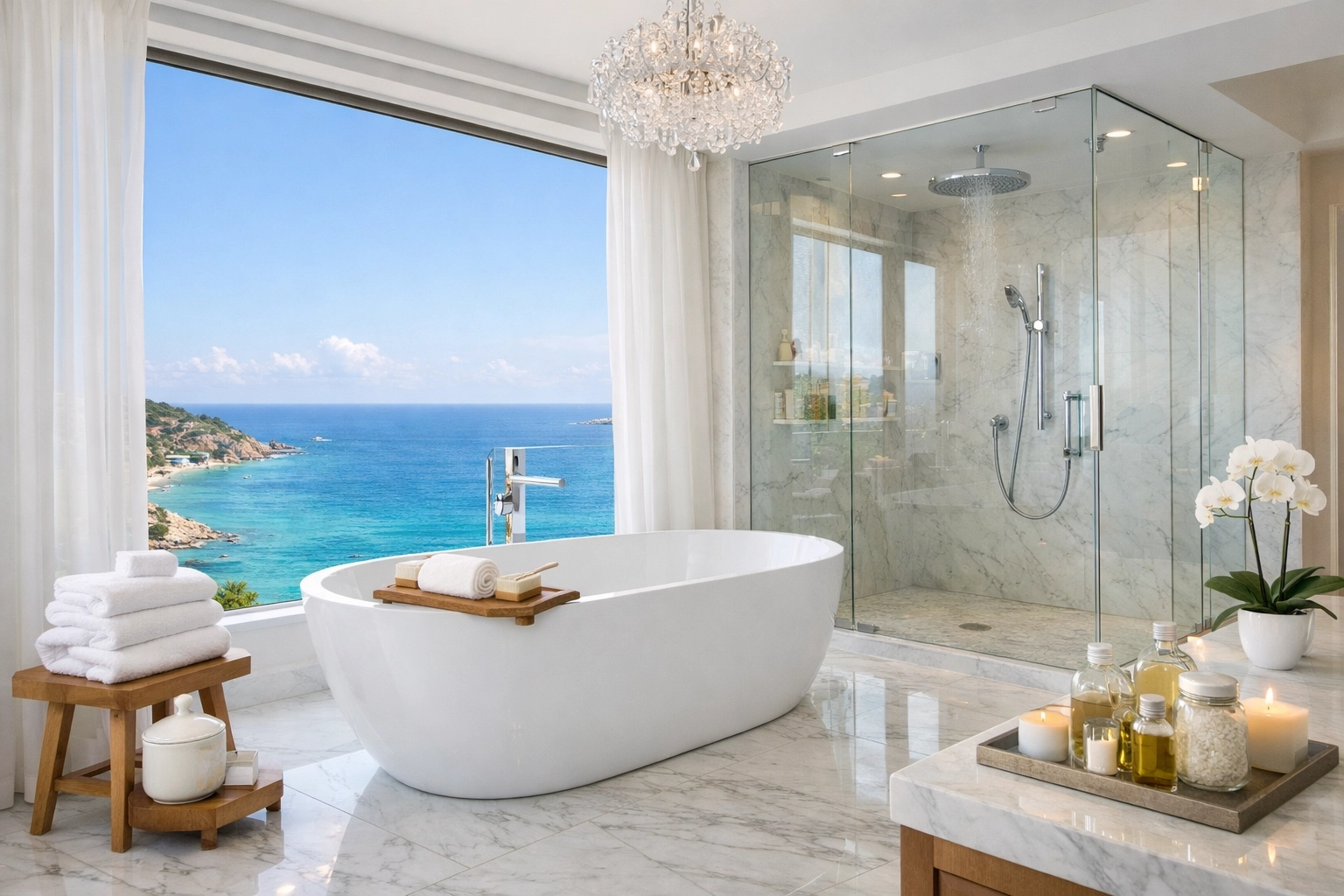
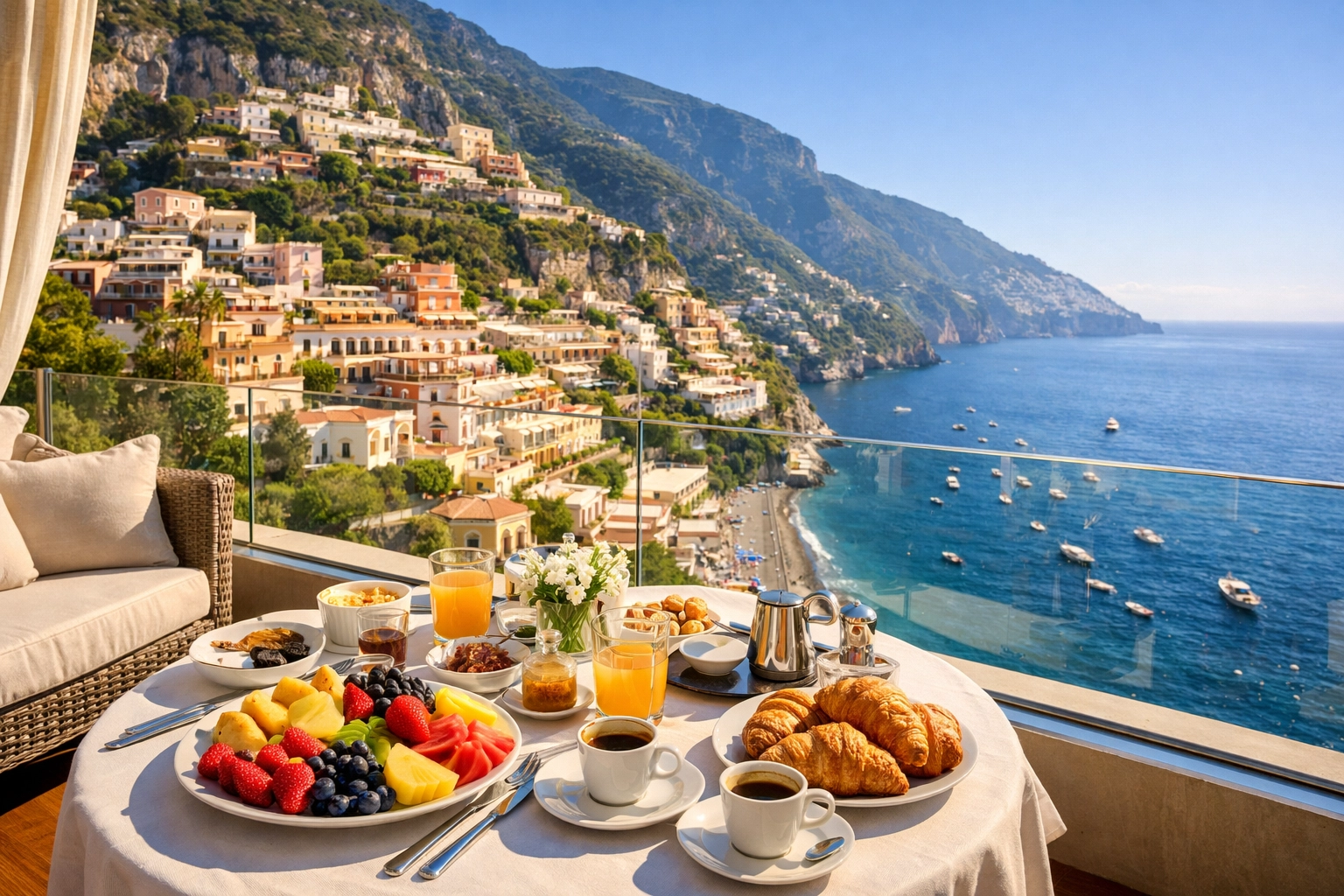
![[HERO] Planning a Multigenerational Trip Without Chaos](https://cdn.marblism.com/uGs2Eztse3d.webp)

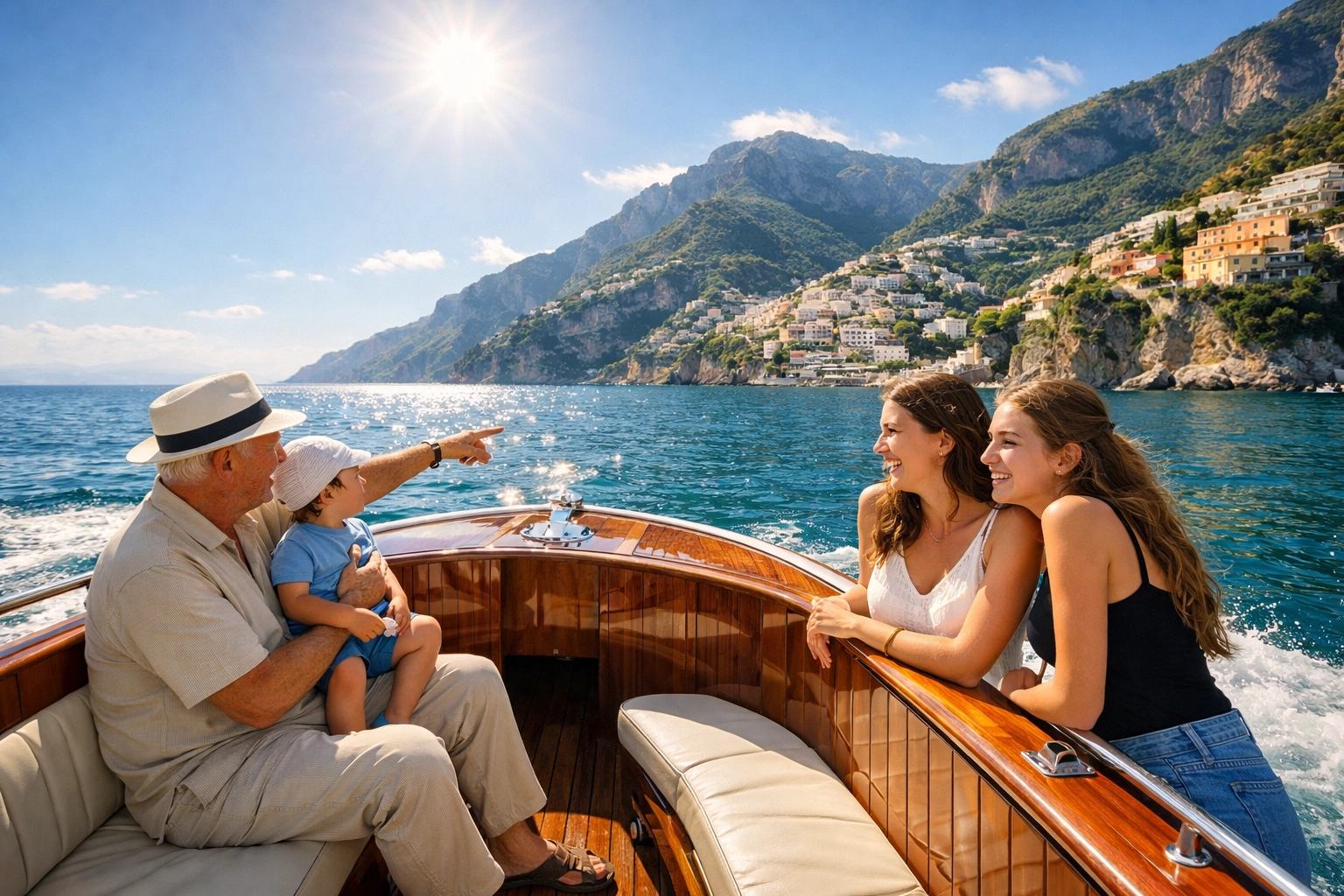

![[HERO] What Happens When You Book the Cheapest Option](https://cdn.marblism.com/ETm8xBi3v0E.webp)



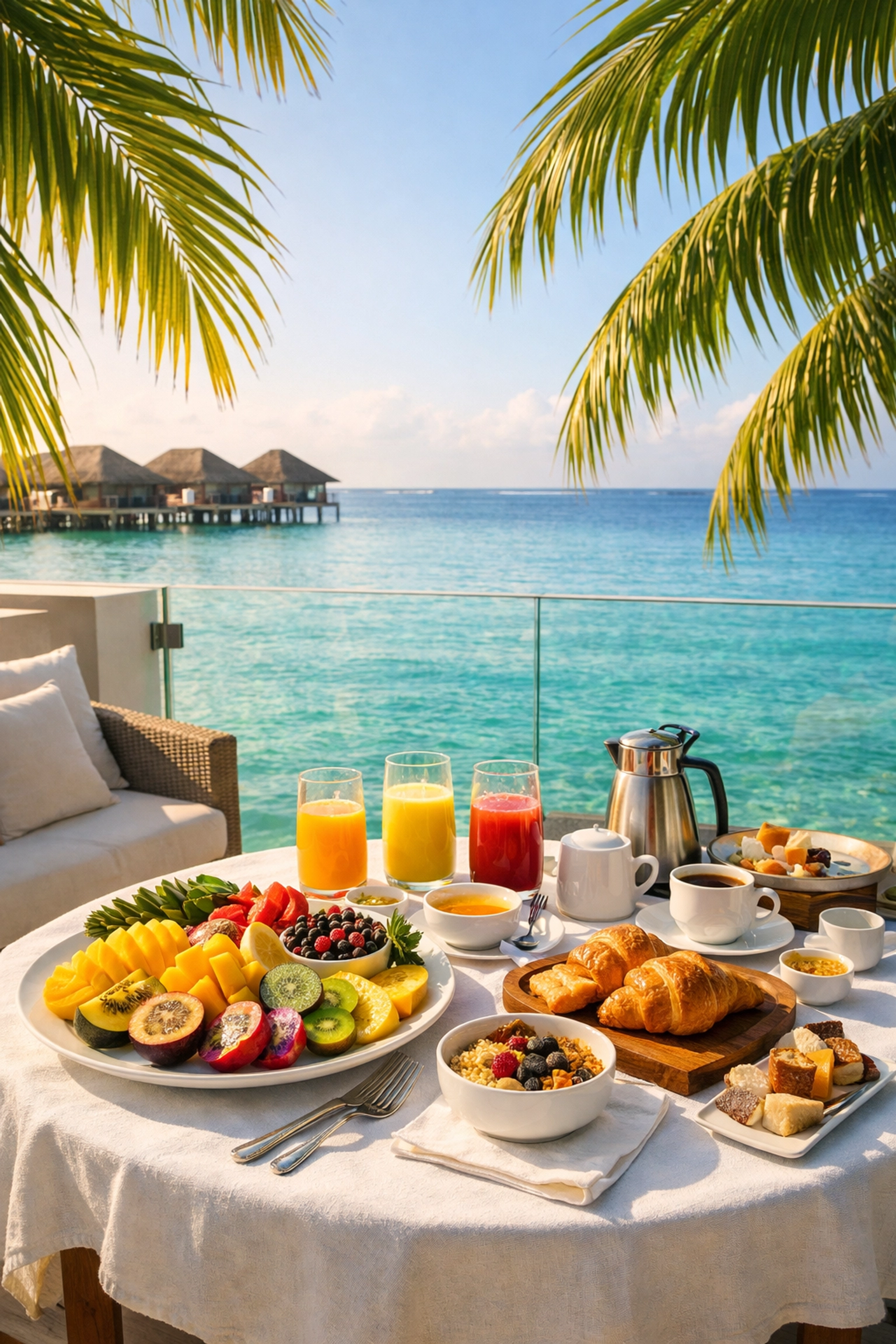
![[HERO] The Destination That Shocked Me the Most (And How to Travel There Like a Pro)](https://cdn.marblism.com/oLtRzHCk8L-.webp)
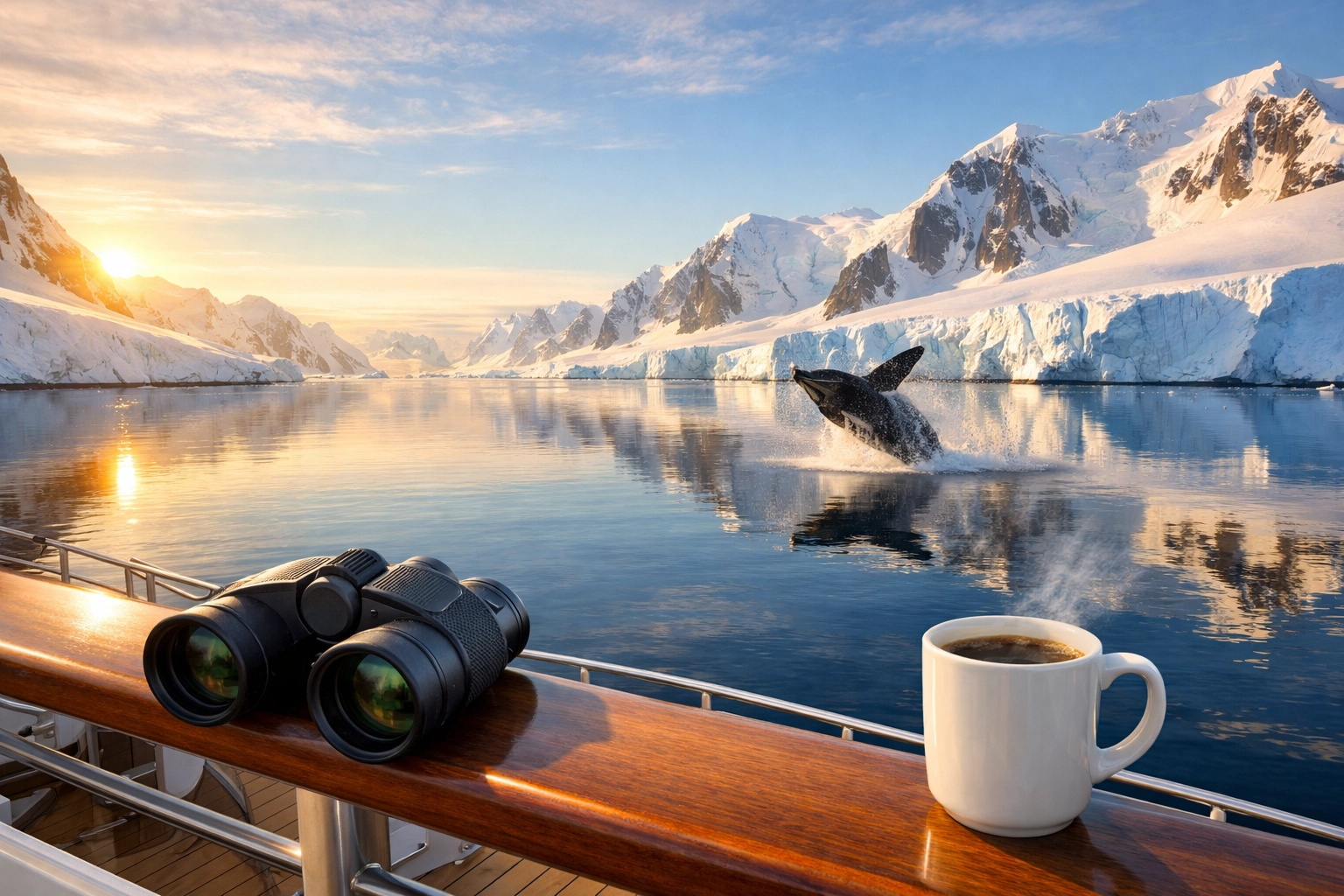

![[HERO] The Difference Between a Tourist and a Traveler (And Why It Matters)](https://cdn.marblism.com/G4ROgAx9S6K.webp)


![[HERO] Hawaii Like a Pro: Luxury Travel Tips for an Unforgettable Escape](https://cdn.marblism.com/i3eYuH9tGOd.webp)

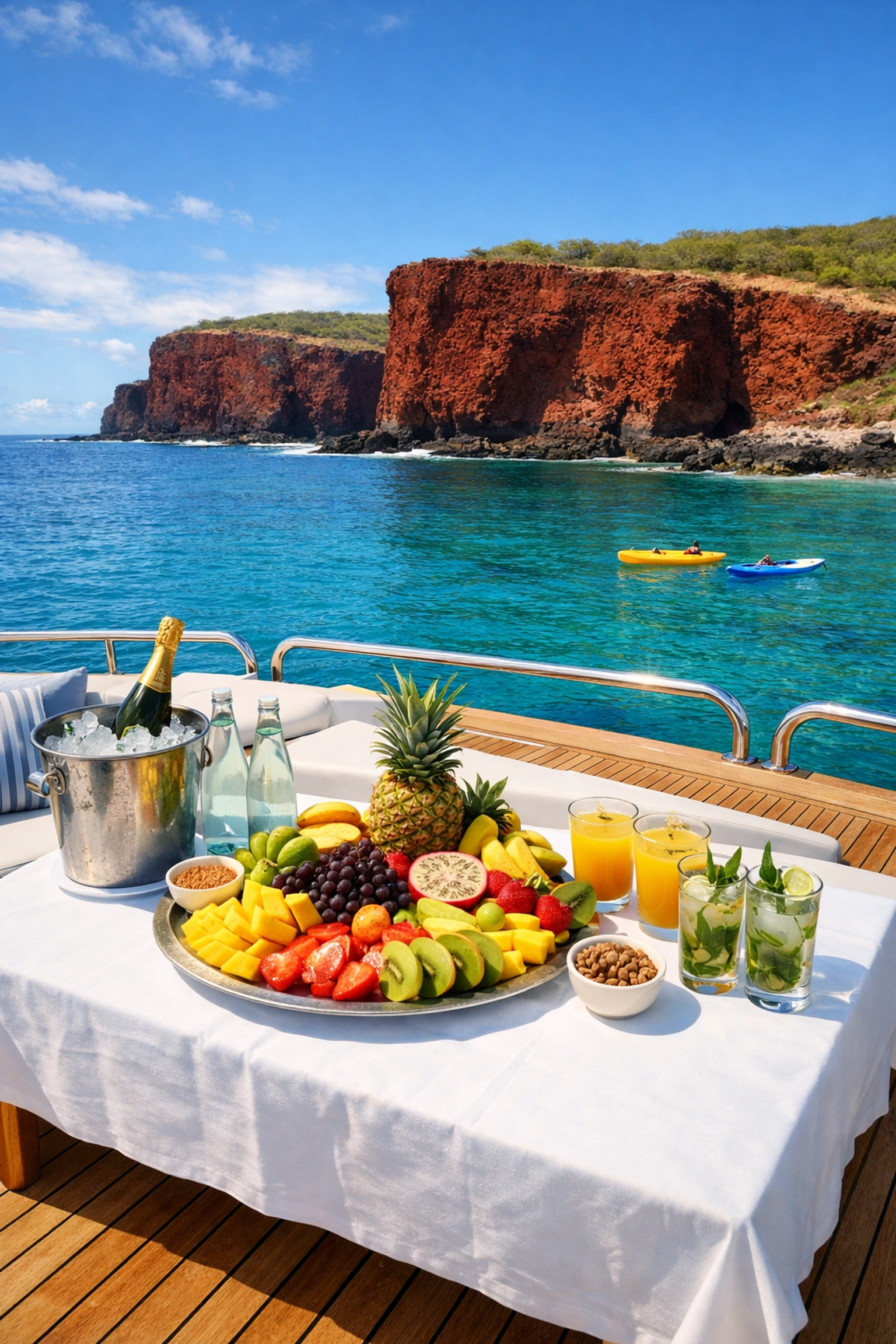

![[HERO] Why Most Honeymoons Are Logistical Nightmares (And How to Avoid the Chaos)](https://cdn.marblism.com/99n2z9G2QPj.webp)

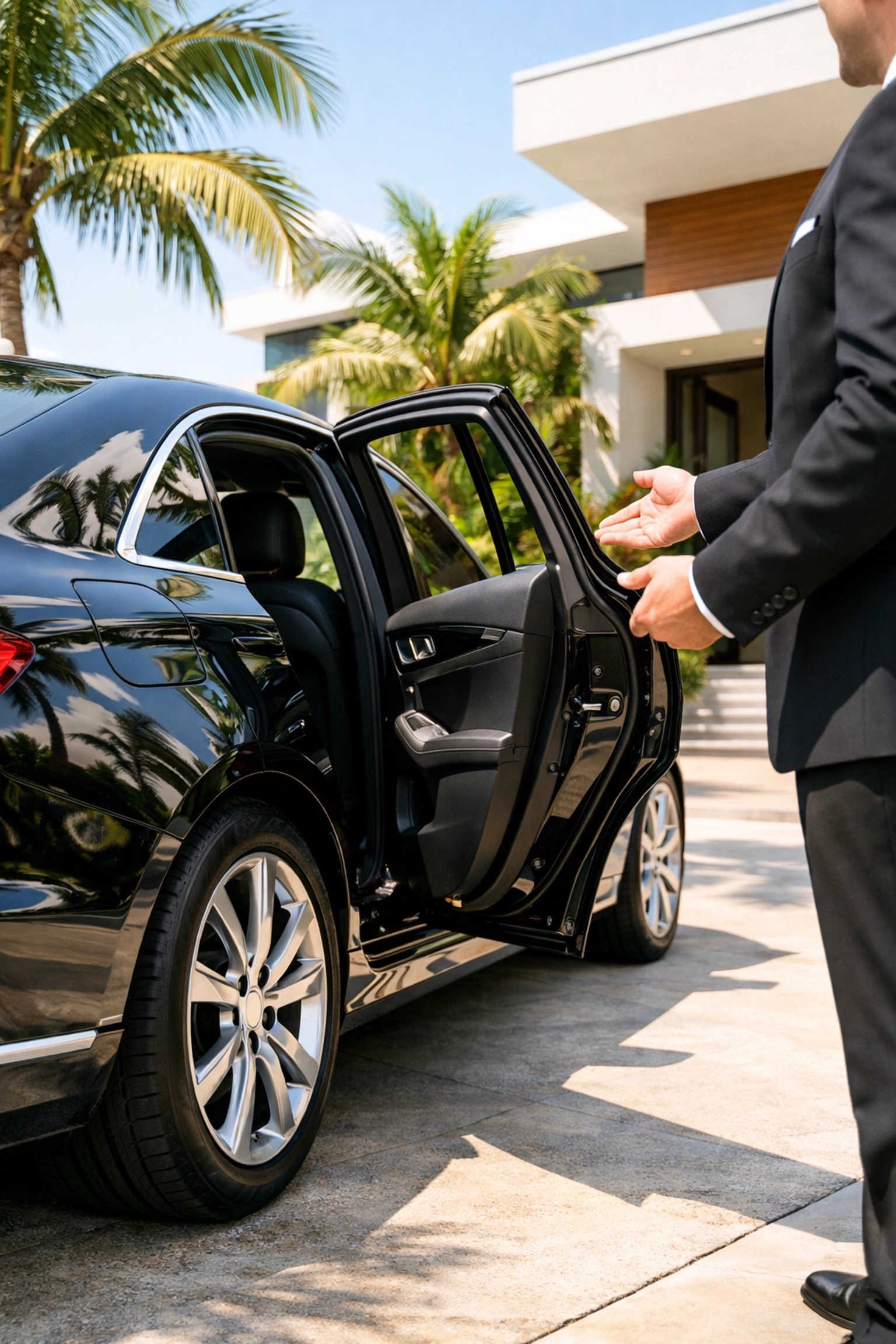

![[HERO] 7 Mistakes You’re Making With Your Luxury Itinerary (And How to Fix Them)](https://cdn.marblism.com/nn4EhkAsesL.webp)



![[HERO] Why Some Travelers Always Get Upgraded (And It's Not Luck)](https://cdn.marblism.com/nDDYAqa-gvk.webp)
 Time For Your Vacation