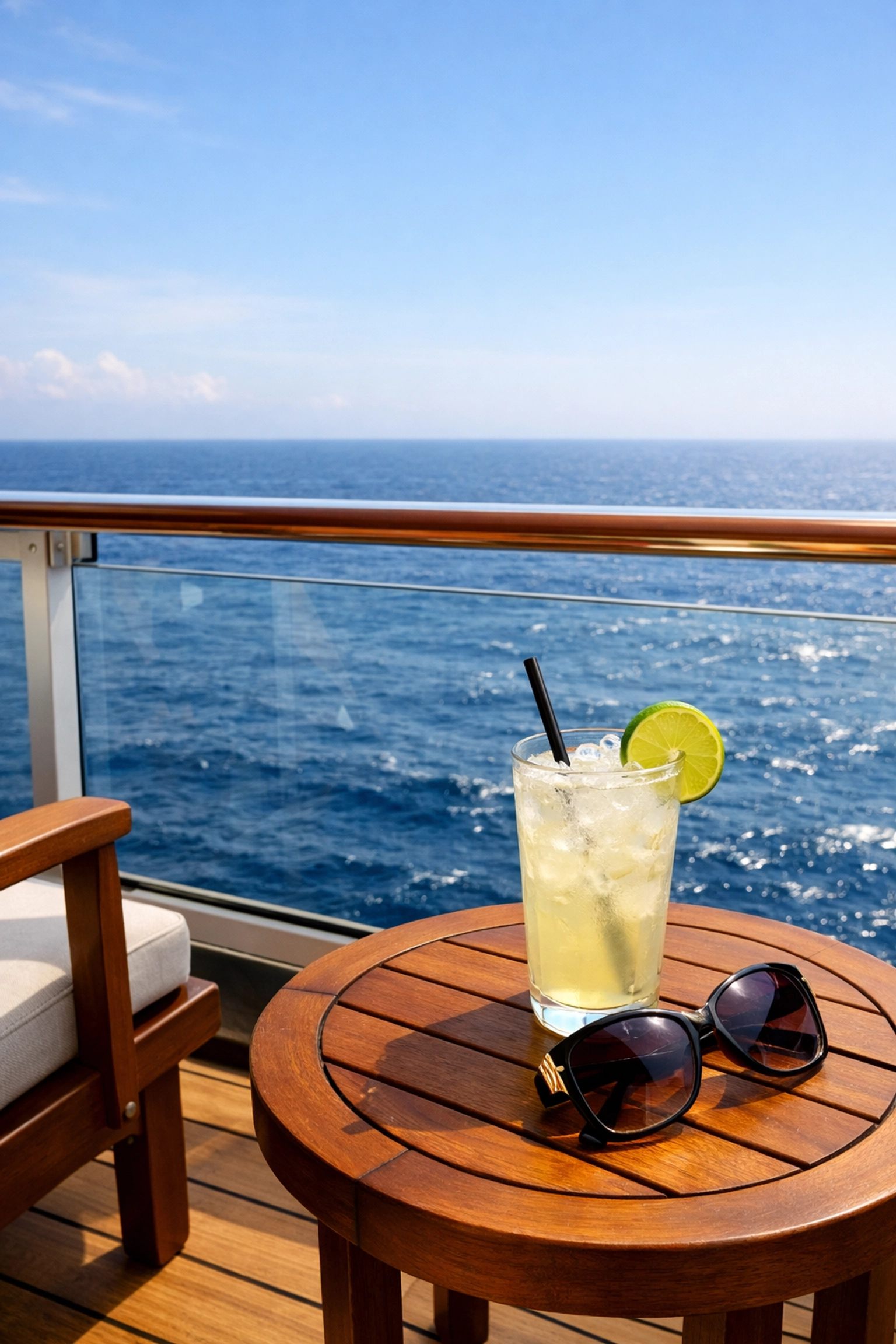
• [HERO] Why Everyone Is Talking About Restorative Slow Travel (And You Should Too)

    You know the feeling. You spent six months planning the ultimate itinerary. You booked the early morning flights to maximize your time. You mapped out every museum, every “must-eat” street food stall, and every sunset viewpoint across four different cities in ten days. You returned home, dropped your bags in the hallway, and realized you needed a literal week of sleep just to recover from your “relaxing” break.

    The vacation hangover is real. It is a byproduct of the high-speed, check-list-driven travel culture that has dominated the last two decades. But something is shifting. Travelers are waking up to the fact that movement does not equal progress and quantity does not equal quality.

    Restorative slow travel is the answer. It is the intentional choice to do less so you can feel more. It is about trading the frantic energy of a “trip” for the soul-nourishing depth of an “experience.” Everyone is talking about it because, quite frankly, we are all exhausted.

    The Great Burnout of the Modern Tourist

    We live in an age of hyper-connectivity and hyper-speed. Your work follows you on your phone. Your social circle follows you on Instagram. When you travel, you often feel an unspoken pressure to perform. You have to see the Eiffel Tower, the Louvre, and the Marais all before lunch, or else you “wasted” your day.

    This is travel as a transaction. You pay for a ticket, you “buy” a view with your time, and you move on to the next one. But your nervous system isn’t designed for a ten-day sprint through foreign time zones. This is why more than 25% of people report feeling more stressed after a vacation than before they left.

    Restorative slow travel rejects this premise entirely. It suggests that you are not a consumer of culture, but a guest within it. It prioritizes your well-being over your Instagram feed. It understands that staring at a Mediterranean horizon for three hours is a better use of time than standing in a two-hour security line for a museum you only sort of care about.
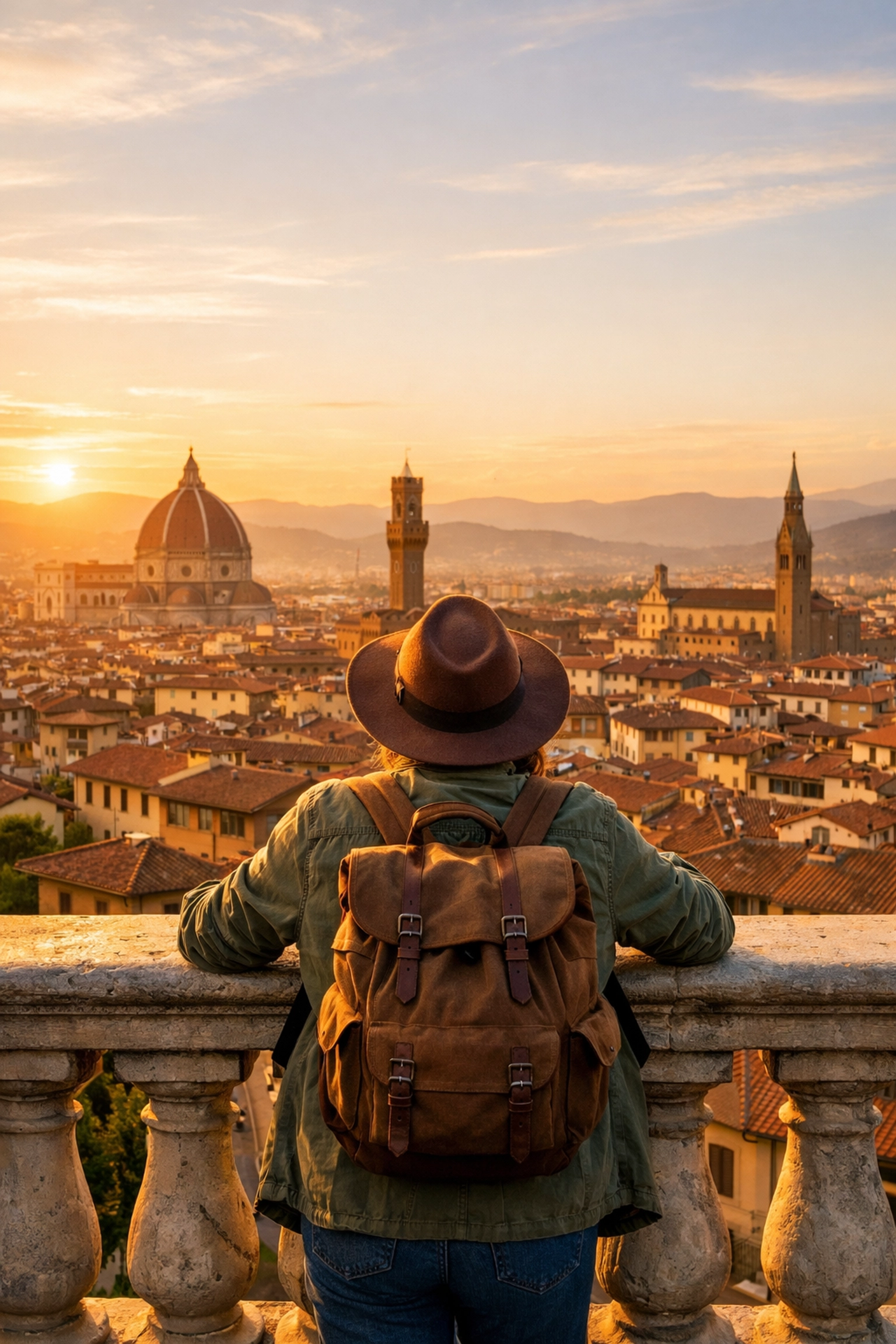
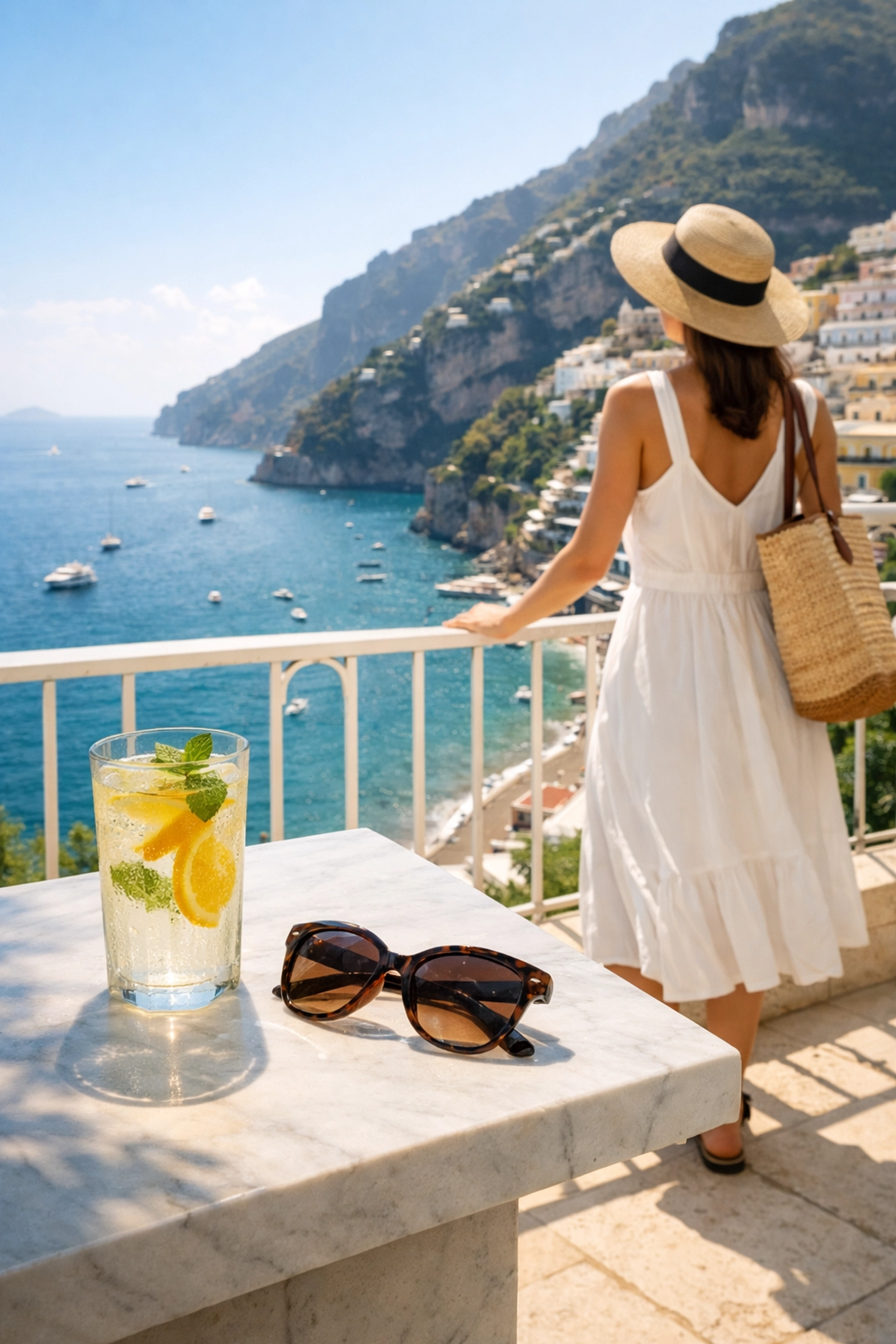
    Traveler enjoying a peaceful sunrise view over Florence rooftops during a restorative slow travel vacation.

    What Exactly Is Restorative Slow Travel?

    Slow travel is not just about the speed of your transportation. You can take a bullet train and still be a slow traveler. It is about the pace of your mindset. It is a philosophy that encourages you to stay in one place long enough to recognize the person who sells you your morning croissant.

    Restorative slow travel takes this a step further by weaving in wellness. It isn’t just about sitting in a café; it’s about aligning your biological clock with the environment. It’s about deep sleep, long walks, and the mental clarity that only comes when you stop checking the clock.

    You spend four nights in a village instead of one. You choose a rental with a kitchen so you can wander the local market and cook with ingredients you can’t pronounce. You allow yourself to have a “zero day”, a day where you do absolutely nothing but exist in a new place.

    The Science of Doing Nothing

    There is a biological reason why slow travel feels so good. When you are constantly on the move, your body is in a state of low-level “fight or flight.” You are navigating new transit systems, worrying about check-out times, and processing a massive amount of new sensory input. This keeps your cortisol levels spiked.

    When you slow down, your parasympathetic nervous system takes over. This is the “rest and digest” mode. Studies have shown that travelers who stay in one location for a week or more experience significantly lower stress levels and improved heart rate variability compared to those on multi-stop tours.

    Restorative travel moment with a person relaxing in a hammock under olive trees in a sun-drenched garden.

    Your sleep improves because you aren’t fighting a new hotel bed every two nights. Your anxiety drops because the “fear of missing out” is replaced by the joy of actually being there. You are giving your brain the space to process the beauty it’s seeing, rather than just photographing it and moving on.

    The “Experience” Factor: Connection Over Checklists

    Think back to your most favorite travel memory. Was it the fifteen seconds you spent squinting at the Mona Lisa over a crowd of five hundred people? Or was it the afternoon you got lost in a back alley in Trastevere and ended up sharing a bottle of wine with a shoemaker who spoke no English?

    Slow travel creates the conditions for these “happy accidents.” You cannot have a meaningful connection with a local community when you are running to catch a 2:00 PM tour bus. Authenticity requires time. It requires you to be present enough to notice the small details: the way the light hits the stones at dusk, the specific smell of the local jasmine, the rhythm of the town square as it transitions from afternoon siesta to evening promenade.

    Why It’s Better for Your Wallet (And the World)

    There is a common misconception that “luxury” or “restorative” travel has to be wildly expensive. In reality, slow travel is often the most cost-effective way to see the world.

    When you stay in one place for a week, you often get significant discounts on accommodation. You save hundreds, if not thousands, on domestic flights, trains, and taxis. You stop eating at the “tourist trap” restaurants located next to major landmarks, where the food is mediocre and the prices are inflated, and you start eating where the locals eat.

    Beyond the personal savings, slow travel is a more sustainable way to move through the world. You are reducing your carbon footprint by minimizing transit. You are also putting your money directly into the local economy by supporting small, family-owned businesses rather than international hotel chains and global tour conglomerates.

    How to Transition to a Slow Travel Mindset

    If you are used to the “fast” way of traveling, the idea of slowing down can actually feel a bit scary. You might worry that you’ll get bored. You might worry that you’re “missing” things. Here is how you can start to shift your perspective:

    1. The “One-Hub” Rule: Instead of visiting three countries, pick one region. Instead of three cities in that region, pick one city and stay there for the duration. Use it as a base. If you feel like exploring, take a day trip. If you don’t, stay in your neighborhood.
    2. Ditch the Schedule: Allow yourself one “anchor” activity per day. Maybe it’s a specific museum or a hike. Leave the rest of the day completely open. No reservations, no deadlines.
    3. Walk Everywhere: The best way to see a city is at three miles per hour. You notice the architecture, the gardens, and the local characters that you would completely miss from the window of an Uber.
    4. Learn the Language (A Little): When you stay in one place, learning how to say “Good morning,” “Please,” and “This is delicious” in the local tongue opens doors that are closed to the weekend tourist.
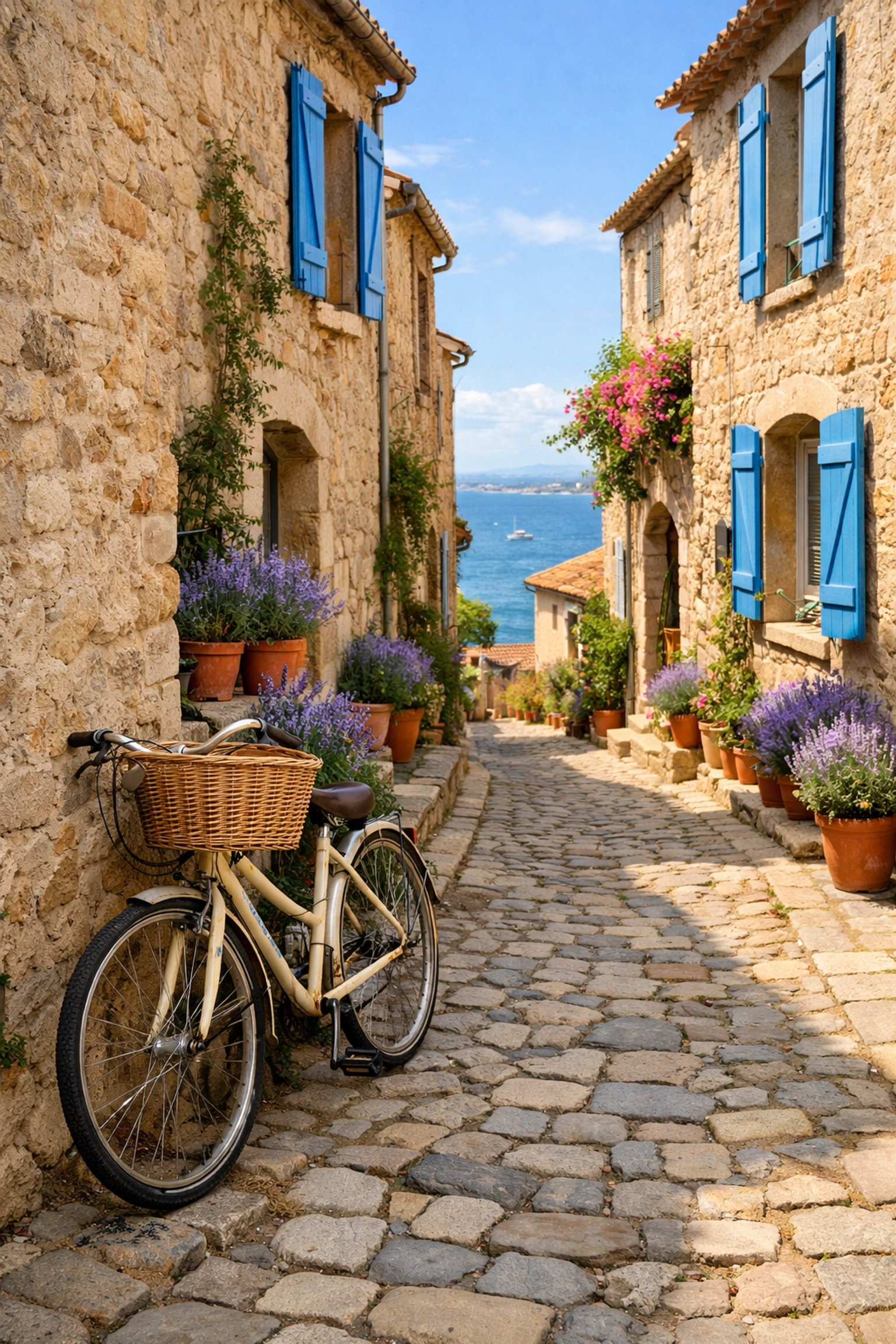
    Charming Provence street with blue shutters and a vintage bicycle, showcasing the slow travel lifestyle.

    The Ultimate Luxury is Time

    In our modern world, the ultimate luxury isn’t a gold-plated bathroom or a private jet. The ultimate luxury is time. It is the ability to move through the world without a sense of urgency. It is the freedom to wake up and ask yourself, “What do I actually feel like doing today?” rather than “What does my itinerary say I must do today?”

    Restorative slow travel is a gift you give to yourself. It is an acknowledgment that your time is valuable and your mental health is a priority. It is about returning from a trip feeling truly refreshed, inspired, and connected to the world around you.
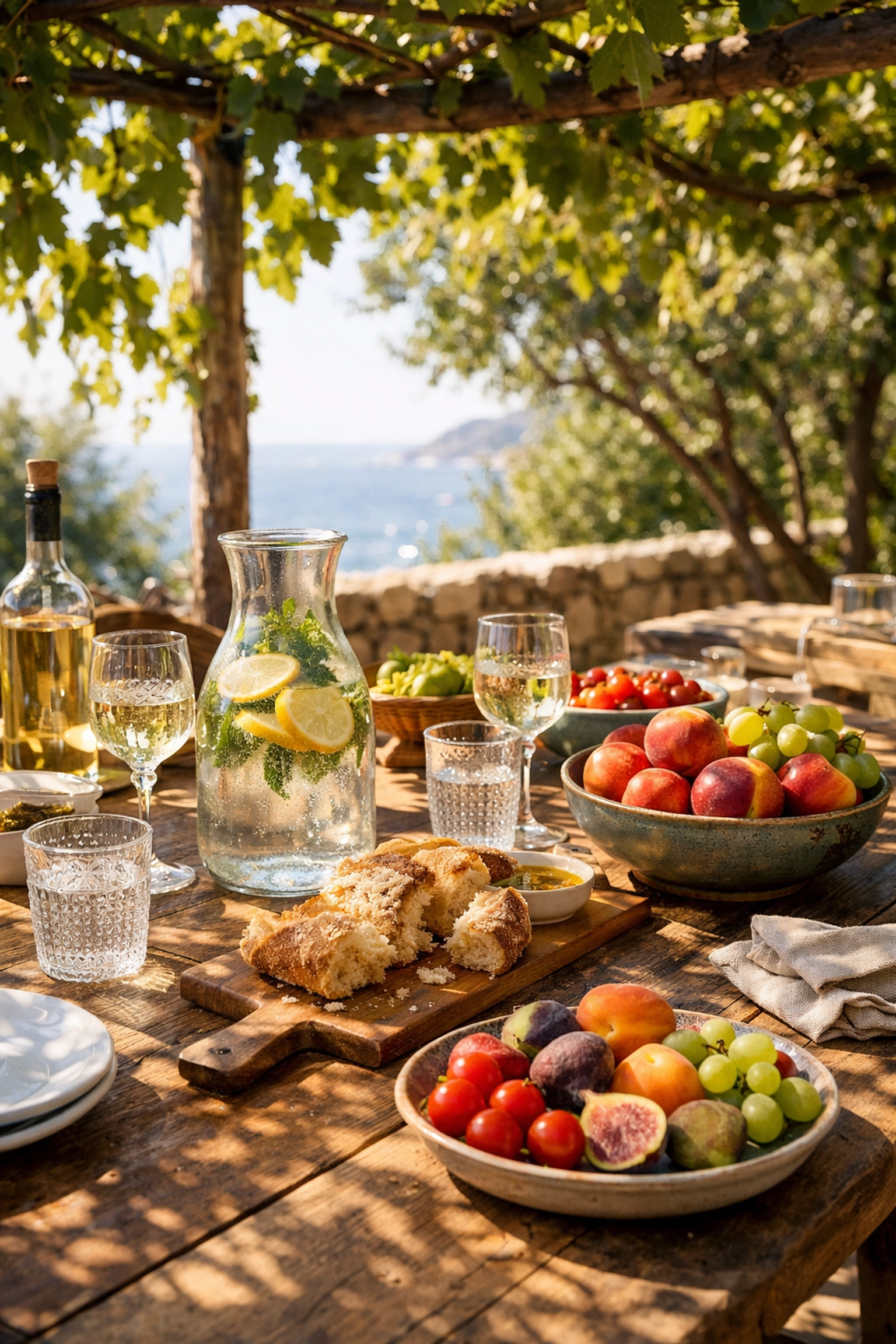
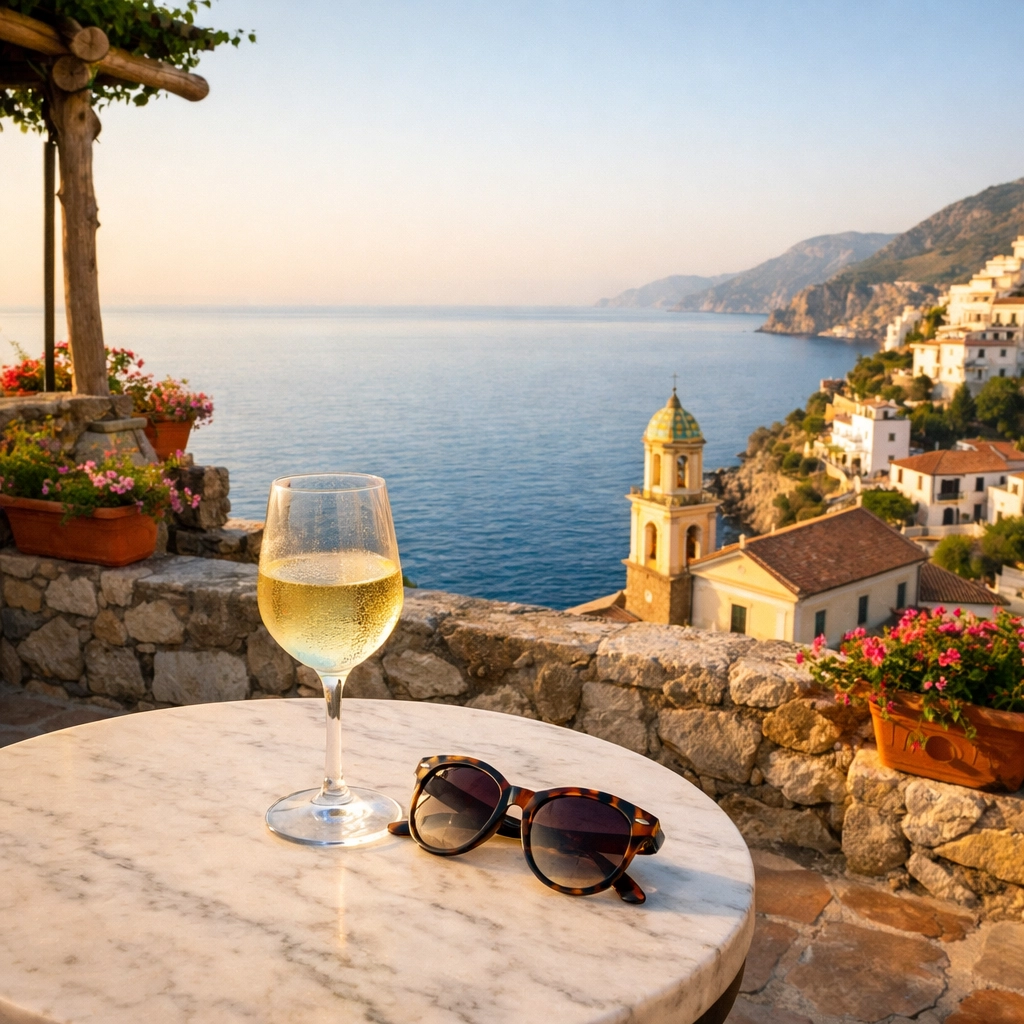
    Alfresco dining under a pergola with a sea view, emphasizing the restorative benefits of slow travel.

    So, for your next escape, don’t look for the “Top 10 Things to Do” list. Look for a quiet balcony, a local market, and a comfortable pair of walking shoes. Stop rushing. Start living. The world isn’t going anywhere, and it looks a whole lot better when you aren’t running past it.

    Visit www.TimeForYourVacation.com to start planning your next adventure. Check out www.DaveTheTourGuide.com for personalized travel guidance and insider tips. And keep reading www.TimeForYourVacation.blog for more honest takes on the travel industry and how to navigate it like a pro. Try our Luxury concierge with www.BlackKeyElite.com . And listen to my podcast! https://www.podomatic.com/podcasts/contact24682

  • [HERO] The Travel Industry Secrets No One Talks About -- Travel Tips

    You want the truth. You want the insider access. You want the room with the view that isn’t even listed on the website. Most people think they are savvy travelers because they know how to use a search engine, but the real travel industry operates on a level that most never see. You are likely paying more than you should, waiting longer than you have to, and settling for “standard” when “spectacular” is sitting right behind a locked door.

    The travel industry is built on a foundation of secrets. It is built on relationships, hidden inventory, and systems that have been around since the 1970s. If you want to stop being a tourist and start being a traveler who actually gets what they pay for, you need to understand how the gears turn. You deserve the upgrade. You deserve the early check-in. You deserve to know why the “lowest price” online is often a trap.

    The Myth of the Online “Best Price”

    You see the flashing red text. “Only 1 room left!” You see the timer counting down. You feel the panic rising in your chest. Stop. Breathe. That timer is a psychological trick designed to make you click “buy” before you realize what you’re actually getting.

    The secret no one tells you is that online booking engines (OTAs) rarely have the “best” price. They have the most marketed price. Hotels pay these sites massive commissions: sometimes up to 25%: just to be listed. Because of “rate parity” agreements, hotels aren’t always allowed to list a lower price on their own site publicly, but that doesn’t mean a better deal doesn’t exist.

    When you book through a massive conglomerate, you are a number in a spreadsheet. When the hotel is overbooked, guess who gets bumped first? The person who booked the “cheapest” rate on a third-party site. You are the lowest priority. If you want the real deal, you have to look beyond the search results.

    A luxury traveler on a private Amalfi Coast balcony, representing priority booking and exclusive hotel room access.

    The Power of the “GDS” and Hidden Inventory

    You think every room in a hotel is available online. It isn’t. Hotels strategically hold back their best inventory: the suites with the wraparound balconies, the quiet corner rooms, the newly renovated wings: for specific channels.

    The Global Distribution System (GDS) is the backbone of travel booking. It is the matrix. While you are looking at a pretty interface with photos of breakfast buffets, pros are looking at raw data feeds that show actual availability. There is a “shadow” inventory of rooms that are never released to the big booking sites. These rooms are reserved for high-value partners and professional consultants who have direct lines to the general managers.

    If you want those rooms, you have to know who has the keys. Professional travel planners don’t just use the internet; they use legacy systems and personal cell phone numbers. They can see that “sold out” actually means “sold out to the public,” not “sold out to us.”

    How to Actually Get the Upgrade

    You want the upgrade. You want to walk into the lobby and be told you’ve been moved to the Penthouse. Most people think the secret is to dress well or tell the front desk it’s their anniversary. It isn’t.

    The secret to the upgrade is the “Internal Guest Score.” Large hotel chains track your value over time. They know if you spend money at the bar. They know if you use the spa. They know if you are a “problem” guest who complains about the pillow fluffiness.

    But there is a shortcut. Certain elite programs, like the invitation-only luxury partner networks, come with “upgrade upon availability” baked into the contract. When a hotel sees a booking come in through a preferred partner, it’s flagged immediately. You aren’t just another guest; you are a VIP before you even pack your suitcase. The front desk isn’t doing you a favor; they are fulfilling a high-level agreement.

    The Airline Scheduling Game: Myths vs. Reality

    You’ve heard the rumors. Book on a Tuesday at 3:00 AM. Clear your cookies. Spin around three times and click “purchase” while wearing a blindfold. Most of this is nonsense.

    Airlines use sophisticated AI to manage “yield.” They don’t care what day of the week you book; they care about how many seats are left and how much time is remaining before takeoff. However, the “Incognito” trick is real. If an airline’s algorithm sees you searching for the same flight to Paris three times in an hour, it knows you are high-intent. It might nudge the price up by $50 just to scare you into buying. Use an incognito browser. Better yet, use a VPN to see what the flight costs if you were “booking” from a different country.

    The biggest secret in aviation? The “Empty Leg.” If you are looking for luxury, private jets often have to fly empty to get to their next pick-up location. There are apps and brokers that sell these seats for a fraction of the cost: sometimes cheaper than a first-class ticket on a commercial airline. You get the jet, the champagne, and the private terminal for the price of a standard seat.

    The Truth About FAM Trips

    You see influencers posting photos from a beach in the Maldives with the caption “so blessed.” What they don’t tell you is that they are on a “FAM” (Familiarization) trip. These are all-expenses-paid junkets funded by tourism boards and hotel brands.

    But here is the catch: The best industry pros use FAM trips to find the flaws. They go to see the “construction view” rooms that the hotel tries to hide. They go to test if the service is actually as good as the brochure says. When a travel pro tells you not to stay at a certain five-star resort, it’s usually because they’ve been there on a FAM trip and saw the cockroaches in the kitchen or the peeling paint in the “luxury” spa. Their secret knowledge is knowing what to avoid, not just what to book.

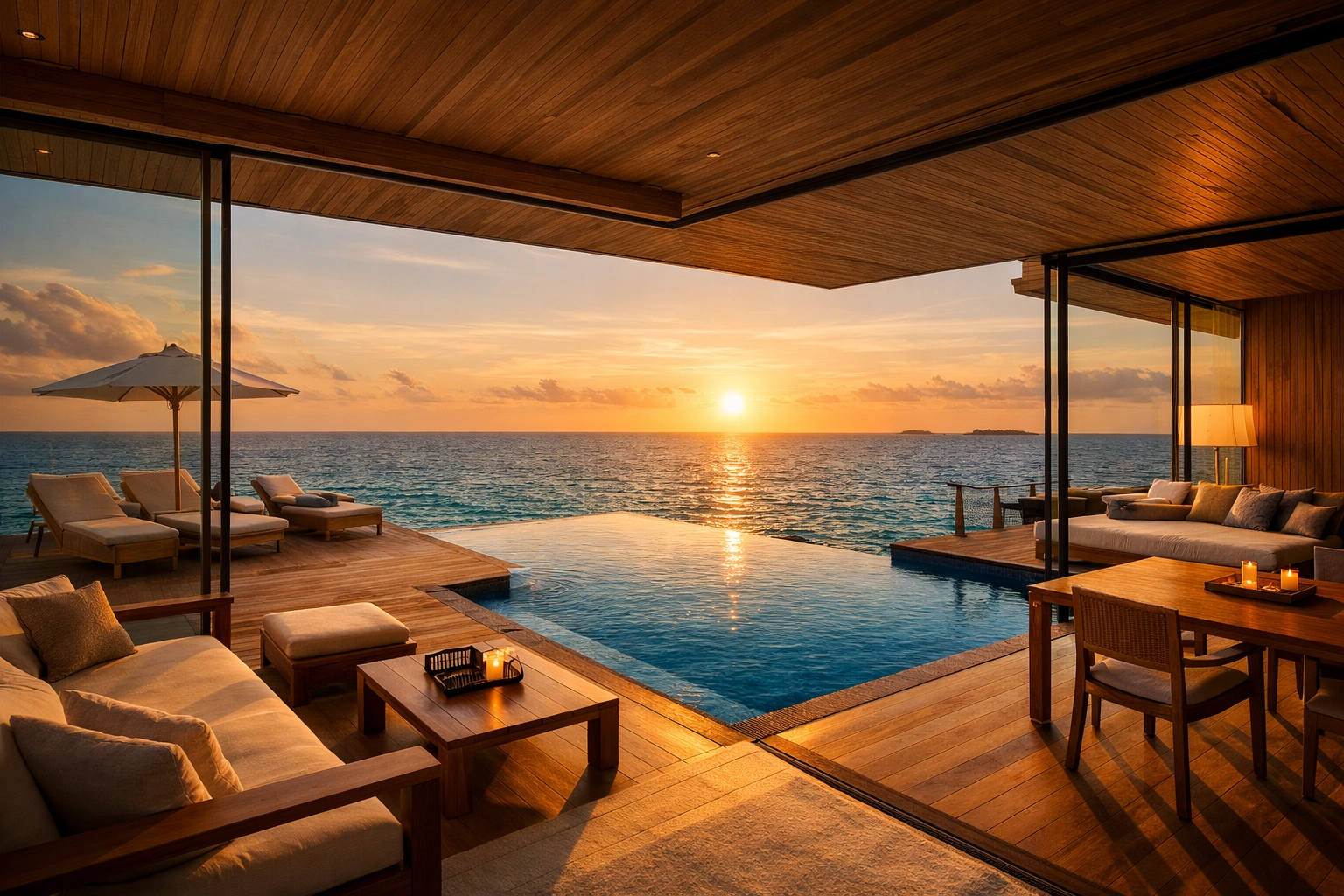
    Luxury overwater villa in the Maldives at sunset, illustrating a perfectly vetted high-end travel sanctuary.

    The “Shoulder Season” Sweet Spot

    You want the sun, but you don’t want the crowds. You want the luxury, but you don’t want the peak-season surcharge. The secret is the “Shoulder Season.”

    Every destination has a peak (Christmas in St. Barts) and a trough (Hurricane season in the Caribbean). The shoulder season is that magical two-week window on either side. In Europe, it’s late September and early October. The weather is still perfect, the locals have regained their sanity, and the prices drop by 40%.

    Even better is the “Alternative Duration” hack. Most people book for 7 nights or 14 nights. Because everyone does this, the systems are optimized to charge more for those specific blocks. Search for 6 nights or 8 nights. Search for 13 or 16. You will often find that adding or subtracting a single day triggers a completely different (and much lower) rate class in the booking software.

    Luxury Perks That Aren’t Advertised

    You think luxury is about the thread count. It’s not. Real luxury is about “The Unspoken.”

    The highest-tier hotels have “Special Services” teams. Their job is to know your preferences before you arrive. Do you hate sparkling water? It won’t be in your fridge. Do you prefer a specific brand of organic almond milk? It will be waiting for you.

    The secret is that these perks are often free, but you have to know how to ask. You can request a “pillow menu.” You can ask for a “bath sommelier.” You can even ask for the hotel to clear out the minibar and stock it with your favorite snacks from a local grocery store so you don’t get charged $12 for a Snickers bar. If you book through a high-end agent, these “preferences” are communicated via a detailed dossier before you even leave your house.

    Crisis Management: Why the Pros Know First

    You are standing in the airport. The screen turns red. “CANCELLED.” You join the line of 200 angry people at the gate desk. This is your first mistake.

    The secret is that travel pros receive flight notifications before they even hit the airport monitors. They have “Global Monitoring” tools that track weather patterns and mechanical delays in real-time. By the time you realize your flight is cancelled, a pro has already rebooked their client on the last available seat on the next flight.

    If you are traveling solo, don’t walk to the desk. Call the airline’s international help desk (the UK or Canadian line often has shorter wait times than the US line). Or, use the airline’s app to rebook yourself while everyone else is still arguing with the gate agent. The system is automated; the first person to click “rebook” wins.

    The Hidden World of Consortia

    You want to know why some people always seem to get breakfast included, a $100 resort credit, and late checkout without paying extra. It’s not because they are lucky. It’s because they belong to a “Consortium.”

    Groups like Virtuoso, Signature, and others are massive buying blocks. They represent billions of dollars in travel spend. Because of this, they negotiate “Amenity Packages” that are attached to every booking made through their members. You could book the same room on a generic site for $500, or book it through a consortium member for $500 and get $300 worth of free perks. It’s a no-brainer, yet most travelers don’t even know these groups exist.

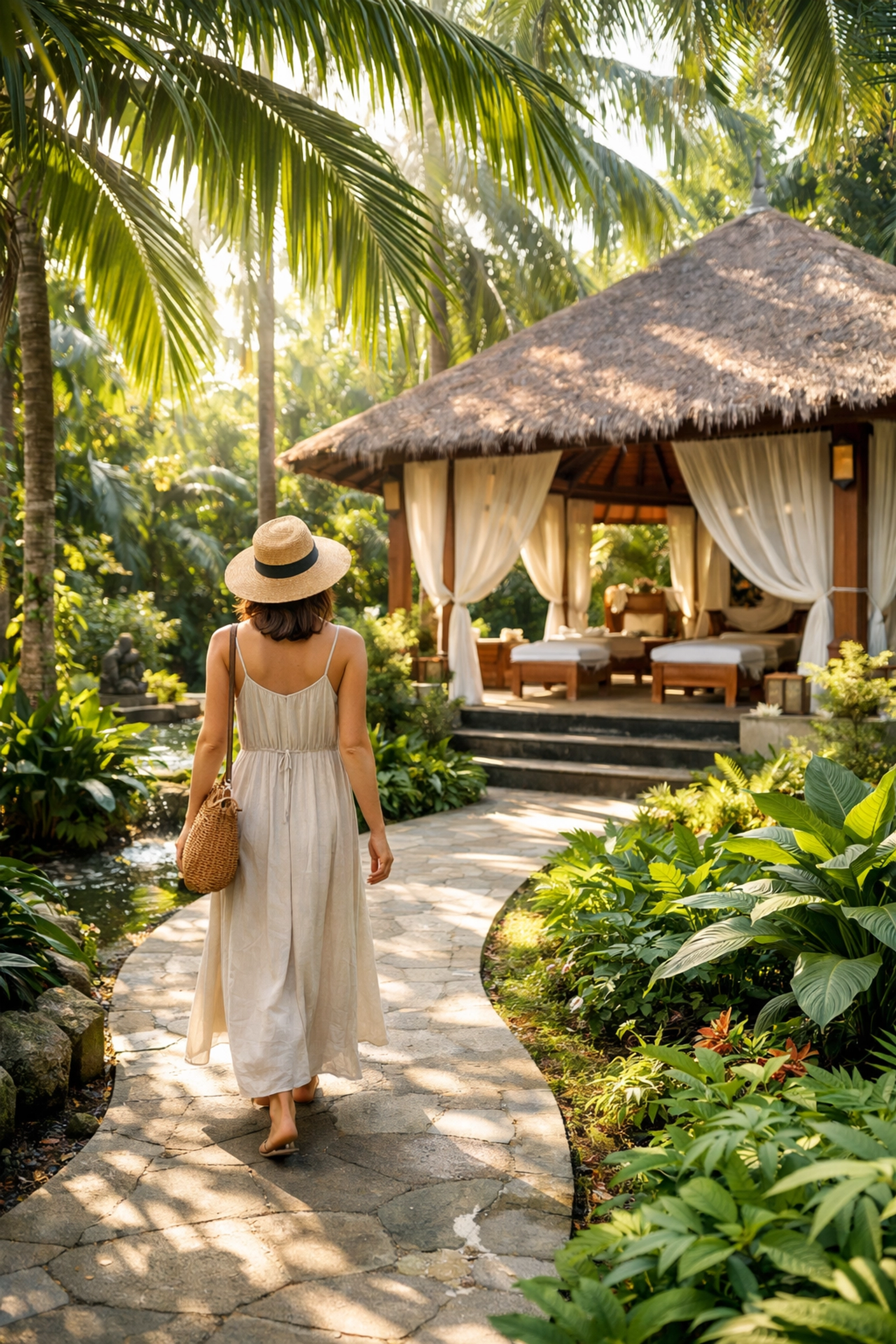
    A tropical resort garden path in Bali leading to a luxury spa, depicting VIP treatment and elite travel benefits.

    The Bottom Line on Insider Travel

    You deserve a vacation that feels like an escape, not a chore. You deserve to be treated like a VIP, not a transaction. The travel industry is complex, but it’s not impossible to navigate if you know the secrets.

    Stop clicking the first link you see. Stop believing the “only 1 left” lies. Start looking for the hidden inventory, the shoulder seasons, and the professional networks that actually hold the power. Travel is the only thing you buy that makes you richer, but only if you do it right.

    You are now equipped with the secrets that the big booking sites don’t want you to know. Use them. Demand more from your trips. The world is waiting, and now you have the map to the “back door” of luxury.

    Visit www.TimeForYourVacation.com to start planning your next adventure. Check out www.DaveTheTourGuide.com for personalized travel guidance and insider tips. And keep reading www.TimeForYourVacation.blog for more honest takes on the travel industry and how to navigate it like a pro. Try our Luxury concierge with www.BlackKeyElite.com . And listen to my podcast! https://www.podomatic.com/podcasts/contact24682

  • [HERO] 7 Mistakes You're Making with Popular Luxury Destinations (and How to Avoid the Crowds)

    You deserve better than a crowded balcony. You deserve better than standing in a three-hour line for a “candid” photo. You deserve the version of luxury that you actually see in the brochures, the one with the quiet infinity pools, the private vintage boat tours, and the dinner reservations that don’t require a bribe to the maître d’.

    Luxury travel has changed. It used to be that a high price tag guaranteed exclusivity. Today? A high price tag often just buys you a front-row seat to the circus. If you find yourself surrounded by selfie sticks in the middle of a “private” Grecian villa, you’ve fallen into a trap. But don’t worry. We’re going to fix that.

    Let’s look at the seven most common mistakes people make when booking high-end travel and, more importantly, how you can dodge the masses to find the true, silent heart of luxury.

    1. The Instagram Hall of Mirrors

    You’ve seen the photo. A woman in a flowing dress stands alone on a terrace in Positano, the sun hitting the pastel buildings just right. It looks peaceful. It looks like she owns the town.

    The reality? There are 40 people behind her in a queue, three of them are arguing about whose turn it is, and the “quiet” terrace is actually located right above a bus stop where 500 tourists are disembarking every twenty minutes.

    The biggest mistake you can make in modern luxury travel is chasing a “shot” instead of an experience. When you book a destination based on its viral potential, you are essentially joining a digital pilgrimage. Everyone else is reading the same “Top 10 Hidden Gems” listicles, which, newsflash, means those gems aren’t hidden anymore.

    How to avoid the crowd:
    Stop looking at the most “liked” locations and start looking at the “second-tier” neighbors. Instead of Positano, try Praiano. Instead of Oia in Santorini, head to Imerovigli or even the island of Milos. You get the same volcanic vistas, the same sapphire waters, and the same world-class seafood, but you’ll actually be able to hear the waves instead of the shutter clicks of a stranger’s iPhone.

    Secluded stone terrace in Praiano overlooking the Mediterranean Sea, offering quiet luxury without the crowds.

    2. The Calendar is Your Greatest Enemy

    Most people plan their luxury getaways around the standard holiday calendar. You want to go to the French Riviera in July? So does the rest of the planet. You want to see the cherry blossoms in Kyoto in early April? You’ll be shoulder-to-shoulder with thousands of people trying to do the exact same thing.

    Timing is the difference between a relaxing retreat and a logistical nightmare. If you travel during the “peak of the peak,” no amount of money can buy you a crowd-free experience at major landmarks. Even the private tours are stuck in the same traffic as the tour buses.

    How to avoid the crowd:
    Embrace the “Shoulder Season Plus.” This is the sweet spot, the two weeks just before the season starts or just after it ends. Think late September in the Mediterranean or early June in the Alps. The weather is still spectacular, the staff at the high-end resorts aren’t burnt out yet (or are refreshed), and the crowds have thinned by 60%.

    Also, consider the “Mid-Week Pivot.” If you’re visiting a popular luxury enclave near a major city, like the Hamptons, the Cotswolds, or the Blue Mountains, never go on a weekend. Visit Tuesday through Thursday. You’ll have the boutique shops and the best tables all to yourself while everyone else is back at the office.

    3. The “Main Street” Syndrome

    There is a strange psychological phenomenon where luxury travelers feel they must stay within a 500-yard radius of the most famous landmark in a city. In Paris, it’s the Eiffel Tower. In London, it’s Mayfair. In Rome, it’s the Spanish Steps.

    The problem? These areas are “Tourist Ground Zero.” By staying in the thick of it, you are constantly battling the crowds just to step out of your hotel lobby. You’re also paying a “convenience tax” for restaurants that are often overpriced and under-flavored because they don’t need repeat business.

    How to avoid the crowd:
    Go “hyper-local.” Luxury today is about authenticity. Instead of staying in the shadow of a monument, find the residential neighborhood where the old money actually lives. In Paris, skip the 1st Arrondissement and head to the 6th or 7th. In Venice, avoid San Marco and stay in Dorsoduro. You’ll find artisan shops, quiet canals, and cafes where the waiter knows the regulars by name. You’re not just a tourist; you’re a temporary local.

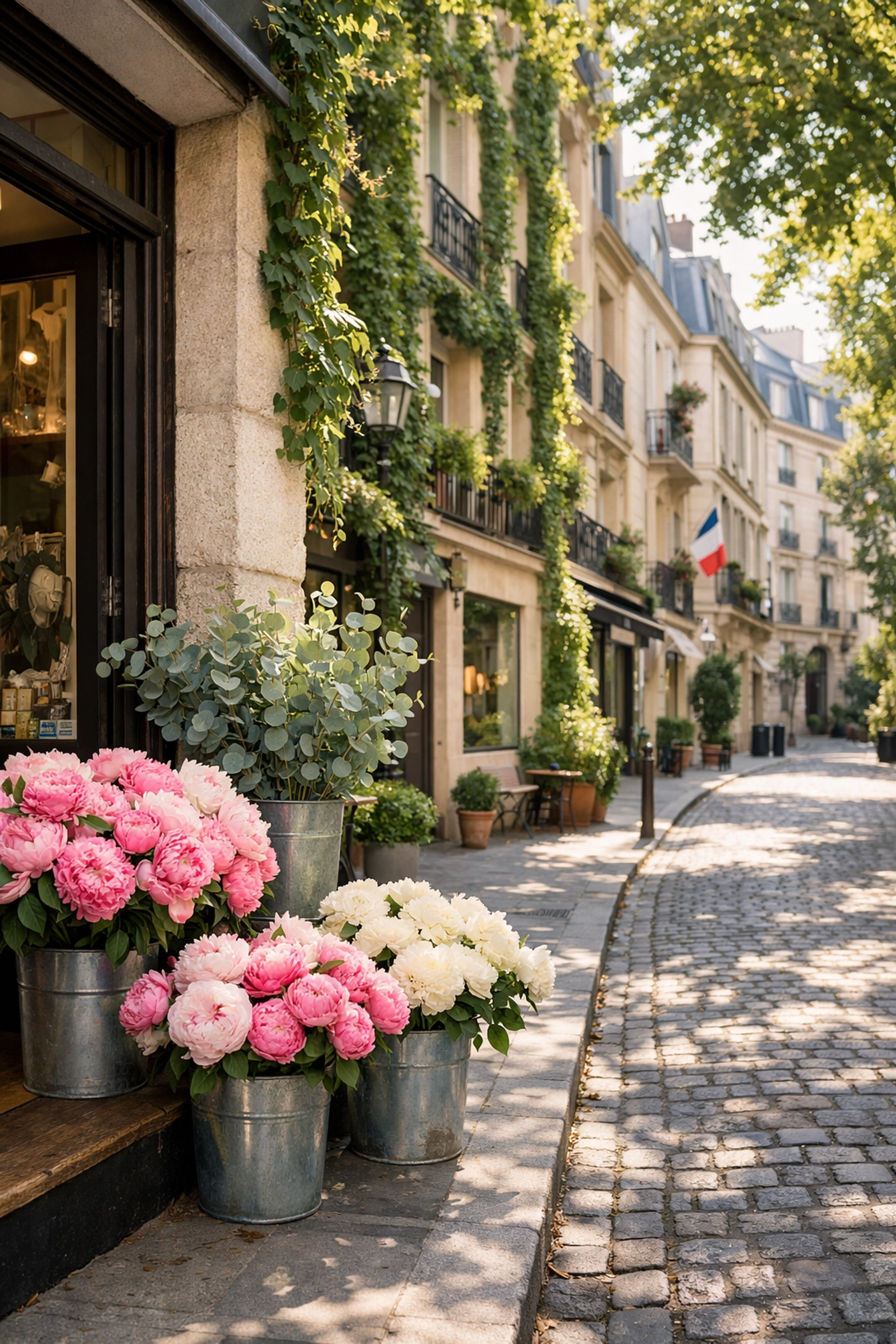
    A quiet, ivy-lined street in the Paris 6th Arrondissement near a local boutique florist.

    4. The FOMO Schedule

    You’ve spent a lot of money on this trip, so you feel the need to see it all. You’ve got a spreadsheet that would make a project manager weep. 8:00 AM: Breakfast. 9:00 AM: Private Museum Tour. 11:30 AM: Wine Tasting. 1:00 PM: Lunch at the Michelin-starred spot. 3:00 PM: Cooking Class.

    Stop. You are on vacation, not a forced march.

    One of the greatest luxuries in the world is time. When you over-schedule, you leave no room for the spontaneous discoveries that actually make a trip memorable, like stumbling upon a hidden courtyard or spending an extra two hours over a bottle of rosé because the conversation is just that good.

    How to avoid the crowd:
    Apply the “One Big Thing” rule. Plan one major activity per day. That’s it. Leave the rest of the day open. This allows you to visit that one major site early in the morning before the crowds arrive, and then disappear back into your private sanctuary while the rest of the world is rushing to catch up. Luxury is the ability to say “no” to a busy itinerary.

    5. Thinking Luxury is Just a Price Point

    Many travelers assume that if they book the most expensive hotel, they are getting the best experience. This isn’t always true. Sometimes, the “most expensive” hotel is simply the one with the biggest marketing budget.

    If a hotel has 500 rooms, it doesn’t matter how many gold leaf accents it has: it’s a factory. You will be one of a thousand people fighting for a poolside lounger. You will wait for elevators. You will be a number on a folio.

    How to avoid the crowd:
    Look for “Exclusivity Over Scale.” Seek out boutique properties with fewer than 30 rooms. Or better yet, private villas with full staff. Real luxury isn’t a gold-plated lobby; it’s a staff-to-guest ratio that allows the concierge to know your coffee order before you even sit down. When you go small, the crowds don’t even exist. You are in a private bubble of your own making.

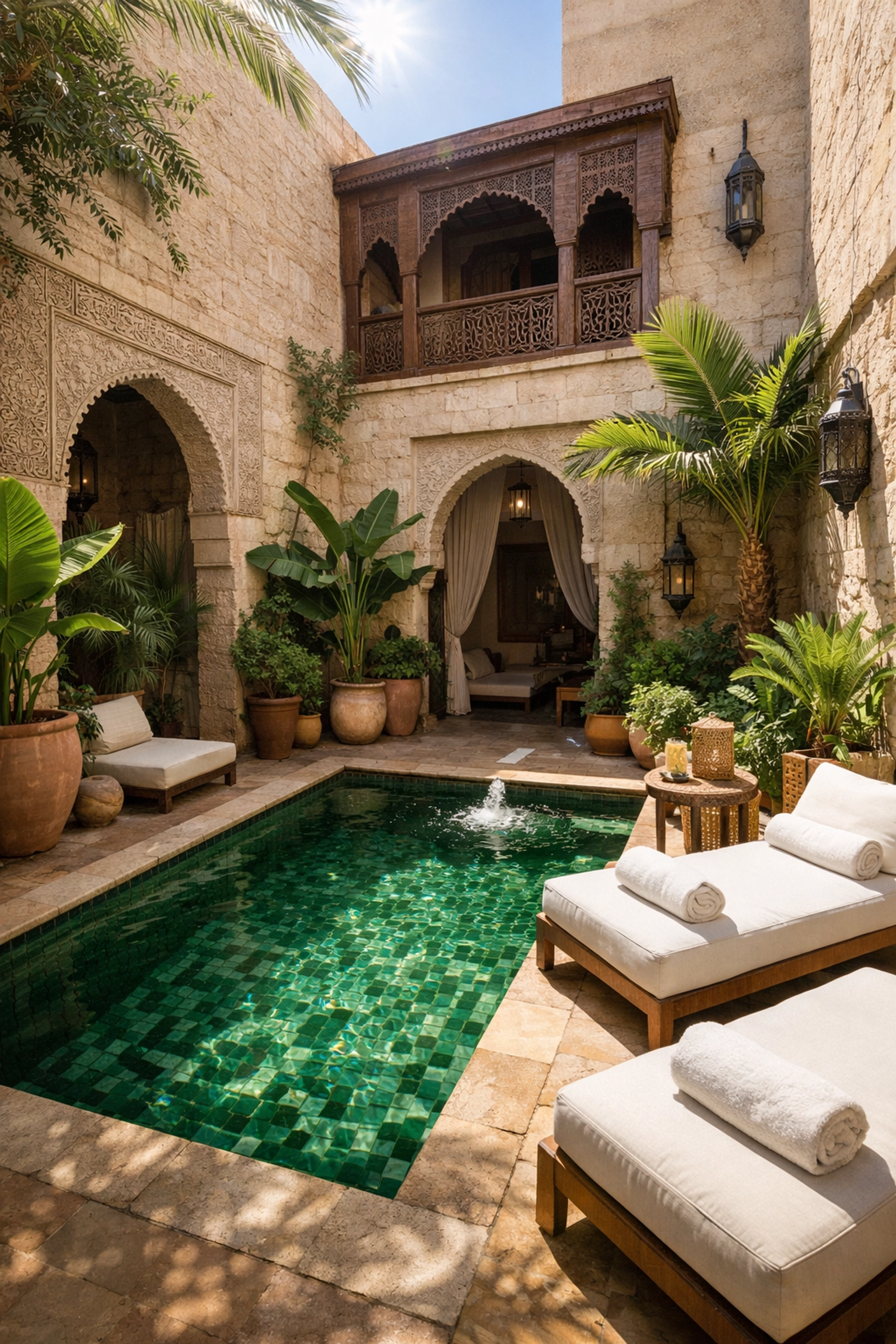
    Private boutique hotel courtyard in Morocco with an emerald plunge pool and lush greenery.

    6. The “Last Mile” Logistics Disaster

    You booked a first-class flight. You booked a stunning five-star resort on a remote island. But then you forgot to figure out how to get from the airport to the resort.

    Suddenly, you’re standing in a sweaty taxi queue at 11:00 PM, or you’re dragging your Rimowa luggage over cobblestones because the “shuttle” dropped you three blocks away. This is where the luxury experience breaks down. The “last mile” of travel is where the most stress occurs.

    How to avoid the crowd:
    Seamlessness is the ultimate flex. Never leave your arrival to chance. Book the private transfer. Arrange for the “meet and greet” service that whisks you through customs. If you’re going to a popular coastal destination, skip the road traffic and book a private boat transfer. Arriving at your hotel via the water while everyone else is stuck in a coastal traffic jam is a feeling of pure, unadulterated joy.

    7. Ignoring the “B-Side” Destinations

    We all have a bucket list. The problem is that everyone’s bucket list looks exactly the same. This leads to “Overtourism,” where destinations like Venice, Barcelona, and Dubrovnik are literally sinking under the weight of their own popularity.

    If you go to a place because “everyone is going there,” you are choosing to be part of the crowd.

    How to avoid the crowd:
    Look for the “B-Side.” These are the destinations that offer the same level of luxury, beauty, and culture as the famous spots, but without the fame.

    • Love the Swiss Alps? Try the Dolomites in Italy or the Julian Alps in Slovenia.
    • Love the Maldives? Try the Quirimbas Archipelago in Mozambique.
    • Love Tuscany? Try the Douro Valley in Portugal.

    These places offer world-class wine, stunning architecture, and high-end lodging, but they haven’t been “discovered” by the mass-market cruise ships yet. You get the prestige without the pressure.

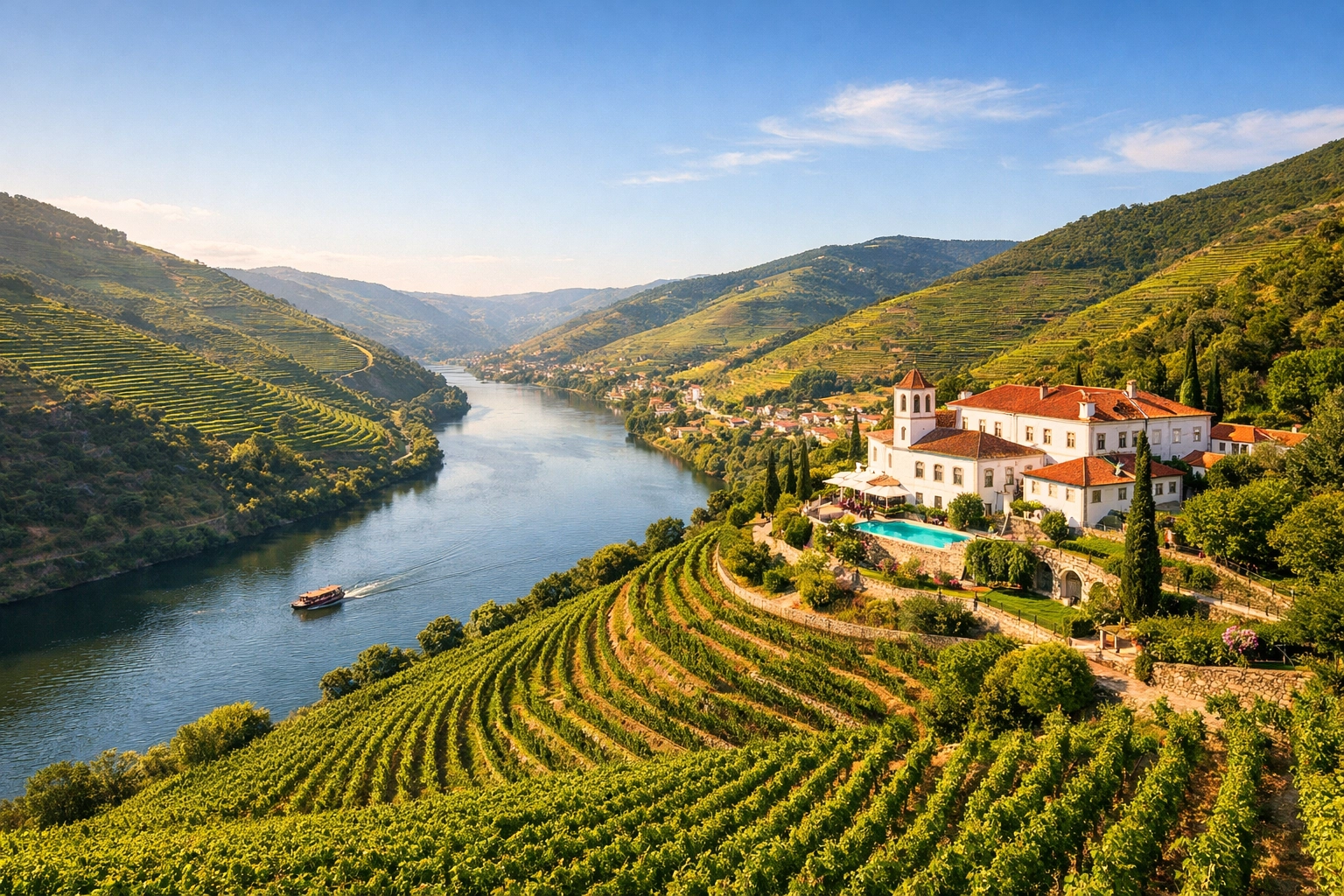
    Scenic terraced vineyards and a luxury estate overlooking the Douro River in Portugal.

    The Secret to True Exclusivity

    At the end of the day, avoiding the crowds at popular luxury destinations requires a shift in mindset. You have to stop following the herd and start listening to your own intuition (and the advice of those who actually know the terrain).

    True luxury is quiet. It’s the sound of a breeze through olive trees, the clink of ice in a glass on a private deck, and the feeling that you are exactly where you are supposed to be, without a thousand other people trying to stand in your spot.

    Avoid the Instagram traps. Respect the calendar. Go local. Slow down. Choose scale over flash. Nail the logistics. And don’t be afraid to take the path less traveled.

    Your next vacation shouldn’t be a battle for space. It should be a masterclass in ease. Now go out there and find your own private version of paradise.


    Visit www.TimeForYourVacation.com to start planning your next adventure. Check out www.DaveTheTourGuide.com for personalized travel guidance and insider tips. And keep reading www.TimeForYourVacation.blog for more honest takes on the travel industry and how to navigate it like a pro. Try our Luxury concierge with www.BlackKeyElite.com . And listen to my podcast! https://www.podomatic.com/podcasts/contact24682

  • [HERO] 5 Private Islands Owned by Cruise Lines That Are Actually Worth the Hype

    You deserve a beach that doesn’t require a 4:00 AM wake-up call to snag a lounge chair. You deserve a cocktail that finds its way to your hand without a twenty-minute trek to a crowded bar. You deserve an island experience so curated, so polished, and so exclusive that it feels like the entire Caribbean was designed just for you.

    Private islands are the crown jewels of the cruise industry. They are the ultimate escapes. They are the promised land for anyone who has ever felt the sting of a crowded public beach. But let’s be honest: not every private island is a paradise. Some are just overpriced sandboxes with mediocre buffets.

    You want the best. You want the islands that actually live up to the glossy brochures and the Instagram filters. You want the spots where the water is clearer, the sand is softer, and the service is sharper.

    Here are the five cruise line private islands that are actually worth the hype.

    1. Half Moon Cay: The Purest Sand on the Planet

    Whether you are a seasoned cruiser or a first-timer, Half Moon Cay is the benchmark. Owned by Holland America Line (and shared with Carnival), this island is consistently voted the best private destination in the world. And for good reason.

    The sand is the star here. It is not just sand; it is silk. It is powdered sugar. It is the kind of sand that stays cool under your feet even in the peak of the Bahamian afternoon. The crescent-shaped beach stretches for two miles, ensuring that even when a mega-ship is in port, you can always find a pocket of peace.

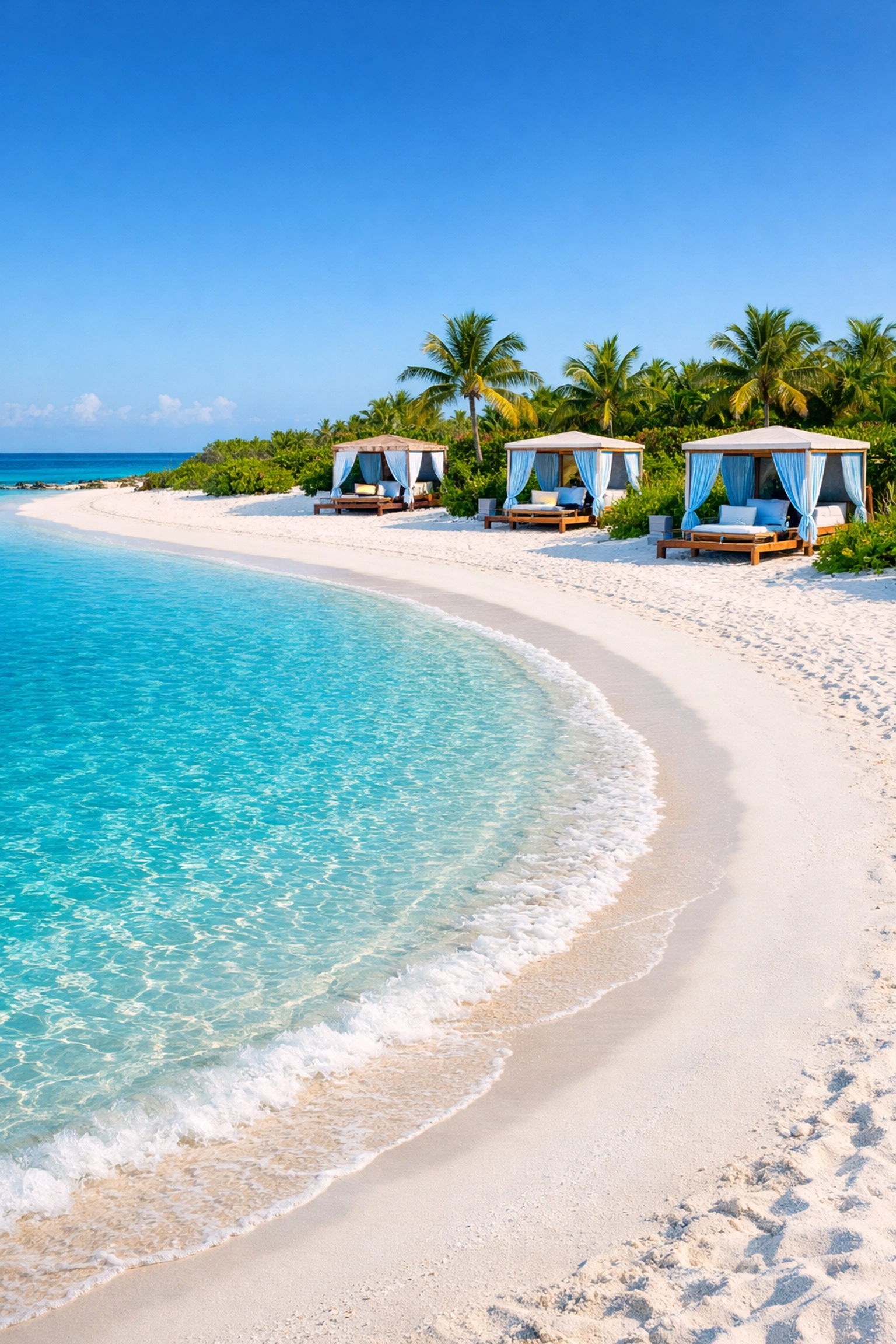
    White sand beach and luxury cabanas at Half Moon Cay in the Bahamas.

    You spend your day here floating in water so turquoise it looks like it was colored with a highlighter. You take a horseback ride into the surf: a signature experience that is every bit as magical as it sounds. You retreat to a private cabana or a two-story beach villa where a butler handles the heavy lifting of keeping your drinks cold.

    Half Moon Cay is not about flashy water parks or loud music. It is about the ultimate beach day. It is about quiet luxury. It is about the feeling of being miles away from civilization while knowing a gourmet barbecue lunch is just a few steps away. If you value natural beauty over neon slides, this is your sanctuary.

    2. Castaway Cay: The Gold Standard of Perfection

    Disney does many things well, but they do private islands better than almost anyone else. Castaway Cay is a masterclass in logistics and storytelling. From the moment you step off the ship directly onto the pier: no clunky tenders required: you are in a world where every detail is managed to perfection.

    You see the Disney characters in their island attire. You see the pristine bike paths winding through the tropical foliage. You see the separate areas designed specifically for families, teens, and adults. This separation is the secret sauce. While the kids are busy at Pelican Plunge, you are likely tucked away at Serenity Bay.

    Serenity Bay is the adult-exclusive beach at the far end of the island. It is quiet. It is lush. It has its own dedicated dining area where the steak is grilled to order. It is the ultimate escape within an escape.

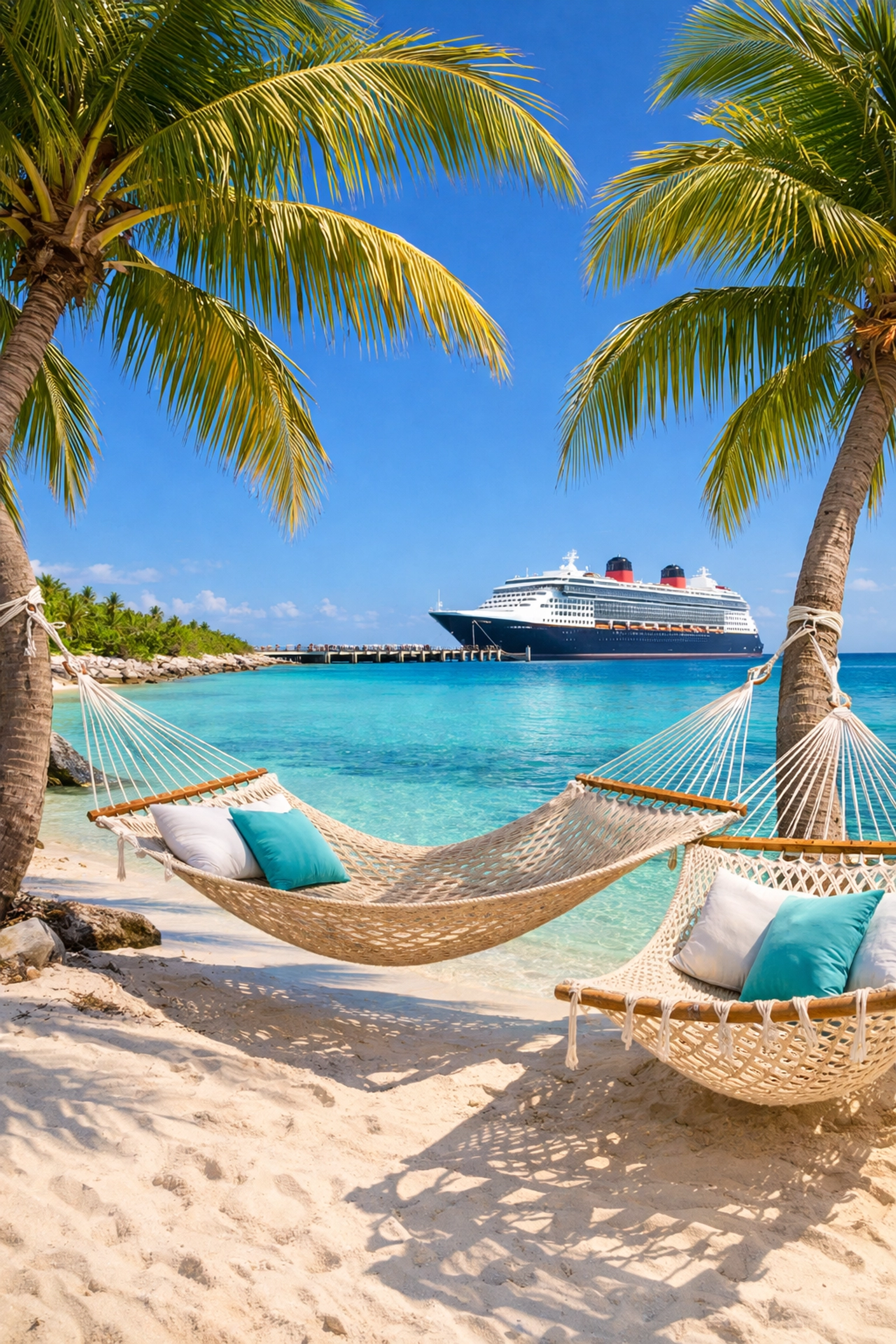
    Relaxing hammocks at Serenity Bay, the adult-exclusive beach on Disney's Castaway Cay.

    Don’t skip the Castaway Cay 5K. It’s an early morning run through the island’s interior that earns you a finisher’s medal and the right to eat an extra burger at Cookie’s BBQ. Whether you are traveling with toddlers or looking for a sophisticated solo retreat, Castaway Cay delivers a level of consistency that few other destinations can match.

    3. Great Stirrup Cay: The Original, Reimagined

    Norwegian Cruise Line started the private island trend back in 1977 with Great Stirrup Cay. For a long time, it was a classic, straightforward beach stop. But a recent multi-million dollar glow-up has vaulted it back into the “must-see” category.

    The introduction of Silver Cove changed the game. Silver Cove is an exclusive enclave featuring ultra-luxury villas with air conditioning, private bathrooms, and floor-to-ceiling glass doors that open to the ocean. It feels less like a cruise stop and more like a high-end resort in St. Barts.

    You spend your morning snorkeling in the crystal-clear cove, where a submerged sculpture garden awaits. You spend your afternoon flying down the 1,000-foot zipline that zips you right over the crashing waves. You end the day with a taco from the complimentary Abaco Taco bar, which is a refreshing break from standard island fare.

    Great Stirrup Cay is the ultimate choice for the traveler who wants options. You can be an adrenaline junkie on the zipline, a nature lover in the water, or a luxury seeker in a Silver Cove villa. It is a choose-your-own-adventure island that never misses a beat.

    4. Labadee: The Adrenaline Junkie’s Paradise

    Royal Caribbean’s Labadee is not technically an island: it’s a private peninsula on the north coast of Haiti: but it feels like an entirely different world. If Half Moon Cay is for relaxation, Labadee is for exhilaration.

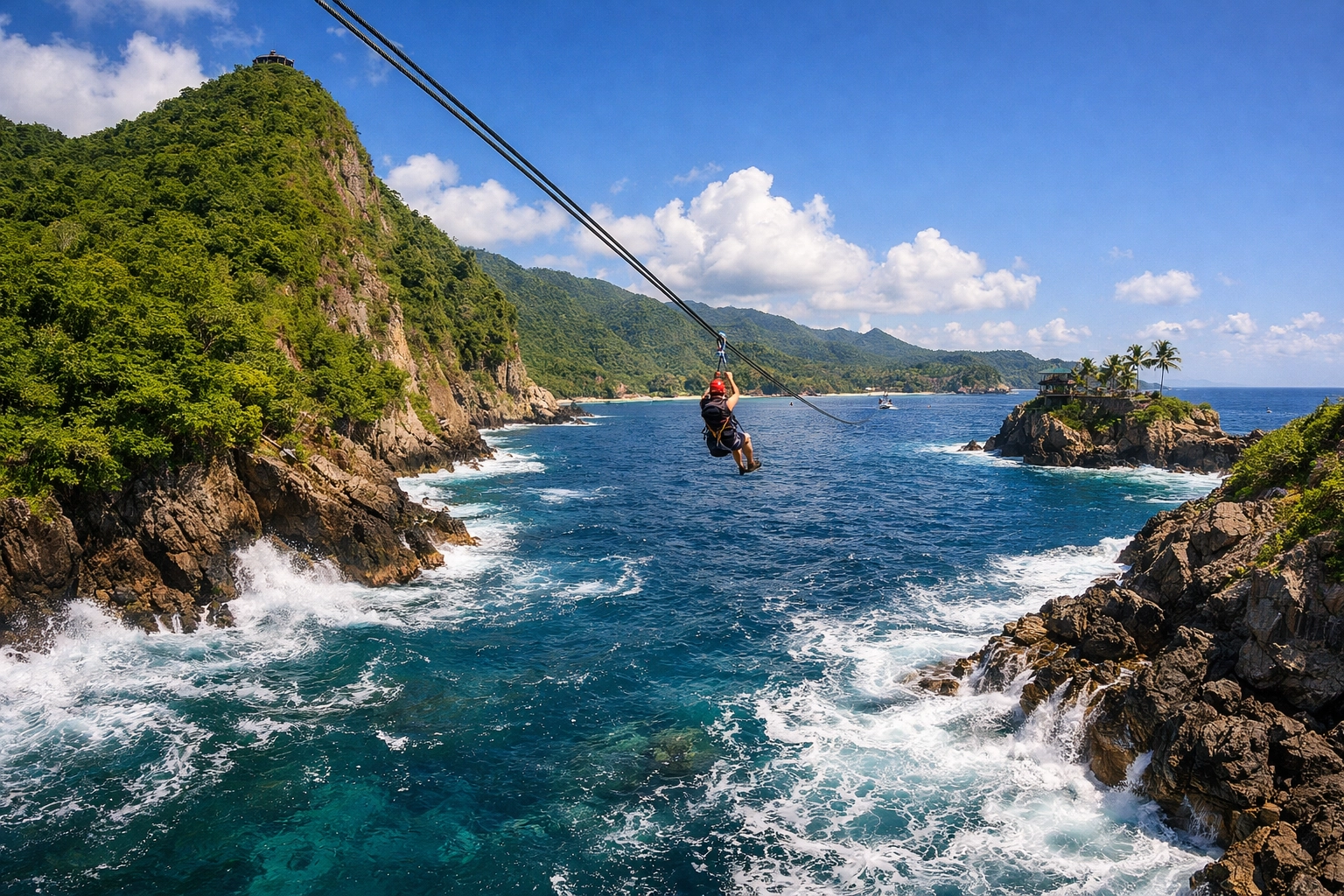
    You cannot visit Labadee without acknowledging the Dragon’s Breath Flight Line. At 2,600 feet long, it is the world’s longest overwater zipline. You start on a mountain peak and soar 500 feet above the ocean at speeds of up to 35 miles per hour. It is terrifying. It is thrilling. It is unforgettable.

    The Dragon's Breath overwater zipline at Labadee, Royal Caribbean's private destination.

    But Labadee isn’t just a one-trick pony. The Dragon’s Tail Coaster sends you screaming through the forest on a mountain-style bobsled. The Arawak Aqua Park is a floating playground of slides and trampolines. And for those who prefer the “luxe” side of life, the Barefoot Beach Club offers private overwater cabanas that are among the most coveted spots in the Caribbean.

    The backdrop of Labadee is stunning. Lush, green mountains plunge into deep blue water. It feels rugged and wild, yet the service remains impeccable. It is the ultimate destination for families who need to burn off energy and couples who want a mix of adventure and indulgence.

    5. Ocean Cay MSC Marine Reserve: The Sophisticated Newcomer

    Ocean Cay is the newest player on this list, and it is doing things differently. MSC Cruises took a former industrial sand extraction site and spent years restoring it into a flourishing marine reserve. The result is an island that feels authentic, eco-conscious, and incredibly chic.

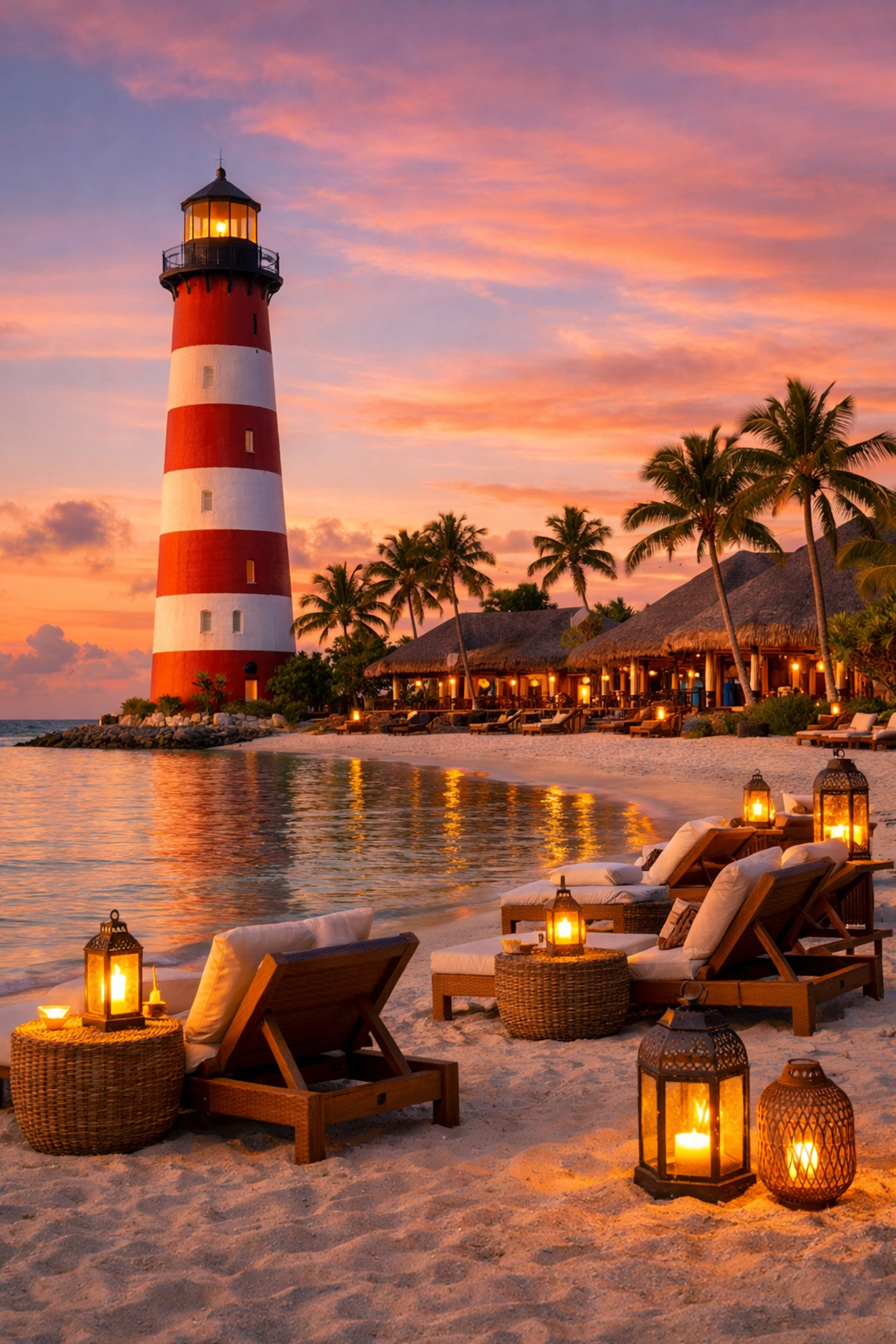
    There are no motorized water sports here. No noisy jet skis. No booming speakers. Instead, you have eight different beaches to choose from, each with its own vibe. You have a massive lighthouse that serves as the island’s centerpiece and hosts a spectacular light show after the sun goes down.

    The iconic red and white lighthouse at Ocean Cay MSC Marine Reserve during sunset.

    Because Ocean Cay is located so close to Miami, ships often stay late into the evening or even overnight. This is a game-changer. You get to witness a Caribbean sunset from a beach bar. You get to enjoy a moonlight paddleboarding session. You get to feel the island transform from a sunny playground into a sophisticated evening retreat.

    The focus on conservation is evident everywhere. You can learn about coral restoration or simply enjoy the fact that the marine life is returning in droves. Ocean Cay is for the traveler who wants a modern, clean, and meaningful island experience. It is the ultimate proof that you can have luxury without sacrificing the environment.

    Which Island is Calling You?

    Choosing a cruise often comes down to the itinerary, and the private island is the anchor of that itinerary. You want a destination that feels like a reward for your hard work. You want a place that removes the stress of travel and replaces it with pure, unadulterated joy.

    Whether you choose the silky sands of Half Moon Cay, the Disney magic of Castaway Cay, the luxury villas of Great Stirrup Cay, the thrills of Labadee, or the eco-chic vibes of Ocean Cay, you are in for an experience that transcends the typical vacation.

    These islands are not just stops on a map. They are the high points of your journey. They are the places where memories are made and where the “hype” finally meets reality.

    Visit www.TimeForYourVacation.com to start planning your next adventure. Check out www.DaveTheTourGuide.com for personalized travel guidance and insider tips. And keep reading www.TimeForYourVacation.blog for more honest takes on the travel industry and how to navigate it like a pro. Try our Luxury concierge with www.BlackKeyElite.com . And listen to my podcast! https://www.podomatic.com/podcasts/contact24682

  • [HERO] What No One Tells You About Antarctica

    You want the ultimate frontier. You want the edge of the map. You want the one place on Earth where humans are merely polite guests and nature remains the absolute, undisputed sovereign.

    Antarctica is not just a destination; it is a profound shift in perspective. But before you pack your bags and head for the Southern Ocean, there are things: real, gritty, surprising things: that the glossy brochures conveniently leave out. This isn’t just a trip; it’s a logistical marathon that requires the precision of a Swiss watch. That is where we come in. At Time For Your Vacation, we don’t just book trips; we architect legacies.

    Whether you are dreaming of standing among a million Adele penguins or sipping 100-year-old glacier ice in a luxury pod, here is what no one tells you about the White Continent.

    The Rite of Passage: The Drake Shake vs. The Drake Lake

    You have heard the stories. You have seen the YouTube videos of chairs sliding across dining rooms and waves crashing against bridge windows. The Drake Passage is the 600-mile stretch of water between Cape Horn and the South Shetland Islands, and it is the price of admission for the greatest show on Earth.

    There are two versions of the Drake. The “Drake Lake” is a shimmering, glassy expanse that lulls you into a false sense of security. It is beautiful, serene, and rare. Then, there is the “Drake Shake.” This is where the Atlantic, Pacific, and Southern Oceans collide without any landmass to break their momentum. You will feel the power of the planet. You will gain a sudden, deep appreciation for scopolamine patches.

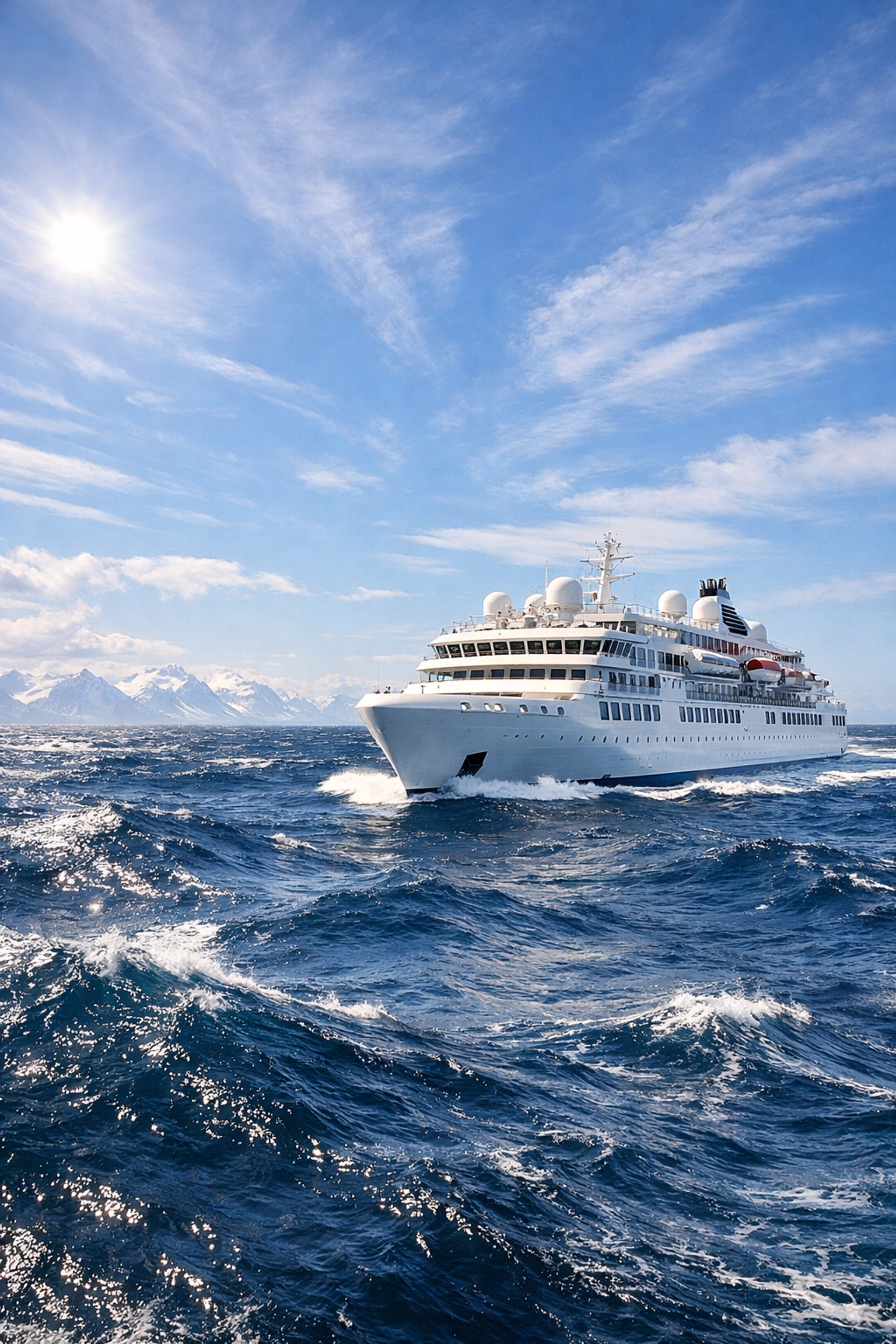
    Modern expedition ship sailing through the deep blue waters of the Drake Passage in Antarctica.

    What no one tells you is that the “Shake” is actually a vital part of the experience. It separates the casual tourists from the true explorers. It gives you two days to disconnect from the digital world, bond with your fellow travelers, and mentally prepare for the isolation ahead. When you work with Time For Your Vacation, we ensure you are on the right vessel with the best stabilization technology, turning a potential ordeal into a thrilling prelude.

    The Sensory Overload: It Is Not Just White

    You expect white. You expect blue. You do not expect the sensory assault that hits you the moment you step off the ship or the plane.

    First, there is the silence. It is a heavy, physical thing. In our modern lives, we are never truly away from the hum of electricity or the distant drone of traffic. In Antarctica, when the wind stops, the silence is so absolute it rings in your ears. It is the sound of a world that doesn’t need us.

    Then, there is the smell. No one mentions the smell. Imagine a thousand teenagers living in a locker room, but those teenagers are penguins and they only eat fermented shrimp. Penguin colonies: while adorable: are pungent. The smell of guano is a salty, fishy, ammonia-heavy scent that lingers in your nostrils. You will grow to love it because it means life is thriving in the harshest conditions imaginable.

    Finally, there is the brightness. The Antarctic sun is relentless. Because the air is so pure and the ice is so reflective, the light is blinding. You aren’t just looking at the sun; you are standing inside a giant diamond. Without high-quality, category 4 polarized sunglasses, you are asking for snow blindness. This is the kind of detail Dave The Tour Guide insists on because we want you looking at the horizon, not rubbing your eyes in a dark cabin.

    The Geography of the Impossible

    Antarctica is a land of contradictions. It is the world’s largest ice sheet, holding 70% of the planet’s fresh water, yet it is technically the world’s driest desert. Some areas, like the McMurdo Dry Valleys, haven’t seen a drop of rain or a flake of snow in over two million years.

    Below that ice lies a hidden world. There are the Gamburtsev Mountains, peaks as high as the Alps that are completely buried under kilometers of frozen water. There are over 200 subglacial lakes, including Lake Vostok, which is the size of Lake Ontario. This is a continent that hides its secrets well.

    You might even see Blood Falls. This isn’t a scene from a horror movie; it’s a geological marvel where iron-rich water from a subglacial lake seeps out of the Taylor Glacier. When the water hits the air, it oxidizes, literally rusts: turning the ice a deep, macabre crimson. It is these details that make the continent feel like another planet entirely.

    Logistical Hurdles: Why DIY is a Disaster

    You cannot “wing it” in Antarctica. There are no Last Minute deals that end well. There are no Ubers. There are no convenience stores. Every single piece of equipment, every calorie of food, and every drop of fuel must be meticulously planned months: often years: in advance.

    The permits alone are a nightmare. Because of the Antarctic Treaty, travel is strictly regulated to protect the environment. You need an expert who knows the difference between a landing site at Deception Island and a zodiac cruise in Paradise Bay.

    At Time For Your Vacation, we handle the “how” so you can focus on the “wow.” We navigate the complex web of expedition operators, flight logistics from Ushuaia or Punta Arenas, and the ever-shifting weather windows. We take the stress out of the most stressful environment on Earth.

    Gear Secrets: Marketing Hype vs. Reality

    You will be tempted to buy the most expensive, high-fashion parka you can find. Don’t. Most high-end expedition cruises will actually give you a parka because they want everyone to be visible and protected by gear they trust.

    The real secret? The Boots. You will spend more time in your “Muck Boots” than any other footwear. They need to be waterproof, insulated, and have a grip that can handle slippery gangways and icy rocks.

    What else do you actually need?

    1. Layers, not bulk. Merino wool is your best friend.
    2. Waterproof pants. These are non-negotiable for zodiac landings. If your butt gets wet in the Southern Ocean, your day is over.
    3. Two pairs of gloves. A thin liner for taking photos and a heavy waterproof outer shell.
    4. Sunscreen. Even if it’s -10°C, the Antarctic sun will fry you faster than a Caribbean beach.
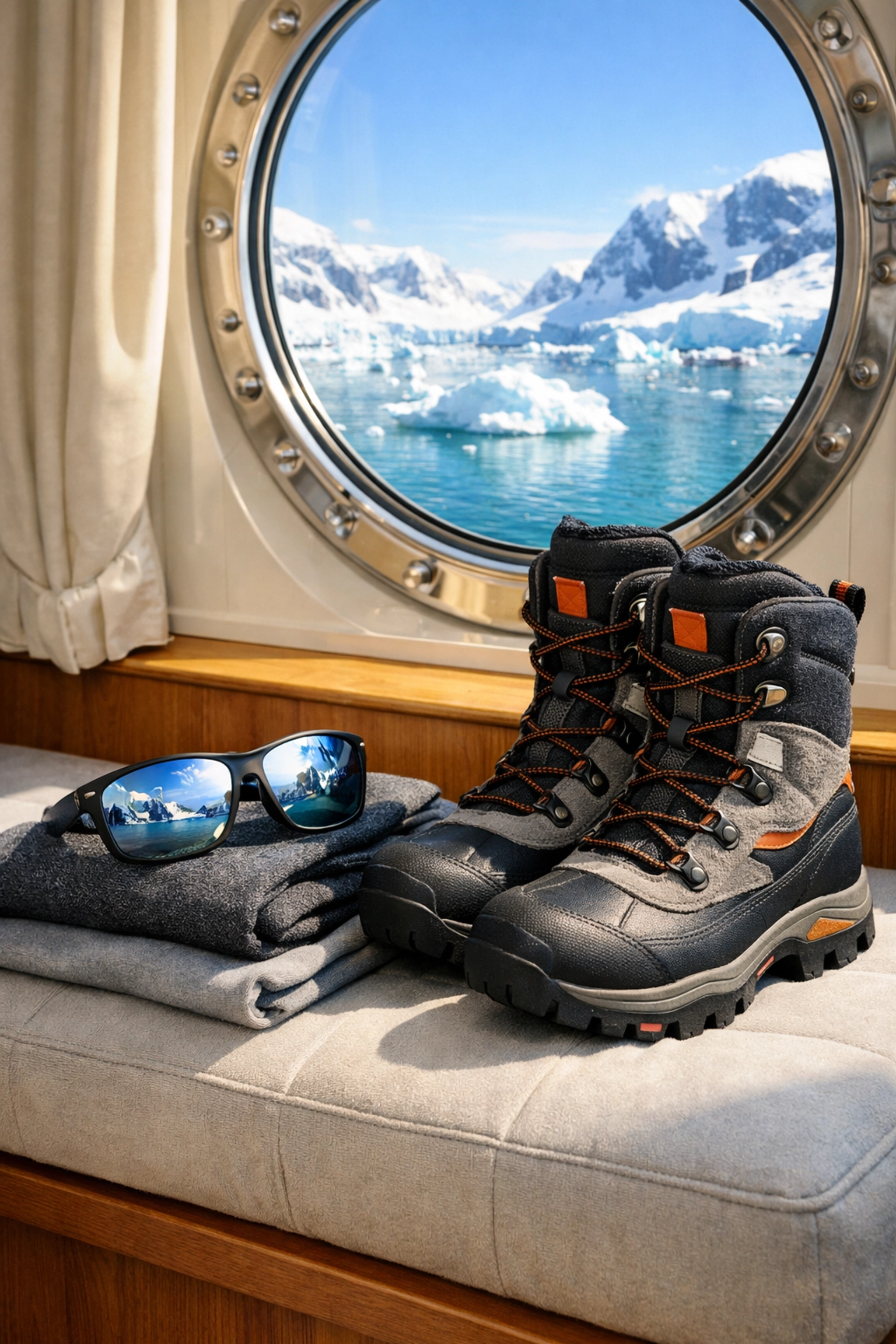
    Essential Antarctic travel gear and luxury layers organized inside a sunlit expedition ship cabin.

    Luxury at the End of the World

    Gone are the days when visiting Antarctica meant sleeping in a drafty tent and eating canned beans. Today, you can experience the Great White South in total opulence.

    There are “Fly-Cruise” options for those who want to skip the Drake Passage entirely, flying from Chile directly to King George Island to meet their luxury vessel. If you want the absolute pinnacle of luxury, we recommend White Desert. You fly in a private jet to a blue-ice runway and stay in state-of-the-art “Space Pods” that look like something out of a sci-fi film. You get chef-prepared meals, saunas, and guided excursions to the South Pole itself.

    For those who prefer the sea, companies like Silversea and Scenic offer “Discovery Yachts” with onboard helicopters, submarines, and butler service. Imagine watching a humpback whale breach while you sip champagne from a heated whirlpool on the deck. That is the Black Key Elite standard of travel.

    The Polar Plunge: Preparation for the Shock

    Every expedition offers it. Almost everyone says they’ll do it. About half actually follow through.

    The Polar Plunge is exactly what it sounds like: jumping into 2°C (28°F) water. What no one tells you is the “gasp reflex.” The moment your skin hits that water, your brain screams. Your lungs seize for a second. It is a total system reboot.

    But when you climb back onto that zodiac or the ship’s platform, you feel more alive than you ever have. You are glowing. You are part of an elite club of humans who have voluntarily dunked themselves into the Southern Ocean. Just make sure you have a robe and a shot of vodka waiting for you: both of which we ensure are part of your itinerary.

    Wildlife Etiquette: You Are Not the Main Character

    In Antarctica, the animals have no natural fear of humans on land. A penguin might waddle right up to your boots to inspect your laces. A fur seal might bark at you from a distance.

    However, there are strict rules. You must maintain a distance of at least 5 meters (15 feet). You never, ever block a “penguin highway”: the literal paths these birds tread between the ocean and their nests.

    The emotional impact of this is profound. We are used to a world where nature retreats from us. In Antarctica, the whales swim alongside your zodiac because they are curious. The seals nap on ice floes as you drift by. It is a humbling reminder that the world doesn’t belong to us. We are just visiting.

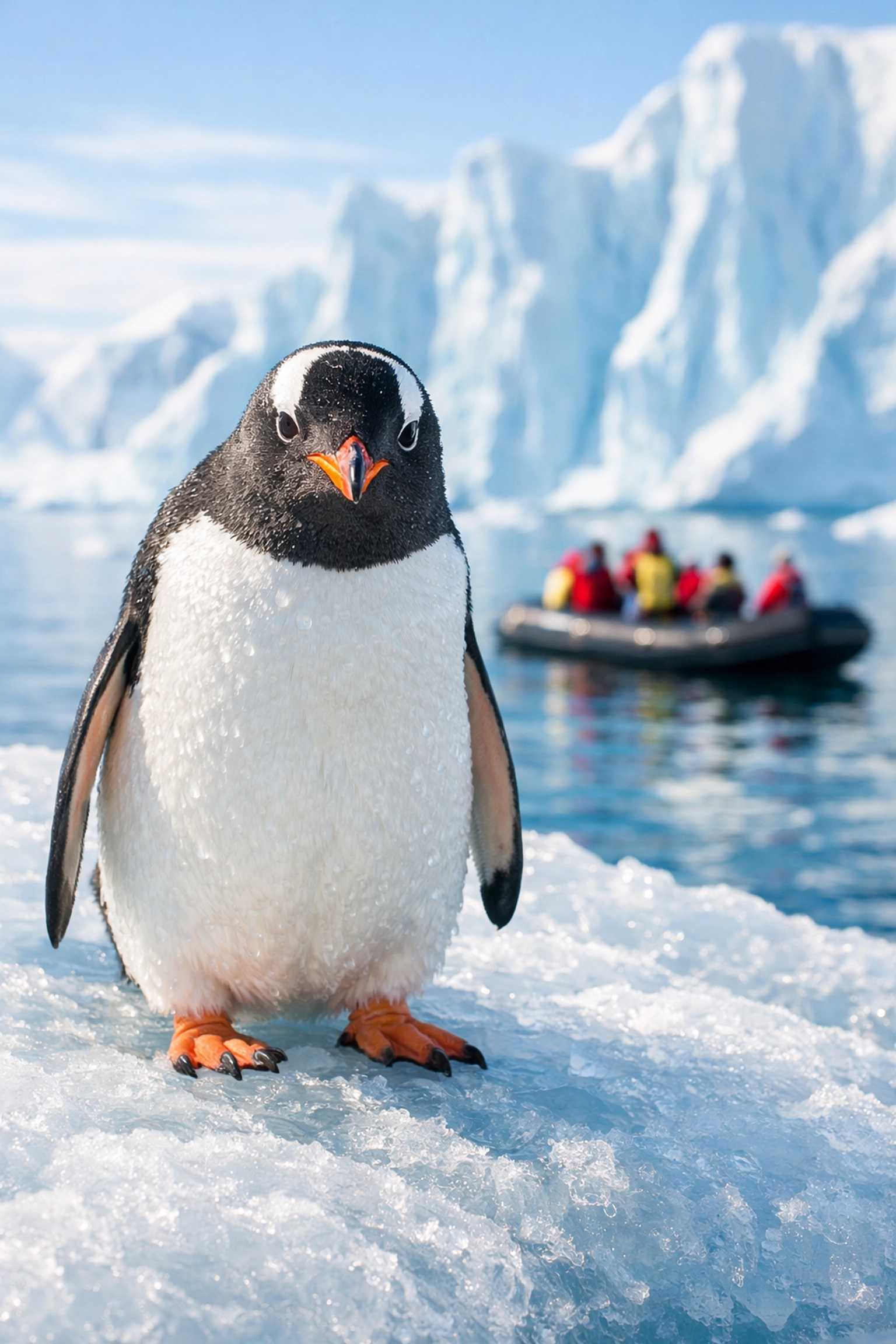
    Gentoo penguin on an Antarctic ice shelf with a luxury zodiac boat and glaciers in the background.

    The Evolution of a Continent

    Did you know that 90 million years ago, Antarctica was a tropical rainforest? It’s hard to imagine the South Pole with palm trees and a balmy 12°C average temperature, but the fossils don’t lie. Today, life has adapted in incredible ways. There are fish with natural antifreeze proteins in their blood and mosses that can stay frozen for 1,000 years and simply “wake up” when the sun hits them.

    There are no reptiles here. It is the only continent on Earth where they cannot survive. It is a land of extremes where only the most specialized life can endure. When you stand on the ice, you are standing on a living history book of our planet.

    Start Your Journey

    Antarctica changes you. It strips away the noise of the modern world and replaces it with a raw, primal beauty that stays in your bones long after you’ve returned home. You will find yourself staring at icebergs the size of cities and feeling a sense of peace you didn’t know was possible.

    But don’t do it alone. Don’t leave your “once-in-a-lifetime” trip to chance.

    I am here to guide you through every step, from the first gear list to the final flight home. We know the captains, we know the guides, and we know the secrets that make an Antarctic expedition truly legendary.

    Visit www.TimeForYourVacation.com to start planning your next adventure. Check out www.DaveTheTourGuide.com for personalized travel guidance and insider tips. And keep reading www.TimeForYourVacation.blog for more honest takes on the travel industry and how to navigate it like a pro. Try our Luxury concierge with www.BlackKeyElite.com . And listen to my podcast! https://www.podomatic.com/podcasts/contact24682

  • [HERO] Why I stopped Recommending these destinations

    You deserve the truth about travel. You deserve to know where your money is well-spent. You deserve an experience that actually lives up to the glossy photos on your feed. For years, I’ve been the person friends and clients call when they want the ultimate getaway, but lately, I’ve had to do something that breaks my heart as a travel lover: I’ve started saying “no” to some of the world’s most iconic spots.

    The world is changing, and the travel landscape is shifting faster than a Caribbean tide. Destinations that were once “must-sees” have transformed into “must-avoids.” Between skyrocketing costs, crumbling infrastructure, and the soul-crushing weight of over-tourism, some places just aren’t worth your precious PTO anymore. At Time For Your Vacation, we believe your travel should be seamless, luxury-driven, and, above all, worth every penny.

    Here is the deep dive into why I’ve stopped recommending these famous destinations and how we can help you find something far better.

    The Venice Vanishing Act: When History Becomes a Theme Park

    You want to experience the romance of the canals. You want to see the sunset over St. Mark’s Square. You want to feel the weight of centuries of history. But when you arrive in Venice today, you aren’t met with romance: you’re met with a logistical nightmare.

    Venice has become the poster child for over-tourism. In 2024, the city saw days where up to 18,000 cruise passengers descended upon its narrow alleys in a single afternoon. To put that in perspective, there are only about 15,000 permanent residents left in the historic center. The city is literally being squeezed.

    When you travel with us at Time For Your Vacation, we focus on quality over quantity. Venice has reached a point where the quality of the visitor experience has plummeted. You’re navigating “entry fees” just to walk through the streets, dodging selfie sticks, and paying astronomical prices for mediocre food that caters to the masses rather than the connoisseur. The infrastructure is straining under the weight, and the local culture: the very thing you came to see: is being pushed out.

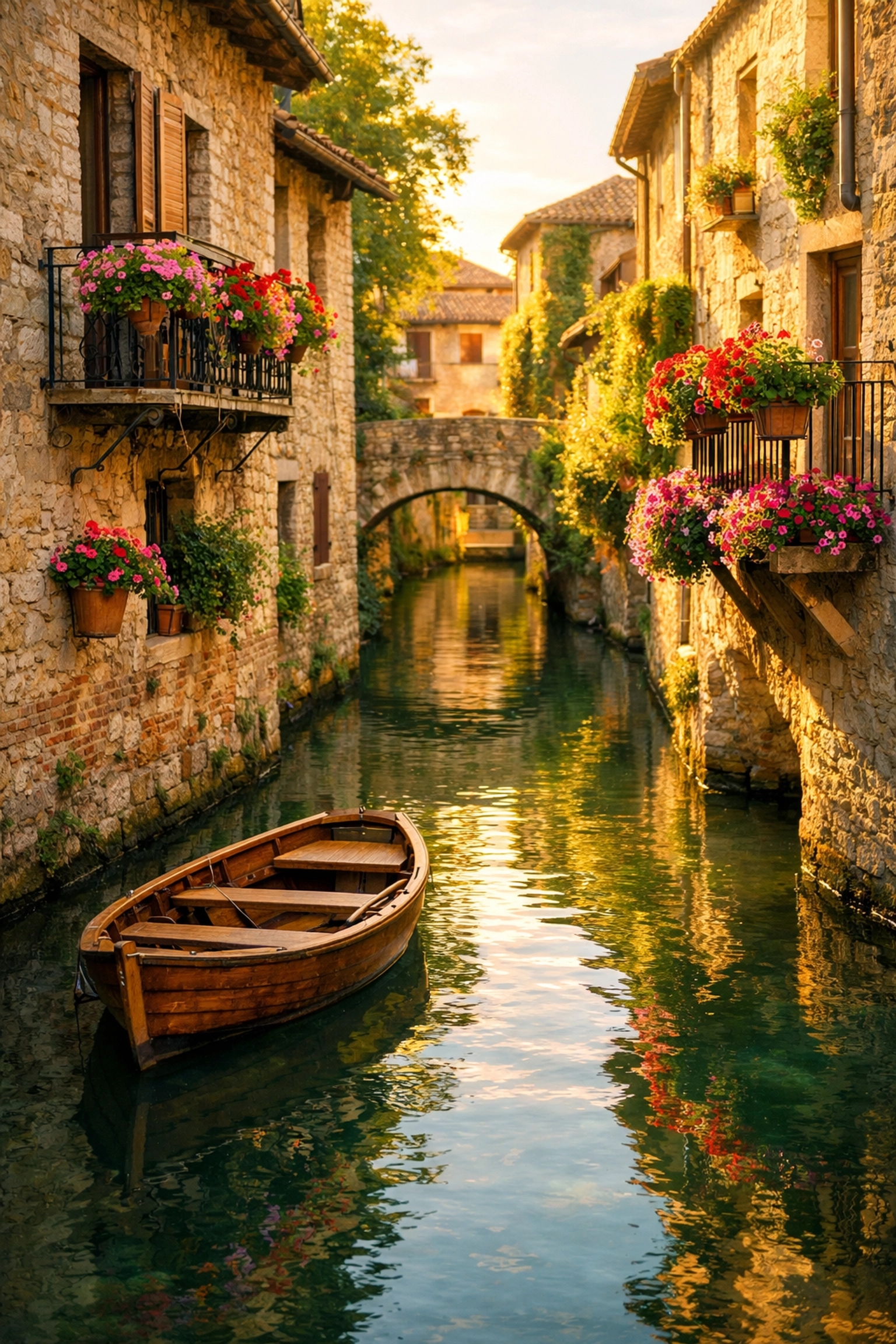
    A serene, quiet canal in a historic Italian village at sunset, representing authentic travel away from crowds.

    The Santorini Struggle: Sunset or Stampede?

    You dream of the blue domes. You dream of the white-washed walls of Oia. You dream of that iconic Aegean sunset. But the reality of Santorini in the peak season is more about survival than serenity.

    Santorini is stunning, but it is currently a victim of its own beauty. The narrow paths of Oia become human gridlock by 5:00 PM as thousands of people vie for the exact same photo spot. Greece has finally had to step in, introducing docking limits and fees for cruise passengers to try and save what’s left of the island’s dignity.

    We’ve stopped recommending the standard Santorini experience because it no longer feels like luxury. Luxury is space. Luxury is privacy. Luxury is silence. You won’t find those on the caldera during the summer. Instead of the “Oia stampede,” we guide our clients toward private villas in lesser-known Cycladic islands or curated experiences with Black Key Elite that offer that same blue-water magic without the ten-thousand strangers in your background.

    The Las Vegas Value Gap: The Era of “Nickel-and-Diming”

    You want the bright lights. You want the world-class entertainment. You want the high-stakes thrill. But have you looked at your bill lately?

    Las Vegas has undergone a massive transformation, and not all of it is for the better. Tourism numbers dropped significantly in 2025 because travelers are finally fed up with the “resort fee” culture. It’s not just the room rate anymore; it’s the $45 daily resort fee, the $30 parking fee, the $20 “convenience” fee for a bottle of water in your room, and the $25 cocktail that was $12 just a few years ago.

    The value proposition of Vegas has shifted from “fun for everyone” to “luxury prices for mid-tier service.” When you book through Time For Your Vacation, we prioritize value for money. If you’re going to spend luxury prices, you should get a luxury experience. We’ve found that many of our clients are much happier with private escapes in Arizona or boutique stays in Mexico where the service is personalized and the costs are transparent.

    The Bali Burnout: From Zen to Plastic

    You seek the spiritual retreat. You seek the lush rice paddies. You seek the ultimate “Eat Pray Love” moment. But the Bali of the 90s is gone, replaced by a landscape struggling with its own popularity.

    Bali is currently facing an environmental crisis. Sacred rice paddies are being razed to build “Instagram-friendly” villas that lack proper sewage systems. Plastic pollution on the beaches has reached critical levels, and the traffic in Canggu or Ubud can keep you stuck in a car for hours just to travel a few miles.

    I stopped recommending Bali as a “relaxing” destination because the stress of the logistics often outweighs the beauty of the scenery. If you want true Zen, we look toward the remote islands of Indonesia or the hidden corners of Bhutan. We want your trip to be unforgettable for the right reasons, not because you spent half of it in a traffic jam behind a garbage truck.

    Mykonos and the Price Gouging Fatigue

    You love the beach clubs. You love the nightlife. You love the high-end dining. But Mykonos has become a cautionary tale of greed.

    In recent years, the island has gained a reputation for “price gouging fatigue.” Travelers are reporting sunbed rentals that cost more than a flight, and dinner bills that look like mortgage payments. When the price of a Greek salad reaches €30, the charm starts to fade. Many travelers are now pivoting to the Albanian Riviera or the Turkish coast, where the water is just as blue but the hospitality feels genuine.

    At Black Key Elite, we specialize in finding the “next” Mykonos: places where you are treated like a valued guest rather than a walking ATM. We believe in curated luxury where the price reflects the quality, not just the postcode.

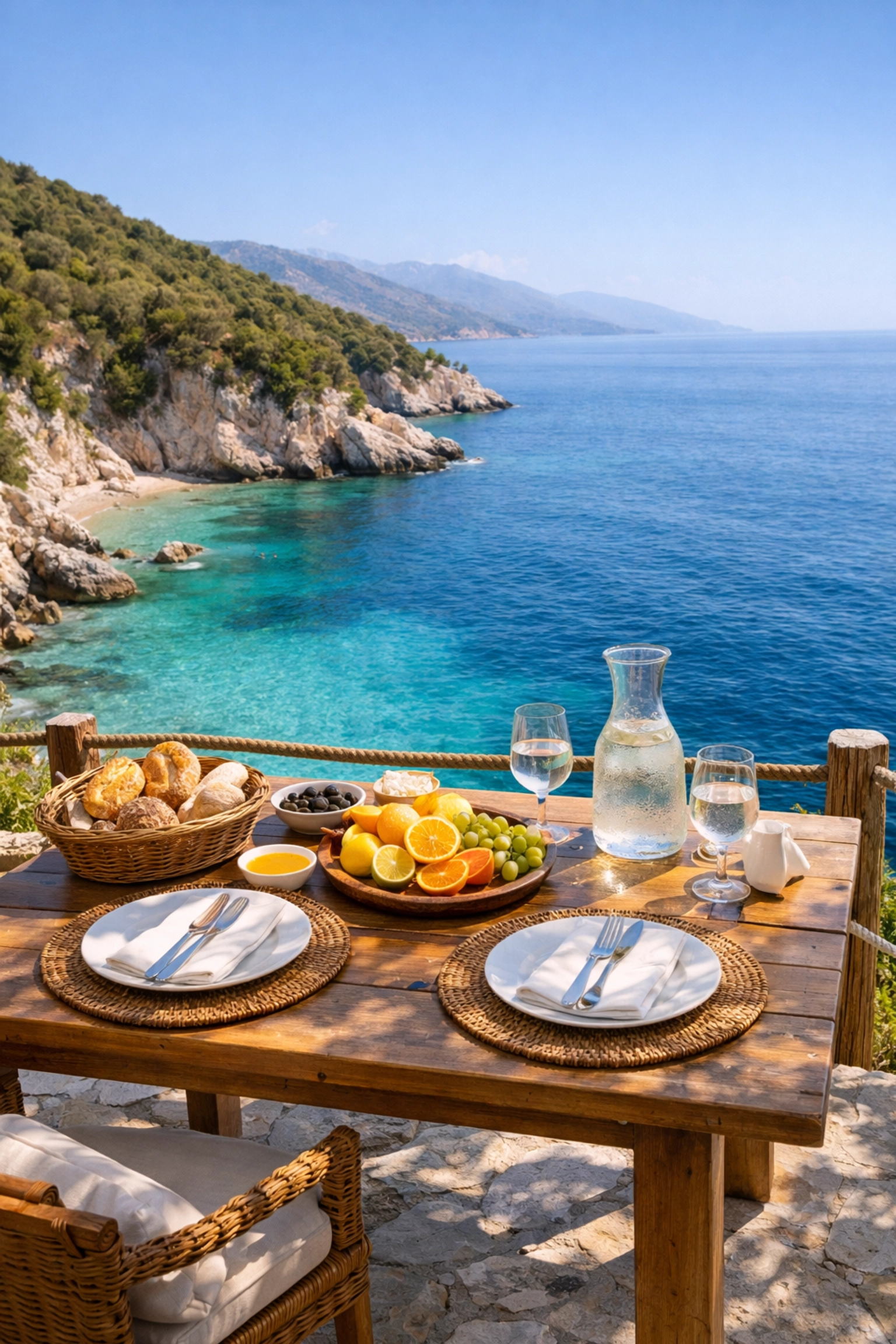
    A secluded Mediterranean cove with turquoise water and a private terrace table overlooking the Albanian Riviera.

    The Cancun Corporate Playground

    You want the all-inclusive ease. You want the turquoise water. You want the Mexican sunshine. But does the Cancun “hotel zone” still feel like Mexico to you?

    Cancun has become a corporate playground. Huge swaths of the coast are dominated by massive resorts where you barely experience the local culture or cuisine. More concerning is the environmental degradation; snorkelers are reporting bleached coral and a massive decline in marine life due to over-development.

    We still love Mexico, but we’ve moved our recommendations away from the crowded corridors of Cancun. We prefer the quiet elegance of the Riviera Nayarit or the boutique charm of the Oaxacan coast. We want you to taste real mole, meet local artisans, and swim in waters that are still thriving with life.

    Safety and the Changing Political Landscape

    You want adventure. You want to see the world. You want to push your boundaries. But your safety is our absolute priority.

    Destinations like Maui are still recovering from devastating fires, and while they need tourism, the messaging has been complicated. Many travelers feel a sense of “guilt” or hesitation about visiting post-disaster areas. Similarly, geopolitical shifts have made formerly popular spots in Eastern Europe or the Middle East more volatile.

    This is where expert planning becomes vital. I don’t recommend places where I wouldn’t send my own family. When you work with us, we monitor global travel advisories and local conditions in real-time. We ensure your luxury experience isn’t clouded by safety concerns or ethical dilemmas.

    Why Curated Travel is the Only Way Forward

    You don’t want a “cookie-cutter” trip. You don’t want to follow the herd. You don’t want to be disappointed.

    The reason I stopped recommending these “easy” destinations is that they’ve become too easy: and in the process, they’ve lost their soul. To get a truly luxury, authentic experience in 2026, you need an expert in your corner. You need someone who knows which boutique hotel in the Alentejo region of Portugal offers better views than Santorini, or which private island in the Maldives provides more peace than Bali.

    This is the Time For Your Vacation difference. We don’t just book hotels; we craft itineraries that avoid the pitfalls of over-tourism. We use our insider connections to get you past the crowds and into the heart of a destination.

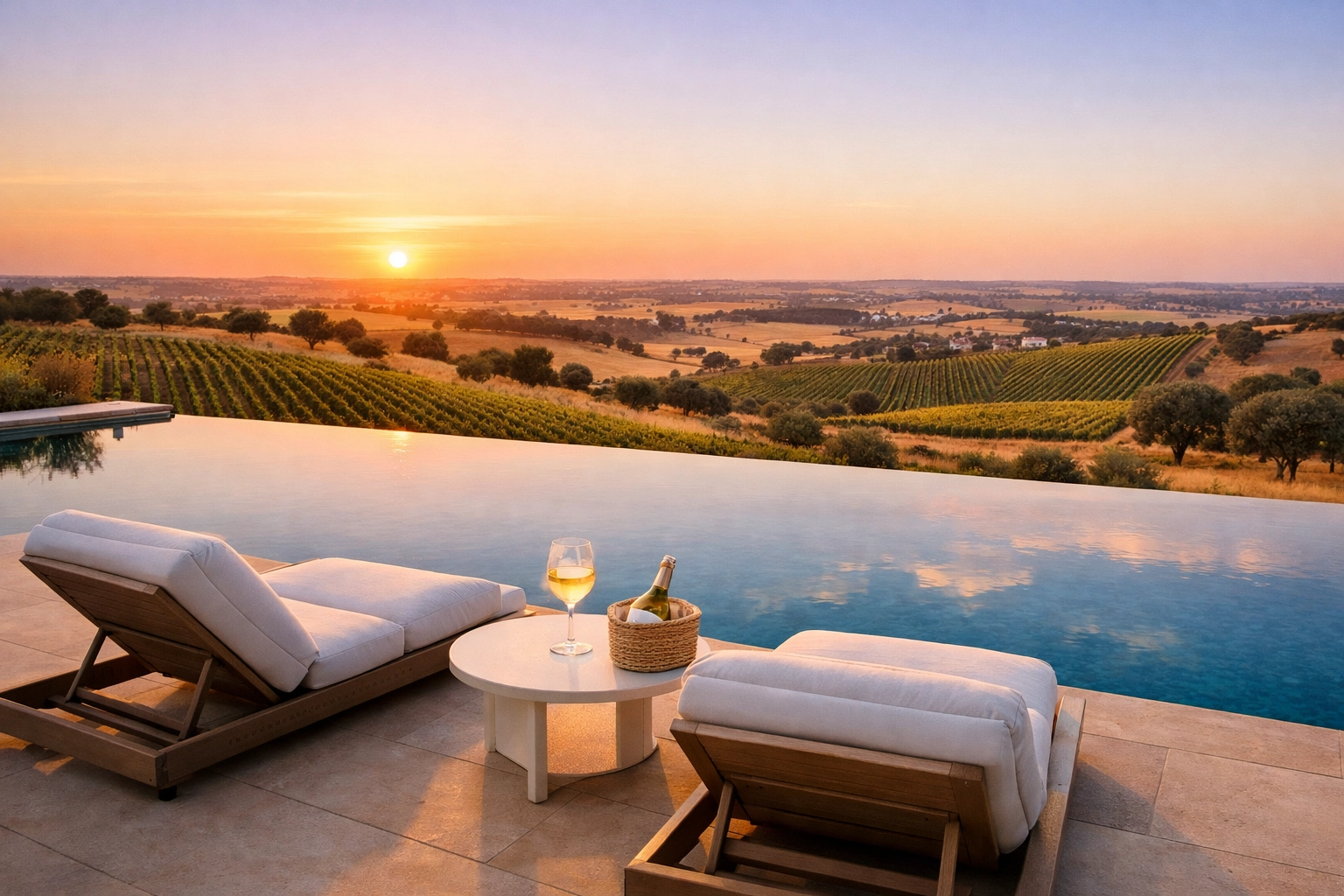
    A luxury infinity pool with sunset views over the rolling vineyards of the Alentejo region in Portugal.

    Your Next Move: Travel Smarter, Not Harder

    You are ready for a change. You are ready to see the world the right way. You are ready to stop settling for “overrated” and start demanding “unforgettable.”

    Don’t let your next vacation be a series of “Instagram vs. Reality” disappointments. Let’s sit down and plan something that actually fulfills your travel dreams. Whether it’s a luxury cruise through the fjords (without the 5,000-person ship) or a deep-dive into the culture of Japan, we have the expertise to make it happen.

    Travel should be a source of joy, not a source of stress. By avoiding the over-touristed traps and focusing on curated, high-value experiences, we can bring the magic back to your adventures.

    I’m here to help you navigate this new world. I’ve seen the changes firsthand, and I know exactly how to steer you toward the sunlight and away from the crowds. Let’s talk about where you really want to go.

    Visit www.TimeForYourVacation.com to start planning your next adventure. Check out www.DaveTheTourGuide.com for personalized travel guidance and insider tips. And keep reading www.TimeForYourVacation.blog for more honest takes on the travel industry and how to navigate it like a pro. Try our Luxury concierge with www.BlackKeyElite.com . And listen to my podcast! https://www.podomatic.com/podcasts/contact24682

  • [HERO] Why Cheap Trips Sometimes Cost More

    You want a deal. You want a steal. You want a vacation that looks like a million bucks but costs less than a week’s worth of groceries. We have all been there, staring at a screen at 2:00 AM, hovering over a flight that seems impossibly cheap. It feels like a victory. It feels like you have beaten the system. It feels like the ultimate travel hack.

    But here is the truth that the budget booking sites won’t tell you: cheap trips often carry a heavy price. Sometimes, the lowest price tag is just the down payment on a much larger, much more frustrating bill. When you choose the “budget” option, you are often trading your comfort, your safety, and your most precious resource: your time: for a few saved dollars.

    At Time For Your Vacation, we believe you deserve better. We believe that true luxury isn’t just about gold-plated faucets; it is about the peace of mind that comes from knowing every detail is handled. In this deep dive, we are going to peel back the curtain on the hidden costs of budget travel and show you why “cheap” is often the most expensive way to see the world.

    The Invisible Toll of “Nickel and Diming”

    You see a flight for $49. You think, “I can’t afford not to go!” But then the process begins. You click “book,” and the numbers start to climb. First, it is the carry-on bag fee. Then, it is the seat selection fee. Suddenly, you are paying for the “privilege” of receiving a boarding pass at the airport or a bottle of water on the plane.

    This is the classic “nickel and diming” strategy. Airlines and budget hotels lure you in with a “stripped-down” price, knowing full well that you will eventually need the basic amenities they’ve removed. By the time you’ve added a checked bag, a seat with actual legroom, and a snack, that $49 flight has ballooned into a $250 headache.

    Budget hotels operate the same way. You might find a room for a shocking $60 a night, only to discover a mandatory $45 per day “resort fee” tucked away in the fine print. This fee supposedly covers “amenities” like the fitness center you won’t use or the Wi-Fi that barely works. When you add it all up, you aren’t saving money; you are just paying the same price for a significantly worse experience.

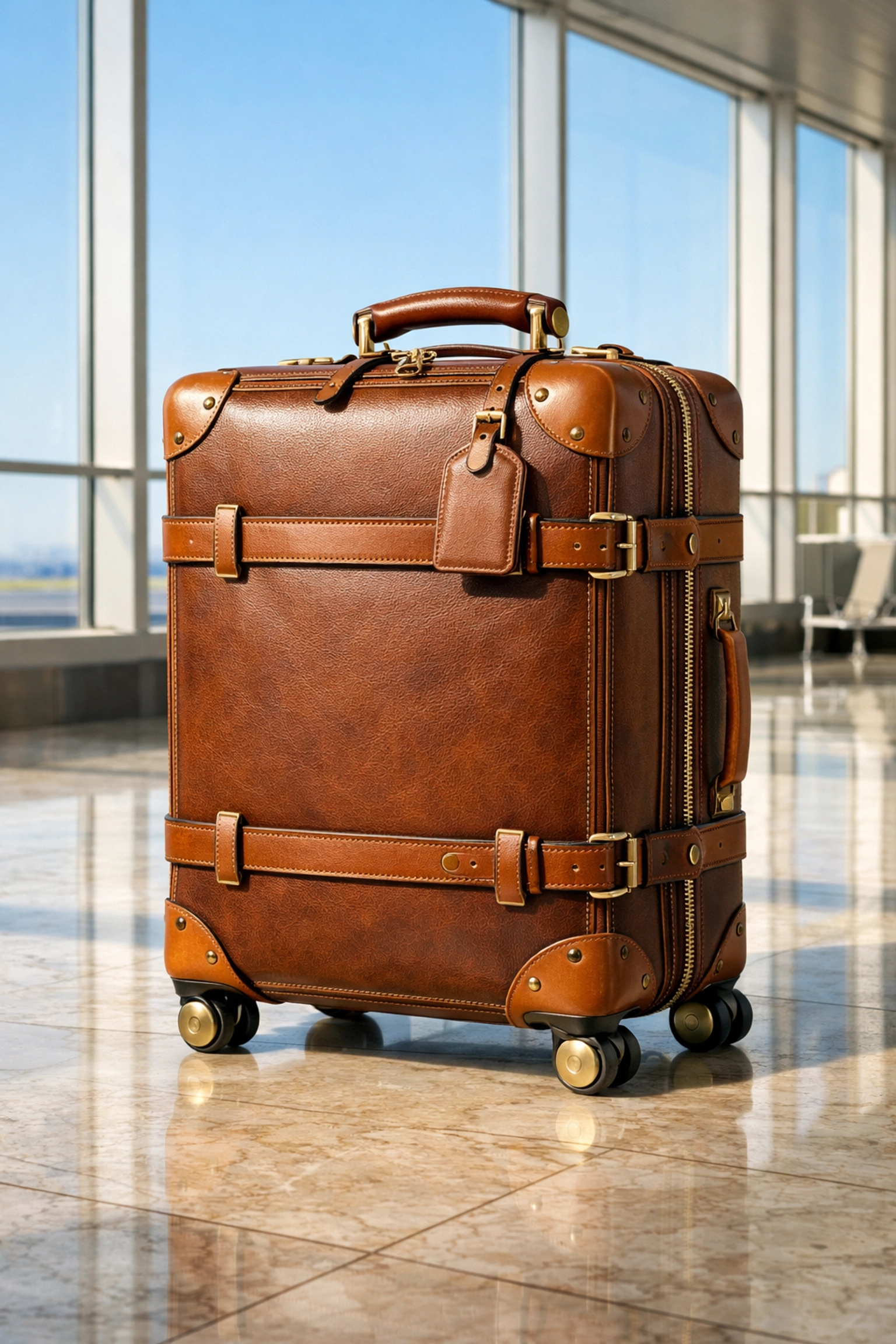
    Premium leather suitcase in a sunlit airport terminal, highlighting the value of a quality travel experience.

    The Cost of Your Most Valuable Asset: Time

    You cannot buy more time. Once a minute is gone, it is gone forever. Budget travel is a notorious thief of time.

    Consider the “budget” layover. To save $100 on a cross-country flight, you might agree to an eight-hour layover in an airport that closes its restaurants at 9:00 PM. You spend an entire day of your precious vacation sitting on a hard plastic chair, charging your phone near a bathroom, and eating overpriced, stale sandwiches. Was that $100 worth losing a whole day of exploration?

    Then there is the issue of location. Budget hotels are rarely in the heart of the action. They are in the suburbs, near the industrial parks, or “conveniently located” two hours away from the city center. You save $50 on the room, but you spend $80 a day on Ubers and trains just to get to the sights you actually want to see. You spend two hours of every day commuting. On a five-day trip, that is ten hours of your life spent in the back of a taxi or a crowded subway car.

    At Time For Your Vacation, we prioritize your time. We find the hotels that put you exactly where you need to be, so you can walk to the bistro, the museum, or the beach. We plan routes that make sense, not just routes that are cheap.

    The Quality Gap and Missed Opportunities

    A cheap trip often means you are settling for the “budget” version of a destination. You are staying in the room with a view of the brick wall. You are eating at the tourist traps because you didn’t have a local expert to tell you where the hidden gems are. You are standing in a three-hour line for a museum because you didn’t book a VIP skip-the-line pass.

    When you cut corners, you miss the “soul” of a place. You are so focused on saving pennies that you lose the big picture. Imagine flying all the way to Rome only to spend your time stressed about the cost of a good pasta dish or a guided tour of the Colosseum. If you aren’t experiencing the best a destination has to offer, why are you there?

    Luxury isn’t about being flashy; it is about access. It is about having a private guide like Dave from DaveTheTourGuide.com show you the secrets of a city that the “budget” crowd will never find. It is about the difference between a “trip” and a life-changing experience.

    The Safety and Security Trade-Off

    This is the hidden cost that no one wants to talk about. When prices are bottom-of-the-barrel, something has to give. Often, it is security.

    Cheap accommodations may be in poorly lit areas with high crime rates. They may lack 24-hour security or modern fire safety standards. Budget transport providers might cut corners on vehicle maintenance or driver training. When you travel on a shoestring, you are often operating without a safety net. If a flight is canceled or a hotel loses your reservation, a budget booking site will leave you on hold for three hours with a robot.

    When you work with a professional concierge service like Black Key Elite, you have a literal lifeline. If something goes wrong, we are the ones who fix it. We know which neighborhoods are safe, which drivers are reliable, and which hotels maintain the highest standards. You cannot put a price on the safety of your family.

    Why Expert Planning Is Actually an Investment

    Many people think they save money by spending forty hours researching their own trips. They think they are getting the best deal because they found a coupon code for a rental car. But what is your hourly rate? If you spend forty hours planning a trip to save $300, you have effectively paid yourself less than minimum wage to do a job you aren’t trained for.

    Expert planners like our team at Time For Your Vacation have access to industry-only rates, perks, and upgrades that you simply cannot find on Google. We get you the free breakfasts, the room upgrades, the late check-outs, and the resort credits. We turn a standard trip into a VIP experience, often for the same total cost you would have paid anyway after all the “hidden” fees of a DIY trip are added in.

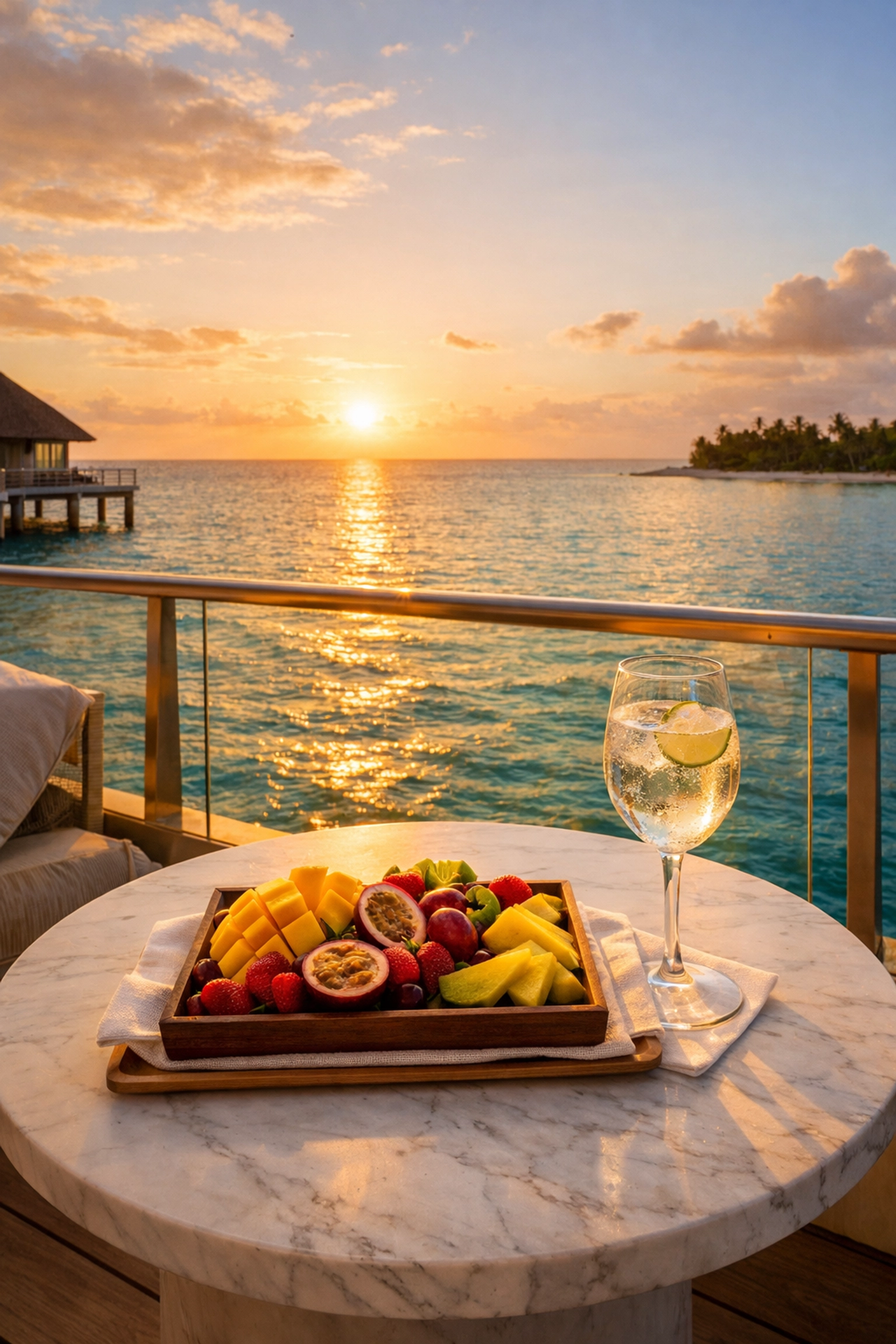
    Private luxury suite balcony overlooking the turquoise ocean, demonstrating the value of expert travel planning.

    The Real Value of “All-Inclusive” and Luxury Tiers

    We often recommend luxury cruises or all-inclusive resorts to our clients who are concerned about budget. Why? Because the price you see is the price you pay. There are no surprise $15 cocktails or $40 lunch tabs. You get top-tier service, incredible food, and world-class entertainment without ever having to reach for your wallet.

    When you compare a “cheap” DIY European road trip: with its gas prices, tolls, parking fees, and dining costs: to a luxury Mediterranean cruise, the cruise often comes out as the better value. You wake up in a new city every day without the stress of driving or packing and unpacking. That is the “Value” vs. “Price” distinction that separates a savvy traveler from a budget one.

    Final Thoughts: Invest in Your Memories

    You deserve a vacation that restores your spirit. You deserve a trip that is seamless, safe, and spectacular. Don’t let a “low price” lure you into a high-stress situation.

    Whether you are looking for a quick weekend getaway or a month-long international expedition, we are here to ensure every dollar you spend is an investment in joy, not a down payment on frustration. Stop searching for the cheapest flight and start looking for the best experience.

    I am ready to help you plan the ultimate escape. I personally oversee our most intricate itineraries to ensure they meet the gold standard of travel. Let’s stop worrying about the “cheap” and start focusing on the “unforgettable.”

    Visit www.TimeForYourVacation.com to start planning your next adventure. Check out www.DaveTheTourGuide.com for personalized travel guidance and insider tips. And keep reading www.TimeForYourVacation.blog for more honest takes on the travel industry and how to navigate it like a pro. Try our Luxury concierge with www.BlackKeyElite.com . And listen to my podcast! https://www.podomatic.com/podcasts/contact24682

  • [HERO] The Most Bizarre Hotels Ever Built

    You deserve a vacation that defies expectations. You deserve a story to tell that makes your friends’ eyes go wide with disbelief. You are tired of the same beige walls, the same continental breakfasts, and the same generic lobby music. You want something different. You want something bizarre.

    We understand that travel is about more than just a place to sleep. It is about the experience of the extraordinary. Whether you are looking to submerge yourself in the depths of the ocean or dangle from the side of a Peruvian cliff, the world is full of architectural oddities that challenge the very definition of a “hotel.”

    At Time For Your Vacation, we specialize in turning these “what if” dreams into “remember when” realities. Let’s dive into the weirdest, wildest, and most wonderful accommodations ever built.

    Why Settle for the Surface?

    You can walk into any hotel on land. But can you scuba dive into your bedroom? You want a stay that feels like a scene from a sci-fi movie. You want to wake up with a shark staring at you through the glass.

    The Jules Underwater Lodge in Key Largo, Florida, is not for the faint of heart. To get into your room, you must literally suit up. You put on your scuba gear, descend beneath the surface, and enter through a “moon pool” in the floor. This repurposed research station offers a cozy, pressurized environment where the local marine life is your only neighbor. It is secluded. It is strange. It is absolutely unforgettable.

    If you prefer your underwater luxury with a side of high-end design, the Poseidon Mystery Island resort in Fiji is your ultimate destination. Imagine 25 suites positioned 12 meters under the Pacific Ocean. You press a button, and you are feeding the fish outside your 70% acrylic walls. You are living in a giant aquarium, and you are the main attraction. This is luxury at its most submerged.

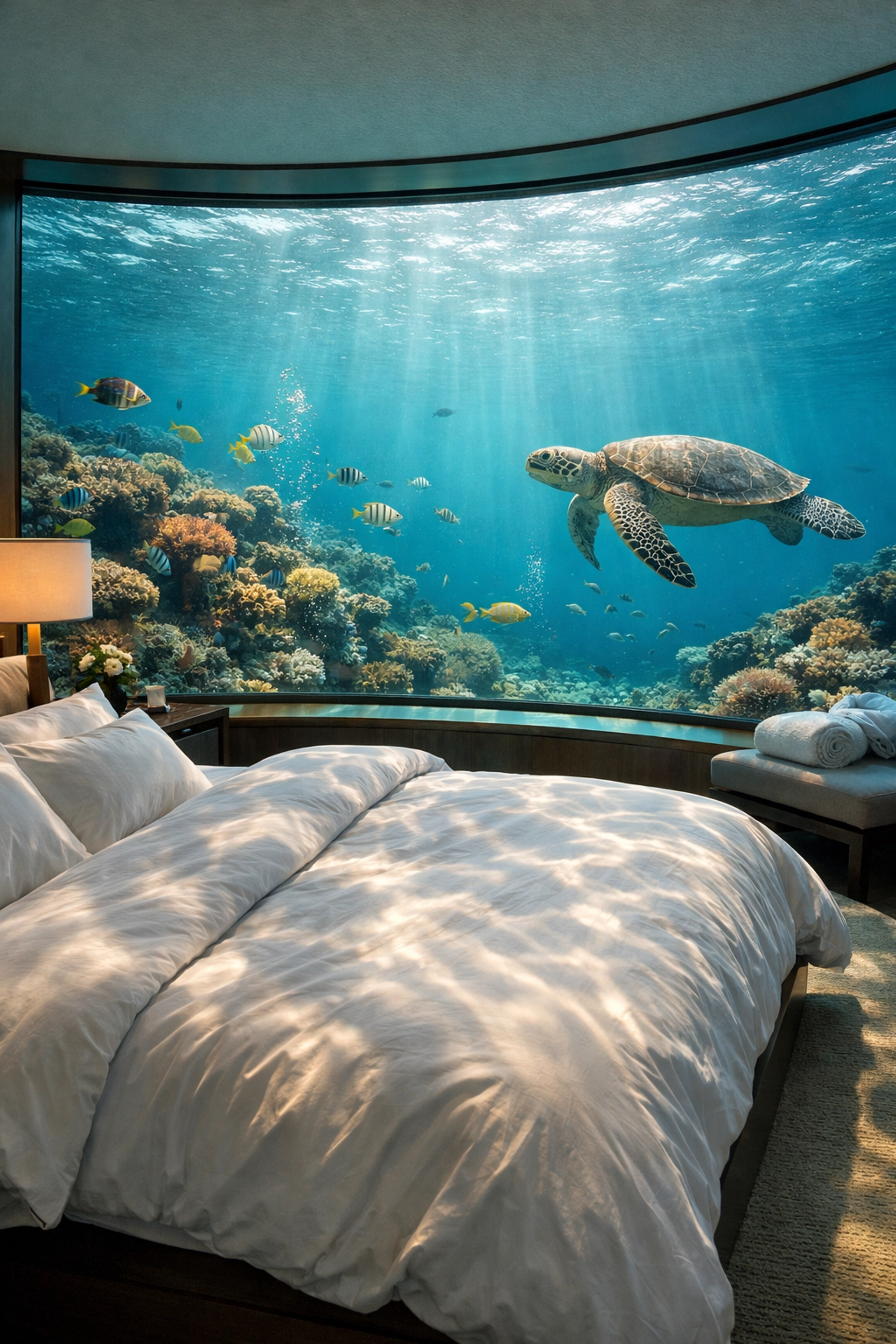
    A luxury underwater hotel room with windows showing a vibrant coral reef and tropical fish.

    Living on the Edge (Literally)

    You crave adrenaline. You want to feel the wind against your face while you sip your morning coffee. You are not satisfied with a balcony on the tenth floor; you want to be suspended over a 400-foot drop.

    The Skylodge Adventure Suites in Cusco, Peru, are designed for the truly brave. These transparent capsules are bolted onto the side of a sheer mountain cliff. To get there, you must hike or zip-line your way up. Once inside, you have a 300-degree view of the Sacred Valley. You are tucked into a high-quality bed while hanging in mid-air. It is the ultimate test of nerves and the ultimate reward for the adventurous soul.

    If height is your thing but you prefer a bit of foliage, the rainforest treehouses of the world beckon. Some are built 30 meters above the ground. You walk along high rope bridges. You watch birds fly below you. You feel the pulse of the jungle from the safety of your canopy nest. This is nature at its most vertical.

    Repurposed Relics: From Punishment to Paradise

    You appreciate history with a twist. You like the idea of staying somewhere that once served a completely different: and perhaps darker: purpose. You find beauty in the unconventional conversion of space.

    The Malmaison in Oxford, England, is a prime example. It was once a prison. Today, it is a luxury boutique hotel. You walk through original heavy iron doors. You traverse the same central stairwells and landings that guards once patrolled. The cells have been expanded and outfitted with plush linens and designer toiletries, but the history remains in the very bones of the building. It is irony at its finest: paying top dollar to stay in a place people once died to escape.

    Then there is the Seaventures Dive Rig in Borneo, Malaysia. It is a massive oil rig converted into a diver’s paradise. It sits in the middle of the Celebes Sea, a rusted giant repurposed for recreation. You don’t need a boat to go diving; you just take the elevator down to the water. It is industrial, it is gritty, and it is one of the most unique diving platforms on the planet.

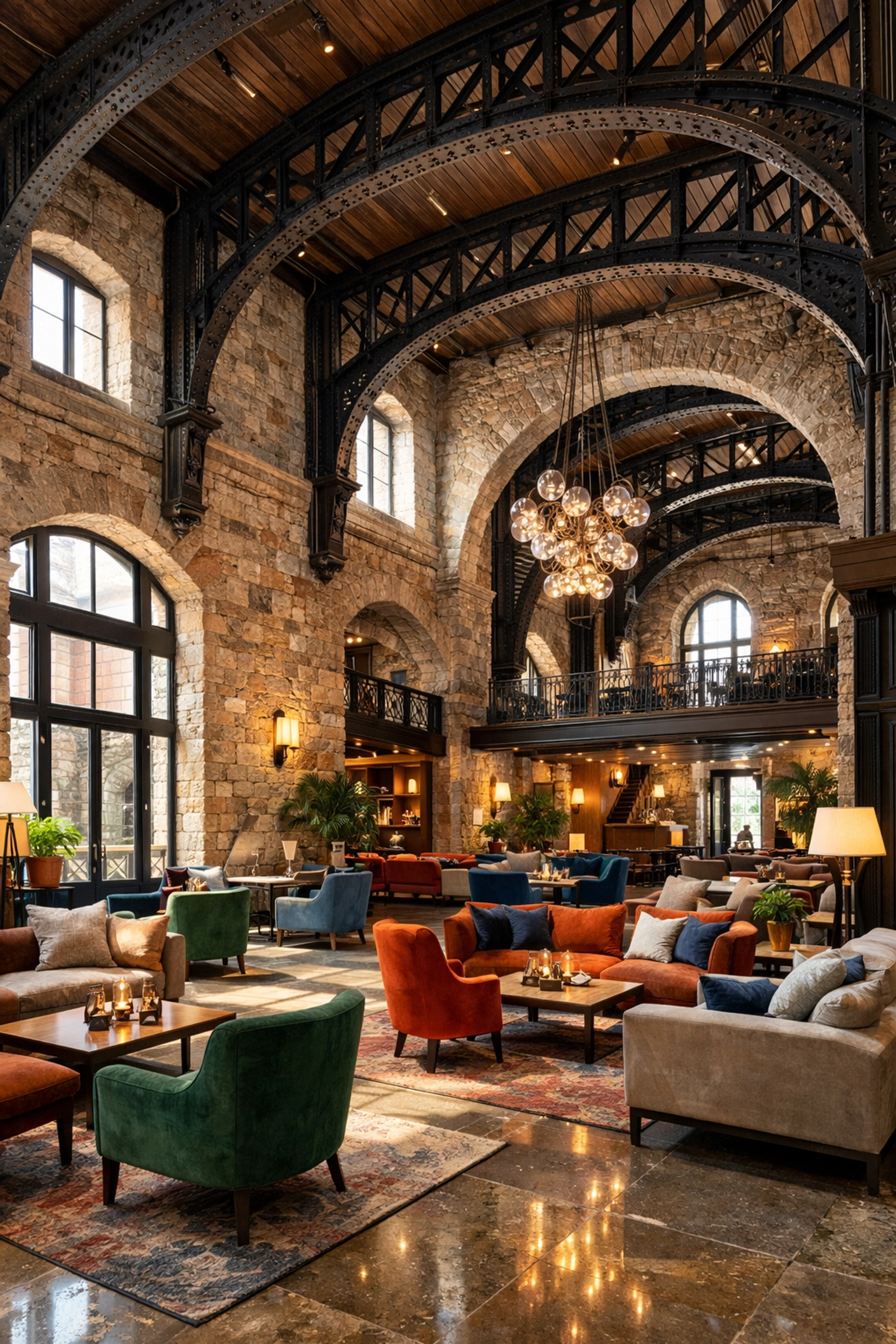
    Modern luxury hotel lobby inside a converted historic stone building with elegant industrial design.

    Frozen Frontiers and Arctic Dreams

    You don’t mind a bit of a chill if it comes with a view of the Aurora Borealis. You are drawn to the ephemeral beauty of structures made of ice and snow. You want to see what happens when architecture meets the freezing point.

    The Ice Hotel in Sweden is a masterpiece of temporary engineering. Every year, artists rebuild it from blocks of ice harvested from the Torne River. Everything is ice: the chairs, the tables, the bar, and yes, the beds. You sleep on reindeer skins in a room that never rises above -4°C. It is silent. It is ethereal. It is a world that melts away every spring, making your stay a truly once-in-a-lifetime event.

    For those who want the view without the frostbite, the Kakslauttanen Arctic Resort in Finnish Lapland offers glass igloos. You lie in bed and watch the Northern Lights dance across the sky through a thermal glass ceiling. You are warm. You are comfortable. You are witnessing one of nature’s greatest shows from the most bizarrely beautiful “tent” ever made.

    Integrating with the Earth

    You want to disappear. You want a hotel that feels like it grew out of the ground rather than being placed upon it. You are looking for a connection to the geological history of our planet.

    Hotel Kagga Kamma in South Africa’s Cederberg Mountains is nearly invisible from a distance. The rooms are built directly into the sandstone rock formations. You are staying in a cave, but a cave with air conditioning and fine dining. It is a seamless blend of natural wonder and human comfort.

    In Sweden, the Arctic Bath floats on the Lule River. In the winter, it is frozen into the ice; in the summer, it floats on the water. It looks like a giant “bird’s nest” made of sticks: a cross between a floating bundt cake and a sculptural masterpiece. It is striking. It is bold. It is a statement of modern Nordic design.

    Thematic and Sculptural Oddities

    You have a flair for the whimsical. You want to stay in a place that looks like it belongs in a storybook or a surrealist painting. You appreciate architects who aren’t afraid to get a little weird.

    Keemala in Thailand features four distinct villa styles based on ancient tribal dwellings. You can stay in a “Bird’s Nest” villa or a “Tree House” that looks like a giant wooden seed pod. These structures are sculptural, organic, and incredibly luxurious. They offer a sense of fantasy that traditional hotels simply cannot match.

    In Tasmania, the Mona Pavilions display strange geometric structures that resemble alien crafts landed along the Derwent River. It is part of an arts hub often described as an “adult Disneyland.” It is provocative. It is intellectual. It is bizarre in the best possible way.

    Luxury on the Move: The Cruise Connection

    While these stationary hotels are breathtaking, we know that some of you prefer your bizarre adventures to keep moving. If a room hanging off a cliff is a bit too much, consider the floating wonders offered by our luxury cruise partners.

    You can experience the ultimate in nautical luxury with Silverseas or the refined elegance of Oceania. Perhaps you want the grand scale and excitement of Royal Caribbean or Carnival. For those who prefer a more intimate or specialized experience, Windstar, Celebrity, Princess, and Azamara offer world-class service that rivals any land-based boutique hotel.

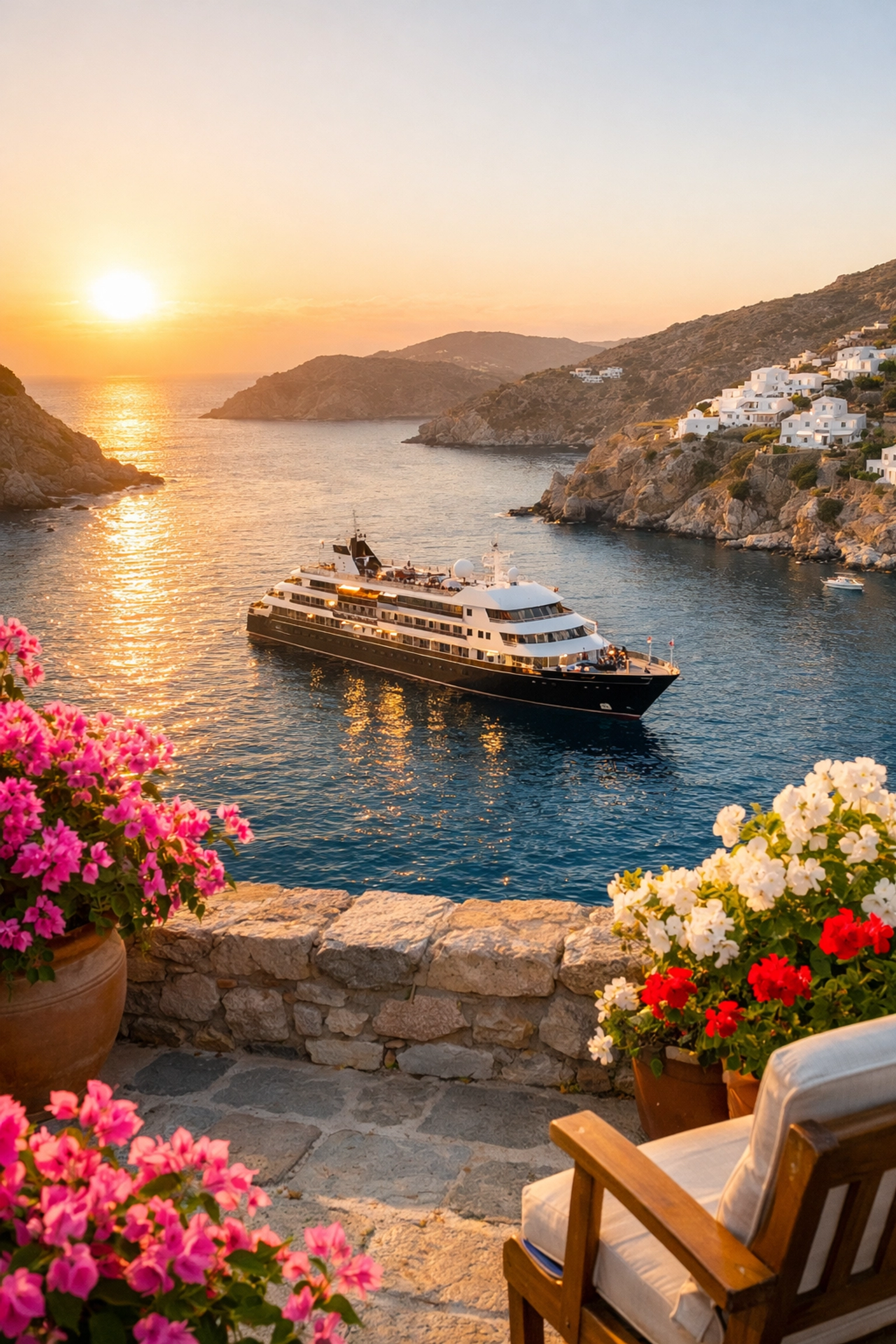
    Imagine waking up in a new port every day, with the same level of comfort and intrigue you’d find in the world’s most unique hotels. Whether it’s a suite overlooking the glacier in Alaska or a private veranda in the Mediterranean, a luxury cruise is the perfect way to see the world’s wonders without sacrificing an ounce of style.

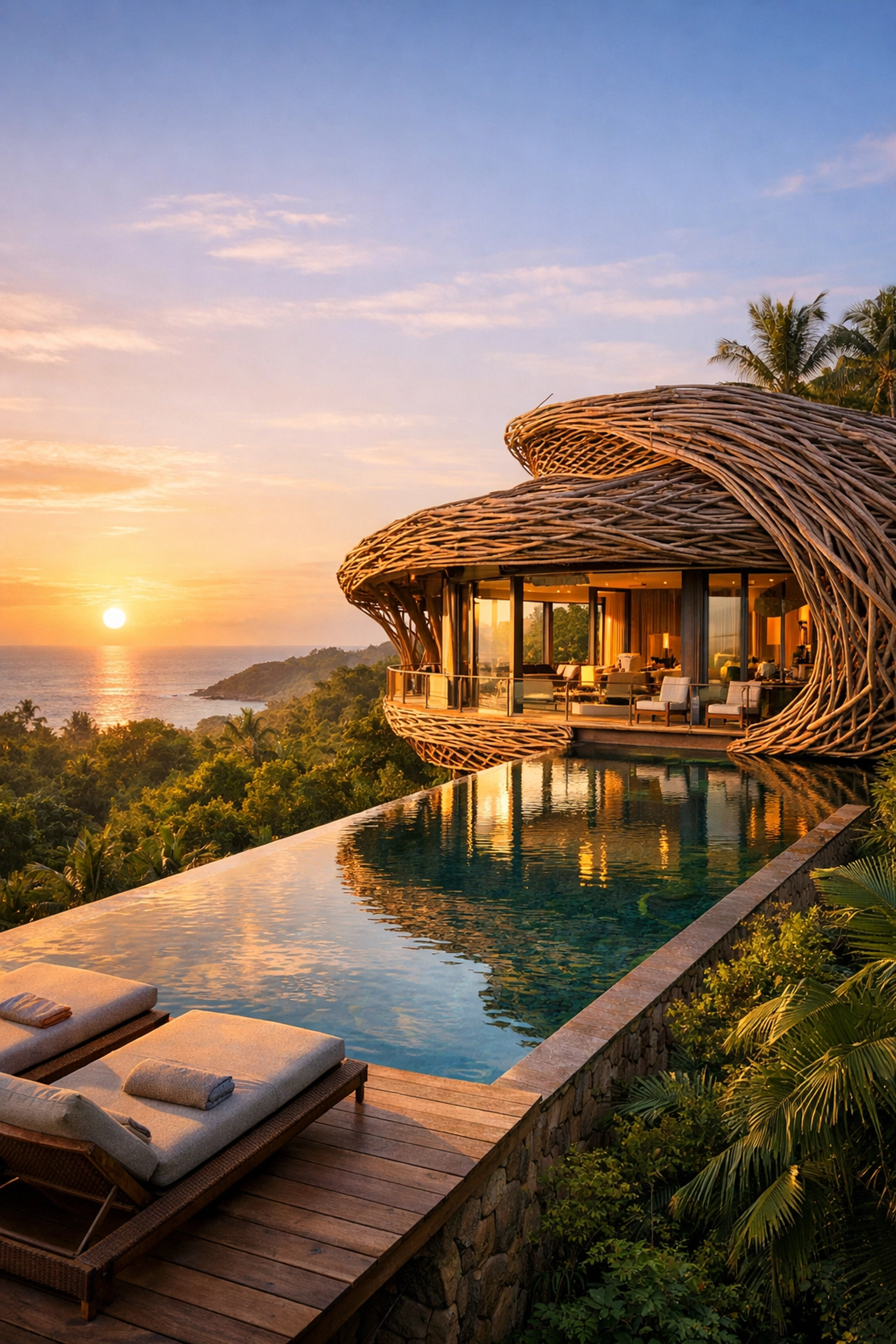
    Luxury bird's nest villa with an infinity pool overlooking a tropical jungle canopy and the sea.

    Plan Your Bizarre Escape with Confidence

    We know that booking a room in an underwater lodge or a converted prison can feel overwhelming. You have questions about safety, logistics, and whether the reality lives up to the photos. That is why we are here.

    At Time For Your Vacation, we take the stress out of the unusual. We vet these locations. We handle the complicated bookings. We ensure that your “bizarre” stay is only bizarre in the ways you want it to be: thrilling, unique, and memorable: while remaining safe, professional, and high-end.

    You are not just a tourist; you are an explorer. You are someone who values the stories you bring home as much as the souvenirs you buy. I want to help you write your next great travel chapter.

    Are you ready to sleep where the fish swim? Are you ready to dine on a cliffside? Are you ready for a vacation that is truly out of this world?

    Contact me today, and let’s start planning the most bizarre, beautiful trip of your life. We have the keys to the most exclusive and unusual doors on the planet. Let’s open them together.

    Visit www.TimeForYourVacation.com to start planning your next adventure. Check out www.DaveTheTourGuide.com for personalized travel guidance and insider tips. And keep reading www.TimeForYourVacation.blog for more honest takes on the travel industry and how to navigate it like a pro. Try our Luxury concierge with www.BlackKeyElite.com . And listen to my podcast! https://www.podomatic.com/podcasts/contact24682

  • [HERO] The Real Reason Cruise Ships Are So Big Now

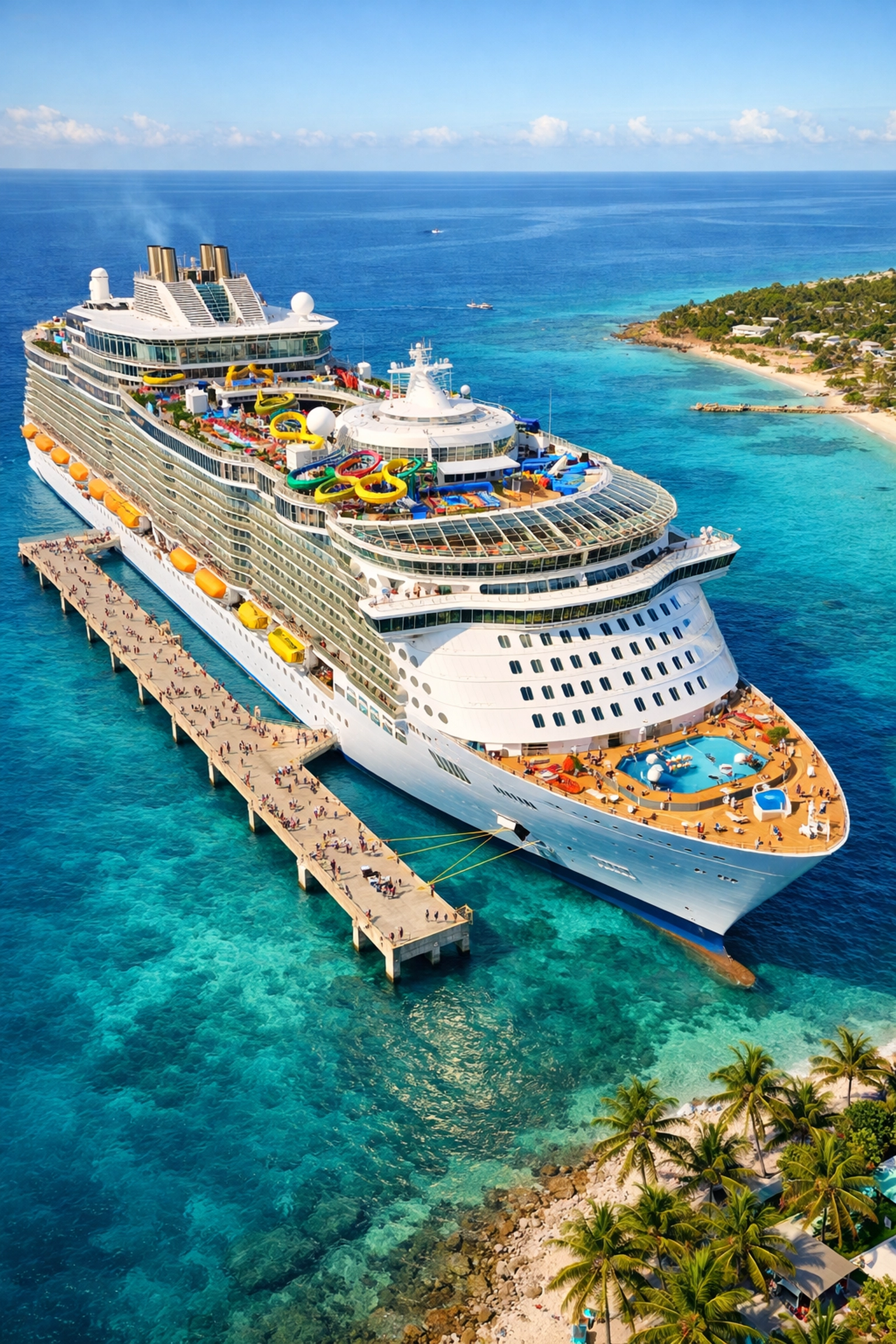
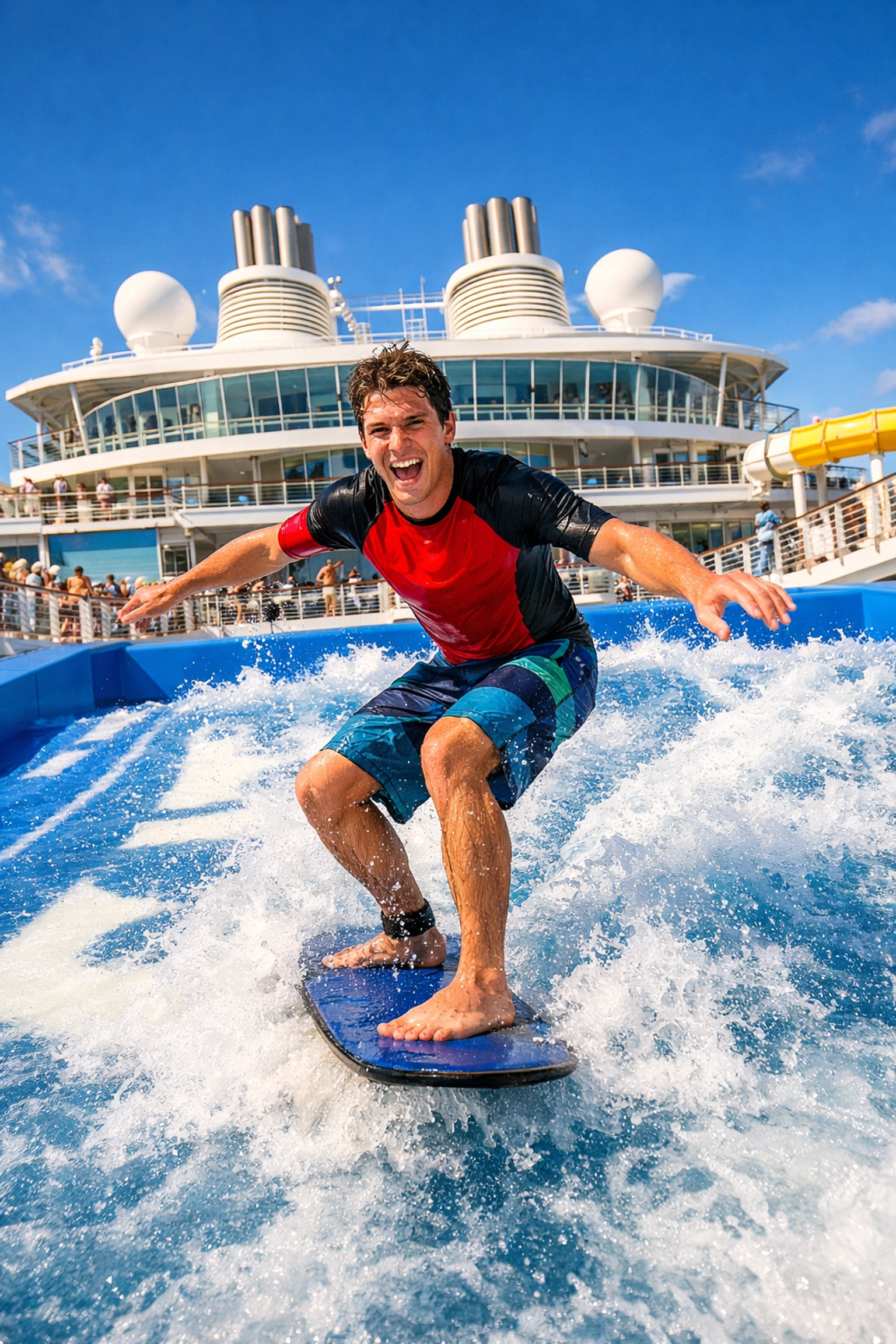
    Bigger is bolder. Bigger is better. Bigger is the new standard of the high seas. You stand at the pier, looking up at a vessel that looks less like a boat and more like a floating skyscraper, and you ask yourself one simple question: Why?

    Why did cruise ships transition from sleek ocean liners to massive, multi-neighborhood floating cities? You might think it is just about bragging rights or vanity. You might think it is just a race to see who can fit the most waterslides on a single deck. While those things matter, the real reason is much more fascinating. It is a mix of high-level economics, cutting-edge green technology, and a deep understanding of how you want to spend your precious vacation time.

    At Time For Your Vacation, we believe you deserve to know the “why” behind your travel. We are here to guide you through the maze of deck plans and stateroom categories. We are here to make sure your next trip is the ultimate escape. Let’s dive into the massive world of mega-ships and uncover the secrets behind their ever-expanding horizons.

    The Mathematical Magic of Scale

    Bigger is efficient. Bigger is profitable. Bigger is how cruise lines keep your ticket prices affordable while still delivering a luxury experience. When you build a ship that holds 6,000 passengers instead of 2,000, the math starts to work in your favor very quickly.

    Think about the captain. A ship needs one captain whether it carries 500 people or 5,000 people. The same goes for the chief engineer, the cruise director, and the core navigation team. By spreading these fixed costs across a much larger group of guests, the cruise line lowers the “per-berth” cost of operation. This is called economies of scale, and it is the heartbeat of the modern cruise industry.

    You benefit from this efficiency every time you book a cabin. Because these ships are so massive, brands like Carnival and Royal Caribbean can offer a staggering variety of price points. They can afford to provide world-class entertainment and high-end dining because they have the volume to support it.

    A massive multi-decked mega cruise ship docked at a tropical pier, showcasing modern ship size and amenities.

    Sustainability Demands More Space

    You want a cleaner ocean. We want a cleaner ocean. The cruise industry is committed to reaching net-zero carbon emissions by 2050, but going green takes up a lot of room. This is one of the most overlooked reasons why ships are getting bigger.

    Many of the newest ships, including those from Princess and Celebrity, are powered by Liquefied Natural Gas (LNG). LNG is much cleaner than traditional heavy fuel oil, but there is a catch: it takes up way more space. LNG tanks are massive, vacuum-insulated cylinders that require specialized housing. To maintain the same number of guest cabins while adding these massive “green” fuel tanks, the ship simply has to grow.

    Efficiency isn’t just about the engine; it’s about the hull. Larger ships often have a more favorable “length-to-beam” ratio that allows them to glide through the water with less resistance. Engineers are designing these giants to be as aerodynamic and hydrodynamic as possible. When you see a ship like the Icon of the Seas, you aren’t just looking at a playground; you are looking at one of the most sophisticated pieces of environmental engineering on the planet.

    The Paradox of Crowding

    You might worry that a bigger ship means more crowds. You might think that 6,000 people on one vessel sounds like a recipe for a headache. Surprisingly, the opposite is often true.

    Bigger ships allow for better crowd distribution. In the old days, everyone went to the one main dining room at 6:30 PM. Everyone went to the one theater at 8:30 PM. Everyone crowded around the one pool at noon. Today, a mega-ship offers ten different “neighborhoods.” You can find a quiet park with real trees, a bustling boardwalk, a high-energy waterpark, and a secluded adult-only sanctuary: all on the same ship.

    By spreading passengers across dozens of different venues, the ship feels more spacious than a vessel half its size. We work with partners like Oceania and Azamara who specialize in smaller, boutique experiences, but we also recognize that the “neighborhood” concept on larger ships is a game-changer for families. You can lose yourself in the variety without ever feeling like just another number in a crowd.

    A City Under the Stars

    You aren’t just booking a room; you are booking an entire city. The “Real Reason” ships are so big is because guests now expect every possible amenity at their fingertips. If you want to go ice skating in the middle of the Caribbean, you can. If you want to skydive over the Mediterranean, you can. If you want a full-scale Broadway production of Chicago or Mamma Mia!, it’s right there on Deck 4.

    Building these amenities requires massive internal volume. A full-sized theater, a multi-story spa, a casino, and twenty different restaurants take up a lot of square footage. To offer the ultimate variety, the ship has to expand.

    For those who want a blend of massive amenities and intimate service, we often suggest the “ship-within-a-ship” concepts found on brands like MSC or Celebrity. You get the huge ship’s excitement but retreat to a private, luxury enclave when you need peace.

    The Evolution of the Luxury Experience

    Luxury is personal. Luxury is choice. While the mega-ships dominate the headlines, the growth in size has also allowed for a rebirth of ultra-luxury, smaller-scale cruising. Because the big ships have taken over the “mass market,” brands like Windstar and Silverseas have refined the art of the small ship.

    Wait, didn’t I say ships were getting bigger? They are, but even the “small” luxury ships are larger than they used to be. A modern luxury ship now has the space to offer all-suite accommodations, private verandas for every guest, and multiple fine-dining venues that weren’t possible on the cramped vessels of the 1980s.

    Whether you want the 200,000-ton marvel or the 40,000-ton boutique gem, the underlying trend is the same: more space per guest. We help you navigate these choices so you never feel overwhelmed. Your vacation should be a time of relaxation, not a time spent squinting at a map.

    Port Infrastructure: The Natural Limit?

    You might wonder if ships will eventually become the size of small islands. While they are certainly heading that way, there are natural limits. A ship can only be as big as the ports that can hold it.

    Bridges, draft depths, and pier lengths act as the “ceiling” for ship size. Many of the world’s most iconic ports: like Venice or the smaller islands in the South Pacific: simply cannot accommodate the newest giants. This has created a two-tiered system in the cruise world.

    1. The Mega-Destinations: Ports like Cozumel, St. Maarten, and Nassau have invested millions to build piers that can handle the biggest ships in the world.
    2. The Intimate Escapes: Smaller ships from Azamara or Windstar can tuck into hidden harbors where the big guys can’t go.

    We are experts at matching your desired itinerary with the right ship size. If you want to see the hidden gems of the Greek Isles, we might steer you toward a smaller vessel. If you want the ultimate “wow” factor for a family reunion, the mega-ship is your best friend.

    A small luxury boutique cruise ship anchored in a scenic Greek Isles bay for a private travel experience.

    The Comfort of Confidence

    You don’t have to worry about the logistics. You don’t have to stress over the size of the ship or the complexity of the deck plan. That is what we are here for. At Time For Your Vacation, we provide the reassurance you need to step on board with confidence.

    We know the ships. We know the crews. We know which deck has the best views and which restaurants require a reservation three months in advance. We handle the details so you can focus on the memories.

    Whether you are looking for the high-energy fun of a Carnival cruise, the refined elegance of Oceania, or the adventurous spirit of Royal Caribbean, we have the partnerships to make it happen. We work closely with:

    • Royal Caribbean
    • Windstar
    • Oceania
    • Carnival
    • Celebrity
    • Princess
    • Azamara
    • Silverseas

    Your Next Chapter Starts Now

    The real reason cruise ships are so big is because they are designed to be everything to everyone. They are masterpieces of engineering, cathedrals of entertainment, and pioneers of sustainable travel. They are big because your dreams are big.

    Don’t let the size intimidate you. Let it excite you. Think of all the hidden corners you have yet to explore and all the sunsets you have yet to see from a balcony high above the waves. We are ready to help you find your place on the ocean.

    I am personally committed to making sure your next trip is the best one yet. I’ve seen these ships grow from small boats to the giants they are today, and I can tell you: the view from the top has never been better. Let’s start planning your escape today.

    Visit www.TimeForYourVacation.com to start planning your next adventure. Check out www.DaveTheTourGuide.com for personalized travel guidance and insider tips. And keep reading www.TimeForYourVacation.blog for more honest takes on the travel industry and how to navigate it like a pro. Try our Luxury concierge with www.BlackKeyElite.com . And listen to my podcast! https://www.podomatic.com/podcasts/contact24682

  • [HERO] The Best Cruise for First-Time Cruisers

    You are ready for a change. You are ready for a break. You are ready for the ultimate vacation. If you have never stepped foot on a cruise ship before, you are likely feeling a mix of pure excitement and mild “what have I gotten myself into” panic. We get it. The world of cruising is massive, literally. These ships are floating cities, and choosing the right one for your maiden voyage is the difference between falling in love with the ocean and spending seven days wondering why there are so many waterslides.

    At Time For Your Vacation, we believe your first cruise should be nothing short of legendary. You deserve a seamless transition from land-lubber to sea-expert. Whether you want to zip-line over the Caribbean or sip vintage Pinot Noir while sailing through the Mediterranean, the “best” cruise is the one that fits your personality like a glove.

    You Want Action: The Royal Caribbean Experience

    You want the biggest. You want the boldest. You want the most activities possible in a twenty-four-hour window. If this sounds like you, Royal Caribbean is your primary destination. For a first-timer, Royal Caribbean is often the “Goldilocks” of cruise lines, it just feels right.

    They specialize in the “wow” factor. Imagine standing on the deck of Symphony of the Seas or Wonder of the Seas. You aren’t just on a ship; you are in a neighborhood. Royal Caribbean designs their largest ships into distinct areas like Central Park, yes, with real trees and grass, and the Boardwalk.

    For the active traveler, this is paradise. You can start your morning on a surf simulator (the FlowRider), spend your afternoon rock climbing, and finish the evening watching a high-dive acrobatic show at the AquaTheater. It is impossible to be bored. The energy is infectious, and for families, the kids’ clubs are world-class. You won’t see your teenagers for days, and honestly, they probably won’t miss you either.

    A traveler enjoying a surf simulator on a Royal Caribbean cruise ship deck under a clear blue sky.

    You Want Fun and Value: The Carnival Vibe

    You want to laugh. You want to relax. You want the most bang for your buck. Carnival Cruise Line is affectionately known as “The Fun Ships,” and they lean into that reputation with everything they have. If you are a first-time cruiser who is a bit worried about things being too “stuffy” or formal, Carnival is your antidote.

    The atmosphere on a Carnival ship is like a never-ending poolside party where everyone is invited. It is casual, it is friendly, and it is incredibly easy to navigate. One of the biggest draws for beginners is the food. Carnival has mastered casual dining. You haven’t lived until you’ve had a burger from Guy’s Burger Joint (included in your fare, by the way).

    Ships like the Carnival Horizon or the newer Mardi Gras feature the first rollercoasters at sea. Yes, you can literally ride a coaster while looking out over the blue waters of the Caribbean. It is budget-friendly without feeling “cheap,” making it a stellar entry point for younger travelers, solo cruisers, and families who want to maximize their vacation days without draining the retirement fund.

    You Want Chic Sophistication: Celebrity Cruises

    You want modern design. You want incredible food. You want a “cool” atmosphere without the constant poolside belly-flop contests. Celebrity Cruises sits in that sweet spot between the massive family ships and the ultra-exclusive luxury lines. It is what we call “Modern Luxury.”

    For a first-timer who appreciates aesthetics, Celebrity’s Edge-class ships are a revelation. Instead of traditional balconies, they offer “Infinite Verandas” that turn your entire room into a balcony with the touch of a button. The “Magic Carpet”: a cantilevered platform that moves up and down the side of the ship: serves as everything from a lounge to a specialty dining venue.

    The culinary experience here is a step above. You aren’t just eating; you are dining. From the whimsical “Le Petit Chef” animated dinner to the sophisticated French continental cuisine at Murano, your palate will be as happy as your Instagram feed. This is the cruise for the couple celebrating an anniversary or the professional who needs to unplug in style.

    The iconic Magic Carpet lounge on a Celebrity Cruises ship offering a luxury view of the ocean.

    You Want Flexibility: Norwegian Cruise Line (NCL)

    You want to eat when you’re hungry. You want to dress how you feel. You want total control over your schedule. Norwegian Cruise Line pioneered “Freestyle Cruising,” which is a fancy way of saying there are no fixed dining times and no mandatory formal nights.

    For many first-timers, the idea of a “fixed” dinner at 6:00 PM every night feels a bit like being back in high school. NCL removes that stress. You show up when you want, with whoever you want. Their ships, like the Norwegian Bliss, are designed for the modern adventurer. They feature massive observation lounges (perfect for Alaska sailings), go-kart tracks, and Broadway-caliber shows like Six or Jersey Boys.

    NCL is also a fantastic choice if you are traveling solo. They were among the first to offer dedicated “Studio” cabins and lounges specifically for solo travelers, ensuring you never feel like a third wheel at the buffet.

    You Want the Classics: Princess and Holland America

    You want tradition. You want romance. You want to see the world at a slightly more measured pace. Princess Cruises and Holland America Line are the stalwarts of the industry for a reason. They offer a refined experience that focuses heavily on the destinations.

    Princess is the “Love Boat” line, and they lean into that romantic heritage. Their MedallionClass technology is a huge win for first-timers. You wear a small device (the Medallion) that unlocks your door as you approach, allows you to order a drink to your exact location on the ship, and helps you navigate the decks. It removes the “where am I?” stress that many beginners feel.

    Holland America, on the other hand, is the choice for the music lover and the history buff. Their “Music Walk” features incredible live performances, from Lincoln Center Stage to B.B. King’s Blues Club. It is a more understated luxury, perfect for those who want to explore Alaska or the Mediterranean with experts.

    A large cruise ship navigating through scenic Alaskan fjords with mountains and glaciers in view.

    Stepping Up: The Luxury Tier

    You want the best of everything. You want intimacy. You want a level of service where the bartender knows your name and your favorite gin before you even sit down. If you have the budget and want your first cruise to be a life-changing event, you skip the mega-ships and look at the luxury market.

    Companies like Silversea, Oceania, Azamara, and Windstar offer a completely different world.

    • Silversea is the pinnacle of all-inclusive luxury. Think butler service for every suite and champagne that never stops flowing.
    • Oceania is widely considered to have the best food at sea. Period.
    • Azamara focuses on “Destination Immersion,” meaning they stay in port longer and even overnight, so you can actually see the nightlife in places like Monte Carlo or Amalfi.
    • Windstar offers a unique sailing experience on smaller, motorized sailing yachts that can slip into tiny harbors where the big ships can’t go.

    Whether you choose the grand scale of Royal Caribbean, the boutique feel of Windstar, the culinary excellence of Oceania, the fun of Carnival, the chic vibes of Celebrity, the tradition of Princess, the immersion of Azamara, or the ultimate indulgence of Silverseas, your first cruise is a milestone.

    Choosing Your Destination: Where Should a Rookie Go?

    The “where” is just as important as the “how.” For your first time, we usually recommend one of three classic routes:

    1. The Bahamas (3-4 Nights): This is the perfect “sampler platter.” You get a taste of the ship life, a day at a private island (like Royal Caribbean’s Perfect Day at CocoCay), and a day in Nassau. It’s short enough that if you realize you aren’t a “sea person,” you’re home before you know it.
    2. The Western Caribbean (7 Nights): This is the classic cruise experience. You’ll likely hit Mexico, Jamaica, and Grand Cayman. It offers a great mix of beach time and adventure (like exploring Mayan ruins).
    3. Alaska (7 Nights): If you aren’t a “sit on a beach” person, Alaska is the answer. It is breathtaking, and the calm waters of the Inside Passage make it a great choice for those worried about seasickness.
    A tropical private island beach in the Bahamas with a cruise ship anchored in turquoise waters.

    Final Tips for the First-Timer

    We want you to feel confident. We want you to feel prepared. Here are a few “pro tips” from the desk of David Galvan and the Time For Your Vacation team:

    • Pack a Carry-On: Your checked luggage might not arrive at your cabin until late afternoon. Pack your swimsuit, sunscreen, and medications in a carry-on so you can start the fun immediately.
    • Download the App: Every major line has an app now. Use it to book shows, check menus, and track your onboard spending.
    • Book Your Excursions Early: The best tours fill up fast. Don’t wait until you’re on the ship to decide you want to swim with dolphins.
    • Don’t Overpack: You will spend 80% of your time in a swimsuit, a cover-up, or casual evening wear. Leave the third pair of dress shoes at home.

    Cruising is one of the most efficient and enjoyable ways to see the world. You unpack once and wake up in a new country every morning. It is stress-free, it is exhilarating, and if you choose the right ship, it is addictive.

    We are here to make sure you get it right the first time. We handle the details, the bookings, and the “what ifs” so you can focus on which cocktail to order at the pool bar. Whether you are looking for a high-energy family adventure or a quiet, luxury escape, we have the expertise to navigate the options for you.

    A peaceful ocean view from a private cruise ship balcony with a tropical cocktail on a side table.

    Visit www.TimeForYourVacation.com to start planning your next adventure. Check out www.DaveTheTourGuide.com for personalized travel guidance and insider tips. And keep reading www.TimeForYourVacation.blog for more honest takes on the travel industry and how to navigate it like a pro. Try our Luxury concierge with www.BlackKeyElite.com . And listen to my podcast! https://www.podomatic.com/podcasts/contact24682