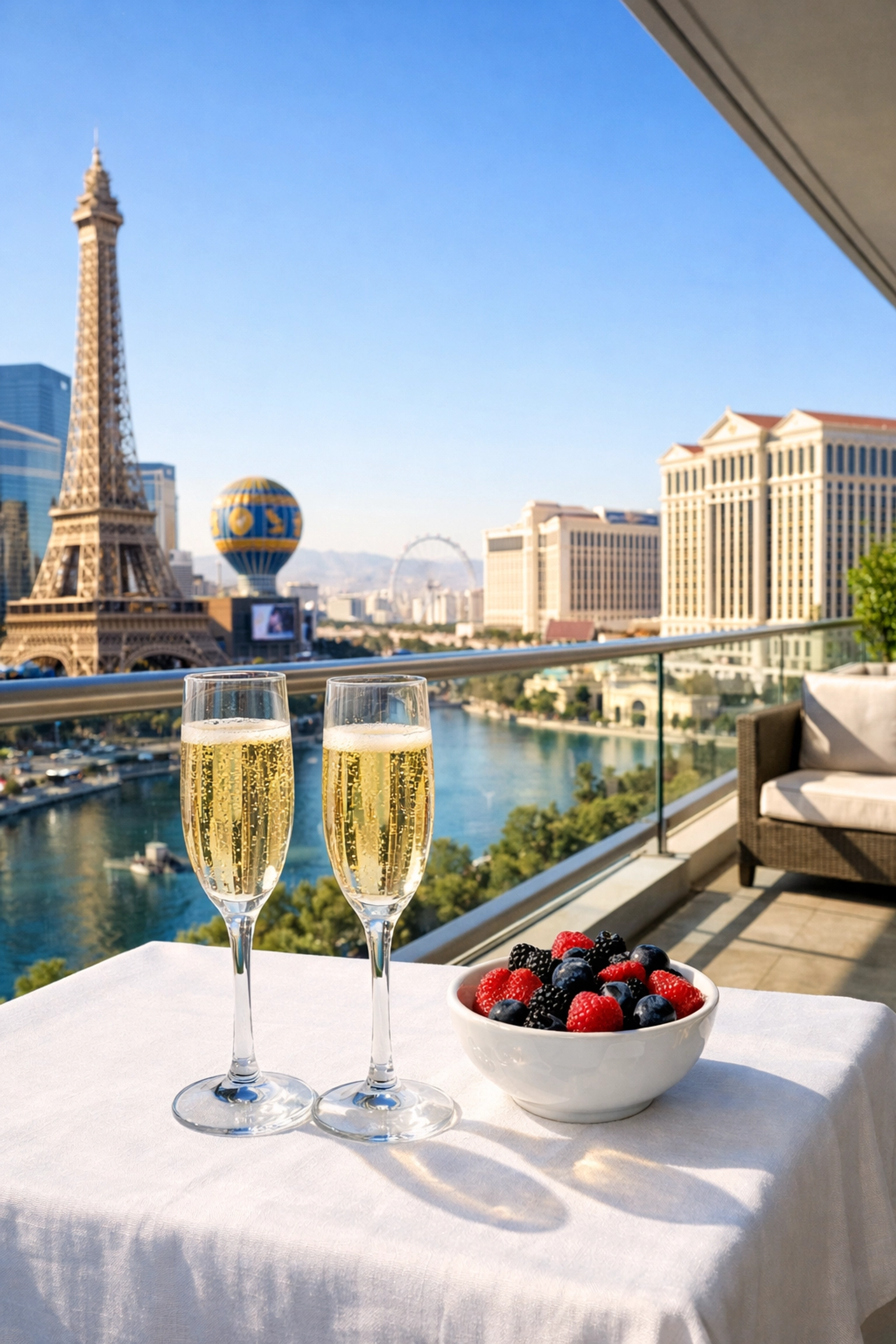
• [HERO] What $10,000 Gets You in Travel vs What $2,000 Gets You

    You want the truth about your next trip. You want to know if that extra zero on your bank statement actually changes the way the sun feels on your face in Tuscany. You want to understand why some people come back from vacation looking like they need a vacation, while others return looking five years younger.

    Money doesn’t just buy things; it buys time. It buys access. It buys peace of mind. When we talk about the difference between a $2,000 trip and a $10,000 trip, we aren’t just talking about a thread count or a better brand of gin in the minibar. We are talking about two completely different versions of reality. One is a series of compromises. The other is a series of triumphs.

    Whether you are saving up for your first big solo adventure or you are looking to drop a significant investment on a milestone anniversary, the “gap” between these two price points is a canyon. Let’s look across that canyon and see what is actually happening on both sides.

    The Flight: Survival vs. Sanctuary

    You start your journey at the airport. At the $2,000 level, the flight is often the biggest hurdle. If you are flying internationally, half of your budget: or more: disappears before you even leave the tarmac. You spend weeks hunting for “mistake fares” or flying on a Tuesday at 4:00 AM because it saves you eighty bucks.

    You find yourself in seat 44E. You are sandwiched between a guy who didn’t get the memo on personal hygiene and a child who views the back of your seat as a kickboxing bag. You eat a lukewarm pasta dish that tastes vaguely like cardboard. You arrive at your destination with a stiff neck, a headache, and a desperate need for a nap. You’ve “saved” money, but you’ve sacrificed your first 48 hours to recovery.

    Luxury business class airplane cabin with a lie-flat seat and champagne, illustrating high-end travel comfort.

    Now, look at the $10,000 traveler. The flight isn’t a hurdle; it’s the beginning of the holiday. You aren’t hunting for deals; you are hunting for experiences. You are in Business Class or a very high-end Premium Economy. You have lounge access, which means instead of sitting on a cold plastic chair at the gate, you are sipping a chilled Prosecco and eating artisanal cheeses.

    On the plane, you have a lie-flat bed. You sleep for six hours. You wake up, have a hot towel service, and walk off the plane feeling refreshed. You don’t need a recovery day. You land at 9:00 AM and you are ready for a three-course lunch and a museum tour by noon. At the $10,000 level, you gain two extra days of “real” vacation time just by virtue of how you traveled.

    The Sleep: A Room vs. A Residence

    Where you lay your head matters. It dictates your mood every morning and your comfort every night.

    At $2,000, you are looking at “charming” three-star hotels or highly-rated hostels. In Europe, this means a room the size of a walk-in closet where the shower is basically on top of the toilet. In Southeast Asia, it’s a decent bungalow, but you might be sharing your space with a few local geckos. You are constantly checking reviews to make sure the “free Wi-Fi” actually works and that the “central location” isn’t directly above a nightclub that plays techno until 5:00 AM. You are an observer of the local culture, often from the fringes.
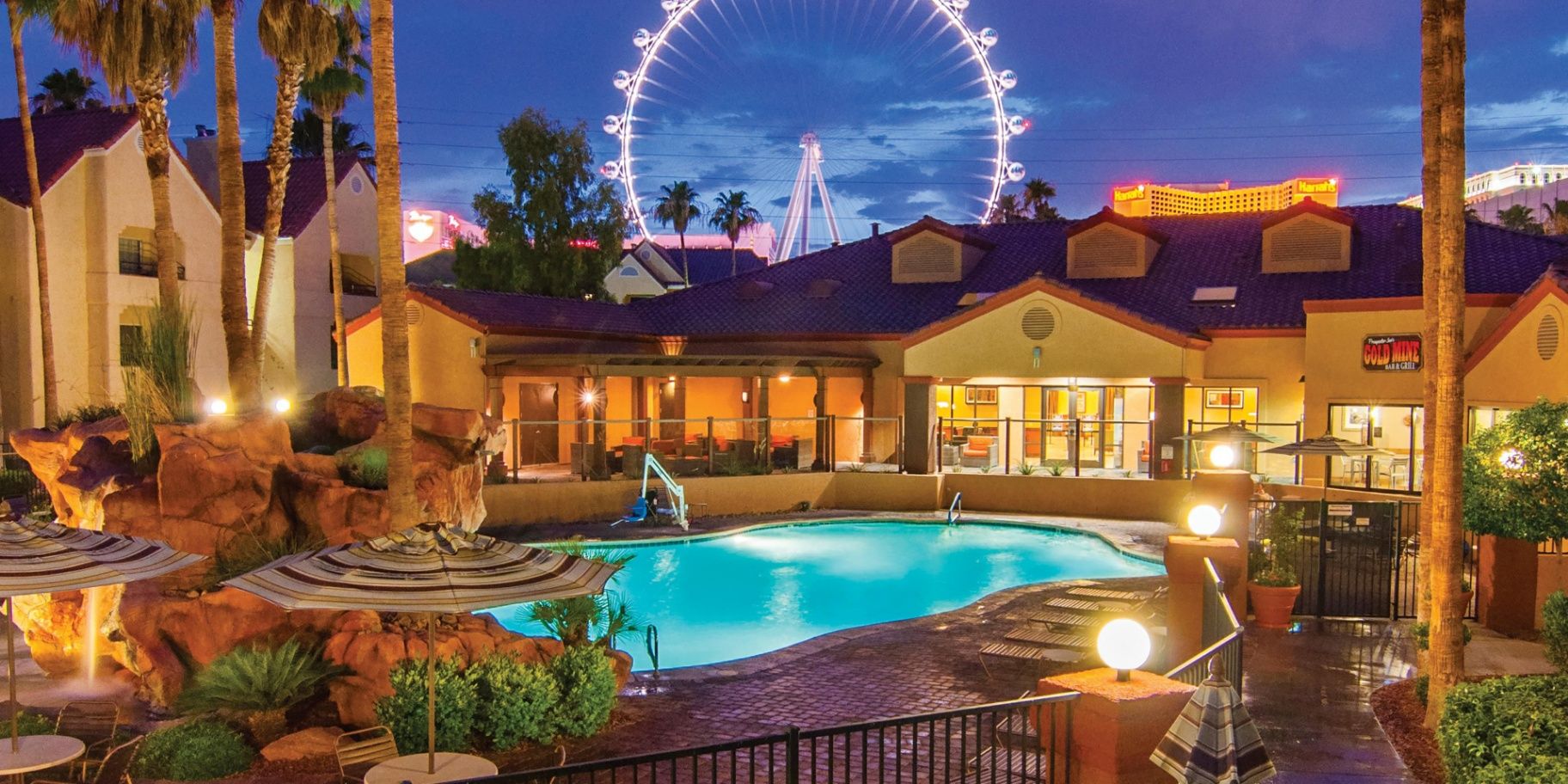
    Las Vegas Resort Pool

    When you step into the $10,000 bracket, your accommodation becomes the destination. You aren’t just staying in a room; you are staying in a piece of history. You are in a junior suite at a 5-star hotel where the staff knows your name before you even show your ID. You have a balcony overlooking the Grand Canal in Venice or a private pool in a Balinese villa.

    There is a level of service here that removes every “friction point” of travel. If you need your suit pressed for dinner, it happens. If you want a specific bottle of wine waiting for you at midnight, it’s there. You aren’t worrying about the Wi-Fi or the noise; you are surrounded by an atmosphere of curated silence and luxury. You wake up in a bed with 1,000-thread-count sheets, look at the view, and feel like the world belongs to you.

    The Plate: Fuel vs. Fine Dining

    Let’s talk about food. You have to eat three times a day. How you do that defines your cultural immersion.

    The $2,000 traveler is the master of the “cheap eat.” You become an expert on street food, local bakeries, and grocery store picnics. This can be incredible! There is nothing like a three-euro crepe in Paris or a dollar bowl of pho in Hanoi. However, there is a constant mental calculator running in your head. “If I buy this expensive cocktail, can I afford the museum entrance tomorrow?” You are eating for fuel. You are avoiding the places with white tablecloths because the “Coperto” (cover charge) feels like an attack on your bank account.
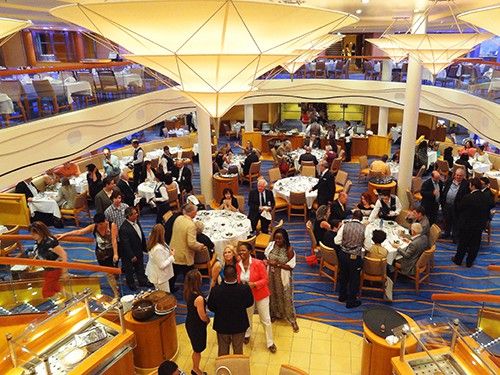
    Elegant Dining Area

    At the $10,000 level, dining is an art form. You aren’t looking at the right side of the menu. You are booking reservations at Michelin-starred restaurants months in advance. You are doing the 12-course tasting menu with the wine pairing because you want to understand the soul of the chef’s vision.

    But it’s more than just fancy restaurants. It’s about access. It’s the private chef who comes to your villa to teach you how to make authentic pasta. It’s the truffle hunting excursion followed by a private lunch in the woods. It’s the ability to walk into the best bar in town and have the bartender make you something bespoke because you aren’t worried about the $30 price tag. You are experiencing the absolute peak of the local culinary scene without a single moment of “budget guilt.”

    The Experience: The Group vs. The Guide

    This is where the $8,000 difference really shows its teeth.

    At the $2,000 level, you are often a face in a crowd. You are on the big tour bus with 40 other people, following a guide holding a neon umbrella. You are herded through the Colosseum or the Louvre, catching snippets of information while trying not to lose your group. Your schedule is dictated by the “standard” itinerary. You see what everyone else sees. You wait in lines. You deal with the crowds. You are a tourist.
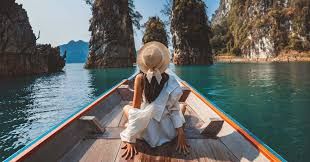
    Luxury Travel Experience

    At the $10,000 level, you are an explorer. You have a private guide: an expert in art history or local lore: who meets you at your hotel. They have “skip-the-line” access that actually works. They take you to the hidden workshops in Florence where the real leather is made, or the private vineyards in Napa that don’t even have a sign on the road.

    If you want to spend three hours looking at one painting, you can. If you want to scrap the afternoon plan and go for a private boat ride instead, your guide makes a call, and it happens. You have a “fixer” who handles the logistics. You don’t stand in lines. You don’t deal with the neon umbrellas. You experience the destination on your terms, at your pace, with a level of depth that the $2,000 budget simply cannot reach.

    The Invisible Factor: Stress and Logistics

    The most expensive part of travel isn’t the hotel or the food; it’s the mental energy required to make it all work.

    The $2,000 trip requires constant management. You are checking train schedules, navigating public transit with heavy bags, haggling with taxi drivers, and trying to figure out why the “confirmed” booking you made on a discount site isn’t showing up in the hotel’s system. You are the CEO, the intern, and the security guard of your own vacation. It’s rewarding, but it’s exhausting.

    The $10,000 trip is seamless. When you land, there is a driver waiting with a sign. When you move from one city to the next, your bags “magically” disappear from your room and reappear in the next one. Every transfer, every ticket, and every reservation is handled by a professional.

    You aren’t spending your precious vacation time staring at Google Maps or arguing with a ticket kiosk. You are fully present. You are looking at the architecture. You are talking to your partner. You are breathing. You have outsourced the stress of travel to someone else, and that: more than anything else: is what the extra money pays for.

    Which One Is Right for You?

    You might think that $10,000 sounds like a lot for a week or ten days. And you’re right, it is. But when you break down the “cost per hour of joy,” the math starts to change.

    If you spend $2,000 but spend half of your time tired, stressed, or standing in lines, your “cost per quality hour” is actually quite high. If you spend $10,000 and every single moment is curated, comfortable, and deeply enriching, you are getting a much higher return on your investment of time.

    You don’t have to be a billionaire to travel well. You just have to decide what your time is worth. Are you looking to survive a trip, or are you looking to be transformed by it?

    One is a vacation. The other is a life-changing event.

    You deserve to see the world without the “budget blinkers” on. You deserve the suite. You deserve the private guide. You deserve to come home feeling like you’ve actually been away.

    The world is big, and your time is short. How are you going to spend it?

    Visit www.TimeForYourVacation.com to start planning your next adventure. Check out www.DaveTheTourGuide.com for personalized travel guidance and insider tips. And keep reading www.TimeForYourVacation.blog for more honest takes on the travel industry and how to navigate it like a pro. Try our Luxury concierge with www.BlackKeyElite.com . And listen to my podcast! https://www.podomatic.com/podcasts/contact24682

  • [HERO] Why I got Ripped off by 'My Ultimate Italy' Tour guide company

    Rome is supposed to be the Eternal City. It is supposed to be the birthplace of Western civilization, a place of art, culture, and deep history. It is supposed to be a dream destination. But let me tell you something: my recent experience at the Coliseum turned that dream into a logistical nightmare, thanks entirely to a company called “My Ultimate Italy.”

    I am writing this because I am furious. I am writing this because I feel ripped off. I am writing this because I want to make sure that none of you ever have to go through the absolute circus that my wife and I endured. If you are looking for the short version, here it is: I will not be booking “My Ultimate Italy” for anyone of my clients ever again. Period. Full stop.

    When you spend your life navigating the travel industry, you think you’ve seen it all. You think you know how to spot the red flags. But sometimes, even the most seasoned travelers get caught in a trap. This wasn’t just a bad tour; it was a total failure of service, a complete lack of empathy, and a masterclass in how to ruin a vacation day.

    The Setup: A Simple Booking

    It started simply enough. My wife and I were in Rome, and naturally, you can’t go to Rome without seeing the Coliseum. It’s the icon. It’s the legend. Because I like to keep things organized, I logged onto Expedia/TAAP. For those who don’t know, TAAP is the Travel Agent Portal. It’s supposed to be a reliable way to secure quality tours for clients and personal trips alike.

    I found a tour for two. It looked legitimate. It looked professional. It was operated by “My Ultimate Italy.” I hit book, got my confirmation, and we were set. Little did I know, I had just handed my money to a company that seemingly has no interest in actually providing a tour.

    The “Meet-Up” and the Marathon

    The instructions told us to meet at a specific location, about three blocks away from the Coliseum. Fine. We arrived on time. We are not “late people.” We respect the schedule. We showed up, ready to soak in some history.

    What happened next was the first sign that things were going off the rails. A woman from the company met us. She didn’t greet us with a smile or a “Welcome to Rome.” Instead, she looked at her watch and started running. Yes, running.

    Now, here is the thing you need to know about me: I have a heart problem. I don’t run. I can’t run. My body physically isn’t built for a 100-meter dash through the crowded streets of Rome in the heat. I am not moving quickly, and I told her this. Did she slow down? No. She kept waving us forward, sprinting toward the Coliseum like she was trying to qualify for the Olympics.

    A bustling cobblestone street in Rome leading toward the historic Coliseum arches under a bright sun.

    My wife and I are struggling to keep up, weaving through crowds of tourists, dodging selfie sticks, and trying not to have a medical emergency on the cobblestones. By the time we reached the actual Coliseum building, I was spent. I was out of breath, my heart was hammering, and I was already questioning why I had paid for this “service.”

    The Line to Nowhere

    We finally get to the structure, and the woman points to a line. “Get in here,” she says. She tells us to look for someone named “Dina”, or maybe it was “Gina,” honestly, it was hard to tell through the panting and the chaos.

    Her instructions were, and I quote: “Look for Dina. If you can’t find her, well, then you are in the Coliseum, so just look around.”

    We were dumbstruck. Just… look around? That’s the tour? I paid for a guided experience. I paid for someone to explain the history of the Flavian Amphitheatre, the gladiators, the architecture, and the legacy of the Roman Empire. I didn’t pay to be abandoned at the gate with a vague “good luck” and a name that might not even exist.

    But wait, it gets better.

    We waited in the line she put us in. We stood there as the sun beat down on us. When we finally reached the front of the line, the point where you show your tickets and enter the hallowed grounds, the security guard looked at our documents and shook his head.

    “Wrong line,” he said.

    I felt the blood pressure rising. “What do you mean, wrong line? The representative from ‘My Ultimate Italy’ put us here.”

    He didn’t care. To him, we were just two more confused tourists in a sea of thousands. He pointed to another line, further away, and told us we had to start over. At this point, I wasn’t just tired; I was furious.

    Lost in the Crowd

    We moved to the correct line. We went through the security checks. We finally made it inside.

    If you haven’t been to the Coliseum lately, let me paint a picture for you: it is a mosh pit of humanity. There are thousands of people everywhere. It is loud, it is hot, and it is overwhelming.

    We looked for “Dina.” We looked for anyone holding a sign for “My Ultimate Italy.” We walked around the perimeter, checking faces, looking for any sign of a guide. Nothing. Not a soul. It was impossible.

    Massive crowds of tourists gathered inside the Roman Coliseum ruins on a sunny afternoon in Italy.

    We spent our “tour” walking around aimlessly. We didn’t know what we were looking at beyond the obvious. We didn’t have the context. We didn’t have the stories. We essentially paid a massive premium to walk ourselves through a building we could have entered for a fraction of the price if we had just bought tickets directly.

    We were ghosted in the middle of one of the busiest tourist attractions on the planet.

    The Refund Battle

    As soon as we got back to our hotel, I contacted Expedia/TAAP. I filed a formal complaint. I laid out exactly what happened: the forced running despite a heart condition, the wrong line, the vague instructions, the missing guide, and the total lack of service.

    I asked for a refund. It seemed like a no-brainer. If you pay for a steak and the waiter brings you a glass of water and tells you to “look around the kitchen,” you don’t pay for the steak.

    However, “My Ultimate Italy” is fighting the refund. They are actually arguing that they provided the service. They are digging their heels in, refusing to acknowledge that their representative failed us on every single level.

    This is where the “casual” part of my tone disappears. This is predatory. It is a scam. They take your money, they shove you toward a gate, and they hope you’re too tired or too confused to fight back. Well, they picked the wrong person to ghost.

    Why You Should Avoid ‘My Ultimate Italy’

    When you book a tour, you are paying for more than just entry. You are paying for:

    1. Punctuality and Organization: Not being forced to run through streets.
    2. Expertise: Having a guide who is actually present.
    3. Peace of Mind: Knowing that you are in the right place at the right time.

    “My Ultimate Italy” failed all three.

    I have worked in travel for a long time. I know that things go wrong. Buses break down. People get sick. But when a company refuses to make it right: when they actively fight against a refund for a service they clearly did not provide: that tells you everything you need to know about their ethics. What SHOULD have happened was we should have been put in the next tour. But we weren’t. We were abandoned.

    I will not be booking through “My Ultimate Italy” ever again. I will be telling every colleague, every client, and every reader to stay far, far away from them.

    The Lesson for Travelers

    If there is a silver lining here, it’s a lesson for all of us. Even when using professional portals like Expedia/TAAP, the end provider matters.

    1. Research the Operator: Don’t just look at the platform (Expedia); look at the actual company running the tour.
    2. Advocate for Yourself: If something feels wrong at the meeting point, speak up immediately.
    3. Document Everything: I am glad I kept notes of the times, the names (or lack thereof), and the specific failures.

    Rome is too beautiful to be ruined by incompetence. The Coliseum is too magnificent to be viewed through a veil of anger.

    We did our best to enjoy the rest of our trip, but that day left a sour taste in my mouth that even the best gelato in Trastevere couldn’t fix. It’s a shame that a company with a name like “My Ultimate Italy” represents the absolute worst of Italian tourism.

    Don’t let them get you. Don’t let them take your money and run (literally). There are plenty of amazing, professional, and kind tour guides in Rome who would never dream of treating a guest this way. Find them. Support them. But whatever you do, skip “My Ultimate Italy.”

    I’m still fighting for my money back, and I won’t stop until I get it. Not because of the dollar amount, but because of the principle. In the travel industry, your word is your bond. If you promise a tour, you provide a tour. If you don’t, you give the money back. It’s that simple.

    Stay safe out there, travelers. And remember: if someone tells you to “just look around” for a guide named Dina in a crowd of five thousand people, you’re not on a tour: you’re on a wild goose chase.

    Visit www.TimeForYourVacation.com to start planning your next adventure. Check out www.DaveTheTourGuide.com for personalized travel guidance and insider tips. And keep reading www.TimeForYourVacation.blog for more honest takes on the travel industry and how to navigate it like a pro. Try our Luxury concierge with www.BlackKeyElite.com . And listen to my podcast! https://www.podomatic.com/podcasts/contact24682

  • [HERO] Why Hawaii is not as fun as people think

    You see the postcard. You see the filter. You see the dream. You imagine yourself standing on a white sand beach, a coconut in one hand and the warm Pacific breeze in your hair. You imagine the ultimate relaxation. You imagine the unforgettably lush landscapes of a tropical paradise. You spend months, maybe years, saving up for that big “Aloha” moment, only to step off the plane and realize that the reality of Hawaii is often far different from the glossy brochure.

    Hawaii is iconic. Hawaii is historic. Hawaii is, quite frequently, an overcrowded, overpriced, and overwhelming tourist trap that leaves many travelers wondering where the magic went. While it remains one of the most sought-after destinations on the planet, the gap between expectations and reality has become a chasm. If you are planning your next escape, you deserve a reality check.

    The Waikiki Concrete Jungle

    When you think of Hawaii, you probably don’t think of a five-lane highway or a Cheesecake Factory. Yet, for the vast majority of tourists, Honolulu is the entry point, and Waikiki is the base of operations.

    Waikiki is essentially Las Vegas with a beach, and not in a good way. It is a dense forest of high-rise hotels, luxury shopping malls, and international chain restaurants. You are not escaping the world here; you are bringing the world with you. The beach itself is often so crowded that you are lucky to find a square inch of sand to place your towel. You are surrounded by thousands of other tourists, all trying to capture the same sunset photo, while the sound of crashing waves is drowned out by the roar of traffic and construction.

    The serenity you seek is buried under layers of commercialization. The “authentic” experience is often a curated performance designed to move as many people through the turnstiles as possible. It is efficient, yes, but it is rarely soul-stirring.

    Crowded Waikiki beach and high-rise hotels showing the reality of commercialized Hawaii tourism.

    The Sticker Shock of Paradise

    You expect paradise to be expensive, but Hawaii takes “high cost” to a whole new level. Because almost everything must be imported to the islands, the price of basic goods is staggering.

    You pay $18 for a mediocre Mai Tai. You pay $25 for a basic breakfast sandwich. You pay $45 for daily resort fees that cover “amenities” you might not even use, like a landline phone or a basic fitness center. The ultimate luxury shouldn’t feel like you are being nickeled and dimed at every corner, yet that is exactly how many visitors feel after three days in Maui or Oahu.

    Transportation is another hidden drain on your sanity and your wallet. Rental car prices have fluctuated wildly in recent years, sometimes costing more than the flight itself. Then, you have to find a place to park it. Many resorts charge upwards of $50 per night just to leave your car in a concrete garage. By the time you sit down for dinner, you have already spent hundreds of dollars just existing.

    The “Road to Hana” Traffic Jam

    The Road to Hana on Maui is often cited as one of the most beautiful drives in the world. It is supposed to be an unforgettable journey through rainforests, past waterfalls, and along dramatic cliffs.

    In reality, it is a bumper-to-bumper conga line of rental Jeeps and tour buses. You spend your day staring at the taillights of the car in front of you rather than the scenery. Every “secluded” waterfall has a line of people waiting to take a selfie. Every small town along the way is buckling under the weight of too many visitors.

    Instead of a peaceful exploration of nature, it becomes an exercise in frustration. You are constantly searching for a parking spot at the trailheads, and the narrow, winding roads become stressful rather than scenic. You finish the day exhausted, having spent eight hours in a car to see sights that you could arguably find in much more accessible (and less crowded) locations.

    Environmental Degradation and the “Angry Local” Narrative

    Hawaii’s fragile ecosystem is under immense pressure. The influx of millions of tourists every year has led to significant coral reef degradation and the displacement of local wildlife. You might want to swim with the sea turtles, but so do five hundred other people at the exact same time.

    This environmental strain, combined with a housing crisis that prices many locals out of their own homes, has led to a palpable tension. There is a growing sentiment among residents that tourism is doing more harm than good. You may find that the “Aloha Spirit” is a bit harder to find when you are the tenth person that day to ask a local for directions to a “secret” beach that was posted on TikTok.

    There is a deep disrespect that often comes with mass tourism. Visitors frequently ignore signs, trespass on private property to find Instagram-famous spots, or fail to understand the cultural significance of the land. This creates an environment where you, as a traveler, can feel like an unwanted guest rather than a welcomed visitor.

    A Hawaiian green sea turtle surrounded by crowds of tourists, illustrating the impact of over-tourism.

    How to Do Hawaii the Right Way

    Does this mean you should never visit Hawaii? Not necessarily. It means you need to change your approach. If you want the ultimate Hawaiian experience, you have to move beyond the tourist traps and embrace a more refined, respectful, and secluded version of the islands.

    The secret to a successful Hawaiian vacation is exclusivity. You want to look toward islands like Lanai or the more remote areas of Kauai. Lanai, largely owned by Larry Ellison, offers a level of seclusion and luxury that is virtually impossible to find in Waikiki. Here, the resorts are world-class, the crowds are non-existent, and the landscape remains largely untouched by the commercial machine.

    You should opt for private villas rather than massive resorts. You should hire private guides who can take you to truly off-the-beaten-path locations while teaching you about the history and culture of the land with the respect it deserves. You should focus on “Malama ‘Aina”: the Hawaiian concept of caring for the land. When you approach the islands with a mindset of stewardship and humility, the experience transforms.

    Alternatives for the Discerning Traveler

    If the idea of fighting for a beach chair in Maui still doesn’t appeal to you, there are other luxury island escapes that offer much better value and a more pristine environment.

    1. The Maldives
    If you want the ultimate overwater bungalow experience, Hawaii cannot compete with the Maldives. Here, your “resort” is often its own private island. You have total privacy, world-class service, and some of the most vibrant marine life on earth right outside your door. It is the definition of an unforgettable luxury escape.

    2. French Polynesia (Bora Bora & Moorea)
    For the dramatic peaks and lush greenery that people associate with Kauai, Bora Bora is the superior choice. It offers a sense of remote beauty and Polynesian culture that feels far less commercialized than the Hawaiian islands. The water is clearer, the crowds are thinner, and the sense of isolation is profound.

    3. Fiji
    Fiji offers a warmth and authenticity that is hard to beat. With over 300 islands, you can find everything from ultra-luxury private retreats to rugged, adventurous landscapes. The Fijian people are famously welcoming, and the culture remains at the forefront of the experience.

    A secluded luxury island villa with a private path leading to a pristine turquoise lagoon.

    Rethinking Your Paradise

    You work hard for your vacations. You deserve a trip that delivers on its promises. Hawaii can be beautiful, but it requires a strategic, high-end approach to avoid the pitfalls of mass tourism. Whether you choose to navigate the islands with a luxury lens or pivot to a more secluded international destination, the goal remains the same: a stress-free, deeply restorative journey.

    Stop settling for the postcard and start seeking the reality. The world is full of incredible, untouched corners waiting for you. You just have to know where to look.

    Stunning aerial view of emerald green mountains meeting the ocean in an untouched travel destination.

    Visit www.TimeForYourVacation.com to start planning your next adventure. Check out www.DaveTheTourGuide.com for personalized travel guidance and insider tips. And keep reading www.TimeForYourVacation.blog for more honest takes on the travel industry and how to navigate it like a pro. Try our Luxury concierge with www.BlackKeyElite.com . And listen to my podcast! https://www.podomatic.com/podcasts/contact24682

  • [HERO] Famous Movie and TV locations you can Travel to!

    You know that feeling when you are watching a movie and the backdrop is so stunning it almost distracts you from the plot. You start wondering if that waterfall is real. You start questioning if that castle actually exists outside of a CGI studio. You want the view. You want the vibe. You want to stand exactly where your favorite characters stood.

    The good news is that “set-jetting” is the hottest trend in travel for a reason. Many of the most iconic locations in cinematic history are real, reachable, and ready for you to explore. But you are not just looking to visit a tourist trap. You want to experience these locations with the same level of luxury and sophistication that the stars enjoyed while filming there.

    From the rolling hills of the Shire to the sun-drenched coastlines of Sicily, here is your ultimate guide to the most famous movie and TV locations you can travel to right now.

    The Epic Landscapes of Middle-earth: New Zealand

    You want to see the Shire. You want to see the Remarkables. You want to feel like you have stepped directly into J.R.R. Tolkien’s imagination. New Zealand is the undisputed home of The Lord of the Rings and The Hobbit trilogies, and the sheer scale of the beauty here is difficult to capture on screen: even with Peter Jackson’s budget.

    The most recognizable spot is Hobbiton, located in Matamata on the North Island. While thousands of tourists flock here, your experience should be different. You can book private tours that allow you to wander through the 44 Hobbit Holes without the crowds. Imagine standing in front of Bag End, the sun setting over the Kaimai Ranges, with a drink in your hand at the Green Dragon Inn.

    But the real luxury lies in the South Island. Queenstown and Glenorchy served as the backdrop for Isengard, Lothlórien, and the Pillars of the Kings. To do this right, you need a private helicopter. You can fly over the jagged peaks of the Remarkables and land on a glacier for a private champagne lunch.

    Private helicopter landing on the Remarkables in New Zealand for a luxury Lord of the Rings tour.

    When the sun goes down, you don’t stay in a standard hotel. You retreat to a place like Blanket Bay or Huka Lodge. These are world-class retreats that offer the kind of seclusion and service that Hollywood A-listers demand. You get the rugged wilderness of Middle-earth during the day and a five-course degustation menu at night. This is how you do New Zealand.

    The Iron Throne and Adriatic Elegance: Dubrovnik, Croatia

    You have seen the walls of King’s Landing. You have watched the Walk of Punishment. You have seen the dragons fly over the Red Keep. Game of Thrones put Dubrovnik on the map for a new generation of travelers, but the city’s history and beauty far predate the HBO hit.

    Dubrovnik’s Old Town is a UNESCO World Heritage site that looks exactly like a film set because it is perfectly preserved. The limestone streets and baroque buildings are unmistakable. To truly appreciate it, you need to see it from the water. Chartering a private yacht to cruise along the Dalmatian coast is the only way to escape the midday heat and the cruise ship crowds.

    You can sail past the island of Lokrum: the site of the city of Qarth: and then dock back at the harbor just as the sun begins to dip. For the ultimate Game of Thrones experience, you can arrange a private dinner on the terrace of the Revelin Fortress. You will have the entire view of the Old Port to yourself, feeling like the Protector of the Realm.

    Stay at the Villa Orsula or the Hotel Excelsior. These properties offer sweeping views of the Adriatic Sea and the ancient city walls. You get the historical atmosphere without sacrificing modern amenities like world-class spas and private beach access. It is the perfect blend of fantasy and reality.

    Romance and Rebellion: Lake Como, Italy

    You want the sophistication of James Bond. You want the ethereal beauty of Star Wars. You want the classic glamour of old Hollywood. Lake Como has been a favorite for filmmakers for decades, and it remains the pinnacle of Italian luxury.

    Villa del Balbianello is perhaps the most famous filming location on the lake. You recognize it as the site of Anakin and Padmé’s secret wedding in Attack of the Clones, and also where Daniel Craig’s James Bond recovered in Casino Royale. The terraced gardens and the iconic loggia overlooking the water are even more breathtaking in person.

    Luxury Pix Person in a boat in a tropical location, serene and picturesque.

    To experience Lake Como like a movie star, you don’t take the public ferry. You hire a classic wooden Riva boat. There is nothing quite like skimming across the deep blue water in a vintage vessel, wind in your hair, approaching the grand villas from the lake side.

    For your stay, the Grand Hotel Tremezzo or the legendary Villa d’Este are the only choices. These are not just hotels; they are institutions. You can spend your afternoons at the “floating pool” or wandering through acres of private botanical gardens. It is a world of white-glove service, silk sheets, and Aperol Spritzes overlooking the Alps.

    Wizardry and Royal Scandals: The United Kingdom

    You grew up wanting a letter from Hogwarts. You spent your weekends binge-watching The Crown and Bridgerton. The United Kingdom is a treasure trove for “set-jetters,” offering everything from gothic cathedrals to Regency-era ballrooms.

    In London, you can visit the Warner Bros. Studio Tour to see the actual sets from Harry Potter, but for a more immersive experience, you should head to Alnwick Castle in Northumberland. This served as the exterior for Hogwarts in the first two films. You can even take “broomstick flying lessons” on the very spot where Harry first took flight.

    If your tastes lean more toward the diamond of the season, Bath is your destination. The Royal Crescent and the Assembly Rooms are the heart of Bridgerton. You can stay at the Royal Crescent Hotel & Spa, where you will feel like royalty from the moment you step through the door.

    The historic Royal Crescent in Bath, England, a famous filming location for the series Bridgerton.

    For fans of The Crown, a visit to the Scottish Highlands is a must. While Balmoral is a private residence, the surrounding estates and the dramatic scenery of the Cairngorms National Park offer that sense of isolation and grandeur depicted in the series. Stay at The Fife Arms in Braemar: it is an art-filled masterpiece that feels like a living museum, perfectly capturing the spirit of high-end Scottish tradition.

    Mamma Mia and Mystery: The Greek Isles

    You want to dance on the docks of Kalokairi. You want to solve a mystery like Benoit Blanc. Greece provides the perfect turquoise backdrop for both high-energy musicals and high-stakes whodunnits.

    Skopelos was the primary filming location for the first Mamma Mia! film. The Agios Ioannis Chapel, perched high on a rock overlooking the sea, is where the wedding took place. While the island has become popular, it still retains its authentic charm. You can charter a private catamaran to take you to the hidden coves and beaches featured in the movie, far away from the “Dancing Queen” tour buses.

    If you are a fan of Glass Onion: A Knives Out Mystery, you are looking for the ultra-sleek, modern side of Greece. Much of the film was shot at the Amanzoe resort in Porto Heli. This is the height of Grecian luxury. The architecture is inspired by classical Greek temples but with a minimalist, contemporary twist. Each pavilion comes with its own private pool and a dedicated host to ensure your every whim is met.

    Whether you are looking for the rustic charm of a blue-domed village or the sharp edges of a billionaire’s retreat, the Greek islands deliver.

    The Galactic Sands: Jordan and Namibia

    You want to walk on another planet. You want the desert sun and the ancient mysteries of the East. Filmmakers have long used the dramatic landscapes of Jordan and Namibia to represent everything from Mars to Arrakis.

    Petra, Jordan, is most famous for the final scenes of Indiana Jones and the Last Crusade. Walking through the Siq and seeing the Treasury emerge from the shadows is a moment you will never forget. To do this in luxury, you should book a “Petra by Night” experience, but arrange for a private viewing after the crowds have left.

    Nearby, the Wadi Rum desert has stood in for Mars in The Martian and the desert planet in Dune. You can stay in luxury “Martian Domes” or high-end glamping sites that offer air conditioning, plush bedding, and gourmet meals under the stars. It is the most comfortable way to experience one of the harshest environments on earth.

    Luxury geodesic dome camp in Wadi Rum, Jordan, a famous filming site for Dune and The Martian.

    In Namibia, the towering red dunes of Sossusvlei provided the apocalyptic setting for Mad Max: Fury Road. The contrast between the orange sand and the white salt pans of Deadvlei is hauntingly beautiful. Stay at Little Kulala, a desert retreat that offers private plunge pools and “star beds” where you can sleep on the roof of your villa under the clearest skies in Africa.

    Urban Legends: New York and Los Angeles

    You want the bright lights and the big city. You want to walk the streets where The Avengers fought and where La La Land danced. The United States offers some of the most recognizable urban filming locations in the world.

    New York City is a living movie set. You can visit the Ghostbusters firehouse in Tribeca, have breakfast outside Tiffany’s on 5th Avenue, or take a private tour of the New York Public Library as seen in The Day After Tomorrow. To experience NYC like a mogul, you need a penthouse suite at the Plaza Hotel or the Baccarat Hotel. From your window, the city looks exactly like the cinematic dream you have seen on screen for years.

    In Los Angeles, the Griffith Observatory is the star of the show. It was a central location in Rebel Without a Cause and, more recently, the stunning planetarium dance scene in La La Land. To avoid the traffic and the tourists, arrange for a private after-hours tour. Follow it up with dinner at a legendary spot like the Smoke House in Burbank, a favorite of George Clooney and the cast of many Warner Bros. productions.

    Luxury resort infinity pool in Wailea, Maui, the iconic filming location for The White Lotus.

    For a change of pace, head to Hawaii. The Four Seasons Resort Maui at Wailea became a character itself in the first season of The White Lotus. You can book the exact suites seen in the show and enjoy the same infinity pools and beachside service: minus the dark comedy and social awkwardness (hopefully).

    Temples and Tomb Raiders: Cambodia

    You want the mystery of the jungle. You want the ancient ruins of the Khmer Empire. Angkor Wat in Cambodia became a global icon thanks in part to Angelina Jolie’s Lara Croft: Tomb Raider.

    Ta Prohm is the temple you are looking for: the one where the giant tree roots have strangled the ancient stone walls. It feels like a place time forgot. To see it properly, you must arrive at dawn. Your private guide can lead you through the lesser-known entrances to avoid the sunrise crowds, allowing you to experience the silence and the spiritual energy of the site.

    Stay at Amansara in Siem Reap. Originally built as a guest house for King Sihanouk, it is an architectural gem of 1960s New Khmer style. It offers a level of serenity and exclusivity that is unmatched in the region. You will have your own private remork (a traditional Cambodian tuk-tuk) and driver to whisk you between temples and the resort.

    Crafting Your Own Cinematic Adventure

    Traveling to these locations is about more than just checking a box. It is about connecting with the stories that have shaped our culture and our imaginations. It is about seeing the world through a different lens: one that is wider, brighter, and more beautiful.

    You don’t have to settle for the standard tour. You don’t have to deal with the logistical headaches of navigating remote deserts or crowded cities. You can have the red-carpet experience every step of the way.

    Whether you want to hunt for dragons in Croatia or find your Zen in a Japanese park featured in Lost in Translation, the world is your set. All you have to do is step into the frame.

    Breathtaking cliffs along the Irish coast, a famous filming location for Star Wars The Last Jedi.

    The credits haven’t rolled on your travel dreams yet. There are still countless horizons to explore, from the rugged coastlines of Ireland seen in Star Wars: The Last Jedi to the chic Parisian streets of Emily in Paris. The only question is: where will your next scene take place?

    Visit www.TimeForYourVacation.com to start planning your next adventure. Check out www.DaveTheTourGuide.com for personalized travel guidance and insider tips. And keep reading www.TimeForYourVacation.blog for more honest takes on the travel industry and how to navigate it like a pro. Try our Luxury concierge with www.BlackKeyElite.com . And listen to my podcast! https://www.podomatic.com/podcasts/contact24682

  • [HERO] The Moment You Realize You Booked the Wrong Trip

    You feel it in your gut before you see it with your eyes. You feel the cold sweat prickling at your hairline. You feel the slow, heavy thud of your heart against your ribs. You are standing in the middle of a crowded terminal, or perhaps on a humid street corner in a city you can’t pronounce, and the realization hits you like a tidal wave: You have booked the absolute wrong trip.

    It starts as a whisper. Maybe the “boutique” hotel room you saw on your screen looks more like a converted broom closet in person. Maybe the “secluded beach” requires a four-hour trek through a swamp. Or maybe, most tragically, you realized you scheduled a high-energy adventure tour when what your soul actually needed was a week of silent contemplation and room service.

    You spend months dreaming. You spend weeks planning. You spend hours clicking through endless tabs of reviews and “top ten” lists. And yet, here you are, staring at a reality that doesn’t match the dream. It is a travel catastrophe of the highest order, a comedy of errors where you are the only one not laughing.

    The Anatomy of the “Uh-Oh” Moment

    The “uh-oh” moment usually arrives in stages. Stage one is denial. You tell yourself that the smell in the lobby is just “local charm.” You convince yourself that the twelve-hour layover in an airport with no Wi-Fi is a “great opportunity to catch up on reading.” You smile through the pain as you realize your “ocean view” is actually a view of a dumpster behind a seafood restaurant.

    Stage two is the frantic Google search. You are hunched over your phone, desperately looking for an exit strategy. Can you cancel? Can you rebook? Is there a train that goes literally anywhere else? This is the moment when the weight of DIY planning truly settles on your shoulders. When you handle everything yourself, you are the travel agent, the concierge, and the disgruntled customer service representative all rolled into one exhausted human being.

    Stage three is the acceptance of the vibe mismatch. This is perhaps the most painful realization of all. It isn’t that the location is “bad” in a traditional sense; it’s just bad for you right now. You booked a party-heavy resort in Ibiza when you’re actually in a “nap and a book” phase of your life. You booked a silent retreat in the mountains when you’re actually craving the neon lights and midnight ramen of Tokyo.

    Confused traveler with a map in a train station realizing they booked the wrong trip and destination.

    The Geography Lesson You Never Wanted

    We have all been there. You see a flight deal that looks too good to be true, and you click “purchase” before your brain can catch up with your fingers. It’s only later, usually while looking at a map, that you realize the airport you’re flying into is three hours away from the city you’re actually visiting.

    You realize you booked San Pedro Sula instead of San Pedro, Belize. You realize you’re going to Sydney, Nova Scotia, instead of Sydney, Australia. The world is a large place, and names are surprisingly repetitive. These logistical blunders are the bread and butter of travel horror stories. They happen to the best of us, but they happen most often when we are rushing to secure a “deal” without considering the total cost of the experience.

    It isn’t just about the names, either. It’s about the scale. You look at a map of London and think, “I’ll just walk from Westminster to Shoreditch.” Three blisters and two rainstorms later, you realize that “walking cities” are a relative concept. You realize you have booked a trip that is physically impossible to execute without a teleportation device or a very expensive fleet of private drivers.

    The Seasonal Sabotage

    There is a specific kind of heartbreak reserved for the person who arrives in a tropical paradise only to realize they’ve booked during the peak of monsoon season. You see the pictures of crystal clear water and swaying palms, but the reality is a gray wall of rain that doesn’t stop for six days.

    You realize you’ve booked a trip to Europe during a major national holiday when every single museum, restaurant, and shop is shuttered. You realize you’re in Japan for Cherry Blossom season, but the blossoms are two weeks late, and you’re just standing in a crowded park looking at bare branches with ten thousand other disappointed tourists.

    Seasonality is the invisible variable that can make or break a luxury experience. A “great deal” in the Caribbean in September is rarely a deal when you spend the entire time watching the weather channel for hurricane updates. The moment you realize your “dream vacation” is actually a battle against the elements is the moment you realize that professional insight is worth its weight in gold.

    Luxury Pix

    The Identity Crisis: Backpacker or Bon Vivant?

    We like to think we are more adventurous than we actually are. In our heads, we are the rugged explorers who don’t mind a little dirt or a long bus ride. We think we want the “authentic” experience. We want to live like locals. We want to immerse ourselves.

    Then, the reality hits. The “authentic” apartment doesn’t have air conditioning in 95-degree heat. The “local” transport is a crowded van with no suspension. The “hidden gem” restaurant serves a menu you can’t identify.

    You realize you aren’t an explorer; you are a person who enjoys high-thread-count sheets and a reliable espresso machine. There is no shame in this. The tragedy isn’t wanting luxury; the tragedy is pretending you don’t and booking a trip that makes you miserable. You realize you have fundamentally misunderstood your own travel identity. You booked a trip for the person you wish you were, rather than the person you actually are.

    The Cost of the “Cheap” Trip

    A “cheap” trip is often the most expensive thing you will ever buy. You realize this when the low-cost carrier charges you $100 for a carry-on bag. You realize this when the “budget” hotel is so far from the city center that you spend $60 a day on Ubers. You realize this when you have to pay for every “extra” that should have been included in a premium experience.

    The moment you realize you booked the wrong trip is often the moment you see the hidden costs adding up. It’s the realization that you’ve traded your most precious commodity, your time, to save a few dollars. Instead of sipping a cocktail on a terrace, you are standing in a long line for a shuttle bus. Instead of enjoying a private tour, you are squinting at a guidebook in the back of a crowded group tour.

    Luxury is not just about gold-plated faucets and designer toiletries. Luxury is about the removal of friction. It is about the absence of “uh-oh” moments. When a trip is booked correctly, the logistics disappear into the background, allowing the experience to take center stage. When you book the wrong trip, the logistics are the only thing you can see.

    Las Vegas Desert Inn

    The 24-Hour Rule: Your Only Hope

    If you catch your mistake early enough, there is a glimmer of hope. Most airlines and booking platforms offer a 24-hour grace period. This is the “golden window” where you can undo your impulsive decisions without losing your shirt.

    You have to act fast. You have to be decisive. You have to ignore the “sunk cost” fallacy and realize that paying a small fee now is better than paying with your sanity later. If you realize the dates are wrong, or the destination isn’t what you thought, or the “all-inclusive” resort actually excludes everything you enjoy, cancel it. Start over. Do not spend thousands of dollars on a trip you are already dreading.

    However, once that 24-hour window closes, the trap is set. Changing an international itinerary after the grace period can be a bureaucratic nightmare that requires the patience of a saint and the budget of a small nation. This is the moment when most people just give up and decide to “make the best of it,” which is a phrase that usually precedes a very mediocre vacation.

    Why Professional Planning is the Ultimate Safety Net

    You don’t know what you don’t know. That is the fundamental truth of travel. You don’t know that the hotel is currently undergoing renovations. You don’t know that the “short walk” involves a 40-degree incline. You don’t know that the airline has a reputation for losing luggage on that specific route.

    A professional planner doesn’t just book tickets; they act as a filter. They separate the “internet noise” from the reality. They know the difference between a hotel that looks good on Instagram and a hotel that actually provides five-star service. They understand the nuances of “vibe” and “energy” that an algorithm can never capture.

    When you work with an expert, the “moment you realize you booked the wrong trip” simply doesn’t happen. The vetting has already been done. The logistics have been pressure-tested. The “what-ifs” have been accounted for. You aren’t just buying a trip; you are buying peace of mind. You are ensuring that the only surprises you encounter are the pleasant kind, the unexpected upgrade, the perfect sunset, the meal that changes your life.

    Relaxing luxury getaway overlooking a tropical lagoon, representing a perfectly planned and successful vacation.

    The Emotional Fallout of a Failed Vacation

    A bad vacation is more than just a waste of money; it is a spiritual drain. You work hard all year for those two weeks of freedom. You pin your hopes and dreams on those dates on the calendar. When the trip fails to deliver, it feels like a personal betrayal.

    You find yourself bickering with your partner over things that don’t matter. You find yourself scrolling through social media, looking at other people’s perfect vacations with a sense of burning envy. You find yourself counting down the days until you can go home.

    This is the ultimate tragedy of the “wrong trip.” Travel should be expansive. It should open your mind and refresh your spirit. It should leave you feeling inspired and energized. If your trip is leaving you feeling stressed, cramped, and annoyed, then something has gone fundamentally wrong in the planning process.

    Turning the Ship Around

    Can you save a “wrong” trip while you’re already on it? Sometimes. It requires a radical willingness to cut your losses. It means checking out of the bad hotel and paying for a better one, even if you don’t get a refund. It means skipping the activities you hate and finding something that actually brings you joy.

    It means admitting you made a mistake and giving yourself permission to fix it. But wouldn’t it be better to avoid the mistake entirely? Wouldn’t it be better to arrive at your destination and feel that immediate sense of “yes, this is exactly where I am supposed to be”?

    The moment of realization doesn’t have to be a nightmare. It can be a realization of how much you value your own time and comfort. It can be the catalyst that finally makes you stop “dealing” with travel and start experiencing it.

    You deserve a journey that fits you like a bespoke suit. You deserve a vacation that understands your quirks, your needs, and your wildest dreams. You deserve to step off that plane and know, with absolute certainty, that you have booked the right trip.

    Visit www.TimeForYourVacation.com to start planning your next adventure. Check out www.DaveTheTourGuide.com for personalized travel guidance and insider tips. And keep reading www.TimeForYourVacation.blog for more honest takes on the travel industry and how to navigate it like a pro. Try our Luxury concierge with www.BlackKeyElite.com . And listen to my podcast! https://www.podomatic.com/podcasts/contact24682

  • [HERO] The Ultimate Guide to Planning a Multi-Week Japan Journey: Everything You Need to Succeed

    Japan is waiting. Japan is calling. Japan is the one place on Earth that will fundamentally change how you see the world. You deserve this journey. You deserve the precision of the Shinkansen. You deserve the quiet majesty of a Kyoto sunrise. You deserve the neon-soaked energy of a Shinjuku midnight. Planning a multi-week journey to the Land of the Rising Sun is not just about booking a flight; it is about orchestrating a symphony of culture, luxury, and discovery.

    You want a trip that flows effortlessly. You want a trip that balances the iconic landmarks with the whispered secrets of the countryside. You want to succeed in navigating a culture that is as complex as it is beautiful. This is your definitive roadmap to a multi-week Japanese odyssey that leaves nothing to chance and everything to wonder.

    The Luxury of Time: Why Two to Three Weeks is the Sweet Spot

    Japan is not a destination you rush. You do not “do” Japan in a weekend. To truly understand the rhythm of this country, you need time. A multi-week itinerary allows you to move beyond the “Golden Route” and find the soul of the islands. It gives you the freedom to spend an extra morning in a moss garden or an extra evening at a hidden whiskey bar in Kanazawa.

    When you spend fourteen to twenty-one days in Japan, the stress of travel melts away. You stop being a tourist and start becoming a witness to the daily artistry of Japanese life. We are looking at a pace that allows for deep relaxation and high-octane exploration in equal measure. This is about success, and success in Japan means never having to say, “I wish we had one more day.”

    Peaceful Kyoto moss garden with stone lanterns, perfect for a relaxing multi-week Japan itinerary.

    Step One: Timing Your Masterpiece

    Success begins with the calendar. You must choose your season with the same care you choose a vintage wine.

    Spring is the obvious choice. The cherry blossoms (Sakura) transform the country into a pink-hued dreamscape. It is iconic. It is also crowded. If you choose spring, we plan for private viewings and early-morning access to the most famous parks.

    Autumn, however, is the connoisseur’s choice. The “Koyo” season brings fiery reds and brilliant oranges to the maples of Kyoto. The air is crisp, the skies are clear, and the humidity of summer is a distant memory. It is the ultimate time for photography and long walks through ancient forests.

    Winter offers a different kind of luxury. Imagine soaking in a steaming outdoor onsen (hot spring) while snow falls silently on the cedar trees around you. In Hokkaido, the powder is world-class, and the seafood is at its absolute peak.

    Summer is vibrant. It is the season of “Matsuri” (festivals) and spectacular fireworks. It is hot, yes, but the energy is infectious. No matter when you go, the secret to success is committing to the season and leaning into its specific charms.

    Step Two: The Architecture of Your Itinerary

    A multi-week journey requires a solid foundation. We recommend a “Hub and Spoke” model. You settle into a world-class luxury hotel in a major city and use it as your base for several days, venturing out on day trips before moving to the next region. This eliminates the “one-night-stand” hotel exhaustion that ruins so many long trips.

    The Tokyo Genesis (5-6 Nights)

    Your journey likely begins in Tokyo. This is the world’s most sophisticated playground. You stay in the heights of Otemachi or the elegance of Ginza. Tokyo is about contrast. You spend your morning in the serene Meiji Jingu shrine and your afternoon shopping for bespoke tech in Akihabara or high fashion in Omotesando.

    Success in Tokyo means having a private guide who can navigate the labyrinthine subway system for you: or better yet, a private chauffeur who knows exactly where to drop you for the best view of the Tokyo Skytree.

    The Kyoto Heartbeat (5-6 Nights)

    From Tokyo, you take the Shinkansen: the Bullet Train: to Kyoto. This is the cultural soul of Japan. Here, the luxury is quiet. It is found in the scent of tatami mats and the perfect curve of a raked gravel garden. You will wander through the Gion district at dusk, hoping for a glimpse of a Geiko moving between tea houses. You will explore the Arashiyama Bamboo Grove before the crowds arrive. Success here is about slowing down.

    Arashiyama Bamboo Grove at dawn, showcasing the exclusive beauty of a high-end Kyoto travel experience.

    The Regional Expansion (4-7 Nights)

    This is where your multi-week timeline pays off. You have the luxury to head to the “Japanese Alps.” Visit Kanazawa to see one of the three most beautiful gardens in the country, Kenroku-en. Head to Takayama for preserved Edo-period streets and incredible Hida beef. Or, head south to Naoshima, the “Art Island,” where world-class museums are built into the hillsides overlooking the Seto Inland Sea.

    Step Three: The Art of the Ryokan

    You cannot claim success in Japan without staying in a high-end Ryokan. This is a traditional Japanese inn, but at the luxury level, it is a choreographed performance of hospitality known as “Omotenashi.”

    You will trade your shoes for slippers. You will wear a yukata. You will sit on the floor for a multi-course “Kaiseki” dinner that looks more like a collection of paintings than a meal. The service is invisible yet omnipresent. Your futon will appear while you are at dinner. Your tea will be hot the moment you wake up.

    Staying in a Ryokan is a sensory reset. It is the ultimate way to decompress after the sensory North-West of Tokyo. We recommend choosing a Ryokan with a private “Rotenburo” (outdoor bath) attached to your room. There is nothing quite like watching the moon rise over a Japanese garden while soaking in mineral-rich thermal water.

    Step Four: Logistics for the Affluent Traveler

    Success is in the details. In Japan, the details are handled with legendary efficiency.

    Takkyubin: The Magic Bag Move

    Do not carry your luggage. I repeat: do not carry your luggage. Japan’s “Takkyubin” service is the greatest travel hack in existence. You can send your suitcases from your hotel in Tokyo to your hotel in Kyoto for a nominal fee. They will arrive the next day, waiting for you in your room. You travel on the train with only a small day bag. It is seamless. It is civilized. It is mandatory for a stress-free trip.

    Connectivity and Navigation

    While Japan feels like the future, it can be surprisingly analog. You need a reliable pocket Wi-Fi device or a local eSIM. You also need a Suica or Pasmo card: now easily added to your Apple Wallet: to tap through train gates and pay at convenience stores. These small logistical wins add up to a much smoother journey.

    Private Transfers vs. The Rail Pass

    The Japan Rail Pass is a fantastic tool, but for the luxury traveler, it is often about the experience rather than just the cost-saving. If you value your time, private transfers within cities are the way to go. However, the Shinkansen remains the most efficient and enjoyable way to travel between regions. The “Green Car” (First Class) or the “Gran Class” (Diamond Class) offers spacious seating and a quiet atmosphere that outclasses any domestic flight.

    https://cdn.marblism.com/iy_F5c4qYhu.jpg”

    Step Five: Culinary Mastery

    You are going to eat better than you ever have in your life. Japan is the country with the most Michelin stars in the world, but the magic isn’t just in the accolades. It is in the obsession with quality.

    Success in Japanese dining requires planning. The best Sushi-ya and Omakase counters often have only six to eight seats and book out months in advance. You want to secure these reservations early. You want to experience the theater of a chef who has spent forty years perfecting the temperature of his rice.

    But do not ignore the “B-kyu” gourmet: the high-quality everyday food. The ramen shops in the basement of Tokyo Station, the izakayas in the alleys of Osaka, and the street food vendors in Nara. A multi-week journey gives you the “stomach space” to try it all, from Wagyu beef that melts on your tongue to the simplest, most perfect bowl of miso soup.

    Exquisite fatty tuna Otoro sushi served at a high-end Japanese restaurant for an authentic luxury food tour.

    Step Six: Hidden Gems for the Long-Term Visitor

    When you have three weeks, you can afford to get lost. You can visit the “Iya Valley” on Shikoku island, one of the most remote and beautiful parts of the country, famous for its vine bridges. You can take a ferry to Yakushima, the ancient cedar forest that inspired Studio Ghibli’s Princess Mononoke.

    For the spiritually inclined, a multi-day trek or a stay at a temple on Mount Koya (Koyasan) offers a profound look into the heart of Japanese Buddhism. You will wake up at dawn to the sound of chanting and eat “Shojin Ryori”: traditional Buddhist vegetarian cuisine that is surprisingly sophisticated.

    Your Path to Success

    Planning a multi-week Japan journey is an investment in your soul. It is a commitment to seeing the world through a different lens. You will find that Japan is a place where the ancient and the futuristic don’t just coexist; they thrive together.

    The secret to success is balance. Do not overschedule. Leave room for the unexpected. Leave room for the moment you find a tiny ceramic shop in a Kyoto back-alley and spend an hour talking to the artist. Leave room for the afternoon you decide to just sit in a park and watch the world go by.

    Japan will reward your curiosity. It will honor your preparation. And it will stay with you long after you have returned home.

    Scenic view of the misty Iya Valley in Shikoku, highlighting hidden gems on a multi-week Japan journey.

    You are ready. The trains are on time. The blossoms are ready to bloom. The mountains are waiting. Your multi-week Japanese journey starts now.

    Visit www.TimeForYourVacation.com to start planning your next adventure. Check out www.DaveTheTourGuide.com for personalized travel guidance and insider tips. And keep reading www.TimeForYourVacation.blog for more honest takes on the travel industry and how to navigate it like a pro. Try our Luxury concierge with www.BlackKeyElite.com . And listen to my podcast! https://www.podomatic.com/podcasts/contact2468

  • [HERO] Travel Hacks That Actually Work vs Total BS

    You have seen the videos. You have read the listicles. You have probably tried a few of these tricks yourself, only to end up disappointed, frustrated, or standing in the middle of a crowded airport wondering why your “secret hack” didn’t work.

    The travel world is currently flooded with “insider secrets” that are little more than urban legends passed down through the generations of the internet. From the supposed magic of booking flights on a Tuesday at midnight to the myth that wearing a three-piece suit will magically land you a seat in First Class, there is a lot of noise to filter through. Most of it is total BS.

    But then, there are the gems. There are the strategies that actually save you thousands of dollars, eliminate stress, and turn a standard trip into a luxury experience. You deserve the truth. You deserve to know which moves are worth your time and which ones belong in the trash bin of travel history.

    The Great Booking Myths: Tuesday Isn’t Magic

    You have been told to wake up at 2 AM on a Tuesday. You have been told that airlines reset their systems and drop all their cheapest fares the moment the clock strikes twelve. This is one of the most persistent lies in the travel industry.

    Airlines use sophisticated algorithms that adjust prices based on demand, historical data, and competitor pricing in real-time. They do not have a “discount button” that they press every Tuesday night. The truth is that the best time to book a flight is whenever you find a price you are comfortable paying. Prices fluctuate constantly. While there are trends: like booking mid-week generally being cheaper than booking on a Sunday: the “Tuesday at midnight” rule is a total myth.

    Smartphone and passport on a coastal cafe table during luxury flight booking and travel planning.

    You have also likely heard the advice to search for flights in “Incognito Mode” or use a VPN to hide your location. The theory is that airlines track your cookies and raise prices every time you search for the same route. In reality, there is very little evidence that this happens on a large scale. Prices change because the seats in a specific “fare bucket” sell out, not because the airline is trying to spite you for looking at a flight to Paris twice.

    What actually works: Set up price alerts. Use tools like Google Flights to track a specific route and let the technology do the work for you. Being flexible with your dates is the ultimate hack. If you can fly on a Wednesday instead of a Friday, you will save more money than any “Incognito” window ever could.

    The Airport Hustle: Suits and Wheelchairs

    You have probably heard the tip that dressing “the part” will get you an upgrade. The logic goes that if you look like a high-powered executive in a bespoke suit, the gate agent will naturally want to move you into the premium cabin.

    Let’s be clear: Gate agents are governed by strict loyalty manifests. Upgrades are handed out based on status, fare class, and credit card perks. They are not looking at your loafers. In fact, if you show up in a suit and try to charm your way into Business Class, you are likely just making yourself uncomfortable for a ten-hour flight in Economy.

    Another “hack” that has gained traction on social media is the idea of pretending to need a wheelchair to skip security lines or board first. Not only is this ethically questionable, but it is also a total waste of resources for people who actually need assistance. Airlines are wise to this, and it rarely results in a faster experience overall, especially when you have to wait for the assistance to actually arrive at your destination gate.

    What actually works: Invest in Global Entry or TSA PreCheck. These are the only real ways to skip the lines. If you want a better seat, check the seat map 24 hours before departure. Sometimes, the premium seats that were reserved for elite members open up to the general public for a small fee or even for free during check-in.

    Luxury Pix

    Packing: The Great Roll vs. Fold Debate

    You have been told that rolling your clothes is the only way to save space. You have been told that folding leads to wasted air pockets. The “Rolling Method” is the darling of every travel blogger from here to Bali.

    Here is the truth: Rolling clothes doesn’t actually create more space; it just changes the shape of your items. If you roll everything, you often end up with a bag full of “sausages” that leave awkward gaps in the corners of your suitcase. Furthermore, unless you are rolling with surgical precision, you are going to arrive with clothes that look like they have been through a blender.

    What actually works: Packing cubes. They are the single greatest invention for the modern traveler. Packing cubes allow you to compress your clothing and organize your bag into modular sections. You can fold your items flat: which is better for preventing wrinkles: and then use the cubes to squeeze out the excess air.

    Another hack that is actually total BS? The “stuff a pillowcase with clothes” trick to avoid carry-on fees. While a few people might get away with it once or twice, gate agents are becoming increasingly strict. If your “pillow” looks like it weighs fifteen pounds and is stuffed with denim, they are going to make you gate-check it. It is not worth the stress.

    The Hotel Game: The “$20 Trick” and Direct Booking

    You have heard about the “$20 trick” in Las Vegas. You slide a twenty-dollar bill between your ID and credit card at check-in, ask if there are any “complimentary upgrades,” and suddenly you are in a penthouse.

    Does it work? Sometimes. In high-volume cities like Vegas, front desk agents have a lot of discretion. But in the world of luxury travel, this move can often come off as tacky. If you are staying at a high-end resort, a twenty-dollar bill isn’t going to move the needle.

    Modern luxury hotel lobby with a tropical pool view representing elite direct booking travel hacks.

    What actually works: Call the hotel directly. In an era of third-party booking sites, hotels are desperate for direct business. When you book through a giant aggregator, the hotel pays a massive commission. If you call the front desk or the reservation manager directly, you can often negotiate a better rate, a free breakfast, or a guaranteed late checkout. Mention a special occasion: an anniversary or a birthday: and you are much more likely to get a genuine upgrade than you are by trying to bribe someone with a twenty.

    The Tech Hacks That Are Actually Game-Changers

    You have probably ignored the advice to use AirTags. You have probably thought, “My luggage won’t get lost.”

    Stop that thought right now. AirTags are the ultimate peace of mind. For less than thirty dollars, you can know exactly where your bag is at all times. When the airline tells you your bag is “still in London” but your phone shows it is actually sitting on the tarmac in New York, you have the leverage to get it back faster. This is a hack that actually works every single time.

    Another tech hack that is a total lifesaver: Download Google Maps for offline use. You never know when your data plan will fail or when you will find yourself in a dead zone in a foreign city. Having the map saved locally on your phone ensures you can always find your way back to your hotel without needing a signal.

    Cruise Family Reunion

    Loyalty is Not a Lie

    You have probably been tempted to always book the absolute cheapest flight, regardless of the airline. While this saves you a few dollars in the short term, it is the opposite of a “hack.”

    The real secret to luxury travel is loyalty. When you stick to one airline or one hotel brand, you build status. Status gets you the upgrades, the lounge access, and the priority boarding that everyone else is trying to “hack” their way into. Being an “Executive Platinum” or a “Globalist” means you don’t have to worry about the Tuesday midnight myth because the airline is already looking for ways to make your trip better.

    What actually works: Use a high-end travel credit card. The points you earn on everyday purchases can be transferred to airline and hotel partners, allowing you to book First Class seats and five-star suites for almost nothing. This isn’t a “trick”: it is just smart financial management.

    Relaxed traveler in a premium airport lounge watching a plane depart during a luxury vacation.

    The Verdict on Travel Hacks

    You have to be discerning. You have to realize that if a hack sounds too good to be true, it probably is. There are no shortcuts to a perfect vacation, but there are definitely ways to make it smoother.

    Skip the “frozen water bottle” trick to get through security (it usually just results in a wet bag and a lecture from the TSA). Forget about trying to “skip-lag” by booking a flight with a layover and walking away at the connecting city (airlines hate this and will often cancel your return flight or ban you from their loyalty program).

    Instead, focus on the fundamentals. Be flexible. Be loyal. Use the right tools. And most importantly, remember that the goal of a vacation is to relax. If your “hacks” are causing you more stress than they are saving you money, they are total BS.

    Luxury travel isn’t about outsmarting the system; it is about knowing how the system works and making it work for you. You are now armed with the truth. Go forth and travel like a pro.

    Traveler on a pristine white sand beach enjoying a stress-free luxury tropical vacation.

    Visit www.TimeForYourVacation.com to start planning your next adventure. Check out www.DaveTheTourGuide.com for personalized travel guidance and insider tips. And keep reading www.TimeForYourVacation.blog for more honest takes on the travel industry and how to navigate it like a pro. Try our Luxury concierge with www.BlackKeyElite.com . And listen to my podcast! https://www.podomatic.com/podcasts/contact24682

  • [HERO] What I Learned After Planning Hundreds of Vacations

    Planning a vacation is an art form. Planning hundreds of them is an education that no classroom can provide. After years of navigating the complex world of luxury travel, I have learned that the difference between a good trip and an unforgettable one lies in the details that most people never even consider. You want more than just a flight and a hotel. You want a seamless experience that resonates with your soul.

    Experience has taught me that travel is not a commodity. It is a collection of moments. It is the breath-taking realization that you are exactly where you are supposed to be. Whether you are a seasoned globetrotter or planning your first major getaway in years, the lessons I have gathered from hundreds of itineraries will change the way you look at the world.

    The Power of the First Impression

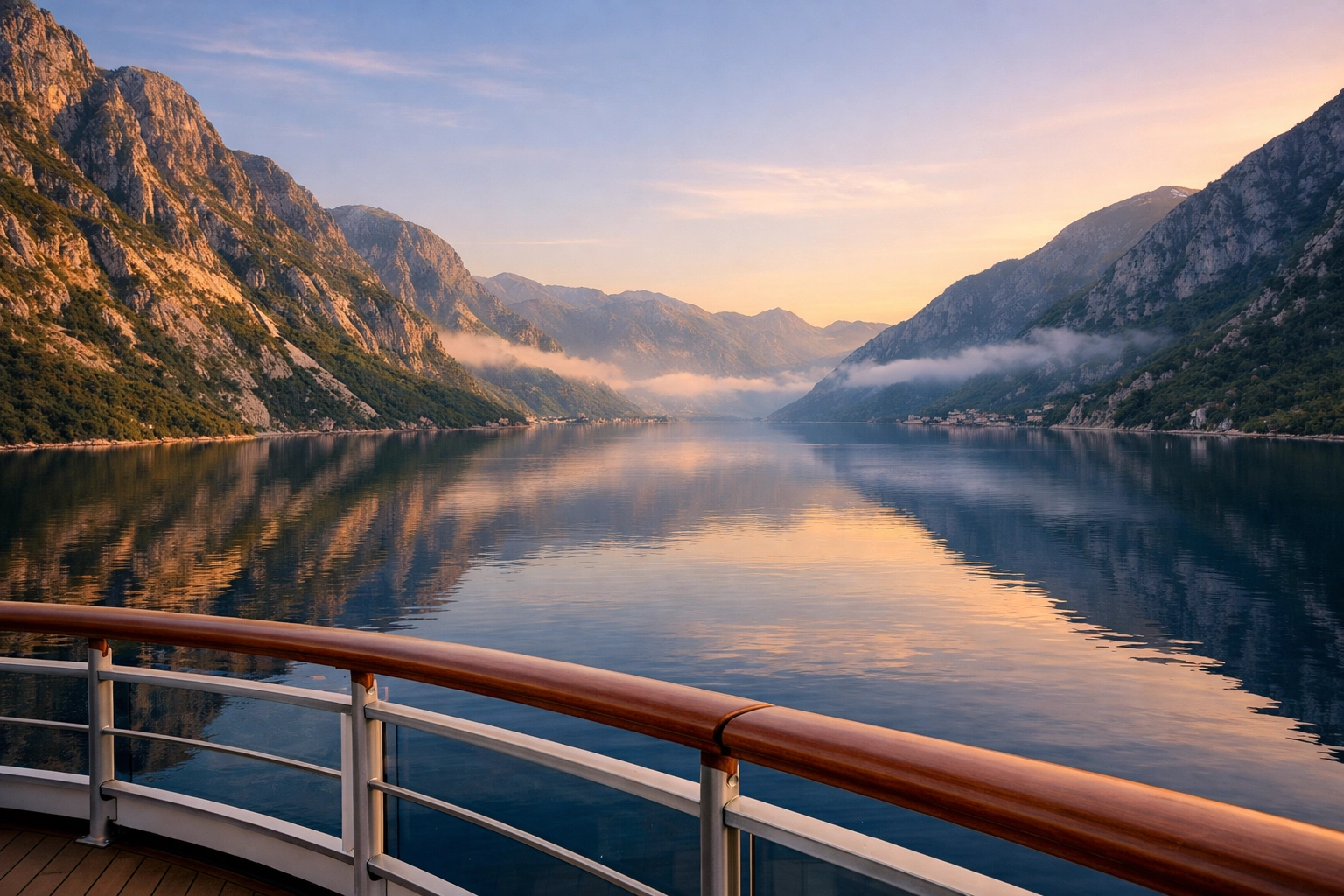
    You wake up at 7:00 AM. You pull back the heavy curtains of your suite. Outside, the morning light hits the water of a narrow bay, reflecting off limestone cliffs that seem to touch the sky. This is what happened to me recently aboard the Enchantment of the Seas. We had a suite with a balcony that faced directly forward on the ship. Seeing the ship enter the Bay of Kotor in Montenegro was a spiritual experience.

    I learned that the “where” of your room matters just as much as the “what.” A forward-facing balcony provides a perspective that most travelers miss. It places you at the helm of your own adventure. You aren’t just a passenger; you are a witness to the approach. This is the level of specificity that separates a generic booking from a luxury experience. You deserve to wake up to a view that takes your breath away every single time.

    Luxury Pix Person in a boat in a tropical location

    Expertise Always Trumps Algorithms

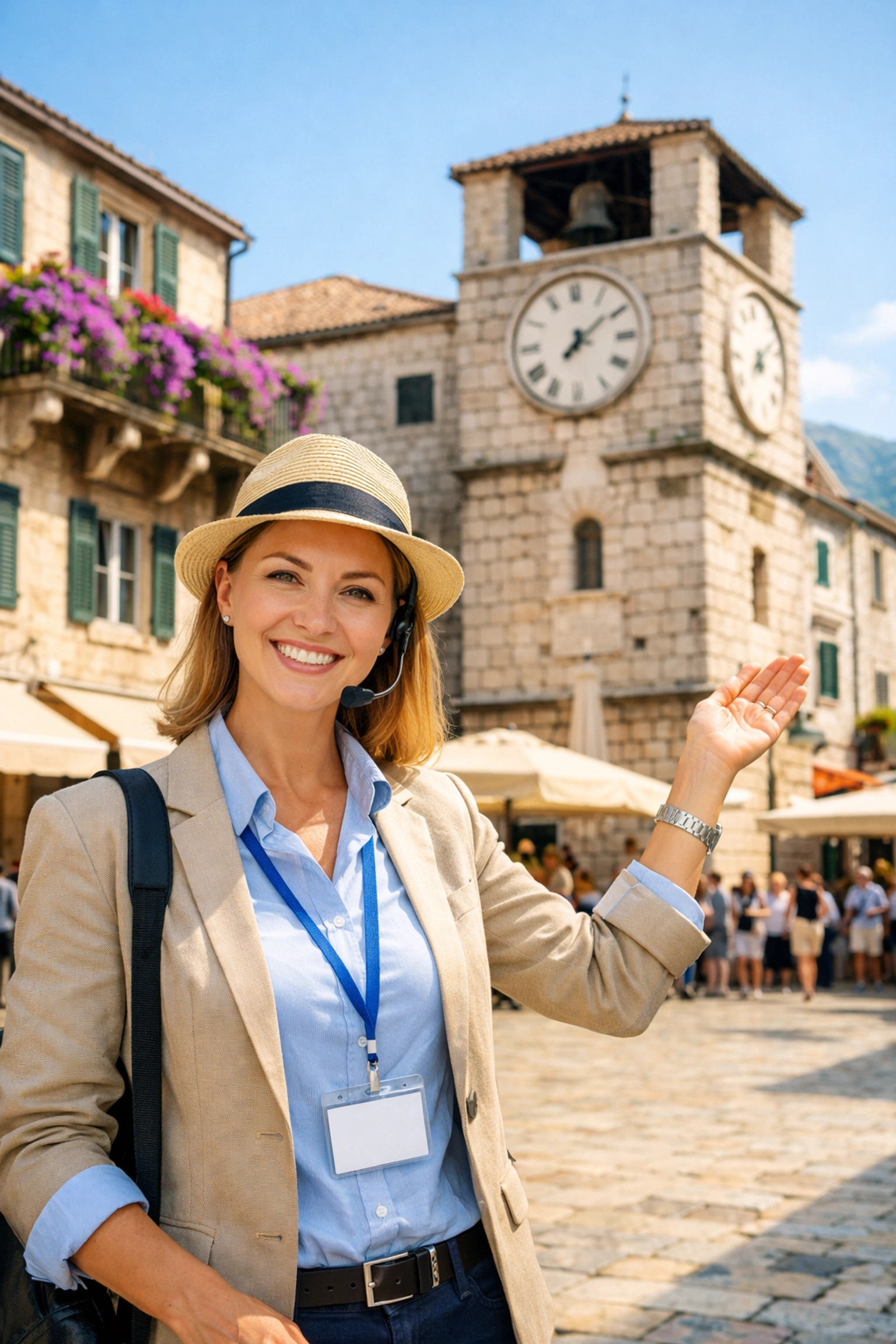
    We live in an age of DIY travel, but an algorithm cannot tell you that a specific guide will change your entire perspective on a country. I recently took an excursion through Princess Cruises in Montenegro, and our guide, Jelena, was a revelation. She wasn’t just reciting facts; she was telling the story of her home. She was one of the best guides I have ever encountered in all my years of planning. In fact, I am ready to poach her for my own team!

    What I learned after planning hundreds of vacations is that people are the heartbeat of travel. A great guide like Jelena turns a pile of rocks into a history lesson and a boat ride into a bucket-list achievement. Our trip to Our Lady of the Rocks was a dream realized, not because the location was famous, but because the expertise behind the tour was top-tier. When you rely on proven expertise, you remove the “hope” factor and replace it with a guarantee of quality.

    Personalization is the Ultimate Luxury

    Every traveler is unique. Every itinerary should be, too. I have learned that personalization isn’t about adding your name to a welcome folder. It is about knowing that you prefer a quiet corner for breakfast or that you need a credit-card-friendly destination because you hate carrying cash.

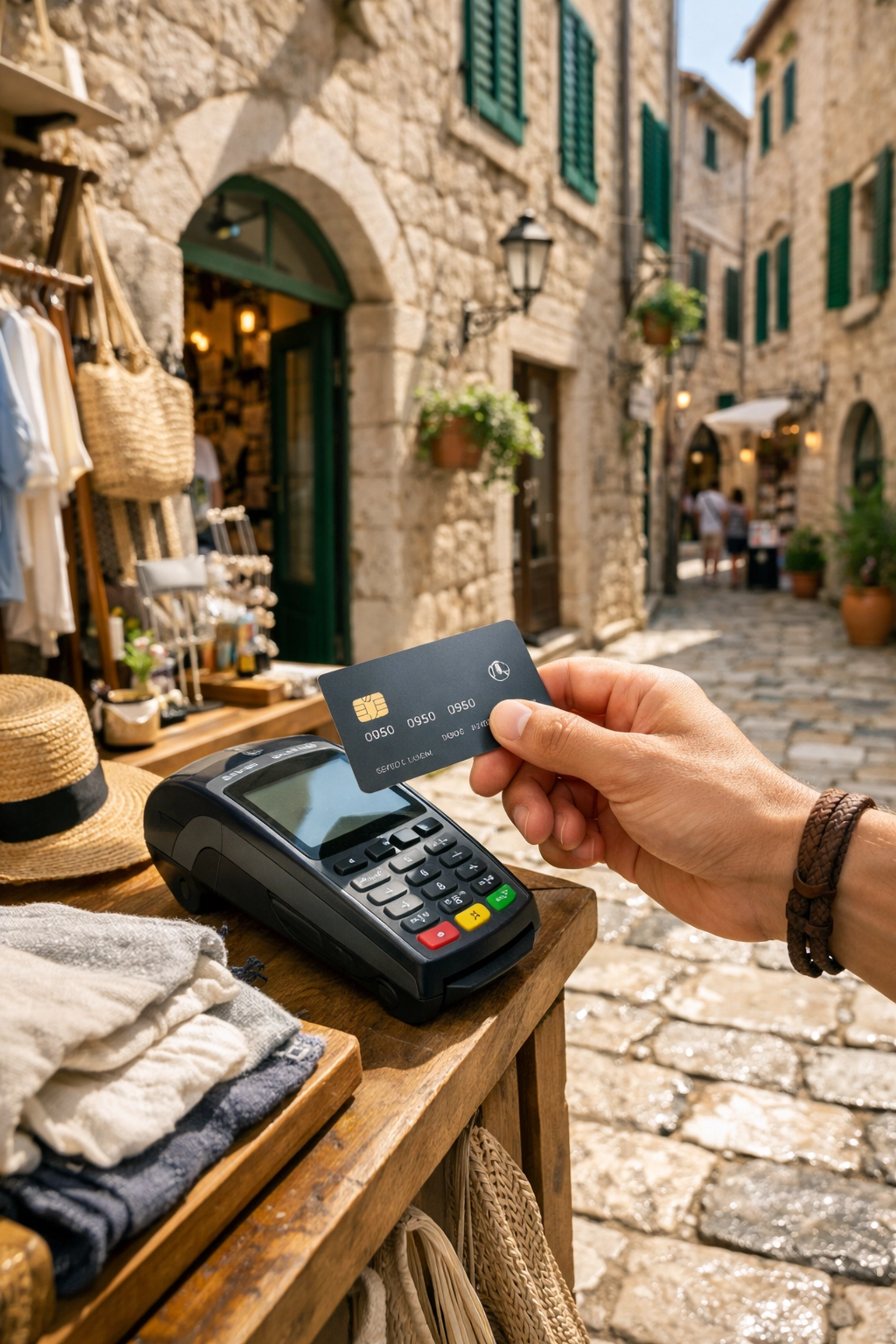
    Take Montenegro, for example. It is a fascinating study in modern travel. The currency is the Euro, yet the country is not officially part of the EU. Because tourism accounts for a staggering 80% of their GDP, almost everywhere accepts credit cards. These are the small, practical details that an expert planner brings to the table. You don’t have to worry about currency exchanges or hidden fees when the logistics are handled beforehand. You can simply focus on the magic of the moment.

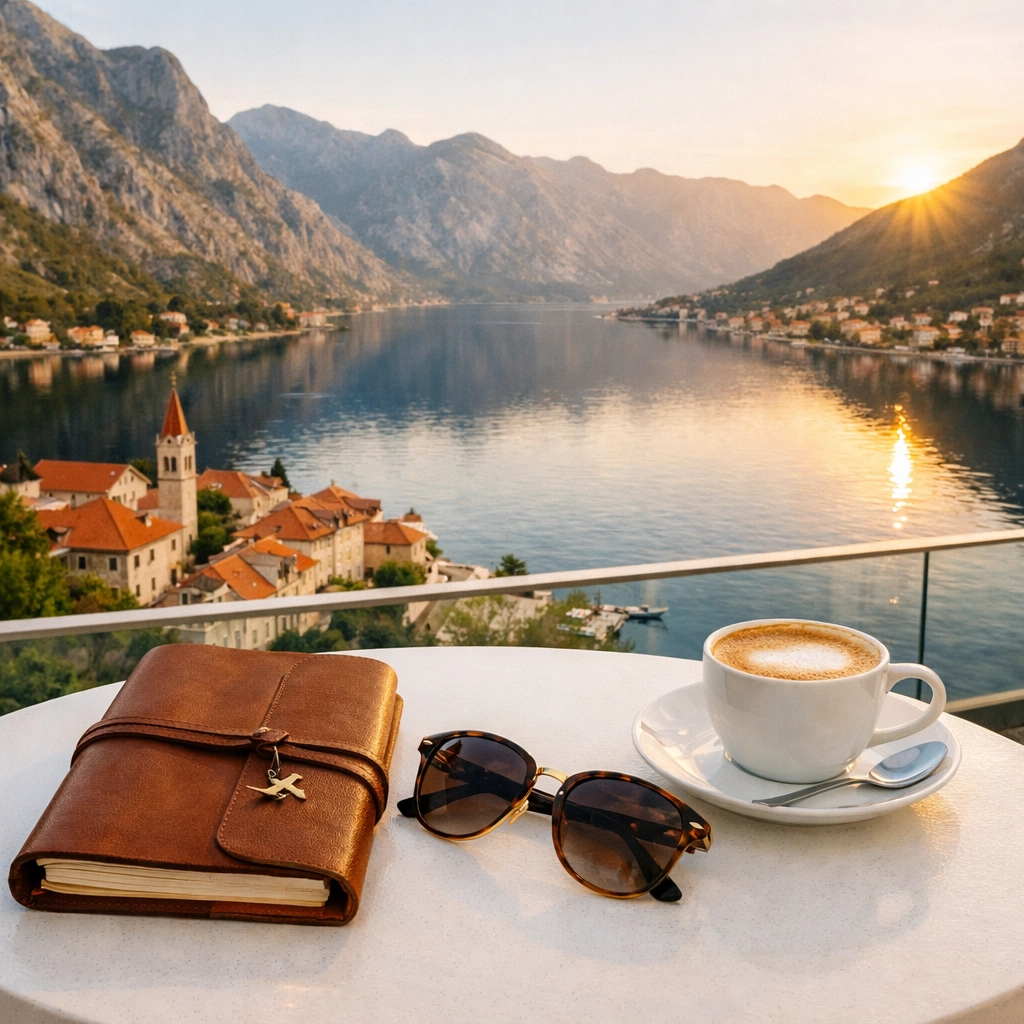
    Luxury travel journal and coffee on a private balcony overlooking the sunrise at Bay of Kotor, Montenegro.

    Managing Energy, Not Just Time

    One of the biggest mistakes I see travelers make, and one I have learned to fix over hundreds of plans, is over-scheduling. You want to see everything. You want to hit every museum, every cafe, and every ruin. But if you are exhausted, you aren’t experiencing anything; you are just surviving it.

    I now advocate for the “Rule of Three.” Focus on one major “must-do” activity, one chance to linger at a local spot, and one exceptional meal. This allows the day to breathe. It allows you to stumble upon a “storybook” Old Town, like the one in Montenegro, and actually have the time to explore its winding alleys without checking your watch. When you manage your energy, you arrive home feeling refreshed, not like you need another vacation just to recover from the first one.

    The Reality of the Modern Destination

    Travel changes places. As an expert, I have to stay ahead of these shifts. Montenegro’s Old Town looks like it was plucked from the pages of a fairy tale, but the reality on the ground is changing. Many of those charming storybook dwellings have become incredibly expensive because they have transitioned into investment properties and AirBnBs.

    Understanding the local economy helps you set expectations. It helps you understand why a certain hotel is priced the way it is, or why a local restaurant feels more authentic than the one in the main square. I have learned to look past the “tourist trap” surface to find the genuine heart of a destination. Whether you are looking for a high-end resort or a hidden gem in a historic district, knowing the market is essential to getting the value you deserve.

    Stress-Free Planning is a Choice

    The most common thing I hear from travelers is how much they dread the planning process. The endless tabs open on the browser, the conflicting reviews, the fear of making a “wrong” choice. What I have learned after planning hundreds of vacations is that stress is optional.

    Luxury travel should be a journey of “yes.”
    Yes, your dietary needs are handled.
    Yes, your private transfer is waiting at the pier.
    Yes, that specific bottle of wine will be in your room.
    When you work with someone who has seen it all, you aren’t just buying a trip; you are buying peace of mind. You are buying the ability to show up and be the guest of honor in your own life.

    Why Some Places Call You Back

    There are thousands of destinations in the world, but only a few will “call you back.” For me, Montenegro is one of those places. It isn’t just because of the forward-facing balcony or the exceptional guides. It is because the planning allowed the destination to shine.

    I’ve learned that a successful vacation creates a longing to return. It leaves a mark on you. You don’t just “check it off” a list; you integrate it into your identity. This only happens when the logistics are so smooth they become invisible. When the background noise of travel: the bookings, the currencies, the transport: is silenced, you can finally hear what the destination is trying to tell you.

    Elegant dining area on a cruise ship

    The Ultimate Secret of World-Class Travel

    If there is one final lesson I can share after hundreds of successful trips, it is this: Luxury is not defined by price, but by the absence of friction.

    A $20,000 trip can be a disaster if the guide is rude and the room faces a brick wall. A simple excursion can be the highlight of your life if the timing is perfect and the company is right. I have learned to prioritize the things that truly matter: the view from the window at 7:00 AM, the knowledge of a local expert like Jelena, and the freedom to explore a storybook town without a care in the world.

    You have worked hard for your time off. You have earned the right to see the world at its best. Don’t leave your memories to chance. Apply the lessons of the experts, focus on the details that create “breath-taking” moments, and always, always look forward.

    Visit www.TimeForYourVacation.com to start planning your next adventure. Check out www.DaveTheTourGuide.com for personalized travel guidance and insider tips. And keep reading www.TimeForYourVacation.blog for more honest takes on the travel industry and how to navigate it like a pro. Try our Luxury concierge with www.BlackKeyElite.com . And listen to my podcast! https://www.podomatic.com/podcasts/contact24682

  • [HERO] The Magic of Montenegro: A Storybook Escape That Will Call You Back

    Montenegro is a whisper. Montenegro is a shout. Montenegro is the kind of destination that settles into your soul and refuses to leave, long after the stamps in your passport have faded. It is a place of jagged limestone peaks, sapphire waters, and ancient stone cities that look like they were plucked straight from the pages of a Brothers Grimm tale.

    You find yourself standing on the deck of a ship, or perhaps on a cobblestone corner, and you realize you aren’t just visiting a country. You are participating in a living history. You are witnessing a landscape so dramatic it feels staged. But it isn’t. It’s raw, it’s real, and it’s calling you.

    The 7 AM Revelation: Entering the Bay

    Imagine this. You are tucked into your suite aboard the Enchanted Princess. It is 7:00 AM. The world is quiet, save for the rhythmic hum of the ship’s engines and the soft lapping of the Adriatic against the hull. You have a forward-facing balcony: the ultimate vantage point for what is about to happen.

    You pull back the curtains, and your breath hitches.

    The Bay of Kotor, or Boka Bay, is often called Europe’s southernmost fjord. Technically, it’s a submerged river canyon, but when you are gliding through those narrow passages flanked by mountains that rise nearly 6,000 feet straight out of the water, the semantics don’t matter. What matters is the scale. The mountains are so close you feel like you could reach out and touch the craggy rock faces. The water is a mirror, reflecting the early morning mist and the terracotta roofs of tiny villages clinging to the shoreline.

    Dawn view of the Bay of Kotor mountains from a luxury cruise ship balcony in Montenegro.

    Entering the bay at dawn is a bucket-list experience you didn’t even know you needed. It is a slow-motion reveal of one of the world’s most beautiful harbors. As the ship maneuvers through the Verige Strait: the narrowest part of the bay: you see the twin islands of St. George and Our Lady of the Rocks appearing like apparitions in the center of the water. This isn’t just travel; this is cinema.

    The Guide Who Stole the Show

    Luxury travel is often defined by the “where,” but it is truly created by the “who.” When you step off the ship, the quality of your experience rests entirely on the shoulders of the person leading the way. On this journey, that person was Jelena.

    Let’s talk about Jelena. She wasn’t just a tour guide; she was a master storyteller, a historian, and a local ambassador rolled into one. Her passion for Montenegro was infectious. She didn’t just rattle off dates and names; she painted a picture of a resilient people and a land with a complicated, beautiful heart.

    Professional tour guide sharing stories in a sun-drenched historic plaza in Montenegro.

    In fact, she was so impressive, so professional, and so deeply knowledgeable that I was genuinely ready to pouch her for DaveTheTourGuide.com on the spot. When you find a guide who can make 2,000 years of history feel like a conversation over coffee, you’ve found gold. Princess Cruises hit the jackpot with this excursion. If you ever find yourself booking a tour in this region, pray that you get someone with even half of Jelena’s spark. She transformed a great day into an unforgettable one.

    A Sanctuary on the Sea: Our Lady of the Rocks

    The highlight of the excursion was the boat ride to Gospa od Škrpjela, better known as Our Lady of the Rocks. This is a bucket-list location that lives up to every bit of the hype.

    Unlike the natural island of St. George nearby, Our Lady of the Rocks is man-made. Legend has it that in 1452, two brothers found an icon of the Virgin Mary on a rock in the sea. They swore an oath to build a church on that spot. For centuries, local sailors kept that oath, dropping a rock in the bay every time they returned safely from a voyage. They even scuttled old ships filled with stones to create the foundation.

    Walking onto the island, you feel the weight of those centuries of devotion. The church itself is small but stunning, filled with 68 paintings by the 17th-century Baroque artist Tripo Kokolja. But the most moving piece is a tapestry embroidered by a local woman, Jacinta Kunić, while she waited 25 years for her husband to return from the sea. She used gold and silver threads, and even her own hair, which you can see turn from brown to grey as the years on the tapestry progress.

    Standing on that tiny island, surrounded by the towering mountains and the deep blue bay, you realize that Montenegro is a place built on faith, patience, and a deep connection to the sea.

    The Storybook Streets of Old Town Kotor

    If Our Lady of the Rocks is the soul of the bay, the Old Town of Kotor is its heart. As you walk through the Sea Gate, you step into a world that feels completely detached from the 21st century.

    Kotor is a labyrinth. It was designed that way on purpose to confuse invaders, and it still works on tourists today. But getting lost here is the point. You turn a corner and find a hidden piazza with laundry flapping between green-shuttered windows. You turn another and find the Cathedral of Saint Tryphon, its twin towers standing guard since 1166.

    Luxury Pix Person in a boat in a tropical location

    The town looks like something out of a storybook. The limestone paving stones are worn smooth by millions of footsteps over a thousand years, reflecting the sunlight with a soft, silvery glow. There are cats everywhere: Kotor’s unofficial mascots: lounging on ancient stone walls and greeting visitors with royal indifference. It is charming, it is picturesque, and it is perfectly preserved.

    The Modern Reality: Economics and Airbnbs

    While the Old Town feels like a museum, it is a living, breathing place facing modern challenges. You will notice that many of the dwellings in the Old Town have become incredibly expensive. Montenegro’s beauty has not gone unnoticed by the world’s elite and savvy investors.

    The traditional way of life in the city center is shifting. Many of these historic stone houses have been converted into high-end Airbnb properties and investment rentals. For the visitor, this means luxury accommodations in the heart of history, but for the locals, it means the cost of living in their own “storybook” has skyrocketed.

    Interestingly, despite the feel of the place, the economy is quite modern in its functionality. Montenegro uses the Euro as its currency, even though it is not yet officially a member of the European Union. This makes things incredibly easy for the luxury traveler. Because tourism accounts for a staggering 80% of the country’s GDP, the infrastructure is built to accommodate you.

    Whether you are buying a handmade lace tablecloth or a high-end dinner at a waterfront restaurant, credit cards are accepted almost everywhere. You get the charm of the old world with the convenience of the new.

    Modern credit card payment in a historic stone alleyway of Kotor Old Town, Montenegro.

    Why Montenegro Calls You Back

    There is a specific feeling you get when you leave Montenegro. As the ship pulls away and the mountains begin to close the door on the Bay of Kotor, you don’t feel like you’ve checked a destination off a list. You feel like you’ve started a relationship.

    Montenegro is a country that is calling you back. It calls to the part of you that craves silence at 7 AM on a balcony. It calls to the part of you that loves a good story told by a guide like Jelena. It calls to the part of you that wants to wander through a stone labyrinth and imagine a different life.

    The air is cleaner here. The water is clearer. The history is heavier. It is a small country with a massive personality. You might come for the cruise, or the “storybook” views, or the bucket-list islands, but you will stay for the way it makes you feel: small, inspired, and deeply at peace.

    Montenegro isn’t just a stop on an itinerary. It is a destination that stays with you, whispering for your return. And trust me, you will want to answer that call.

    Visit www.TimeForYourVacation.com to start planning your next adventure. Check out www.DaveTheTourGuide.com for personalized travel guidance and insider tips. And keep reading www.TimeForYourVacation.blog for more honest takes on the travel industry and how to navigate it like a pro. Try our Luxury concierge with www.BlackKeyElite.com . And listen to my podcast! https://www.podomatic.com/podcasts/contact24682

  • [HERO] The $5,000 Vegas Mistake Most Travelers Make

    The lights are brighter here. The music is louder here. The stakes are higher here. Las Vegas is a city built on the promise of the ultimate experience, a desert neon playground where luxury knows no bounds. You fly in expecting the trip of a lifetime. You book the high-floor suite, you snag the dinner reservations, and you pack your finest clothes. You are ready to live like a high roller.

    But then, the bills start to stack up. By the time you land back home, you realize you spent $5,000 more than you intended: and you didn’t even spend it on the gaming tables.

    The $5,000 Vegas mistake is real. The $5,000 Vegas mistake is common. The $5,000 Vegas mistake is entirely avoidable. Most travelers think they are doing luxury right, but they are actually falling into the “tourist-plus” trap. They pay premium prices for standard experiences, missing out on the true inner circle of Vegas hospitality.

    You deserve better than a standard “luxury” experience. You deserve the real deal.

    Luxury Las Vegas balcony with champagne flutes overlooking the Strip for an elite travel experience.

    The Myth of the “Standard Luxury” Suite

    The biggest chunk of that $5,000 mistake happens before you even leave your house. It happens at the “Confirm Booking” screen.

    You see a penthouse suite at a famous Strip resort. It looks incredible in the photos. It’s $1,200 a night. You think, “This is it. This is the luxury experience.” You book it. You arrive, wait in a thirty-minute line at the front desk, pay a $50-a-night resort fee for Wi-Fi you expected to be free, and realize your “luxury” suite is just a larger version of the standard room three floors below.

    This is where the money disappears. True luxury in Vegas isn’t just about the square footage of your room; it’s about the tier of service that comes with it.

    Many high-end travelers fail to realize that the most iconic hotels have “hotels within the hotel.” Think of the Skylofts at MGM Grand, the Villas at Caesars Palace, or the Tower Suites at Wynn and Encore. When you book a standard suite in the main tower, you are just another guest. When you book into the boutique “inner” hotels, that extra money you spend actually saves you thousands in the long run.

    These tier-one bookings often include private check-in (saving you hours of your life), complimentary airport limousine transfers (saving you $200 round trip), and access to exclusive lounges with free breakfast, cocktails, and appetizers (saving you $300 a day). When you book the “wrong” luxury room, you pay for all of these things individually. That is how you lose the first $1,500 of your $5,000 mistake.

    The “Convenience Tax” That Bleeds You Dry

    You are in Vegas to have fun, not to run errands. The resorts know this. They count on this. They bank on the fact that you won’t leave the property for the small things.

    Have you ever looked at the price of a bottle of water in a Strip gift shop? It can be $12. A bag of pain relievers? $15. A single cocktail by the pool? $32 after tip and “wellness fees.”

    The “Convenience Tax” is a slow bleed. It’s the $200 mini-bar bill because you wanted a midnight snack. It’s the $150 you spent on basic sunblock and a hat because you forgot yours at home. It’s the $10 to $15 fee every time you hit an ATM on the casino floor.

    Luxury travelers often ignore these small costs, thinking they don’t matter in the grand scheme of a high-end trip. But over a four-day stay for a couple, these “small” convenience markups can easily total $1,000. You aren’t paying for quality; you are paying for the fact that you didn’t have a plan.

    Las Vegas resort pool at night with Ferris wheel in background

    Timing: The Secret Budget Killer

    Vegas pricing is a heartless algorithm. You might check a room rate on a Tuesday and see it’s $300. You check again for the following week, and it’s $1,800.

    The $5,000 mistake often comes down to the calendar. Most travelers know to avoid New Year’s Eve or the Super Bowl, but they get blindsided by the “Hidden Conventions.”

    Las Vegas hosts massive trade shows like CES, MAGIC, or NAB. During these weeks, every “regular” luxury experience triples in price. The steakhouse that usually has a table available now requires a $500 minimum spend. The Uber that costs $20 now has a 4x surge.

    If you don’t track the city’s convention calendar, you are walking into a financial buzzsaw. You end up paying “Peak Peak” prices for an experience that would have cost half as much just seven days later. A lack of strategic timing is a guaranteed way to overspend by thousands without receiving a single extra ounce of luxury.

    Elegant Las Vegas fine dining restaurant interior with white tablecloth and marble floors.

    The Tipping Trap and the Service Gap

    In Las Vegas, money talks, but the right kind of money screams.

    Many travelers make the mistake of over-tipping for the wrong things and under-tipping for the right ones. They throw $100 at a nightclub doorman who was going to let them in anyway, but they forget to take care of the concierge who holds the keys to the most exclusive “off-menu” experiences in the city.

    The mistake isn’t just about the cash: it’s about the missed opportunity. In Vegas, the best experiences aren’t listed on a website. They aren’t on the standard concierge desk menu. They are reserved for those who know how to navigate the social economy of the Strip.

    When you don’t have an expert advocate in your corner, you pay “retail” for everything. You pay the full “Buy It Now” price for show tickets, dinner reservations, and daybed rentals. You miss the complimentary upgrades, the “owner’s table” at the restaurant, and the behind-the-scenes tours that make a trip truly unforgettable. This “Service Gap” represents at least $1,000 in lost value.

    Professional concierge welcoming guests at a luxury resort VIP entrance with a black car.

    The “Free Drink” Illusion

    It’s the oldest trick in the book. “Sit down at a machine, play a little, and the drinks are free!”

    For the luxury traveler, this is a dangerous siren song. You are playing a $5 or $25 machine. You wait twenty minutes for a waitress. You tip her $5 for a lukewarm gin and tonic made with well liquor. In the time you waited, you’ve cycled hundreds of dollars through the machine.

    The mistake here is thinking you are getting a deal. The ultra-wealthy and the truly savvy Vegas visitors don’t play for drinks. They book mixology experiences at hidden speakeasies like The Laundry Room or Ghost Donkey. They spend their money on high-quality spirits and expert craftsmanship rather than “losing” it to the casino in exchange for a plastic cup of soda and cheap vodka.

    How to Reclaim Your $5,000

    The good news? You can have a significantly more expensive-feeling vacation while spending significantly less of your hard-earned money. It all comes down to expertise.

    Stop booking through massive travel portals that treat you like a confirmation number. Stop relying on “top 10” lists from influencers who were paid to be there. Real luxury is about precision. It’s about knowing which specific rooms in which specific towers have been recently renovated. It’s about knowing which host at which club actually has the power to move your table closer to the action.

    You want the private limo? It should be part of your room package, not an extra charge on your credit card. You want the best seat at the show? It should be secured weeks in advance through a professional network, not bought at a kiosk in the mall.

    Vegas is a game. You can either be the player or the one being played. When you avoid the $5,000 mistake, you aren’t “budgeting”: you are optimizing. You are ensuring that every dollar you spend results in a memory that actually feels like it was worth the price tag.

    Sun-drenched Las Vegas penthouse suite with a panoramic mountain view and luxury furniture.

    The Freedom of a Perfect Plan

    Imagine landing at Harry Reid International Airport. Your driver is waiting at the bottom of the escalator. You bypass the crowded baggage claim and the humid taxi line. You whisk away to a private entrance at your resort where a glass of chilled champagne is waiting. Your luggage is already in your suite. Your dinner reservations are confirmed at the city’s hardest-to-get-into Japanese fusion spot, and the chef already knows about your preference for bluefin tuna.

    There are no “surprise” resort fees. There are no $12 bottles of water. There is no stress.

    This isn’t a dream. This is simply what happens when you stop making the mistakes that most travelers make. You don’t have to be a billionaire to be treated like one in Las Vegas; you just have to be smarter than the crowd.

    The lights of the Strip are calling. The desert air is cooling down. The city is ready for you. The question is: are you going to give the house an extra $5,000, or are you going to keep it for your next adventure?

    The choice is yours. Make it a luxurious one.

    Visit www.TimeForYourVacation.com to start planning your next adventure. Check out www.DaveTheTourGuide.com for personalized travel guidance and insider tips. And keep reading www.TimeForYourVacation.blog for more honest takes on the travel industry and how to navigate it like a pro. Try our Luxury concierge with www.BlackKeyElite.com . And listen to my podcast! https://www.podomatic.com/podcasts/contact24682