![[HERO] What $10,000 Gets You in Travel vs What $2,000 Gets You](https://cdn.marblism.com/4E8tIU50W6T.webp)
You want the truth about your next trip. You want to know if that extra zero on your bank statement actually changes the way the sun feels on your face in Tuscany. You want to understand why some people come back from vacation looking like they need a vacation, while others return looking five years younger.
Money doesn’t just buy things; it buys time. It buys access. It buys peace of mind. When we talk about the difference between a $2,000 trip and a $10,000 trip, we aren’t just talking about a thread count or a better brand of gin in the minibar. We are talking about two completely different versions of reality. One is a series of compromises. The other is a series of triumphs.
Whether you are saving up for your first big solo adventure or you are looking to drop a significant investment on a milestone anniversary, the “gap” between these two price points is a canyon. Let’s look across that canyon and see what is actually happening on both sides.
The Flight: Survival vs. Sanctuary
You start your journey at the airport. At the $2,000 level, the flight is often the biggest hurdle. If you are flying internationally, half of your budget: or more: disappears before you even leave the tarmac. You spend weeks hunting for “mistake fares” or flying on a Tuesday at 4:00 AM because it saves you eighty bucks.
You find yourself in seat 44E. You are sandwiched between a guy who didn’t get the memo on personal hygiene and a child who views the back of your seat as a kickboxing bag. You eat a lukewarm pasta dish that tastes vaguely like cardboard. You arrive at your destination with a stiff neck, a headache, and a desperate need for a nap. You’ve “saved” money, but you’ve sacrificed your first 48 hours to recovery.

Now, look at the $10,000 traveler. The flight isn’t a hurdle; it’s the beginning of the holiday. You aren’t hunting for deals; you are hunting for experiences. You are in Business Class or a very high-end Premium Economy. You have lounge access, which means instead of sitting on a cold plastic chair at the gate, you are sipping a chilled Prosecco and eating artisanal cheeses.
On the plane, you have a lie-flat bed. You sleep for six hours. You wake up, have a hot towel service, and walk off the plane feeling refreshed. You don’t need a recovery day. You land at 9:00 AM and you are ready for a three-course lunch and a museum tour by noon. At the $10,000 level, you gain two extra days of “real” vacation time just by virtue of how you traveled.
The Sleep: A Room vs. A Residence
Where you lay your head matters. It dictates your mood every morning and your comfort every night.
At $2,000, you are looking at “charming” three-star hotels or highly-rated hostels. In Europe, this means a room the size of a walk-in closet where the shower is basically on top of the toilet. In Southeast Asia, it’s a decent bungalow, but you might be sharing your space with a few local geckos. You are constantly checking reviews to make sure the “free Wi-Fi” actually works and that the “central location” isn’t directly above a nightclub that plays techno until 5:00 AM. You are an observer of the local culture, often from the fringes.
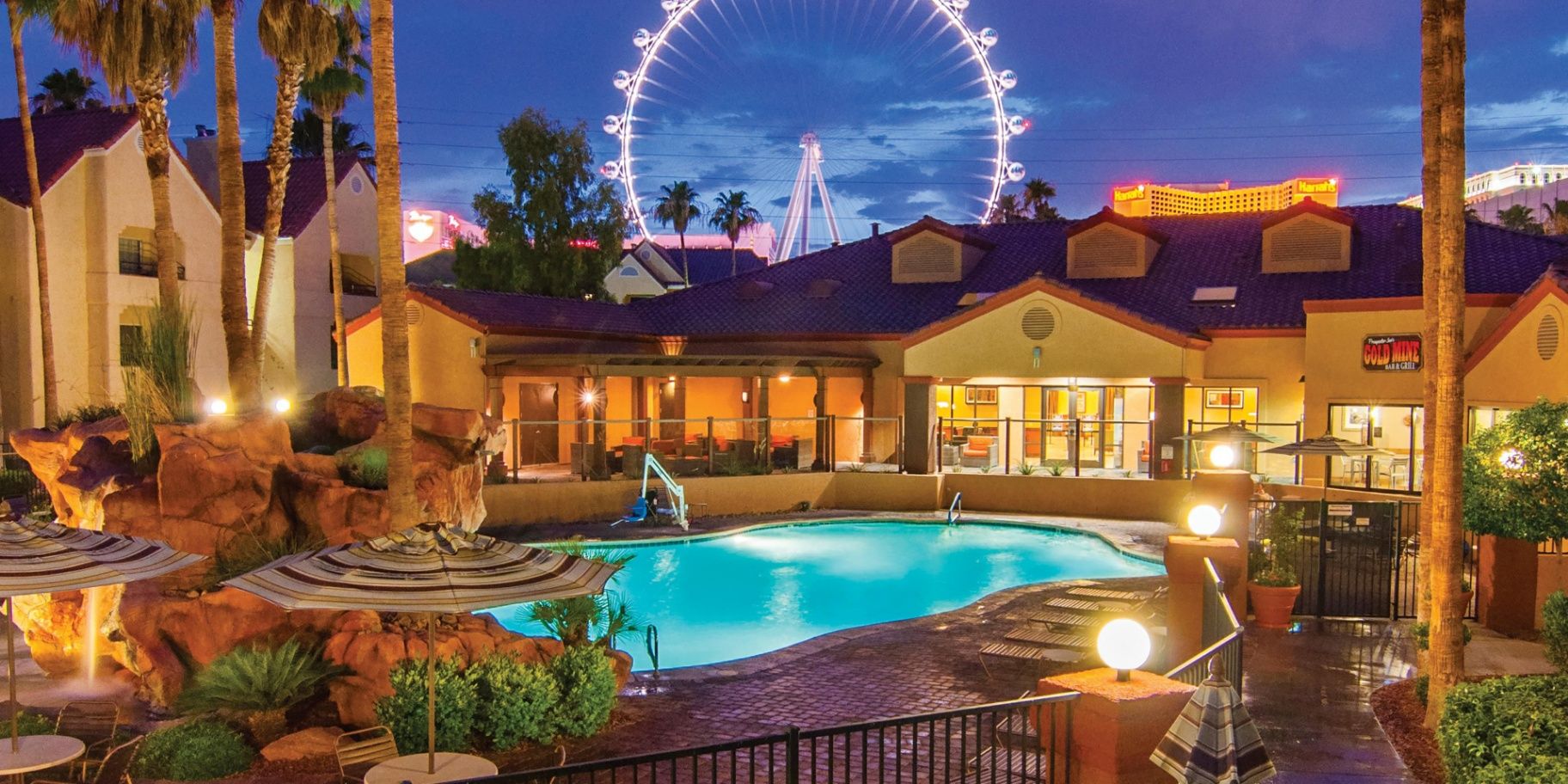
When you step into the $10,000 bracket, your accommodation becomes the destination. You aren’t just staying in a room; you are staying in a piece of history. You are in a junior suite at a 5-star hotel where the staff knows your name before you even show your ID. You have a balcony overlooking the Grand Canal in Venice or a private pool in a Balinese villa.
There is a level of service here that removes every “friction point” of travel. If you need your suit pressed for dinner, it happens. If you want a specific bottle of wine waiting for you at midnight, it’s there. You aren’t worrying about the Wi-Fi or the noise; you are surrounded by an atmosphere of curated silence and luxury. You wake up in a bed with 1,000-thread-count sheets, look at the view, and feel like the world belongs to you.
The Plate: Fuel vs. Fine Dining
Let’s talk about food. You have to eat three times a day. How you do that defines your cultural immersion.
The $2,000 traveler is the master of the “cheap eat.” You become an expert on street food, local bakeries, and grocery store picnics. This can be incredible! There is nothing like a three-euro crepe in Paris or a dollar bowl of pho in Hanoi. However, there is a constant mental calculator running in your head. “If I buy this expensive cocktail, can I afford the museum entrance tomorrow?” You are eating for fuel. You are avoiding the places with white tablecloths because the “Coperto” (cover charge) feels like an attack on your bank account.
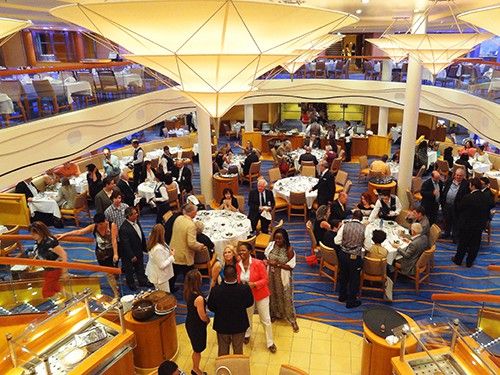
At the $10,000 level, dining is an art form. You aren’t looking at the right side of the menu. You are booking reservations at Michelin-starred restaurants months in advance. You are doing the 12-course tasting menu with the wine pairing because you want to understand the soul of the chef’s vision.
But it’s more than just fancy restaurants. It’s about access. It’s the private chef who comes to your villa to teach you how to make authentic pasta. It’s the truffle hunting excursion followed by a private lunch in the woods. It’s the ability to walk into the best bar in town and have the bartender make you something bespoke because you aren’t worried about the $30 price tag. You are experiencing the absolute peak of the local culinary scene without a single moment of “budget guilt.”
The Experience: The Group vs. The Guide
This is where the $8,000 difference really shows its teeth.
At the $2,000 level, you are often a face in a crowd. You are on the big tour bus with 40 other people, following a guide holding a neon umbrella. You are herded through the Colosseum or the Louvre, catching snippets of information while trying not to lose your group. Your schedule is dictated by the “standard” itinerary. You see what everyone else sees. You wait in lines. You deal with the crowds. You are a tourist.

At the $10,000 level, you are an explorer. You have a private guide: an expert in art history or local lore: who meets you at your hotel. They have “skip-the-line” access that actually works. They take you to the hidden workshops in Florence where the real leather is made, or the private vineyards in Napa that don’t even have a sign on the road.
If you want to spend three hours looking at one painting, you can. If you want to scrap the afternoon plan and go for a private boat ride instead, your guide makes a call, and it happens. You have a “fixer” who handles the logistics. You don’t stand in lines. You don’t deal with the neon umbrellas. You experience the destination on your terms, at your pace, with a level of depth that the $2,000 budget simply cannot reach.
The Invisible Factor: Stress and Logistics
The most expensive part of travel isn’t the hotel or the food; it’s the mental energy required to make it all work.
The $2,000 trip requires constant management. You are checking train schedules, navigating public transit with heavy bags, haggling with taxi drivers, and trying to figure out why the “confirmed” booking you made on a discount site isn’t showing up in the hotel’s system. You are the CEO, the intern, and the security guard of your own vacation. It’s rewarding, but it’s exhausting.
The $10,000 trip is seamless. When you land, there is a driver waiting with a sign. When you move from one city to the next, your bags “magically” disappear from your room and reappear in the next one. Every transfer, every ticket, and every reservation is handled by a professional.
You aren’t spending your precious vacation time staring at Google Maps or arguing with a ticket kiosk. You are fully present. You are looking at the architecture. You are talking to your partner. You are breathing. You have outsourced the stress of travel to someone else, and that: more than anything else: is what the extra money pays for.
Which One Is Right for You?
You might think that $10,000 sounds like a lot for a week or ten days. And you’re right, it is. But when you break down the “cost per hour of joy,” the math starts to change.
If you spend $2,000 but spend half of your time tired, stressed, or standing in lines, your “cost per quality hour” is actually quite high. If you spend $10,000 and every single moment is curated, comfortable, and deeply enriching, you are getting a much higher return on your investment of time.
You don’t have to be a billionaire to travel well. You just have to decide what your time is worth. Are you looking to survive a trip, or are you looking to be transformed by it?
One is a vacation. The other is a life-changing event.
You deserve to see the world without the “budget blinkers” on. You deserve the suite. You deserve the private guide. You deserve to come home feeling like you’ve actually been away.
The world is big, and your time is short. How are you going to spend it?
Visit www.TimeForYourVacation.com to start planning your next adventure. Check out www.DaveTheTourGuide.com for personalized travel guidance and insider tips. And keep reading www.TimeForYourVacation.blog for more honest takes on the travel industry and how to navigate it like a pro. Try our Luxury concierge with www.BlackKeyElite.com . And listen to my podcast! https://www.podomatic.com/podcasts/contact24682


Leave a Reply