
Plan earlier. Choose better. Travel deeper.
Luxury travel in 2027 is not simply about going farther, staying somewhere grander, or adding more services to an already full itinerary. It is about intention. It is about privacy, personal space, measurable wellbeing, human judgment, and experiences that feel genuinely yours.
The signals are already clear. Travelers are reserving new ships and resorts eighteen to twenty-four months ahead. Villas are replacing conventional room layouts. Wellness is becoming more scientific. Digital detox is moving from novelty to necessity. And as artificial intelligence makes it easier to generate an itinerary, original taste becomes more valuable.
These are the ten trends defining luxury travel in 2027.
1. The Era of Ultra-Planned Travel
Book earlier. Breathe easier. Secure the experience you actually want.
The old idea of luxury travel involved spontaneity. You could decide where to go, call the right person, and find a beautiful suite waiting. That still happens in some destinations and seasons. At the top end of the market, however, the strongest demand is moving in the opposite direction.
For 2027, eighteen-to-twenty-four-month planning windows are becoming the new standard for the most limited experiences. The reason is simple. There are only so many ocean-view villas, private residences, top suites, expedition cabins, and holiday-week departures. Once they are gone, money alone may not bring them back.
Availability anxiety is real. Affluent travelers are not necessarily worried about whether they can afford a trip. They are worried that the exact trip they want will no longer be available. They want the corner suite, the connecting residences, the best Christmas sailing, the private guide, and the preferred restaurant times. They want certainty.
New launches are intensifying that behavior. Travelers are already watching products such as Seven Seas Prestige, Oceania Sonata, Six Senses Lake Como, and Amanvari in Mexico. New properties create a powerful first-season effect. Guests want to be among the first to experience the design, service, restaurants, and atmosphere before the wider market catches up.
Price-locking also becomes a strategy. Booking early can protect a rate before demand rises, although terms and cancellation conditions always matter. Read the details. Confirm the deposit structure. Understand whether the rate is refundable, transferable, or tied to a specific package.
My advice is direct. If your 2027 trip involves a new opening, peak summer in Europe, a holiday week, or a limited-capacity cruise, start now. You are not overplanning. You are protecting choice.
2. The Space Economy
More space. Less noise. Better living.
Luxury travelers are increasingly choosing space over proximity. A larger private villa may matter more than a hotel located five minutes closer to the beach. A residence with a kitchen, terrace, private pool, and several bedrooms can serve a family better than a collection of separate rooms along a corridor.
This is the space economy. It is not only about square footage. It is about how that space feels and functions.
Private villas and residential-style accommodations offer separation without sacrificing service. You can have breakfast outside while children sleep late. You can read beside the pool without passing through a busy lobby. You can gather for dinner and still retreat to a private bedroom afterward. That flexibility changes the rhythm of a vacation.
Resorts are responding. New developments and renovations increasingly include multi-bedroom residences, bungalows, private pools, larger terraces, and dedicated concierge support. In Greece, examples highlighted in current luxury travel reporting include beachfront residences at Sani Asterias, expansive accommodations at One&Only Kea Island, and growing villa inventory across Corfu, Halkidiki, Mallorca, and other Mediterranean destinations.
The same design logic appears in the Maldives, the Caribbean, Africa, and Mexico. The best accommodation is becoming a private base rather than a simple place to sleep.
This trend is especially important for multigenerational travel. Grandparents, parents, teenagers, and young children may want time together, but they do not want every moment shared. A well-designed residence creates common ground and personal breathing room.
Expect resorts to keep reconfiguring around low-density living. Expect more arrival experiences that bypass the main lobby. Expect residential kitchens, outdoor lounges, private gyms, and dedicated hosts. Expect the phrase “hotel service, villa privacy” to become one of the defining promises of 2027.
When you plan, ask a better question. Do not ask only how many people a property sleeps. Ask how comfortably everyone can live there for a week.
3. Wellness Goes Clinical
Feel better. Measure progress. Return changed.
Wellness is no longer a one-hour massage between lunch and cocktails. It is becoming the architecture of the stay.
In 2027, luxury wellness focuses more directly on outcomes. Travelers want better sleep, lower stress, improved mobility, stronger fitness, sharper focus, and sustainable changes they can carry home. Spiritual and restorative experiences still matter. They are simply joined by diagnostics, medical consultations, and performance-based programs.
Current luxury wellness reporting points to rising interest in measurable outcomes involving sleep, fitness, and stress reduction. Properties are responding with sleep assessments, nutrition planning, movement evaluations, personalized supplements, and structured recovery schedules.
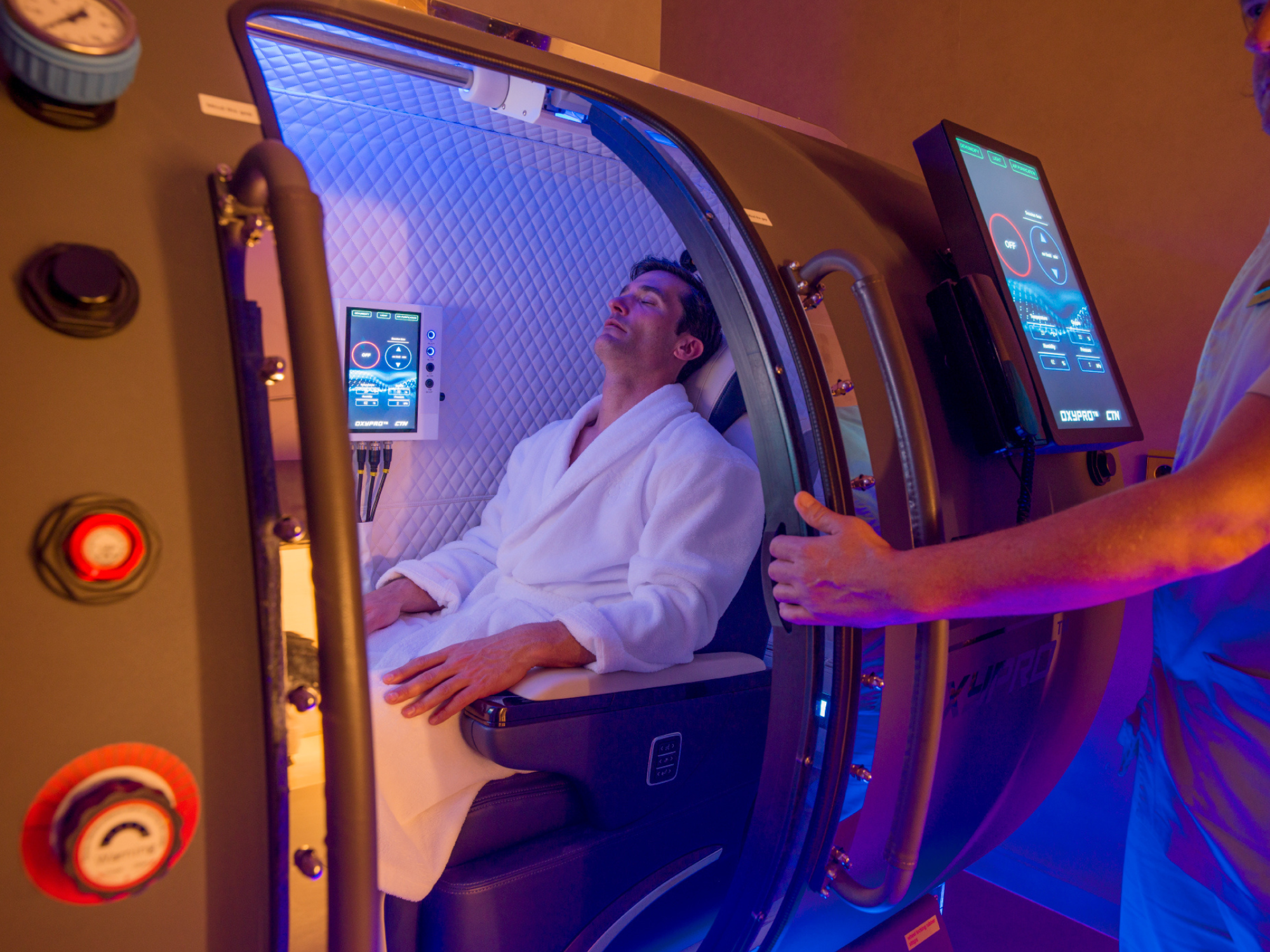
The treatment menu is changing, too. Depending on the property and local regulations, programs may include hyperbaric oxygen therapy, red-light therapy, sensory-deprivation experiences, metabolic testing, hypoxia-hyperoxia sessions, personalized intravenous treatments, and medical consultations. These services require careful oversight. They are not interchangeable with general spa treatments, and guests should always review credentials, contraindications, and clinical supervision.
The most sophisticated programs do not throw technology at every problem. They combine science with fundamentals. You may begin the morning with a diagnostic consultation, spend the afternoon walking through a forest, eat a Mediterranean-style meal prepared with local ingredients, and finish the evening in a cool, quiet room designed for sleep.
That balance matters. The goal is not to turn vacation into a hospital visit. The goal is to make wellbeing feel luxurious, human, and useful.
Look for stays that give you a clear framework. What happens before arrival? What happens during the program? What information do you receive afterward? Does the property explain the purpose of each treatment? Does it make realistic claims?
The ultimate wellness trip is not the one with the longest treatment list. It is the one that helps you understand what your body needs and gives you the space to respond.
4. The Return to Analogue
Less screen. More texture. Full attention.
For years, luxury meant more. More amenities. More dining outlets. More technology. More ways to customize every detail. In 2027, some of the most desirable experiences do the opposite.
They remove distractions.
Travelers are returning to analogue pleasures: handwritten notes, physical room keys, printed books, vinyl records, long lunches, card games, sketchbooks, and conversations that are not interrupted by notifications. The point is not to reject technology permanently. The point is to stop allowing technology to define every moment.
The trend is visible in remote lodges, open-air villas, wilderness camps, and small properties that create conditions for presence. At Minaret Station in New Zealand, a remote setting and tiny room count make the landscape the main event. In South Africa, Singita’s Night Camp invites guests to sleep beneath the stars in a carefully supported wilderness environment. In Bali, open-air villa concepts make the jungle, wind, and changing light part of the room.
These experiences are not primitive. They are deliberate. High-quality linens, thoughtful food, excellent guides, and attentive service remain essential. The luxury comes from removing the unnecessary rather than adding the extravagant.
You may see more properties offering device-light rooms, phone-free excursions, technology-free dining, and quiet zones. Some will provide books selected for the destination. Others will place journals, watercolor sets, board games, or musical instruments in guest spaces.
A digital detox should never feel punitive. You should be able to reconnect when needed. The best programs make disconnection easy, not forced.
Ask yourself what you want to notice. Is it the sound of water against a dock? The smell of cedar after rain? The expression on your child’s face during a first safari? The answer will tell you how much technology belongs in the itinerary.
Perhaps the greatest luxury in 2027 is not having more to do. It is having enough quiet to notice what is already there.
5. The End of Endless Choice
Fewer options. Better decisions. More time.
Luxury has often been presented as abundance. Choose from twelve pillows. Select from twenty excursions. Review a restaurant list so long that dinner becomes a research project. Customize every detail. Compare every possibility.
That model is losing its appeal.
In 2027, luxury increasingly means decision relief. You do not want infinite information. You want someone to understand your preferences and narrow the field intelligently.
The best properties are learning to remember. They know whether you prefer a firm pillow, a quiet table, a room away from the elevator, or coffee before breakfast. The best planning process works the same way. It asks thoughtful questions once, then uses the answers to create a coherent trip.
This does not mean you surrender control. It means you spend your attention where it matters. Instead of comparing forty hotels, you evaluate three that fit your style. Instead of reading every restaurant review, you receive two recommendations with a clear explanation. Instead of choosing between endless excursions, you select the experience that matches your energy, interests, and timing.
Decision fatigue is expensive. It consumes the time you meant to protect.
Curation is especially valuable for complex trips. A multigenerational safari, a private yacht charter, a European summer, or a journey combining cities, rail, and villas contains hundreds of moving parts. More information does not automatically create a better outcome. Good judgment does.
You should expect more hospitality brands to build preference profiles across stays. You should also expect better communication before arrival. The right questions may cover sleep, mobility, food, privacy, social energy, and the pace you prefer.
The best luxury feels obvious after it is curated. You arrive and wonder why every decision seems so easy. That is the point.
6. Literary-Inspired Travel
Read the place. Walk into the story. Remember more.
Book-cations and literary retreats are moving into the luxury travel space because stories create emotional connections before a traveler ever arrives.
A novel can make a coastline feel familiar. A poem can change the way you see a city. A memoir can turn a landscape into a personal question. Literary travel uses that emotional preparation to make a destination feel deeper and more memorable.
The format varies. You may join a small reading retreat at an elegant resort. You may follow the landscapes of a favorite author. You may visit independent bookstores, historic homes, libraries, archives, literary festivals, or cafés connected to a particular story. You may simply build reading time into a slower itinerary.
Current reporting has identified growing interest in book-cations, while luxury reading retreats are creating intimate communities around carefully chosen destinations. Some retreats limit attendance, select participants through an application, and pair reading discussions with local excursions, author visits, and excellent meals.
That curation matters. A literary trip should not become a rushed checklist of author-related landmarks. It should leave room for quiet. It should allow you to read in a garden, talk about a chapter over lunch, and understand how landscape shaped the work.
Greece is particularly compelling. Homer, Kazantzakis, Cavafy, Seferis, and countless contemporary voices offer different ways into the country’s islands, cities, mythology, and coastlines. Corfu carries a rich literary association. Crete offers history, poetry, and a strong sense of place. Athens combines ancient texts with a living creative scene.
You do not need to be an academic. You need curiosity.
Bring one book. Bring two. Better yet, choose a title connected to the destination and read it slowly. Let the setting interrupt you. Let the sea, market, mountain, or train station alter the meaning of the page.
In 2027, the best literary journey is not an escape from the world. It is a more thoughtful way to enter it.
7. No Photos, Please
Privacy is status. Mystery is memorable.
In a world where almost every restaurant, room, beach, and viewpoint is photographed before you arrive, privacy feels rare. That is why discreet properties and phone-free experiences are gaining appeal.
The new luxury is not always being seen. Sometimes it is not being documented at all.
Hotels, restaurants, spas, and private residences are placing greater emphasis on guest privacy. Some discourage photography in shared spaces. Others prohibit recording in spas, saunas, restaurants, or exclusive lounges. A few collect phones at the door for special meals or wellness experiences.
The purpose is not secrecy for its own sake. It is presence. It is also protection. High-profile guests, families, executives, and public figures need spaces where they can relax without worrying about becoming someone else’s content.
The trend reflects a wider exhaustion with performative travel. A place can lose its atmosphere when every guest is staging the same photograph. A quiet beach becomes a queue. A beautiful meal becomes a production. A private moment becomes a post.
Discretion is particularly powerful in small properties. A four-bedroom residence may be marketed with minimal photography. A hidden garden may be described rather than displayed. A restaurant may ask guests to trust the experience instead of previewing every plate online.
That creates a different kind of anticipation. You do not arrive to recreate an image. You arrive to discover something.
When you book, ask about privacy policies. Ask whether the property welcomes children, paparazzi-sensitive guests, or large public events. Ask whether your villa has a private entrance and whether dining areas are open to outside visitors.
You should also respect the rules. A phone-free dining room is not an inconvenience. It is part of the experience you chose.
In 2027, “you have to go to know” becomes a powerful luxury promise.

8. Greece’s Peak Moment
Greece is ready. The Aegean is calling.
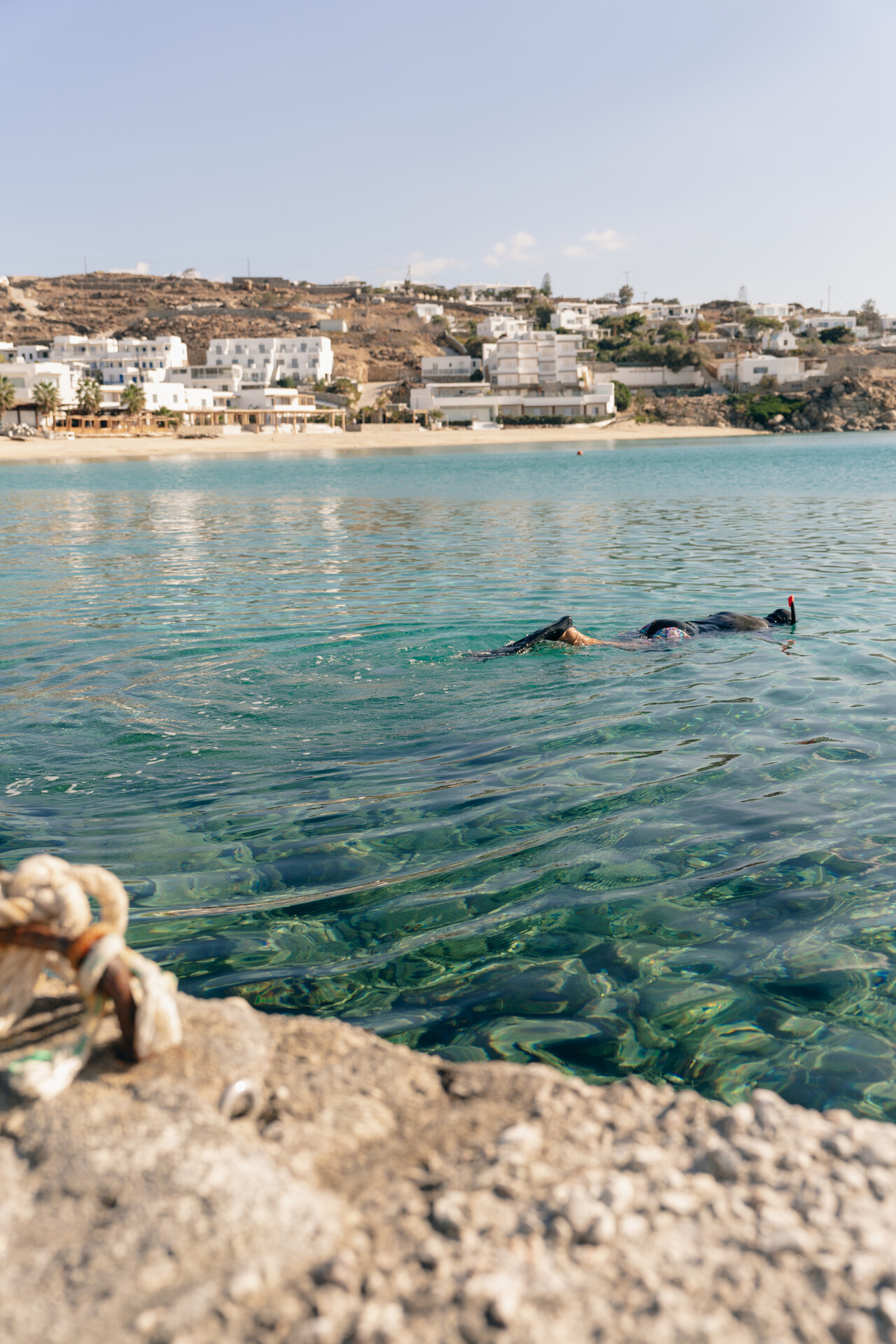
Greece has been beloved for generations, but 2027 may be a particularly strong year for the destination. Cultural attention, new luxury inventory, improved access, and the country’s enduring hospitality are converging at the right moment.
The Aegean remains the center of the conversation, but sophisticated travelers are looking beyond the most familiar summer patterns. Crete, Paros, Corfu, Kea, the Peloponnese, and lesser-known coastal areas offer more space, more privacy, and more ways to build a slower itinerary.
Several new or anticipated openings are adding momentum. Rosewood Crete, Kenshō Paros, and Conrad Corfu are among the names appearing in current 2027 travel coverage. They join an increasingly strong collection of high-end hotels and villas across the country.
The attraction is not only visual. Greece offers a complete luxury narrative. You can combine archaeological history, seafood lunches, sailing, hiking, wine, wellness, architecture, and village life within one journey. The experience feels varied without requiring constant movement.
Film and television can influence demand, too. Current travel reporting points to the continuing cultural impact of major productions connected to Greek landscapes and mythology. That attention can bring new visitors, but it is the depth of the destination that encourages repeat travel.
Smart planning matters. July and August remain highly sought after, which means top villas, boats, and suites disappear early. Consider June or September for warm water, softer light, and a more measured pace. Consider a split stay that combines one major island with a mainland experience. Consider a private boat day rather than trying to visit too many islands.
Greece rewards restraint. Choose fewer bases. Stay longer. Eat locally. Leave room for an unplanned swim or a sunset that takes longer than expected.
In 2027, Greece is not merely a popular destination. It is one of the clearest expressions of modern Mediterranean luxury.
9. The Runway Effect
New routes create new dreams.
Airline schedules increasingly shape luxury travel decisions. A destination can move from complicated to compelling when a new nonstop route removes a connection, shortens the journey, or makes a weekend extension practical.
The effect is immediate. New routes change the mental map.
Qantas’ Project Sunrise is the most dramatic example for 2027. According to the airline’s published information, daily nonstop Sydney-to-London flights are scheduled to begin in October 2027, with tickets expected to go on sale in February 2027, subject to approvals and certification. Qantas also plans a Sydney-to-New York service later in 2027. The specially configured Airbus A350-1000ULR will emphasize comfort, wellbeing, and premium seating on an exceptionally long journey. You can review the official Qantas Project Sunrise details.
Other route announcements may influence decisions closer to home. Current industry reporting also points to American Airlines’ planned Chicago-to-Tokyo service, El Al’s Tel Aviv-to-Seoul route, and SAS connections from Copenhagen to Thailand. Routes can change, so confirm schedules before committing to nonrefundable arrangements.
The broader lesson is more important than any single flight. Watch the runway.
A new nonstop can make Sicily, Sardinia, Japan, Australia, Spain, or Thailand feel newly accessible. It can also change how you structure a trip. You may fly into one city and depart from another. You may add a short regional stay. You may choose a better hotel because you no longer need to sacrifice a day to connections.
Comfort matters more as flights grow longer. Travelers are showing greater willingness to upgrade for improved rest, privacy, and arrival quality. A flat bed, direct aisle access, quiet cabin, and thoughtful sleep strategy can change the first two days of a vacation.
Before you book, compare total journey time, not only airfare. A cheaper ticket with two connections may cost you a day of recovery. A nonstop may create better value even when the headline price is higher.
In 2027, the route map is part of the destination story.
10. Taste Over Algorithm
Information is abundant. Judgment is rare.
Artificial intelligence can produce an itinerary in seconds. It can list hotels, compare neighborhoods, summarize reviews, and suggest restaurants. That is useful. It is not the same as discernment.
The final trend defining luxury travel in 2027 is the rising value of human taste.
When every traveler can access the same online information, originality becomes harder to find. Algorithms often reward popularity, repetition, and engagement. They can tell you what is visible. They are less reliable at telling you what is right for your particular life.
One traveler wants privacy and stillness. Another wants art, nightlife, and a lively dining room. One family needs a villa near a gentle beach. Another prefers a remote lodge with no children’s programming. The “best” property is not universal. It depends on the fit.
Human expertise is valuable because it interprets nuance. It knows that two hotels with similar ratings may feel completely different. It understands whether a beach is beautiful but difficult to reach, whether a suite is spacious but exposed to evening noise, or whether a highly praised restaurant is wrong for your family’s rhythm.
A skilled travel advisor can also connect separate details. A new airline route may pair naturally with a new hotel opening. A wellness stay may work better after a city visit than before it. A private residence may solve a family’s needs while a yacht day creates the memorable centerpiece.
This is not an argument against technology. The best professionals use technology intelligently. They use it to research, monitor availability, organize details, and remove repetitive work. They reserve human judgment for the decisions that shape the experience.
Taste is not simply expensive preference. It is a trained ability to recognize quality, atmosphere, timing, and fit.
Ask for reasons, not just recommendations. Why this property? Why this room? Why this season? What would make it wrong for you? Honest answers reveal expertise.
In a world of instant itineraries, an original point of view becomes the ultimate luxury.
How to Plan Your 2027 Travel Now
Start with the experience, not the destination.
Do you want to feel restored, inspired, connected, or completely removed from routine? Do you want a private villa, a new cruise ship, a literary retreat, a Greek island journey, or a measurable wellness reset? Your answer should guide the destination.
Next, identify the elements that cannot be compromised. That may be a specific week, a connecting room, a private pool, a direct flight, a medical program, or a particular suite category. Secure those first.
Then build around them. Add the right number of destinations. Protect recovery time. Leave space for weather, rest, and discovery. A luxury itinerary should feel considered, not crowded.
Book the scarce elements eighteen to twenty-four months ahead when possible. Review cancellation rules. Confirm whether rates can be protected. Track airline schedules. Recheck opening dates. New properties and routes can change before launch.
Be honest about your energy. The ultimate itinerary is not the one that proves how much you can fit into ten days. It is the one that lets you enjoy every day.
Finally, choose judgment over noise. Read widely. Use technology where it helps. Then ask someone with experience to separate the exceptional from the merely popular.
The 2027 traveler is not chasing more. You are seeking better.
Better space. Better sleep. Better access. Better stories. Better use of your time.
That is the real direction of luxury travel next year. And the smartest time to shape it is now.
Visit www.TimeForYourVacation.com to start planning your next adventure. Check out www.DaveTheTourGuide.com for personalized travel guidance and insider tips. And keep reading www.TimeForYourVacation.blog for more honest takes on the travel industry and how to navigate it like a pro. Try our Luxury concierge with www.BlackKeyElite.com . And listen to my podcast! https://www.podomatic.com/podcasts/contact24682
 Time For Your Vacation
Leave a comment