
You want more from travel.
You want beautiful rooms, remarkable food, private transfers, and extraordinary scenery. You want the soft hush of a secluded villa. You want a perfectly timed arrival at the harbor. You want your suite ready, your preferred wine chilled, and your luggage waiting exactly where it should be.
Most of all, you want time.
Time is the ultimate luxury in 2026. Not another logo. Not simply a more expensive hotel. Not a private jet chosen for the photograph.
The real advantage is certainty. The real advantage is freedom from friction. The real advantage is arriving with energy instead of exhaustion.
You save time when someone else handles the repetitive work. You save time when the itinerary is designed around how you actually move through the world. You save time when a delayed flight triggers a solution instead of a stressful search through unfamiliar booking screens.
Luxury is not about doing everything yourself with better products.
Luxury is about having fewer things to do.
Time Is the New Measure of Luxury
A luxury vacation can still consume dozens of hours before you leave home.
You compare flight schedules. You check aircraft layouts. You read hotel reviews. You study cancellation policies. You coordinate airport transfers. You investigate visa requirements. You search for restaurants. You calculate travel time between ports, airports, villas, and excursions.
Then you repeat the process for every traveler in your group.
That is not one decision. It is a chain of decisions. Each decision affects the next one.
A flight arriving at 6:40 p.m. may look ideal until you realize the villa is a two-hour drive from the airport. A restaurant reservation may seem convenient until you discover that the transfer route crosses a busy resort district at the exact time dinner begins. A low-cost connection may save money but create an unnecessary overnight, baggage risk, or missed cruise departure.
The most expensive mistake is often not the room rate.
It is lost time.
Affluent travelers increasingly recognize this. Current 2026 luxury travel reporting points toward privacy, shoulder-season travel, curated recommendations, and smoother journeys. Capital One Travel’s 2026 Luxury Trendcast highlights the growing role of professional recommendations and premium airport experiences. Expedia Group’s 2026 luxury travel insights also reflects the importance of expert guidance for travelers planning complex, high-value trips.
The message is clear.
You are not only buying a destination. You are buying back the hours required to reach it well.
The Wealthy Traveler Outsources the Repetitive Work
You do not need to outsource every decision.
You should not.
Your travel should still reflect your preferences. You decide whether you want a quiet beach, an active expedition, a culinary itinerary, or a multigenerational celebration. You choose the pace. You define the experience.
The time advantage comes from outsourcing the work that does not require your personal attention.
That includes:
- Comparing hundreds of flight combinations.
- Checking connection risks.
- Reviewing fare rules and cancellation terms.
- Matching room categories to your actual needs.
- Coordinating airport transfers and local transportation.
- Confirming visa and entry requirements.
- Securing restaurant reservations.
- Managing special occasions and dietary requests.
- Arranging yacht charters, villa staffing, and private excursions.
- Tracking schedule changes.
- Rebuilding the trip when something goes wrong.
This is where a good travel advisor earns trust.
A strong advisor does not take control away from you. A strong advisor gives you control over the decisions that matter while removing the administrative noise around them.
You approve the direction. The advisor manages the details.
You say, “We want three nights in Florence, a private cooking experience, and a relaxed transfer to the Amalfi Coast.” The advisor translates that into a workable plan with realistic timing, appropriate hotels, transportation, and reservations.
You do not spend your evening opening twenty browser tabs.
You spend it deciding whether you prefer a rooftop terrace or a garden suite.
DIY Planning Takes More Time Than It Appears
Planning a luxury trip is not difficult because information is unavailable. It is difficult because too much information is available.
Here is a realistic example.
Imagine a couple planning a two-week Mediterranean journey with flights, a cruise, two hotel stays, private transfers, and several dining reservations.
A realistic DIY planning estimate
That estimate does not include the time spent resolving problems.
It does not include the email exchanges. It does not include calling a hotel to correct a room request. It does not include searching for a replacement transfer after a flight changes. It does not include checking whether a connection is realistic for two travelers with checked luggage.
A knowledgeable travel professional may compress much of that work into several focused conversations and a coordinated planning process. You still make the important choices. You simply avoid doing the same research repeatedly.
The value is not that another person can click “book.”
The value is that another person knows which options deserve your attention.
Comparison Shopping Is Not the Same as Smart Shopping
Paying more does not automatically save time.
Sometimes it does. Sometimes it only displays status.
That difference matters.
A private jet may save substantial time on a route that would otherwise require a connection, a long drive to a major airport, and hours of waiting. On another route, it may provide little practical advantage if the private terminal is far from your home, the aircraft requires a repositioning leg, or the destination airport still requires a long ground transfer.
A top-floor suite may be worth every dollar if it offers privacy, flexible check-in, and direct access to the spaces your family uses. It may be less valuable if you spend most of the trip touring the destination and rarely use the room.
A helicopter transfer can be transformative when mountain roads, island ferries, or congested urban routes create long delays. It can be unnecessary when the road journey is short, scenic, and reliable.
Smart Luxury asks a direct question:
What problem does this purchase solve?
If the answer is “It removes a connection, reduces uncertainty, protects our schedule, or gives us meaningful privacy,” the expense may be a wise use of money.
If the answer is “It looks impressive,” you may be buying status rather than time.
Airport Logistics: Buy Predictability, Not Just a Better Seat
Commercial first class can be an excellent time-saving choice.
You may receive priority check-in, priority baggage handling, lounge access, and access to dedicated security lanes where available. A lie-flat seat can also help you arrive rested, which is a form of time returned. You lose less of the first day recovering from the journey.
But first class does not remove every airport problem.
You can still face a crowded terminal, a confusing connection, a long immigration queue, or an unfamiliar airport layout. This is where airport meet-and-assist services may add value.
A professional greeter can help with:
- Curbside or terminal meeting.
- Check-in and baggage procedures.
- Security routing.
- Immigration and customs navigation.
- Lounge access and gate directions.
- Connection support.
- Porter coordination.
- Ground transportation after arrival.
At a busy airport during a peak travel period, fast-track access may reduce waiting time. The exact benefit depends on the airport, time of day, security rules, and whether a priority lane is actually operating. In quieter periods, the primary benefit may be predictability rather than a dramatic time saving.
That distinction is important.
A meet-and-assist service cannot create a lane where the airport has none. It cannot override immigration decisions. It can, however, help you move through the process efficiently and avoid preventable confusion.
For a first-class traveler, this service is most useful when:
- You are traveling with children or older relatives.
- You have a tight connection.
- You are changing airlines or terminals.
- You are unfamiliar with the airport.
- You are traveling during a holiday or major event.
- You need language assistance.
- You value privacy and calm as much as speed.
The goal is not to rush.
The goal is to keep the airport from consuming more of your day than necessary.
When Private Aviation Actually Saves Time
Private aviation can create a powerful time advantage. It can also be an expensive way to move the same problem to a different airport.
The benefits are strongest when the route has one or more of these characteristics:
- A commercial itinerary requires a connection.
- The destination is close to a smaller airport.
- The group needs schedule flexibility.
- The trip involves several cities with limited nonstop service.
- You are traveling with a larger party and complex luggage.
- You need to depart from a location far from a major commercial hub.
- You are combining business and leisure with a narrow window.
Private aviation often reduces the time spent in standard airport processes. Many private flights use dedicated fixed-base operators, commonly known as FBOs, rather than large commercial terminals. The experience is usually quieter and more direct.
You still need to account for several details.
The aircraft may need to reposition. The selected airport may have operating-hour limitations. Customs and immigration requirements vary by country. Weather can affect smaller airports more significantly. The nearest private airport may not be the nearest airport to your final destination.
The right comparison is not simply “private jet versus first class.”
Compare the entire journey:
- Home to departure airport.
- Arrival and security time.
- Flight duration.
- Connection time.
- Arrival processing.
- Ground transfer to the final destination.
- Flexibility if the schedule changes.
On some routes, private aviation can turn a full day of travel into a manageable morning. On others, commercial first class may be the smarter choice because it offers a direct flight, a convenient airport, and a simpler overall journey.
Smart Luxury is not automatically private.
Smart Luxury is appropriate.
Helicopter Transfers, Rail, and First Class: The Right Tool for the Route
Every mode of transportation has a time-saving moment.
Helicopter transfers
A helicopter can make sense when geography creates the delay.
Think of mountain resorts, island destinations, remote villas, and coastal areas connected by congested roads. A helicopter may replace several hours in a vehicle with a short scenic flight.
It is especially useful when:
- The road route is notoriously slow.
- Ferry schedules create uncertainty.
- Your arrival window is limited.
- You are traveling between two remote properties.
- The transfer itself is part of the experience.
You still need a ground transfer at each end. Weather and luggage limitations also matter. A realistic plan includes a backup option before you depart.
Luxury rail
Rail often saves time by placing the station closer to the center of the destination. You avoid the long airport transfer, early arrival requirement, and extended security process associated with many commercial flights.
A first-class or luxury rail journey also lets you use the travel time productively. You can read, work, dine, or watch vineyards and mountains pass outside the window.

Luxury rail is not always the fastest option by the clock. It can still be the most efficient option by the day.
You step off near the city center. You avoid a second airport. You arrive with less friction.
For an itinerary through Europe, rail can be especially attractive when cities are connected by frequent high-speed service. It may be more practical than flying between destinations such as Paris, Lyon, Geneva, Milan, Florence, or Rome, depending on the exact route and schedule.
Commercial first class
First class is a strong choice when you have a nonstop route from a convenient airport.
It works well when you want:
- A comfortable long-haul flight.
- A private or semi-private seat.
- Lounge access.
- Priority airport services.
- A schedule with multiple departure options.
- The ability to earn or use loyalty benefits.
- A smooth experience without charter logistics.
The best cabin is not always the most exclusive one.
It is the cabin that delivers the best combination of schedule, comfort, airport convenience, and arrival energy.
The Hidden Time Cost of Visas and Entry Requirements
Administrative details can quietly damage an otherwise excellent trip.
In 2026, Europe presents a useful example. The European Union’s official ETIAS information explains that the European Travel Information and Authorisation System is expected to become operational in the final quarter of 2026 for visa-exempt travelers visiting covered European countries for short stays.
The EU’s explanation of EES and ETIAS distinguishes the two systems. EES records entries and exits at Schengen external borders. ETIAS is a pre-travel authorization for eligible visa-exempt travelers once it becomes active.
These systems are not interchangeable. Requirements can also change by nationality, passport, destination, purpose of travel, and length of stay.
That is why you should verify requirements through official government sources before departure. An advisor can help you identify what to check and when to check it, but you remain responsible for traveling with valid documents.
The time-saving benefit is simple.
You do not discover an important requirement at the airport.
Restaurant Reservations Are Logistics, Not Just Dining
The finest restaurant in a destination is not automatically the right restaurant for your itinerary.
Timing matters.
A 9:30 p.m. reservation may be ideal for local dining culture but impractical after a long excursion. A restaurant across town may be spectacular but inefficient if your evening includes a theater performance. A beach club may require a transfer window that conflicts with a yacht charter.
Good planning connects the reservation to the day.
That means considering:
- Travel time from the hotel.
- Traffic patterns.
- Dress requirements.
- Dietary needs.
- Children’s schedules.
- Excursion return times.
- Cruise embarkation and disembarkation.
- Weather-dependent activities.
- Whether you want a long leisurely meal or a quick elegant lunch.
The most valuable reservation is often not the hardest one to obtain.
It is the one that fits perfectly.
Villas, Yachts, and Pre-Arrival Coordination
A luxury villa is not simply a larger hotel room.
It may require a complete operating plan.
You may need airport transfers, grocery stocking, private chefs, housekeeping schedules, childcare, spa treatments, boat days, restaurant bookings, and local guides. A yacht charter adds provisioning, marina coordination, tender transfers, weather planning, crew preferences, and shore excursions.
The same principle applies to pre-arrival arrangements.
You can request:
- Preferred beverages.
- Children’s equipment.
- Specific pillows or bedding.
- Fitness equipment.
- Dietary accommodations.
- Birthday or anniversary details.
- Medication refrigeration.
- Grocery delivery.
- In-villa wellness treatments.
- Early access to the property when possible.
These requests matter because they eliminate small interruptions after arrival.
You do not want to spend the first afternoon locating a suitable car seat. You do not want to lose a morning arranging groceries. You do not want to explain the same dietary requirement to three different providers.

The most memorable luxury often feels effortless because the work happened before you arrived.
Family and Multigenerational Travel Need More Structure
Traveling with family creates a different kind of time pressure.
A couple can change plans quickly. A multigenerational group often cannot.
Different travelers may have different mobility needs, sleep schedules, dietary restrictions, interests, and comfort levels. One person wants a museum. Another wants a spa. Someone else needs a quiet afternoon. The children need a pool and an earlier dinner.
A well-designed itinerary gives everyone room without making the trip feel fragmented.
That may include:
- Connecting rooms or nearby villas.
- Private transportation sized for the entire group.
- Separate activity options.
- Guides experienced with children or older travelers.
- Mobility assistance at airports and attractions.
- Restaurant tables that accommodate the group comfortably.
- Realistic transfer times.
- Unscheduled time between major activities.
- A clear point of contact for changes.
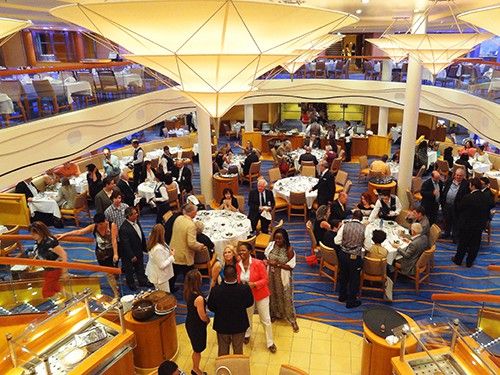
Time is often lost when a group lacks a decision process.
A travel advisor can organize those decisions in advance. You discuss priorities before departure instead of negotiating them beside a luggage carousel.
Packing and Pre-Arrival Details Protect Your First Day
The first day of a vacation is valuable.
Do not spend it recovering from preventable disorganization.
Packing support can take several forms. You may use a professional packing service. You may create a destination-specific wardrobe plan. You may arrange luggage forwarding. You may send formalwear ahead for a cruise or special event. You may pre-order children’s supplies so you do not pack half a household.
You can also prepare the room before arrival.
Ask whether the property can arrange:
- Pressed clothing.
- Laundry service.
- A stocked refrigerator.
- Baby equipment.
- Fresh flowers.
- Workout equipment.
- A preferred coffee setup.
- Special occasion amenities.
- An in-room treatment.
- A welcome meal after a late arrival.
None of these details needs to be extravagant.
They need to be timely.
Disruption Recovery Is Where Expertise Becomes Visible
A smooth trip is wonderful.
A disrupted trip reveals the true value of planning.
Flights are delayed. Ferries are canceled. Weather changes. Luggage misses a connection. A cruise itinerary adjusts. A property experiences a maintenance issue. A border requirement changes. A family member becomes ill.
An app can show you that something happened.
It may not know what to do next.
Human judgment matters because the best solution depends on context. Should you protect the hotel night or change the flight? Is a connecting route technically available but operationally risky? Should the family split up temporarily? Can the yacht departure move by a few hours? Is the replacement property truly comparable, or merely available?
A trusted advisor brings relationships, discretion, and accountability to those decisions.
The goal is not to promise that disruption never happens.
The goal is to prevent disruption from becoming your full-time job.
AI and Booking Apps Are Useful. They Are Not the Whole Journey.
You should use technology.
AI is useful for brainstorming destinations, summarizing hotel policies, organizing preferences, translating basic information, and creating an initial list of possibilities. Booking apps are useful for checking availability, storing confirmations, tracking loyalty accounts, and receiving alerts.
These tools can save time.
They can also create more work when used without judgment.
AI may recommend a property that looks perfect but is inconvenient for your actual route. A booking platform may display the lowest price without explaining the value of flexibility, breakfast, transfers, or upgrade potential. An automated itinerary may place too many activities on the same day because it does not understand how long your family takes to get ready.
Technology sees patterns.
A human expert sees the trip.
A good advisor knows that a room category can be technically available but poorly located. They understand the practical difference between a 20-minute transfer and a 20-minute transfer in heavy rain with luggage and a tired child. They know which local operator responds quickly when weather changes and which reservation is worth protecting.
Use AI to widen the conversation.
Use human judgment to make the final plan resilient.
Your Practical Luxury Travel Time Audit
Before booking, ask yourself these questions.
Planning
- How many hours have I already spent researching this trip?
- Am I comparing meaningful differences or simply opening more tabs?
- Which decisions genuinely require my judgment?
- Which tasks could someone else coordinate?
Transportation
- Is this the fastest total journey, not merely the shortest flight?
- Does private aviation remove a real bottleneck?
- Would first class provide nearly the same benefit on this route?
- Would rail place me closer to the destination?
- Is a helicopter transfer practical, weather permitting?
- What is the backup plan?
Airports
- How much time do I need at each airport?
- Are there terminal changes or separate check-in requirements?
- Would meet-and-assist reduce uncertainty?
- Are priority security and immigration lanes actually available?
- Do I need help for a connection or arrival?
Documents
- Are all passports valid for the destination?
- Do visa or pre-travel authorization rules apply?
- Have I checked official government sources?
- Do the entry rules differ for anyone in the group?
- Are we within applicable stay limits?
Accommodation
- Does the room or villa location support the itinerary?
- What can be arranged before arrival?
- Are transfers and property access realistic?
- Is the privacy worth the premium for this trip?
- Can the property accommodate mobility, dietary, or family needs?
Schedule
- Is there enough unscheduled time?
- Have I allowed for jet lag and realistic morning routines?
- Are reservations coordinated with transfers?
- What happens if weather changes?
- Will this itinerary feel spacious or merely expensive?
Value
- Am I paying to save time, reduce risk, or improve meaningful comfort?
- Or am I paying primarily to signal status?
- What would make this trip feel easier?
- What would I gladly never have to arrange myself again?
This audit changes the conversation.
It moves luxury away from appearance and toward usefulness.
The Ultimate Luxury Is Feeling Present
You know a well-managed trip by how it feels.
The transfer arrives before you need to ask. The room is prepared. The restaurant understands your preferences. The connection is protected. The luggage is accounted for. The itinerary has structure without feeling rigid.
You are not constantly checking the clock.
You are watching the coastline change color. You are listening to your family laugh over breakfast. You are standing on a quiet platform as a luxury train rolls toward the mountains. You are stepping onto a yacht with nothing urgent left to solve.
That is the time advantage.
Spend money where it gives you freedom. Choose private aviation when it meaningfully changes the route. Choose first class when rest and convenience matter. Choose rail when the station-to-station journey is smarter. Choose meet-and-assist when airport uncertainty threatens the day. Choose an expert when the itinerary is too important, too complex, or too personal to manage through repetitive searches.
I believe the best luxury travel is not the trip with the most expensive components.
It is the trip that leaves you with the most energy for the moments you traveled to experience.
You deserve that kind of ease.
Start by identifying the friction. Then remove it, one decision at a time.
Visit www.TimeForYourVacation.com to start planning your next adventure. Check out www.DaveTheTourGuide.com for personalized travel guidance and insider tips. And keep reading www.TimeForYourVacation.blog for more honest takes on the travel industry and how to navigate it like a pro. Try our Luxury concierge with www.BlackKeyElite.com . And listen to my podcast! https://www.podomatic.com/podcasts/contact24682


Leave a Reply