
You want the beach.
You want the beach without the crowds, without the beach clubs, without the floating speakers, and without a line of loungers stretching from one end of the shoreline to the other. You want clear water, soft sand, and a horizon that belongs to nature rather than advertising.
You want quiet.
In 2026, quiet is the ultimate luxury currency. The most desirable coastal escapes are no longer defined only by room counts, Michelin stars, or the size of a private pool. They are defined by what is absent. No traffic. No cruise crowds. No commercial distraction. No obligation to be anywhere else.
The world’s most memorable beaches often require more effort to reach. That is precisely why they remain special.
A short walk over dunes. A private boat. A helicopter flight across a remote coastline. A narrow trail through mangroves. These small moments of arrival create a useful separation between ordinary travel and genuine escape.
The beaches below offer different versions of secluded luxury. Some are undeveloped and entirely natural. Some belong to private-island sanctuaries. Others sit below exceptional villas or hide inside volcanic coves. Every one delivers the same essential experience.
You arrive.
You exhale.
You stay awhile.
What Makes a Beach Truly Hidden in 2027?
A hidden beach is not necessarily unknown. In fact, some of the beaches on this list appear in respected travel guides and destination publications. The distinction is access.
A beach feels hidden when its natural setting limits visitor numbers. It feels hidden when there are no large hotels directly behind the sand. It feels hidden when arriving requires planning instead of simply following a resort shuttle to a crowded waterfront.
True seclusion also depends on the time of day, the season, the weather, and the surrounding infrastructure. A quiet beach can become busy if it is included on every day-trip itinerary. A popular island can still contain a shoreline where you hear only wind, waves, and birds.
Luxury travelers increasingly understand this difference. They are not simply seeking the most beautiful beach. They are seeking the most beautiful beach with the least friction and the greatest sense of privacy.
That combination is rare.
It is also unforgettable.
The best hidden beaches share several qualities. They are naturally protected, carefully managed, or simply difficult enough to reach that mass tourism does not overwhelm them. They may have fewer facilities, but they compensate with authenticity. They may require more planning, but they reward that planning immediately.
This is the new coastal ideal.
You are not searching for a beach that has everything. You are searching for a beach that gives you exactly what matters.
Beach One: Saline Beach, St. Barth

Saline Beach, also known as Anse de Grande Saline, is one of St. Barth’s most compelling contradictions. The island is famous for elegant villas, glamorous restaurants, designer boutiques, and sophisticated harbor life. Saline feels like another world.
It is wide, undeveloped, and beautifully stripped back.
There are no restaurants on the sand. There are no beach bars, commercial rentals, rows of umbrellas, or loud water-sports operators. The beach is backed by dunes and natural vegetation, creating a sense of distance from the polished side of St. Barth.
You reach the shoreline by following a sandy path over the dunes. The walk is short, but the landscape changes quickly. One moment, you are near the road. The next, you are looking across an open stretch of pale sand and brilliant Caribbean water.
That transition is part of the appeal.
Saline does not present itself with a grand entrance. It asks you to leave the car, walk a little, and arrive prepared. Bring water. Bring sun protection. Bring a towel. Bring everything you need for several peaceful hours, because the lack of services is precisely what preserves the atmosphere.
The beach is especially beautiful in the morning, when the light is soft and the water appears almost translucent. The far ends often feel quieter than the central stretch. Couples can walk for long distances, read beneath the open sky, or simply settle into the rhythm of the surf.
The water can be energetic depending on wind and conditions, so swimming requires awareness. There are no lifeguards, and the beach has very little infrastructure. That is not a flaw. It is the defining feature.
Saline gives you a rare experience on one of the Caribbean’s most fashionable islands: total natural privacy without leaving the destination’s broader luxury ecosystem.
You can enjoy an exceptional dinner later.
First, spend the afternoon with nothing but sand and silence.
For practical information, consult the St. Barth beach guide before visiting. Local conditions, access, and beach etiquette can change.
Saline is also a useful lesson in what luxury means today. The beach does not provide a waiter every few steps. It does not arrange a cabana around your schedule. Instead, it gives you the privilege of uninterrupted space. You choose where to sit. You determine how long to stay. You hear the water rather than background music.
That freedom feels exceptional.
Beach Two: The Seven Beaches of Guana Island, British Virgin Islands

Guana Island offers one of the clearest definitions of private-island luxury in the Caribbean.
The island covers approximately 850 acres and includes seven beaches, extensive natural areas, hiking trails, gardens, mountains, and a small collection of rooms and villas. The result is not a large resort with a private-looking beach. It is an island sanctuary where the beaches are part of a larger preserved landscape.
Only registered guests have access.
That single detail changes everything.
There is no steady flow of day visitors arriving by catamaran. There is no public marina creating constant movement. There is no commercial strip competing with the natural setting. According to the island’s official information, Guana has no public bar, marina, or commercial facility.
You receive privacy by design.
The island’s beaches vary in character. Some are broad and bright. Others feel intimate and sheltered. White Bay is among the best-known, but the real luxury lies in having several different shores to explore during one stay. A beach can feel completely different at sunrise, in the late afternoon, or after a short rain shower has deepened the colors of the hills.
Guana also gives you more than beach time. You can hike through the island’s wilderness, explore gardens and orchard areas, watch seabirds, and enjoy wide views across the Caribbean and Atlantic. The terrain creates a sense of discovery. You are not simply walking from a room to a pool. You are moving through a private landscape.
The guest count remains intentionally low. The official property description emphasizes 18 rooms and villas and a maximum guest population of roughly 35 people. That ratio matters. Even when other guests are present, the island’s size allows the experience to remain personal.
This is the ideal choice when you want luxury that feels natural rather than heavily staged.
You can swim in the morning, hike before lunch, enjoy a private picnic in the afternoon, and return to a quiet dinner without ever encountering the density of a conventional resort coast.
Explore the island’s official beaches page for current access details and seasonal information.
Guana Island also suits travelers who want flexibility. You can design a day around complete rest, or you can fill it with gentle activity. You can ask for a private beach picnic, follow a trail into the hills, or spend hours watching the changing colors of the water.
There is no pressure to perform the destination.
That is a major part of the appeal.
Beach Three: Tibay and Secret Beach at Secret Bay, Dominica
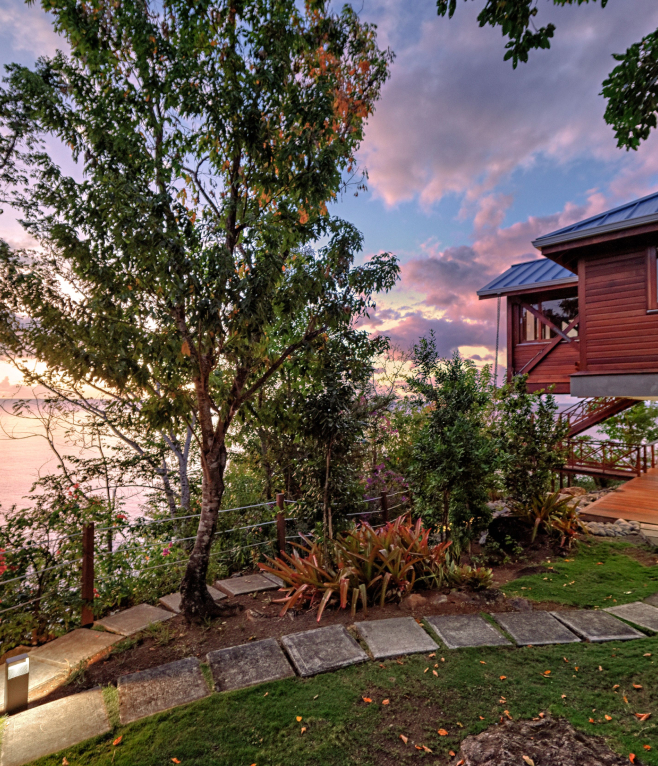
Dominica is not the Caribbean’s typical beach destination. Its identity is shaped by rainforest, volcanic terrain, rivers, waterfalls, and dramatic mountain landscapes. That is exactly what makes its coastal escapes so compelling.
At Secret Bay, luxury rises above the sea in private cliffside villas surrounded by dense greenery. The beaches below feel connected to the island’s volcanic character rather than separated from it.
There is one important clarification for travelers planning a 2026 visit. Official Secret Bay materials identify the property’s beaches as Tibay Beach and Secret Beach, along with access to nearby coastal areas. “Zemi Beach” is generally associated with Anguilla, not Secret Bay in Dominica. To keep the destination information accurate, this article focuses on Tibay and Secret Beach.
Tibay Beach is the easier of the two to reach. It sits below the resort and is accessible by a short path or golf-cart transfer from the villas. The beach features dark volcanic sand, shaded areas, and calm Caribbean water when conditions cooperate.
The black sand creates a dramatic contrast with the green rainforest and blue sea. It also reminds you that Dominica’s beauty is geological. The island is not trying to imitate a classic white-sand resort coast. It offers something more elemental.
Kayaks, paddleboards, and snorkeling equipment make Tibay a natural launch point for exploring the shoreline. The beach is also used for sea excursions, including private coastal journeys and boat-based exploration.
Secret Beach is more secluded.
It is a small, semi-circular cove surrounded by steep cliffs and lush vegetation. Access is primarily by water, often by kayak, paddleboard, or private skiff from Tibay. The journey is brief, but the sense of arrival is significant. You approach a cove that cannot be reached by road, and the resort’s cliffside position keeps the atmosphere wonderfully contained.
The cove may include a sea cave and snorkeling opportunities, depending on conditions. The water, rocks, and surrounding cliffs create a private-island feeling even though you are on Dominica’s main island.
This is the destination for travelers who want hidden beaches with a stronger sense of adventure. You receive villa privacy, dedicated service, and elevated dining, but you also remain close to real wilderness. You can spend one day snorkeling and kayaking, then devote the next to waterfalls, rainforest trails, or a guided island excursion.
The official Secret Bay beach experience page provides current details on access and activities. Water conditions matter, and your hosts can advise you on the safest time to visit each beach.
Dominica rewards travelers who want contrast. You can have a quiet morning beside a volcanic cove and an active afternoon exploring the island’s interior. You can dine privately in your villa, then take a sunset cruise along a coast shaped by centuries of volcanic activity.
The beaches here are not isolated from the island’s personality.
They express it.
Beach Four: Pain de Sucre, Les Saintes, Guadeloupe
Pain de Sucre is the kind of beach that appears almost too perfectly composed.
A volcanic hill rises beside a small cove. The water shifts between turquoise, emerald, and deep blue. The sand is bright, the shoreline is contained, and the surrounding landscape feels intimate rather than expansive.
Located on Terre-de-Haut in the Les Saintes archipelago, Pain de Sucre sits beneath a volcanic formation that gives the beach its name. The cove is small enough to feel protected and dramatic enough to leave a lasting impression.
There are no large hotels on the shoreline. There are no commercial beach facilities competing with the view. The experience is simple: reach the cove, swim in the clear water, explore the rocky edges with a mask and snorkel, and watch the changing light move across the bay.
You can reach Pain de Sucre by foot, by local vehicle followed by a short trail, or from the sea. Arriving by boat or kayak creates the most memorable entrance. From the water, the volcanic landscape rises directly from the coast, and the beach appears as a small golden pause between rock and sea.
The cove is excellent for snorkeling when conditions are calm. Fish and coral occupy the rocky edges, while the central swimming area offers a more relaxed place to float. The beach is not supervised, and facilities are limited, so careful planning remains essential.
Pain de Sucre is best approached with patience. Arrive early if you want the greatest chance of quiet. Avoid treating the beach as a quick photo stop. Stay long enough to notice the water change color, the boats move across the bay, and the afternoon shadows climb the volcanic hillside.
The beach’s scale is part of its protection. It cannot accommodate unlimited visitors without losing its atmosphere. Responsible travelers bring reusable water bottles, avoid touching coral, and carry away every item they bring.
Read the official Guadeloupe Islands description before planning your visit.
Pain de Sucre does not offer conventional resort luxury.
It offers something more valuable: a beautiful place that remains beautifully restrained.
The cove can be especially captivating for travelers who enjoy visual drama. The volcanic rock gives the beach a strong sense of identity. This is not a generic tropical shoreline that could belong anywhere. The surrounding formation, the calm water, and the small scale make the location instantly recognizable.
It is also a good destination for a slower day. Bring a book. Bring a mask and snorkel. Give yourself time to sit beneath the natural contours of the landscape. The beach does not need a packed schedule to justify the journey.
Beach Five: Shoys Beach, St. Croix
Shoys Beach is reached through a setting that feels almost theatrical.
You pass through the Estate Shoys area, continue beyond the residential roads, and follow a short path through dense vegetation. The path forms a natural tunnel of mangroves, sea grape, and trees. Then the foliage opens, and a quiet crescent of pale sand appears in front of you.
The reveal is the experience.
Shoys Beach remains quieter than many of St. Croix’s more accessible shores because reaching it requires an extra step. Visitors pass through a gated residential area and follow directions to a small parking area. From there, the tree-covered trail leads toward the beach.
The shoreline is long enough for a proper walk but intimate enough to feel personal. The water is often calm, and an offshore reef can provide snorkeling opportunities. Conditions vary, so check locally before entering the water, particularly after rough weather.
There are no large commercial facilities on the sand. Do not expect a restaurant, bar, restroom, or rental kiosk. Bring water, food, reef-safe sun protection, and anything else you need. Pack out all waste.
This lack of infrastructure gives Shoys a residential, low-key character. The beach does not feel abandoned. It feels protected from unnecessary activity.
For couples, the beach works especially well in the late afternoon. The shade along the edge offers relief from the sun, while the broad sand creates room for a slow walk. Families appreciate the calmer atmosphere, although children should remain supervised because water conditions and reef areas can change.
The St. Croix beach guide offers useful local context. Access procedures can change, and visitors should respect gate instructions, private property, and neighborhood traffic.
Shoys Beach is a reminder that hidden luxury does not always require a private island or helicopter transfer. Sometimes it means knowing which entrance to take, walking through a green tunnel, and choosing a beach that does not advertise itself.
The beach is also a good choice for travelers who want to balance seclusion with convenience. St. Croix offers restaurants, historic sites, cultural experiences, and comfortable accommodations. You can spend part of the day exploring Christiansted or enjoying a long lunch, then retreat to Shoys for a quieter final few hours.
That balance matters.
Seclusion is most enjoyable when it feels like a choice rather than a limitation.
Beach Six: Miavana’s Pristine Shores, Madagascar

Miavana is one of the world’s most extraordinary remote beach escapes.
Located on Nosy Ankao, a private island off Madagascar’s northeastern coast, the property combines vast beaches, marine life, rainforest, conservation, and sophisticated villa living. Its isolation is not a decorative feature. It shapes the entire experience.
You typically arrive by helicopter, flying over Madagascar’s wild coastline, mountains, baobabs, and shipwrecks before landing on the remote island. The journey removes ordinary travel noise. There are no casual day visitors arriving from a nearby resort strip. There is no urban background. There is only the island, the ocean, and the remarkable biodiversity of the region.
Miavana’s beaches are not simply postcard backdrops. They are part of an active natural environment. The island supports marine ecosystems, coastal habitats, birdlife, and lemurs. Guests can move from a barefoot morning on the sand to a guided lemur trek, snorkeling expedition, turtle-monitoring walk, or private boat adventure.
That combination is rare.
Many luxury beach destinations offer nature as an excursion. At Miavana, nature is the setting for every excursion.
The island covers approximately 10 square kilometers, creating room for privacy and exploration. Villas are designed to feel spacious and connected to the coast, with private pools and generous indoor-outdoor areas. You can enjoy a beach lunch without turning the experience into a public event. You can take a private boat to explore nearby waters. You can also choose complete stillness.
The atoll-like shorelines and coral-rich waters are particularly appealing to travelers who want more than a conventional beach week. Snorkeling and diving may reveal turtles, manta rays, colorful fish, and thriving reef habitats. Kayaking offers a quieter way to understand the island’s coastline. A private helicopter excursion can take you beyond the immediate island environment to remote landscapes that few travelers ever see.
The lemur experience is a defining part of the destination. Crowned lemurs live on the island, while mainland excursions can reveal additional species and more of Madagascar’s extraordinary wildlife. You do not have to choose between safari and beach here.
You can have both.
The official Miavana destination page and experiences page provide current information on access, activities, conservation, and seasonal planning.
Miavana is ideal when your definition of luxury includes space, privacy, wildlife, and meaningful remoteness. It is not the easiest destination on this list. That is the point.
Some places feel exclusive because they are expensive.
Miavana feels exclusive because the world has not yet crowded around it.
A stay here also encourages a different relationship with time. The distance from major population centers makes rushing feel pointless. You can take a full day for one experience. You can linger after a snorkeling trip. You can pause during a nature walk and listen to the island rather than moving immediately to the next activity.
The most sophisticated itinerary may include fewer scheduled events.
That is not underplanning.
That is understanding the destination.
Beach Seven: Denis Private Island, Seychelles
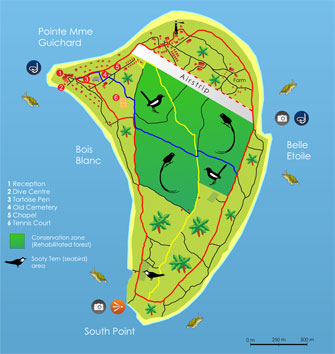
Denis Private Island offers absolute isolation with a strong conservation focus.
The private coral island covers approximately 375 acres and sits in the Indian Ocean north of Mahé. It is reached by a small aircraft, landing on a private grass airstrip. The arrival feels more like entering a remote island community than checking into a conventional resort.
The island’s beaches are open for exploration, and guests can walk, cycle, swim, snorkel, and discover the coastline at their own pace. There is no need to reserve a particular section of sand. There is no daily competition for the best lounger. The island’s low guest density creates a relaxed sense of space.
The natural environment is central to the experience. Denis is known for birdlife, giant tortoises, marine habitats, and turtle conservation. Hawksbill and green turtles use the island’s beaches for nesting, and the surrounding lagoon and marine areas benefit from formal protection.
That makes a quiet beach walk more meaningful. You are not simply passing through a beautiful landscape. You are moving through a living habitat that requires care.
Denis also offers a rare form of digital silence. There is no mobile signal on the island, no in-room internet, and no cable television. For some travelers, that sounds like a limitation. For others, it is the most valuable amenity available.
The first day may feel unusual. You reach for your phone and discover that nothing is waiting for you. Then the island begins to reset your attention. Breakfast lasts longer. A swim becomes the main event. A walk through the forest becomes more interesting than a notification.
The experience is particularly powerful for couples, families, and friends who want to reconnect without a digital audience. You can snorkel with turtles, explore the island’s paths, enjoy farm-to-table meals, and return to a cottage where the natural world remains just outside the door.
Denis is not a place to visit for constant entertainment. It is a place to notice more.
The official Denis Private Island site includes current information on accommodations, conservation, activities, and reservations.
The island’s strongest luxury is its ability to make time feel spacious again.
Denis also demonstrates how environmental responsibility can improve rather than diminish a luxury stay. The absence of constant digital connectivity, heavy commercial development, and mass entertainment preserves the very qualities guests travel so far to experience.
You may notice the island’s birds before you notice another guest.
You may spend an afternoon walking a forest trail and return with more memorable impressions than you would gain from a crowded excursion schedule. You may discover that the best evening is not an elaborate performance but a simple meal near the beach beneath a wide, dark sky.
That is island luxury at its most authentic.
The Smart Luxury Takeaway: Seclusion Requires Planning
Hidden beaches are not always simple to reach.
That does not mean they need to be difficult. It means the details matter.
The most successful secluded beach trips are designed around access, weather, timing, and recovery time. You do not want to arrive at a remote island after a complicated journey and immediately begin a second exhausting transfer. You do not want to schedule a boat excursion without checking tides. You do not want to plan a beach picnic without confirming whether shade, water, and supplies are available.
A little preparation protects the experience.
Choose the right arrival style
Some beaches are best reached by land. Saline Beach and Shoys Beach require a short walk. Pain de Sucre may involve a trail or a boat. Guana Island requires private-island logistics. Miavana and Denis Private Island involve air transfers.
Think about how you want to feel when you arrive.
If you enjoy anticipation and adventure, a boat or helicopter transfer can become one of the highlights of the trip. If you prefer ease, choose a beach with straightforward vehicle access and arrange the details in advance.
Build in flexible timing
Remote coastal travel depends on weather. Wind, sea conditions, aircraft schedules, and local boat operations can affect plans.
Keep your itinerary flexible. Avoid placing a critical international connection immediately after a remote island transfer. Allow extra time when air travel involves small aircraft. Ask about luggage limits before packing. Confirm transfer procedures at least several days ahead.
The goal is not to eliminate every variable. The goal is to prevent small variables from becoming major stress.
Ask about beach conditions
A beach can be beautiful without being suitable for swimming every day.
Ask about currents, surf, tides, seasonal winds, reef conditions, and recent weather. Listen to local guidance. Use designated access paths. Do not climb unstable cliffs or enter sea caves without expert advice.
The most luxurious approach is the safest approach. You enjoy more when you know the conditions and respect the environment.
Pack lightly but intelligently
Remote beaches reward preparation.
Bring reef-safe sunscreen, a reusable water bottle, a lightweight cover-up, sunglasses, a waterproof phone pouch, and shoes suitable for uneven paths. A dry bag is useful for boat transfers and kayak trips. If a beach has no facilities, bring what you need and take everything back with you.
Do not assume that every secluded beach has shade, food, fresh water, or emergency services.
Protect the quiet
Quiet beaches remain quiet only when visitors behave responsibly.
Keep music off. Avoid loud conversations. Do not disturb nesting turtles, birds, or marine life. Never touch coral. Stay away from marked nesting areas. Use established trails instead of creating new ones through dunes or vegetation.
Take photographs, but do not turn a sanctuary into a production set.
The most memorable luxury is often invisible. It is the absence of damage, noise, and intrusion.
How to Plan These Destinations Without Logistical Chaos
The most intelligent way to plan a hidden-beach trip is to treat transportation as part of the experience rather than an afterthought.
Start with the arrival airport. Then identify the final transfer. Then confirm what happens if weather interrupts that transfer. This is especially important for private islands and destinations involving small aircraft or boats.
For Guana Island, confirm boat schedules and luggage requirements before you travel. For Miavana and Denis, verify air-transfer arrangements, baggage limits, and connection times. For Secret Bay, ask about the best route into Dominica and whether private charter or boat connections are appropriate for your itinerary.
For Pain de Sucre and Shoys Beach, confirm local access procedures. A gated neighborhood, trail, or coastal path may have rules that are not obvious from a map. For Saline, plan to carry your own supplies because the beach has no commercial services directly on the sand.
It also helps to build a buffer day into a complicated itinerary. If your dream beach requires several flights, a boat, and a road transfer, do not schedule every connection with the minimum possible time. A little breathing room protects your vacation.
Luxury planning is not about removing every surprise.
It is about removing the stressful surprises.
Why Quiet Coastal Travel Is the Ultimate 2026 Luxury
The world has no shortage of beautiful beaches.
What it lacks is space.
Space to hear the water. Space to walk without stepping around crowds. Space to enjoy a meal without cameras nearby. Space to wake up without an itinerary demanding immediate attention.
That is why secluded coastal travel feels so valuable in 2026. It answers a modern problem with an ancient solution. When life becomes crowded with information, movement, and noise, the sea offers a different rhythm.
The best hidden beaches also create a stronger sense of place. Saline shows you the untouched side of St. Barth. Guana Island demonstrates what a private Caribbean sanctuary can feel like when most of the island remains wild. Dominica combines rainforest and volcanic coast. Pain de Sucre turns a small cove into a complete landscape. Shoys rewards curiosity. Miavana links remote beaches to Madagascar’s wildlife. Denis makes conservation part of the luxury experience.
None of these destinations needs to shout.
Their appeal is self-evident once you arrive.
Quiet coastal travel is also becoming more personal. Travelers are moving away from standardized resort experiences and toward journeys that reflect how they actually want to spend time. Some want complete privacy. Some want marine life. Some want adventure. Some want an empty beach with a good book and no schedule.
A hidden beach can support all of those goals.
The important thing is to choose the right kind of seclusion for you.
How to Choose Your Perfect Hidden Beach
Choose Saline Beach if you want undeveloped beauty within reach of an elegant island lifestyle.
Choose Guana Island if you want several private beaches, extensive nature, and a genuinely low-density Caribbean retreat.
Choose Secret Bay if you want cliffside villas, volcanic coastlines, rainforest, and water-access-only coves.
Choose Pain de Sucre if you want a small, dramatic volcanic cove with exceptional snorkeling.
Choose Shoys Beach if you want an easygoing St. Croix escape with a memorable mangrove-tunnel arrival.
Choose Miavana if you want remote luxury combined with lemurs, marine life, conservation, and helicopter access.
Choose Denis Private Island if you want to disconnect completely and experience a protected island environment where turtles, birds, forests, and beaches share equal importance.
You do not need to visit every hidden beach in one year.
One is enough.
One quiet shoreline can change the way you remember an entire journey. One empty stretch of sand can become more meaningful than a week of scheduled sightseeing. One morning without a phone signal can remind you how much of life is still available when you stop checking for updates.
The ultimate beach is not always the brightest, largest, or most famous.
It is the one that lets you feel completely present.
Visit www.TimeForYourVacation.com to start planning your next adventure. Check out www.DaveTheTourGuide.com for personalized travel guidance and insider tips. And keep reading www.TimeForYourVacation.blog for more honest takes on the travel industry and how to navigate it like a pro. Try our Luxury concierge with www.BlackKeyElite.com . And listen to my podcast! https://www.podomatic.com/podcasts/contact24682


Leave a Reply