Your safety is a threshold luxury. Your peace of mind is a non-negotiable asset. Your freedom to explore the world should never come at the cost of your fundamental security. In 2026, the global travel landscape for LGBTQ+ individuals has become a complex tapestry of progress and peril. We are seeing a world divided. We are seeing a world where the marble lobby of a five-star hotel can be a sanctuary, while the street outside is a legal minefield. We are seeing a world where luxury and law are increasingly at odds.
You deserve to travel with your eyes wide open. You deserve the ultimate intelligence before you pack your bags. You deserve to know that the “Smart Luxury” philosophy we champion is about more than just finding the best suite; it is about ensuring that the suite exists in a country that respects your presence. As we navigate the year 2026, the data from risk intelligence leaders like Riskline and Safeture tells a sobering story. There are currently 91 countries flagged as “High Concern” for LGBTQ+ travelers. This is not a statistic to be taken lightly. It is a guide for your survival and your sanity.
The sterility of a high-security terminal can feel reassuring, but it often masks the legal realities of the soil beneath your feet. You might step off a private jet into a world of air-conditioned bliss, only to realize that your very identity is criminalized by the state. This is the shadow in the sunlight. This is the reality of modern travel in an era of rights rollbacks and legislative hardening. We believe that luxury is not just about the thread count of your sheets; it is about the protection afforded to you by the people who manage your journey.
The 2026 Global Safety Landscape: The 91 High-Concern Countries
The 2026 Risk Map is a stark document. It divides the world into zones of safety and zones of significant danger. While Western Europe remains the “Green Zone”: a bastion of normal to low concern where your identity is protected by robust legal frameworks: other regions are trending in the opposite direction. Sub-Saharan Africa and the Middle East continue to be the highest-risk regions globally. In these areas, the legal status of LGBTQ+ individuals is not just a matter of social debate; it is a matter of criminal law.
You need to understand the weight of these 91 countries. These are locations where local authorities may actively monitor social media, where “morality police” still operate under various guises, and where a single public display of affection can lead to detention. The landscape is shifting. In 2026, we are witnessing a divergence. While some nations have moved toward decriminalization, like Botswana and St. Lucia, the overall trend has skewed toward restriction.
Whether you are planning a high-octane business trip to a burgeoning financial hub or a secluded getaway to an exotic beach, the math has changed. The risk is no longer theoretical. It is documented. It is mapped. It is something we track with precision so you don’t have to worry. We manage the details so you can focus on the destination, but sometimes the detail that matters most is the legal code of the country you are entering.
The Red Zone: Where the Law is a Weapon
There are places on this earth where the stakes are absolute. We call this the “Red Zone.” In these countries, same-sex acts can carry the death penalty or severe, life-altering imprisonment. These are not merely “unfriendly” locations; they are high-consequence environments. Countries like Iran, Saudi Arabia, Yemen, Afghanistan, Nigeria, Mauritania, Brunei, and Uganda represent the most extreme end of the legal spectrum.
In Iran, the risk is persistent and lethal. The legal system utilizes provisions relating to “Livat” to prosecute individuals, with penalties ranging from 100 lashes to execution. Even the suspicion of being LGBTQ+ can lead to state-sanctioned violence. For the affluent traveler, the danger is often obscured by the beauty of the architecture or the warmth of private hospitality, but the law remains an ever-present shadow.
Saudi Arabia presents a unique challenge for the 2026 traveler. While the Kingdom has opened its doors to international tourism with massive luxury projects, the underlying Sharia law remains unchanged regarding LGBTQ+ activity. Penalties include imprisonment and lashes. Furthermore, the display of LGBTQ+ symbols or online communication regarding these topics can be prosecuted under cybercrime and morality laws. The “Luxury Paradox” here is intense; you are invited to visit the future, but you are subject to laws that are centuries old.
Uganda continues to be a focal point of concern in 2026. Following the draconian legislation of previous years, the environment remains hostile. The law targets not only acts but the “promotion” of LGBTQ+ identities, which can include providing housing or services to the community. For a traveler, this means the very hotel you stay in could be under pressure to report your “lifestyle” to authorities. This is why professional vetting of your accommodations is not just a perk: it is a requirement.
The African Rights Rollback: The 2026 Reality in Senegal and Burkina Faso
West Africa was once considered a region of relative moderation, but 2026 has brought a chilling shift. Senegal and Burkina Faso have emerged as key locations where rights are being actively dismantled. This is the “Rights Rollback” that global risk agencies are warning about. It is a warning you should heed.
In Senegal, the government has recently doubled prison sentences for same-sex relations. What was once a five-year maximum is now ten years. This hardening of the law reflects a broader social movement toward conservatism that makes even the most discreet traveler vulnerable. The vibrant culture of Dakar and the luxury resorts along the coast are now framed by a legal system that is increasingly aggressive.
Burkina Faso, following the political shifts of recent years, has introduced its first-ever laws specifically criminalizing homosexuality. For foreign nationals, the penalty includes not just prison time but immediate deportation and a permanent ban. This move has pushed Burkina Faso into the “High Risk” category, making it a location we advise our clients to approach with extreme caution, if at all.
When you travel, you expect the laws to be a safety net, not a trap. The situation in these nations proves that progress is not linear. A destination that was safe five years ago may not be safe today. This is why we rely on real-time data and direct intelligence. We provide you with the most current picture because yesterday’s travel guide is a liability in 2026.
The Luxury Paradox: The Gilded Cage of Dubai and The Maldives
Perhaps the most confusing challenge for the affluent LGBTQ+ traveler is the “Luxury Paradox.” This is the sharp contrast between a resort’s marble lobby and the laws outside the gate. It is the silence of a private island villa versus the noise of the national penal code. Nowhere is this more evident than in Dubai and the Maldives.
Dubai is a city of superlatives. It is home to the world’s tallest buildings, most opulent hotels, and most ambitious projects. From the air, it looks like the future of global tourism. However, the United Arab Emirates remains a country where same-sex sexual activity is criminalized. While the “luxury bubble” of international hotel chains like Marriott, Hilton, and the Four Seasons often provides a sense of Western-style liberty, that liberty ends at the hotel’s property line.
In the Maldives, the paradox is even more pronounced. You fly into Male and are whisked away by seaplane to a private island where the staff are trained to cater to your every whim. Inside the resort, you are in a paradise of privacy and indulgence. Yet, the Maldives is a nation governed by Sharia law. Public displays of affection are restricted, and LGBTQ+ visibility is effectively non-existent among the local population.
The danger in these locations is not always an immediate arrest. It is the vulnerability that comes from a lack of legal standing. If you are a victim of a crime, if you have a medical emergency, or if you simply have a dispute with a local entity, your orientation can be used against you. This is why discretion is your greatest tool in these “Paradox” zones. We advise our clients on the “resort-only” strategy: limiting visibility outside of controlled, international environments.
The Identity Document Crisis: Transgender and Non-Binary Realities in 2026
For transgender and non-binary travelers, 2026 has introduced a new layer of logistical and legal complexity. The “Passport ‘X’ Marker” has become a flashpoint of international travel security. While many countries began adopting the ‘X’ marker to represent a third gender, a significant rollback in 2026: most notably in the United States: has created a document verification nightmare.
With the U.S. Supreme Court upholding a policy that effectively bans the ‘X’ marker on federal passports, many travelers find themselves with documents that do not reflect their lived identity. This creates a “document mismatch” at border crossings. In countries with strict gender norms or hostile LGBTQ+ laws, this mismatch is more than an inconvenience; it is a red flag for authorities.
Imagine standing at a high-tech biometric scanner in a country like India or Kazakhstan. The machine reads your data, the officer looks at your presentation, and the discrepancy leads to “intrusive questioning.” In 2026, India has rolled back transgender self-identification rights, making the climate for gender non-conforming travelers significantly more tense.
Whether you are navigating a transit hub or checking into a boutique hotel, your identity documents are your first line of defense. When those documents are challenged or when they draw unwanted attention, your safety is compromised. We specialize in navigating these document hurdles, ensuring that our travelers have the correct endorsements and are prepared for the specific scrutiny of each border agent. We believe that your identity should never be a barrier to your journey, but we also know that in 2026, it requires expert management to ensure it stays that way.
The Gray Zones: Social Hostility vs. Legal Status
Then there are the “Gray Zones.” These are countries where you might not face the death penalty, but where the social climate is one of active hostility. Eastern Europe and Central Asia are the primary regions in this category for 2026.
In Slovakia, new laws have further limited the rights of same-sex couples, including an adoption ban that signals a hardening social stance. In Belarus and Kazakhstan, “LGBT propaganda” laws have been enacted to fine or arrest anyone who shares information about “non-traditional sexual orientations.” These laws are often intentionally vague, allowing authorities to target travelers for something as simple as a social media post or a t-shirt.
Russia remains the titan of the Gray Zone. The total ban on “LGBT movements” means that any group of travelers appearing to be “together” can be labeled as part of an illegal organization. The risk here is high-level state harassment. The luxury hotels in Moscow and St. Petersburg still offer world-class service, but the eyes of the state are everywhere.
Traveling through these regions requires a specific kind of tactical awareness. It requires knowing which apps to delete from your phone before you land. It requires knowing which topics are off-limits in a hotel bar. It requires a level of professional planning that goes beyond a standard travel agent. This is where “Smart Luxury” becomes “Protective Luxury.”
Smart Luxury Vetting: The Role of Personalized Travel Management
In a world where 91 countries are of high concern, how do you decide where to go? The answer lies in professional vetting and the duty of care provided by an elite travel concierge. We don’t just book rooms; we vet the culture of the staff. We don’t just schedule flights; we analyze the security protocols of the transit hubs.
A personalized travel concierge provides a layer of protection that no automated booking site can offer. We contact the hotel management directly to ensure that staff training includes pronoun respect and bedding preferences for same-sex couples, without creating “attention.” We research the local political climate in real-time, ensuring that a sudden protest or a new local ordinance won’t impact your stay.
We believe in the power of “Duty of Care.” This is the legal and moral obligation to ensure your safety throughout your entire journey. When you travel with us, you are not alone in the “Red Zone” or the “Gray Zone.” You have a team of experts who have already walked the path before you, identifying the exits, the safe havens, and the local allies.
Your risk tolerance is personal. Some travelers are comfortable navigating a “Luxury Paradox” location with the right precautions. Others prefer the total legal safety of the “Green Zone.” Our job is to provide you with the intelligence so you can make that choice. We offer the ultimate transparency because we know that an informed traveler is a safe traveler.
The Strategic Decision: When to Bypass a Destination
Sometimes, the smartest luxury choice is to bypass a destination entirely. In 2026, we have seen an increase in “principled travel”: travelers choosing to spend their luxury dollars in countries that align with their values or, at the very least, respect their safety.
If a country has a death penalty for your identity, is the sunset really worth the risk? If a nation is actively rolling back your rights, do you want to contribute to their tourism economy? These are the questions we help our clients answer. We provide alternatives that offer the same level of luxury without the same level of threat.
Instead of the Maldives, perhaps a private villa in the Seychelles or a luxury retreat in French Polynesia. Instead of Dubai, a sophisticated beach escape in Mykonos or a high-design suite in Barcelona. There is always a way to experience the world’s most beautiful places without compromising your security.
The hush of a private island villa should be a sound of relaxation, not a sound of hiding. The marble lobby should be a place of welcome, not a place of surveillance. In 2026, navigating unsafe LGBTQ+ travel locations is about more than just discretion; it is about data, intelligence, and professional management.
You deserve to explore the world with confidence. You deserve the ultimate peace of mind. You deserve to know that wherever you land, your safety has been considered, vetted, and secured. The shadows in the sunlight are real, but with the right guidance, you can always stay in the light.
You deserve a destination that sees you. You deserve a journey that honors your identity. You deserve a luxury experience that transcends the performative and enters the realm of the extraordinary. In 2026, travel is no longer just about where you go. It is about how you feel when you arrive. It is about the peace of mind that comes from knowing every detail has been vetted. It is about “Smart Luxury”: a philosophy championed by industry experts like David Galvan, where sophistication meets seamless execution.
The world of LGBTQ+ travel has evolved. We have moved past the era of rainbow-washed marketing and entered the age of “Inclusion 365.” This means year-round staff training, a deep respect for pronouns, and an intuitive understanding of bedding preferences without the awkward questions at check-in. It means safety is no longer a luxury: it is the threshold of luxury. For the affluent traveler, the ultimate amenity is the freedom to be yourself in a space designed for your comfort.
Safety as a Threshold Luxury
Safety is the foundation of any unforgettable vacation. For LGBTQ+ travelers, it is the invisible thread that weaves through every itinerary. When we talk about safety in 2026, we are talking about more than just legal protections. We are talking about the “vibe” of a destination. We are talking about the way a concierge greets you. We are talking about the security of knowing your chosen destination has been personally vetted by experts who understand your unique needs.
In a world that can often feel unpredictable, we prioritize spaces that offer total sanctuary. This is where private travel clubs and specialized concierge services become indispensable. These advisors do the heavy lifting, researching local customs and building relationships with hotel managers to ensure your stay is flawless. They handle the logistics so you can focus on the texture of the sand between your toes or the scent of sun-warmed linen in your private villa.
Puerto Vallarta: The Heart of Latin Luxury
Puerto Vallarta remains the undisputed crown jewel of LGBTQ+ travel in Mexico. But in 2026, the experience has shifted toward a more refined, quiet luxury. The “Romantic Zone” is still the beating heart of the scene, but the real magic happens in the hills and on the secluded beaches just south of town.
You feel the change the moment you step onto the grounds of Hotel Mousai. This AAA Five Diamond property is a masterclass in modern opulence. Imagine a suite where the walls are glass and the jungle meets the ocean in a seamless blend of emerald and sapphire. You step out onto your private terrace, the air thick with the scent of jasmine and salt. You sink into your gold-tiled plunge pool and watch the sun dip below the horizon, painting the sky in shades of burnt orange and violet.
For those who crave high-energy sophistication, Mantamar Beach Club offers a vibrant day-party atmosphere that never feels crowded. It is a place to see and be seen, where the service is as sharp as the cocktails. When you want to be in the center of it all, Almar Resort provides a luxury home base with the only gay beach-front view in the city.
But Smart Luxury in Puerto Vallarta also means knowing when to escape. We see a growing trend in private villa rentals in the Conchas Chinas neighborhood. These are multi-million dollar estates where you have a private chef, a dedicated butler, and total privacy. It is the perfect balance: high-energy Pride by day, and the quiet luxury of a mountain-side retreat by night.
Mykonos: The Aegean Standard
Mykonos is not just an island; it is a brand. It is the scent of wild thyme and the sound of the wind whipping against white-washed stone. In 2026, the Mykonos sunrise remains the ultimate trophy for the luxury traveler. It is a destination that demands you bring your best self.
Jackie O’ Beach Club continues to set the bar for queer excellence. The drag shows are world-class, but the real draw is the atmosphere: unapologetically fabulous and impeccably stylish. You spend your afternoons on Super Paradise Beach, where the water is so clear it looks like liquid glass.
For a more curated experience, Soho Roc House offers a member-exclusive vibe that feels like a private club. It is understated luxury at its finest. Here, the focus is on community and connection. You share a bottle of crisp Assyrtiko with new friends as the Mediterranean sun bronzes your skin.
To truly master Mykonos, you must get on the water. We recommend private catamarans for sunset sails. There is nothing quite like looking back at the windmills of Chora from the deck of your own vessel, a glass of champagne in hand, as the sky turns a dusty pink. This is the essence of Smart Luxury: choosing the experience that offers the most profound sense of freedom.
Madeira: The “New Hawaii” of Europe
Portugal has long been a leader in LGBTQ+ rights, but Madeira is the rising star of 2026. Often called the “Hawaii of Europe,” this island offers a dramatic landscape of jagged cliffs, lush botanical gardens, and volcanic tide pools. It is a destination for the traveler who values design and nature in equal measure.
Saccharum Resort & Spa is a marvel of industrial-chic architecture. Built on the site of an old sugar cane mill, it uses raw materials like concrete and dark wood to create a space that feels grounded yet incredibly sophisticated. You spend your mornings hiking the Levadas: ancient irrigation channels that lead to hidden waterfalls: and your afternoons in the hotel’s infinity pool, which seems to hang over the Atlantic.
The NEXT Hotel in Funchal is another standout, catering to a younger, tech-savvy luxury crowd. It is vibrant, inclusive, and perfectly positioned for exploring the island’s growing culinary scene. Madeira is about sensory discovery. It is the taste of honey cake, the feeling of the mist on your face at the top of Pico do Arieiro, and the sight of the turquoise sea crashing against black basalt rocks.
Ibiza: Refined Energy and the Rainbow Map
Ibiza has undergone a transformation. While its clubbing roots remain, the island has leaned heavily into “The Site Ibiza”: a new five-star hub that prioritizes wellness and curated experiences. Spain’s “Rainbow Map” leadership ensures that every corner of this island is a safe haven, but the luxury traveler is looking for something deeper than just a party.
You find it in the agroturismo hotels: luxury farmhouses nestled in the pine-covered hills of the island’s interior. Places like Cas Gasi offer a level of intimacy that a large resort simply cannot match. You wake up to the sound of birds and the smell of fresh rosemary. You eat organic vegetables grown just steps from your table.
But when you are ready for the energy of the coast, the scene is more sophisticated than ever. Private cabanas at the most exclusive beach clubs are booked months in advance. The key is to have a concierge who knows the doormen and the managers. This is how you navigate Ibiza in 2026: with a plan that allows for spontaneity but ensures you are always in the right room.
Cape Town: The Mother City
Cape Town is a city of contrasts, where the mountains meet the sea and the urban grit meets world-class elegance. For the LGBTQ+ traveler, the De Waterkant district is a colorful, historic enclave filled with boutique hotels and chic cafes. It is the perfect starting point for a South African adventure.
Luxury here is found in the Cape Winelands. A short drive from the city, you will find estates like Delaire Graff, where the art collection is as impressive as the wine. You stay in a private lodge with views of the Stellenbosch mountains. You spend your days tasting bold Pinotage and your evenings dining at award-winning restaurants.
South Africa offers the unique opportunity to pair urban luxury with a safari experience. We vet lodges that are not only high-end but explicitly welcoming to queer couples. Imagine watching a pride of lions from the safety of your private deck, knowing that your presence is celebrated by the staff. Cape Town is about the grandeur of nature and the warmth of the “Mother City” spirit.
Southeast Asia: Bangkok and Phuket
Thailand’s recent progress on marriage equality has solidified its position as the premier LGBTQ+ destination in Asia. Bangkok is a sensory explosion. At The Standard, Mahanakhon, you are at the center of the city’s creative energy. The hotel is a riot of color and high-design, with views that will take your breath away. You explore the night markets, the rooftop bars, and the legendary nightlife of Silom, all while knowing you have a world-class sanctuary to return to.
When the city heat becomes too much, you head south to Phuket. Amanpuri remains the gold standard of luxury in the region. It is a place of total serenity, where the service is so intuitive it feels like mind-reading. You stay in a Thai-style pavilion tucked away in the coconut groves. You spend your days on the private white-sand beach and your nights dining on the freshest seafood imaginable.
The beauty of Thailand is the hospitality. It is a culture that values grace and kindness, making it one of the most comfortable places in the world for LGBTQ+ travelers. Whether you are navigating the canals of Bangkok or the turquoise waters of the Andaman Sea, you are met with a smile and a genuine sense of welcome.
Iceland: The Safety Pinnacle
For many travelers in 2026, the ultimate luxury is safety. Iceland consistently ranks as the safest country in the world, and its commitment to LGBTQ+ rights is second to none. But beyond the logistics, Iceland offers a landscape that feels like another planet.
The Blue Lagoon’s private retreats are the pinnacle of Icelandic luxury. You have your own private entrance to the mineral-rich waters, away from the crowds. You stay in a suite carved into the volcanic rock, with floor-to-ceiling windows that look out over the moss-covered lava fields. It is a place of silence and reflection.
In Reykjavik, the boutique hotel scene is thriving. The city is small, walkable, and incredibly queer-friendly. You spend your days exploring glaciers and waterfalls, and your nights enjoying the sophisticated culinary scene. Iceland is a destination that cleanses the soul. It is the crispness of the air, the heat of the geothermal pools, and the ethereal glow of the Northern Lights.
Switzerland: Alpine Sophistication
Switzerland is the land of precision, and that extends to its luxury travel offerings. Zurich is a sleek, cosmopolitan hub with a fast-growing Pride and a world-class arts scene. It is the perfect gateway to the Swiss Alps.
Arosa, a charming mountain village, has become a favorite for high-end LGBTQ+ events like the White Ball. During the winter, it is a snowy wonderland of skiing and après-ski sophistication. You stay at the Tschuggen Grand Hotel, which features a spectacular spa designed by Mario Botta. You take a private cable car to the slopes and enjoy a gourmet lunch at a mountain-top restaurant.
Switzerland is about the “Smart Luxury” of efficiency and elegance. Everything works perfectly, from the trains that whisk you through the mountains to the hotels that anticipate your every need. It is a destination for those who appreciate the finer things in life: fine watches, fine chocolate, and the finest alpine views in the world.
Montreal: Urban Sophistication
Montreal is the most European city in North America. It is a place of cobblestone streets, French conversation, and a vibrant, creative energy. The Gay Village is one of the largest in the world, and during the summer months, it becomes a car-free pedestrian zone filled with public art and outdoor patios.
For a sophisticated urban vibe, we recommend the “Sugarbear Weekend”: an event that draws an international crowd of stylish, affluent travelers. You stay in Old Montreal at a boutique property like Hotel William Gray, which blends historic architecture with modern luxury. You spend your days exploring the city’s world-renowned museums and your nights dining at some of the best restaurants on the continent.
Montreal is about the joy of living. It is the taste of a fresh bagel, the sound of jazz in the air, and the feeling of being in a city that truly celebrates diversity. It is a place where you can be yourself, surrounded by beauty and culture.
Whether you are seeking the sun-drenched beaches of Puerto Vallarta or the icy wonders of Iceland, the key to a successful journey is preparation. You want to know that your destination is safe. You want to know that your hotel is inclusive. You want to know that every detail has been handled by someone who understands your world.
Smart Luxury is about making the right choices. It is about investing in experiences that enrich your life and broaden your horizons. It is about traveling with confidence, knowing that you are supported by a team of experts who have your back. The world is waiting for you. It is time to see it on your own terms.
You walk into the lobby. The air smells like white tea and expensive ambition. You see the marble floors gleaming under recessed lighting. You feel the weight of your premium leather luggage. You approach the desk with a practiced smile. You are about to ask for an upgrade. You think your charm is your greatest asset. You think a $20 bill tucked under your ID is a secret handshake. You think “it’s our anniversary” is a magic spell.
You are wrong.
In 2026, the “free upgrade” is no longer a game of chance. It is no longer a reward for being the nicest person in the room. It is a calculated, data-driven decision made by a machine before you even stepped out of your Uber. The landscape of luxury travel has shifted from human intuition to algorithmic precision. If you want to move from a standard king to a panoramic suite, you need to understand the gears turning behind the scenes. You need to know what the front desk agent sees on their screen. You need to understand why the “luck” you once relied on has been replaced by logic.
The 2026 Reality Check: Why Upgrades Aren’t “Luck” Anymore
You remember the old days. You’d show up, mention a special occasion, and the agent would tap a few keys with a wink. That world is gone. Today, every luxury property operates on a sophisticated ecosystem of revenue management. Your “luck” has been replaced by a score.
When you book a room, you aren’t just a name on a guest list. You are a data point. The hotel’s Property Management System (PMS) has already analyzed your history. It knows if you’ve stayed at their sister properties in London or Dubai. It knows your average spend at the bar. It knows if you tend to book direct or through a third-party site. Most importantly, it knows the exact probability of selling that corner suite for full price in the next four hours.
Algorithms like Nor1 PRiME are the new gatekeepers. These systems use machine learning to determine who gets offered an upgrade and at what price. The “free” upgrade is now often an “operational upgrade” or an “OpUp.” This happens when the hotel has oversold your current room category and needs to move someone up to balance the books. The computer decides who that “someone” is based on loyalty tier, lifetime value, and booking source. If you aren’t at the top of that digital list, no amount of smiling will change the “Sold Out” status of the suites.
You must accept that the front desk agent is often a passenger in this process. They aren’t choosing to say no; the system is preventing them from saying yes. To beat the system, you have to understand the timing and the psychology of the person behind the desk.
Yield Management Deep Dive: The Math Behind the Smile
You want the truth. You want the real truth. You want the math.
Hotels do not think about upgrades the way guests think about upgrades. You think in terms of fairness. You think in terms of romance. You think in terms of whether a suite is physically empty. Revenue teams think in terms of expected value, displacement, and perishability. They are not asking, “Would this guest enjoy the suite?” They are asking, “What is the most profitable use of this room in the next six hours?”
That is the core of yield management.
A suite is not simply a bigger room with nicer lamps and a deeper soaking tub. It is perishable inventory. If that suite goes unsold tonight, its value falls to zero at midnight. The hotel cannot warehouse it. It cannot sell last night’s oceanfront suite tomorrow. That creates a brutal trade-off. Sell it now for an extra $200 to a standard-room guest. Hold it for a possible walk-in at $1,200 more. Or give it away to a top loyalist whose long-term value might be worth far more than tonight’s immediate cash. Every one of those options has a mathematical argument behind it.
Say a hotel has one premium suite left at 3:45 PM. The desk can offer it to you for $200 above your booked category. That sounds easy. But the hotel’s system may estimate a 30 percent chance that a last-minute direct booking arrives before 8 PM and pays $900 more than your current reservation. It may also estimate that a top-tier repeat guest checking in at 6 PM has a 70 percent probability of defecting to a competitor next quarter if they are denied an upgrade after repeated stays. That means the suite is not merely an empty room. It is a lever connected to future revenue, loyalty retention, review scores, and corporate account performance.
This is where “Last Room Availability” matters. In luxury and corporate travel circles, last room availability is not just a perk. It is a pricing and inventory doctrine. Some negotiated rates and elite agreements require that if a standard category is for sale, a contracted traveler can still book it, sometimes at a protected rate. That affects the hotel’s willingness to move people around because every upgrade changes the inventory map underneath the rate structure. Move the wrong guest too soon and you may create a compliance problem later in the evening when a contracted traveler shows up expecting access.
Then there is the hidden problem guests never see: category compression. A hotel may have ten suites on paper, but two are tied up by paid pre-arrivals, one is being deep cleaned, one is blocked for a VIP, and another is strategically held in reserve in case a mechanical issue takes a junior suite offline. So when you stare at a glossy floor plan online and think, “Surely they can spare one,” the answer inside the revenue office may still be no.
The best luxury operators also calculate the cost of giving a room away for free versus monetizing the emotion around it. If the system believes you might pay $200 now, it will almost never give you the suite for nothing at 2 PM. If the system believes there is only a 5 percent chance of a paid sale by 6:30 PM, your odds improve. If it also sees that you are a high-value return guest who spends heavily on spa, cocktails, valet, and dinner, the free upgrade may suddenly look rational. Not generous. Rational.
That is the part most travelers miss. Luxury is not random. Smart Luxury is not random either. The best outcomes come from understanding how value is being measured on the other side of the desk. You stop thinking like a hopeful guest. You start thinking like the room itself. What is this suite worth right now. What might it be worth later. Who can unlock more value from it over time. Once you understand those questions, the whole game looks different.
The Psychology of the Front Desk: The 4-6 PM Window
You arrive at 11 AM. You want your room early. You also want an upgrade. You are setting yourself up for failure.
The front desk agent is a professional multi-tasker. They are managing check-outs, handling complaints, and preparing for the evening rush. When you ask for an upgrade at 11 AM, you are asking for the impossible. The housekeepers haven’t even finished the “dirty” suites from the night before. The system hasn’t updated its final inventory for the day. You are an inconvenience, not a priority.
The “Golden Window” is between 4 PM and 6 PM.
By 4 PM, the “no-shows” start to become apparent. The housekeeping team has cleared the premium inventory. The revenue manager has likely left for the day, leaving the front desk with more autonomy over the remaining “un-sold” rooms. This is when the agent is looking at their screen and seeing a suite that will sit empty for the night. An empty suite is a wasted asset.
When you approach the desk during this window, the agent’s psychology shifts. They aren’t worried about “saving” the room for a high-paying walk-in anymore. They are looking for a way to create a “wow” moment that leads to a five-star review. You want to be the person who facilitates that moment.
You should be calm. You should be patient. You should look like someone who belongs in the room you are asking for. Appearance matters. In 2026, the “quiet luxury” aesthetic is your uniform. If you look like you can afford the upgrade, the agent is more likely to believe you deserve it.
And yes, details matter. The details always matter. The lobby soundtrack is low and expensive. The scent of santal hangs in the air, mixed with polished stone and citrus cleaning spray. The cold touch of the elevator button on your way back down to the desk reminds you that every step in a luxury hotel is designed to feel deliberate. So is every denial. So is every yes. Even the agent’s keyboard has a personality. You hear the click-clack as they move through room categories, housekeeping statuses, traces, arrivals, and rate notes. That sound is not theater. That sound is inventory being defended in real time.
Inside the Machine: OPERA Cloud and Nor1 PRiME
You see the agent tapping away. You hear the rhythmic click-clack of the keyboard. You wonder what they are looking at.
In most high-end hotels, they are using OPERA Cloud. This is the central nervous system of the property. It tracks everything. When your name is pulled up, the screen flashes your loyalty status in bold colors. It shows your “Guest Profile Notes.” If you were demanding during your last stay at a Marriott or a Hilton, that note is there. “Difficult guest” is a label that follows you like a digital shadow.
Embedded within OPERA is Nor1 PRiME. This is the AI merchandising engine. As the agent checks you in, Nor1 is running thousands of simulations. It’s looking at the “eStandby” requests from other guests who agreed to pay a discounted rate for an upgrade if available. It’s looking at the “eXpress” upgrades that were pre-confirmed.
If the screen doesn’t show an “available” flag next to the suite, the agent literally cannot move you into it without a manager’s override code. The system “locks” the inventory. This is why the agent often looks genuinely sorry when they say they are full. They aren’t lying; the software has blocked the path.
To get around this, you don’t ask for a “free upgrade.” You ask about “inventory availability.” You use the language of the system. You are asking if the system has “released” any premium inventory for the night. This signals to the agent that you understand how their world works. It moves you from being a “guest asking for a favor” to a “partner in revenue management.”
That is the Smart Luxury move. Not louder. Smarter. Not emotional. Precise. You are not there to perform wealth. You are there to demonstrate fluency. The polished guest who understands how inventory is released, how room categories compress, and how the desk is constrained will usually get further than the guest making a dramatic speech about loyalty. Sharp beats theatrical. Every time.
The Airline Dead-End: Why Gate Agents Are Powerless
You see it at every gate. A passenger leaning over the counter, whispering to the gate agent, hoping for a bump to First Class because they are tall, or it’s their birthday, or they have a “bad back.”
You are wasting your time.
In the airline world, the gate agent has almost zero power to give away a premium seat for free. The Global Distribution Systems (GDS) and the airline’s internal Departure Control System (DCS) are ironclad. Every seat in the premium cabin must be accounted for by a ticket, a mileage redemption, or an automated “OpUp.”
OpUps (Operational Upgrades) are triggered by the system when Economy is oversold. The computer generates a list based on “Status, Fare Class, and Time of Check-in.” If you are a Silver member on a discounted fare, you will never jump over a Gold member on a full-price fare. The list is settled hours before the flight.
The only time a gate agent has discretion is during “Irregular Operations” (IRROPS), cancelled flights, massive delays, or missed connections. Even then, they are bound by strict protocols. If they give you a seat that wasn’t authorized by the system, it flags as an “integrity violation” in their employee file.
You want a better seat? You check the app 24 hours out. You look for the “Last Minute Upgrade” offers. These are often priced just high enough to deter the casual traveler but low enough to be a steal for you. In 2026, the “free” airline upgrade is a myth. The “discounted” upgrade is the new reality.
The Airline “Sabre” Logic: Why the Algorithm Always Wins
If you want to understand why your charm fails at the gate, you need to understand the stack behind the counter. Airlines like United, Delta, and Emirates operate through layers of reservation technology, departure control logic, elite-priority rules, and automated cabin-clearing workflows. Whether the ecosystem leans on Amadeus, Sabre, or proprietary overlays connected to those environments, the principle is the same. The upgrade list is automated long before your whispered plea reaches a human ear.
You think the gate agent is choosing people. Usually, they are not.
The system starts with hard data. Elite tier. Fare basis. Cabin purchased. Upgrade instrument type. Time of request. Corporate priority. Irregular operations impact. Connection protection. Whether the passenger already cleared into a premium economy bucket. Whether a seat must be protected for crew repositioning. Whether a route has operational constraints around weight, meal counts, or premium cabin servicing. By the time the flight is in active gate control, the list is often already ordered with machine-level rigidity.
That is why the “bad back” excuse goes nowhere. The algorithm does not score sympathy. It scores eligibility. Unless there is a documented accessibility need that triggers a service protocol, a casual personal appeal is not a variable that clears you into Business Class. The same goes for “It’s my honeymoon,” “I’m an influencer,” “I flew you once to Chicago in 2019,” and “I’ll write a great review.” None of that outranks a higher-status flyer sitting on a more valuable fare class with a confirmed instrument waiting to clear.
United-style logic, Delta-style logic, and Emirates-style logic may differ in branding and sequencing, but the bones are similar. First, protect revenue. Second, honor elite commitments. Third, resolve oversales and operational disruptions. Fourth, process any remaining discretionary movement according to predefined rules. Human intervention exists, but it exists inside a fence. The gate agent can work exceptions when the day falls apart. They cannot casually rewrite the list because you asked with confidence.
This matters because airline culture still tricks people into believing the counter is a negotiation table. It is not. It is more like a final checkpoint where a ranked list is being executed. If economy is oversold, the OpUp list starts to move. If premium seats remain empty but protected for upgrades, the system will continue evaluating clearances according to status logic. If a flight is weight restricted or premium demand is still being reconciled, the cabin may go out with open seats before a low-priority traveler is moved. That feels irrational to the passenger staring at an empty seat in row 3. It is entirely rational to the system managing compliance, entitlement, and future claims.
Smart Luxury means knowing when not to waste energy. You do not argue with the algorithm at the gate. You position yourself earlier. You choose the right fare families. You attach the right loyalty number. You monitor upgrade windows. You use miles, certificates, or cash offers when the numbers make sense. You stop treating premium travel like a surprise gift. You start treating it like a system to be read correctly.
The “Script” That Actually Works: Collaborative Discovery
You don’t demand. You don’t beg. You collaborate.
Most guests use the “I deserve” script. “I’ve been a loyal member for five years, I deserve a suite.” This puts the agent on the defensive. It makes them want to find a reason to say no.
Instead, you use the “Collaborative Discovery” script. You want to make the agent feel like a hero who is solving a puzzle for you.
The Script: “I know the hotel is quite busy today, but I was wondering if the system has released any premium inventory for tonight? I’m really interested in experiencing [Specific Room Category, e.g., the Terrace Suite]. If there’s any flexibility in the inventory, I’d love to see what we can do to make that happen.”
Notice what you did there.
You acknowledged their stress (“I know the hotel is busy”).
You used professional terminology (“Released premium inventory”).
You named a specific room (Shows you’ve done your research).
You used “we” (“What we can do”).
You are now on the same team. If the agent says “I can offer it to you for an extra $200,” you don’t scoff. You pivot.
“I appreciate that. Is that the best rate the system is allowing right now, or is there any ‘manager’s discretion’ inventory available for a one-night stay?”
Sometimes, the “paid” upgrade is a placeholder. By asking about manager’s discretion, you are giving them the “out” to lower the price or waive it entirely if the room is likely to stay empty.
The Social Media Trap: Why “I’m an Influencer” Usually Gets You Nowhere
You see the trend everywhere. A guest arrives with a ring light in their tote, a media kit on their phone, and a rehearsed line about “exposure.” They say they can tag the hotel. They say they have an engaged audience. They say a suite would create better content.
In 2026, hotels have heard it all.
The luxury sector no longer improvises around influencer requests at the desk because the volume got absurd. Too many self-declared creators. Too many inflated follower counts. Too many vanity metrics. Too many posts that generated views but no qualified bookings. So the industry adapted. Serious properties built Vetted Creator programs.
That phrase matters. Vetted Creator. Not random creator. Not self-appointed tastemaker. Vetted.
A vetted creator program usually means the hotel or brand has already reviewed the creator’s audience demographics, engagement quality, past conversion performance, visual standards, posting reliability, and brand fit. There is often a pre-approved contract. There may be blackout dates. There are usage rights, deliverables, FTC disclosure rules, shot lists, and deadlines. Sometimes the creator is booked through a PR agency. Sometimes through brand marketing. Sometimes through regional tourism boards. But the key point is simple. The decision happens before arrival. Not at check-in.
So what happens when a guest says, “I’ll tag you for a suite”?
Usually, they get a standard room.
Not because the hotel is offended. Because the front desk has no commercial framework for valuing that offer in the moment. The desk agent cannot verify your audience quality. They cannot determine whether your followers are luxury travelers or bots. They cannot measure whether one Instagram Reel is worth forfeiting $1,500 in suite revenue. They also know something else you may not realize. Real creators with real agreements almost never negotiate this at the counter.
That is why the line fails. It sounds unserious to people who deal with serious marketing partnerships every week.
There is also risk involved. If a hotel gives away premium inventory every time someone flashes a blue check, it trains the market to ask for barter instead of paying. That erodes rate integrity. Luxury brands hate that. Rate integrity is part of the product. The suite is not just a room. It is a public signal of value. Giving it away too loosely damages more than tonight’s revenue. It damages the perception of exclusivity.
Some hotels will still note your creator status in the profile. Some may send up a small amenity if your channels are genuinely strong. A few may let marketing review your pitch later. But a same-day counter offer of “suite for tags” usually lands you exactly where the system already had you: a standard category, maybe a better floor if inventory allows, nothing more.
If you are a legitimate creator, the smart route is obvious. Reach out in advance. Show analytics. Show actual conversion. Show fit. Treat the proposal like a business pitch, not a wink. That is Smart Luxury again. Prepared beats performative. Quiet credibility beats public self-importance. The guest declaring influence at the desk is usually telling on themselves. The guest who already has a file with marketing never needs to make the speech.
The “Sandwich Method” and Tipping: The $100 Reality
You’ve heard of the $20 sandwich. You put a twenty-dollar bill between your credit card and your ID. You slide it across the desk. You wait for the magic.
In 2026, at a true luxury property, a $20 bill is an insult.
Think about it. The person behind that desk is handling transactions worth thousands of dollars every hour. A twenty-dollar bill isn’t going to make them risk a reprimand from their manager for bypassing the Nor1 system. If you are going to use the “Sandwich Method,” you need to understand the new economy of tipping.
At a high-end resort in Vegas, Miami, or New York, the “handshake” starts at $100.
But it’s not just about the money. It’s about the delivery. If you do it poorly, it looks like a bribe. If you do it well, it looks like an expression of gratitude for the “extra effort” you are about to ask them to make.
You don’t slide the money silently. You hold it visible but discreet. “I’d really appreciate your help in seeing what’s possible with the room today. I know you have a lot of power over the screen, and I’d love for you to look after me.”
Then, you place the bill on the counter. You don’t tuck it. You don’t hide it. You are two professionals having a conversation. If they can’t help you, they will usually slide the bill back. If they can, they will find a way to “override” a category or find a “maintenance” room that was just cleared.
You must remember: Tipping doesn’t guarantee the upgrade. It guarantees that the agent will actually try. It ensures they look at every possible screen, call the floor manager, and check the “out of order” list to see if a room was just fixed. You are paying for their time and their advocacy.
Cultural Nuances of the “Ask”: Why the Same Script Fails in Different Cities
You cannot use one tone everywhere. You cannot use one posture everywhere. You cannot use one kind of confidence everywhere.
In New York and Las Vegas, directness is normal. Speed matters. Clarity matters. Staff are used to guests asking plainly for better rooms, better views, better floors, and better deals. A polished, concise ask can work because the culture is fast, transactional, and used to negotiation. If you say, “If there’s any premium inventory released tonight, I’d love to discuss it,” nobody faints. In Vegas especially, the desk is conditioned to the ritual. The environment is commercial, loud, and unapologetic.
Tokyo is different.
In Tokyo, subtlety matters more than force. Face-saving matters. Politeness is not decorative. It is structural. If you ask too bluntly, especially in a way that corners the agent into a public no, you create friction. That friction may not show on the surface. You may still get a perfect smile. But the answer will harden underneath it. The better approach is softer and more deferential. You express appreciation first. You ask whether any enhanced room category might be available if convenient. You leave room for refusal. You do not make the staff member feel exposed, pressured, or publicly challenged.
London and Paris introduce a different layer. Formal hierarchy.
In many luxury hotels there, especially traditional properties, the front desk may be polished but bounded. A junior receptionist may not want to overstep. A supervisor or duty manager may be the real decision point. That means your tone should be respectful, composed, and specific. Not overly familiar. Not theatrical. Not aggressively transactional. In some cases, the fastest path is not pushing harder at the initial desk contact. It is asking whether a manager reviews premium inventory later in the day. You are working with hierarchy, not against it.
This is where travelers misread confidence. They think sharp means aggressive. It does not. Smart Luxury means reading the room. In New York, confidence sounds efficient. In Vegas, it can sound bold. In Tokyo, it sounds restrained. In London, it sounds measured. In Paris, it sounds polished and formal. The underlying principle remains the same. You are asking for movement within a system. But the cultural packaging of the ask changes everything.
Watch the signals. Is the desk interaction brisk or ceremonial. Is the staff member comfortable improvising or obviously process-bound. Is humor landing or dying on contact. Are you in a market where frontline autonomy is prized or where visible deference to rank is expected. The right ask in the wrong cultural format can fail even when the inventory exists.
That is why seasoned travelers seem to glide through luxury spaces. They are not lucky. They adapt. They understand that the room upgrade conversation is never just about rooms. It is about context, etiquette, hierarchy, and timing. The cold touch of the elevator button in Tokyo means something different from the neon urgency of a Vegas lobby. The scent of santal in Paris lands differently than the citrus blast of a Midtown tower. If you want the yes, you need to sound like someone who understands where they are.
Myths & Clichés: The “Anniversary” Filter
You think mentioning your anniversary is the ultimate “get out of jail free” card. You think the agent will be so moved by your romance that they will hand you the keys to the Presidential Suite.
You are the tenth person today to say it’s their anniversary.
In the hospitality world, “anniversary,” “birthday,” and “honeymoon” are the most filtered words in the English language. They are so common they have lost all meaning. In fact, many luxury hotels now require “proof” for honeymoon packages (like a marriage certificate from the last six months) because the system has been abused so frequently.
If it really is your anniversary, don’t lead with it. It makes you sound like every other traveler looking for a handout.
Instead, mention it as a footnote to your “Collaborative Discovery” script. “We’re actually here celebrating our 10th anniversary, so I’m really hoping to make this stay as memorable as possible. That’s why I was so interested in that Terrace Suite.”
By making the celebration the reason for your interest rather than the demand for the freebie, you sound more sincere. You aren’t asking for a gift; you are asking for help in creating a memory. There is a massive psychological difference.
The Ancillary Pivot: What to Ask for When the Suite Is a Firm No
This is where smart travelers separate themselves from amateurs.
You ask for the suite. The answer is no. Most people stop there. They retreat. They sulk. They accept the loss as total. That is a mistake. Because when the suite is blocked, sold, protected, or simply off-limits, there are still valuable levers left on the table.
This is the ancillary pivot.
If the premium room is unavailable, you immediately shift to benefits that preserve the feeling of luxury without requiring the hotel to sacrifice its highest-value inventory. These benefits are cheaper for the property, easier for the desk to authorize, and often more useful to you than extra square footage you barely use.
Start with late checkout.
Not vague late checkout. Specific late checkout.
The real game is usually 2 PM versus 4 PM. Two o’clock is the common soft concession. Four o’clock is the expensive one. Why? Because 4 PM starts colliding with the next check-in wave, housekeeping labor flow, and suite turn sequencing. A hotel may casually hand out 1 PM or 2 PM. It will guard 4 PM more closely, especially on high-occupancy days. So if you hear no on the suite, pivot fast. “Understood. If premium inventory is tight tonight, is there flexibility on a guaranteed 4 PM checkout instead?” If 4 PM is impossible, lock in 2 PM and ask for confirmation in writing on the folio notes.
Then ask about breakfast.
Breakfast looks small on paper and feels big in reality. In a true luxury property, breakfast for two can mean serious money, especially once juices, espresso drinks, taxes, and service charges enter the picture. Hotels often have more discretion here because food cost is lower than room revenue and the perceived value to you is high. This is classic consolation luxury. The property gives away something that feels indulgent without giving away the suite itself.
Parking is another high-value pivot, especially in cities. Valet fees in New York, Vegas, Los Angeles, London, and Paris can be absurd. If the desk cannot move you upstairs, removing a nightly parking charge can still materially improve your stay. Same logic with resort fees where applicable, although those are often less flexible than guests expect.
Then there is resort credit. This is the cleanest luxury consolation of all.
A $100 or $150 resort credit can cover cocktails, a portion of dinner, a spa add-on, or poolside lunch. It creates emotional recovery. You stop feeling denied and start feeling looked after. From the hotel’s perspective, it is elegant because breakage is common and on-property spend still circulates back through the business. A room upgrade is lost revenue. Resort credit can still stimulate profitable behavior.
You can also ask for smaller tactical wins. Better floor. Better view within category. Away from the elevator. Guaranteed feather-free setup. Expedited luggage delivery. Club lounge access. Welcome amenity. These are not flashy requests. They are smart requests. They turn a hard no into a softer landing.
The language matters here too. You do not sound wounded. You sound strategic. “Completely understood. If the suite inventory is locked, what can we do on the stay experience side. Is there flexibility on late checkout, breakfast, parking, or a small property credit?”
That is a professional ask. It tells the agent you understand there are multiple compensation levers inside the system.
This is pure Smart Luxury. You stop obsessing over the suite as the only symbol of status. You focus on total value. Sometimes the best win is not a larger room. Sometimes the best win is a standard room with free breakfast, waived parking, a 4 PM departure, and enough credit for sunset cocktails. That is not losing. That is reading the board correctly.
The Professional Advantage: The “Hidden Hand”
You can do everything right. You can show up at 4 PM. You can use the script. You can tip $100. And you can still end up in the room you booked.
Why? Because someone else already took the upgrade.
In the world of ultra-luxury travel, the best upgrades happen before the guest even arrives. They are brokered by professionals who have personal relationships with the General Managers and the Directors of Front Office. While you are standing at the desk trying to charm the agent, a “Personal Travel Manager” or a “Luxury Concierge” has already sent a personal note to the hotel two days ago.
These professionals don’t ask; they secure.
They know which rooms are being renovated. They know which suites have the best views of the Eiffel Tower or the Burj Khalifa. They have “negotiated rates” that include “automatic upgrades upon availability.” Because they bring the hotel hundreds of thousands of dollars in business every year, their clients are moved to the top of the Nor1 list automatically.
When you use a high-level concierge service, you aren’t just booking a room. You are buying a place at the front of the line. You are ensuring that when the system looks for someone to “OpUp,” your name is highlighted in gold. You don’t have to ask for the upgrade because the “Hidden Hand” has already turned the key for you.
That is the difference between chasing luxury and practicing Smart Luxury. One relies on theater. The other relies on positioning. One hopes the desk will improvise. The other shapes the outcome before the lobby doors even open. This is why experienced travelers seem so calm at arrival. They are not guessing. They have already reduced the uncertainty.
And even when the suite still does not materialize, they know how to recover value without drama. They know the late-checkout thresholds. They know when breakfast is worth more than a view upgrade. They know the difference between a firm no from the system and a soft no from an agent who needs a better reason to help. They know when cultural subtlety matters more than directness. They know that social clout means little without pre-clearance. They know the machine, and because they know the machine, they stop taking the outcome personally.
The sharpest travelers also understand the sensory side of the game. They notice the click-clack from behind the monitor because it tells them the agent is actually working the file. They notice the scent of santal in a polished lobby because every luxury environment is built to make you feel chosen, even when the inventory logic says otherwise. They feel the cold touch of the elevator button on the way up to a standard room and understand that the difference between standard and suite was never just square footage. It was timing, revenue logic, hierarchy, and preparation.
So yes, ask. Ask well. Ask precisely. Ask like someone who understands how luxury works now.
But stop believing in fairy tales. Stop believing charm alone can beat math. Stop believing the person at the desk can casually erase a pricing model because you smiled, hinted, flattered, or complained. The modern upgrade is a system event. The travelers who win are the ones who understand the system, speak its language, and pivot when necessary.
You want more than aspiration. You want control. You want more than status theater. You want usable advantage. That is the real lesson here. Not how to beg for a free suite, but how to move through premium travel with clarity, restraint, and authority.
You want luxury without the logic-defying price tag. You want the high-thread-count sheets, the private infinity pools, and the multi-course tasting menus without liquidating your 401(k). You want to travel smart. Smart luxury isn’t about cutting corners; it’s about knowing where the corners are so you can dance around them. In 2026, the $5,000 mark is the definitive sweet spot for travelers who demand excellence but respect the value of a dollar.
Luxury is a feeling. It’s the sensation of cool marble under your feet in a Cairo hotel. It’s the scent of frangipani floating across your private deck in Bali. It’s the way a safari guide remembers exactly how you take your coffee before the sun even touches the savannah. It’s butter melting into warm bread in Porto. It’s sea salt drying on your skin after a private boat ride in Mexico. It’s the faint cedar-and-linen smell of a train carriage before the mountains fully reveal themselves. We understand that your time is your most precious asset. We know you want every minute of your vacation to feel significant.
This guide is your roadmap to maximizing impact. We’ve crunched the numbers, scouted the villas, and tested the champagne. Whether you’re dreaming of the ancient sands of Egypt or the turquoise ripples of the Mexican Caribbean, these itineraries prove that $5,000 can buy you a world-class experience.
The $5,000 Benchmark: Why 2026 is the Year of the Smart Traveler
$5,000 is a powerful number. $5,000 is enough to unlock doors that were once reserved for the ultra-elite. $5,000 is the threshold where “standard” ends and “exceptional” begins. In the travel landscape of 2026, global economic shifts have created unique pockets of high-value luxury. Currency fluctuations in places like South Africa and Vietnam, combined with a surge in boutique hospitality in regions like Egypt and Bali, mean your budget stretches further than ever before.
We call this “Smart Luxury.” It’s the art of choosing a premium destination where the cost of living, and the cost of excellence, is lower than the traditional European or North American hubs. You get the same five-star service, the same world-class amenities, and the same unforgettable memories for a fraction of the cost.
When you spend $5,000 on a week-long vacation, you aren’t just buying a hotel room. You are buying priority access. You are buying personalized service. You are buying the peace of mind that comes with knowing every detail has been handled with precision. This budget allows you to stop worrying about the bill and start focusing on the sunset.
Egypt: The 7-Day Pharaoh Treatment
Imagine waking up to the Pyramids. Imagine the soft hum of the Nile as you sip hibiscus tea on a sun-drenched deck. Imagine standing in the shadows of temples that have defied time for millennia. Egypt is the ultimate destination for smart luxury in 2026. It offers a level of historical grandeur and hospitality that is simply unmatched at this price point.
Your journey begins at the Sheraton Cairo Hotel & Casino. This isn’t just a place to sleep; it’s a sanctuary in the heart of the city. We recommend the Club Level rooms for the added perks, private check-in, all-day refreshments, and views of the Nile that will make you feel like royalty. The texture of the Egyptian cotton here is legendary. It’s crisp, cool, and inviting after a day of exploring the bustling Khan el-Khalili bazaar.
After a few days of city luxury, you head south to Luxor to board the Mövenpick Nile Cruise. This is where the true “Pharaoh Treatment” begins. A Nile cruise is the quintessence of slow travel. You glide past lush riverbanks and ancient villages, watching life unfold as it has for centuries. The air feels softer on the water. The late sun turns the river bronze. Mint, grilled meats, warm flatbread, tahini, and sweet black tea start to define the rhythm of your day. The Mövenpick ships are known for their culinary excellence. Think fresh Mediterranean flavors, local Egyptian specialties, and a dessert spread that is as beautiful as it is delicious.
The beauty of Egypt in 2026 is the private guide access. With a $5,000 budget, you can easily afford a private Egyptologist for the duration of your trip. No crowded tour buses. No rushing through the Valley of the Kings. Just you and an expert, unraveling the mysteries of Ramses II at your own pace. This is the difference between seeing Egypt and experiencing it.
Bali: The Private Villa Revolution in Berawa
Bali is more than an island; it’s a mood. Bali is the gentle clinking of wind chimes and the smell of incense in the morning air. Bali is the place where $5,000 doesn’t just get you a nice room, it gets you a kingdom. While the crowds flock to Seminyak, the smart luxury traveler heads to Berawa.
Berawa is the sophisticated sister of Canggu. It’s where the beach clubs are chicer, the cafes are cooler, and the villas are more architectural. For 2026, the private villa revolution is in full swing. You can secure a three-bedroom villa with a massive infinity pool, a private chef, and a dedicated butler for a fraction of what you’d pay for a cramped suite in Paris. The whole setting feels lush and tactile. Stone pathways stay cool in the shade. The air smells like rain, frangipani, and a trace of incense. Fresh-cut papaya, strong coffee, and sizzling satay can all appear before noon.
Spend your mornings at a beach club like Finns or Atlas, where a private daybed and bottle service are remarkably affordable. Spend your afternoons indulging in a three-hour spa ritual that would cost a month’s rent in New York. The luxury here is in the space and the service. The Balinese people are world-renowned for their warmth and hospitality. They don’t just serve you; they care for you.
Ten nights in Bali on a $5,000 budget allows you to live like a billionaire. You can dine at world-class restaurants like Mason or Skool Kitchen every night. You can hire a private driver to take you to the hidden waterfalls of North Bali or the sacred temples of Ubud. You can buy the $15 cocktails and the $100 seafood platters without a second thought. It is the ultimate guilt-free luxury experience.
Zanzibar: The “Spice Island” Luxury
If your soul craves white sand and turquoise water, Zanzibar is your answer. Zanzibar is the scent of cloves and cinnamon. Zanzibar is the sight of traditional dhows silhouetted against a lavender sunset. In 2026, this Tanzanian archipelago has firmly established itself as a top-tier luxury destination that still offers incredible value.
We focus on the northeastern coast, where the beaches are pristine and the tide is less dramatic. Five-star resorts like The Melia or Zuri Zanzibar offer a blend of modern luxury and traditional Swahili design. The rooms are expansive, often featuring outdoor showers and private terraces that open directly onto the sand. The texture of the sand here is like powdered sugar, cool and soft between your toes.
A highlight of any Zanzibar trip is the Safari Blue experience. This isn’t your average boat trip. You sail on a traditional wooden dhow to a remote sandbank, where a seafood feast of lobster, calamari, and snapper is prepared right on the beach. You smell charcoal and spice before lunch is served. The breeze carries salt and clove. The grilled seafood arrives glossy and hot, with citrus squeezed over the top and the kind of freshness that makes silence at the table completely acceptable. You snorkel in crystal-clear lagoons and swim through mangrove forests. It is a day of pure, unadulterated joy.
Zanzibar is also a gateway to Stone Town, a UNESCO World Heritage site that feels like stepping back in time. The winding alleys, the ornate carved doors, and the bustling night market are a feast for the senses. A $5,000 budget ensures you stay in the best suites, enjoy private boat transfers, and have access to the most exclusive dining spots on the island.
The European River Cruise: 7 Nights on the Danube
River cruising is the smartest way to see Europe. You unpack once. You wake up in a new city every morning. You see the heart of the continent from the comfort of a floating boutique hotel. While many luxury river cruises can easily exceed $10,000, 2026 is seeing a wave of “smart luxury” deals on the Danube, particularly with lines like AmaWaterways.
The Danube is the river of kings. It flows past the illuminated parliament building in Budapest, the grand palaces of Vienna, and the medieval charm of Regensburg. On an AmaWaterways ship, the service is personal and the attention to detail is meticulous. The staterooms are designed to maximize views, with many featuring “twin balconies”, one French and one full-size.
For a $5,000 budget, you can secure an upper-deck cabin on a 7-night sailing. This price typically includes all meals, fine wines and beers with lunch and dinner, a wide range of daily excursions, and even a fleet of bicycles for exploring the riverbanks. The food is a major draw, regional specialties prepared with fresh, local ingredients that reflect the cities you’re visiting. Expect flaky pastries at breakfast, crisp Austrian whites at lunch, slow-braised meats at dinner, and the comfortable polished glow of a dining room that knows exactly what it is doing.
The real “smart” move here is timing. By booking a shoulder-season cruise in May or September, or taking advantage of early-bird promotions, you can often find sailings that fit comfortably under the $5,000 mark, even including flights. It is a seamless, stress-free way to experience the best of Europe without the logistical headaches of trains, planes, and automobiles.
South Africa: The Hybrid Safari
South Africa is the land of “and.” You can have the wild and the refined. You can have the rugged coastline and the rolling vineyards. You can have the adrenaline of a safari and the sophistication of a world-class city. Because of the favorable exchange rate (ZAR/USD), South Africa offers some of the best luxury value on the planet in 2026.
We recommend the “Hybrid Safari” model. Spend three nights at a high-end safari lodge in the Greater Kruger area. This is where you see the Big Five from an open-top Land Rover, guided by experts who can track a leopard through the thickest brush. The lodges here are masterpieces of design, blending into the landscape while providing every possible comfort. The taste of a “sundowner” gin and tonic in the middle of the bush is a flavor you will never forget.
After the wild, you fly to Cape Town for four nights in a boutique hotel like The Silo or Ellerman House. Cape Town is one of the most beautiful cities in the world, nestled between Table Mountain and the Atlantic Ocean. Use your budget to hire a private guide for a tour of the Cape Winelands, Stellenbosch and Franschhoek. Here, you will taste some of the world’s finest wines in settings that look like paintings. You move from dry fynbos air to cool tasting rooms, from ocean brightness to vineyard shade, from a delicate white with stone-fruit notes to a deep red that tastes of blackberry, cedar, and dust.
With $5,000, you can fly domestically between destinations, eat at the top-rated restaurants in the country (like The Test Kitchen Fledgelings), and stay in properties that would cost triple the price in the US or Europe. It is a high-impact, high-reward itinerary that delivers luxury at every turn.
Mexico: The UNICO 20°87° and Riviera Maya Boutique Experience
Mexico is the king of the luxury all-inclusive, but in 2026, the trend is moving toward “curated luxury.” Enter UNICO 20°87° in the Riviera Maya. This resort redefined the all-inclusive model by focusing on local culture, artisanal design, and a more sophisticated, adults-only vibe.
At UNICO, luxury is inclusive. Your stay includes select spa treatments, golf, and excursions, meaning your $5,000 budget goes even further. The rooms are stunning, featuring oversized tubs on the balconies and a personalized “host” who can handle everything from unpacking your bags to making dinner reservations. The food here is a far cry from the typical all-inclusive buffet; it’s a gastronomic journey through the flavors of Mexico. Expect smoky mezcal notes in a cocktail before dinner, warm blue-corn tortillas arriving seconds off the comal, grilled octopus kissed by char, and rich mole that lingers with spice, chocolate, and depth. The scent of lime, cilantro, and sea air hangs over the property in a way that immediately tells your brain to unclench.
If you prefer something more intimate, the Riviera Maya is home to dozens of boutique hotels tucked away in the jungle or on secluded beaches. Think private plunge pools, yoga decks, and farm-to-table dining. Think linen curtains moving in the breeze, polished concrete floors cool under bare feet, and candlelight flickering against stone walls at dinner. Mexico is accessible, it’s vibrant, and in 2026, it remains one of the most reliable destinations for a high-end getaway that respects your budget.
Tulum deserves its own conversation. Tulum is no longer the secret it once was, but smart travelers still know how to use it well. The luxury move is not to chase the loudest beach club or the most photographed swing. The luxury move is to choose a smaller, design-forward boutique property either on the quieter stretches of beach or just outside the hotel zone where you get the atmosphere without the chaos. In practical terms, that means properties with ten to thirty rooms, serious attention to architecture, and a hospitality style that feels personal instead of performative.
The best boutique stays in Tulum lean into texture and mood. You see smooth plaster walls, native wood, woven lamps, oversized beds dressed in breathable cotton, and outdoor showers where the air smells faintly of salt and wet stone. You hear the low rush of palms in the evening and the softer, more expensive kind of silence that comes when a hotel gets the lighting, spacing, and service exactly right. This is not generic beach luxury. This is highly curated ease.
Food is a major part of the appeal. In Tulum, a great day often begins with strong coffee, just-cut tropical fruit, and pastries that still hold the warmth of the oven. Lunch might be grilled fish with achiote, ceviche bright with lime and habanero, or tacos layered with slow-cooked pork, pickled onion, and handmade salsa that tastes alive. At night, the boutique scene sharpens. Chefs work with fire, citrus, smoke, herbs, and local seafood in ways that feel both rustic and polished. Even a simple dessert, fresh mango with chili and salt or a dark chocolate tart with sea salt, feels more vivid in the jungle air.
The key to keeping Tulum under $5,000 is discipline. Stay four or five nights instead of stretching to a full week. Travel in shoulder season. Book a boutique property with breakfast included. Use private transfers strategically instead of impulsively. Mix one or two statement dinners with easier beach lunches and one memorable tasting menu. Add a private cenote swim or a half-day boat charter instead of trying to do everything. Tulum rewards selectivity. The moment you stop trying to consume the entire destination, it becomes luxurious again.
Portugal: The Douro Valley and Porto Luxury Experience
Portugal is one of the sharpest luxury values in Europe right now. Portugal gives you elegance without the punishing price structure of France or Italy. Portugal gives you substance. In the Douro Valley and Porto, that substance shows up in terraced vineyards carved into hillsides, cellar doors that smell like oak and crushed grape skins, and hotel service that feels polished without becoming stiff.
Start in Porto for two or three nights. Porto is a city of granite, tile, and serious atmosphere. The old town rises above the Douro in layers of ochre, stone, and blue-and-white azulejos. You walk streets that smell faintly of espresso, river mist, and warm pastry. Stay in a refined riverside hotel or a restored boutique property in Vila Nova de Gaia or central Porto, where you can wake to church bells and the muted movement of rabelo boats below. Luxury here is deeply tactile. It is the weight of a proper hotel robe after a rain shower. It is a chilled glass of white port on a terrace just before sunset. It is the glossy crunch of a fresh pastel de nata giving way to custard still warm at the center.
Porto also eats far above its price point. You can sit down to a long lunch that feels expensive without actually being expensive. Order octopus with olive oil and potatoes, salted butter on dense local bread, or seafood rice fragrant with garlic and herbs. If you want something iconic, yes, try the francesinha at least once, especially in a setting that upgrades the experience with better ingredients and sharper execution. It is rich, indulgent, and unapologetic. That matters. A smart luxury trip should include at least one dish that feels excessive in the best possible way.
Then move into the Douro Valley for the real masterstroke. This is where your $5,000 budget starts behaving like a much bigger number. Staying at Six Senses Douro Valley is the benchmark if you want full-scale spa luxury, vineyard views, and a level of service that turns every arrival into an event. If rates at Six Senses stretch beyond the exact trip structure you want, the valley is also filled with elegant boutique quintas and wine estates that deliver a similar emotional payoff with a lower nightly rate. The smart move is to combine one or two marquee nights with a few nights at a beautifully run smaller property. That is smart luxury in action. You splurge where the impact is highest and stay disciplined where the experience remains strong.
The Douro is sensory from the first minute. The air carries rosemary, dust, river water, and sun-warmed vines. The hills look sculpted. The light is almost theatrical in late afternoon, washing the terraces in gold and bronze. At a boutique quinta, breakfast might mean local cheeses, flaky croissants, quince jam, eggs with herbs, and coffee drunk slowly while looking over rows of vines folding down toward the river. You are not rushing here. You are absorbing.
Wine tasting is the obvious draw, but private tastings make the difference between pleasant and unforgettable. The best experiences are not rushed bar pours. They are seated tastings in old cellars, barrel rooms, or shaded patios where someone explains the valley with precision. You taste white ports with chilled citrus brightness, structured Douro reds with dark fruit and mineral depth, and tawny ports that carry notes of fig, walnut, caramel, and orange peel. You smell old wood, stone, earth, and ferment. It is intellectual and indulgent at the same time.
Private river boats are another reason this region works so well for luxury under $5,000. You do not need a superyacht to create a premium experience. A half-day or sunset private cruise on the Douro gives you the stillness, scenery, and exclusivity people usually assume require a much bigger budget. You sit with a glass in hand while terraced vineyards slide past in silence broken only by water against the hull and the occasional call of birds from the banks. It is one of the cleanest examples of smart luxury because the emotional value is far higher than the cost.
A realistic under-$5,000 framework is very achievable here, especially from the East Coast with a good flight sale or from a larger European trip already in motion. Four to six nights split between Porto and the Douro can include boutique luxury hotels, strong dining, a private transfer or driver, premium wine tastings, and a private river outing if you avoid peak dates and book with intention. Portugal does not feel discounted. That is the point. It feels refined, layered, and expensive in all the ways that matter.
Luxury Train Travel: Rocky Mountaineer and Grand Canyon Railway Under $5,000
Luxury train travel is having a real moment because it delivers something air travel keeps stripping away. Space. Ceremony. Windows worth looking out of. A sense that the journey itself has dignity. If you want old-school glamour without old-school pricing, this is one of the smartest categories to watch in 2026.
The Rocky Mountaineer is the headline option. It is not cheap, but it can absolutely fit under $5,000 if you build the trip correctly. The key is to avoid assuming you need the longest route, the highest category on every segment, or a bloated pre- and post-package. A two-day route with one hotel night, especially in SilverLeaf or on a promotion, can deliver the core experience without blowing the budget. You still get the glass-domed views, regionally inspired meals, and onboard storytelling that make the train special. You still get the spectacle of western Canada opening around you in layers of fir forest, glacier-fed rivers, sheer rock faces, and morning mist hanging in the valleys.
This is travel built on sensory reward. Coffee arrives hot while the windows frame snow-dusted peaks. Breakfast might include eggs, roasted potatoes, and smoked salmon while sunlight cuts across the carriage. Later in the day, you watch pine forest give way to canyons and rivers flashing silver below. The seats are wide, the pace is civilized, and you are not fighting for overhead bin space or pretending an airport sandwich is acceptable. That alone feels luxurious.
The under-$5,000 version works best when you pair the train with one or two nights in Vancouver, Banff, or Lake Louise at a smart rather than excessive hotel rate. Choose one standout property or room type instead of trying to max out every night. Build in one excellent dinner. Add a private transfer only where it materially improves the experience. This is the same strategy that makes safari hybrids and shoulder-season Mediterranean stays work. You spend where the memory is strongest.
If Canada feels like a reach, the Grand Canyon Railway offers a different but equally effective kind of rail luxury. No, it does not have the same dramatic multi-day scope as the Rocky Mountaineer, but that is precisely why it can be such a sharp value play. The right version of this trip combines a premium rail experience from Williams, Arizona, with a stay at a high-quality lodge at or near the South Rim, private touring, and maybe an upgraded meal or guided excursion. Instead of burning your money on complexity, you use it to elevate the moments that count.
The Grand Canyon itself still lands hard, especially if you arrive by rail and let the reveal build. There is a reason classic train travel remains romantic. You hear the rhythm of the tracks. You feel the slight sway of the carriage. You step off and the air is dry, clean, and edged with pine and dust. Then the canyon opens. Rust red. Copper. Shadow. Distance that does not look real. A smart luxury traveler understands that grandeur does not always require a six-night itinerary. Sometimes it requires one spectacular entrance and the judgment to do it well.
A well-built Grand Canyon rail trip under $5,000 can include first-class train seating, a strong resort or lodge stay, a private or semi-private rim tour, quality dining, and extra time in Sedona or Scottsdale if you structure it carefully. That matters because luxury is not only about category. It is about friction reduction. It is about comfort, pacing, and perspective. Train travel excels at all three.
The “Repositioning Cruise” Hack
If you have a bit more time and a love for the open sea, the repositioning cruise is the ultimate smart luxury hack. Every spring and fall, luxury cruise lines move their ships between the Caribbean and Europe (or Alaska and the South Pacific). Because these sailings feature more days at sea and fewer port stops, the prices drop significantly, often by 50% or more. This is not a random bargain-bin trick. This is the cruising version of every other smart luxury strategy in this guide: you target the premium product at the exact moment the market prices it inefficiently.
Imagine spending 14 nights on a ship from a line like Celebrity, Princess, or even the ultra-luxury Azamara or Silverseas, for a fraction of the standard rate. You still get the five-star dining, the world-class entertainment, and the exceptional service. It’s “Maintenance Mode” luxury at its finest because, just like a shoulder-season resort stay, you are taking advantage of timing rather than sacrificing standards. You aren’t paying for a port-heavy itinerary; you’re paying for the experience of being on a multi-million dollar vessel when demand is softer and pricing loosens.
These cruises are perfect for those who want to disconnect. There is a profound luxury in having nothing to do but watch the ocean, read a book, and enjoy a perfectly made martini. There is also a specific sensory pleasure to sea days that people underestimate. The smell of salt on the promenade at sunrise. Crisp white sheets after an afternoon nap. Espresso and warm pastry in a quiet lounge while the horizon stays unbroken in every direction. The low hum of the ship at night becomes its own kind of reassurance. For $5,000, you can often snag a suite on these sailings, giving you access to private lounges, exclusive restaurants, and butler service that makes you feel like the most important person on the ship.
The smartest travelers also link repositioning cruises to broader itinerary strategy. Use one as the centerpiece of a longer trip. Add a few nights in the embarkation city during shoulder season. Fly premium economy instead of business and redirect the savings to the suite or specialty dining package. This is exactly how smart luxury works. You do not overspend everywhere. You overspend selectively and with purpose.
“Maintenance Mode” Luxury: Knowing When to Go
Smart luxury is as much about when you go as it is about where you go. We call this “Maintenance Mode” luxury. It’s the strategy of visiting top-tier destinations during their “shoulder” or “low” seasons. You get the five-star service for three-star prices because the hotels are eager to maintain their occupancy levels. This is the same logic that makes the repositioning cruise so effective. In both cases, you are stepping into a luxury product during a lower-demand window and capturing the upside.
Take the Maldives in May, for example. Yes, there might be a short afternoon rain shower, but the price of an overwater villa can drop by 40%. Or consider the Mediterranean in October. The water is still warm, the crowds are gone, and the luxury hotels in Amalfi or Santorini are offering incredible deals to close out their season. Add Portugal in late spring, South Africa outside the most compressed festive dates, or Tulum just outside the heaviest holiday rush, and the pattern becomes obvious. The best value rarely appears at the loudest moment.
This isn’t about compromising on the experience; it’s about being strategic. A luxury resort is a luxury resort regardless of the month. The pool is still heated, the spa is still serene, and the chef is still world-class. The linen still feels crisp. The massage oil still smells of eucalyptus or neroli. The cocktail still arrives cold with condensation sliding down the glass. By traveling in “Maintenance Mode,” you can afford a level of luxury that might be out of reach during the peak summer or winter holidays.
There is another benefit, and it is not small. Shoulder-season luxury often feels better. Service can be more attentive. Public spaces are calmer. Pools are quieter. Restaurants are easier to enjoy. You are not merely saving money. You are buying back atmosphere. That is why “Maintenance Mode” is not a fallback strategy. It is one of the sharpest premium travel moves available.
Crafting Your 2026 Adventure
Whether you’re exploring the ancient wonders of Egypt, tasting tawny port above the Douro, gliding through the Canadian Rockies by rail, or relaxing in a private villa in Bali, the key to a successful vacation is the planning. You want a trip that is tailored to your specific preferences. You want to know that the hotel you booked is actually as good as the photos. You want the security of knowing that if a flight is canceled or a plan changes, someone has your back.
We believe that luxury should be accessible. We believe that a $5,000 budget should buy you the world. We take the stress out of the planning so you can focus on the memories. From booking the perfect jet-blue getaway to customizing a complex multi-country itinerary, we handle every detail with the precision of a master craftsman.
Your next unforgettable experience is just a click away. Don’t settle for “good enough” when “exceptional” is within reach. Start thinking about the textures you want to feel, the flavors you want to taste, and the sights you want to see. Think of cool stone floors in Porto, river air in the Douro, sea salt on a repositioning cruise, incense in Bali, and warm tortillas in the Riviera Maya. The world is waiting, and with $5,000 and a smart strategy, it’s all yours.
Luxury travel is an art. It is a dance between you, the environment, and the professionals who make the magic happen. When you step into a five-star lobby, you aren’t just a guest. You are a participant in a high-stakes culture of service and sophistication. You expect the best. You want the ultimate comfort. You demand an unforgettable experience. But even the most seasoned travelers can slip up.
Luxury travel is about more than just the price of the suite. It is about understanding the invisible threads that hold the experience together. You might think that because you’ve paid a premium, the rules don’t apply. In reality, the rules are more important than ever. They are what separate the elite travelers from the mere tourists. They are the difference between being a guest who is “handled” and a guest who is “hosted.”
Whether you are checking into a penthouse in Manhattan or a private villa in the Maldives, your behavior dictates the level of service you receive. You want the staff to go the extra mile for you. You want the best table. You want the room upgrade that isn’t on the books. This doesn’t happen by accident. It happens because you know the unspoken rules.
Here are the 25 things you should never do at a hotel to ensure your stay remains impeccable, your security stays tight, and your reputation as a luxury traveler remains untarnished.
The “Invisible” Rules of the Elite Stay
1. Ignoring the Staff’s Name
You should never walk past a staff member without acknowledging them. In the world of luxury, names are currency. When the doorman greets you, look him in the eye. When the receptionist checks you in, note their name tag. Using a person’s name is the simplest way to establish a human connection. It signals that you see them as a professional, not a fixture.
Luxury staff are trained to remember your preferences, your name, and your coffee order. Reciprocating that respect changes the dynamic of your stay. You aren’t just “Room 402.” You are a person they want to take care of. It is a small gesture that yields massive dividends in the quality of your service.
2. Waiting Until Checkout to Tip
Tipping at the end of a week-long stay is a rookie mistake. You should never leave your housekeeping tip as a lump sum on the final day. Housekeeping teams rotate. The person who meticulously cleaned your room on Monday might not be the person working on Friday.
Tip daily. Leave a few dollars, or the local equivalent, on the pillow or the desk every single morning. This ensures the person actually doing the work receives the reward. It also ensures that your room receives that extra bit of attention throughout your stay. You want your towels folded into swans? You want extra espresso pods? Tip daily. It removes the guesswork and builds immediate rapport with the team looking after your private sanctuary.
3. Treating the Room Like a Disaster Zone
You are paying for a luxury experience, but that doesn’t give you a license to be chaotic. You should never leave your room in a state of total disarray. Trash on the floor, wet towels in a heap on the carpet, and clothes scattered everywhere is a sign of poor form.
Housekeeping is there to clean, not to navigate an obstacle course of your personal belongings. A respectful guest keeps their items tidy. It allows the staff to do their job efficiently and ensures they can actually clean the surfaces they are meant to sanitize. If you treat the space with respect, the staff will treat your belongings with the same care.
4. Ignoring Local Customs and Etiquette
Luxury is global, but culture is local. You should never assume that the etiquette in London is the same as the etiquette in Kyoto or Dubai. Before you arrive, do your homework. Are you expected to remove your shoes? Is tipping actually considered offensive?
Disregarding local norms is the fastest way to mark yourself as an outsider. You want to move through the world with grace. Understanding the cultural context of your hotel allows you to blend in and show respect to the people hosting you. It transforms you from a visitor into a guest of honor.
The Hygiene Horrors
5. Using the Kettle for “Hacks”
You have likely seen the “travel hacks” online. People suggest washing socks in the kettle or cooking ramen in it. You should never, under any circumstances, use the in-room kettle for anything other than boiling water.
This is a major hygiene violation and a fast way to get a hefty cleaning fee added to your bill. Kettles are for tea and coffee. Using them for laundry or cooking ruins the appliance for the next guest and creates a breeding ground for bacteria. If you need something cleaned or a meal prepared, call room service. That is what they are there for.
6. Skipping the Ice Bucket Liner
The ice bucket is one of the most handled items in the room. You should never put ice directly into the bucket without using the plastic liner provided. Even in the most prestigious hotels, these buckets are not always sanitized to the level you would expect for food-contact surfaces.
The liner is there for your protection. It ensures that the ice you’re putting in your vintage scotch hasn’t touched the same plastic that has been sitting in a humid room for weeks. It’s a simple step that keeps your stay healthy and high-end.
7. Getting Too Close to Decorative Pillows
Those beautiful, velvet throw pillows on the bed? They look great in photos. You should never put your face on them. Unlike the sheets and pillowcases, which are laundered after every single guest, decorative pillows and bed runners are often only cleaned periodically.
When you arrive, move the decorative pillows to a chair or a bench. Use the actual sleeping pillows for rest. It’s a standard move for luxury travelers who understand that aesthetics and hygiene don’t always overlap. Keep your skin clear and your sleep clean by avoiding the “show” linens.
8. Walking Barefoot on the Carpet
Even the most expensive wool carpets in a five-star suite see a lot of traffic. You should never walk barefoot on hotel carpets. Think about the number of shoes, suitcases, and spills that have touched that surface.
Luxury hotels provide high-quality slippers for a reason. Wear them. They protect your feet and keep the room’s hygiene standards intact. If you aren’t a fan of the provided slippers, bring your own. Just keep a barrier between your skin and the floor.
Security & The Social Media Trap
9. Posting Your Room Number Online
We live in an age of “content.” You want to show off your incredible view or the personalized welcome amenity. You should never post a photo of your room key, your room number, or your boarding pass on social media.
Publicly announcing exactly where you are sleeping is a massive security risk. It invites unwanted attention and makes it easy for someone to track your movements. Share the view, share the champagne, but keep the logistics private. Your safety is more important than your follower count.
10. Tagging Your Location in Real-Time
You should never tag your hotel in a “live” post while you are still on the property. Wait until you have checked out or at least until you are away for the day. Real-time location tagging tells the world exactly where you are and, more importantly, when you are not in your room.
Professional travelers practice “delayed posting.” It allows you to enjoy the moment without compromising your privacy. Enjoy the luxury now; post about it later. This keeps you off the radar of anyone looking for an opportunity to disturb your peace.
11. Using Public Wi-Fi for Sensitive Business
Luxury hotels offer “high-speed guest Wi-Fi,” but “guest” means “public.” You should never conduct sensitive banking or business transactions on a hotel’s open Wi-Fi network without a VPN.
Cybersecurity is a major concern in the travel industry. Hackers often target high-end hotels specifically because the guests are affluent. Use a secure connection or a personal hotspot to ensure your data stays yours. Don’t let a weekend getaway turn into an identity theft nightmare.
12. Announcing Your Room Number in Public
When you are at the bar or the pool, you might need to charge something to your room. You should never say your room number out loud. Instead, write it down on the check or lean in and speak quietly to the server.
You never know who is listening. Announcing “Room 1201” at a crowded bar is an open invitation for someone to follow you or attempt to access your room. Discretion is the hallmark of a luxury traveler. Keep your details on a need-to-know basis.
The Theft vs. Souvenir Debate
13. Taking the “Hard” Amenities
We all love a good souvenir. You should never take items like bathrobes, silk hangers, leather-bound stationery folders, or electronics. These are not “freebies.” They are part of the room’s inventory.
Taking these items is theft, and the hotel will charge your credit card, often at a significant markup. If you truly love the robe, ask the concierge if you can purchase a new one from the hotel boutique. Most high-end properties are happy to sell you their signature items. It’s a much more elegant way to bring the experience home.
14. Swiping the Glassware and Cutlery
The heavy crystal glasses and the silver spoons in your room service tray are beautiful. You should never pack them in your suitcase. Much like the robes, these are tracked assets.
Luxury hotels invest heavily in their aesthetic. Every piece of glassware is chosen to enhance the experience. Removing them is not just a breach of etiquette; it’s a disruption of the service for the next guest. Stick to the toiletries, those are meant for you.
15. Taking the “Heavy” Toiletries
Many modern luxury hotels have moved away from small plastic bottles toward large, wall-mounted or high-end ceramic dispensers to reduce waste. You should never attempt to unscrew or empty these large dispensers.
These products are often exclusive partnerships with brands like Le Labo or Diptyque. They are meant to stay in the room. If the hotel provides small, individual bottles, those are yours to keep. If it’s a large format, leave it for the next guest to enjoy. It’s about sustainability and respect for the property’s environmental initiatives.
16. Looting the Mini-Bar (Without Paying)
This seems obvious, but you should never try to “trick” the mini-bar sensors by replacing a bottle of premium vodka with water or a different brand. Modern mini-bars use weight and infrared sensors. The moment you move a bottle, you are charged.
Trying to bypass the system is undignified. If you want a drink, pay the premium. If the price bothers you, there is likely a high-end liquor store just a few blocks away. Luxury is about the freedom to choose, not the attempt to deceive.
Pool & Public Space Politics
17. The Sunbed “Towel War”
This is the ultimate sin of the luxury resort. You should never place a towel on a prime poolside lounger at 7:00 AM and then disappear for four hours. It is inconsiderate and selfish.
If you aren’t using the seat, don’t claim it. Many high-end resorts now have a policy where staff will remove belongings if a seat is left empty for more than 30 or 60 minutes. Don’t be the person arguing with the pool attendant. Use the space when you’re there, and let others enjoy it when you’re not.
18. Playing Music Without Headphones
You might have excellent taste in jazz or chill-out beats, but you should never play music on a speaker in public areas like the pool, the beach, or the gym. People come to luxury hotels for peace and quiet.
Your “vibe” shouldn’t interfere with someone else’s book or nap. Use your AirPods. It’s about maintaining the collective atmosphere of tranquility that everyone paid for. If you want a party atmosphere, find the hotel’s designated club or lounge.
19. Ignoring the Dress Code
Luxury hotels often have different dress codes for different areas. You should never walk through the main lobby or sit in the fine-dining restaurant in your swimwear and flip-flops.
Respect the “Smart Casual” or “Resort Elegant” guidelines. It elevates the experience for everyone. If you’re coming from the pool, put on a proper cover-up or a shirt. You want to look like you belong in the space, not like you’re lost on the way to the beach.
20. Intrusive Content Creation
It is 2026, and everyone wants the perfect shot for their grid. However, you should never turn a shared public space into your private film set. Avoid using tripods, ring lights, or taking up space for hours to get “the shot.”
Most importantly, ensure other guests are not in your background. People pay a premium for privacy. They don’t want to be the accidental “extra” in your vacation vlog. Be quick, be discreet, and be respectful of the space.
The Concierge Secret
21. Asking for the Impossible (or Illegal)
The concierge is a miracle worker, but they are not a magician or a criminal. You should never ask a concierge for anything illegal, unethical, or dangerous.
They have deep connections and can get you into the most exclusive clubs or snag a table at a Michelin-starred restaurant that’s “sold out.” But their professional reputation is on the line. Don’t put them in a position where they have to say no to something inappropriate. Treat them as a high-level consultant, and they will move mountains for you.
22. Treating the Butler Like a Servant
If your suite comes with butler service, remember that they are a highly trained professional, often with a hospitality degree and years of experience. You should never treat them with anything less than total respect.
They are there to manage your stay, not to be your personal servant. They can unpack your bags, arrange your tours, and ensure your preferences are met. But they are partners in your experience. A polite, clear, and appreciative approach will always get you better results than a demanding one.
23. Last-Minute “Demands”
You should never wait until 7:00 PM on a Saturday to ask the concierge for a 7:30 PM reservation at the city’s hottest restaurant. While they might be able to pull it off, it puts unnecessary stress on the staff and the restaurant.
Plan ahead. The best luxury experiences are the result of pre-planning. Contact the concierge a week before you arrive. Let them know your preferences. This gives them the time to use their “Black Key” connections to ensure you get the absolute best experience without the last-minute scramble.
The Final Sweep
24. Hiding Damage or Issues
Accidents happen. You might spill red wine on the white rug or break a glass. You should never hide damage or “fix” it yourself. Hiding a stain only makes it harder for the professionals to remove later.
Be honest. Call the front desk and let them know. In many cases, if you are upfront about it, the hotel will handle it without a fuss. It’s when they find it after you’ve checked out that they have to charge you. Remember the recent reviews of places like Tahoe Ridge: guests get frustrated by “dirty pools” or “no batteries” in remotes. Don’t be the person who leaves a problem for the next guest or the staff. Report it so it can be fixed.
25. Forgetting the “Double Sweep”
You should never check out without doing a final, thorough sweep of the room. Check the safe, check the outlets for charging cables, and look under the bed.
The most commonly forgotten items are expensive: watches in the safe, iPads in the bed pockets, and luxury toiletries in the shower. A five-minute sweep saves you hours of stress and the cost of international shipping later. Check out with the same calm and organization that you checked in with.
You feel the silence before you see it. You hear the wind whispering through glassless window frames long before you step onto the porch. You recognize that in these places, time hasn’t just slowed down: it has completely folded in on itself. There is something deeply, almost spiritually moving about a place that once hummed with human ambition and now rests in total, unapologetic stillness.
I have always been drawn to the “otherworldly.” Whether it is the stark, crystalline plains of Antarctica or the deep, silent canyons of the American West, there is a specific type of magic found in places where the modern world has retreated. Ghost towns represent the ultimate intersection of human history and the relentless reclamation of nature. For the affluent traveler in 2026, these sites offer more than just a photo opportunity. They offer a quiet, profound perspective on where we have been and where we are going.
You want more than a typical tourist circuit. You want a destination that feels like a secret, a place where the dust of the past meets the luxury of the present. Traveling to these remote ruins used to mean sacrifice, but in 2026, the world’s most captivating ghost towns are perfectly paired with high-end lodges, private guides, and seamless logistics that remove every ounce of worry from your journey.
Kolmanskop, Namibia: The Diamond in the Dunes
You see the sand first. It doesn’t just sit on the floor; it flows like a river through the doorways of grand, German-style villas. It piles up in the corners of ballrooms where miners once toasted to their fortunes. Kolmanskop was once a bustling diamond-mining hub, a town so wealthy it boasted the first X-ray station in the Southern Hemisphere and imported champagne from Europe by the crate. Today, it is a haunting masterpiece of “ghost towns travel.”
The luxury here lies in the contrast. You spend your morning wandering through sun-drenched rooms where peeling wallpaper creates a kaleidoscope of turquoise and ochre. You capture the “quiet” allure of these sites with a private photography pass that grants you access at sunrise, long before the few daily visitors arrive. There is no one else there. Just you, the shifting light, and the soft hiss of the desert reclaiming its own.
Your 2026 itinerary through Namibia doesn’t end in the ruins. You retreat from the heat of the Namib Desert to the refined comfort of boutique hotels in nearby Lüderitz, or better yet, you fly by private charter to a luxury safari lodge in Sossusvlei or Etosha. The logistical ease provided by a dedicated concierge ensures that your transition from the abandoned diamond fields to a sunset sundowner on a private deck is flawless. Whether you are chasing the ultimate photograph or simply the feeling of total isolation, Kolmanskop delivers an unforgettable luxury adventure.
Dunton Hot Springs, Colorado: The Living Ghost Town
You don’t just visit this ghost town; you live in it. Nestled deep in the San Juan Mountains of Colorado, Dunton Hot Springs is a meticulously restored 19th-century mining camp that has been transformed into an exclusive Relais & Châteaux resort. This is the gold standard for historical ruins turned into high-end havens.
Imagine waking up in a hand-hewn log cabin that once housed rugged silver miners. You step onto floors warmed by radiant heat and look out at the same jagged peaks that inspired the original settlers. You soak in natural, mineral-rich hot springs under a canopy of stars that feel close enough to touch. This is a place where the history is palpable, but the discomfort of the frontier has been replaced by fine wines, gourmet farm-to-table dining, and world-class spa treatments.
Dunton is the ultimate escape for those who value privacy and history in equal measure. You can spend your days hiking through the remnants of nearby abandoned mines or fly-fishing in private waters, knowing that a professional team has handled every detail of your stay. It is one of the few places on earth where you can experience the authentic “ghost town” atmosphere without ever leaving the lap of luxury. In 2026, this remains the premier destination for those who want their adventure served with a side of effortless elegance.
Hashima Island, Japan: The Concrete Battleship
You approach Hashima Island by boat, and from a distance, it looks like a massive, gray battleship floating in the East China Sea. This is Gunkanjima: Battleship Island. Once the most densely populated place on the planet, this coal-mining outpost was home to thousands of workers and their families until the mines closed in 1974. Now, it is a labyrinth of crumbling concrete, a stark monument to industrial ambition.
The allure of Hashima is its hauntingly modern decay. You walk along designated paths: the only safe way to navigate the unstable ruins: and see the remains of apartment blocks, schools, and rooftop gardens. It is cinematic in the truest sense; you might recognize it as the inspiration for the villain’s lair in the James Bond film Skyfall. The sheer scale of the abandonment is breathtaking, a silent city frozen in time.
Access to Hashima in 2026 is highly regulated, making a private or small-group tour essential. You base yourself in the historic city of Nagasaki, staying in a high-end hotel with views of the harbor. Your concierge can arrange for a private boat charter, ensuring you have the best vantage points for photography away from the standard tour groups. Pairing the industrial grit of Hashima with the refined ryokan culture of Kyushu creates a travel experience that is as intellectually stimulating as it is comfortable.
Craco, Italy: The Hilltop Sentinel
You look up from the valley and see Craco clinging to the edge of a cliff like a limestone sculpture. This medieval hilltop town in the Basilicata region of Italy was abandoned in the late 20th century due to recurring landslides, leaving behind a perfectly preserved skeleton of a civilization. It is one of the most visually stunning abandoned places in the world.
Walking through Craco feels like stepping into a film set: and it often is. From The Passion of the Christ to Bond’s Quantum of Solace, directors have flocked here for its dramatic, desolate beauty. You wander through empty plazas and past the shells of noble villas, the silence only broken by the occasional bird or the rustle of the wind. It is a place of profound architectural beauty, where the stone buildings seem to grow directly out of the mountain itself.
Your visit to Craco is best paired with a stay in the nearby city of Matera. Known for its ancient “Sassi” cave dwellings, Matera offers some of the most unique luxury accommodations in Europe. You stay in a five-star cave hotel where ancient stone walls meet modern Italian design. A private driver takes you from the bustling energy of Matera to the silent ruins of Craco, providing a seamless transition between two worlds. This is how you explore historical ruins in 2026: with the authority of a seasoned traveler and the comfort of a luxury guest.
Pyramiden, Svalbard: A Soviet Arctic Time Capsule
You travel north: far north: to reach Pyramiden. Located in the Svalbard archipelago, this former Soviet coal-mining settlement was abandoned almost overnight in 1998. Because of the extreme cold, the town is eerily preserved. You find a library filled with books, a grand piano in the northernmost concert hall in the world, and a statue of Lenin still keeping watch over the empty streets and the Nordenskiöld glacier.
Pyramiden is a time capsule of Soviet life in the high Arctic. It feels like a dream, a place where the ideology of a vanished empire meets the harsh reality of the polar wilderness. In 2026, you reach this remote outpost by boat in the summer or by a high-end snowmobile expedition in the winter. The logistical challenge is part of the allure, but it is one that we handle with precision.
You don’t have to rough it in the Arctic. You base your expedition in Longyearbyen, staying at the most sophisticated hotels the region has to offer. You enjoy world-class Arctic cuisine and fine wines after a day spent exploring the “quiet” allure of Pyramiden. Whether you are watching the Northern Lights dance over the abandoned barracks or photographing the glacier from the town’s square, Pyramiden offers a sense of discovery that few other places can match.
Humberstone, Chile: The Saltpeter Ghost of the Atacama
You find Humberstone in the heart of the Atacama Desert, the driest place on earth. This UNESCO World Heritage site was once the center of the “white gold” (saltpeter) industry that fueled the world’s fertilizers and explosives in the late 19th and early 20th centuries. Today, the wooden buildings are bleached white by the relentless sun, and the iron machinery sits rusting in the silence.
The scale of Humberstone is immense. You walk through the worker’s housing, the theater, and the grand plaza, imagining the thousands of people who lived and worked in this extreme environment. The dry desert air has preserved everything from the theater’s seats to the labels on old cans in the general store. It is a haunting, beautiful reminder of the boom-and-bust cycles that have shaped the modern world.
A visit to Humberstone is the perfect centerpiece for a luxury adventure in Northern Chile. You base yourself in the seaside city of Iquique or take a private transfer to the ultra-luxury desert lodges of San Pedro de Atacama. Imagine spending your day among the industrial ruins of the desert and your evening in a private plunge pool, looking out over the salt flats. The ease of a curated itinerary means you never have to worry about the heat or the distances; you simply enjoy the journey.
Mystras, Greece: The Byzantine Ghost City
You stand on the slopes of Mount Taygetos and look out over the ruins of Mystras, the last great center of Byzantine culture. Unlike the industrial ghost towns of the Americas or the Arctic, Mystras is a city of palaces, monasteries, and churches adorned with breathtaking frescoes. It was abandoned in the 1830s when the modern city of Sparta was built, leaving this medieval marvel to the elements.
Mystras is a place of soaring arches and winding stone paths. You explore the Despot’s Palace and the Church of Saint Demetrios, feeling the weight of centuries of history. The site is vast and requires a steady pace, but the rewards are immense: views that stretch across the Peloponnese and a sense of peace that is hard to find in more modern destinations.
The “luxury twist” for Mystras is found just down the road at the Euphoria Retreat. This world-renowned wellness sanctuary is the perfect place to decompress after exploring the ruins. You can balance your historical exploration with holistic spa treatments, thermal pools, and a Mediterranean diet designed for longevity. In 2026, the combination of Byzantine history and modern wellness makes Mystras a must-visit for the discerning traveler seeking both mental and physical rejuvenation.
Terlingua, Texas: Desert Stars and Dust
You drive into the Big Bend region of Texas and the world starts to fall away. Terlingua is a “living” ghost town, a former mercury mining district that was largely abandoned in the 1940s. Today, it is a quirky, beautiful mix of adobe ruins, desert vistas, and a small but vibrant community of artists and outlaws who value their privacy above all else.
The charm of Terlingua is its rugged, unpolished beauty. You watch the sunset from the porch of the Starlight Theatre, the ruins of old miners’ cabins silhouetted against a sky that turns from orange to deep purple. It is the gateway to Big Bend National Park, offering some of the best stargazing on the planet. The “quiet” allure of Terlingua is found in its vastness: the feeling that you are at the very edge of the map.
Luxury in Terlingua has evolved. In 2026, you don’t stay in a dusty motel; you stay in high-end glamping sites like Willow House or luxury desert domes that offer every modern amenity in a minimalist, high-design package. You have air conditioning, luxury linens, and private fire pits, all while being surrounded by the haunting remnants of the mining era. It is the ultimate luxury adventure for those who want to feel the soul of the desert without sacrificing their comfort.
Looking Ahead to 2026: The Lagouira Revival
You might be looking for something even more exclusive, something that is just beginning to emerge on the travel map for 2026. Keep an eye on Lagouira, Morocco. This coastal ghost town at the edge of the Western Sahara has been a restricted zone for decades, but new revival projects are beginning to open this stunning, wind-swept territory to limited, high-end expeditionary travel. It is a frontier for the truly adventurous, a place where the Atlantic Ocean meets the silent ruins of a former colonial outpost.
Whether you are drawn to the sand-filled rooms of Namibia or the stone palaces of Greece, 2026 is the year to embrace the “quiet” side of travel. These ghost towns offer a connection to the past that is both intimate and epic. They remind us of our own resilience and the fleeting nature of our greatest ambitions.
Traveling to these remote spots is about more than just seeing; it is about feeling. It is about the weight of the air in an empty ballroom and the way the light hits a crumbling wall. You deserve a trip that is as unique as your own history. I am here to help you craft that perfect, otherworldly itinerary, ensuring that every flight, every lodge, and every private tour is handled with the expertise you expect.
I would love to chat with you about which of these hauntingly beautiful destinations is calling your name. Let’s plan something unforgettable.
You are standing in the middle of a crowded terminal, watching the sea of travelers wrestle with oversized suitcases that look like they’re packed for a permanent relocation. You see the stress in their shoulders. You hear the frantic thud of bags being hoisted over curbs. You know there is a better way.
Traveling light is not about deprivation. Traveling light is about liberation. Traveling light is the ultimate luxury because it buys you the one thing money usually can’t: time and peace of mind.
I remember when I headed out to Las Vegas for a quick weekend. I didn’t check a bag. I didn’t wait at the carousel. I walked off the plane with a single, perfectly curated carry-on, bypassed the crowds, and was checking into his suite before the rest of the flight had even seen their first suitcase on the belt. That is the power of the carry-on-only lifestyle. It’s the confidence of knowing you have everything you need and nothing you don’t.
In this guide, we are going to master the art of the luxury carry-on. We will dive into the finest luggage the world has to offer for 2026, dismantle the “just in case” packing mentality, and build a capsule wardrobe that works harder than any three-piece suit ever could.
The Mindset Shift: From Packing to Curating
You have to change the way you think about your belongings. You are no longer “packing” for a trip; you are “curating” an experience. Most travelers pack for every possible disaster. They pack for the rain that might come, the formal gala they might be invited to, and the three extra pairs of gym shorts “just in case” they suddenly become a marathon runner on Tuesday.
This “just in case” mentality is the enemy of luxury. When you overpack, you are carrying around a heavy physical reminder of your own anxiety. True luxury is having the confidence that you can handle any situation with exactly what is in your bag: or by utilizing the services of a world-class hotel once you arrive.
You want to move from a mindset of quantity to a mindset of quality. Instead of five mediocre t-shirts, you bring two exceptional merino wool ones. Instead of three bulky jackets, you bring one high-performance, unstructured blazer that works at a boardroom meeting and a rooftop bar. You prioritize versatility. You prioritize fabric. You prioritize the freedom of movement.
The Throne of Travel: The Best Luxury Carry-On Luggage for 2026
Your luggage is your primary tool. It is the vessel for your curated life. You wouldn’t drive a subpar car on a cross-country road trip, so why would you entrust your belongings to a bag that sticks, stalls, or breaks? For 2026, the market has reached a pinnacle of engineering and aesthetic.
Rimowa: The Industrial Icon
Rimowa remains the gold standard for a reason. Their aluminum cabin cases are not just luggage; they are heritage pieces. The Rimowa Original Cabin is forged from high-end anodized aluminum, featuring the iconic grooves that have become synonymous with elite travel.
The beauty of Rimowa is in the patina. Every scuff and small dent tells a story of a trip taken. It is incredibly durable, and the Multiwheel® system is so smooth it feels like the bag is hovering over the floor. If you value heritage and industrial-chic design, this is your bag.
Monos: Minimalist Perfection
For those who prefer “quiet luxury,” the Monos Aluminum Carry-On is a masterclass in minimalist design. It offers a cleaner silhouette than the Rimowa but maintains that premium, cold-to-the-touch metal feel. The internal organization is where Monos really shines, with a built-in compression system and dedicated pockets that make the capsule wardrobe strategy effortless.
Globe-Trotter: The Classic Choice
If your soul belongs to the golden age of travel, Globe-Trotter is your brand. These are handmade in England using vulcanized fiberboard: a material that is surprisingly lightweight but incredibly tough. A Globe-Trotter case on a luggage rack in a Parisian hotel is a statement of timeless elegance. It doesn’t have the 360-degree spinners of modern bags, but it has a soul that no polycarbonate shell can match.
Louis Vuitton Horizon Aluminium: The Fashion Statement
The Louis Vuitton Horizon Aluminium is for the traveler who wants the world to know they’ve arrived. Designed by Marc Newson, this bag moves the pull-handle to the outside of the case, creating a completely flat interior. This is a game-changer for packing because it removes the annoying ridges caused by internal handle tubes. It’s iconic, it’s bold, and it’s surprisingly functional.
Away: The Practical Professional
The Away Bigger Carry-On has become a staple for a reason. It’s the perfect blend of style and practicality. The polycarbonate shell is nearly indestructible and bounces back from impacts that would dent an aluminum case. For 2026, their updated models feature even smoother wheels and a refined interior compression system. It is the reliable workhorse of the luxury world.
Briggs & Riley: The Engineer’s Dream
If you care about utility above all else, Briggs & Riley is the only choice. Their Baseline collection features “CX expansion-compression technology.” You can pack the bag while it’s expanded, then push down to compress the entire contents back to carry-on size. It is pure magic. Plus, they offer a lifetime guarantee that even covers airline damage. It is a bag designed for the serious, frequent flyer.
The Capsule Wardrobe: 4-3-2-1 Strategy
You have the bag. Now you need the strategy. The most effective way to travel light without sacrificing style is the 4-3-2-1 packing formula. This simple ratio ensures you have enough variety for a week (or more) while keeping your carry-on light.
The Formula:
4 Tops: These should be versatile. Think two high-quality merino wool t-shirts, one crisp button-down (or silk blouse), and one lightweight knit or polo.
3 Bottoms: One pair of dark denim, one pair of tailored chinos or trousers, and one pair of shorts (or a skirt) depending on the climate.
2 Pairs of Shoes: One pair of sleek, comfortable sneakers for walking and one pair of dressier shoes (loafers or flats) for evenings.
1 Outer Layer: An unstructured blazer, a lightweight trench, or a high-end cardigan.
The Power of Merino Wool
You cannot talk about luxury travel without talking about merino wool. It is the miracle fabric of the 21st century. Unlike traditional wool, it is incredibly soft against the skin. It regulates your body temperature, keeping you cool in the heat and warm in the cold. Most importantly, it is naturally antimicrobial. This means you can wear a merino wool shirt three or four times before it even begins to think about smelling. It is the secret weapon of the carry-on-only traveler.
The Neutral Palette
You should stick to a cohesive color palette. When every top works with every bottom, your outfit options multiply exponentially. Stick to navy, charcoal, black, cream, and olive. These colors are inherently sophisticated and hide the inevitable “travel grime” better than lighter shades. If you want a pop of color, do it with a small accessory like a silk scarf or a pocket square.
The Shoe Strategy: Two Is the Magic Number
You will be tempted to bring more shoes. Resist that temptation. Shoes are the heaviest, bulkiest items in your bag. They are the primary reason people end up checking luggage.
You need one pair of shoes that can handle 15,000 steps on cobblestone streets. Today’s luxury sneakers: think brands like Common Projects or Zegna: are sleek enough to wear with a suit but comfortable enough for a full day of sightseeing.
The second pair should be your “evening” shoe. A leather loafer or an elegant ballet flat takes up almost no space and instantly elevates your look for a Michelin-starred dinner. Wear your heaviest pair (usually the sneakers) on the plane to save space in the bag.
Accessories That Earn Their Space
You only have so much room, so every accessory must serve a high-value purpose.
Noise-Canceling Headphones: A non-negotiable. Whether it’s the hum of the jet engine or the chatter in a busy lounge, the ability to create your own “sound sanctuary” is a luxury you can’t overlook.
eSIM Technology: Gone are the days of hunting for local SIM cards or paying exorbitant roaming fees. Use an app to download an eSIM before you land. You’ll have data the second the wheels touch the tarmac, allowing you to call an Uber or check your hotel location without stress.
Compact Travel Steamer: A wrinkled linen shirt is not a luxury look. A tiny, high-powered steamer can bring a compressed capsule wardrobe back to life in minutes.
RFID-Blocking Wallet: Security is the ultimate comfort. Knowing your digital data is shielded allows you to move through crowded markets and busy transit hubs with total peace of mind.
The “Liquid-Free” Toiletry Revolution
You don’t need to carry a liter of fluids. The 3-1-1 rule is the bane of the carry-on traveler’s existence, but you can bypass it by going solid.
Solid colognes, shampoo bars, and toothpaste tablets have evolved. They no longer feel like “camping gear.” High-end boutiques now offer solid versions of their most famous scents. By switching to solids, you free up your “liquids bag” for the essentials you can’t replace, like high-end serums or specific sunscreens.
Invest in a quality leather dopp kit. It should be small enough to tuck into a corner of your case but beautiful enough to sit on a marble vanity in a Five-Star resort. Refillable glass or high-quality silicone bottles are a must for your essential liquids: never rely on the cheap plastic bottles that leak under pressure.
The Laundry Rhythm
You can travel for a month with a carry-on if you embrace the laundry rhythm. For a trip longer than seven days, plan a “reset” day. Most luxury hotels offer overnight laundry service that is impeccable. You leave your bag out in the morning, and by evening, your capsule wardrobe is returned to you, pressed and folded.
Alternatively, if you prefer to handle things yourself, a quick sink-wash for your merino wool items takes five minutes. Merino dries incredibly fast; hang it up at night, and it will be fresh and ready by breakfast.
The Ultimate Freedom
You deserve a travel experience that is as seamless as it is unforgettable. By mastering the art of traveling light, you are choosing to focus on the destination rather than the luggage. You are choosing to be the traveler who moves with grace, who is never weighed down, and who is always ready for the next adventure.
You will find that when you carry less, you experience more. You see the details of the architecture. You engage more deeply with the local culture. You feel the true luxury of being present.
So, next time you prepare for a getaway, look at your suitcase. Ask yourself: Is this adding to my experience, or is it just taking up space? Curate your kit, choose your bag, and step out into the world with the lightness that only true luxury can provide.
You want the view. You want the luxury. You want the ultimate mountain escape that takes your breath away. You expect a certain level of service when you book a high-end resort in a place as iconic as Lake Tahoe. You expect the details to be handled. You expect the room to be pristine. You expect to be treated like a valued guest, especially if you are already a member of the club.
The reality of Holiday Inn Club Vacations – Tahoe Ridge is a journey of highs and lows. It is a place of stunning vistas and baffling maintenance choices. It is a place where the customer service shines, but the housekeeping seems to have checked out weeks ago. It is a resort that reminds you, repeatedly, that you are in a timeshare ecosystem, whether you want to be or not.
I recently spent time at this property to see if it lived up to the “Club Vacations” promise. I have stayed at their properties before: most notably the Desert Club in Las Vegas: and I have seen the patterns. I have seen the dust. I have seen the dead batteries. I have seen the brilliance of the room layouts. At Tahoe Ridge, those patterns repeat themselves at 7,000 feet.
The Timeshare Trap: The “Welcome” That Isn’t
You arrive. You are tired from the drive. You are ready to drop your bags and see that famous Tahoe ridge line. But first, you have to run the gauntlet.
The check-in process at Tahoe Ridge is not a simple exchange of ID and credit card for a room key. It is a tactical maneuver. Even if you are an existing owner: as I am: the pressure starts the moment you step foot in the lobby. You cannot simply get your key and go. You are funneled to a secondary desk where the “welcome” feels more like an interrogation.
“You need to attend this presentation,” they tell you. “You need to see what’s new with your membership,” they insist. I already own a timeshare through Holiday Inn Club Vacations. I pay my dues. I understand the system. Yet, I am hounded to “upgrade” every time I breathe. They hold your room key hostage until they have made their pitch. It is aggressive. It is uncomfortable. It is the opposite of the relaxing start to a vacation you are paying for.
This is a recurring theme with the brand. At the Desert Club in Las Vegas, the pressure was similar, but here on the ridge, it feels more isolated. You are up on a mountain; you feel trapped. The upsell is a shadow that follows you from the front desk to the elevator. It is a high-pressure tactic that leaves a sour taste in your mouth before you even see your room.
The “No AC” Reality: Mountain Air vs. Modern Comfort
You book your stay. You receive a confirmation email. It tells you there is no air conditioning. You get to the front desk. They tell you there is no air conditioning. You walk down the hallway. There are signs reminding you there is no air conditioning. They want to make sure you know exactly what you are getting into, but that doesn’t make the physical experience any easier.
There are times in Lake Tahoe when the mountain air is enough. There are times when a cross-breeze from a balcony is the ultimate luxury. But there are also times when the Nevada sun beats down on those dark-roofed buildings, and the interior temperature climbs past the point of comfort.
When you are paying for a luxury experience, “just open a window” feels like an inadequate solution. If it’s 85 degrees outside and the air is stagnant, your room becomes a furnace. They provide fans, but fans just move hot air around. You find yourself planning your day around when the room might finally cool down enough to sleep. It is a fact of life at Tahoe Ridge, but it is a fact that feels increasingly out of step with the “Elite” status the brand tries to project.
Cleanliness Critique: The Housekeeping Fail
You expect a clean room. You expect a vacuumed floor. You expect a hallway that doesn’t look like it has survived a decade of muddy ski boots without a single shampooing.
The cleanliness at Tahoe Ridge is, frankly, disappointing. Let’s talk about the carpets. The hallways in every building I visited were filthy. These are high-traffic areas, I get it. But there is a difference between “lived-in” and “neglected.” These carpets are begging for a professional shampooer. They are stained, they are worn, and they contribute to a general feeling of “low maintenance” that permeates the property.
Inside the room, the story doesn’t get much better. I found a rotten grape Skittle on the floor. A single, shriveled, purple candy that had clearly been there for some time. This isn’t just about a missed spot; it’s about a lack of detailing. If the housekeeping staff isn’t seeing a bright purple Skittle on a carpet, what else are they missing? Are they cleaning the high-touch surfaces? Are they vacuuming under the furniture? The evidence suggests they are doing the bare minimum.
It reminds me of my stay in Las Vegas, where I found dust thick enough to write my name in on the light fixtures. It seems to be a systemic issue within the maintenance and housekeeping departments of these resorts. They have the bones of a great property, but they are letting the skin and muscle rot.
The Pool & Recreation Saga: The Sunscreen Slick
You head to the clubhouse. You see the indoor/outdoor pool. It looks fantastic on paper: a way to swim regardless of the mountain weather. You get closer, and the illusion shatters.
The water was filthy. I am not being dramatic. There was what appeared to be a massive oil slick floating on the surface of the water. I assume it was a buildup of sunscreen from the dozens of families using the pool, but the result was a shimmering, greasy film that made the water look utterly uninviting.
I understand that we are in the mountains. I understand that trees drop pine needles and nature happens. But someone needs to clean this pool. Someone needs to skim the surface at least once a day. Someone needs to check the filtration system. At a resort of this size and price point, a “filthy” pool is a major strike.
There are other pools and hot tubs scattered throughout the property, which is a plus. However, the pools are not heated. In the Tahoe mountains, even in the summer, an unheated pool is essentially a cold plunge. Most guests end up huddled in the hot tubs because the main pools are simply too cold to enjoy. It feels like a missed opportunity to provide a truly luxurious aquatic experience.
The Maintenance “Little Things”: Batteries and Bulbs
You go to the laundry room. You see a TV mounted on the wall. You think, “Great, I’ll watch the news while my clothes dry.” You pick up the remote. Nothing. You check the back. The remote has no batteries in it.
This is such a small thing, but it is so telling. It is the exact same issue I encountered in Las Vegas. Why provide a TV and a remote if you aren’t going to provide the $1.00 worth of batteries needed to make it work? It’s a “dead” amenity. It exists in physical space but serves no purpose.
Then there is the garbage chute. The lightbulb in the garbage chute room was out. It sounds like a minor inconvenience until you are standing there in pitch-black darkness with a bag of trash, trying to find the handle. No one wanted to walk into a dark, creepy garbage room, so what happened? People just started leaving their bags of trash on the ground outside the door.
Now you have a dark room, a pile of trash, and a clear signal that maintenance hasn’t walked through this building in days. Replacing a lightbulb takes five minutes. Leaving it out for the duration of a stay tells the guests that their comfort and safety are low on the priority list.
Dining: The Pizza Disappointment
You don’t always want to drive 15 minutes down the mountain into Stateline for a meal. You want to stay on-site. You want something quick and easy. You order the pizza.
You shouldn’t.
The on-site dining, specifically the pizza, was a major disappointment. It felt like an afterthought. In a region known for some pretty great casual dining, the offering at Tahoe Ridge felt more like a frozen supermarket pizza than something from a “Club Vacations” kitchen. When the on-site food fails, it forces you to leave the property, which takes away from the “resort” experience.
The Saving Graces: What Actually Worked
You might think I hated the stay. I didn’t. There are things that Holiday Inn Club Vacations gets absolutely right, and Tahoe Ridge is no exception.
First, the room size. The villas are genuinely spacious. You have room to move, room to breathe, and a layout that makes sense for families or groups. This is where the brand shines. They provide a “home away from home” footprint that a standard hotel room simply cannot match.
The under-the-building garage was a godsend. Keeping your car out of the intense Nevada sun (or the winter snow) is a huge benefit. It keeps the vehicle cool, it keeps it clean, and it adds a layer of convenience that you really appreciate when you’re loading and unloading gear.
The customer service was great, as it almost always is with this brand. The staff members I interacted with were friendly, professional, and genuinely tried to be helpful, even when they were delivering the “no AC” news or trying to get me to attend a sales pitch. They are trained well, and they handle the guests with grace.
The outside of the resort is well-kept. The curb appeal is high. The landscaping is manicured, the buildings look impressive from the road, and the overall vibe is very quiet and peaceful. You feel the serenity of the mountains when you are walking the grounds.
Finally, security is a top priority. You see the presence, you see the checks, and you feel safe on the property. In a remote ridge-top location, knowing that the resort takes security seriously is a major plus.
The Final Verdict
You want the truth about Tahoe Ridge? It is a beautiful property that is being let down by a lack of attention to detail.
The bones are there. The views are unbeatable. The room layouts are perfect for a luxury getaway. But the “oil slick” pool, the filthy carpets, the missing batteries, and the high-pressure sales tactics create a friction that prevents the resort from being truly “unforgettable” for the right reasons.
It feels like a repeat of the Desert Club experience: great staff and great rooms, but a maintenance department that is perpetually two steps behind. If they could just invest in a few carpet shampooers, a box of AA batteries, and a consistent pool cleaning schedule, this place would be a world-class destination.
Until then, you go for the view, you stay for the space, and you bring your own fan.
You want space. You want silence. You want a world where the horizon belongs to no one but you and your closest guests. In 2026, the definition of luxury has shifted from having the best room in the house to having the entire house: and the land it sits on. The private island buyout has moved from a rare eccentricity of billionaires like Richard Branson to a structured, growing segment of the ultra-luxury travel market.
The numbers tell a story of explosive demand. The private island buyout market reached $8.08 billion in 2025 and is projected to hit $8.66 billion by the end of 2026. Experts forecast this niche will balloon to $11.5 billion by 2030. This isn’t just about showing off wealth. It is about “quiet luxury,” a trend where privacy and seclusion are the ultimate currencies. Whether you are planning a high-stakes corporate retreat, a multi-generational family reunion, or an intimate wedding, the private island offers a level of control that no five-star hotel can match.
You are seeing a massive rise in the Ultra-High-Net-Worth Individual (UHNWI) population, and these travelers are looking for depth over spectacle. They want to know where their food is grown. They want to see the conservation efforts protecting the local reefs. They want to wake up in a place where the only footsteps in the sand are their own. This shift is driving a 7.1% year-over-year growth in buyouts, and for good reason.
The 2026 Revolution: New Openings and Iconic Buyouts
The landscape of private island travel is changing rapidly. While the Maldives remains the undisputed king of the “one island, one resort” concept, new players in Europe and Asia are challenging the status quo.
One of the most anticipated openings of June 2026 is Mamula Island by Banyan Tree in Montenegro. Imagine a restored 19th-century fortress on a private islet at the entrance to the Bay of Kotor. This is Banyan Tree’s first foray into Europe, and it is a masterpiece of historical preservation and modern luxury. With only 32 keys and rates starting around €1,727 per night, the full island buyout option is becoming the go-to for European elite. It features a world-class Banyan Tree Spa and three distinct dining concepts, all contained within the circular stone walls of a historic monument.
Across the Atlantic, Montage Cay in the Bahamas is nearing its debut. This 53-acre private island in the Abacos is Montage Hotels & Resorts’ first private island project. It is a $300 million investment that includes 50 all-suite accommodations, including stunning overwater bungalows: a rarity in the Caribbean. What makes Montage Cay unique is the integration of 47 Montage Residences, creating a hybrid model of ownership and luxury lodging that is trending heavily in 2026.
In the Maldives, the “Six & Six Private Islands” project is redefining the archipelago. They are opening six islands over six years, with RAH GILI having opened in February 2026 and DON MAAGA slated for late 2026. DON MAAGA will be the ultra-luxury flagship, featuring massive overwater villas that challenge the scale of anything seen before. For those seeking the absolute peak of exclusivity, the HIRIGAA private island is specifically designed for full buyouts, offering a blank canvas for high-net-worth groups to curate their own reality.
The Established Icons: Where Legend Meets Luxury
While the new openings are exciting, the established icons of the private island world continue to set the bar for service and experience. You cannot talk about private islands without mentioning Necker Island in the British Virgin Islands. Richard Branson’s home remains the gold standard for full-island buyouts, offering a barefoot luxury vibe that feels like a private home rather than a resort.
In the Maldives, Cheval Blanc Randheli Private Island offers a one-hectare sanctuary that is entirely separate from the main resort. It features a four-bedroom villa spanning over 2,200 square meters, a 25-meter private pool, and its own dedicated team of “Ambassadeurs.” This is where you go when you want the LVMH standard of excellence in total isolation.
If you crave drama and design, Soneva Jani and Soneva Fushi remain top contenders. Their water villas with retractable roofs allow you to sleep under the stars, and their “Cinema Paradiso” offers movie nights over the water that are simply unforgettable. For a more wellness-focused escape, Velaa Private Island offers one of the few private golf courses in the Maldives and a spa that rivals the best in the world.
For those looking beyond the Indian Ocean:
Laucala Island, Fiji: With 25 villas and a staggering 14 staff members per villa, the level of service here is almost impossible to replicate.
Musha Cay, Bahamas: David Copperfield’s private island is an exclusive-use-only destination where magic and luxury intertwine.
Fregate Island Private, Seychelles: This island is as much a conservation project as it is a resort. It is home to 2,200 free-roaming Aldabra tortoises and offers 16 private pool residences that emphasize harmony with nature.
The Economics of Exclusivity: Why Buyouts Make Sense
You might wonder why a traveler would spend $20,000 to $50,000 per night for a full island buyout. Beyond the obvious privacy, there is a strategic value to these bookings. When you buy out an island like Coco Privé in the Maldives or Petit St Vincent in the Grenadines, you aren’t just paying for rooms. You are paying for a bespoke operation.
The private island rental market is projected to reach $4.5 billion by 2035, growing at a CAGR of 5.9%. This growth is fueled by the rise of younger affluent travelers: Millennials and Gen Z: who value unique, “Instagram-proof” experiences over traditional hotel stays. They want the “Desert Island” experience, a market that is expected to hit $30.38 billion by 2035.
Buyouts also offer a simplified logistics chain for large groups. Instead of coordinating multiple room categories and dining reservations across a large resort, a buyout allows the entire staff to focus on a single itinerary. Whether it is a sunrise yoga session on a sandbank or a midnight feast on the beach, the island moves at your pace.
Furthermore, the rise of fractional ownership (projected to reach $2.3 billion by 2034) is making island living more accessible to the high-end traveler. Programs at places like Montage Cay and Six & Six allow individuals to own a piece of the island while enjoying the amenities of a five-star resort. This hybrid model provides the security of an investment with the flexibility of a vacation home.
The Shift Toward “Blue Health” and Sustainability
Sustainability is no longer an optional add-on; it is a core requirement for the modern luxury traveler. The rise of private islands in 2026 is inextricably linked to conservation. You see this at North Island in the Seychelles and Amanpulo in the Philippines, where reef protection and solar power are integrated into the guest experience.
Wellness has also evolved into “Blue Health”: the idea that being near or on the water significantly improves mental and physical well-being. This trend is driving demand for islands that offer more than just a spa. Travelers are looking for immersive marine biology programs, guided free-diving, and “spa-first” island designs where wellness is woven into every hour of the day.
Exploring the New Frontiers: Japan and the Mediterranean
While the tropics will always hold a special allure, 2026 is seeing the rise of “unconventional” private island destinations. HINATA Oshima in Japan is a prime example. Opening in September 2026 on an uninhabited island off Miyazaki, it features only seven villas with modern Japanese design. Accessible only by private cruise or helicopter, it offers a stark, beautiful alternative to the palm-fringed islands of the Caribbean.
In the Mediterranean, Zannier Île de Bendor is rewriting the rules of French Riviera luxury. By taking a private island approach in one of the world’s most crowded summer destinations, Zannier is providing an escape that feels both classic and revolutionary. Similarly, the .Here Baa Atoll in the Maldives introduces a “two-island” concept: Somewhere and Nowhere: focusing on design-led, ultra-private villas that cater to the most discerning travelers.
Planning Your Escape: Timing and Value
You might think that private islands are always at peak pricing, but there is a science to booking these retreats. Seasonality plays a major role. Booking during the shoulder seasons: such as May or November in the Maldives, or late spring in the Caribbean: can reduce buyout rates by 20% to 40%.
Longer stays are also becoming the norm. The data shows that luxury travelers are moving toward “fewer but deeper” trips. Instead of three short breaks, they are choosing one 7-to-10-night stay on a private island. This not only provides better per-night value but also allows the guest to truly disconnect and enter the “island time” headspace.
The world is getting smaller, but your world doesn’t have to. The rise of private islands is a testament to our enduring need for sanctuary. Whether you are looking for the historical gravitas of a Montenegrin fortress or the futuristic overwater villas of the Maldives, there is an island waiting to be yours.
I understand that planning a trip of this magnitude can feel overwhelming. There are logistics to manage, staff to vet, and itineraries to perfect. But that is where expertise comes in. You deserve a vacation that is as seamless as it is spectacular.
You planned for months. You saved for years. You dreamed of every detail. You expected the ultimate getaway, the one that stays with you forever. Yet, for many travelers, the reality of a vacation is a far cry from the brochure. In fact, for a staggering number of people, the primary souvenir from their last trip wasn’t a set of photos or a local trinket. It was a sense of regret.
According to the groundbreaking Travel Guard 2026 survey, a massive 97% of U.S. travelers admit to regretting at least one past trip. Think about that for a moment. Nearly every person you see at the airport or passing through a hotel lobby has a story about a vacation they wish they could do over. This isn’t just about a missed flight or a rainy afternoon. This is about deep-seated feelings that the time, money, and emotional energy invested in a trip simply didn’t pay off. Even more concerning is that 31% of travelers: nearly one in three: regret two or more trips.
We live in an era of unprecedented access to travel information, yet we are more prone to regret than ever before. Why does this happen? Why do we find ourselves sitting on a beautiful beach or in a historic city, wishing we were somewhere else: or nowhere at all? The data reveals a complex landscape of poor planning, mismatched expectations, and the high cost of cutting corners.
The Financial and Emotional Cost of Regret
Regret is more than just a feeling; it has a literal price tag. The 2026 data shows that the average U.S. traveler estimates they wasted approximately $1,490 on a trip they wish they hadn’t taken. For affluent travelers, that number often climbs much higher, reaching into the tens of thousands when luxury suites, private tours, and first-class flights are involved. When you lose over a thousand dollars on a “mistake,” it isn’t just your bank account that takes a hit. Your confidence as a traveler suffers, too.
The emotional toll is equally significant. We see travelers who feel overwhelmed, stressed, and exhausted by the very activities that were meant to rejuvenate them. The survey found that 17% of regrets stem from something simply “going wrong”: an illness, a major cancellation, or a logistical nightmare. But close behind are the self-inflicted wounds: 14% blame poor planning, 13% point to booking issues, and 11% realize they chose the wrong accommodations.
You deserve a vacation that clears your mind, not one that adds to your list of worries. You deserve to feel that every dollar spent was an investment in your happiness. When a trip fails to deliver, the “regret tax” is a heavy burden to carry.
The Regret Map: Where Expectations Go to Die
It might surprise you to learn which destinations lead the list for traveler remorse. You might expect remote, difficult-to-reach locations to top the charts, but the data tells a different story. The most regretted destinations are often the ones we think we know best.
Las Vegas holds the dubious honor of being the #1 most regretted domestic destination, with 11% of travelers expressing regret after a visit. It is the ultimate city of highs and lows, but for many, the “highs” are overshadowed by the crowds, the noise, and the feeling of being “over-stimulated” without being truly satisfied. People go for the excitement and leave feeling drained.
New York City follows closely at 9%. The “City That Never Sleeps” often leaves travelers feeling like they never slept, either. The intensity of NYC is legendary, but without a personalized itinerary, it is easy to spend your entire vacation standing in lines or trapped in tourist traps rather than experiencing the true luxury of the city.
Miami (8%) and Orlando (7%) round out the top four. These are destinations with massive marketing budgets and even bigger promises. When those promises aren’t met: perhaps due to a poorly located hotel in Miami or the crushing logistics of a theme park in Orlando: the regret sets in quickly.
Whether you are heading to the neon lights of the Strip or the skyscrapers of Manhattan, the risk of regret is real. It is the result of following the crowd rather than crafting a journey that actually fits your personality.
Family Matters: The 27% Regret Rate
You love your family. You want to create memories that your children and grandchildren will cherish for decades. But the reality of family travel is often far more stressful than we care to admit. The 2026 survey found that family holidays are the most regretted trip type, accounting for 27% of all regrets.
Why are family trips so prone to failure? It usually comes down to “mismatched travel styles.” Trying to balance the needs of three generations on one itinerary is a Herculean task. One person wants adventure; another wants a spa. One person is an early riser; another wants to sleep until noon. When you try to please everyone, you often end up pleasing no one.
We see this most often on cruises and at large resorts. Without a clear plan and “buffer zones” for individual preferences, family vacations can devolve into a series of polite (or not-so-polite) arguments. The data shows that arguments with travel companions are a top driver of regret. You go away to connect, but you end up clashing because the logistics were never properly managed.
The Luxury Paradox: When Spending More Backfires
Luxury travelers face a unique set of regrets. You might think that a higher price tag naturally leads to a better experience, but that isn’t always the case. In fact, assuming that “price equals quality” is one of the most common mistakes high-end travelers make.
Luxury-specific regrets often include:
Booking the wrong room category: You spend thousands on a suite, only to realize the view is obstructed or the layout doesn’t work for your needs.
Not using the concierge: You try to handle everything yourself and miss out on the insider access that a professional could have provided.
Over-scheduling: You feel the need to “maximize” your investment by booking every tour and reservation available, leaving no time for the actual relaxation you came for.
Skipping travel insurance: Affluent travelers often think they can “self-insure,” but when a private jet is delayed or a boutique hotel has a booking error, the lack of a safety net becomes a major source of stress.
You want a seamless experience. You want to walk into a room and feel an immediate sense of “this is exactly what I wanted.” When that doesn’t happen, the regret is magnified by the amount of money spent. We find that the most satisfied luxury travelers are those who delegate the details to experts who know the inventory better than any website ever could.
The “Price of Free”: Cost-Cutting Regrets
Even for those with a healthy travel budget, the temptation to “save a little here and there” can be strong. However, Priceline data shows that 69% of travelers regret cost-cutting choices. The things we do to save money often end up costing us our sanity.
The top “saving” regrets include:
Staying with family or friends (20%): It sounds like a great way to save and connect, but it often leads to a lack of privacy and “host-guest” friction.
Driving instead of flying (20%): Those extra 10 hours in the car seemed like a good idea on paper, but by the time you arrive, you’re too exhausted to enjoy the first two days of your trip.
Shorter trips (19%): Trying to cram a week’s worth of relaxation into three days.
Multi-stop flights (19%): Sacrificing your time and energy for a slightly lower fare.
When you cut corners, you aren’t just saving money: you are taxing your time. You are choosing a lower-quality experience for the sake of a few hundred dollars, and the data is clear: most people regret that trade-off.
The Social Media Lie: The 30% Who Fake It
Here is a fascinating, if slightly cynical, statistic: 30% of travelers post positively on social media about trips they secretly regret.
We have all seen it. The perfect Instagram photo of a sunset, accompanied by a caption about “living my best life.” But behind that photo might be a traveler who just had a massive argument with their spouse, a hotel room that smells like damp carpet, or a bank account that is now dangerously low. We feel a social pressure to enjoy our vacations, leading to a “performance” of happiness that further complicates our relationship with travel.
You don’t need to perform for anyone. You deserve a trip that is actually as good as it looks in the photos. When you plan with intention, you don’t have to “fake” the joy. It comes naturally because the trip was built for you, not for your followers.
The Silver Lining: Turning Regret into Wisdom
If you are one of the 97%, don’t despair. The USA Today data tells us that 74% of travelers say past regrets shape their current planning. Regret is a powerful teacher. It shows us what we value, what we can handle, and what we absolutely must avoid next time.
Regrets peak in a traveler’s 20s: that decade of low budgets and high energy. As we mature, our expectations change. We begin to value ease over effort. We begin to value expertise over “doing it ourselves.” We realize that a vacation isn’t just a change of scenery; it is a change of state.
How to Plan Without Regret
You can break the cycle of vacation regret. You can be the traveler who comes home feeling like every second was well-spent. It starts with a few simple shifts in how you approach your next adventure:
Prioritize Logistics Over Aesthetics: A beautiful hotel is worthless if the logistics of getting there are a nightmare.
Be Honest About Your Travel Style: If you hate crowds, don’t go to NYC during the holidays. If you value privacy, don’t stay with friends.
Invest in Expertise: The data proves that “something went wrong” and “poor planning” are the biggest regret drivers. Professional guidance eliminates those variables.
Don’t Over-Schedule: Leave room for the “unplanned” moments that often become the highlights of a trip.
Get the Insurance: It is the ultimate peace of mind.
I have seen thousands of travelers go from “hoping for the best” to “knowing it will be great.” I have seen the relief on a client’s face when they realize they don’t have to handle the 4:00 AM flight change or the dinner reservation that was lost. We handle the friction so you can handle the fun.
Whether you are dreaming of a safari in Africa, a cruise through the Mediterranean, or a quiet retreat in the Pacific Northwest, your time is your most valuable asset. Don’t waste it on a trip you’ll regret. Let us help you craft something that is truly, undeniably, and completely unforgettable.


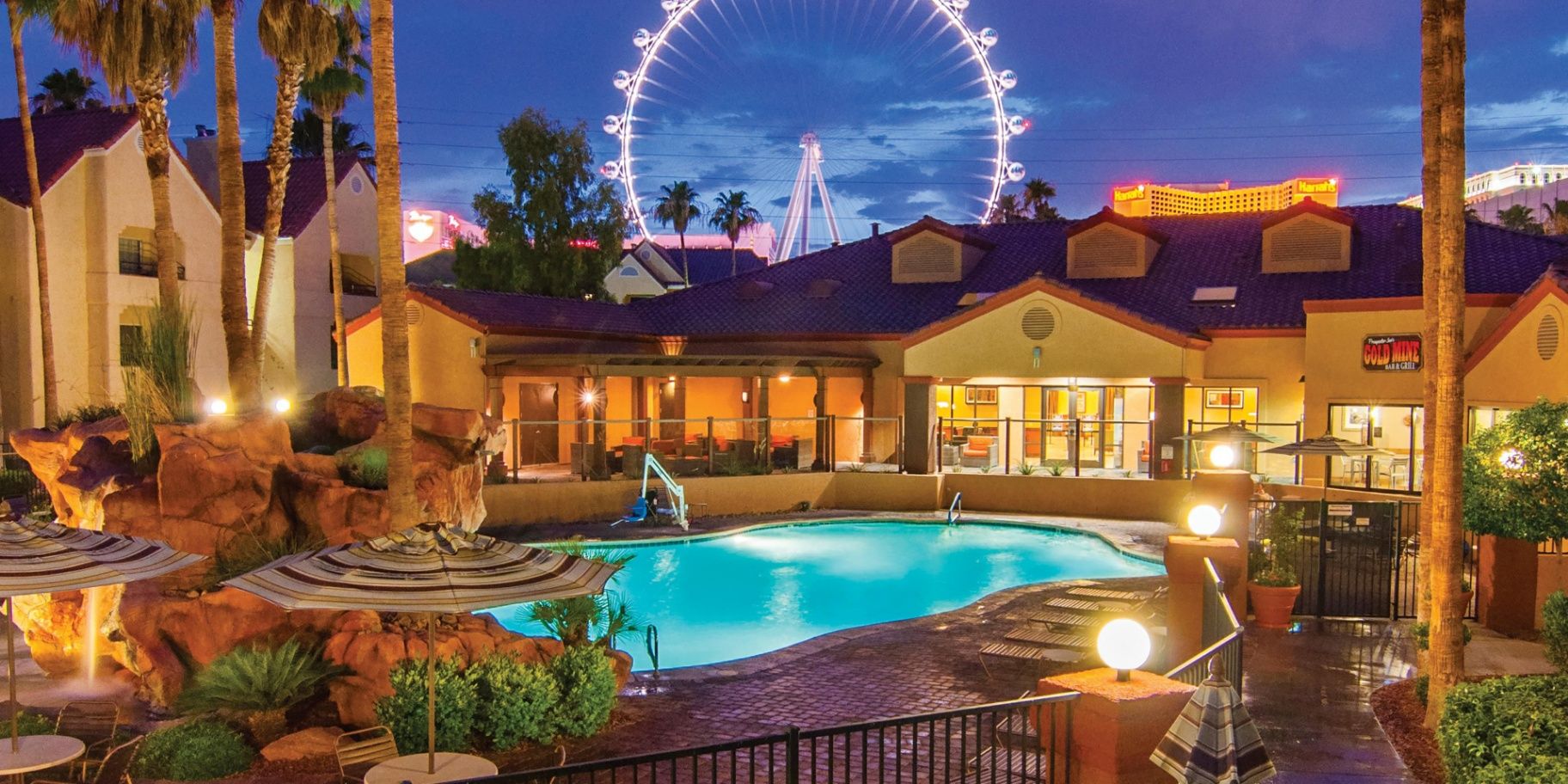


 Time For Your Vacation