![[HERO] The Anti-Bucket List: Why These 7 Famous Destinations Are Actually Overrated (Extended 5,000 Word Deep Dive)](https://cdn.marblism.com/5Y-OzVoXxiQ.webp)
The Psychology of the “Must-See” Trap: Why Your Vacation Feels Like a Job
You have seen the photos. You know the ones: the perfectly color-graded shot of a woman in a flowing yellow dress standing alone on a cliff in Santorini, or the lone hiker gazing out over the mist-covered ruins of Machu Picchu. These images are carefully curated pieces of digital fiction designed to trigger your FOMO (Fear of Missing Out). You feel a subconscious pressure to visit these places, not because you have a deep burning desire to experience the local culture, but because society: and your Instagram feed: has told you that your life is incomplete until you have “checked the box.”
This “Instagram-ification” of travel has fundamentally changed how we explore the planet. We no longer travel to be moved; we travel to be seen. The result is a global travel landscape where everyone is funneled into the same dozen locations, creating a “Disney-fied” version of reality that rarely lives up to the hype. You arrive at these destinations expecting a spiritual awakening, only to find yourself standing in a two-hour line to take the exact same photo as the three hundred people in front of you.
The disappointment you feel when you finally reach a famous landmark and realize it is surrounded by scaffolding, souvenir hawkers, and thousands of other sweaty tourists is actually a documented psychological phenomenon. We build these places up in our minds as sacred temples of leisure, but the reality is often closer to a crowded mall on Black Friday. You are sold the dream of “unforgettable luxury,” but what you often get is a logistical nightmare. It is time to stop following the herd and start questioning why we are all chasing the same manufactured “bucket list” experiences. Genuine luxury is not found in a crowd; it is found in the quiet moments of discovery that haven’t been commodified by a hashtag.
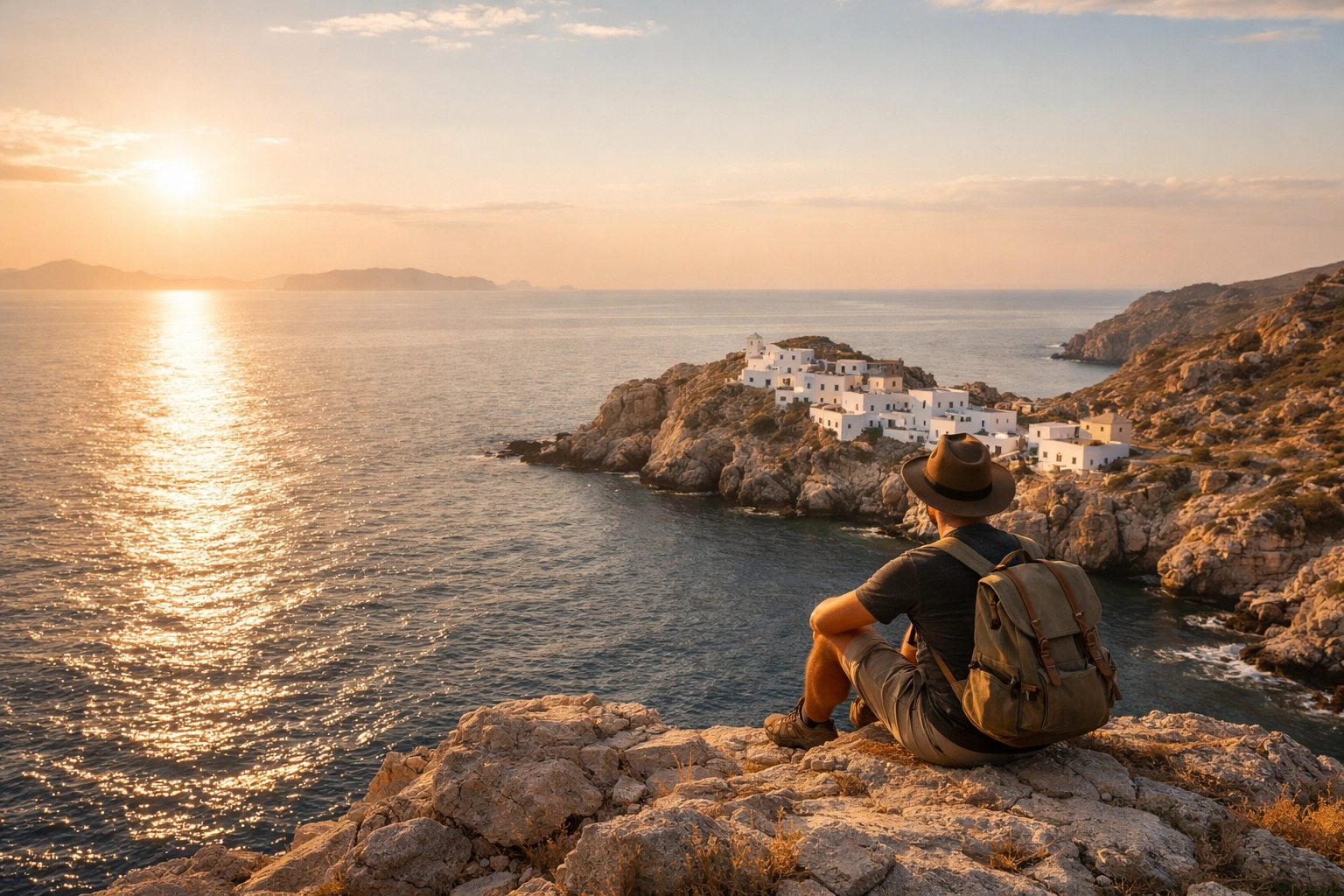
1. Santorini, Greece: The Blue Dome Mosh Pit
You imagine Santorini as a tranquil island paradise where you can sip Assyrtiko wine while watching the sun dip below the horizon in peaceful solitude. The reality of the “Oia Sunset” is a physical endurance test. Every evening, thousands of tourists who have poured off massive cruise ships descend upon the narrow, winding paths of Oia. It is a literal mosh pit of selfie sticks and elbows. People climb onto private rooftops and sacred church domes just to get “the shot,” showing a complete lack of respect for the locals who actually live there. By the time the sun actually sets, you are so frustrated by the crowd that you can barely enjoy the view.
Then there is the physical toll of the island itself. Unless you are staying in a high-end villa with a private porter, you will be lugging your designer suitcases up and down hundreds of steep, uneven stone steps in 90-degree heat. To “solve” this problem, the island offers donkey rides. This is one of the most controversial aspects of Santorini travel. These animals are often forced to carry heavy tourists up 600+ steps all day long in the blistering sun with little shade or water. It is a cruel practice that clashes violently with the “luxury” image the island tries to project.
The cost of staying in one of those famous “Blue Dome” view hotels is astronomical, often exceeding $1,500 a night for what is essentially a renovated cave. You are paying for the view, but you are also paying for the lack of privacy, as tourists will literally walk past your private plunge pool to take photos of the scenery. If you want the volcanic beauty of the Cyclades without the soul-crushing crowds, look toward Milos or Folegandros. Milos offers the Sarakiniko lunar landscape: vast, white volcanic rock formations that look like the surface of the moon: where you can actually find a private corner to breathe. In Folegandros, the Chora is perched on a massive cliff, offering views just as dramatic as Oia but with a quiet, authentic luxury that feels like Greece did fifty years ago.
2. Bali, Indonesia: The “Eat Pray Love” Mirage
Bali is marketed as the ultimate spiritual sanctuary, a place to find your Zen amidst emerald rice terraces and ancient temples. However, if you spend your time in Canggu or Seminyak, your “Zen” will be interrupted by the constant roar of thousands of motorbikes and the smell of exhaust fumes. The “Eat Pray Love” myth has been replaced by a reality of soul-crushing traffic jams where a five-mile trip can take over an hour. The island’s infrastructure simply cannot handle the sheer volume of “digital nomads” and influencers who have moved in, turning quiet villages into neon-lit strips of avocado toast cafes and “authentic” boutiques that look the same as the ones in East London or Brooklyn.
The environmental crisis in Bali is also impossible to ignore. Visit Kuta Beach during the monsoon season, and you won’t see white sand; you will see a tide of plastic waste washing up from the ocean. Even the famous “Instagram Swings” in Ubud have become a parody of travel. You pay $20 to sit on a swing over a rice terrace while a staff member pushes you and another holds your phone to take a video. It is a manufactured experience designed solely for social media validation. The “Bali Belly” is also a very real risk, often caused by the island’s struggling sanitation systems trying to keep up with the over-tourism.
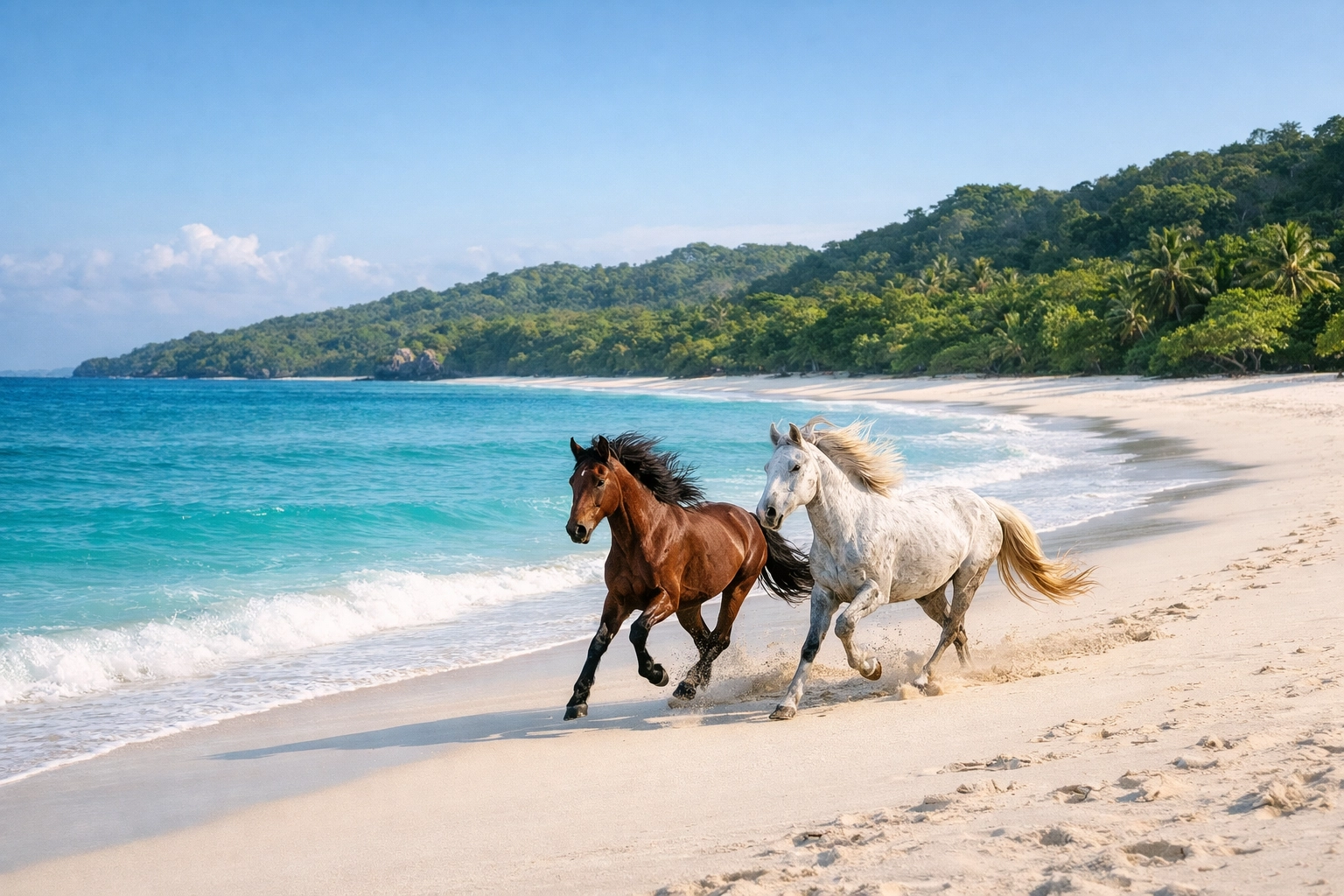
If you are looking for the untouched, tribal beauty that people think they are getting in Bali, you need to head to Sumba. Only an hour’s flight from Bali, Sumba is twice the size but has a fraction of the tourists. This is where you will find Nihi Sumba, regularly voted the best hotel in the world, which offers a level of raw, disconnected luxury that Bali lost decades ago. Here, you can witness ancient Marapu rituals, see wild horses running on pristine beaches, and experience a culture that hasn’t been diluted for the sake of a “like.” It is rugged, it is difficult to navigate, and that is exactly why it is worth your time.
3. Paris, France: The Grime Behind the Glitz
“Paris Syndrome” is a genuine psychiatric condition, first identified by Japanese psychiatrists, where tourists experience a complete mental breakdown because the city is so vastly different from the romanticized version they saw in movies. You expect Amélie; you get the Gare du Nord. Paris is a massive, gritty metropolis with all the problems that come with it. The Metro is often smelling of things we won’t mention here, and the “City of Light” can feel very dark when you are being hounded by aggressive street vendors near the Eiffel Tower or trying to protect your wallet from the sophisticated pickpockets that haunt the major landmarks.
The “must-do” attractions are often the most disappointing. You will wait three hours in the rain to enter the Louvre, only to be funneled into a room where you are ten rows back from a tiny, glass-encased Mona Lisa. You can’t even see the brushstrokes because of the glare and the hundreds of smartphone screens held aloft. The Eiffel Tower is beautiful from a distance, but the experience of going up it involves security checkpoints that feel like airport screening and overcrowded elevators. The Champs-Élysées, once the most beautiful avenue in the world, is now a collection of global chain stores that you can find in any suburban mall.
Instead of fighting the crowds in Paris, take the TGV south to Lyon. Often called the “Gastronomy Capital of the World,” Lyon offers a much more authentic French experience without the “tourist trap” feel. You can explore the “Traboules”: secret covered passageways used by silk merchants in the Renaissance: and eat at traditional “Bouchons” where the food is better and cheaper than anything you will find near the Seine. Lyon has the history, the architecture, and the riverfront charm of Paris, but it feels like a city that belongs to its residents, not just its visitors.
4. Venice, Italy: The Sinking Theme Park
Venice is a feat of engineering and a miracle of history, but in the peak of summer, it can feel more like a sinking theme park than a living city. The literal smell of the canals in August can be overwhelming as the heat interacts with the stagnant water and ancient sewage systems. St. Mark’s Square has become so “Disney-fied” that it is often difficult to even see the pavement through the sea of tour groups following guides with raised umbrellas. The city has even implemented a “Day-Tripper Tax” to try and curb the numbers, but the crowds remain relentless.
The “local” population of Venice is disappearing because they can no longer afford to live in a city where every apartment is an Airbnb and every shop sells cheap glass trinkets made in China. When you sit down at a cafe in a high-traffic area, don’t be surprised to see a “Music Surcharge” of $10-$20 added to your bill just because a mediocre string quartet was playing in the background. A gondola ride, while iconic, is often a 30-minute traffic jam in a narrow canal, costing you $100 or more for an experience that feels rushed and transactional.
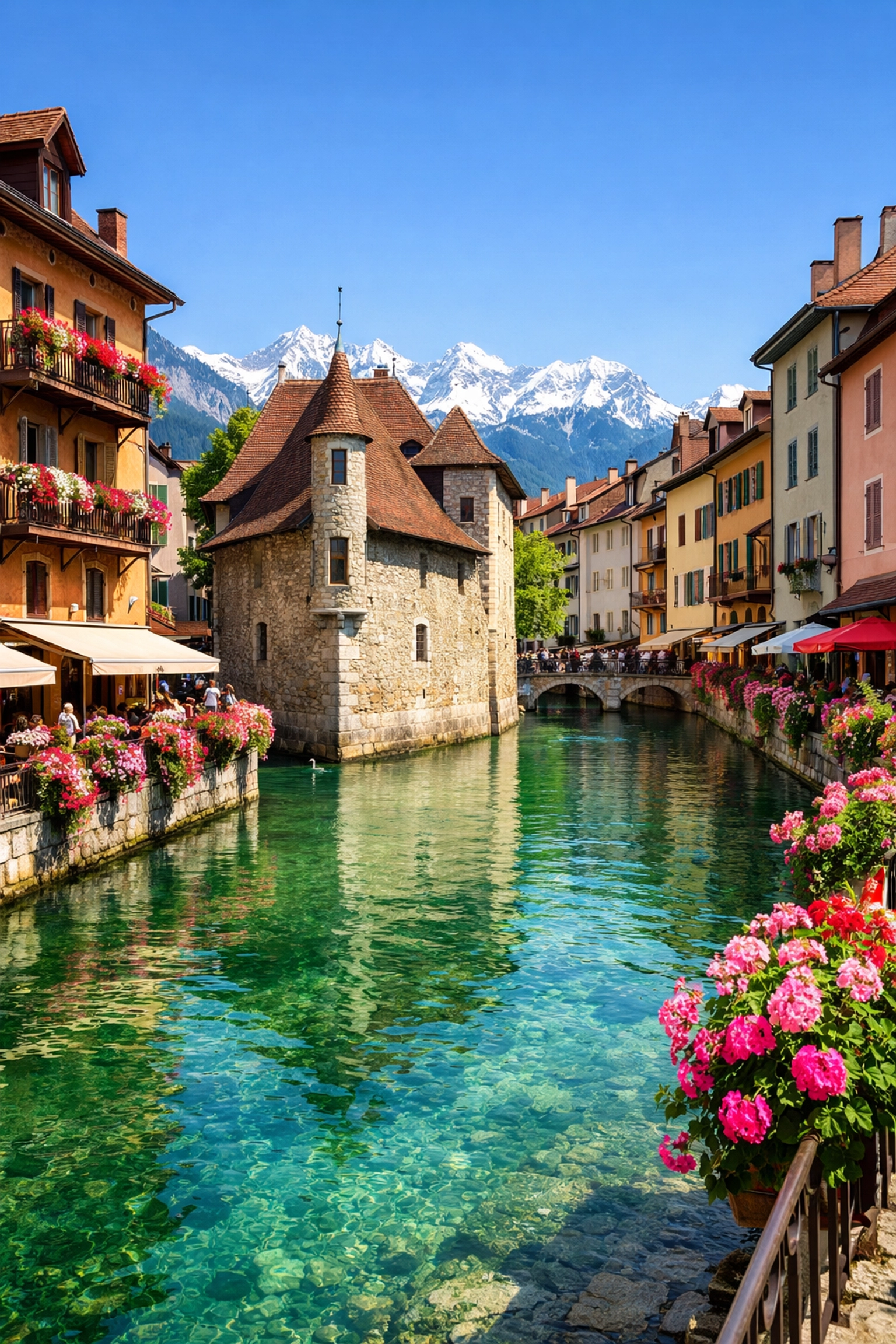
For a water-based city that actually retains its soul, try Treviso (just a short train ride away) or Annecy in France, known as the “Venice of the Alps.” Annecy features crystal-clear canals fed by the cleanest lake in Europe, surrounded by snow-capped mountains and colorful Savoyard houses. It has all the romanticism of Venice with none of the decay. You can spend your days hiking, boating, and eating incredible alpine cheese without the feeling that you are being milked for every cent by a city that is tired of your presence.
5. Machu Picchu, Peru: The Logistics of Disappointment
Machu Picchu is undeniably spectacular, but the process of seeing it has become a logistical nightmare that can strip away the magic. First, there is the permit lottery. If you don’t book months in advance, you aren’t going. Then there is the journey: a flight to Cusco (where you will likely suffer from altitude sickness), a long bus or train ride to Aguas Calientes (a town designed solely to extract money from tourists), and finally a bus ride up a switchback road to the entrance. By the time you get there, you are exhausted, nauseous, and surrounded by hundreds of people wearing neon North Face jackets.
Once inside the citadel, you are confined to strict one-way paths. You cannot wander and contemplate the ruins in peace; you are herded like cattle by guards with whistles who will blow them if you stop moving for too long. The “spiritual” connection people seek is hard to find when you are constantly dodging selfie sticks. The sheer volume of visitors is also physically damaging the site, leading to more and more restrictions every year. The “Lost City of the Incas” isn’t lost anymore; it’s the center of a high-volume tourism machine.
If you want a true “Indiana Jones” moment, head to Choquequirao. Often called the “Sister City” of Machu Picchu, it is larger and arguably more impressive, but it is only accessible via a grueling two-day trek. Because there is no train and no bus, only about a dozen people visit per day. You can wander the ruins alone, sleep under the stars, and feel the true weight of Incan history without a single whistle-blowing guard in sight. It is a raw, difficult, and profoundly rewarding experience that Machu Picchu can no longer offer.
6. Tulum, Mexico: The “Eco-Chic” Paradox
Tulum was once a quiet hideaway for backpackers and artists. Today, it is the poster child for the “Eco-Chic” paradox. You pay $600 a night to stay in a “jungle cabana” that claims to be eco-friendly, but because the town has no proper electrical grid, your room is powered by a massive, noisy diesel generator hidden behind a palm tree. The infrastructure has completely failed to keep up with the explosion of luxury developments. There are no paved roads in the hotel zone, meaning you will be walking through massive mud puddles or stuck in a taxi for 45 minutes to move two miles.
Then there is the sargassum. In recent years, a massive invasion of brown, rotting seaweed has plagued the Caribbean coast. For months out of the year, the turquoise water and white sand you see in the brochures are replaced by a stinking, brown sludge that makes swimming impossible. Despite this, the “Influencer Tax” remains in full effect. You will pay $25 for a green smoothie and $15 for a taco in a town where the average local struggles to make ends meet. The “spiritual” vibe is now dominated by “wellness influencers” who are more interested in their aesthetic than actual well-being.
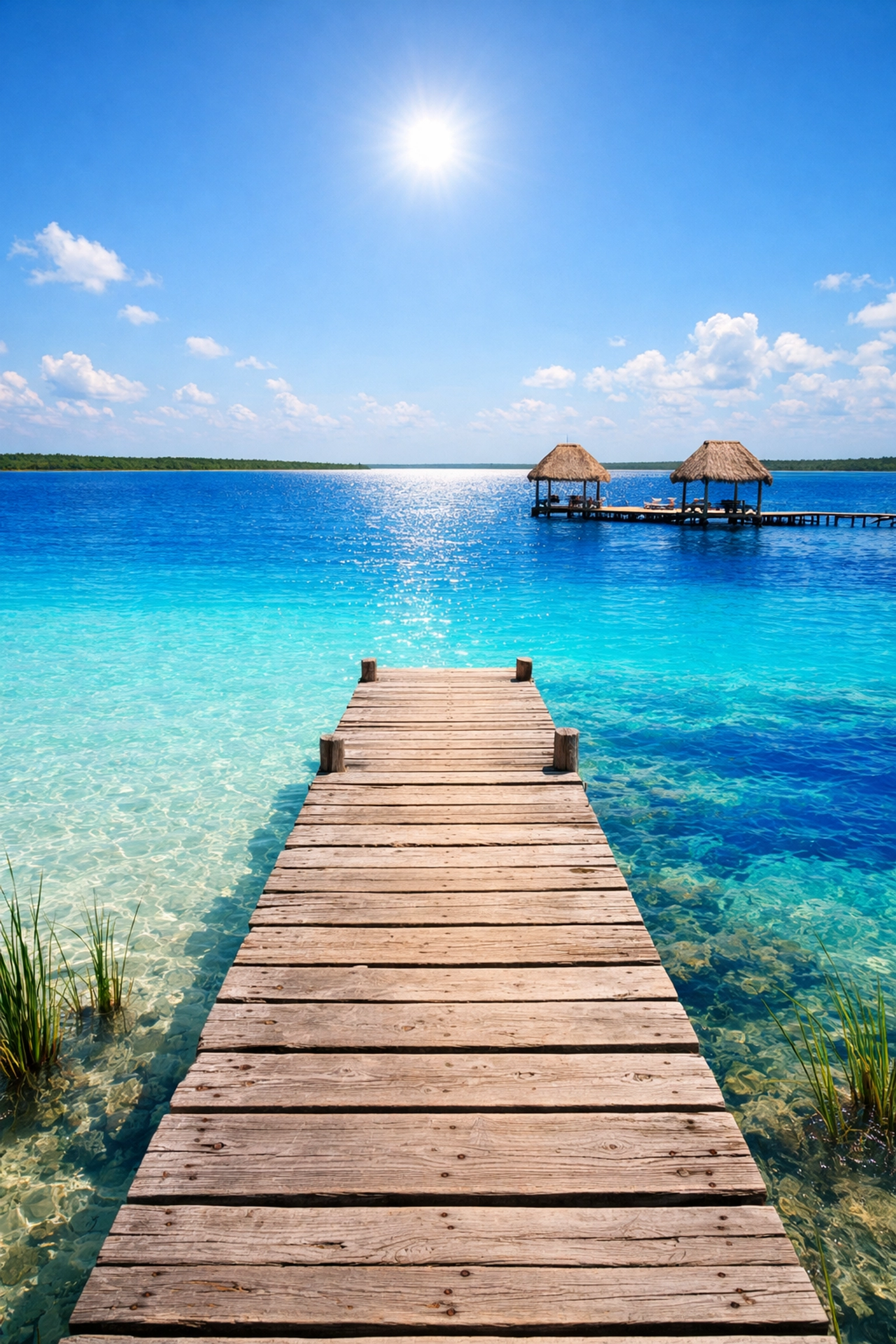
If you want the bohemian luxury that Tulum used to represent, head south to Bacalar. Known as the “Lagoon of Seven Colors,” this freshwater lake offers stunning shades of blue and turquoise without the seaweed problem. The town is still relatively quiet, with boutique hotels that are actually integrated into the environment. You can kayak through mangroves, swim in cenotes, and enjoy a cocktail at sunset without the pretension or the diesel fumes of Tulum. It is true, unrefined paradise.
7. Iceland’s Blue Lagoon: The Glamorized Wastewater
The Blue Lagoon is likely the most photographed spot in Iceland, but there is a truth about it that the brochures conveniently leave out: it is essentially the wastewater from the neighboring Svartsengi geothermal power plant. While the water is clean and rich in minerals like silica and sulfur, it is not a natural spring. It is a man-made lagoon filled with industrial runoff that has been glamorized into a luxury spa. When you arrive, you are given a plastic wristband and funneled into a massive locker room that feels like a high-end gym.
The reality of the experience is “Human Soup.” You are packed into the milky blue water with hundreds of other people, all of whom are wearing white silica mud masks and trying to take selfies without dropping their phones. There is a bar in the middle of the water, which sounds luxurious until you realize you are surrounded by people drinking beer in a giant bathtub. The silica in the water also wreaks havoc on your hair, leaving it feeling like straw for days unless you coat it in a thick layer of conditioner beforehand. For $100 or more per person, it is a very expensive bath.
Instead, head to the Myvatn Nature Baths in the North or explore the remote Westfjords. In these areas, you can find natural hot springs that are actually natural, often with no one else around. The Westfjords offer raw, wild beauty: massive fjords, towering waterfalls, and tiny fishing villages: that feels like the “real” Iceland. You can soak in a small stone pool overlooking the North Atlantic and actually feel the power of the land, rather than the power of a marketing department.
Reclaiming Your Right to a Meaningful Vacation
Travel is one of the most significant investments you make: not just of your money, but of your limited time on this earth. Why would you spend that time standing in lines and visiting places that have been stripped of their soul? The “Anti-Bucket List” isn’t about being a contrarian; it’s about being an intentional traveler. It’s about recognizing that the most famous spots are often the least rewarding because they have been optimized for mass consumption rather than individual connection.
This is where the expertise of a dedicated travel partner becomes invaluable. In a world of automated booking engines and “Top 10” listicles, the true luxury is insider knowledge. It is having someone who can tell you, “Don’t go there in July,” or “If you like that vibe, this hidden gem is ten times better.” A travel agent’s job in 2026 isn’t just to book a flight; it’s to act as a filter, steering you away from the cliché traps and toward meaningful, high-end experiences that actually resonate with who you are.
Whether you are looking for a private villa in the hills of Tuscany that nobody knows about or a curated trek through the Andes that avoids the crowds, the goal is always the same: to return from your vacation feeling enriched, not exhausted. You deserve a trip that is as unique as you are, free from the pressure of social media expectations. It is time to stop checking boxes and start discovering the world on your own terms.
Visit www.TimeForYourVacation.com to start planning your next adventure. Check out www.DaveTheTourGuide.com for personalized travel guidance and insider tips. And keep reading www.TimeForYourVacation.blog for more honest takes on the travel industry and how to navigate it like a pro. Try our Luxury concierge with www.BlackKeyElite.com . And listen to my podcast! https://www.podomatic.com/podcasts/contact24682
 Time For Your Vacation
Leave a comment