The Evolution of the Mexican Escape: Value vs. Cheap
You are standing at a crossroads in 2026. You want an escape that resonates with your soul, but you are bombarded by two very different versions of Mexico. On one hand, you have the “cheap” Mexico, the $150-a-night all-inclusive resorts in overdeveloped zones where the margaritas come from a plastic nozzle and the “culture” is a nightly show of tired dance routines. On the other hand, you have the “value” of a luxury experience. When we talk about luxury in 2026, we aren’t just talking about gold-plated faucets. We are talking about the luxury of space, the luxury of silence, and the luxury of deep, authentic connection.
You deserve to understand the math of a masterpiece vacation. When you choose a high-end boutique property in the heart of Mexico City or a secluded villa on the East Cape of Baja, you aren’t “spending more” just to flex. You are investing in a higher ROI of joy. Cheap travel in Mexico often comes with hidden costs: the cost of your time spent in crowded lobbies, the cost of your health eating low-grade buffet food, and the cost of your sanity navigating subpar logistics.
Luxury travel in 2026 is about intentionality. It is about knowing that your $1,200-a-night suite includes a concierge who knows which street corner has the best heritage corn tamales that morning and can also snag you a 9 PM table at a restaurant that has been booked out for three months. That is value. You are paying for the removal of friction. In a world that is increasingly loud and chaotic, the ultimate luxury is a seamless transition from your private jet or first-class cabin to a sanctuary that feels like home, only better.
You have to look at the landscape of 2026 specifically. With the eyes of the world turning toward North America for the World Cup, the “cheap” options are becoming increasingly exploitative and crowded. The middle-tier is disappearing. You either go for the mass-market chaos or you step up into the curated world of high-end travel. Value is found in the properties that have invested in their own ecosystems, water filtration systems that mean you never see a plastic bottle, farm-to-table programs that support local ejidos, and architectural designs that naturally cool the rooms without the constant drone of old AC units.
When you choose value over cheap, you are choosing a narrative. You are choosing to be a guest rather than a tourist. You are choosing to see Mexico as the powerhouse of culture and sophistication that it is, rather than a discount playground. This guide is built for you, the traveler who understands that the most expensive thing you own is your time. Let’s make sure you don’t waste a second of it.
Mexico City: A Deep Dive Into the Global Capital of Cool
You cannot talk about luxury in 2026 without starting in Mexico City (CDMX). This isn’t just a city; it’s a living, breathing museum of the future. But to do it right, you have to understand the geography of prestige. You aren’t staying in “Mexico City”, you are staying in a specific neighborhood that dictates the entire rhythm of your trip.
La Condesa and Roma Norte: The Pulse of the City
You want to feel the energy of the creative class? This is where you land. These twin neighborhoods are the heartbeat of CDMX’s aesthetic revolution. Walking down Avenida Ámsterdam, you are surrounded by Art Deco curves and lush canopies of jacaranda trees. In 2026, the luxury here has moved away from the big brands and into “invisible service” guest houses.
Take Ignacia Guest House, for example. It is a masterclass in how to treat a traveler. It’s a five-room mansion where the breakfast is prepared by a chef who sources ingredients from the local markets every single morning. You don’t have a front desk; you have a host who feels like a well-connected friend. Then there’s La Valise, where you can literally roll your bed out onto a terrace to sleep under the stars of the Roma skyline. This is the luxury of intimacy.
Polanco: The High-Octane Luxury
If your version of luxury involves designer shopping on Presidente Masaryk and high-walled privacy, Polanco is your sanctuary. This is where you find the heavy hitters. Casa Polanco is perhaps the most refined opening of the decade, a 1940s mansion turned into a residential-style hotel that overlooks Lincoln Park. It’s quiet. It’s understated. It’s where the elite stay when they don’t want to be found.
Of course, the Four Seasons Mexico City remains the grand dame. Its courtyard is an urban oasis that makes the city’s noise disappear the moment you walk through the doors. The bar, Fifty Mils, remains a global top-tier destination for mixology. You sit there with a cocktail made with Oaxacan gin, looking at the fountain, and you realize that CDMX has more in common with Paris or Tokyo than it does with any other city in the Americas.
Juárez and San Rafael: The New Frontier
In 2026, the “cool” money has moved into Juárez. The Soho House Mexico City has anchored this neighborhood as the hub for the global nomadic elite. It’s housed in a restored villa that looks like a film set. But if you want something even more curated, look at the smaller design hotels popping up in San Rafael. These are for the travelers who have been to CDMX five times and want to see the “real” city without sacrificing 600-thread-count sheets.
You need to understand that CDMX is a city of layers. You have the pre-Hispanic ruins at the Templo Mayor, the colonial grandeur of the Zócalo, and the ultra-modern skyscrapers of Santa Fe. Your luxury experience is the thread that pulls these layers together. It’s having a private driver who can navigate the legendary traffic while you catch up on emails or simply watch the city fly by. It’s having a guide who can get you into the Blue House (Frida Kahlo’s home) an hour before it opens to the public.
Don’t just visit CDMX. Inhabit it. Walk the parks, eat the street food (the high-end versions in Condesa are safe and spectacular), and let the city’s chaotic beauty wash over you. It is the ultimate urban luxury destination of our time.
The Architecture of Stillness: From Barragán to the New Minimalists
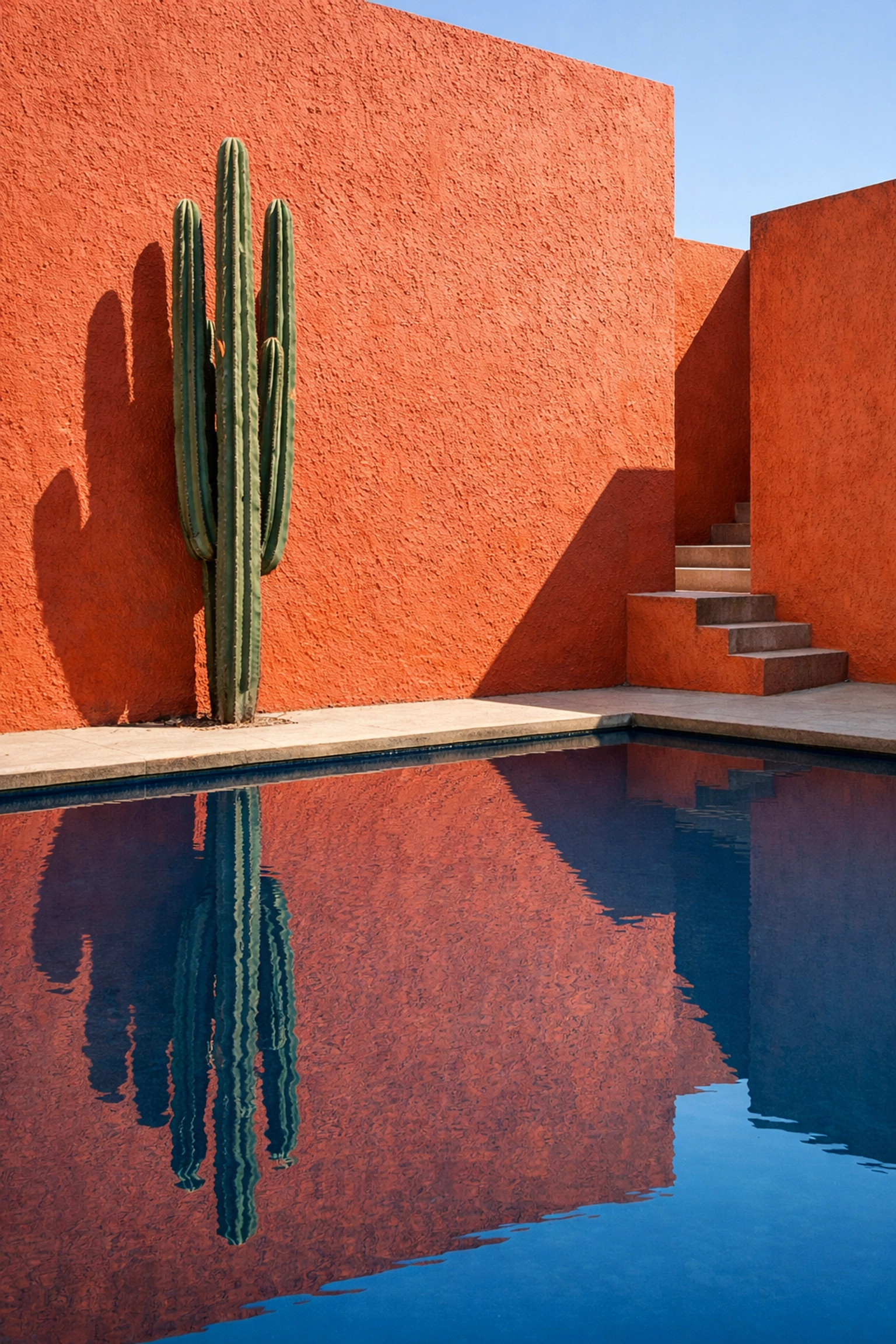
You don’t just look at Mexican architecture; you feel it. To understand the luxury aesthetic of 2026, you have to go back to the master: Luis Barragán. His use of light, shadow, and bold, monochromatic walls defined a “Mexican Modernism” that has become the blueprint for high-end resorts across the country.
The Barragán Pilgrimage
If you are a lover of design, you must visit Casa Gilardi. It is still a private residence, but with the right connections, you can secure a tour. The way the pink walls interact with the indoor pool is nothing short of spiritual. It’s a reminder that luxury isn’t about clutter; it’s about how space makes you feel. Then there is the Cuadra San Cristóbal, the equestrian estate that uses massive planes of purple and rust-red to frame the sky.
This philosophy, that architecture should provide a sense of “serene silence”, is the driving force behind the most exclusive hotels in Mexico today. You see it in the work of architects like Alberto Kalach and Tatiana Bilbao. They aren’t building hotels; they are building landscapes.
The Rise of Minimalist Sanctuaries
Look at Viceroy Los Cabos (originally Mar Adentro). Designed by Miguel Ángel Aragonés, it is a dreamscape of white cubes and reflecting pools that seem to merge with the Sea of Cortez. It is stark, it is brave, and it is incredibly luxurious because it removes all visual noise. You aren’t looking at “decor”; you are looking at the horizon.
In the jungle, this minimalism takes a different form. Properties like Hotel Escondido in Puerto Escondido use traditional palapa roofs but pair them with brutalist concrete structures and hidden infinity pools. It is the intersection of the ancient and the futuristic.
You are seeing a move away from the “hacienda style” that dominated luxury for decades. While the old haciendas are beautiful, the 2026 traveler wants something cleaner. You want the Paradero Todos Santos, where the architecture is literally made from the desert sand, designed to disappear into the dunes. The rooms aren’t just rooms; they are viewing platforms for the cacti and the stars.
Luxury in Mexican architecture is now about “biophilic design”, the idea that humans have an innate tendency to seek connections with nature and other forms of life. Whether it’s a shower that is half-outdoors in the Yucatán or a living room that has no walls in Guerrero, the architecture is designed to make you feel part of the environment, not protected from it. This is the ultimate design tip for 2026: look for the places that use light as their primary building material.
Culinary Science: The Sacred Bond of Corn and Fine Dining
You might think you know Mexican food, but until you’ve understood the science of corn, you’ve only scratched the surface. In 2026, the culinary world is obsessed with “nixtamalization.” This is the ancient process of soaking corn in an alkaline solution (usually lime and water) to unlock its nutritional value and create that distinct “masa” flavor.
The Temple of Pujol
You cannot have a luxury guide to Mexico without mentioning Enrique Olvera’s Pujol. But in 2026, the experience has evolved. It’s not just about the Mole Madre (which, by the way, has been aging for thousands of days at this point). It’s about the taco bar omakase. You sit at the bar and watch a master chef treat a single tortilla with the same reverence a sushi master gives to bluefin tuna.
The luxury here is in the sourcing. You are eating heirloom corn varieties, bolita, cónico, chalqueño, that were nearly extinct. By dining at the top level, you are participating in a conservation project. The flavors are deeper, nuttier, and more complex than anything you can buy in a store.
The Street to Table Bridge
The smartest travelers in 2026 know that the best meal in the city might be a 50-cent taco, but the luxury is having someone like a private chef curate a “street food tour” that ends at a private rooftop. You want to see the contrast. Eat the suadero on a plastic plate in the afternoon, and then have the deconstructed version at Quintonil in the evening. Jorge Vallejo’s work at Quintonil is often cited by insiders as being even more innovative than Pujol, focusing on high-altitude greens and insects (don’t knock the chicatana ant salt until you’ve tried it, it’s like smoked chocolate).
The Science of the Sip
It isn’t just about tequila anymore. In 2026, the luxury palate has moved toward the ultra-rare. You are looking for Sotol from the Chihuahuan desert, Raicilla from the coast of Jalisco, and Pox from Chiapas. These aren’t just drinks; they are fermented histories. A true luxury resort will have a dedicated “agave sommelier” who can walk you through the terroir of an agave plant that took 25 years to reach maturity before it was harvested.
When you eat in Mexico, you are consuming a culture that has been recognized by UNESCO as an Intangible Cultural Heritage of Humanity. In 2026, that heritage is being fused with modern technique, liquid nitrogen, spherification, and wood-fire hearths, to create a dining scene that is arguably the most exciting on the planet.
Oaxaca: The Soul of the Republic
If Mexico City is the brain of the country, Oaxaca is its soul. You don’t come here for a quick weekend; you come here to be transformed. Oaxaca is a place where time moves differently. The colors are brighter, the smoke from the wood fires is thicker, and the artisans are the true royalty.
The Seven Moles and Beyond
You’ve heard of the seven moles of Oaxaca (Negro, Rojo, Coloradito, Amarillo, Verde, Chichilo, and Manchamanteles), but the luxury traveler goes deeper. You head to the markets, Mercado 20 de Noviembre, not just to eat, but to learn. A private cooking class with a Zapotec chef is the ultimate luxury. You spend the morning at the market selecting the specific chilies and then hours grinding them on a metate.
But Oaxaca also has a modern side. Criollo, another Enrique Olvera project, is set in a stunning colonial courtyard where there is no menu. You eat what is fresh that day. It is the pinnacle of “relaxed luxury.”
The Spirit of Mezcal
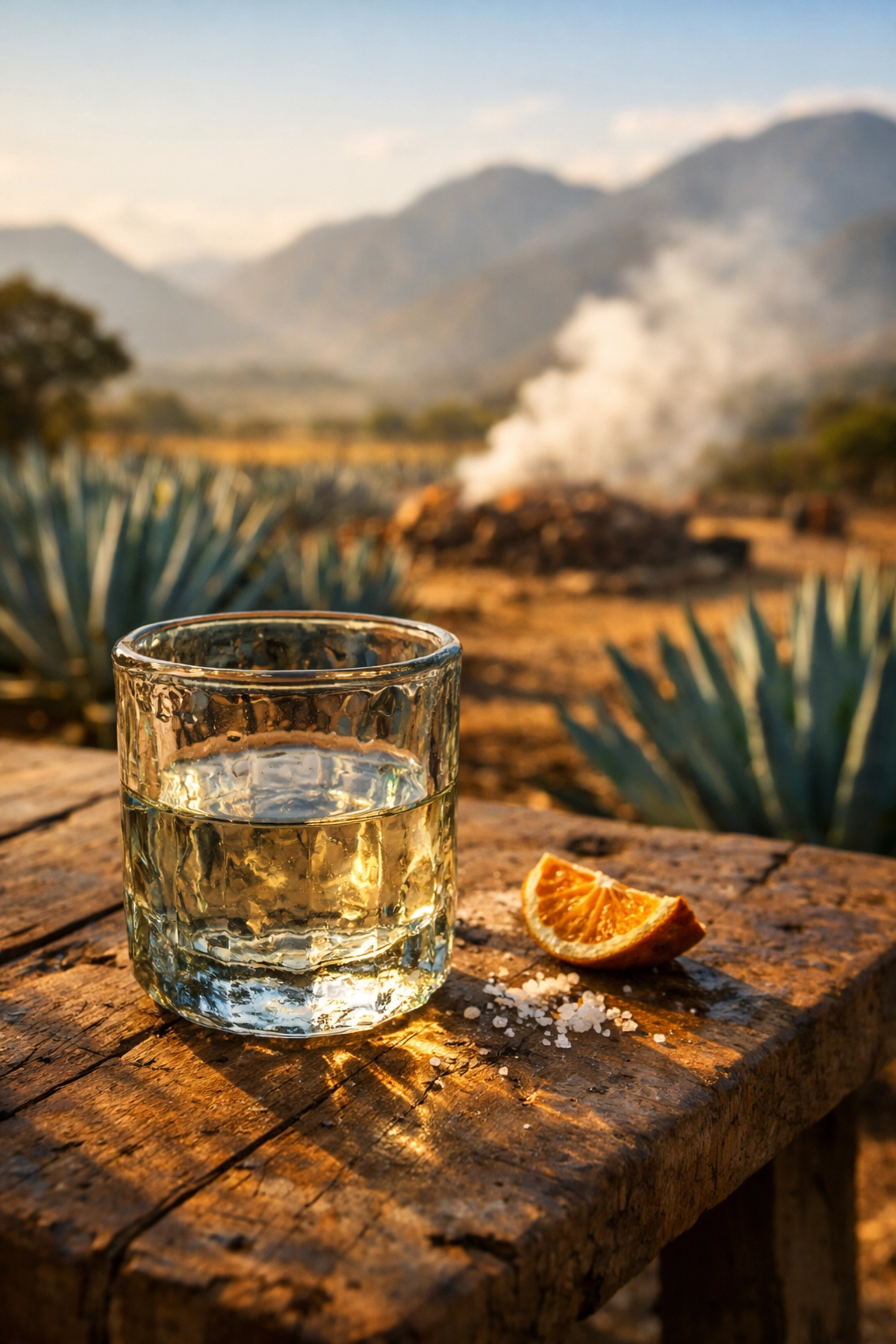
You haven’t tasted mezcal until you’ve tasted it at the source. In 2026, the “Mezcal Trail” has become a sophisticated journey for the connoisseur. Forget the mass-produced stuff. You want a private driver to take you to the “palenques” in Santiago Matatlán. You want to meet the Maestro Mezcalero who still uses a stone wheel pulled by a horse to crush the agave.
The luxury experience here is access. It’s sitting in a dusty shed tasting a Tobalá mezcal that was distilled in clay pots and realizing it’s more complex than a 30-year-old Scotch. It’s about the “vinatas” where they produce ancestral mezcal, and you get to buy a bottle that will never see a retail shelf.
Artisan Villages and High-End Craft
The villages surrounding Oaxaca City are specialized hubs of genius. Teotitlán del Valle is famous for its rugs. You don’t just buy a rug; you visit the home of a master weaver like the Ruiz family and see how they use cochineal insects to create the perfect shade of red. In San Bartolo Coyotepec, you watch the creation of barro negro (black clay) pottery.
In 2026, these artisans are collaborating with international designers. You’ll find their work in the galleries of New York and London, but the luxury is buying it from the hands that made it, in a workshop that has been in the same family for six generations.
Where to stay? Casa Silencio is the game-changer. It’s a “distillery hotel” located in the middle of a mezcal field. It’s brutalist, it’s chic, and it’s completely off-grid luxury. You wake up to the smell of roasting agave and the sight of the sun hitting the rugged mountains. This is Oaxaca. It’s raw, it’s elegant, and it is essential.
Baja & Beyond: The Desert-Sea Synthesis
Baja California Sur is no longer just for spring breakers and fishermen. In 2026, it is the center of the “New Mediterranean” lifestyle. Cabo San Lucas still has the party vibe, but the real luxury has migrated to San Jose del Cabo and the “East Cape.”
Cabo’s Golden Era
The corridor between the two Cabos is lined with some of the best hotels in the world. You have the One&Only Palmilla, which defines classic luxury service. You have Las Ventanas al Paraíso, where your “pool butler” will bring you a pre-chilled iPad and a misting of rose water. But the 2026 favorite is Zadún, a Ritz-Carlton Reserve. It feels less like a hotel and more like a private estate carved into the dunes.
The water in Baja is the real star. Private yacht charters are the only way to see the “Aquarium of the World,” as Jacques Cousteau called it. In 2026, these charters include on-board marine biologists who can guide you through snorkeling with whale sharks or watching the humpback migration in a way that is respectful and educational.
The Napa of Mexico: Valle de Guadalupe
A short flight or a beautiful drive north brings you to the Valle de Guadalupe. This is Mexico’s premier wine region, and it is exploding. But this isn’t Napa, it’s grittier and more experimental. The luxury here is found in boutique wineries like Bruma, where the tasting room is built around a centuries-old oak tree.
You stay at Encuentro Guadalupe, a series of “eco-lofts” perched on a rocky hillside. There are no TVs, no distractions. Just the view of the vineyards and the sound of the wind. The food scene here, led by chefs like Javier Plascencia at Animalón (where you eat under a 200-year-old oak tree), is pushing the boundaries of “Baja-Med” cuisine, fresh seafood from the Pacific meeting the bold wines of the valley.
Baja is where the desert meets the sea, and your luxury experience should reflect that contrast. It’s a morning surf session on a private break followed by an afternoon of high-end wine tasting. It’s the ultimate playground for the active luxury traveler.
Wellness: Ancient Rituals and Modern Biohacking
In 2026, wellness in Mexico has moved far beyond a simple massage. You are looking for transformation. You are looking for the integration of Mayan and Aztec wisdom with modern luxury standards.
The Temazcal Experience
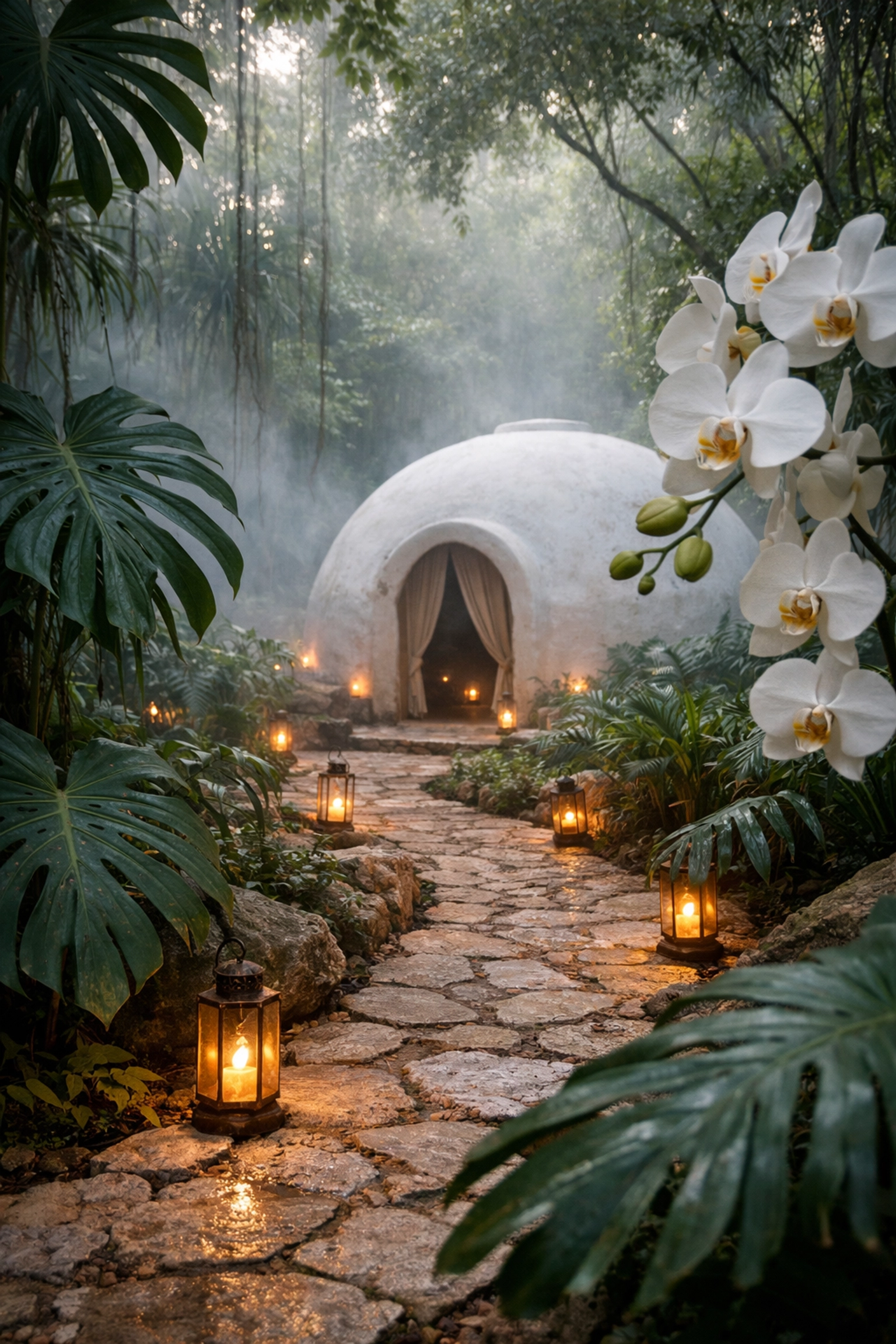
You haven’t truly “arrived” in Mexico until you’ve been through a Temazcal. This is a traditional sweat lodge ceremony led by a shaman or temazcalera. It’s not just about the heat; it’s a symbolic rebirth. You crawl into the dark, stone dome, and as the herbal water hits the glowing volcanic rocks, you are guided through a series of chants and reflections.
Luxury resorts like the Rosewood Mayakoba have elevated this into a high-art form. Their “Itzam Wellness” program integrates these rituals into a multi-day journey that includes “energy cleansing” and sound healing using traditional instruments.
Mayan Medicine and Biohacking
In the Riviera Maya and Tulum (the parts that haven’t been ruined by the crowds), you’ll find a new wave of wellness that combines indigenous plants with modern biohacking. Think IV drips infused with local superfoods, or “honey therapy” using the stingless Melipona bee, which the Maya considered sacred.
The focus in 2026 is on “sleep hygiene” and “circadian rhythm resets.” Resorts are designing rooms with blackout technology, copper-infused linens, and soundproofing that allows the sounds of the jungle to be filtered into a soothing white noise. You aren’t just going for a spa day; you are going to recalibrate your nervous system.
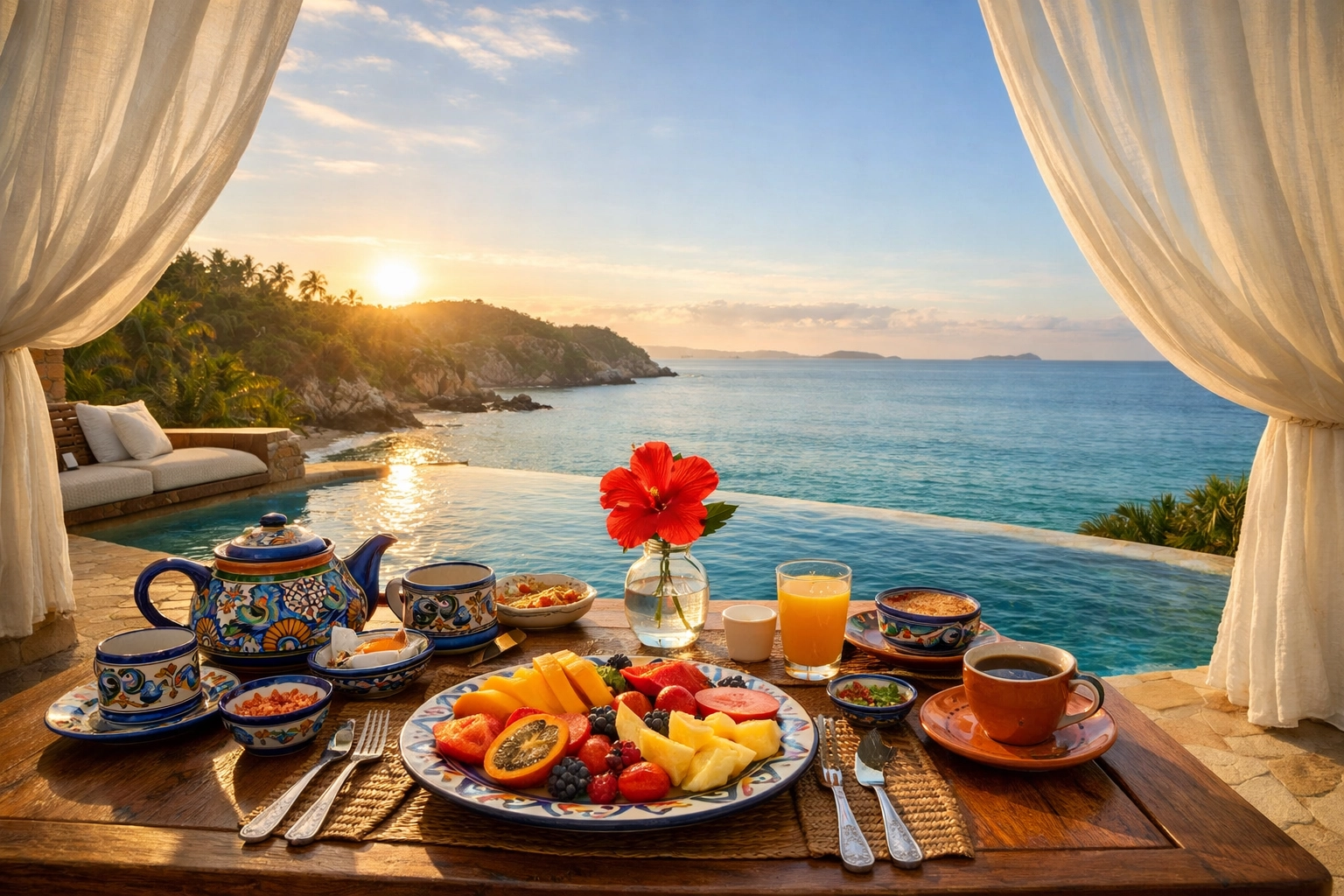
Riviera Nayarit: The New Gold Coast
While everyone was looking at Tulum, the savvy luxury travelers moved to the Riviera Nayarit. This stretch of coast north of Puerto Vallarta is the most exciting luxury development in the country right now.
The Mandarina Revolution
The opening of One&Only Mandarina changed the game. It is built into a cliffside jungle where the villas are either “treehouses” hovering in the canopy or “cliff villas” with private infinity pools overlooking the Pacific. It is the height of “jungle chic.” You spend your days at the Canalan Beach Club and your evenings at Carao, the restaurant by Enrique Olvera (yes, him again: he is the king of 2026 Mexico).
Punta Mita: The Private Enclave
Punta Mita remains the go-to for the ultra-wealthy. With two Jack Nicklaus signature golf courses and some of the most expensive private villas in the world, it is a fortress of luxury. The Four Seasons Punta Mita and the St. Regis are the anchors, but the real move in 2026 is renting a massive private compound in “Ranchos” or “Kupuri.”
What makes Nayarit special is the “Huichol” culture. The indigenous people of this region produce incredible beadwork and yarn paintings. A luxury resort in this area will incorporate this art into their design and offer private visits to Huichol communities, providing a level of cultural depth that is often missing in more commercialized beach zones.
Infrastructure and the Digital Nomad Elite
You need to know how the country has changed physically by 2026. The biggest story is the Tren Maya. While controversial during its construction, the high-speed rail now connects the major archaeological sites and luxury hubs of the Yucatán Peninsula.
Imagine waking up in a luxury hacienda in Mérida, taking a first-class train car (with a full dining service) to Chichén Itzá for a private sunrise tour, and being back in time for a late lunch by your pool. The connectivity has fundamentally changed how you can experience the south of the country.
Digital Nomad Infrastructure
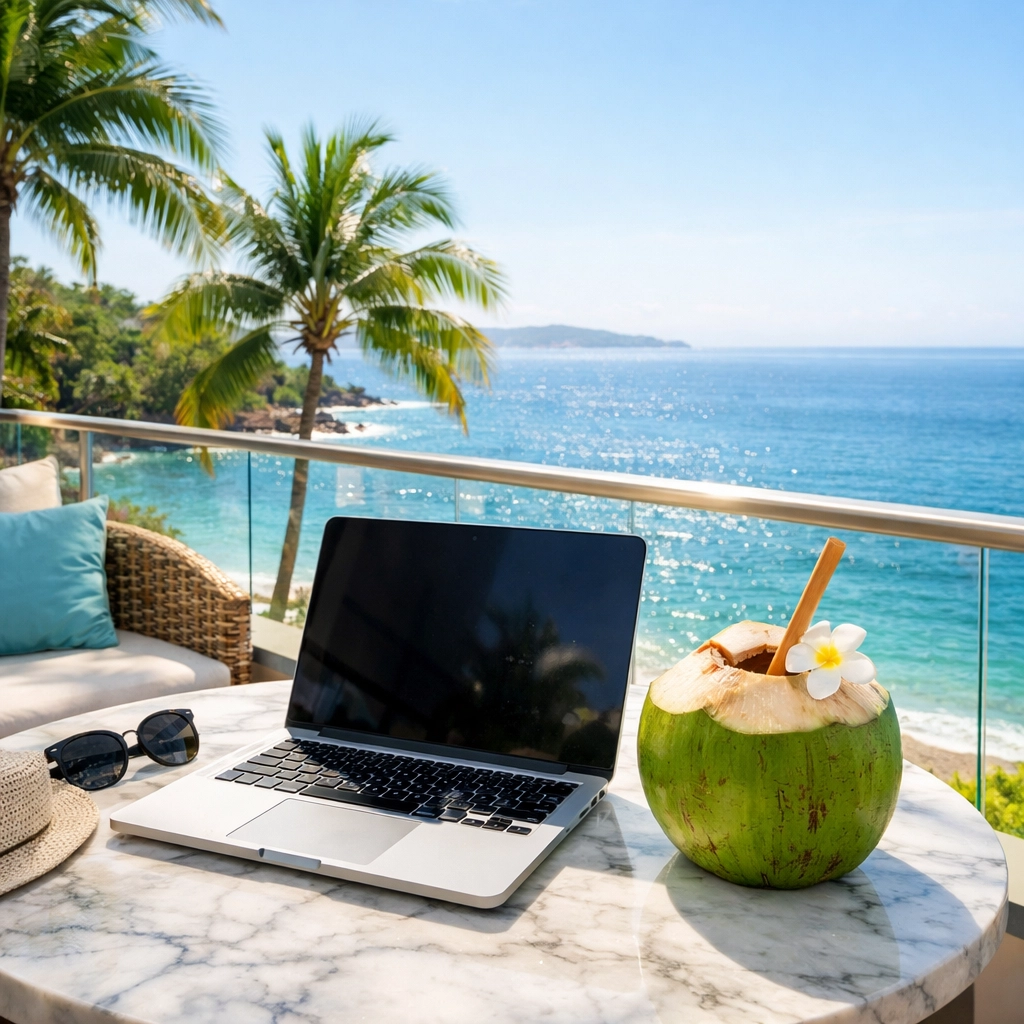
Mexico has become the premier destination for the “Executive Nomad.” In 2026, the luxury hotels have caught up. You aren’t struggling with “resort Wi-Fi” anymore. Starlink integration is standard. Many high-end properties now offer “Workation” suites that include ergonomic setups, soundproof booths for Zoom calls, and 24/7 tech support.
You can run your empire from a beach club in Sayulita or a rooftop in CDMX with the same efficiency you would have in New York or London. This has led to a “longer stay” trend: the luxury traveler isn’t coming for five days; they are coming for five weeks.
Logistics: Navigating the 2026 World Cup and Safety
You cannot ignore the elephant in the room: 2026 is a World Cup year. Mexico is hosting games in Mexico City, Guadalajara, and Monterrey. This means two things: incredible energy and logistical challenges.
World Cup Prep
If you are planning to visit during the tournament, you need to book 12 to 18 months in advance. The top-tier suites at the St. Regis and Four Seasons will be occupied by FIFA officials and global sponsors. However, the “luxury move” is to stay in the cities between the games. When everyone is in CDMX for the opening match, that is the perfect time to be in the empty, peaceful vineyards of Baja or the quiet beaches of Nayarit.
Safety and Peace of Mind
You worry about safety because the headlines are designed to make you worry. But here is the expert take: luxury travel in Mexico exists in a “secure corridor.” From private airport transfers in armored SUVs (if that’s your preference) to gated communities like Mayakoba and Punta Mita, your safety is handled with the highest level of professionalism.
The most important tip for 2026 is to use a dedicated concierge service. Don’t rely on an app for your transport. Have a driver who is vetted, who knows the “secure routes,” and who can handle any situation. When you travel at this level, your security is invisible but omnipresent. You can relax because the professionals are watching the perimeter.
Conclusion: The Invitation
You have read the guides, you have seen the photos, but 2026 Mexico is something you have to experience with your own senses. It is the smell of the sea air in Baja, the taste of the first tortilla of the morning, and the feeling of the sun hitting an ancient stone temple.
Mexico is no longer a “developing” destination; it is a global leader in hospitality. It has some of the best hotels, the most innovative chefs, and the most soul-stirring landscapes on earth. The only question is how you will choose to see it.
Will you go for the “cheap” option and see the surface? Or will you invest in the “value” of a luxury experience and see the heart of the country? You know the answer. The master guide is in your hands: now it’s time to make the journey.
Visit www.TimeForYourVacation.com to start planning your next adventure. Check out www.DaveTheTourGuide.com for personalized travel guidance and insider tips. And keep reading www.TimeForYourVacation.blog for more honest takes on the travel industry and how to navigate it like a pro. Try our Luxury concierge with www.BlackKeyElite.com . And listen to my podcast! https://www.podomatic.com/podcasts/contact24682

 Time For Your Vacation
Leave a comment