![[HERO] Looking For A Luxury African Safari? Here Are 10 Things You Should Know](https://cdn.marblism.com/90x6uqxh_bP.webp)
You want the wild. You want the dust of the savannah on your skin, the roar of a lion vibrating in your chest, and the kind of sunsets that make you question why you ever spent a single second in a cubicle. But you also want high-thread-count sheets, a chilled glass of Chenin Blanc, and a plunge pool that overlooks a watering hole. You want a luxury African safari.
You aren’t just looking for a vacation; you are looking for a transformation. Africa has a way of doing that to people. It’s a continent that doesn’t just show you sights; it makes you feel things you forgot you were capable of feeling. But before you go throwing a khaki hat into a suitcase and hopping on a plane, there are things you need to know. Planning a high-end safari is a complex puzzle of logistics, seasonal shifts, and biological calendars.
You need to know where to go, when to go, and why the color of your shirt actually matters. This isn’t a trip to the beach where the worst-case scenario is a sunburn; this is a journey into the heart of the wild. If you get it right, it’s the best thing you’ll ever do. If you get it wrong, you’re just sitting in a hot Jeep looking at a very expensive bush.
Here is everything you need to know about planning the ultimate luxury African safari.
1. Choosing Your Stage: East Africa vs. Southern Africa
You have to decide on the “vibe” of your adventure before you do anything else. Africa is massive, and the experience you get in Kenya is worlds apart from the experience you get in Botswana.
East Africa: primarily Kenya and Tanzania: is the Africa of your childhood dreams. It’s the “Lion King” landscape. Think endless, golden plains, flat-topped acacia trees, and massive herds of wildebeest stretching as far as the eye can see. This is where you go for the sheer scale of wildlife. The Great Migration happens here, and the culture of the Maasai and Samburu people adds a rich layer of human history to the natural beauty.
Southern Africa: South Africa, Botswana, Namibia, and Zimbabwe: offers a more varied landscape. In Botswana, you have the Okavango Delta, a lush, watery labyrinth where you can track elephants from a dugout canoe. In South Africa, the bush is often thicker, providing a more intimate “tracking” experience where your guide follows prints in the sand to find a hidden leopard. Namibia offers hauntingly beautiful red sand dunes, while Zimbabwe boasts the raw power of Victoria Falls.
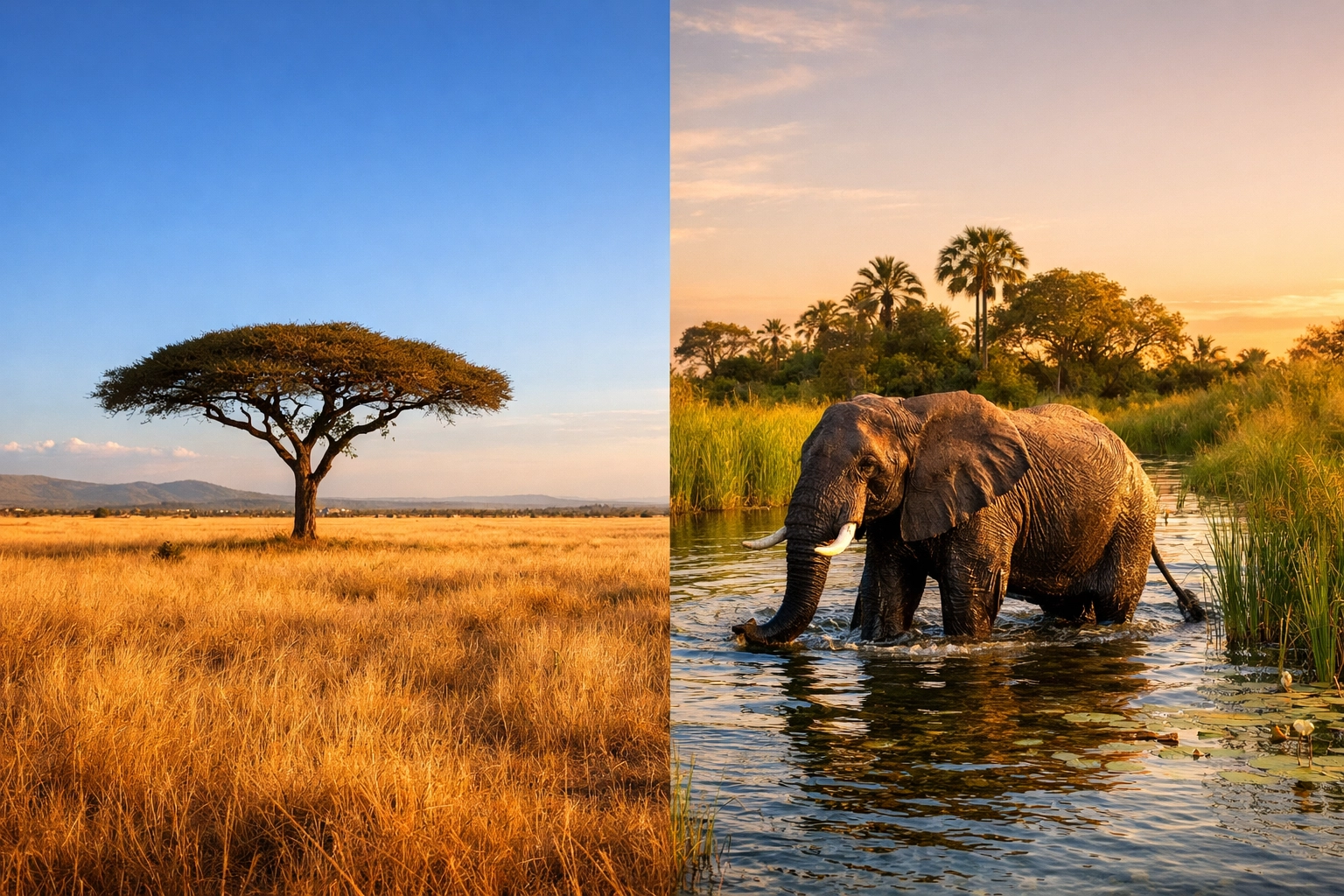
You should consider what you want to see when you look out your window. Do you want the infinite horizon of the Serengeti, or the emerald channels of the Delta? Neither is “better,” but they are profoundly different. East Africa is often about the spectacle; Southern Africa is often about the diversity of the landscape and the exclusivity of the experience.
2. Timing Is Everything: The Migration vs. The Floods
You cannot just show up in Africa and expect the animals to be waiting for you like a Disney attraction. They follow the rain, the food, and their own internal clocks.
If your heart is set on the Great Migration, you need to be in the right place at the right time. From July to October, the herds are typically in Kenya’s Maasai Mara, crossing the Mara River in a dramatic display of life and death. From December to March, they are in the southern Serengeti for the calving season. If you go to the Mara in April, you’ll see beautiful green grass, but you won’t see two million wildebeest.
In Southern Africa, timing is dictated by water. The Okavango Delta in Botswana actually floods during the dry season (May to August) because the water travels from the Angolan highlands. This is peak season. The animals congregate around the water, making for spectacular viewing.
You also need to understand the “Green Season.” This is the rainy season (typically November to March). While some people avoid it, it is a hidden gem for luxury travelers. The dust is gone, the air is crisp, the babies are being born, and the birdlife is spectacular. Plus, the rates at top-tier lodges can be significantly lower. You might get a little wet, but you’ll have the wilderness to yourself.
3. Beyond the Tent: The Styles of Luxury Lodging
You might hear the word “camp” and think of sleeping bags and canned beans. Forget everything you know about camping. Luxury safari “tented camps” are often more opulent than five-star hotels in Paris.
You have two main choices: permanent lodges and luxury tented camps.
Permanent lodges are solid structures, often built with stone, wood, and thatch. They usually feature massive suites, air conditioning, sprawling decks, and elaborate wine cellars. They feel like a fortress of luxury in the middle of the wild.
Luxury tented camps, on the other hand, offer a more immersive experience. These are canvas structures built on raised wooden platforms. Don’t let the word canvas fool you. You will have hardwood floors, en-suite bathrooms with copper soaking tubs, and king-sized beds with silk linens. The magic of a tented camp is the sound. You can hear the hippos grunting in the river and the wind rustling through the grass. It’s a sensory connection to the bush that you just don’t get behind glass windows.
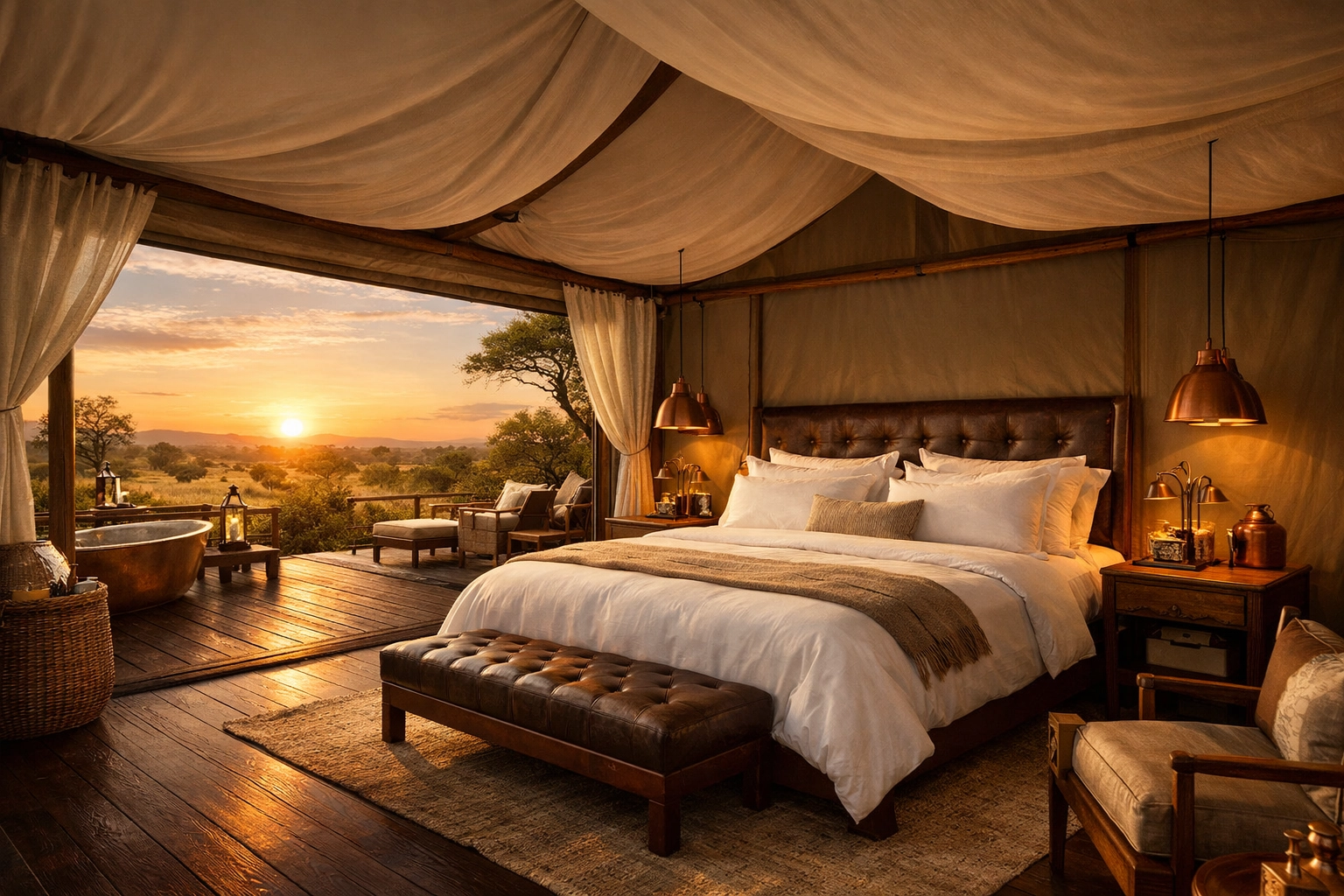
Whether you choose a lodge or a tent, the service remains the same. You are looking at a staff-to-guest ratio that is often three-to-one. You have private butlers, world-class chefs, and guides who are essentially walking encyclopedias of the natural world.
4. The Big Five vs. The Unique Species
You will inevitably hear about the “Big Five”: Lion, Leopard, Elephant, Rhino, and Cape Buffalo. Originally a hunting term for the five most dangerous animals to track on foot, it is now the gold standard for safari sightings. While seeing the Big Five is a thrill, don’t let it be your only goal.
You should keep your eyes open for the “Unique Species” that make Africa truly special. Africa is home to some of the rarest and most fascinating creatures on the planet. Have you ever seen a Wild Dog (Painted Wolf) on a hunt? It is far more dramatic and rare than a sleeping lion. Have you looked for the elusive Pangolin, or watched a Cheetah reach top speed on the hunt?
In places like Madagascar, you’ll find lemurs found nowhere else on earth. In Rwanda and Uganda, you can trek through the mist to sit with Mountain Gorillas. A luxury safari is about the whole ecosystem, from the dung beetle to the giraffe. Your guide will help you appreciate the “Little Five” too: the elephant shrew, the ant lion, the rhinoceros beetle, the buffalo weaver, and the leopard tortoise.
5. Exclusivity Matters: Private Conservancies vs. National Parks
You need to understand the difference between a National Park and a Private Conservancy. This is one of the most important factors in the quality of your safari.
National Parks (like the Kruger or the Serengeti) are open to the public. They are beautiful, but they can get crowded. If a leopard is spotted near a main road, you might find yourself surrounded by twenty mini-buses filled with tourists. Furthermore, National Parks have strict rules: you must stay on the roads, and you must be back at your camp by sunset.
Private Conservancies are different. These are vast tracts of land owned by local communities or private entities and leased to a handful of luxury lodges. Because access is restricted to guests staying in those specific lodges, the “vehicle density” is incredibly low. You might go an entire day without seeing another soul.
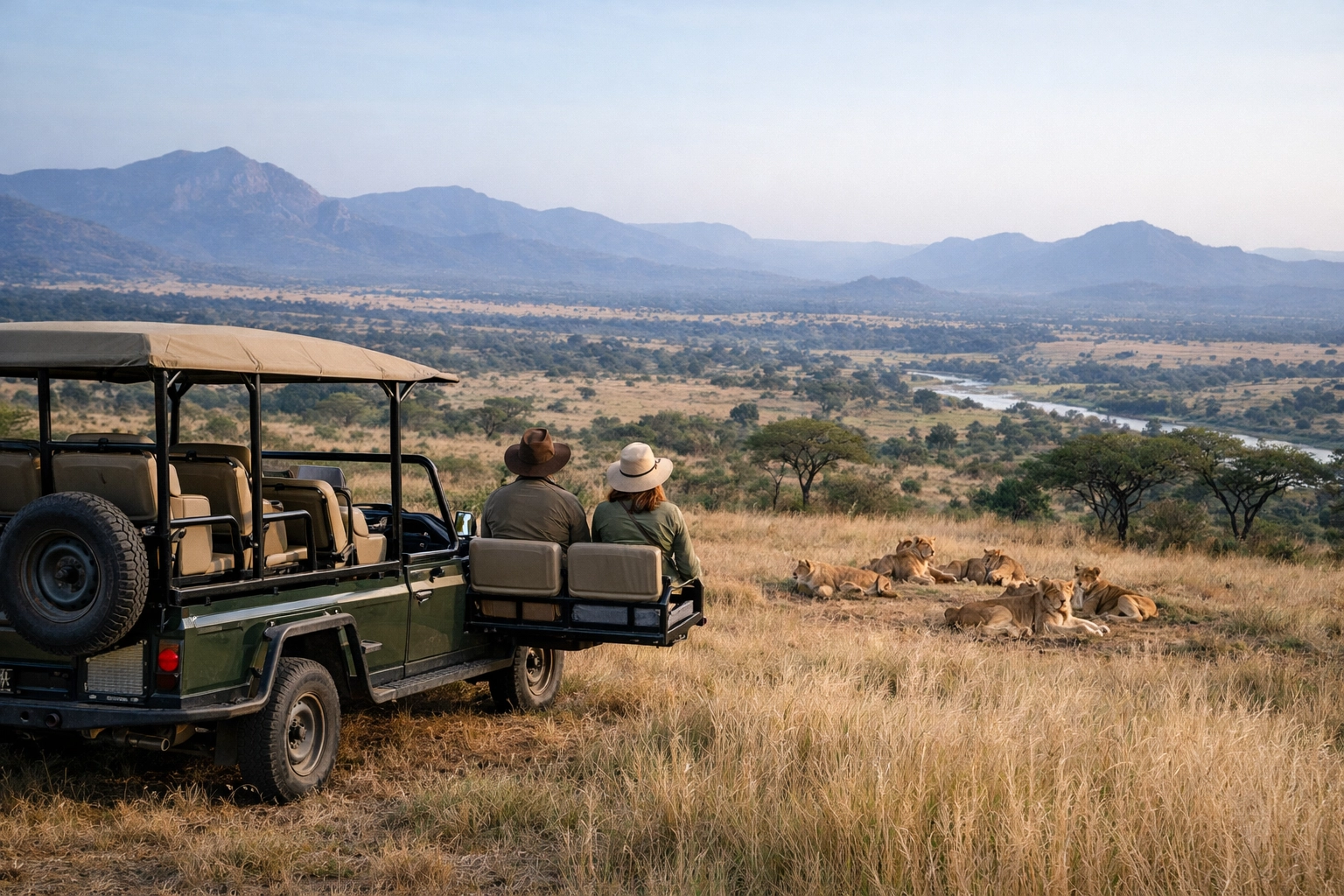
In a private conservancy, your guide can go off-road to get you closer to the action. If a lion moves into the thicket, you follow him. You can also participate in night drives, using a spotlight to find nocturnal animals like honey badgers and porcupines. This level of freedom and exclusivity is what defines a true luxury safari.
6. The Logistics of the Bush: Light Aircraft and Luggage
You are going to have to embrace the bush flight. Because many of the best luxury lodges are located in remote, inaccessible areas, you won’t be driving there in a sedan. You’ll be flying in a small, four-to-twelve-seater aircraft.
You need to be prepared for the luggage restrictions. These planes are small, and weight is a safety issue. Most bush flights have a strict limit of 15kg (33 lbs) per person, and that must include your camera gear. Furthermore, your luggage must be “soft-sided.” This means no hard shells or wheels that can’t be squished. The pilots need to be able to cram your bags into the small cargo pods of the plane.
Don’t panic about the weight limit. Almost every luxury lodge offers complimentary laundry service. You don’t need ten outfits. You need three. You wear one, one is in the wash, and one is ready for tomorrow. It’s a liberating way to travel, and it ensures you aren’t bogged down by “stuff” while you’re trying to enjoy the wilderness.
7. Health and Safety: Staying Well in the Wild
You should always consult a travel clinic before you head to Africa, but don’t let the “scary” stuff keep you home. With modern medicine and common sense, a safari is very safe.
Malaria is a reality in many safari destinations, especially in East Africa and parts of Southern Africa. You will likely be advised to take a prophylactic. In South Africa, however, there are several “malaria-free” regions like Madikwe and the Eastern Cape, which are perfect for families with small children or pregnant travelers.
Safety in the bush is all about listening to your guide. When you are in an open-topped vehicle, the animals perceive the car as one large, non-threatening object. As long as you stay inside the vehicle and don’t stand up or wave your arms, they will treat you like a moving rock.
At night, your lodge will likely have an “escort” policy. You won’t walk from your room to the main lodge alone. A staff member or a Maasai warrior will walk with you to ensure no wandering hippos or buffalo are in your path. It’s all part of the thrill, and it’s handled with the utmost professionalism.
8. Packing for the Bush: Function Meets Fashion
You might want to look like a cinematic explorer, but safari fashion is actually based on science. There is a reason why everyone wears khaki, olive, and beige.
First, you want to blend in. Bright colors (especially white and red) can distract the animals or make you stand out too much. Second, you want to avoid dark blue and black. In certain parts of East Africa, these colors attract Tsetse flies, which have a nasty bite. Third, you want to avoid camouflage patterns, as in some African countries, camo is reserved for the military and can cause issues at border crossings.
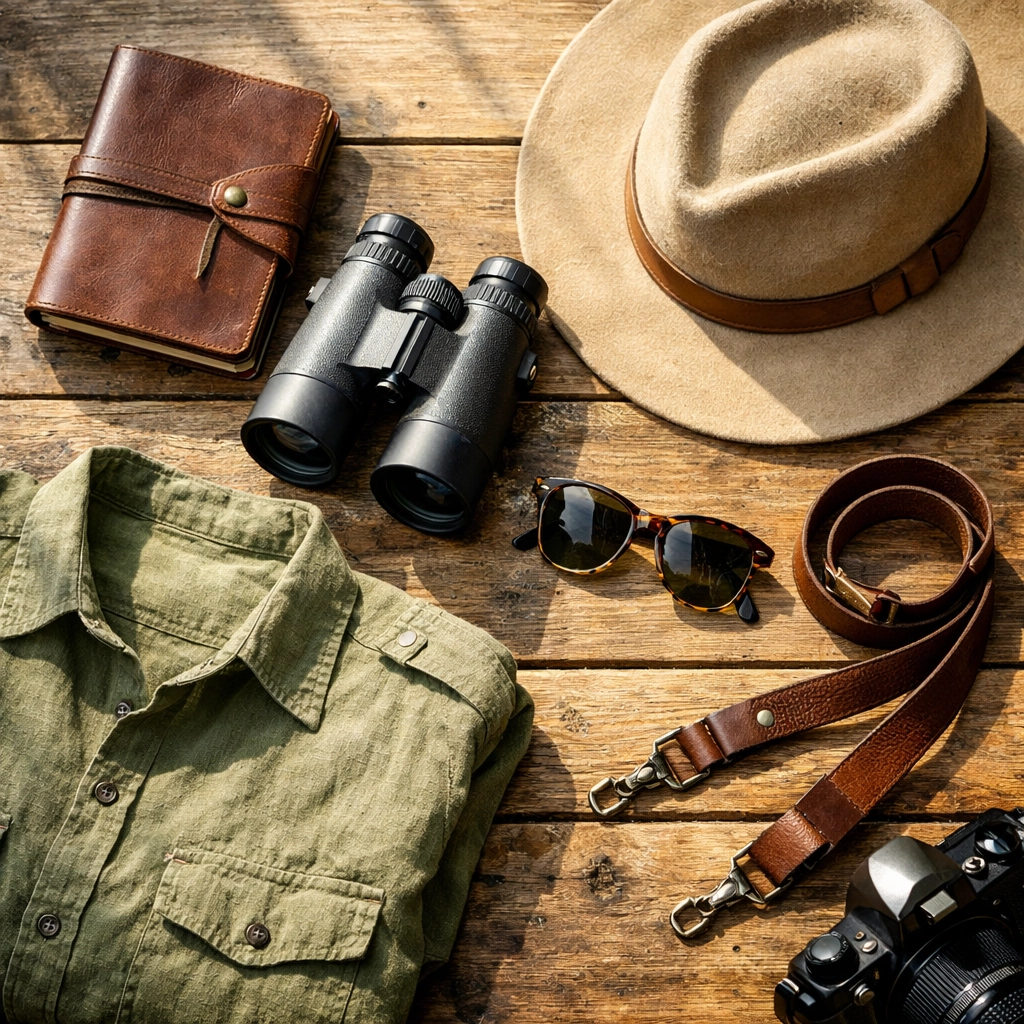
Layers are your best friend. Even if you are going to a “hot” country, the early morning drives in an open vehicle can be freezing. You’ll start the day in a jacket, scarf, and hat, and by 10:00 AM, you’ll be in a t-shirt. High-quality binoculars and a camera with a decent zoom lens are the only “tech” you really need. Leave the drone at home; they are banned in almost all National Parks and conservancies to avoid stressing the wildlife.
9. Ethical and Sustainable Tourism Practices
You have a responsibility when you visit these fragile ecosystems. A luxury safari is expensive, but a significant portion of that money goes toward conservation and community upliftment.
The best lodges are those that work in partnership with the local people. When communities benefit from tourism: through jobs, schools, and healthcare: they become the fiercest protectors of the wildlife. You should look for lodges that have “tread lightly” philosophies, using solar power, recycling water, and eliminating single-use plastics.
Conservation is the heartbeat of the safari industry. Many lodges fund anti-poaching units and rhino relocation projects. When you stay at a reputable luxury camp, you are directly contributing to the survival of the species you came to see. It’s travel with a purpose, and it makes the experience much more meaningful.
10. The Value of the Expert: Guides and Specialists
You can book a hotel in London on your own. You shouldn’t try to DIY a luxury safari. The logistics are too complex, and the stakes are too high.
A dedicated travel specialist knows which lodge has the best trackers, which camp just finished a renovation, and which airstrip is prone to flooding in March. They handle the “seamless” part of the luxury experience: the person waiting for you at the airport, the VIP meet-and-greet, and the private transfers.
Most importantly, the quality of your safari depends entirely on your guide. A great guide is part biologist, part historian, part storyteller, and part bartender. They don’t just find the animals; they interpret their behavior. They tell you why the impala is barking or why the elephant is flapping its ears. In the luxury tier, you have the option to hire a private guide who stays with you throughout your journey across multiple camps. This provides a continuity of experience that is truly priceless.
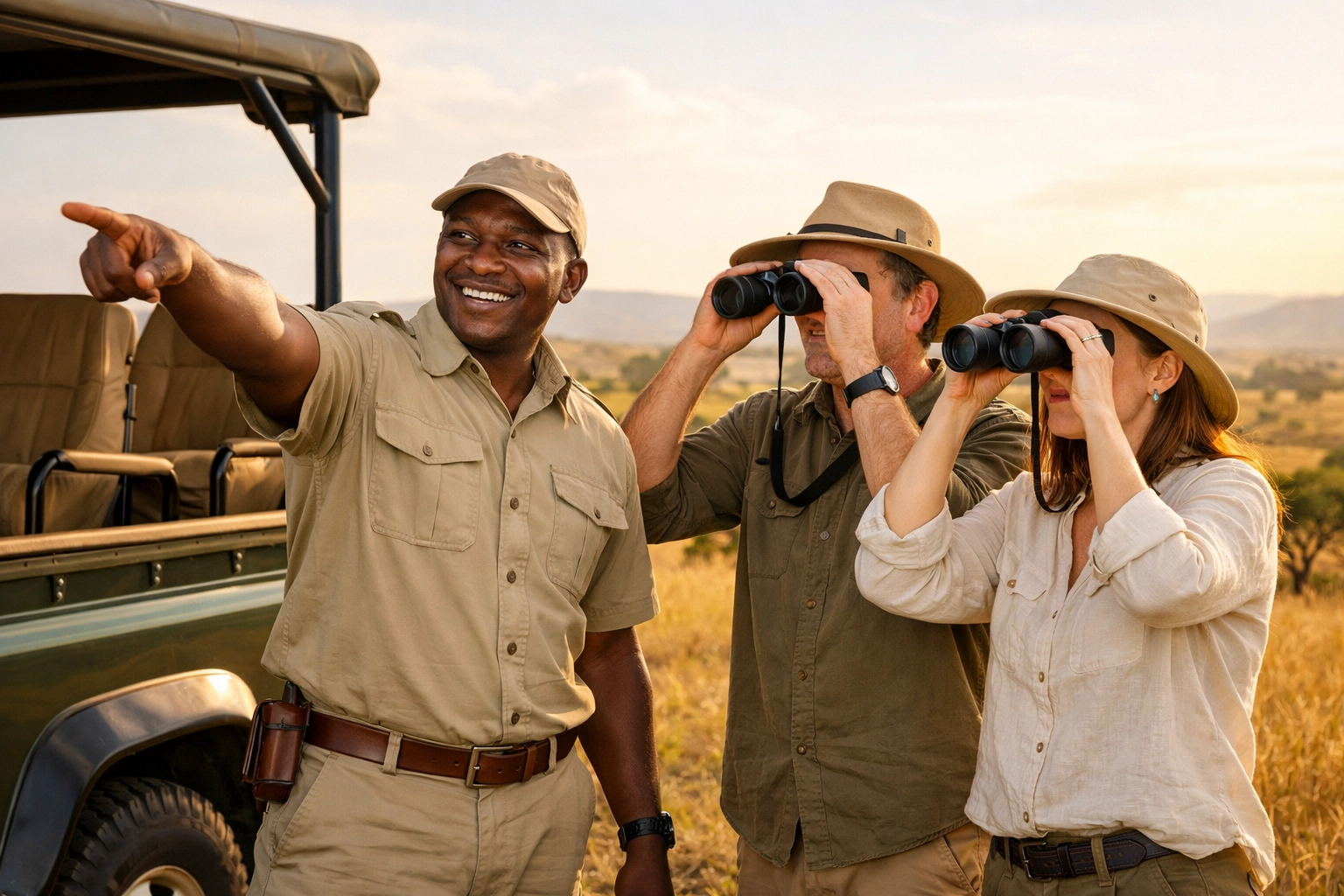
Africa is waiting for you. It is vast, wild, and incredibly beautiful. If you go with an open heart and a bit of preparation, it will change you. You’ll find that the “luxury” isn’t just in the thread count of the sheets; it’s in the silence of the bush, the clarity of the stars, and the connection you feel to a world that existed long before we did.
Visit www.TimeForYourVacation.com to start planning your next adventure. Check out www.DaveTheTourGuide.com for personalized travel guidance and insider tips. And keep reading www.TimeForYourVacation.blog for more honest takes on the travel industry and how to navigate it like a pro. Try our Luxury concierge with www.BlackKeyElite.com . And listen to my podcast! https://www.podomatic.com/podcasts/contact24682
 Time For Your Vacation
Leave a comment