![[HERO] How to Travel with Your Pet](https://cdn.marblism.com/QKES-MIQr9M.webp)
You want the best for your pet. You want the best for your vacation. You want to see the world without leaving your best friend behind. Travel is changing, and the days of leaving your dog or cat at a lonely boarding kennel are fading into the past. We are living in the golden age of pet-friendly exploration.
You can take your pet across the country. You can take your pet across the ocean. You can make memories that include a wagging tail or a satisfied purr. But doing it right requires more than just a leash and a dream. It requires a strategy. It requires the ultimate guide to navigating the logistics, the laws, and the luxury of traveling with animals.
The Foundation of a Successful Trip
Preparation is everything. Preparation is the difference between a nightmare at the airport and a smooth check-in. Preparation ensures your pet remains calm while you navigate a new city.
Your first stop is always the veterinarian. You need to know, beyond a shadow of a doubt, that your pet is healthy enough for the rigors of travel. Long flights and extended car rides are physically demanding. A professional check-up gives you the green light and the peace of mind you deserve.
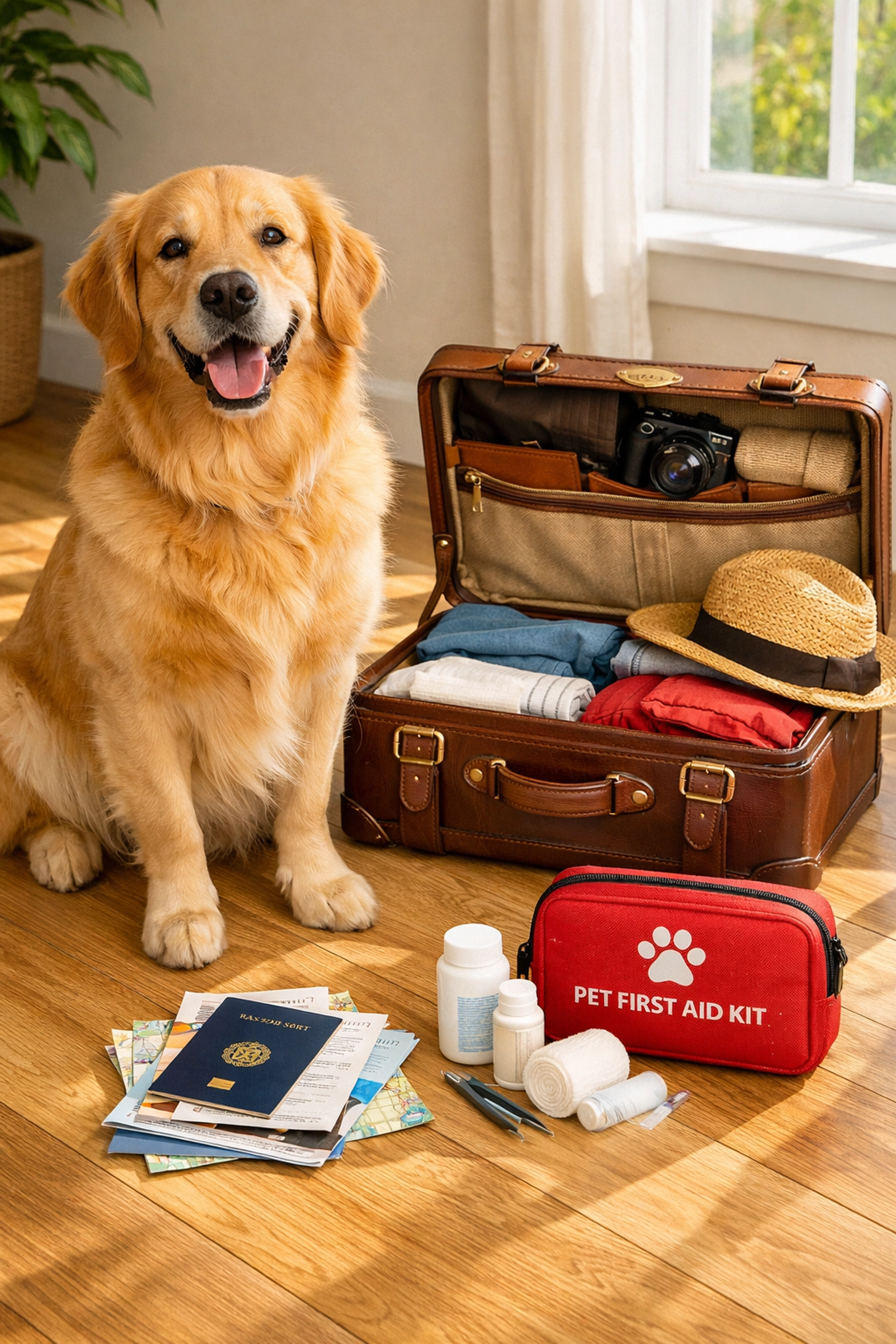
During this visit, you must verify all vaccinations are current. If you are crossing state lines or international borders, you need a Rabies Vaccination Certificate. Ask your vet for a formal health certificate, often called a Certificate of Veterinary Inspection. This document is the “passport” for your pet, and many airlines or border agents will demand to see it within ten days of your departure.
Mastering the Art of the Road Trip
Car travel is the most common way to move with a pet. It feels simple, but safety is often overlooked. You would never drive without a seatbelt, and your pet shouldn’t either.
Safety is non-negotiable. Safety keeps your pet from becoming a projectile in a sudden stop. Safety prevents your dog from jumping into your lap while you are merging onto the highway. Use a crash-tested harness or a sturdy, well-ventilated crate. The crate should be large enough for your pet to stand, sit, and turn around, but snug enough to provide a sense of security.
Plan your route with “pet-stops” in mind. You need to stop every two to three hours. This isn’t just for bathroom breaks; it’s for mental stimulation. A quick five-minute walk in a new grassy area reduces anxiety significantly.
Never leave your pet alone in a parked car. You know the risks of heatstroke, but there is also the risk of theft. High-value or adorable pets are targets. Keep them with you, or don’t stop at all.
Taking to the Skies: Airline Regulations
Flying with a pet is the ultimate logistical challenge. Every airline has its own set of rules, and those rules change frequently. You must be an expert on the specific carrier you choose.
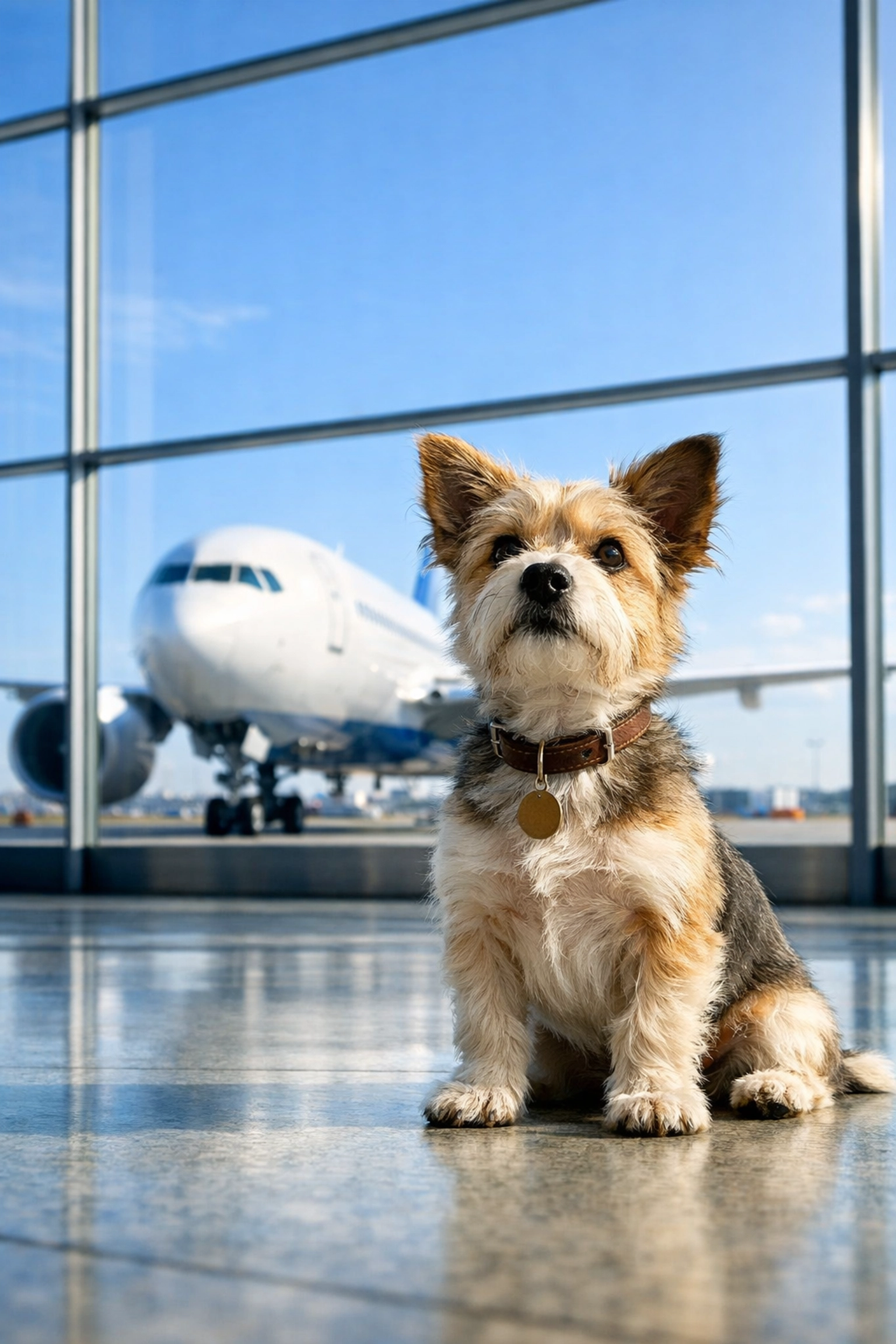
Most major airlines, like Delta, United, and American, allow small dogs and cats in the cabin for a fee. This is the gold standard of pet travel. Your pet stays under the seat in front of you. You can see them, talk to them, and slip them a treat.
Pro Tip: Book your pet’s “ticket” the moment you book yours. Airlines limit the number of pets allowed in the cabin per flight, often as few as two to four. If you wait, you might find yourself grounded while your flight takes off.
If your pet is too large for the cabin, they must travel as checked baggage or cargo. This is where research becomes vital. Look for airlines with stellar reputations for animal handling. Some carriers offer climate-controlled holds and specialized staff to ensure your pet is the last one loaded and the first one off.
The International Frontier
International travel with a pet is a masterclass in bureaucracy. You are no longer just dealing with airline rules; you are dealing with national laws and quarantine regulations.
Countries like the United Kingdom, Hawaii (yes, it counts as international for pets), Australia, and Japan are “rabies-free” or strictly controlled. They require microchips that meet ISO standards. They require specific blood tests, like the FAVN-OIE Rabies Antibody Titer Test, which must be performed months in advance.
If you miss one signature on one form, your pet could face a mandatory 30-day to six-month quarantine. You do not want that. You want a seamless transition from the plane to the villa. Start your international paperwork at least six months before you plan to leave.
Finding Your Luxury Home Away From Home
The “Pet-Friendly” label is not a monolith. Some hotels allow pets but restrict them to certain floors or charge exorbitant “cleaning fees” that double your nightly rate. You want the hotels that truly welcome animals.
Look for brands that offer “Pet Concierge” services. We are talking about custom-made pet beds, specialized room service menus for dogs, and lists of the best local dog parks. Places like the Ritz-Carlton, Kimpton Hotels, and certain Fairmont properties have turned pet hospitality into an art form.
When you stay at a hotel, respect the space. Bring a lint roller. Use your own blankets to cover the furniture. A well-behaved pet and a clean room ensure that these luxury properties continue to welcome our four-legged friends.
The Ultimate Pet Travel Packing List
You cannot rely on finding your pet’s specific brand of food in a remote mountain village or a foreign city. Sudden diet changes lead to stomach upset: the last thing you want in a hotel room.
- Food and Water: Pack 25% more than you think you need. Use collapsible bowls to save space.
- Medical Records: Keep a physical folder and a digital backup on your phone.
- Medication: Bring all prescriptions in their original bottles.
- Comfort Items: A familiar blanket or a favorite squeaky toy provides a scent of home in an unfamiliar environment.
- Clean-up Kit: Waste bags, paper towels, and an enzyme-based cleaner for accidents.
- Identification: Your pet must wear a collar with a tag that includes your current mobile number and the address of your destination.
Safety and Monitoring on the Go
The environment is unpredictable. You need to be the anchor for your pet. Watch for signs of distress: excessive panting, drooling, or a refusal to eat. These are symptoms of travel anxiety.
Consider using pheromone sprays or calming treats (consult your vet first). These can take the edge off a stressful takeoff or a long day in the car.
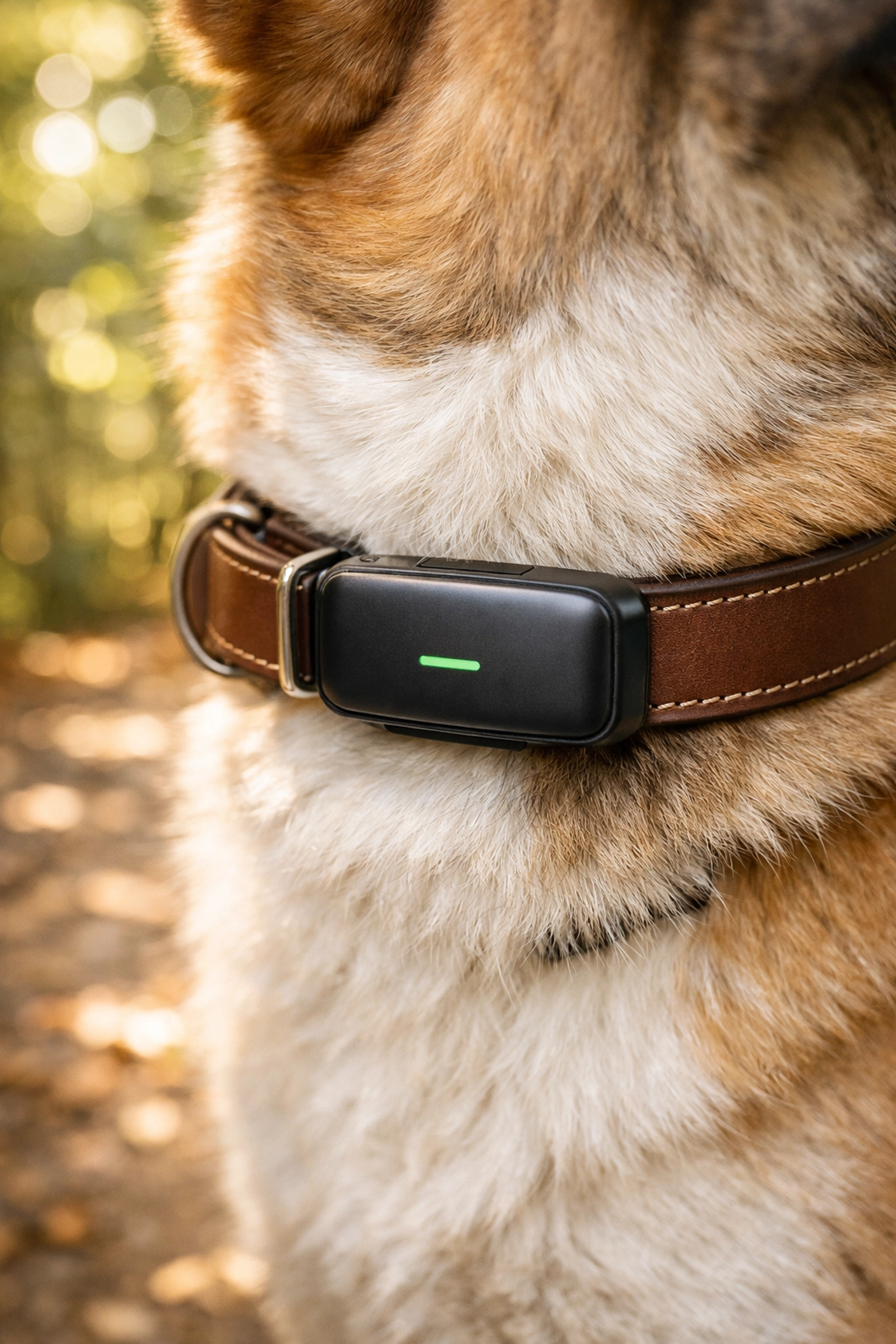
Identification is your safety net. Microchipping is the most effective way to ensure a reunion if you are separated. Ensure your contact information is updated in the national registry before you depart. Some travelers now use GPS trackers like Whistle or Tractive attached to the collar for real-time peace of mind.
Navigating the Destination
Once you arrive, the fun begins. But remember, your pet is in a “new world.” Everything smells different, and every sound is a mystery.
Give them time to acclimate. Don’t rush into a busy city center the moment you unpack. Take a quiet walk around the hotel perimeter. Let them sniff. Let them settle.
Research pet-friendly dining before you go. Many European cities allow dogs inside restaurants, whereas in the US, it is often restricted to outdoor patios. Knowing the local etiquette prevents awkward interactions and ensures a smooth evening.
The Emergency Plan
No one wants to think about an emergency, but you must be prepared. Before you leave, locate the nearest 24-hour emergency veterinary clinic at your destination. Save their number in your phone.
Pack a pet-specific first-aid kit. This should include styptic powder (for broken nails), antiseptic wipes, gauze, and tweezers (for ticks or splinters). Being able to handle a minor issue yourself saves time and stress.
Travel is better with your pet. It enriches the experience. It forces you to slow down and appreciate the scenery. It turns a standard vacation into a true family adventure. With the right gear, the right paperwork, and a sense of adventure, the world is yours to explore: together.

You are now equipped with the knowledge to handle the logistics of the road, the complexities of the air, and the nuances of international borders. You have the packing list. You have the safety protocols. Now, all that is left is to choose your destination.
Whether you are dreaming of a coastal drive along the Pacific Coast Highway or a sophisticated stay in a Parisian boutique hotel, your pet is ready to join the journey. You have done the work. You have the plan. It is time to go.
Visit www.TimeForYourVacation.com to start planning your next adventure. Check out www.DaveTheTourGuide.com for personalized travel guidance and insider tips. And keep reading www.TimeForYourVacation.blog for more honest takes on the travel industry and how to navigate it like a pro. Try our Luxury concierge with www.BlackKeyElite.com . And listen to my podcast! https://www.podomatic.com/podcasts/contact24682
 Time For Your Vacation
Leave a comment