![[HERO] Why Everyone Is Talking About Restorative Slow Travel (And You Should Too)](https://cdn.marblism.com/3xthhkaN008.webp)
You know the feeling. You spent six months planning the ultimate itinerary. You booked the early morning flights to maximize your time. You mapped out every museum, every “must-eat” street food stall, and every sunset viewpoint across four different cities in ten days. You returned home, dropped your bags in the hallway, and realized you needed a literal week of sleep just to recover from your “relaxing” break.
The vacation hangover is real. It is a byproduct of the high-speed, check-list-driven travel culture that has dominated the last two decades. But something is shifting. Travelers are waking up to the fact that movement does not equal progress and quantity does not equal quality.
Restorative slow travel is the answer. It is the intentional choice to do less so you can feel more. It is about trading the frantic energy of a “trip” for the soul-nourishing depth of an “experience.” Everyone is talking about it because, quite frankly, we are all exhausted.
The Great Burnout of the Modern Tourist
We live in an age of hyper-connectivity and hyper-speed. Your work follows you on your phone. Your social circle follows you on Instagram. When you travel, you often feel an unspoken pressure to perform. You have to see the Eiffel Tower, the Louvre, and the Marais all before lunch, or else you “wasted” your day.
This is travel as a transaction. You pay for a ticket, you “buy” a view with your time, and you move on to the next one. But your nervous system isn’t designed for a ten-day sprint through foreign time zones. This is why more than 25% of people report feeling more stressed after a vacation than before they left.
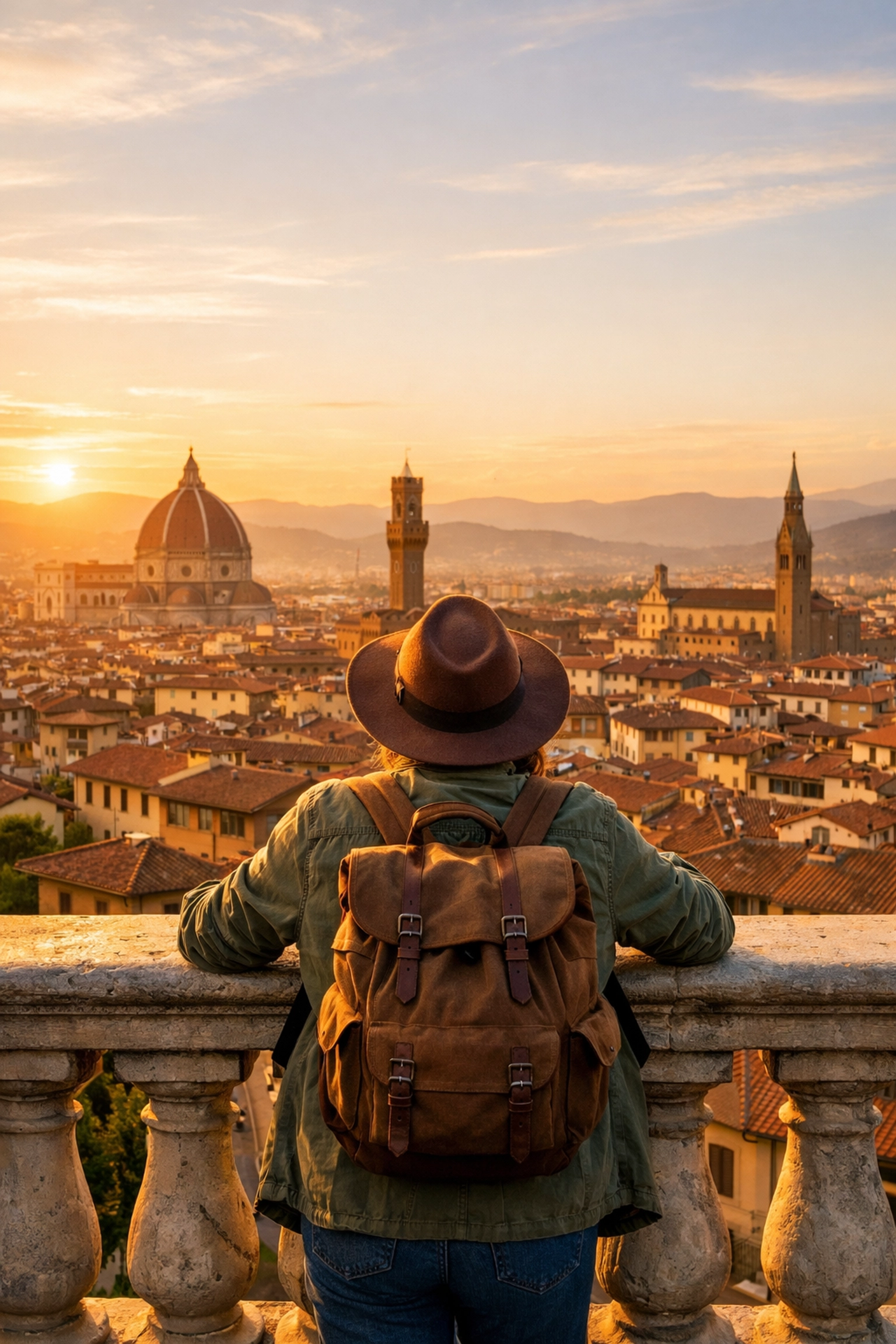
Restorative slow travel rejects this premise entirely. It suggests that you are not a consumer of culture, but a guest within it. It prioritizes your well-being over your Instagram feed. It understands that staring at a Mediterranean horizon for three hours is a better use of time than standing in a two-hour security line for a museum you only sort of care about.
What Exactly Is Restorative Slow Travel?
Slow travel is not just about the speed of your transportation. You can take a bullet train and still be a slow traveler. It is about the pace of your mindset. It is a philosophy that encourages you to stay in one place long enough to recognize the person who sells you your morning croissant.
Restorative slow travel takes this a step further by weaving in wellness. It isn’t just about sitting in a café; it’s about aligning your biological clock with the environment. It’s about deep sleep, long walks, and the mental clarity that only comes when you stop checking the clock.
You spend four nights in a village instead of one. You choose a rental with a kitchen so you can wander the local market and cook with ingredients you can’t pronounce. You allow yourself to have a “zero day”, a day where you do absolutely nothing but exist in a new place.
The Science of Doing Nothing
There is a biological reason why slow travel feels so good. When you are constantly on the move, your body is in a state of low-level “fight or flight.” You are navigating new transit systems, worrying about check-out times, and processing a massive amount of new sensory input. This keeps your cortisol levels spiked.
When you slow down, your parasympathetic nervous system takes over. This is the “rest and digest” mode. Studies have shown that travelers who stay in one location for a week or more experience significantly lower stress levels and improved heart rate variability compared to those on multi-stop tours.
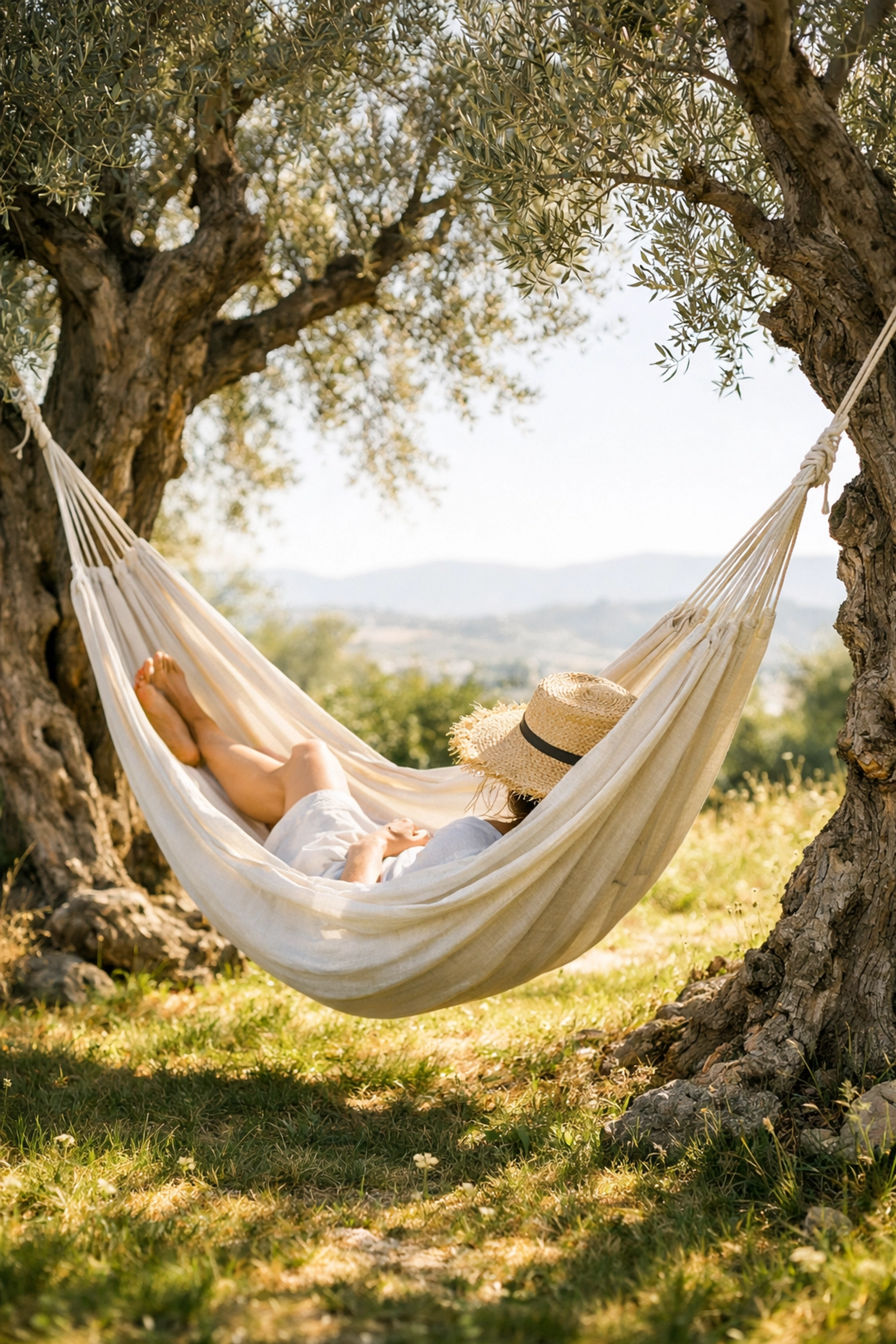
Your sleep improves because you aren’t fighting a new hotel bed every two nights. Your anxiety drops because the “fear of missing out” is replaced by the joy of actually being there. You are giving your brain the space to process the beauty it’s seeing, rather than just photographing it and moving on.
The “Experience” Factor: Connection Over Checklists
Think back to your most favorite travel memory. Was it the fifteen seconds you spent squinting at the Mona Lisa over a crowd of five hundred people? Or was it the afternoon you got lost in a back alley in Trastevere and ended up sharing a bottle of wine with a shoemaker who spoke no English?
Slow travel creates the conditions for these “happy accidents.” You cannot have a meaningful connection with a local community when you are running to catch a 2:00 PM tour bus. Authenticity requires time. It requires you to be present enough to notice the small details: the way the light hits the stones at dusk, the specific smell of the local jasmine, the rhythm of the town square as it transitions from afternoon siesta to evening promenade.
Why It’s Better for Your Wallet (And the World)
There is a common misconception that “luxury” or “restorative” travel has to be wildly expensive. In reality, slow travel is often the most cost-effective way to see the world.
When you stay in one place for a week, you often get significant discounts on accommodation. You save hundreds, if not thousands, on domestic flights, trains, and taxis. You stop eating at the “tourist trap” restaurants located next to major landmarks, where the food is mediocre and the prices are inflated, and you start eating where the locals eat.
Beyond the personal savings, slow travel is a more sustainable way to move through the world. You are reducing your carbon footprint by minimizing transit. You are also putting your money directly into the local economy by supporting small, family-owned businesses rather than international hotel chains and global tour conglomerates.
How to Transition to a Slow Travel Mindset
If you are used to the “fast” way of traveling, the idea of slowing down can actually feel a bit scary. You might worry that you’ll get bored. You might worry that you’re “missing” things. Here is how you can start to shift your perspective:
- The “One-Hub” Rule: Instead of visiting three countries, pick one region. Instead of three cities in that region, pick one city and stay there for the duration. Use it as a base. If you feel like exploring, take a day trip. If you don’t, stay in your neighborhood.
- Ditch the Schedule: Allow yourself one “anchor” activity per day. Maybe it’s a specific museum or a hike. Leave the rest of the day completely open. No reservations, no deadlines.
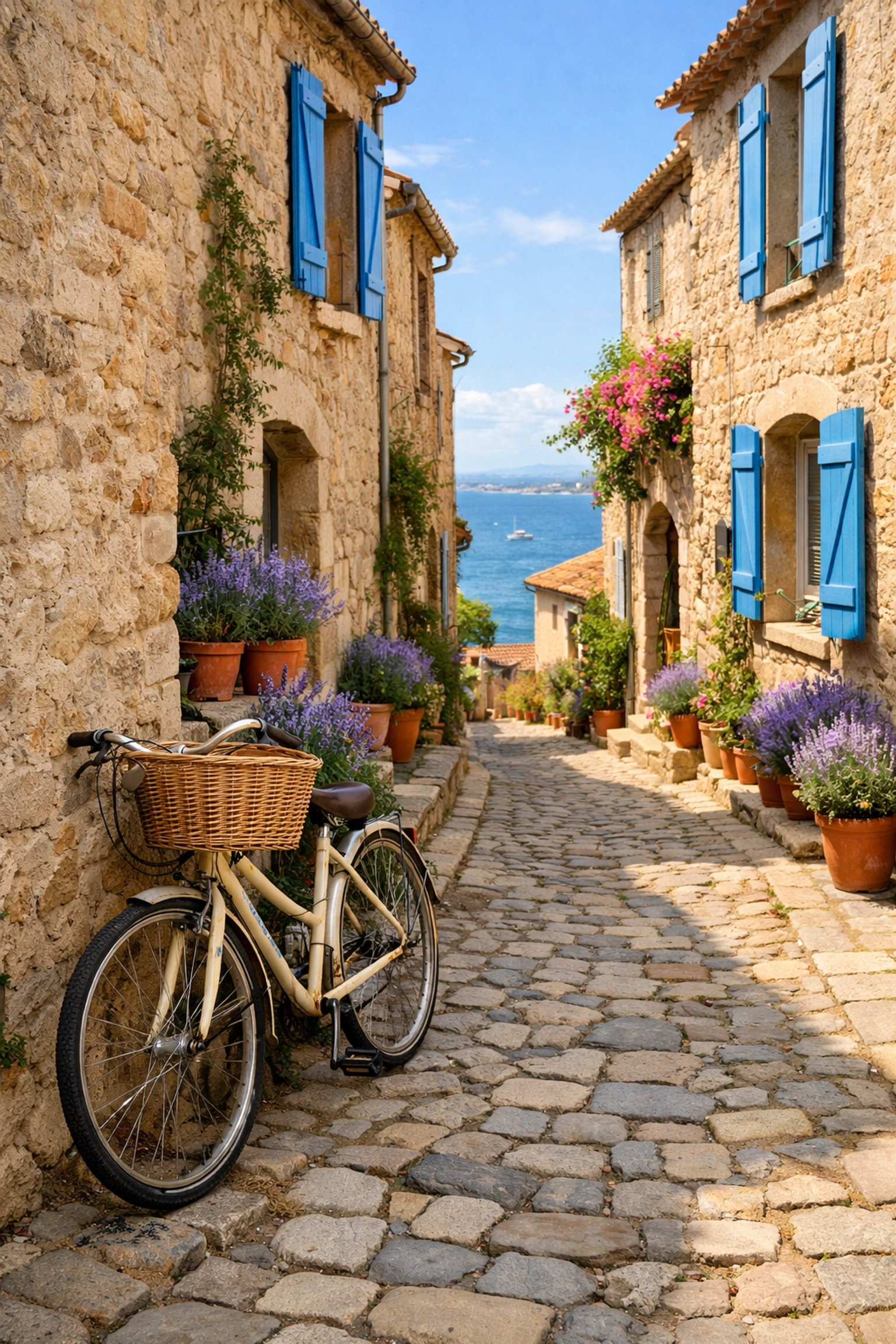
- Walk Everywhere: The best way to see a city is at three miles per hour. You notice the architecture, the gardens, and the local characters that you would completely miss from the window of an Uber.
- Learn the Language (A Little): When you stay in one place, learning how to say “Good morning,” “Please,” and “This is delicious” in the local tongue opens doors that are closed to the weekend tourist.
The Ultimate Luxury is Time
In our modern world, the ultimate luxury isn’t a gold-plated bathroom or a private jet. The ultimate luxury is time. It is the ability to move through the world without a sense of urgency. It is the freedom to wake up and ask yourself, “What do I actually feel like doing today?” rather than “What does my itinerary say I must do today?”
Restorative slow travel is a gift you give to yourself. It is an acknowledgment that your time is valuable and your mental health is a priority. It is about returning from a trip feeling truly refreshed, inspired, and connected to the world around you.
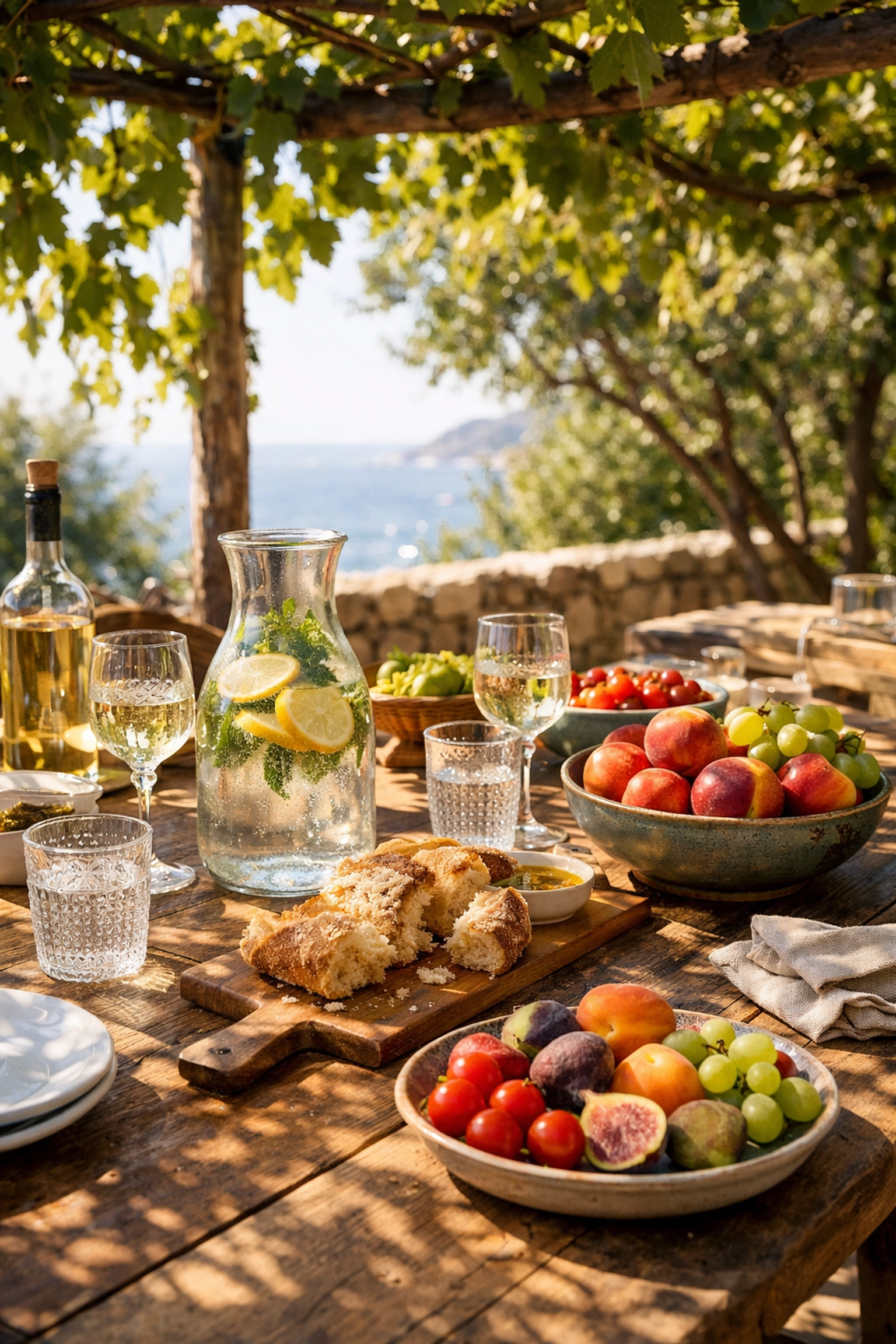
So, for your next escape, don’t look for the “Top 10 Things to Do” list. Look for a quiet balcony, a local market, and a comfortable pair of walking shoes. Stop rushing. Start living. The world isn’t going anywhere, and it looks a whole lot better when you aren’t running past it.
Visit www.TimeForYourVacation.com to start planning your next adventure. Check out www.DaveTheTourGuide.com for personalized travel guidance and insider tips. And keep reading www.TimeForYourVacation.blog for more honest takes on the travel industry and how to navigate it like a pro. Try our Luxury concierge with www.BlackKeyElite.com . And listen to my podcast! https://www.podomatic.com/podcasts/contact24682
 Time For Your Vacation
Leave a comment