![[HERO] Why Some Travelers Always Get Upgraded (And It's Not Luck)](https://cdn.marblism.com/nDDYAqa-gvk.webp)
You know that person. The one who somehow always ends up in premium economy when they booked basic. The one sipping champagne in business class while you’re playing elbow wars in 32B. The one who casually mentions their “ocean view suite upgrade” like it’s an everyday occurrence.
You probably think they’re just lucky. Maybe they have a secret credit card. Maybe they know someone who knows someone.
Here’s the truth: they’re not lucky. They’re strategic.
Getting upgraded isn’t about crossing your fingers and hoping the airline gods smile upon you. It’s about understanding the system, playing the game, and knowing exactly what buttons to push. The travelers who consistently score upgrades have cracked a code that most people don’t even know exists.
Let me show you how they do it.
The Foundation Nobody Talks About
The absolute first thing that separates upgrade winners from everyone else? They’re in the game. Literally.
Every single airline, hotel chain, and cruise line has a loyalty program. And here’s what nobody tells you: just being a member, even without elite status, puts you ahead of roughly 40% of travelers who can’t be bothered to sign up.
It takes two minutes. It’s free. And it’s the price of admission.
Airlines maintain upgrade lists for every single flight. When that business class seat opens up 45 minutes before departure, they’re not scrolling through all passengers looking for deserving souls. They’re working down a very specific list, and if you’re not a loyalty member, you’re not on that list. Period.
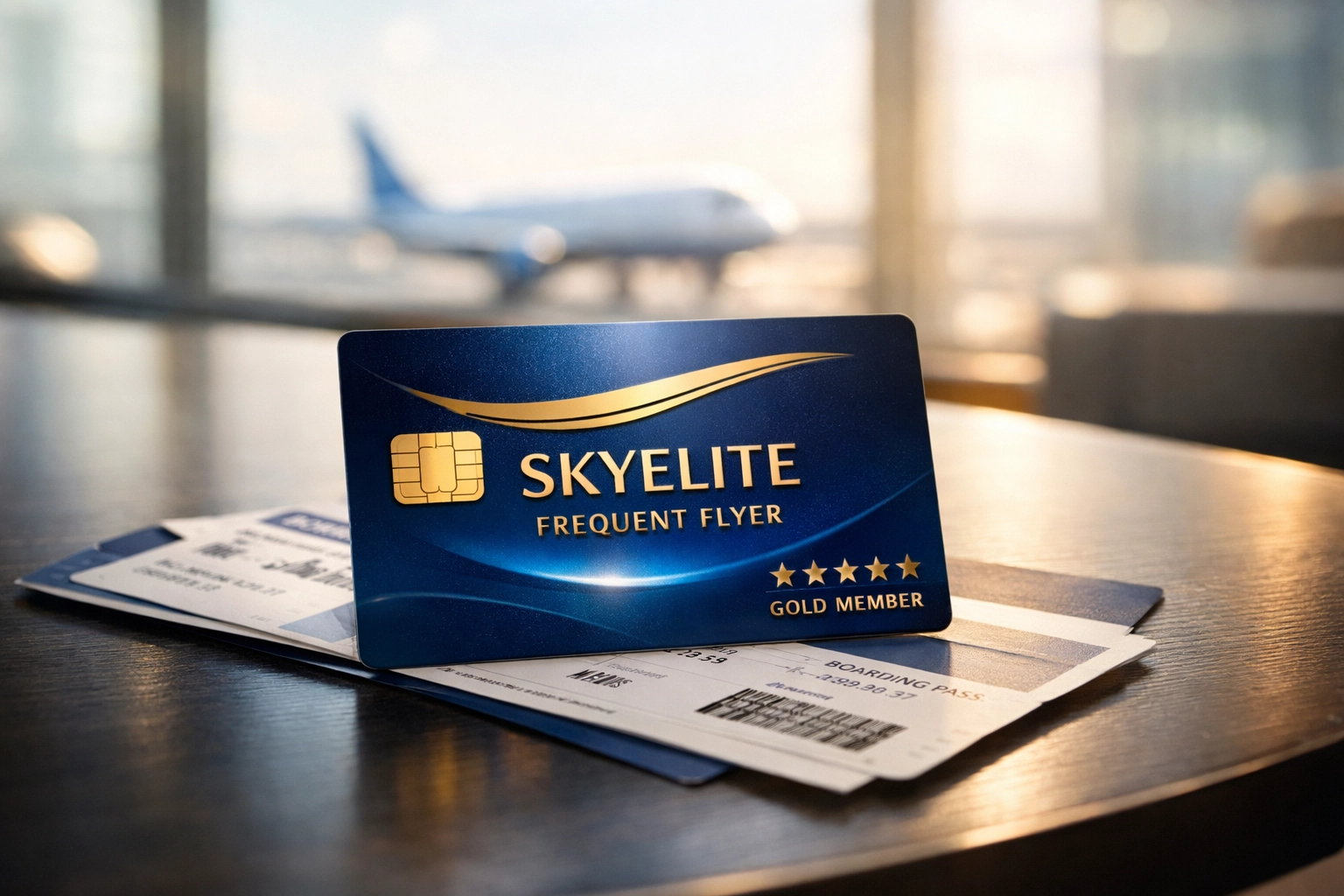
But here’s where it gets interesting. Elite status turns you from a maybe into a priority. Delta SkyMiles Medallion members, United Premier travelers, American AAdvantage elites, these folks are automatically added to upgrade waitlists the moment they book. They don’t ask. They don’t bid. They’re just… there.
And status isn’t as hard to get as you think. You don’t need to fly every week. Many travelers achieve base-level elite status with just 25,000 miles or 25 qualifying flights annually. That’s roughly one flight every other week, or a couple of strategic international trips. For business travelers, it’s almost automatic. For vacation travelers, it’s about being intentional.
The real secret? Status match challenges. Got status with one airline? Others will match it or give you a trial period to prove you’ll fly with them. Delta has matched competitors. United runs targeted promotions. The savvy travelers are playing airlines against each other like it’s a corporate chess match.
Strategic Timing: The Invisible Advantage
Let’s talk about when you book, because timing is everything.
Tuesday afternoon flights? Amateur hour. Nobody wants them, which means nobody’s competing for upgrades. The Thursday evening business route from New York to San Francisco? That’s upgrade warfare. Every road warrior with status is on that flight, and you’re competing against 40 other eligible passengers for three open seats.
The travelers who consistently get upgraded aren’t booking the convenient flights. They’re booking the flights where competition is thin.
Red-eyes are gold. Early morning departures on Saturdays. Mid-afternoon flights on Wednesdays. These are the routes where business travelers avoid, which means fewer elite members, which means your chances of clearing an upgrade jump exponentially.
And here’s the kicker about booking timing: airlines often hold back premium inventory, then release it closer to departure. The sweet spot? Five to seven days out. This is when airlines start getting realistic about what’s going to sell and what isn’t. Suddenly, those upgrade offers start appearing in your inbox like magic.
Except it’s not magic. It’s algorithmic pricing designed to extract maximum revenue, and the smart travelers know exactly when the algorithm shifts from “optimistic” to “let’s make a deal.”
The Art of the Ask: Social Engineering 101
Now we’re getting into the good stuff. The strategies that separate the perpetual upgrade crowd from everyone else.
First rule: you have to ask. But not like a beggar. Like someone who understands the business.
Gate agents have discretionary power that most travelers don’t realize exists. About an hour before departure, they can see the upgrade list, the empty seats, and they start making decisions. This is your window.
Here’s how the pros do it: they arrive at the gate early, not airport early, but gate early. Somewhere between 45 and 60 minutes before boarding. They’re dressed well, not because appearance guarantees anything, but because every small advantage matters when agents are making judgment calls.
Then they approach. Politely. Not during boarding chaos. Not while the agent is helping another passenger. During the quiet window.
The phrase? “Hi there. I noticed the flight looks pretty full today. Are there any paid upgrade opportunities available that might not have made it to the app?”
Notice what’s happening here. You’re not asking for a free upgrade. You’re not complaining about your seat. You’re asking about a business transaction the airline would love to complete. You’re also demonstrating that you checked the app, which signals you’re a savvy traveler, not a random person making demands.
Sometimes they’ll say no. Sometimes they’ll quote you a price. And sometimes, especially if you’re a loyalty member and they like you, they’ll just do it.
The cruise industry operates similarly but with a twist. Cruise lines want full ships, but they also want happy customers who’ll spend money on excursions and drinks. A Strategic Services Manager once told me they’re far more likely to upgrade travelers who book directly through the cruise line versus third-party sites. Why? Because they can see your entire history. Your onboard spending. Your loyalty. Your complaints (or lack thereof).
The travelers who get cruise upgrades book directly, they join the loyalty program, and they politely inquire at check-in about availability. Not demanding. Not expecting. Just asking if anything’s available “if it helps the ship manage inventory.”
That last phrase? That’s social engineering. You’re reframing the request as helping them, not helping you.
Hidden Upgrade Mechanisms Most Travelers Never Use
Airlines have upgrade systems running in parallel that most people never discover. Let’s expose them.
First: upgrade auctions. Hawaiian Airlines, Air Canada, Lufthansa, Singapore Airlines, and a growing list of carriers run bidding systems where you can bid for premium seats at potentially 60-70% less than the retail price. You submit a bid, and if your offer is accepted, boom, you’re upgraded.
The trick? The airlines use dynamic pricing algorithms, so your bid needs to be strategic. Too low and you’re wasting time. Too high and you’re overpaying. The sweet spot is usually 40-50% of the current upgrade price difference. And here’s the insider move: submit your bid, then check back and adjust it if needed. These systems are live, and you can modify bids up until about 24 hours before departure.
Second: miles upgrades, but done correctly. Most people hoard miles for that mythical “free business class to Europe” ticket that costs 200,000 miles. Meanwhile, smart travelers are using 15,000-25,000 miles to upgrade domestic flights they’re taking anyway. The math is brutal: that business class ticket costs $2,000 more than economy, but upgrading with miles might cost you $300 worth of points. That’s an insane value proposition that nobody talks about.
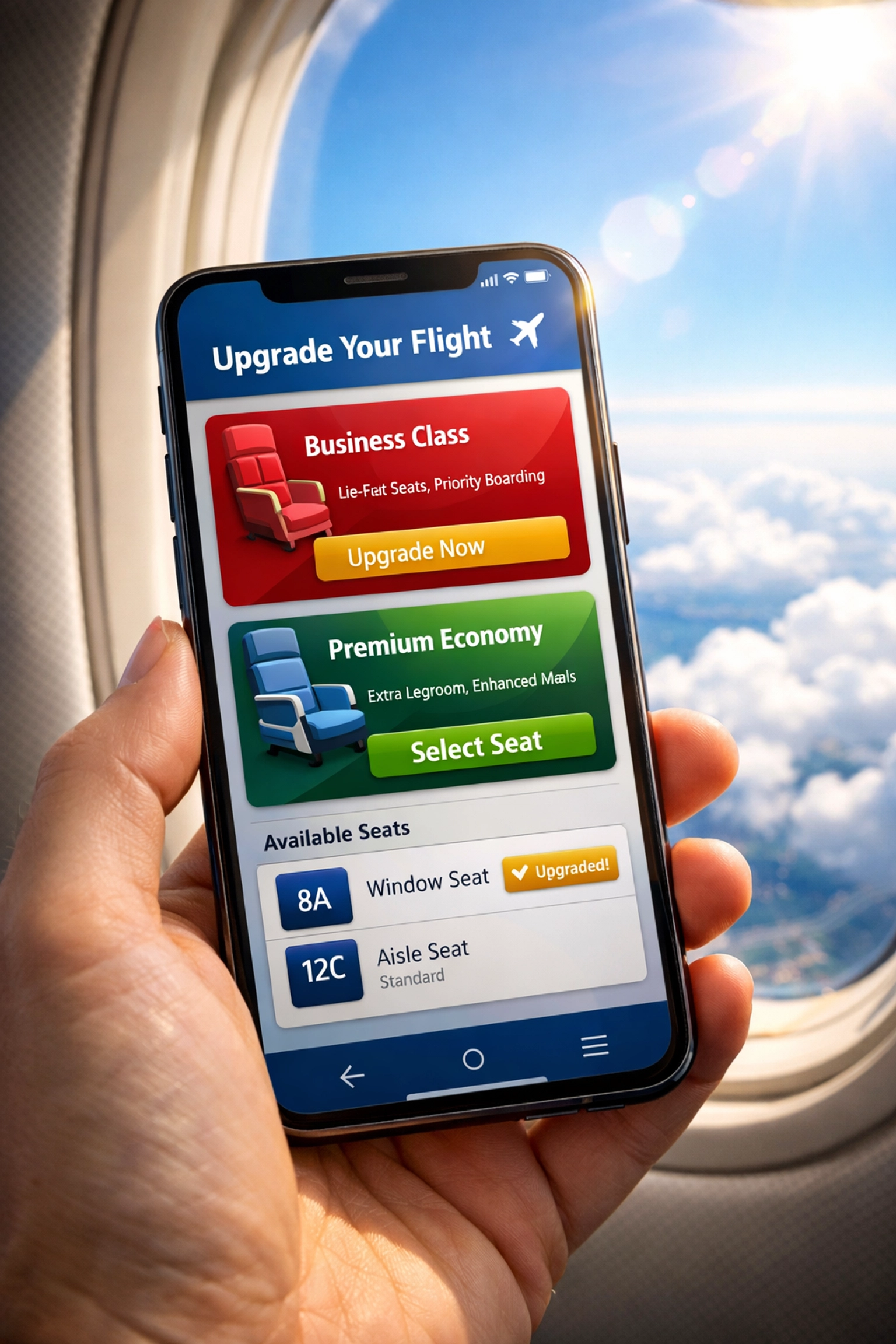
Third: the 24-hour app flash deals. This is perhaps the most underutilized upgrade mechanism in existence. When you check in online, which opens 24 hours before departure, airlines push last-minute upgrade offers directly to their apps. These offers aren’t on the website. They’re not in emails. They’re app-only, and they expire quickly.
The travelers who consistently score upgrades check their airline apps religiously starting at the 24-hour mark. Not once. Multiple times. These deals can appear, disappear, and reappear as the algorithm adjusts based on booking patterns.
The Overbooking Opportunity
Here’s a strategy that sounds counterintuitive but works brilliantly: volunteer to get bumped.
Airlines oversell flights by roughly 5-15% because they know some percentage of passengers won’t show up. Usually they get the math right. Sometimes they don’t, and suddenly they need volunteers.
This is your moment.
When you volunteer to take a later flight, airlines often sweeten the deal with travel credits, meal vouchers, and, here’s the magic, upgrades on your rebooked flight. Why? Because they need to make it worth your while, and upgraded seats are inventory they already have.
But here’s the insider move: be a loyalty member when you volunteer. Airlines prioritize their frequent flyers when distributing compensation. A non-member might get $400 and a middle seat on the next flight. A loyalty member might get $800 and a first-class seat because the airline wants to maintain that relationship.
The calculated risk-takers in the upgrade game actually target potentially oversold flights. Holiday weekends. Popular routes. Monday morning business flights. They book these intentionally, knowing there’s a decent chance they’ll get bumped, compensated, and upgraded.
The Psychology of Being Upgrade-Worthy
Let’s talk about the uncomfortable truth: appearance and behavior matter.
Gate agents and hotel front desk staff make dozens of upgrade decisions weekly. When they have discretionary power, which they do more often than you’d think, they’re going to upgrade the passenger who’s pleasant, professional, and won’t cause problems.
This doesn’t mean you need designer clothes or fake charm. It means being genuinely kind to service workers, arriving prepared, not creating drama when things go wrong, and understanding that these folks have hard jobs.
The travelers who get upgraded consistently aren’t just members of loyalty programs. They’re the passengers that staff remember positively. They’re the ones who said thank you when the flight attendant brought water. They’re the ones who were patient when the check-in line was slow. They’re building social capital, and that capital pays dividends.
There’s also strategic honesty. Celebrating an anniversary? Mention it at hotel check-in. Not as a demand, but as context. “We’re here celebrating our tenth anniversary, so excited to stay at your property.” Does it guarantee an upgrade? No. Does it plant a seed that the front desk agent might water if they have availability? Absolutely.
Same with flights. Flying for a significant event? Mention it casually when you’re politely asking about upgrades. “Heading to my daughter’s graduation, want to arrive fresh.” You’re giving them a reason to help you that feels good for them too.
Hotel Upgrades: A Different Game
Hotels operate on completely different economics than airlines. An empty premium room generates zero revenue, and hotels know that an upgraded guest is more likely to return, recommend, and spend more on amenities.
This changes everything.
Hotel elite status is easier to achieve than airline status and often more valuable. Marriott Bonvoy Gold, Hilton Honors Gold, IHG Diamond, these mid-tier statuses regularly generate upgrades because hotels want to deliver on their program promises.
But here’s what the consistent upgrade winners do: they join multiple programs and concentrate their stays. You don’t need 75 nights at Marriott. You need 25 strategic nights that get you Gold status, then you book Marriott properties exclusively. The compounding effect is powerful.
Timing matters here too. Check in late afternoon or early evening, after the hotel knows exactly what inventory they have. The front desk agent at 4 PM has way more clarity than the agent at 11 AM who’s still processing checkouts and dealing with early arrivals.
And the direct booking rule is golden. Hotels have zero incentive to upgrade a guest who booked through a third-party site. Those bookings earn them less revenue and don’t contribute to loyalty metrics. But when you book directly through the hotel’s website or call center, you’re signaling loyalty, and hotels reward that.
Credit card status is also a shortcut. Cards like the Marriott Bonvoy Brilliant or Hilbert Honors Aspire come with automatic elite status. It’s a $450-$550 annual fee, but if you’re taking even three hotel stays per year, the upgrade value alone often exceeds the cost.
Cruise Ship Upgrades: The Forgotten Frontier
Cruise lines have perhaps the most opaque upgrade systems, which is exactly why opportunities exist.
Cruise ships want full cabins, and they want them full of happy customers. Unlike hotels where an upgrade costs nothing, cruise upgrades involve moving inventory around, so lines are selective. But they’re not stingy, if you know the timing.
Book early or book late. Both extremes work for different reasons. Early bookers give cruise lines cash flow and certainty, which they reward. Late bookers help lines fill ships, which they also reward. The dead zone is the middle, booking 90-120 days out often means paying full price for exactly what you selected.
The savvy cruise travelers book the cheapest acceptable cabin, then monitor upgrade offers. Cruise lines send these out 30-90 days before sailing, offering paid upgrades at discounted rates. Sometimes it’s worth it. Sometimes you decline and roll the dice on embarkation day.
Embarkation day upgrades are real. Show up, check in, and politely ask if any upgrades are available. Ships have a pretty good idea of their inventory by 2 PM on embarkation day, and if they’re going to move people around, this is when it happens.
The secret weapon? Past passenger status combined with loyalty. Cruise lines obsessively track repeat customers, and someone on their tenth sailing gets priority over someone on their first. They want you coming back, and upgrades are how they ensure that happens.
What Doesn’t Work (So Stop Trying)
Let’s dispel some myths because bad advice wastes everyone’s time.
Lying doesn’t work. Claiming it’s your honeymoon when it’s not, pretending you have status when you don’t, making up sob stories, staff see through this instantly, and you’ve just killed any chance of an upgrade.
Complaining doesn’t work. “My seat is terrible” isn’t going to get you moved to first class. It’s going to get you ignored. Airlines and hotels upgrade people they like, not people who complain.
Showing up at the last second doesn’t work. By the time boarding starts, upgrade decisions are done. That window closed 30 minutes ago when you were still in the lounge.
Dressing in a suit doesn’t guarantee anything. Does appearance help at the margins? Sure. Will a three-piece suit overcome the fact that you’re not a loyalty member and showed up five minutes before boarding? No.
Demanding doesn’t work. Ever. Not once. Not even if you’ve paid for a ticket. Service workers have discretionary power, and the fastest way to ensure they use it against you is to treat them poorly or make demands.
The Compound Effect
Here’s what separates the travelers who occasionally get upgraded from those who consistently score them: they stack strategies.
They’re loyalty members who’ve achieved status. They book flights strategically during off-peak times. They check in exactly 24 hours early and monitor the app for flash deals. They bid on upgrade auctions. They arrive at the gate early and politely inquire. They’re dressed presentably and treat staff well. They’ve built relationships with hotels through direct bookings and status.
It’s not one thing. It’s ten things working together.
And the compound effect is real. Once you start getting upgraded, you earn more miles, which moves you toward higher status, which increases upgrade frequency, which earns more miles. It becomes a flywheel.
The travelers who seem impossibly lucky started exactly where you are. They just decided to understand the system rather than hope the system would understand them.
Your Move
So no, it’s not luck. It’s strategy, timing, psychology, and consistency. It’s understanding that airlines, hotels, and cruise lines are businesses with inventory to move and algorithms to follow. It’s recognizing that service workers have power and treating them accordingly. It’s playing the long game rather than hoping for random acts of corporate kindness.
The upgrade consistently goes to the traveler who’s prepared, strategic, and pleasant. Not the loudest. Not the most entitled. Not the luckiest.
The one who understood the game.
Are you ready to start playing it?
Visit www.TimeForYourVacation.com to start planning your next adventure. Check out www.DaveTheTourGuide.com for personalized travel guidance and insider tips. And keep reading www.TimeForYourVacation.blog for more honest takes on the travel industry and how to navigate it like a pro. Try our Luxury concierge with www.BlackKeyElite.com . And listen to my podcast! https://www.podomatic.com/podcasts/contact24682
 Time For Your Vacation
Leave a comment