![[HERO] Antarctica Cruise Planning 101: A Beginner's Guide to Mastering Expedition Travel](https://cdn.marblism.com/y9IROJsnqtK.webp)
Antarctica isn’t just a destination. Antarctica is the ultimate reset button on your understanding of what travel actually means. It’s the place where your Instagram feed goes silent because words fail you. Where the scale of nature makes you feel simultaneously insignificant and incredibly alive. And in 2026, it’s the bucket-list trip that’s transitioning from “maybe someday” to “I’m actually doing this.”
But here’s the thing about Antarctica: you can’t just book a cruise and hope for the best. This isn’t the Caribbean. This is expedition travel to the most remote continent on Earth, where every decision, from timing to ship selection to what goes in your suitcase, can make or break your experience. The good news? With the right planning, an Antarctic voyage becomes the smoothest, most unforgettable adventure you’ll ever take.
Let me walk you through everything you need to know to master this journey.
Why Antarctica Is THE Trip for 2026
Antarctica is having a moment, and it’s not hard to see why.
First, there’s the exclusivity factor. Only about 50,000 people visit Antarctica each year. Compare that to the 39 million who visit Paris, and you start to understand the appeal. You’re not just going on vacation, you’re joining an elite group of explorers who’ve stood on the seventh continent.
Second, climate consciousness is driving a new wave of “see it before it changes” travel. While that phrase makes conservationists cringe, it’s creating awareness. People want to witness Antarctica’s majesty firsthand, and many expedition cruises now incorporate meaningful citizen science programs where you actually contribute to research efforts.
Third, the cruise industry has revolutionized Antarctic access. What used to require serious mountaineering credentials or military connections is now achievable for anyone with moderate fitness and the willingness to embrace adventure. New ships with ice-strengthened hulls, stabilization technology, and genuinely comfortable accommodations have made the journey both safer and more luxurious than ever before.
And finally, and this matters, Antarctica delivers on every promise. It’s not hyped. Every traveler who returns from the White Continent says the same thing: “Nothing prepared me for how incredible it actually was.” That’s rare in modern travel.
Timing It Right: Decoding the Antarctic Season
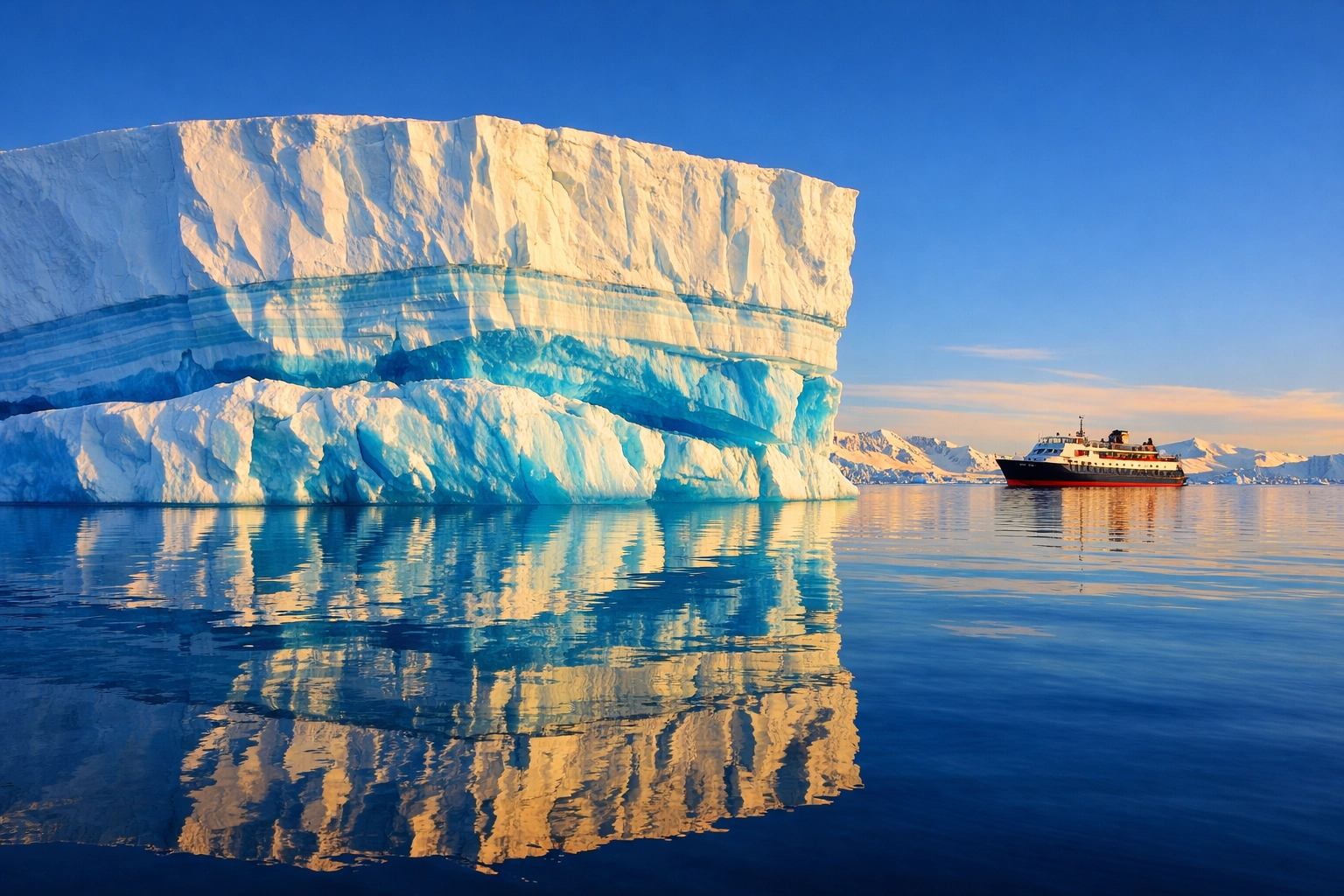
The Antarctic cruise season runs from November through March, which corresponds to the continent’s summer. But not all months are created equal, and choosing your timing strategically means the difference between seeing penguin eggs and watching penguin chicks take their first swim.
November (Early Season): This is Antarctica at its most pristine. The sea ice is just beginning to break up, creating dramatic landscapes of white and blue. Penguin courtship is in full swing, you’ll witness elaborate mating rituals and nest-building. The downside? It’s colder, and some areas may still be inaccessible due to ice. But if you want to see Antarctica in its purest, least-traveled state, November is your month.
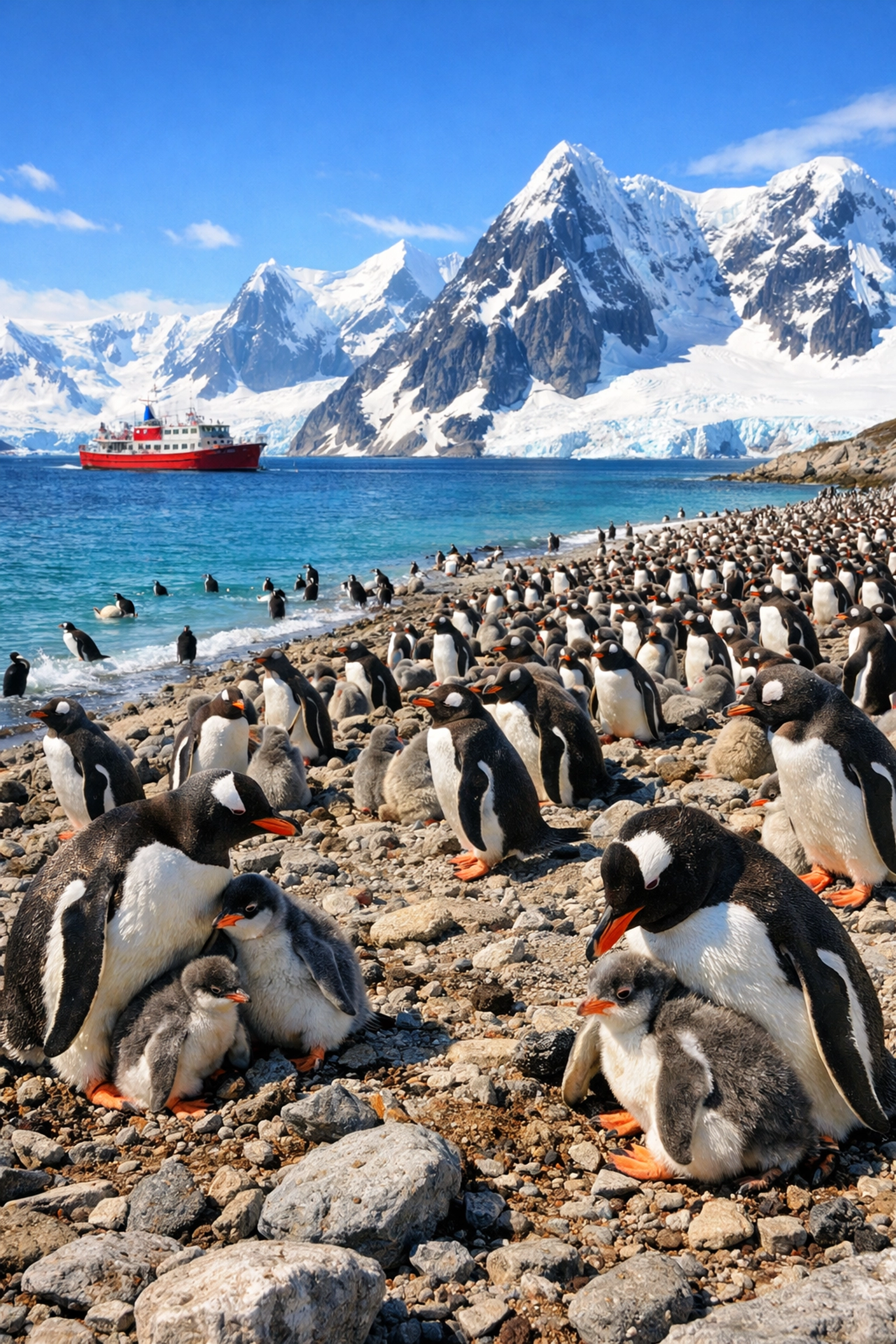
December to January (Peak Season): These are the warmest months (relatively speaking, we’re still talking about Antarctica). The penguin chicks are hatching, which means maximum cuteness and maximum chaos at the colonies. Whale sightings increase as humpbacks and minkes follow the krill blooms. The sun barely sets, giving you nearly 24 hours of daylight for photography and exploration. This is also when prices peak and ships book out fastest.
February (Late Season): By February, the penguin chicks are fledging, learning to swim, and creating absolute mayhem on the beaches. Whale activity reaches its zenith as they feast before their migration. The ice has receded enough to access areas that were impossible earlier in the season. The trade-off? The weather becomes more unpredictable, and adult penguins start looking bedraggled as they molt. But if whales are your priority, February is unbeatable.
March (End of Season): Only a handful of trips operate in March, but those who go are rewarded with incredible whale encounters and massive icebergs. The Antarctic autumn creates moody, dramatic lighting perfect for photography. It’s also significantly cheaper. However, wildlife activity drops as animals prepare for winter, and weather can be particularly rough.
Most first-timers should target December or January for the optimal balance of weather, wildlife, and conditions.
Choosing Your Chariot: Ship Size Matters More Than You Think
This is where Antarctic travel gets interesting. The ship you choose will fundamentally shape your entire experience.
The Mega Ships (500+ Passengers): Let’s address these first. You’ll see massive cruise ships advertising Antarctic voyages at surprisingly affordable prices. Here’s what they don’t emphasize in the marketing: ships carrying more than 500 passengers cannot make landings in Antarctica. You’ll do scenic cruising, you’ll see icebergs and wildlife from the deck, but you won’t set foot on the continent. These trips appeal to passengers who want to check Antarctica off their list without committing to true expedition-style travel. They’re comfortable, affordable, and offer full cruise ship amenities. But they’re not what this guide is about.
Expedition Vessels (70-200 Passengers): This is the sweet spot for most Antarctic travelers. These Polar Class ships are purpose-built for ice navigation and multiple daily landings. Expect sturdy construction, ice-strengthened hulls, and a fleet of Zodiac boats for shore excursions. Companies like Lindblad Expeditions, Quark Expeditions, and Hurtigruten operate excellent vessels in this category. Your days involve breakfast, a morning Zodiac excursion or landing, lunch, an afternoon excursion, evening lectures from expert naturalists, dinner, and maybe a late-night Zodiac cruise. The experience is active, immersive, and deeply educational. Accommodations range from comfortable to quite nice, but don’t expect over-the-top luxury. This is expedition travel.
Ultra-Luxury Expedition Vessels (100-250 Passengers): Welcome to the world where Antarctica meets butler service. Companies like Silversea, Seabourn, and Scenic operate ships that somehow manage to combine genuine expedition capability with all-suite accommodations, gourmet dining, extensive spa facilities, and service that borders on telepathic. You’ll do the same landings and Zodiac excursions as the expedition vessels, but you’ll return to a ship with complimentary champagne, premium spirits, multiple dining venues, and accommodation that rivals five-star hotels. These voyages cost significantly more, but the value proposition is compelling if comfort matters to you.
The International Association of Antarctic Tour Operators limits landings to 100 passengers at any given site simultaneously. Smaller ships mean more frequent landings and longer shore time. Larger expedition ships rotate groups, which works fine but requires more patience.
The Drake Passage: Preparing for Nature’s Washing Machine
Let’s talk about the elephant in the room, or more accurately, the 600-mile stretch of open ocean between South America’s Cape Horn and Antarctica’s South Shetland Islands.
The Drake Passage is legendary among travelers. It’s where the Atlantic and Pacific Oceans collide, where there’s no landmass to break up the waves, where the Antarctic Circumpolar Current creates some of the roughest seas on the planet. Sailors call it the “Drake Shake” when it’s angry and the “Drake Lake” when it’s calm.
Here’s the truth: you cannot predict which version you’ll get. Weather patterns in the Drake are notoriously fickle. You might experience glassy, calm seas that feel like sailing on a pond. Or you might spend 36 hours in your cabin with your face turning various shades of green.
How to Prepare Like a Pro:
Start taking motion sickness medication 24 hours before you enter the Drake, even if you feel fine. The patch works wonders for some travelers. Dramamine or Bonine are reliable. Ginger supplements help. Most expedition ships have a doctor onboard who can prescribe stronger medication if needed.
Choose a mid-ship cabin on a lower deck. The motion is significantly less pronounced here than at the bow, stern, or upper decks. If you’re prone to seasickness, this cabin placement alone can make the difference between misery and manageable discomfort.
Stay hydrated. Eat bland foods. Keep your eyes on the horizon. Avoid your cabin unless you need to sleep. Most ships maintain active programming during Drake crossings specifically to keep people engaged and distracted.
And here’s the mental reframe that helps: the Drake is part of the adventure. You’re crossing one of the planet’s most formidable ocean passages. Earn your Antarctica experience. The moment you spot your first iceberg after crossing the Drake, every moment of discomfort evaporates.
If the thought of two days at sea still terrifies you, some operators offer “fly-cruise” options where you fly over the Drake and board the ship in Antarctica itself. It’s significantly more expensive and weather-dependent, but it’s an option.
The Gear Guide: Beyond “Bring a Coat”
Antarctic packing advice often boils down to “bring warm clothes,” which is about as helpful as “bring money” when planning a vacation. Let me get specific.
What the Cruise Lines Provide:
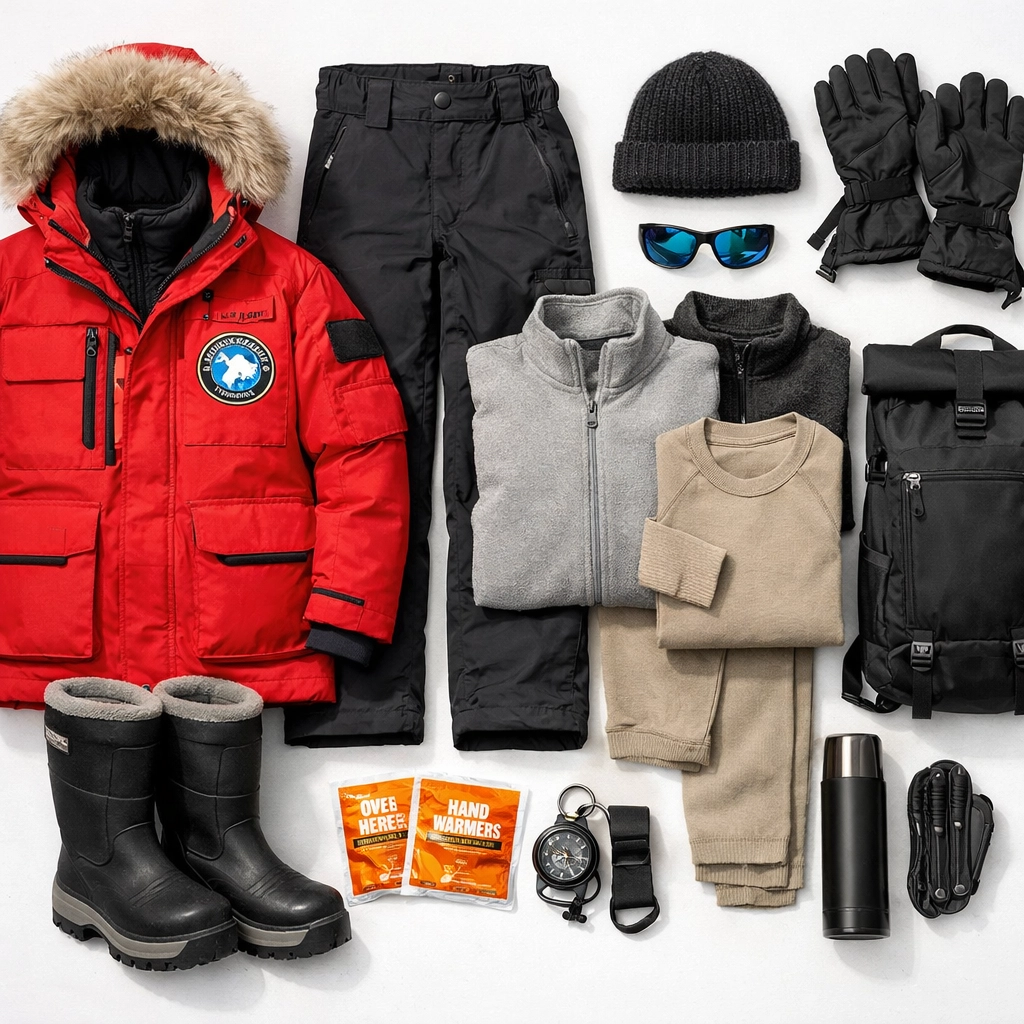
Most expedition cruises include a complimentary waterproof parka, typically a high-quality coat that’s yours to keep. They’ll also provide insulated rubber muck boots for Zodiac landings and shore excursions. Some ships offer loaner walking poles for icy terrain. Confirm exactly what your cruise provides before you start shopping.
The Layering System That Actually Works:
Think of Antarctic dressing like building a performance vehicle. Each layer serves a specific purpose.
Base Layer: Merino wool or synthetic long underwear, top and bottom. Bring at least two sets so you can rotate. This layer manages moisture and provides the foundation for warmth.
Mid Layer: Lightweight fleece or down. You want insulation without bulk. A fleece vest, fleece jacket, or lightweight down jacket works perfectly. Bring options because temperature regulation matters.
Insulation Layer: A heavier down jacket or synthetic insulated parka. This is what you wear under your waterproof shell.
Outer Layer: Your waterproof, windproof shell. The cruise provides this, but if you’re buying your own, invest in quality. Gore-Tex or equivalent. You’re on Zodiacs getting splashed by freezing Antarctic water. This layer must perform.
Lower Body: Waterproof pants are essential. Most cruises don’t provide these. Get fully waterproof over-pants that you can pull on over your base and mid layers. This is not the place to economize.
Extremities: Bring multiple glove options. Thin liner gloves for photography and phone use. Waterproof insulated gloves for Zodiac rides. Wool or fleece hat. Neck gaiter or balaclava. Heavy wool socks, bring enough pairs for daily changes.
The Accessories That Matter:
A waterproof backpack for shore excursions. Bring hand warmers, they’re lifesavers. Polarized sunglasses to combat snow glare. High-SPF sunscreen for your face (yes, you can sunburn in Antarctica). Moisturizer for the dry, cold air. A bathing suit for hot tubs and, if you’re brave, the polar plunge.
And for the love of all that’s holy, bring real camera equipment. Your phone won’t cut it when you’re photographing a humpback whale breaching against an iceberg backdrop. You don’t need professional gear, but bring a camera with a decent zoom lens and extra batteries. Cold kills battery life fast.
Daily Life: What an Antarctic Day Actually Looks Like
Your Antarctic routine develops a rhythm that’s simultaneously structured and wonderfully unpredictable.
You’ll wake to announcements over the ship’s PA system: maybe a whale sighting, maybe notification that the first Zodiac departure is in 45 minutes. Breakfast is communal, served in the dining room, and it’s usually excellent. Expedition ships take their food seriously.
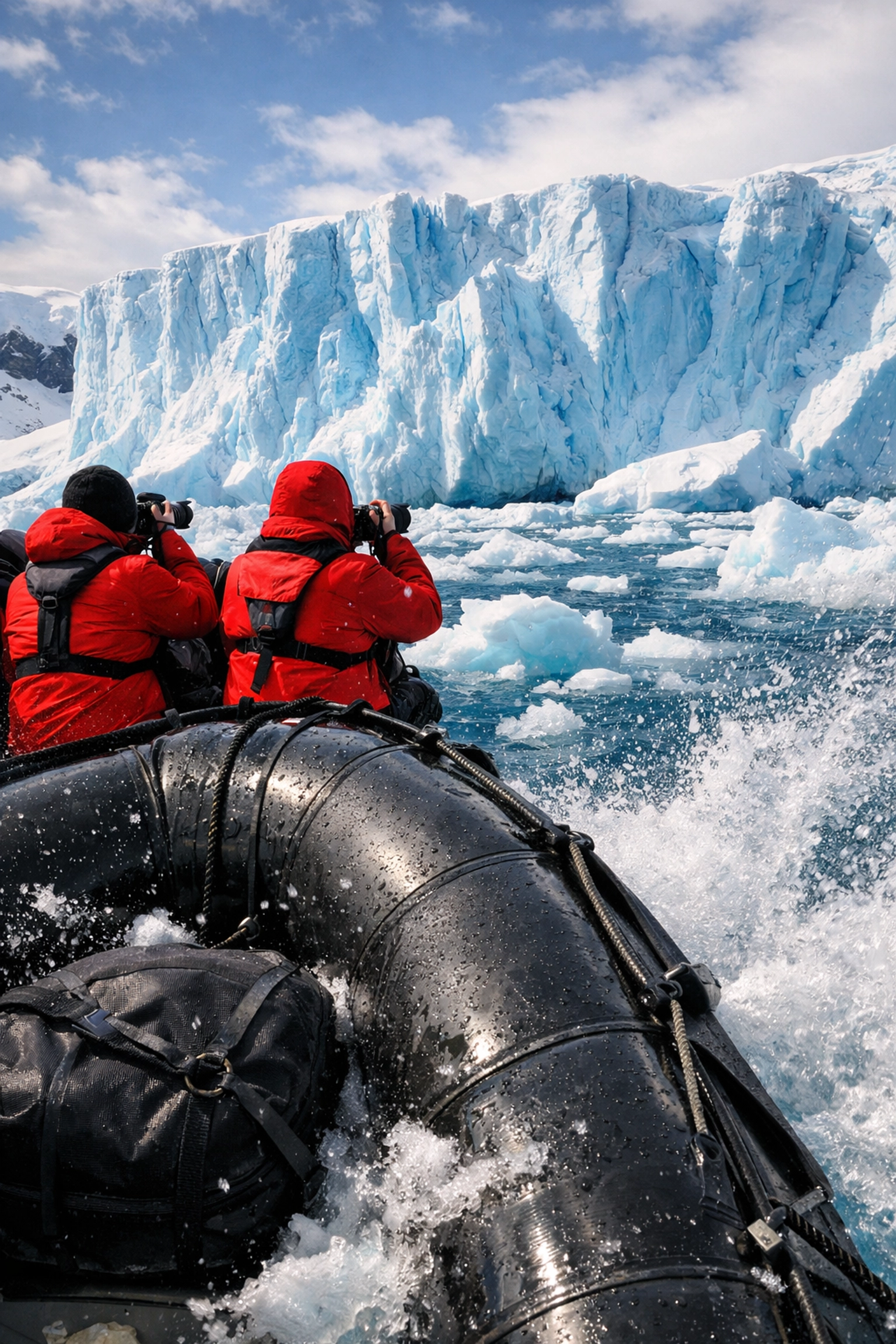
Zodiac Excursions: This is where Antarctica happens. Zodiacs are rigid inflatable boats that seat about 10 passengers plus an expedition guide. You’ll board from the ship’s platform, and the guides will take you cruising through ice-filled bays, around glaciers, and close to wildlife. The rule is simple: if wildlife approaches you, you can stay. If you approach wildlife, you must maintain distance. Penguins, being penguins, often violate this rule by investigating the strange black boats full of camera-wielding humans.
Landings: When conditions allow, you’ll make actual landings on Antarctic shores. The process involves organized boarding of Zodiacs, a wet landing on a beach or rocky outcrop (hence the rubber boots), and guided walks through penguin colonies, along historic sites, or up to viewpoints. International Antarctic Treaty guidelines limit landing times to protect the environment, so you might have 45 minutes to two hours ashore. It’s enough. Trust me, standing in a colony of tens of thousands of penguins is an intense sensory experience.
The Polar Plunge: At some point during the voyage, your expedition team will offer the opportunity to jump into Antarctic waters. This is voluntary, obviously. The water temperature hovers around 32°F (0°C). You’ll jump from the Zodiac platform or the ship’s marina, someone will photograph your moment of insanity, and you’ll emerge screaming with adrenaline and a story you’ll tell forever. Do it. You don’t go to Antarctica to play it safe.
Lectures and Naturalist Programs: Between excursions, the expedition team delivers lectures on everything from glaciology to penguin biology to Antarctic history. These aren’t dry academic presentations. Your expedition team typically includes marine biologists, professional photographers, historians, and polar veterans who’ve spent decades working in Antarctica. They’re storytellers who bring the White Continent to life.
Flexible Itineraries: Here’s the most important thing to understand about Antarctic travel: nothing is guaranteed. Weather dictates everything. That landing you were promised might get cancelled because winds kicked up. The captain might alter course to avoid ice or to chase a whale pod someone spotted. This flexibility is part of expedition travel’s beauty. You’re not on a tour: you’re on an adventure.
Expedition vs. Luxury: Finding Your Balance
This decision reveals what kind of traveler you actually are.
Expedition-style ships attract people who prioritize experience over comfort. These are travelers who’d rather have longer shore times and more landings than turndown service and multiple dining venues. The cabins are smaller, the décor is functional, and the focus is entirely on what’s outside the ship. You’ll eat meals communally at assigned times, gather in a single lounge for lectures, and bond with fellow travelers over shared adventures. This is authentic expedition travel.
Luxury expedition ships ask a different question: why can’t you have both? These vessels prove you can do serious expedition travel while maintaining five-star standards. You’ll make the same landings in the same Zodiacs, but you’ll return to all-suite accommodations, gourmet meals, and service that anticipates your needs. Some travelers find this combination perfect: they’re pushing their adventure boundaries in Antarctica and need comfort to balance the intensity. Others feel it’s somehow less authentic.
There’s no wrong answer. Your budget, comfort preferences, and travel philosophy determine which direction you lean. A 10-day expedition cruise might cost $8,000-$15,000 per person. The luxury version of essentially the same itinerary runs $15,000-$30,000+. That’s a significant difference, but both deliver Antarctica.
Consider what drains you. If small cabins and assigned dining times would create stress that prevents you from fully enjoying Antarctica, spend the money on luxury. If you barely notice accommodation quality when you’re focused on the destination, save your money for other adventures.
The Booking Process: Why You Need a Specialist
Here’s where I shift from informational to personal: do not try to book this trip yourself.
Antarctic expedition cruises operate differently than mainstream travel. The operators are specialized companies: Lindblad, Quark, Hurtigruten, Ponant, Silversea’s expedition fleet, Seabourn Venture: with limited inventory and complex logistics. Pricing is dynamic, cabin categories have nuances that matter, and understanding the differences between ships within the same company requires insider knowledge.
At Time For Your Vacation, we work with these expedition operators constantly. We know which ships have been recently refurbished. We know which expedition leaders are outstanding and which ships they’re working on. We know how to position your booking to maximize early booking discounts, group benefits, or last-minute cabin releases. We know the operators who consistently deliver exceptional experiences versus those who sometimes disappoint.
More importantly, we handle the complexity. Antarctic travel requires coordinating international flights to South America, potential pre- or post-cruise hotel stays in Buenos Aires or Santiago, trip insurance that specifically covers expedition travel and medical evacuation, gear recommendations, and documentation requirements. We manage all of it.
Most Antarctic bookings happen 12-18 months in advance. Popular departure dates and preferred cabin categories sell out fast. Working with a specialist means you’re getting access to inventory and insider knowledge that self-booking simply can’t match.
Making It Real
Antarctica represents the ultimate expression of why travel matters. It’s not about comfort or convenience or ticking boxes on a bucket list. It’s about standing in a place so remote, so pristine, so overwhelming in its beauty that it fundamentally changes how you see the planet.
Every traveler returns from Antarctica transformed. You’ll find yourself caring deeply about climate change and ocean health. You’ll become insufferably enthusiastic about penguins. You’ll gain perspective on what actually matters in life. And you’ll immediately start planning your return trip.
The planning process matters because Antarctica rewards preparation. The travelers who have transcendent experiences are the ones who chose the right timing, the right ship, the right gear, and the right mindset. They embraced the Drake Passage as part of the adventure. They understood that flexibility and unpredictability make expedition travel meaningful. They worked with specialists who positioned them for success.
You’re ready for this. Antarctica is waiting. And 2026 is your year to make it happen.
Ready to start planning your Antarctic expedition? Visit us at www.TimeForYourVacation.com to connect with our expedition travel specialists. For more travel insights and tips, check out www.DaveTheTourGuide.com and explore our latest adventures at www.TimeForYourVacation.blog. You can also tune into our podcast at https://www.podomatic.com/podcasts/contact24682 for in-depth conversations about expedition travel and adventure planning.
 Time For Your Vacation
Leave a comment