
You see that cruise fare advertised for $599 per person and think you’ve found the vacation deal of the century. You book it immediately, feeling pretty smart about your budget-friendly choice. Then reality hits.
Your cruise fare is just the beginning. Your cruise fare is the foundation, not the total. Your cruise fare represents maybe 60% of what you’ll actually spend on your dream getaway.
The truth about cruise pricing isn’t meant to scare you away from these incredible vacations. The truth is meant to help you budget properly so you can enjoy every moment without financial stress. When you understand the real cost breakdown, you can plan accordingly and avoid those shocking credit card bills that arrive weeks after you return home.
Understanding Your Base Cruise Fare
Your base cruise fare covers your stateroom, main dining room meals, buffet access, most entertainment, and basic ship amenities. For a seven-night cruise, you’re looking at anywhere from $400 to $1,400 per person, depending on your cabin category, cruise line, and destination.
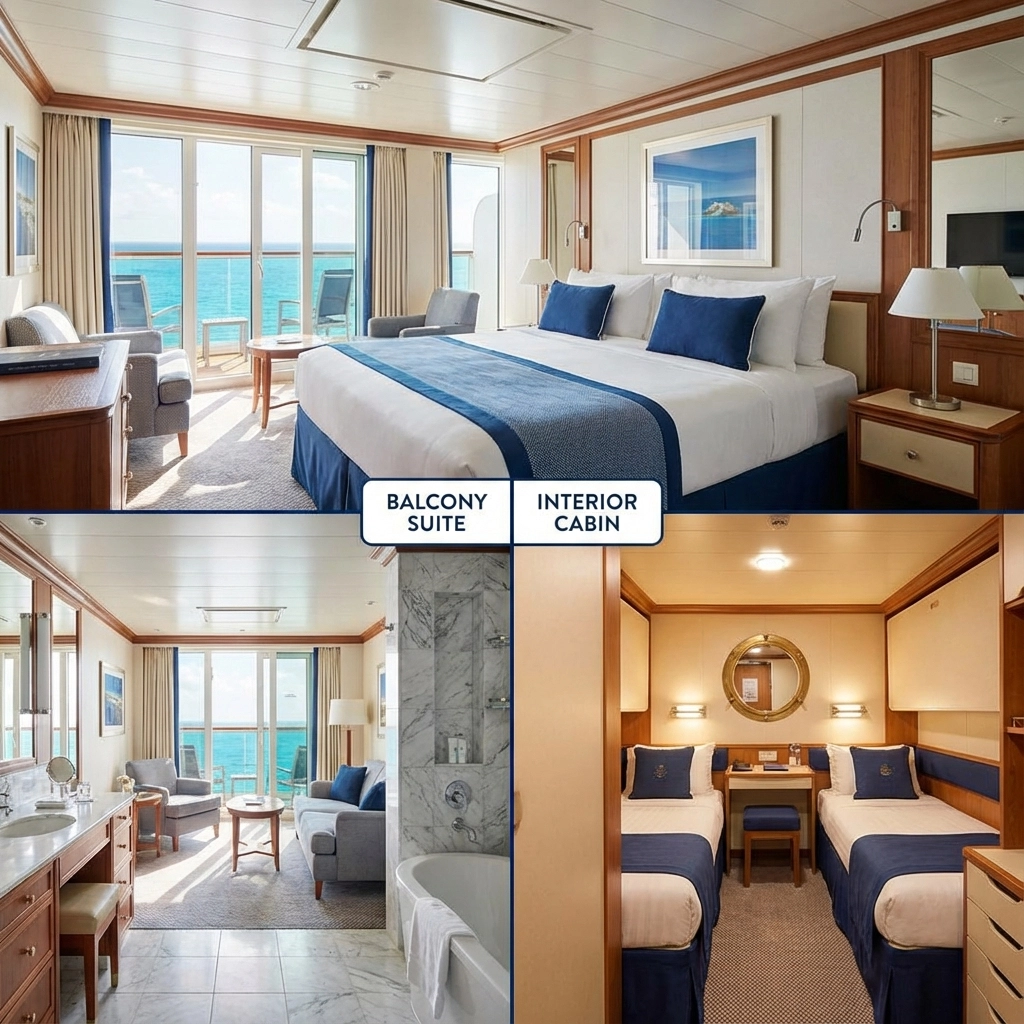
Interior cabins offer the lowest rates. Oceanview rooms bump up the price. Balcony staterooms cost significantly more. Suite categories can triple or quadruple your base fare.
But here’s what most first-time cruisers don’t realize: that per-person rate assumes two people sharing a cabin. Solo travelers face a “single supplement” that can cost 150% to 200% of the standard per-person rate. Your $800 cruise suddenly becomes $1,600 when you’re traveling alone.
Peak seasons like Christmas, New Year’s, and spring break drive rates higher. Hurricane season and repositioning cruises offer lower base fares but often require expensive flights to distant departure ports.
The Hidden Fees That Shock First-Time Cruisers
Taxes and port fees aren’t included in most advertised cruise fares. These mandatory charges typically add $150 to $300 per person, regardless of your cabin category. You can’t avoid them, so factor them into your initial budget calculations.
Gratuities represent another unavoidable expense. Most cruise lines automatically charge $13 to $16 per person per day for crew gratuities. For a family of four on a seven-night cruise, that’s $364 to $448 in tips alone. Some passengers adjust these amounts up or down, but the baseline expectation remains.
Specialty restaurant charges catch many cruisers off guard. While the main dining room and buffet are included, those trendy steakhouses, sushi bars, and celebrity chef venues cost extra. Expect to pay $30 to $75 per person for specialty dining experiences, and these restaurants often require reservations that book up quickly.
Service charges automatically appear on your bill for spa treatments, bar drinks, and salon services. These 18% to 20% gratuities are added whether you realize it or not, so that $12 cocktail becomes $14.40 with service charges.
Shore Excursions: Where Costs Really Add Up
Shore excursions represent one of the largest variable expenses on your cruise. You can spend nothing and explore ports independently, or you can spend thousands on exclusive experiences.
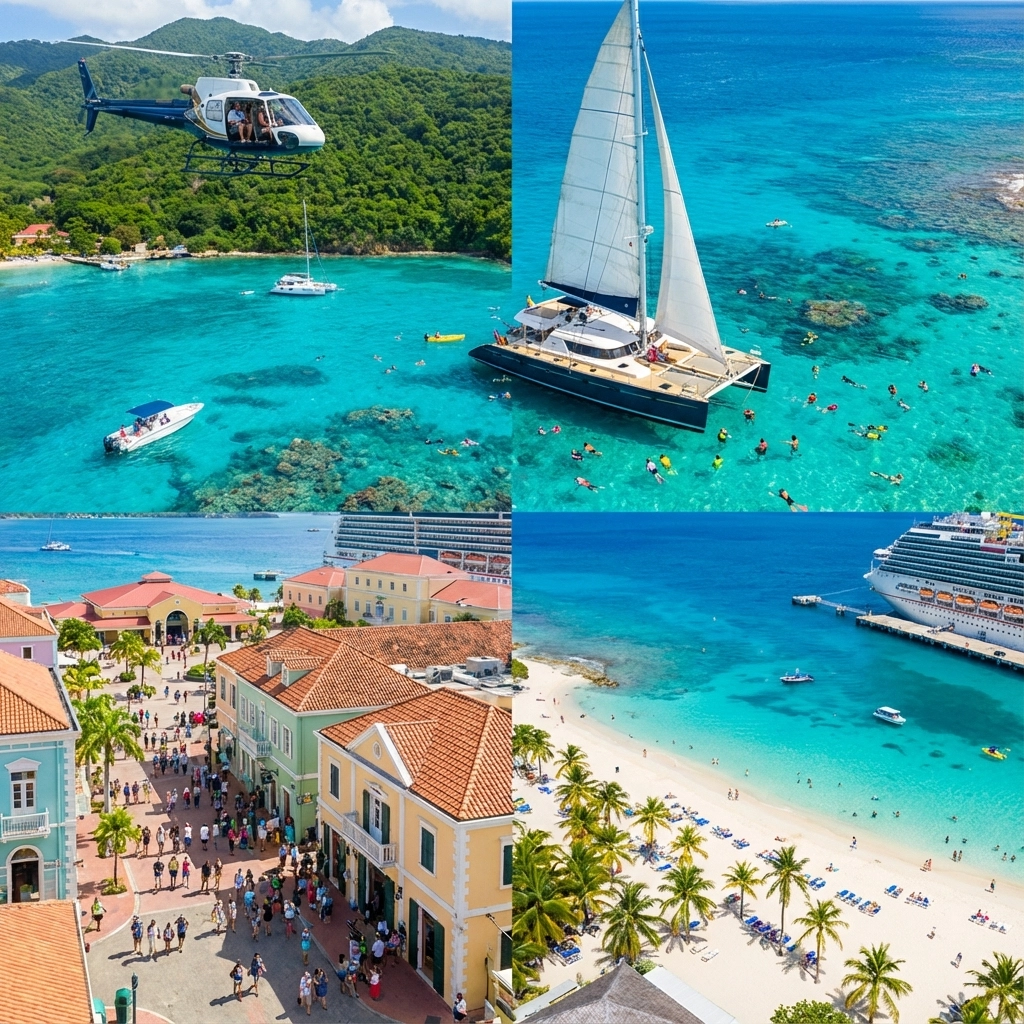
Basic walking tours through the cruise line typically cost $40 to $80 per person. Beach days with transportation and amenities range from $60 to $120 per person. Adventure activities like zip-lining, snorkeling, or ATV tours cost $100 to $200 per person.
Luxury excursions push costs much higher. Private car services, helicopter tours, wine tastings, and cultural immersion experiences can cost $200 to $500 per person, per port. A seven-night Caribbean cruise with premium shore excursions for two people can easily add $2,000 to your total vacation cost.
Independent exploration saves money but requires more planning and research. You need to arrange your own transportation, navigate language barriers, and ensure you return to the ship on time. Missing the ship due to an independent excursion gone wrong means expensive flights to catch up with your cruise.
Onboard Expenses That Multiply Quickly
Beverage packages seem like a smart purchase until you calculate the math. Most cruise lines offer unlimited drink packages ranging from $50 to $80 per person per day. For a couple on a seven-night cruise, that’s $700 to $1,120 total.
You need to consume quite a few drinks to break even on these packages. Premium cocktails cost $12 to $18 each, wine ranges from $8 to $15 per glass, and specialty coffees cost $4 to $6. If you’re not a heavy drinker, you might save money paying per drink.
Specialty dining becomes addictive once you experience the elevated cuisine. Most cruisers plan one or two specialty restaurant visits but end up dining at premium venues four or five times during their cruise. That modest $150 specialty dining budget becomes $400 or $500 when you discover amazing sushi, steakhouses, and chef’s table experiences.
Spa services offer relaxation but at premium prices. A basic massage costs $140 to $180 before gratuities. Couples’ treatments, facial packages, and thermal suite access can push spa expenses to $500 or $800 per person.
Casino spending varies wildly among cruisers. Some people never gamble, while others lose hundreds or thousands of dollars during their week at sea. Cruise ship casinos offer terrible odds compared to land-based venues, so set strict limits if you choose to play.
Pre-Cruise and Transportation Costs
Airfare to your departure port often exceeds your cruise fare, especially for Alaska, Europe, or exotic itineraries. Domestic flights to Florida or California might cost $300 to $600 per person. International flights for Mediterranean or Northern European cruises can cost $800 to $1,500 per person.
Cruise parking fees at most ports range from $20 to $25 per day. A seven-night cruise adds $140 to $175 in parking costs. Airport parking, if you’re flying to your departure city, costs similar amounts.
Hotel stays before or after your cruise add substantial expenses. Many cruisers arrive a day early to avoid missing the ship due to flight delays. Port city hotels charge premium rates, especially near cruise terminals. Expect to pay $150 to $400 per night for decent accommodations in Miami, Fort Lauderdale, Barcelona, or Rome.
Travel insurance protects your investment but costs 5% to 10% of your total trip cost. For a $4,000 cruise vacation, insurance costs $200 to $400. Cruise line insurance offers convenience but third-party providers often offer better coverage and pricing.

Wi-Fi and Communication Expenses
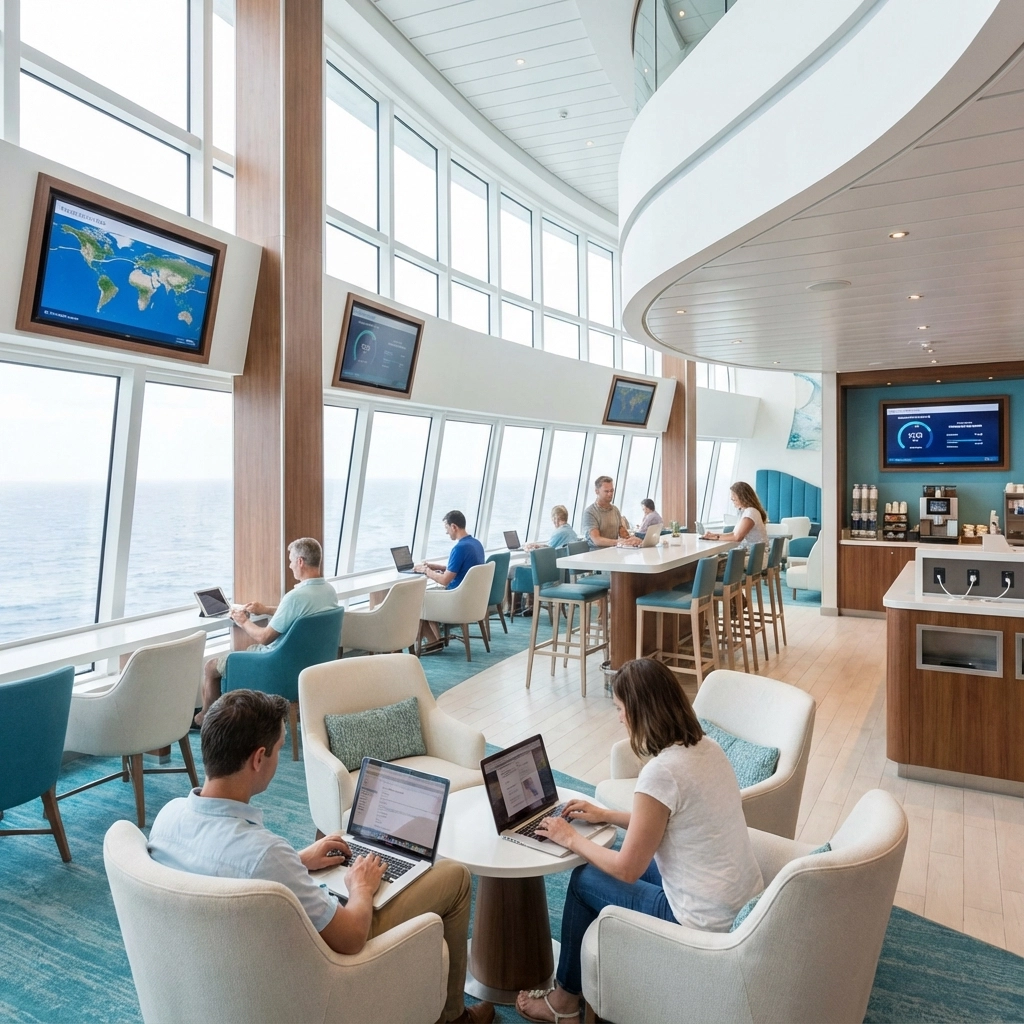
Internet packages on cruise ships cost $15 to $30 per device per day. Family plans might reduce per-device costs, but connectivity remains expensive and often slow. A week of internet access for two devices costs $210 to $420.
International cell phone roaming charges can create shocking bills if you don’t plan ahead. Some carriers offer cruise ship packages, but these still cost $10 to $15 per day per device. Turning off data roaming and using ship Wi-Fi prevents unexpected charges.
Photo packages tempt many cruisers with professional portraits and candid shots throughout the cruise. Basic packages cost $150 to $300, while premium packages with unlimited photos cost $400 to $600. Individual photos cost $20 to $30 each, making packages seem like better value.
Shopping and Personal Expenses
Onboard shopping ranges from affordable souvenirs to expensive luxury goods. Jewelry, watches, and designer accessories offer “duty-free” pricing that may or may not represent genuine savings. Many cruisers spend $200 to $500 on onboard shopping without planning these purchases.
Port shopping for local crafts, artwork, and regional specialties adds to your vacation costs. Caribbean ports offer everything from $5 t-shirts to $500 artwork. European ports tempt with designer goods, local wines, and unique crafts that cost significantly more than Caribbean alternatives.
Laundry services on cruise ships charge premium rates. Basic wash-and-fold costs $30 to $50 per bag. Dry cleaning costs even more. Bringing enough clothes for your entire cruise or using guest laundry facilities saves substantial money.
Real-World Cost Examples
A typical middle-class family of four on a seven-night Caribbean cruise might budget as follows:
- Base cruise fare (interior cabin): $2,800
- Taxes and fees: $800
- Gratuities: $364
- Beverage package: $800
- Specialty dining: $400
- Shore excursions: $1,200
- Airfare: $1,600
- Airport parking/transfers: $200
- Onboard purchases: $600
- Total: $8,764
A couple choosing a balcony cabin on the same cruise with premium experiences:
- Base cruise fare (balcony): $3,200
- Taxes and fees: $400
- Gratuities: $182
- Premium beverage package: $1,000
- Specialty dining: $600
- Premium shore excursions: $1,800
- Airfare: $1,200
- Pre-cruise hotel: $350
- Spa services: $800
- Shopping and miscellaneous: $500
- Total: $10,032
These examples illustrate how quickly costs accumulate beyond your base cruise fare. The advertised $350 per person cruise becomes a $4,000+ vacation for two people when you include realistic expenses.
Insider Tips to Control Your Cruise Costs
Book specialty dining and spa treatments early in your cruise when special pricing and packages are available. Many ships offer 30% to 50% discounts on spa packages during embarkation day.
Research port destinations before your cruise to identify free or low-cost activities. Many Caribbean beaches offer public access without requiring expensive shore excursions. European ports often have affordable public transportation to major attractions.
Bring your own beverages for the first day, as most cruise lines allow you to carry on wine and non-alcoholic drinks. This helps you assess whether a beverage package makes financial sense for your drinking habits.
Set daily spending limits for gambling, shopping, and discretionary purchases. Cruise ships make spending easy with cashless systems that charge everything to your cabin, but this convenience can lead to overspending.
Consider repositioning cruises or shoulder season sailings for lower base fares. These cruises offer the same onboard experiences at reduced prices, though they may require more expensive flights to departure ports.
Book through experienced travel professionals who understand cruise pricing and can help you budget accurately for your entire vacation cost.
How Time For Your Vacation Makes Cruise Planning Stress-Free
Planning a cruise involves dozens of decisions that directly impact your total vacation cost. Working with experienced cruise specialists eliminates guesswork and helps you budget accurately from the start.
At Time For Your Vacation, we’ve planned hundreds of cruise vacations and understand exactly how costs add up. We help you identify which expenses are worth the investment and which you can skip without missing important experiences.
Our Black Key Elite service provides comprehensive cruise planning that covers every detail from pre-cruise hotel arrangements to specialty restaurant reservations. We know which shore excursions offer the best value and which onboard packages save money for your specific travel style.
We work with all major cruise lines and can compare total vacation costs across different ships and itineraries. Sometimes a more expensive cruise line offers better included amenities that reduce your overall vacation cost.
Your cruise vacation should create amazing memories, not financial stress. Let us handle the complex planning details so you can focus on enjoying every moment of your time at sea.
Whether you’re planning your first cruise or your twentieth, accurate budgeting ensures you can enjoy specialty restaurants, exciting shore excursions, and relaxing spa treatments without worrying about overspending. Your dream cruise vacation is within reach when you plan properly for the real total cost.
Ready to plan your perfect cruise vacation with accurate budgeting and expert guidance? Contact Dave Galvan at TimeForYourVacation.com, DaveTheTourGuide.com, or BlackKeyElite.com for personalized cruise planning that covers every detail and keeps you within budget.
 Time For Your Vacation
Leave a comment